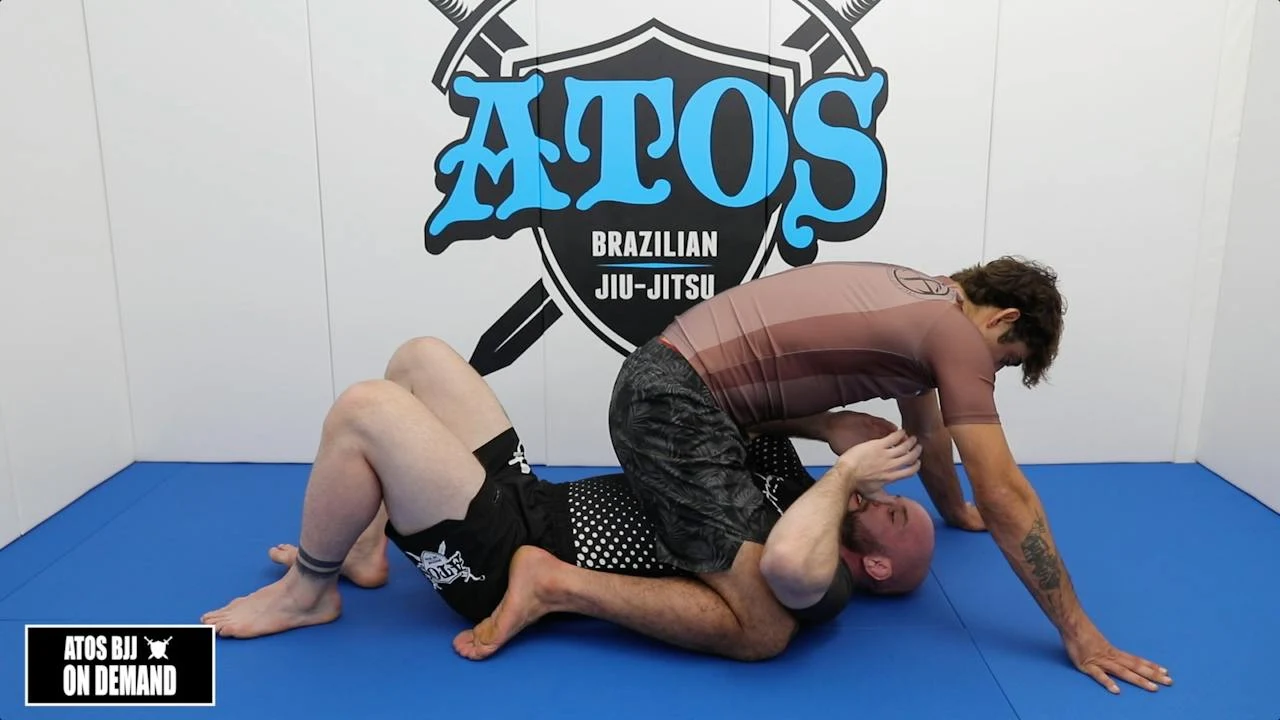
Escaping high mount starts with finding your arms again
High mount can change the escape before your hips move. Identify the elbow and shoulder problem, then rebuild the position your escape needs.
Owen Bellamy


Owen Bellamy
Owen Bellamy writes for the person training twice a week around a job. Nothing he suggests requires quitting the job.
High mount can change the escape before your hips move. Identify the elbow and shoulder problem, then rebuild the position your escape needs.
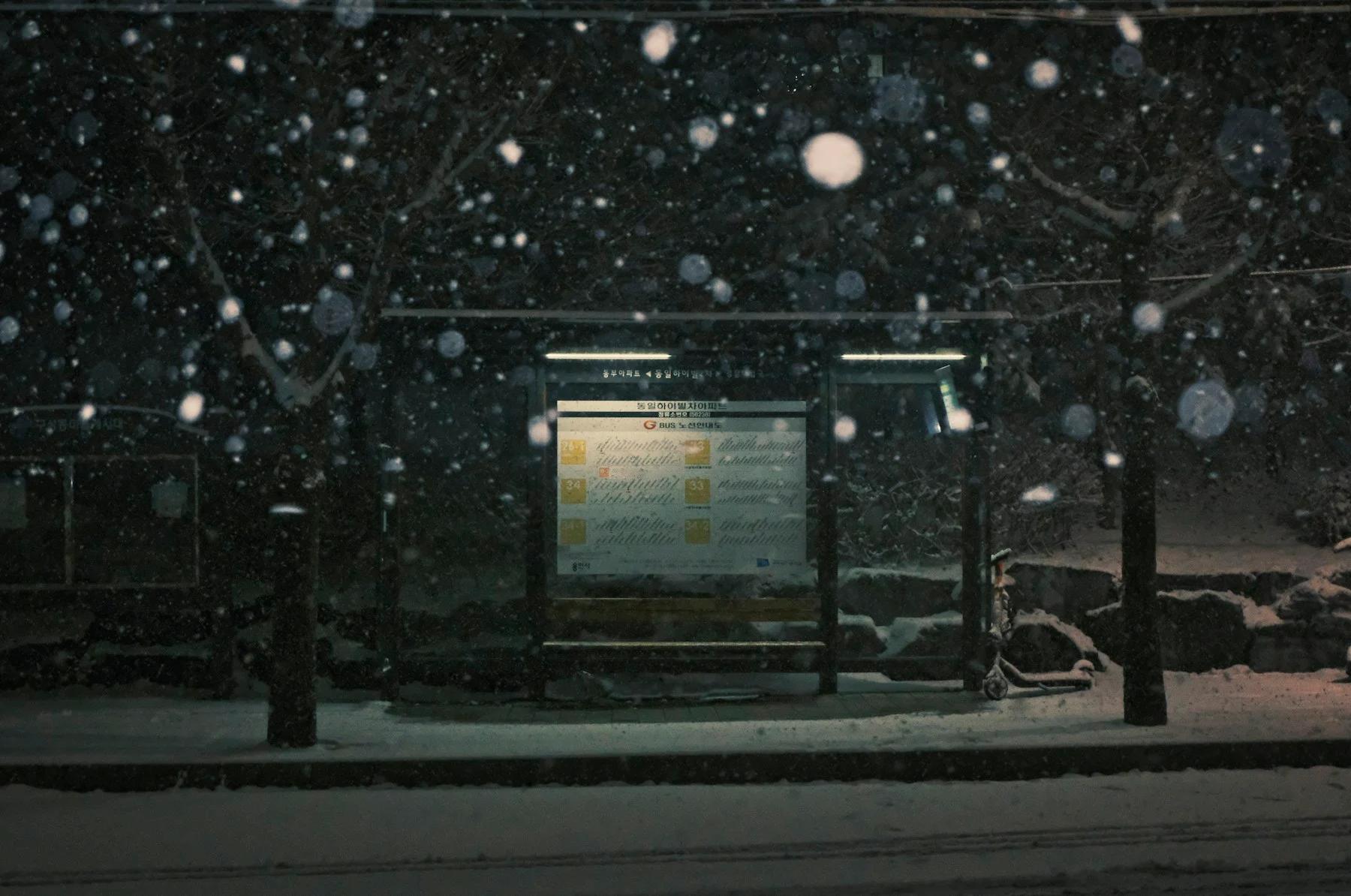
Plan winter BJJ travel around current conditions, the return trip, changing time, and dry kit. A class running does not settle whether you should travel.
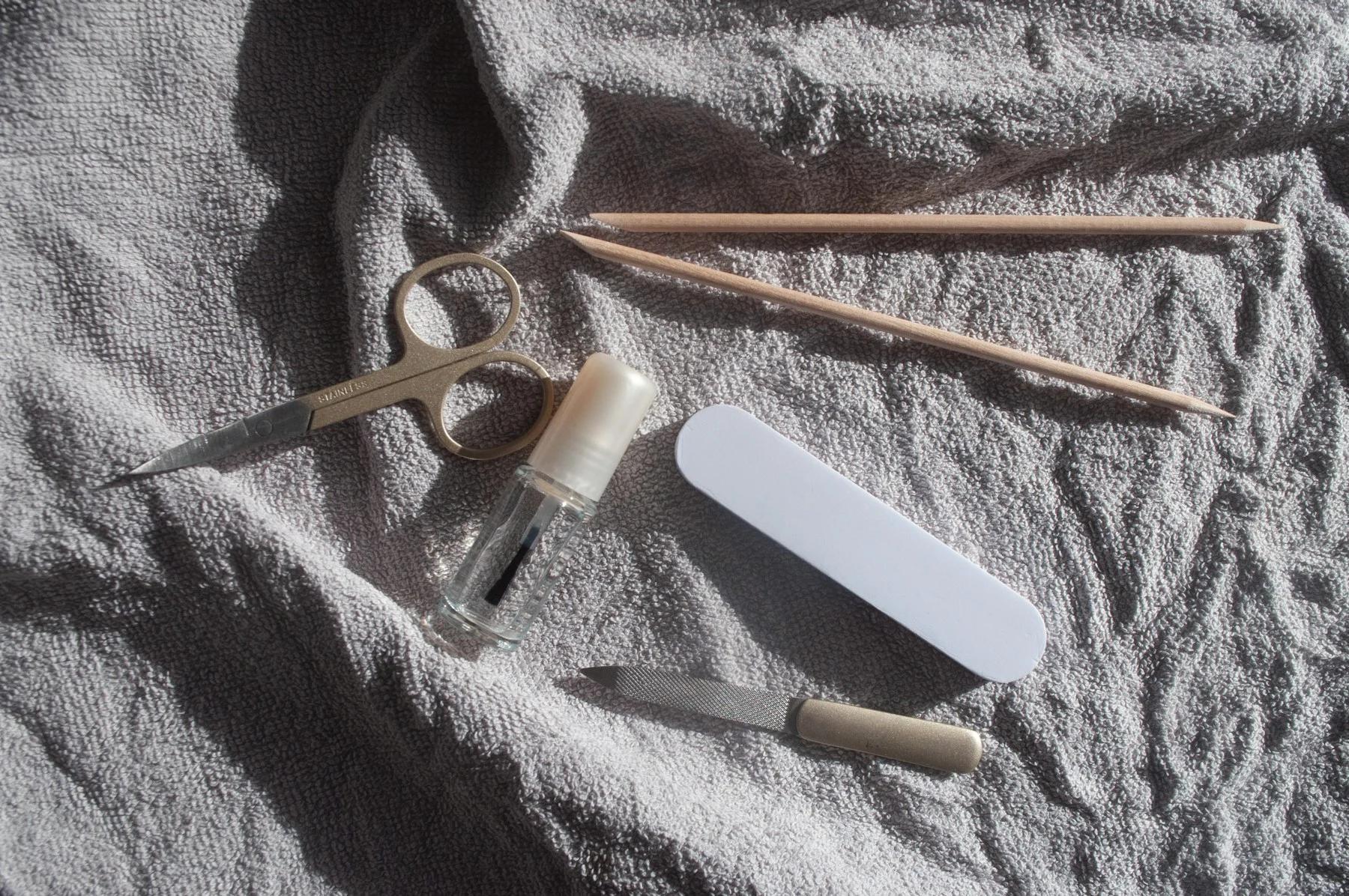
Build a simple pre-class check for nails, rings, watches, and other items. Follow the academy's policy instead of asking a partner to overlook it.
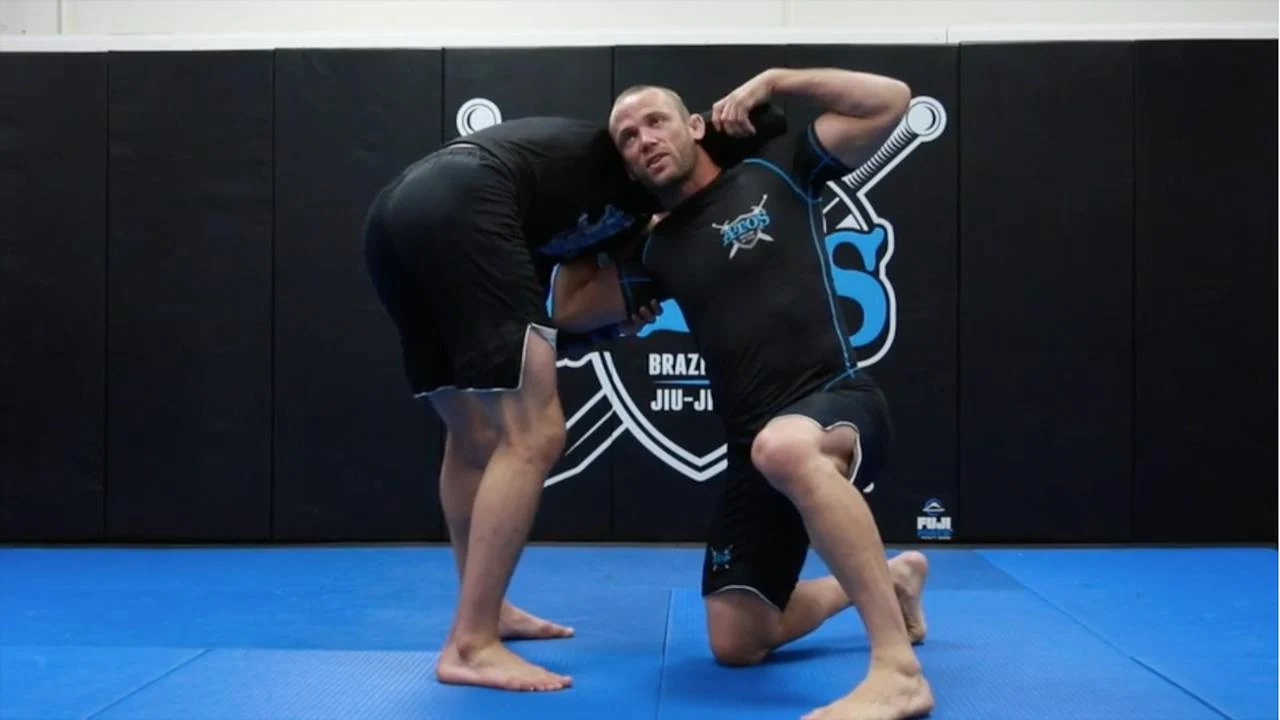
Getting your head beneath an arm is only part of a standing duck under. Study the setup, the angle, and the connection you need on the other side.
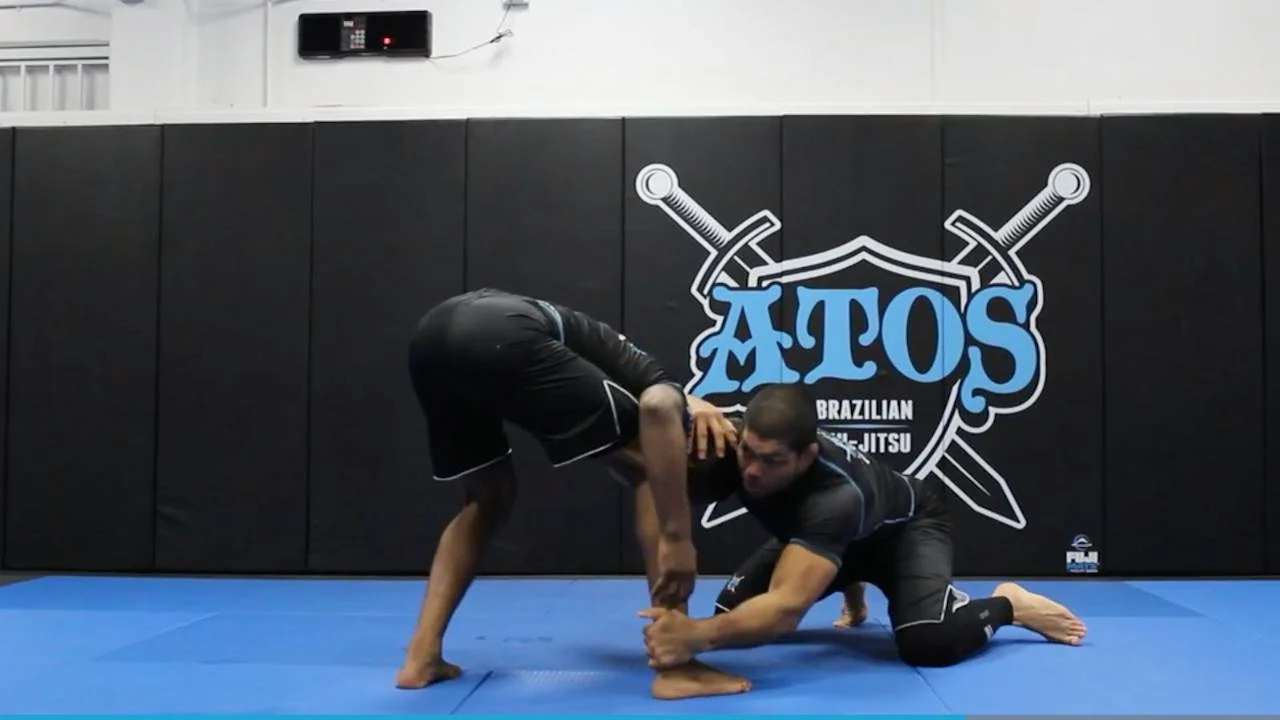
An ankle pick is a balance problem before a low reach. Study the upper-body connection, the available step, and the controlled arrival on the mat.

Choose a BJJ gi rotation around class spacing, washing, drying, and accepted kit. Two people training equally often can need different setups.

A BJJ sickle sweep is useful when the passer changes their base. Study the change of angle, the missing step, and the follow-up to top.
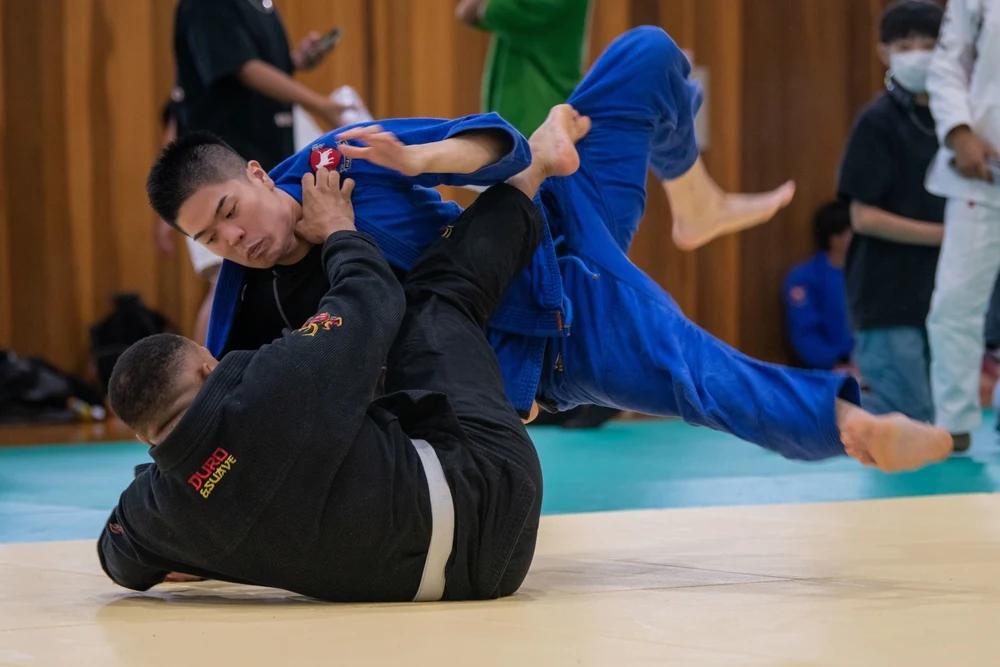
Set a start position, score, and short clock to rehearse late decisions in BJJ. Give the observer a simple job and replay the key exchange.

Find out whether a BJJ beginner class accepts mid-cycle starts, how to catch a missed topic, and when to ask about progressing.

A returning teammate may need a lift, an introduction, or an ordinary welcome. Ask which help they want before arranging the whole comeback.

A double session can solve a timetable problem or create one. Check access, define each class’s purpose, and leave room to change the plan.

Study the two-on-one through both partners’ positions and tasks. Keep the specific start, response, and next action together in your class questions.

A registration receipt, an accepted ID and event-day check-in do different jobs. Follow the organizer’s actual sequence before preparing to compete.

Looking for taught BJJ without full sparring? Ask what the actual class includes, how partners practice and whether the session fits your goal.

When filming is off limits, a few well-timed notes can preserve the starting position, the sticking point and the question you need to ask.

Halloween BJJ schedules show why a closure, an open mat, and a family event need different plans. Check the date, format, booking, and visitor terms.
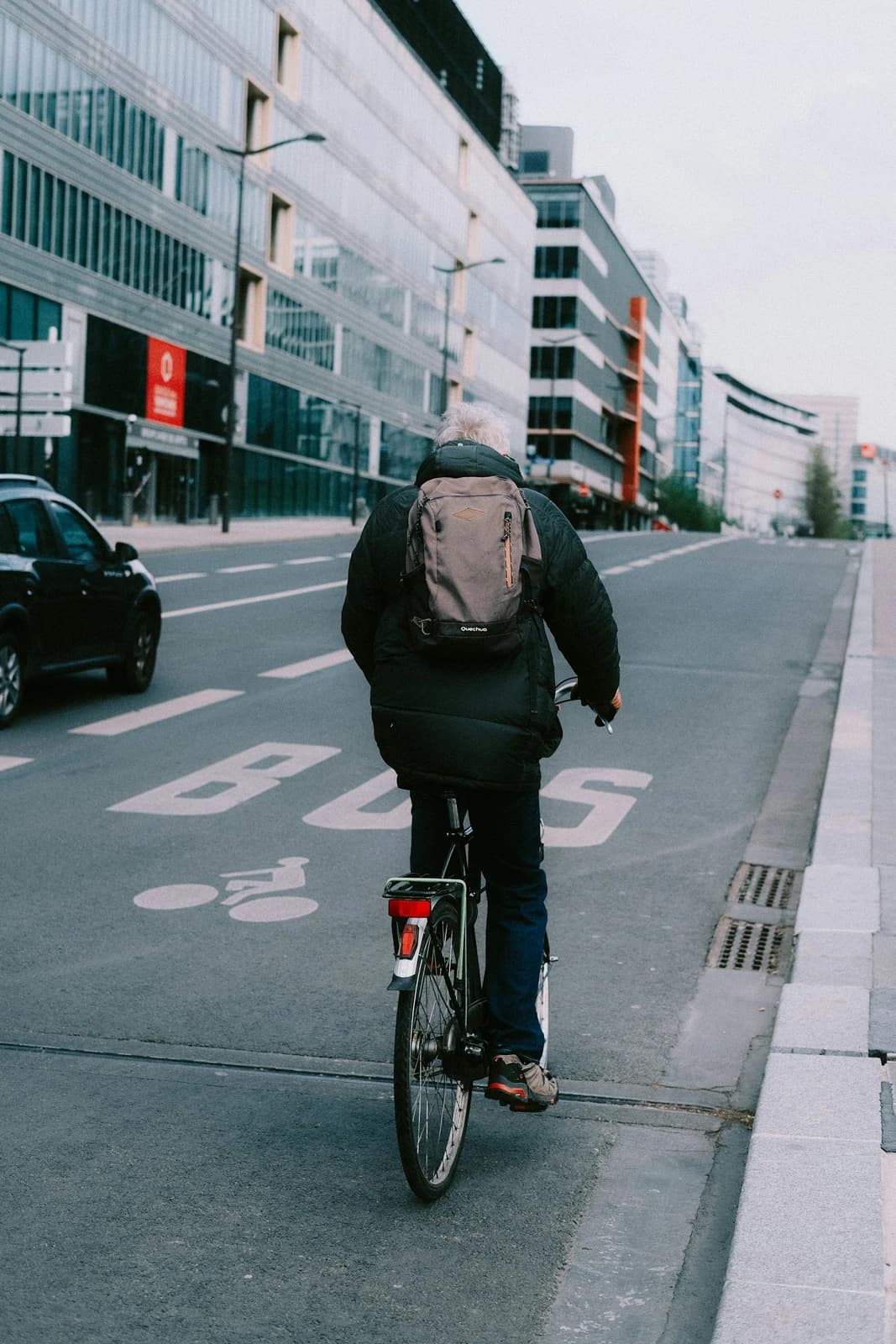
Make riding to jiu-jitsu workable with a route check, secure kit, a parking plan, and an honest decision about the journey home.

Design a supervised BJJ competition rehearsal that tests scheduling, score awareness, corner communication, and specific technical tasks.
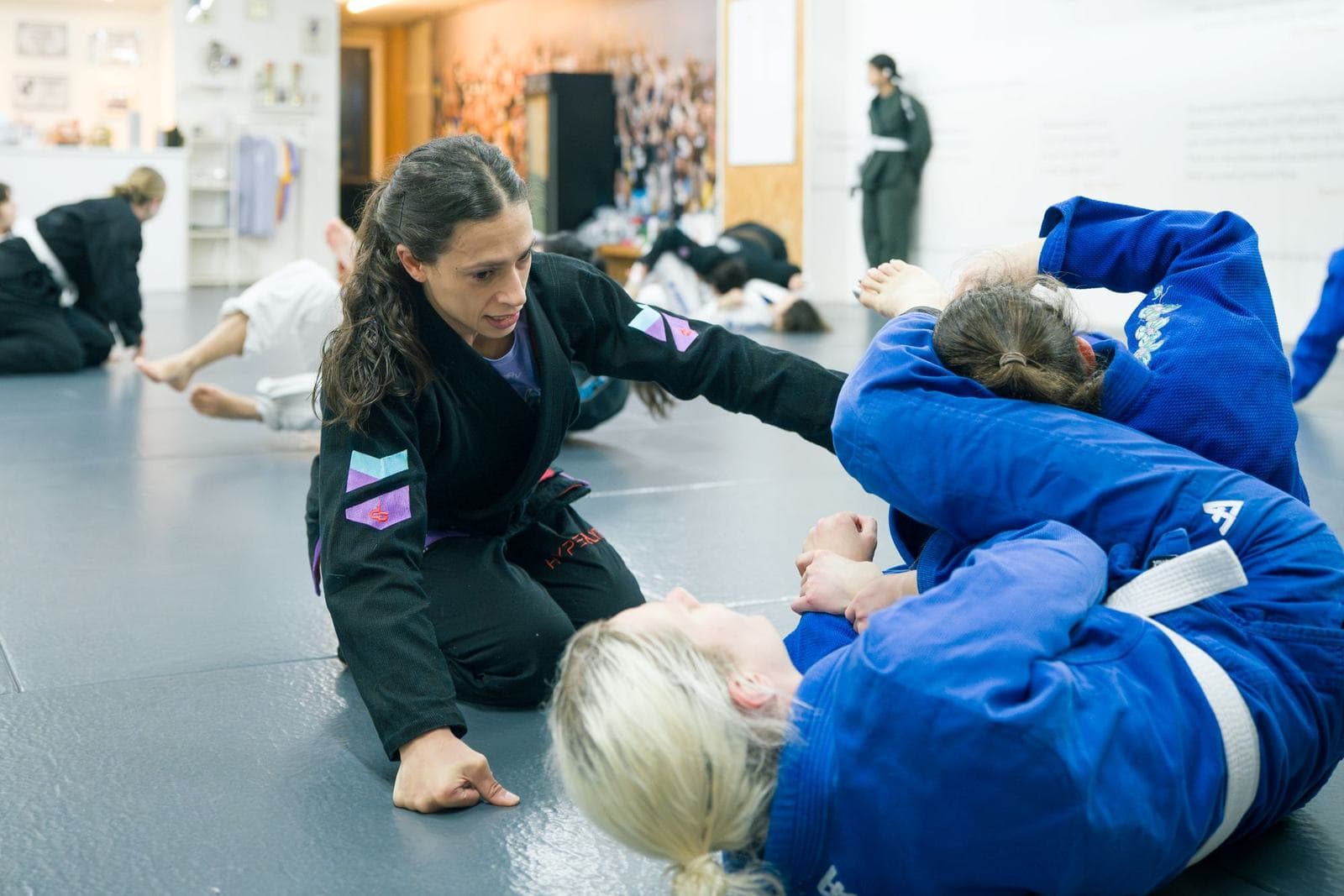
Make catch-and-release rounds useful with an agreed endpoint, clear resets or continuations, and feedback based on observable control.
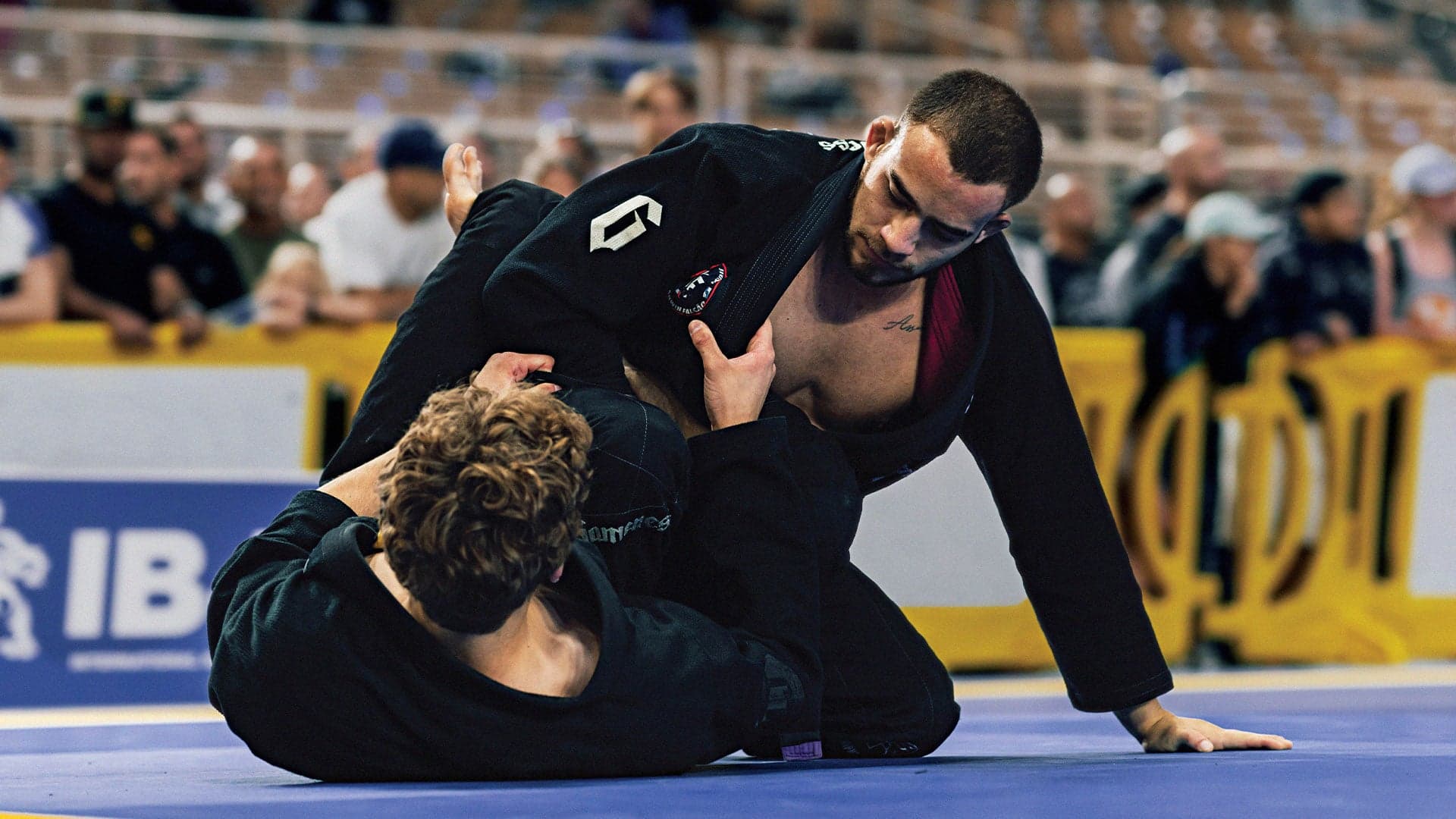
Bring wrestling skills into BJJ with a clear introduction to guard, submissions, rules, and coached positional work.

Give BJJ rounds a clearer beginning with agreed roles, reset conditions, and a practice task that fits the class.
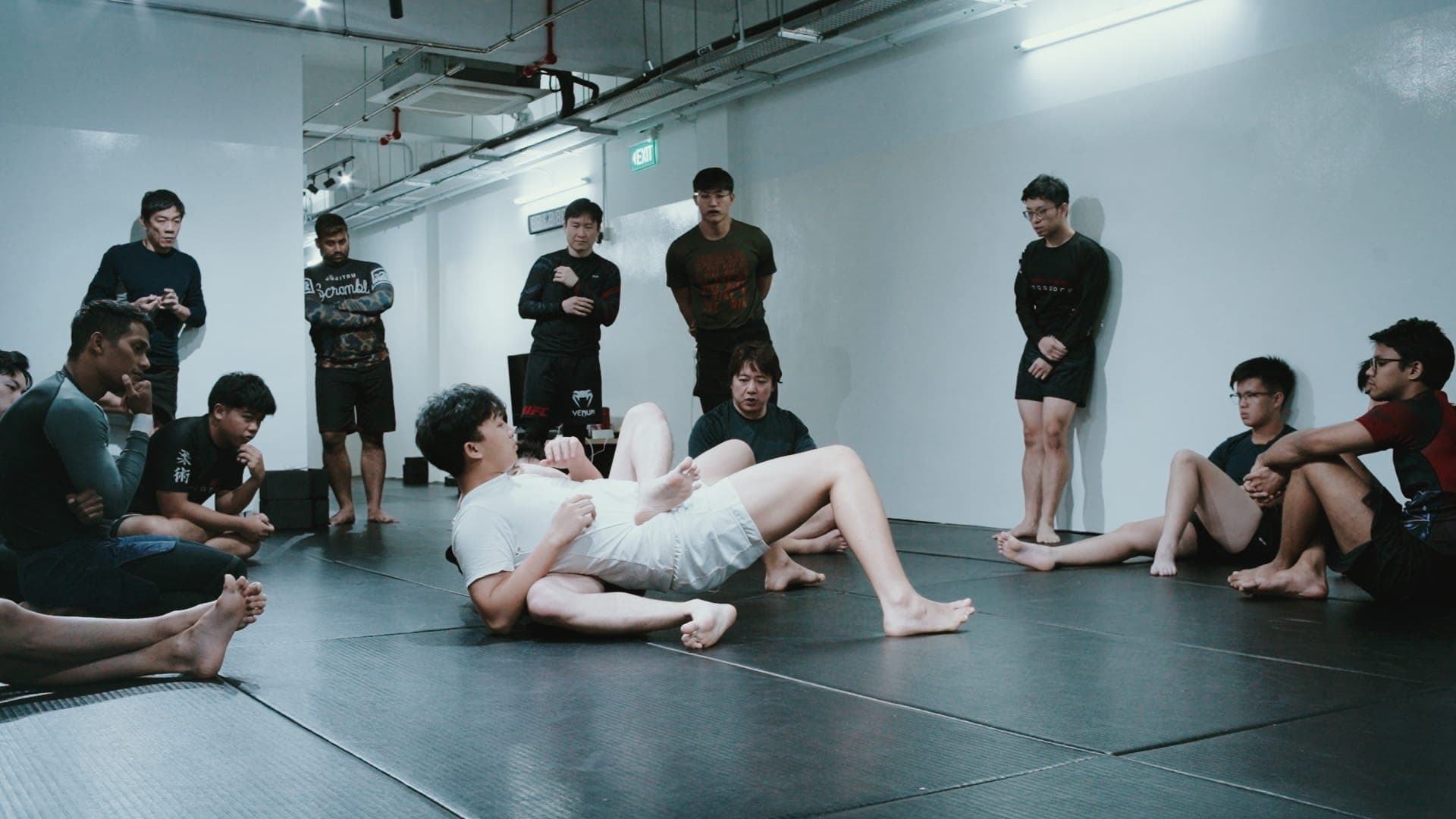
Choose BJJ round length around the practice task, from repeated positional starts to longer sequences and event-specific preparation.
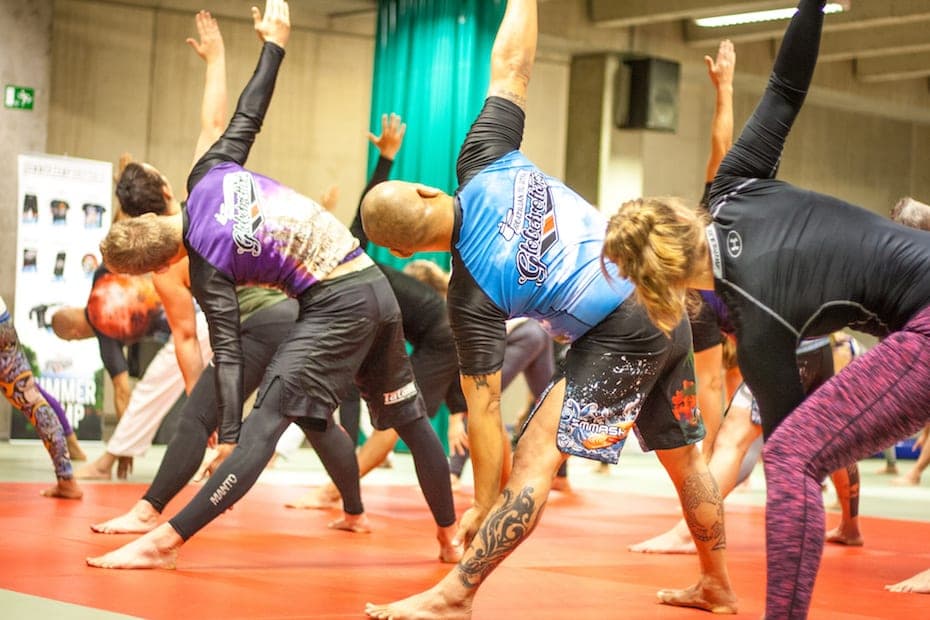
Use your BJJ trial week to test the ordinary timetable, teaching, and membership details before choosing where to train.

A strong side is useful. A missing response is a problem. Build options in both directions without relearning your entire game.
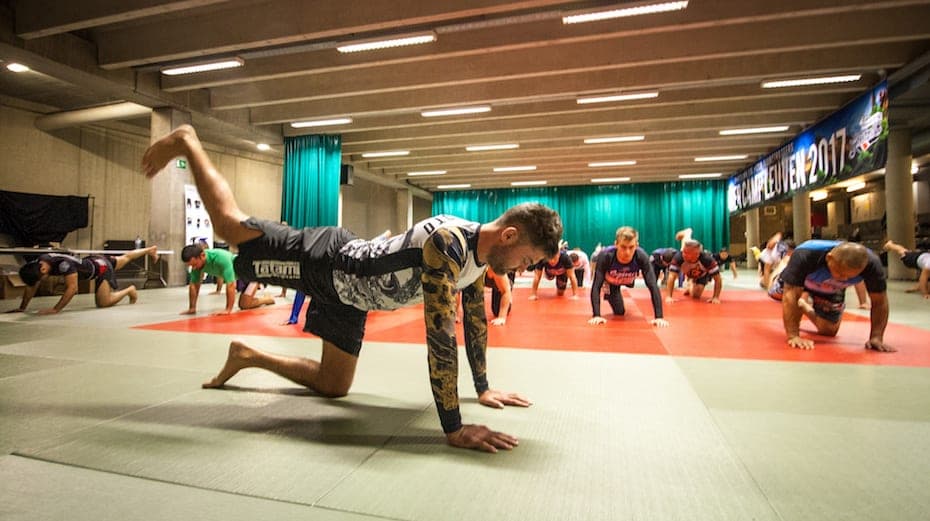
Compare the syllabus, attendance, partner practice, and next stage before choosing an introductory BJJ course or ongoing classes.
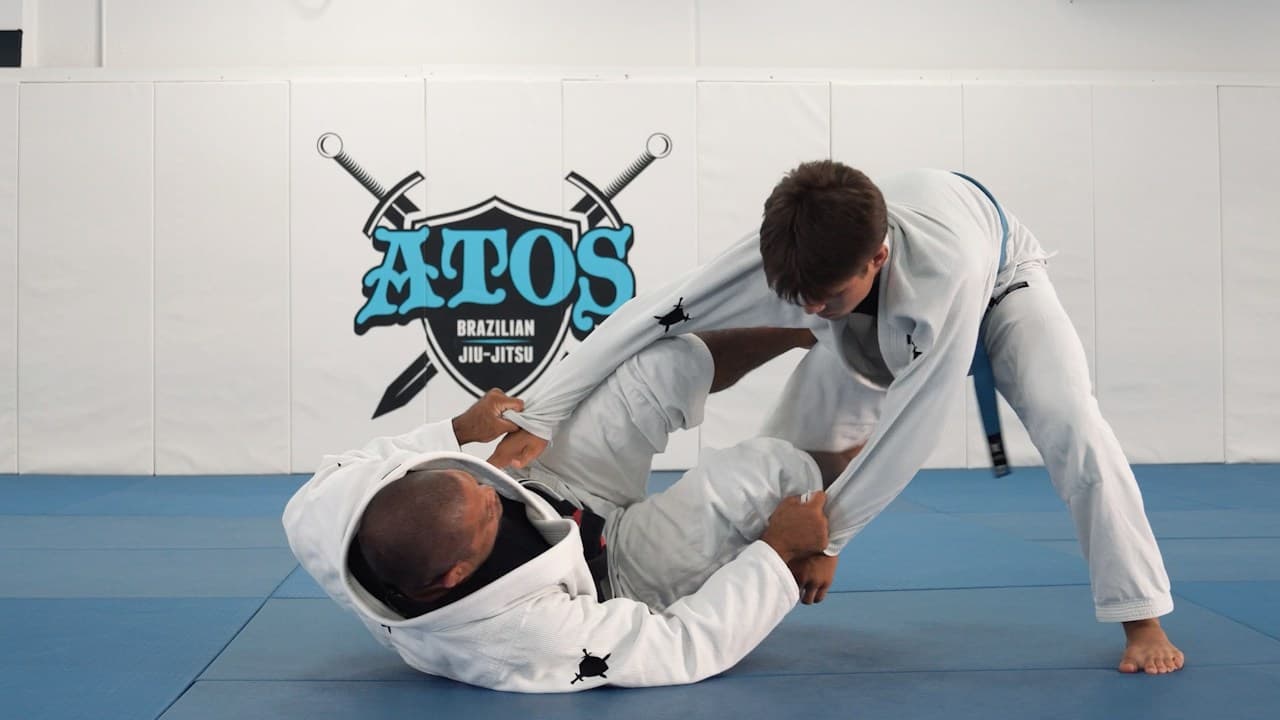
Sharing the booking works best when the training problem connects both students. Agree on roles, price, and the next practice before the lesson.

Bring one familiar position, ask the host, and agree with a partner. Open mat can support useful drilling without turning every block into a full round.

Adult children and parents can share BJJ without sharing every goal, partner, or opinion. Make room for both people to be students.
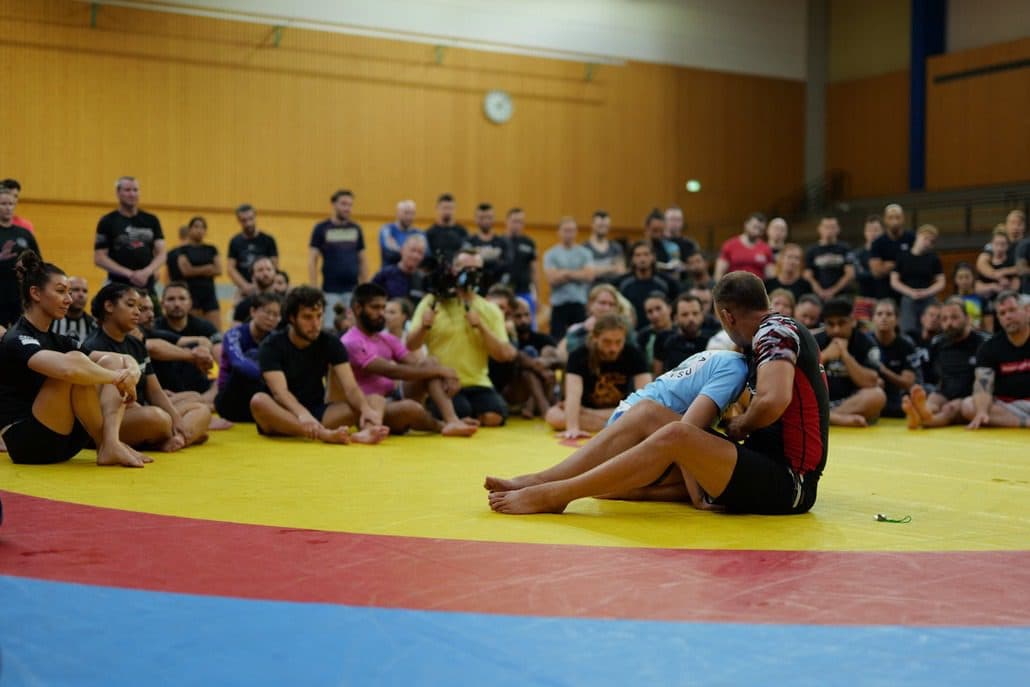
Ask better BJJ questions by showing the position, the response that stopped you, and the detail you need to test next.

A practical way to recover the setup, find the missing step, and get useful drilling done when the demonstration has already escaped you.

Make a substitute BJJ class useful by comparing setups, asking specific questions, and testing unfamiliar details without turning coaches into opposing sides.
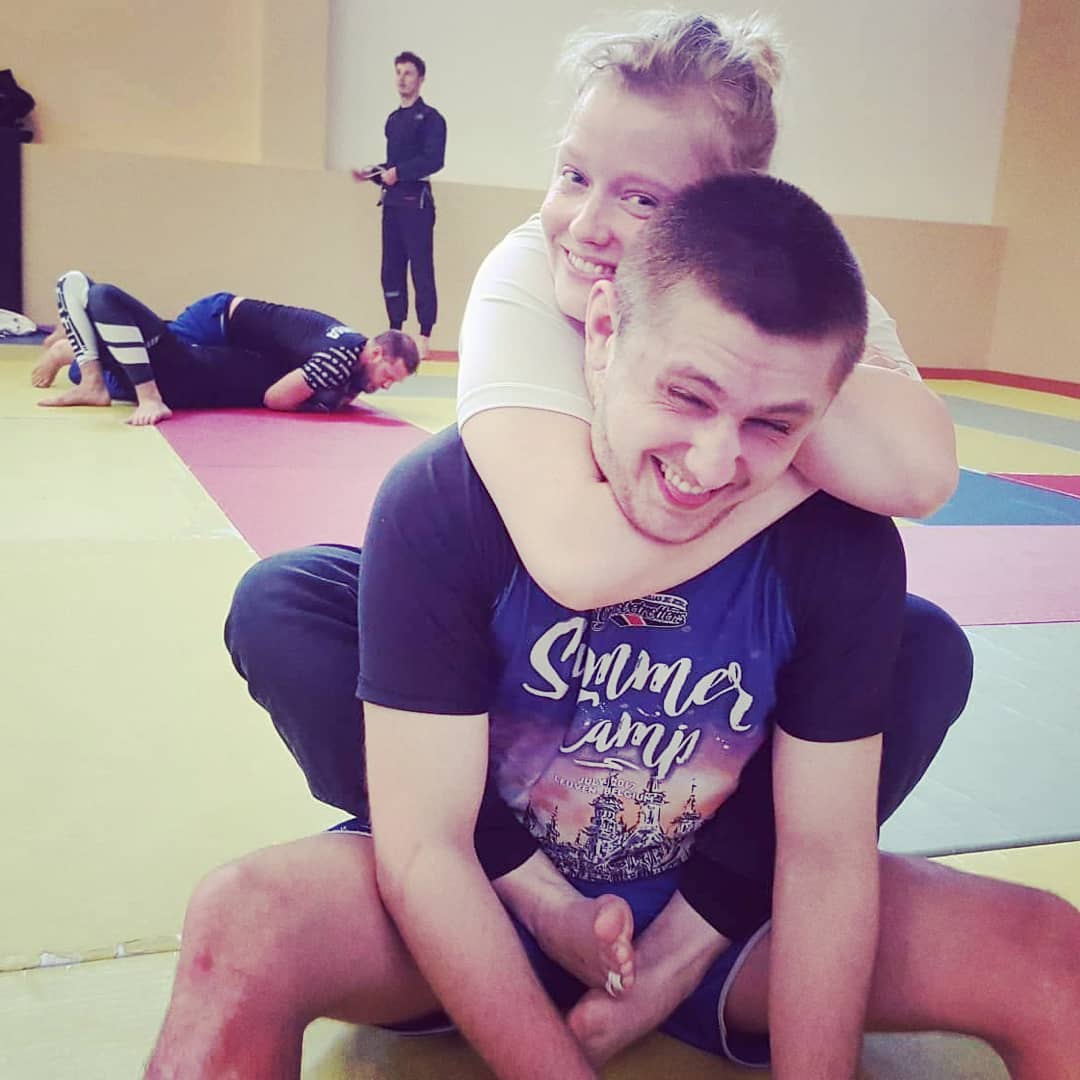
Help family understand a BJJ class with clear spectator arrangements, a simple explanation of rolling, and respectful boundaries around coaching and photos.
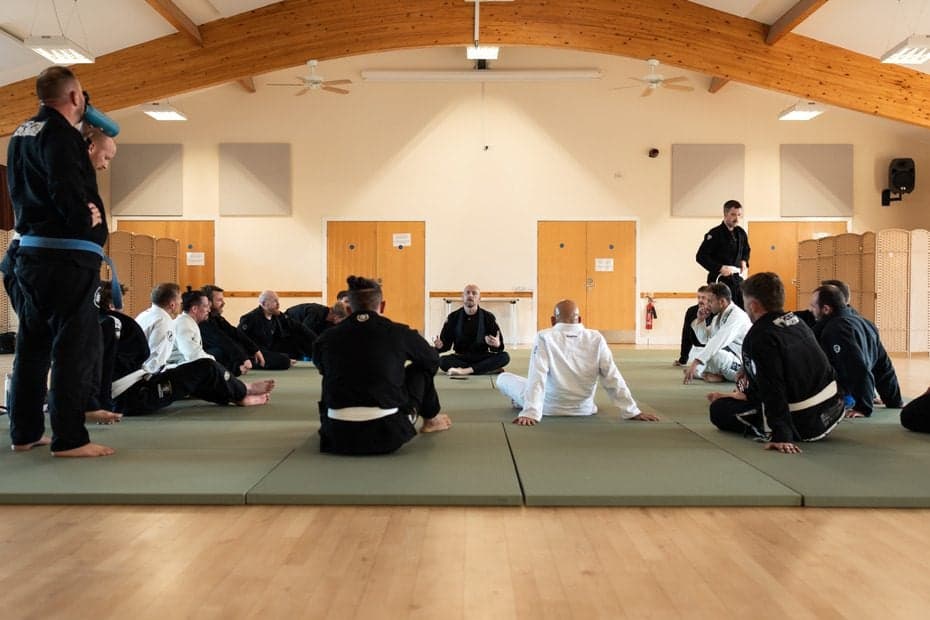
A useful welcome is mostly small things: an introduction, a clear drill, and a second class where somebody remembers your name.

Make morning BJJ practical with the right class, prepared kit, a realistic journey, and a plan for everything that follows the last round.

Read the label, separate the Velcro, and finish the laundry. A practical rashguard routine without a cabinet full of miracle products.

Build an eight-week BJJ project around one useful question, realistic practice, and observations that tell you what to work on next.
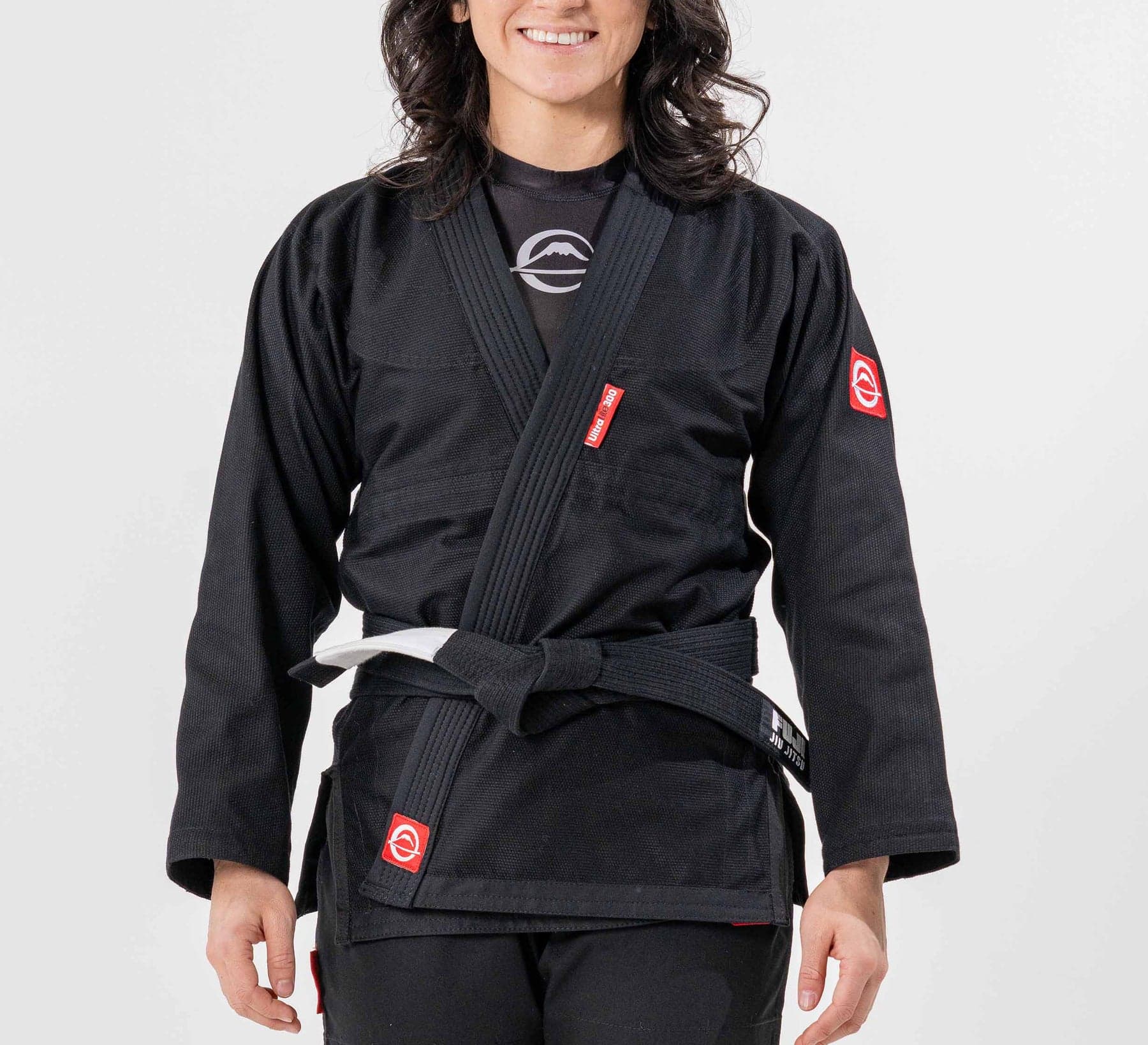
How to choose a women’s BJJ gi using proportions, movement, garment measurements, and a sensible first wash, rather than a size label alone.
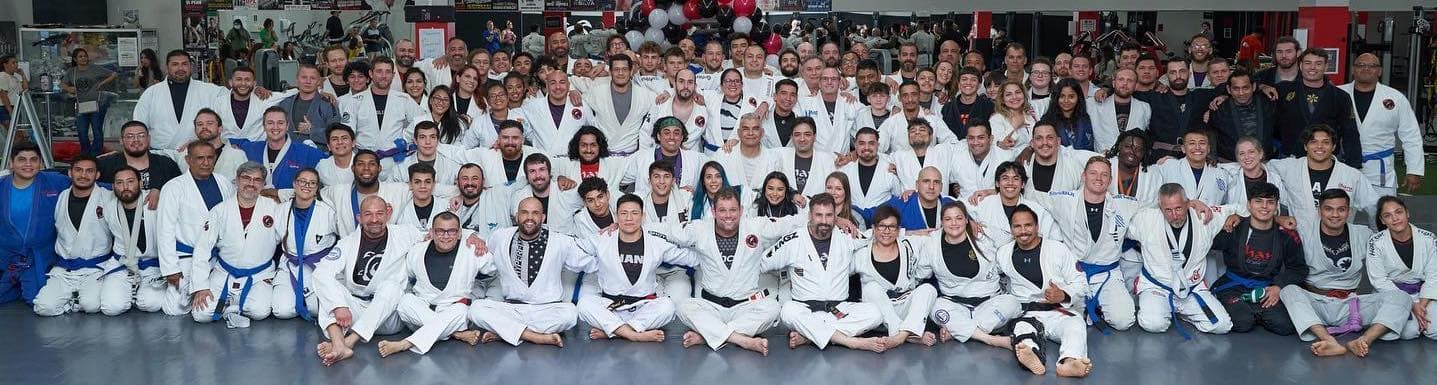
Compare San Antonio BJJ options by location, beginner access, and family logistics, with named schools and practical questions for your first visit.

World Master 2026 black-belt open podiums across Master 1–7, plus the age-category details needed to read and use the results correctly.
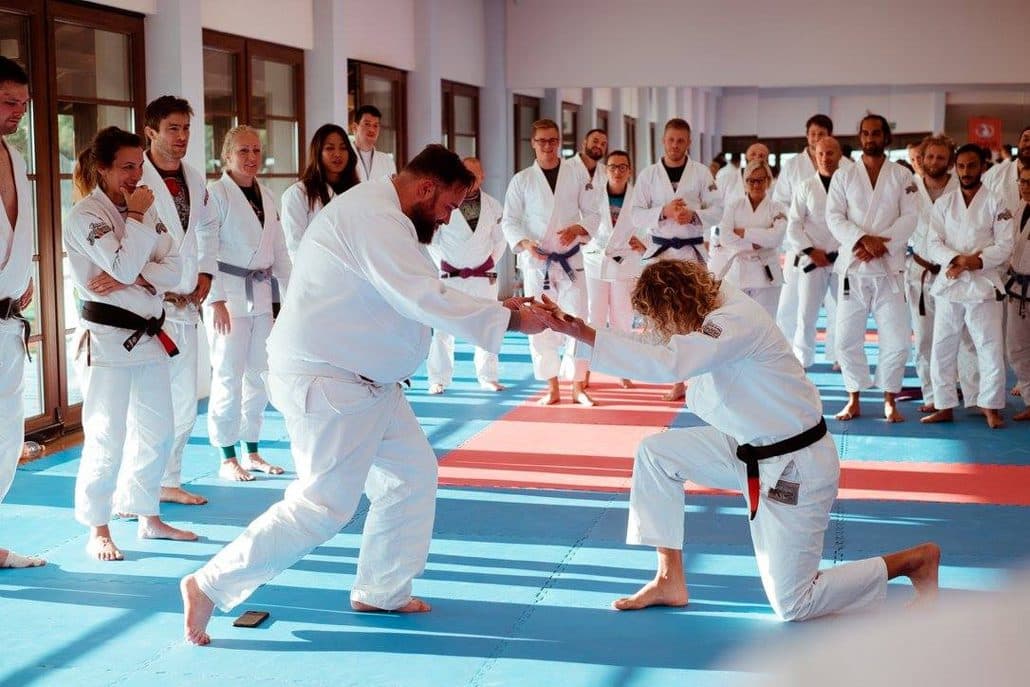
Choose a BJJ belt by its measured length, your gi, and the finished knot. A size label alone cannot tell you how it will fit.
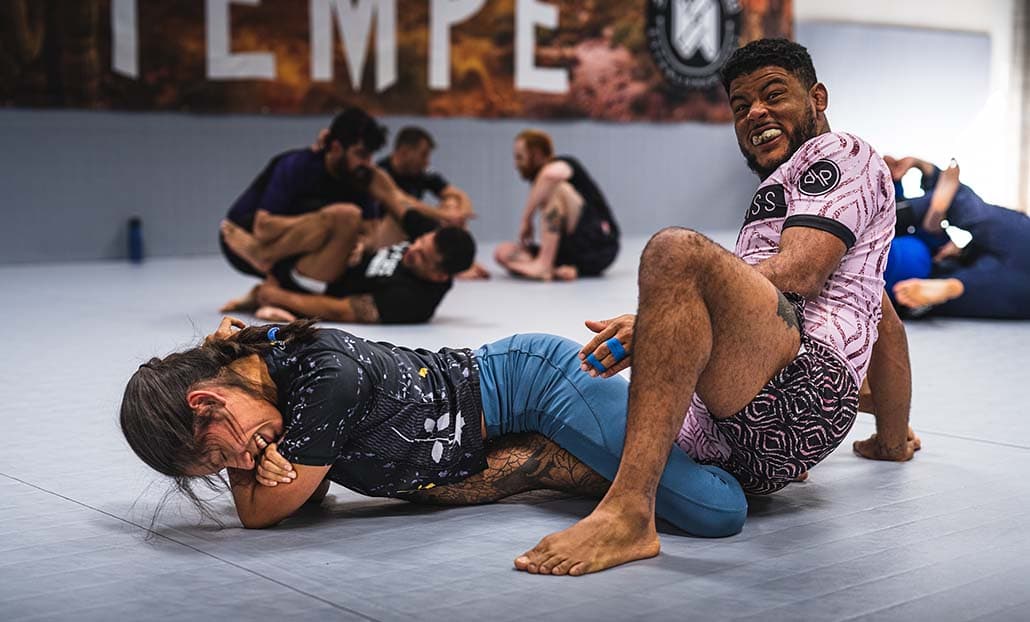
Plan your first month back around the life you have now, with clear expectations, manageable rounds, and a membership that fits.
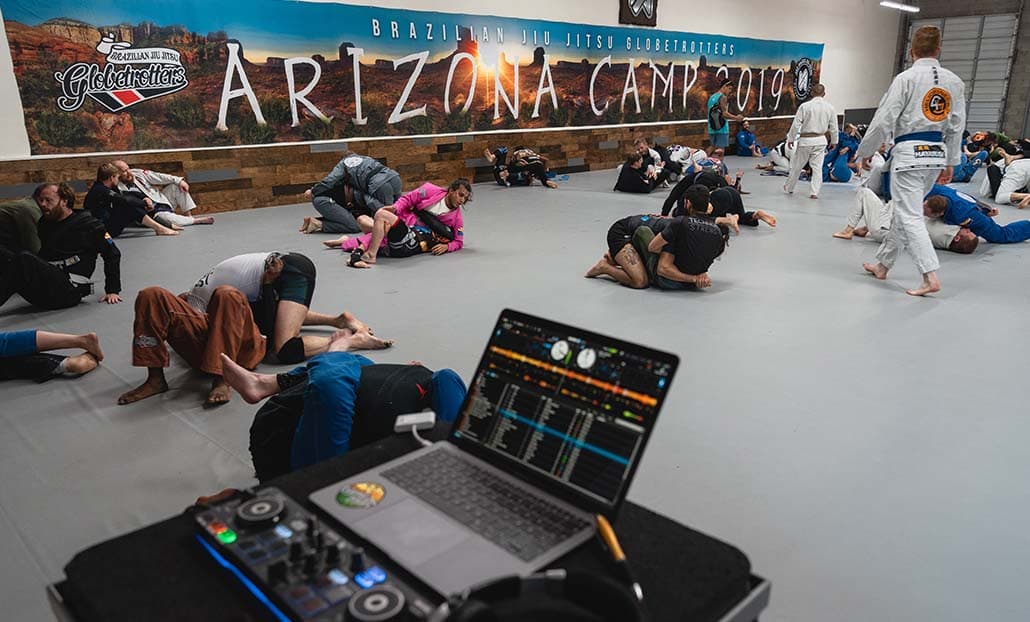
Fit lunchtime jiu-jitsu around the whole trip: class timing, changing, food, transport, and the meeting you still need to make.
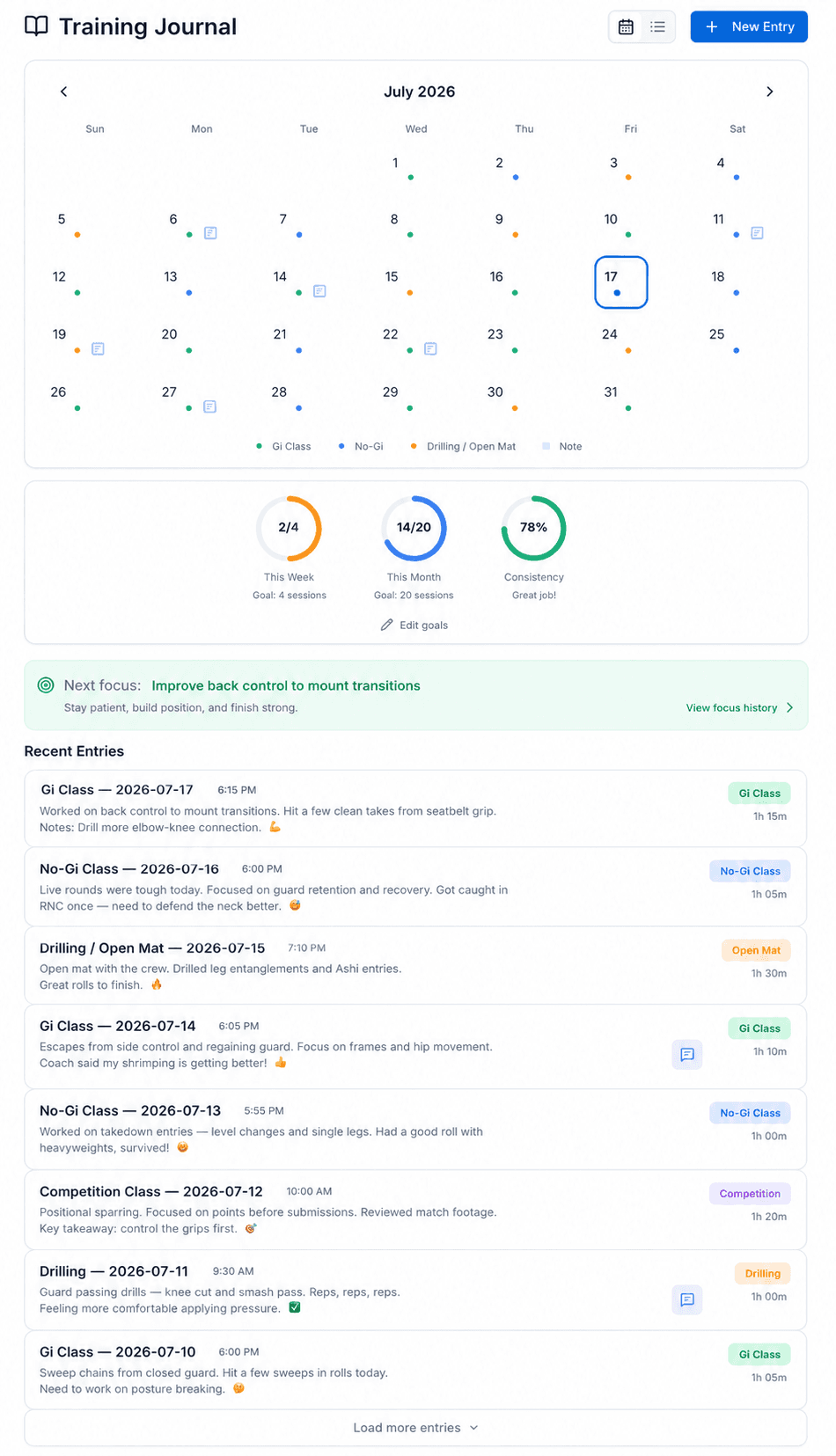
Keep the question you want to ask next class. A practical way to record BJJ training without turning your notebook into another job.
Choose classes your real week can support, make a backup plan, and return after a missed session without creating training debt.
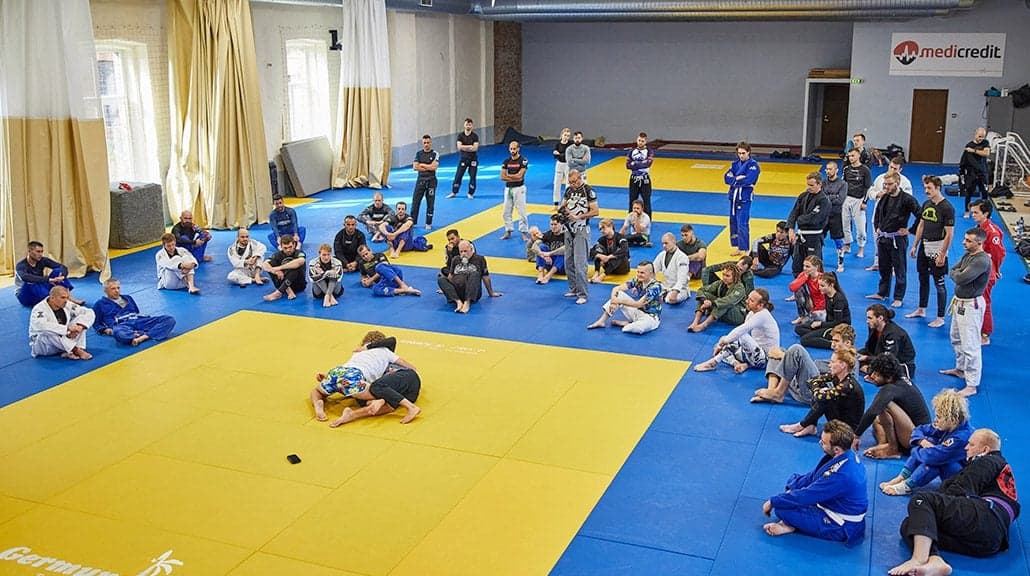
Rotating shifts need a different training calendar. Build a small menu of classes, keep one technical thread, and stop treating every changed roster as failure.
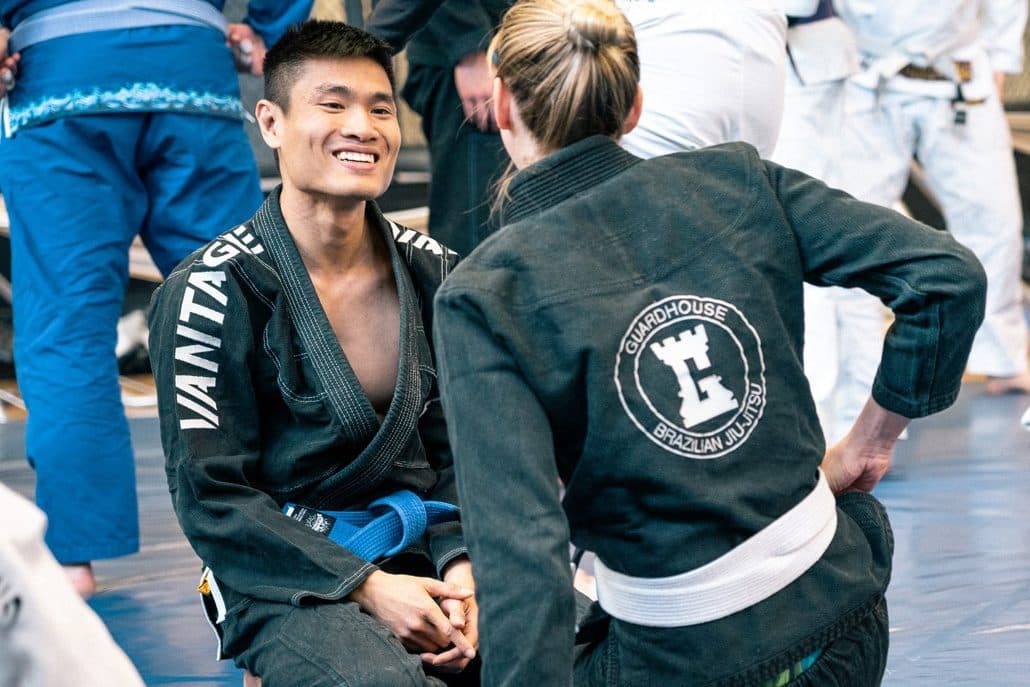
Knowing your regular partners is useful. Find out which parts of your game still work when the familiar reaction does not arrive.
Experienced recreational grapplers can train with ambition without accepting every round as an invitation to prove they still belong.
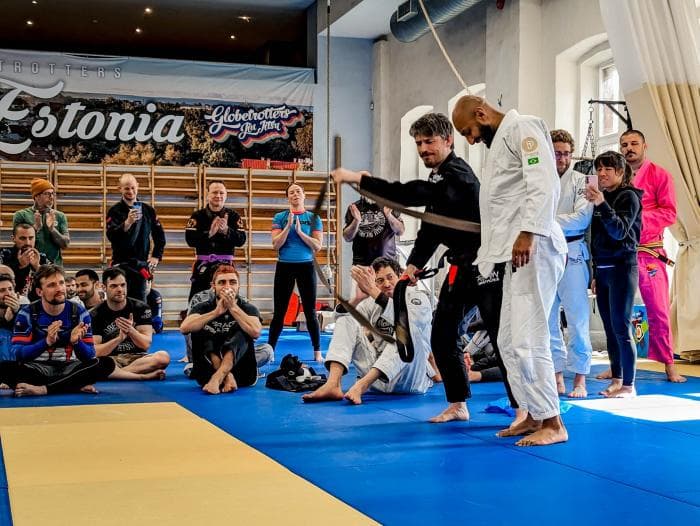
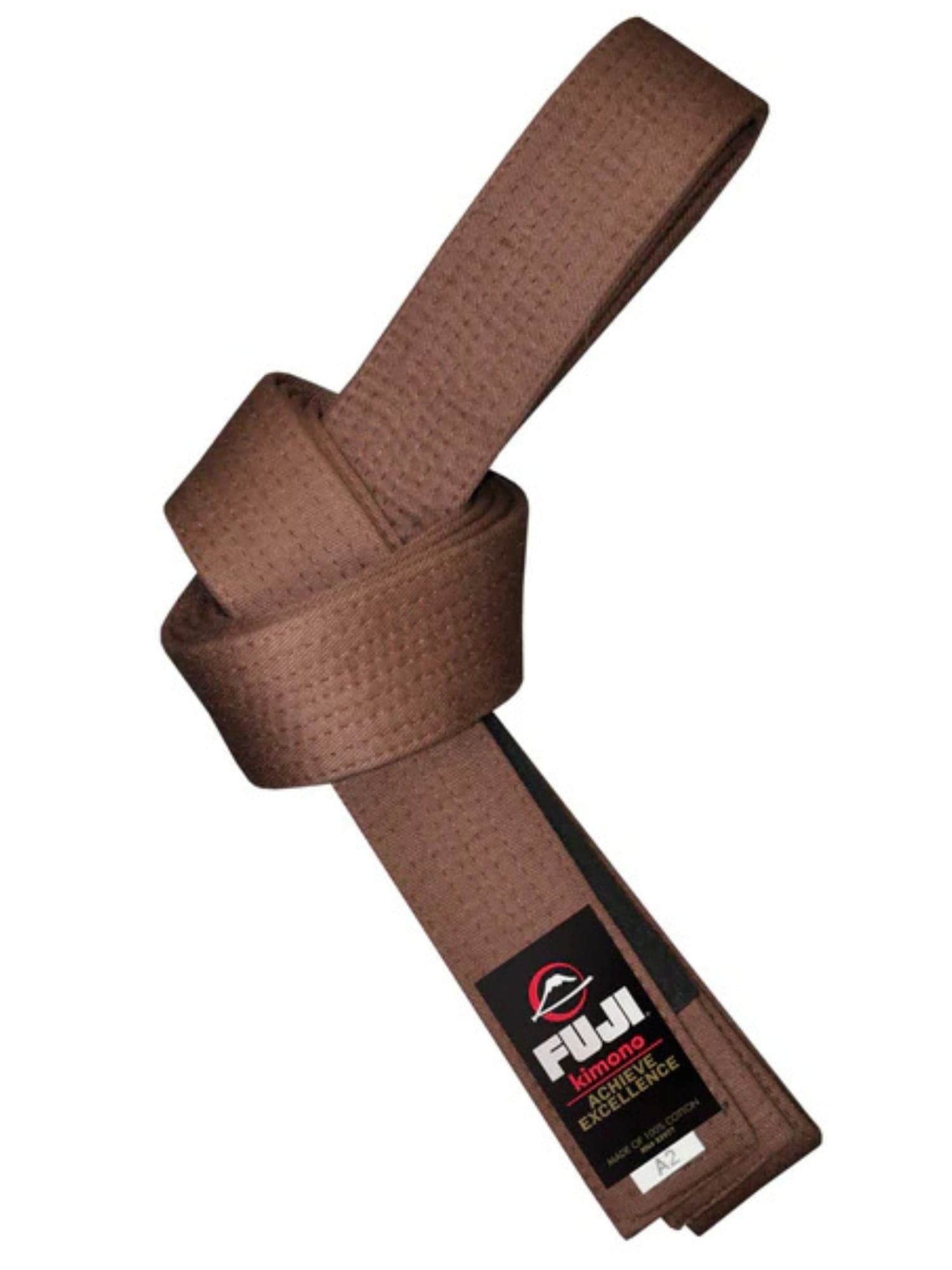
You can care about the next belt and still train well today. Ask for useful feedback instead of trying to decode every round and ceremony.
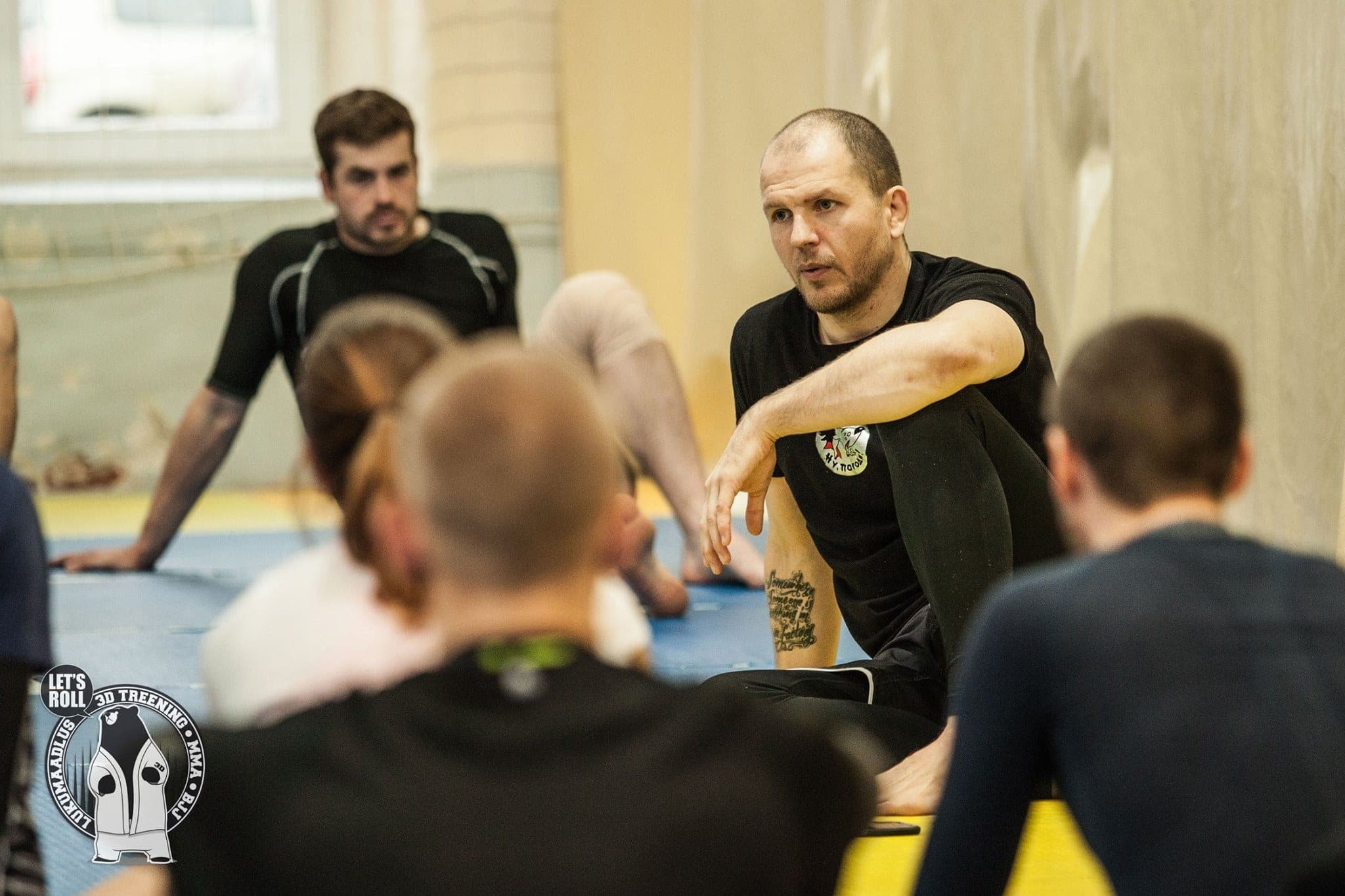
Two coaches, two different details. Learn to compare the position and purpose before treating BJJ advice as a contradiction.
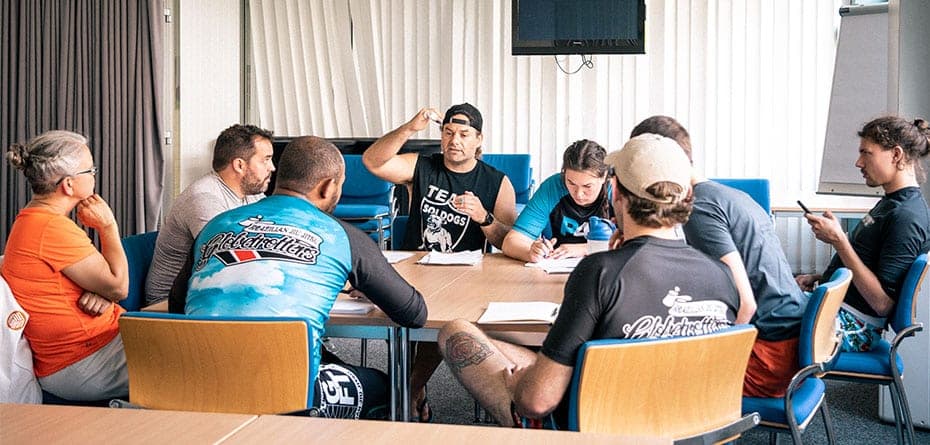
A practical guide to sharing rides to BJJ: pickup times, costs, clean gear, extra rounds, and getting everyone home without an awkward negotiation.
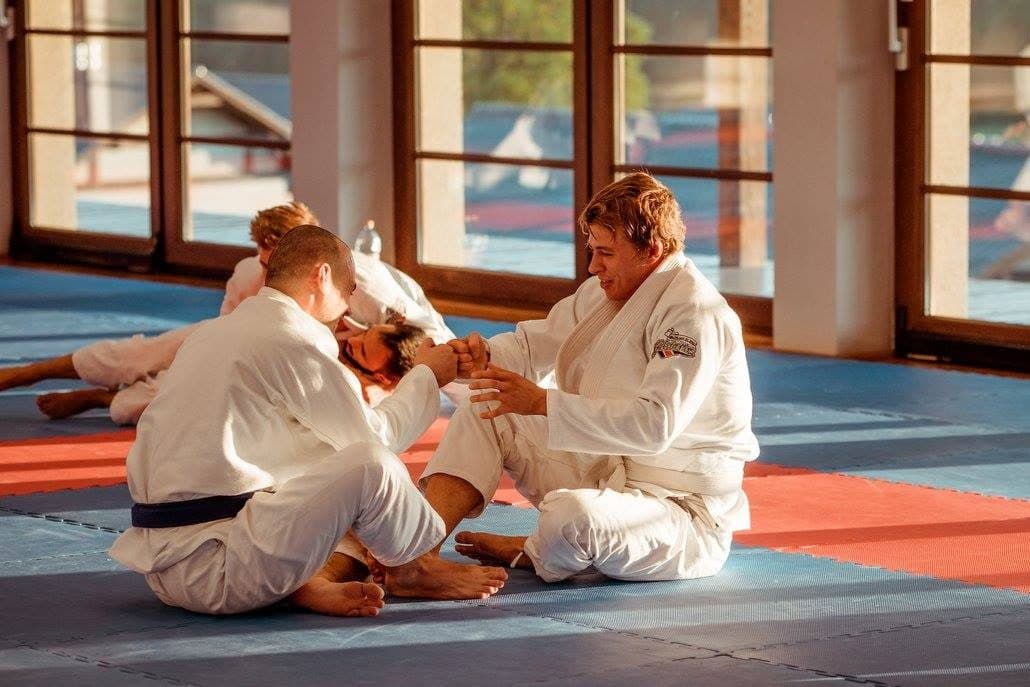
Give BJJ feedback that helps: describe one exchange, ask first, separate observations from guesses, and test a change without taking over the class.
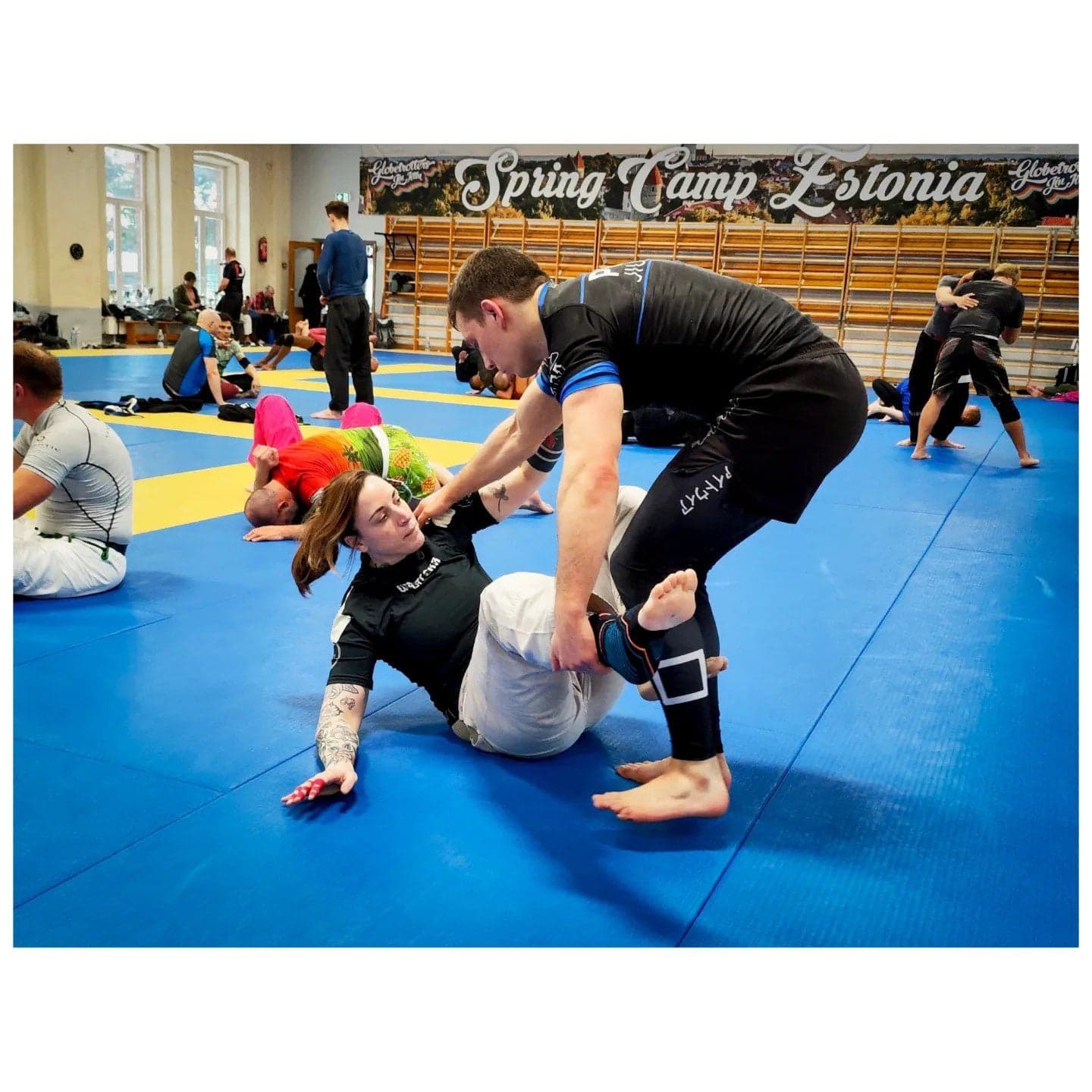
Use repeated BJJ starting positions to examine a specific problem, share useful practice with a partner, and test what carries into freer rounds.
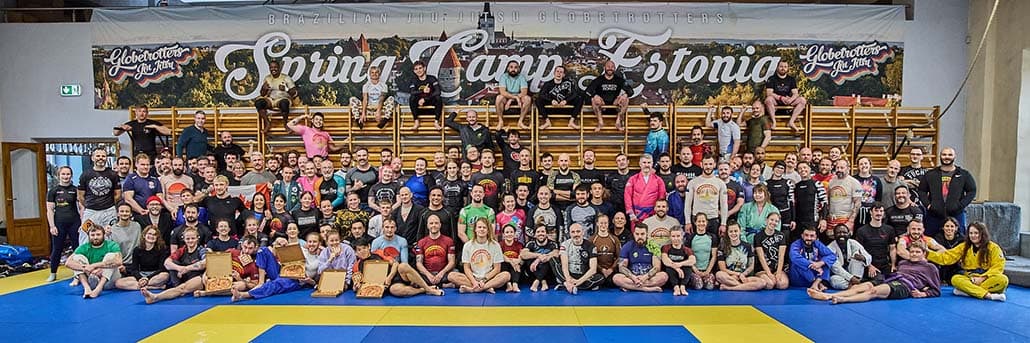
A practical guide to crowded BJJ classes: choosing rounds, avoiding collisions, resetting fairly, and knowing when to wait.
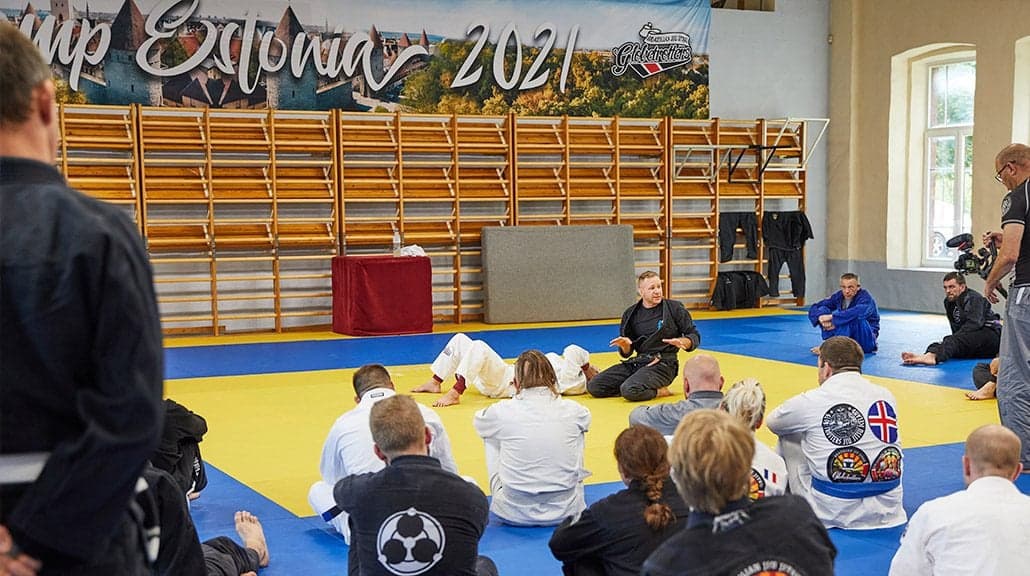
What to notice when watching a BJJ class before joining, from teaching and partner selection to the questions only the front desk can answer.
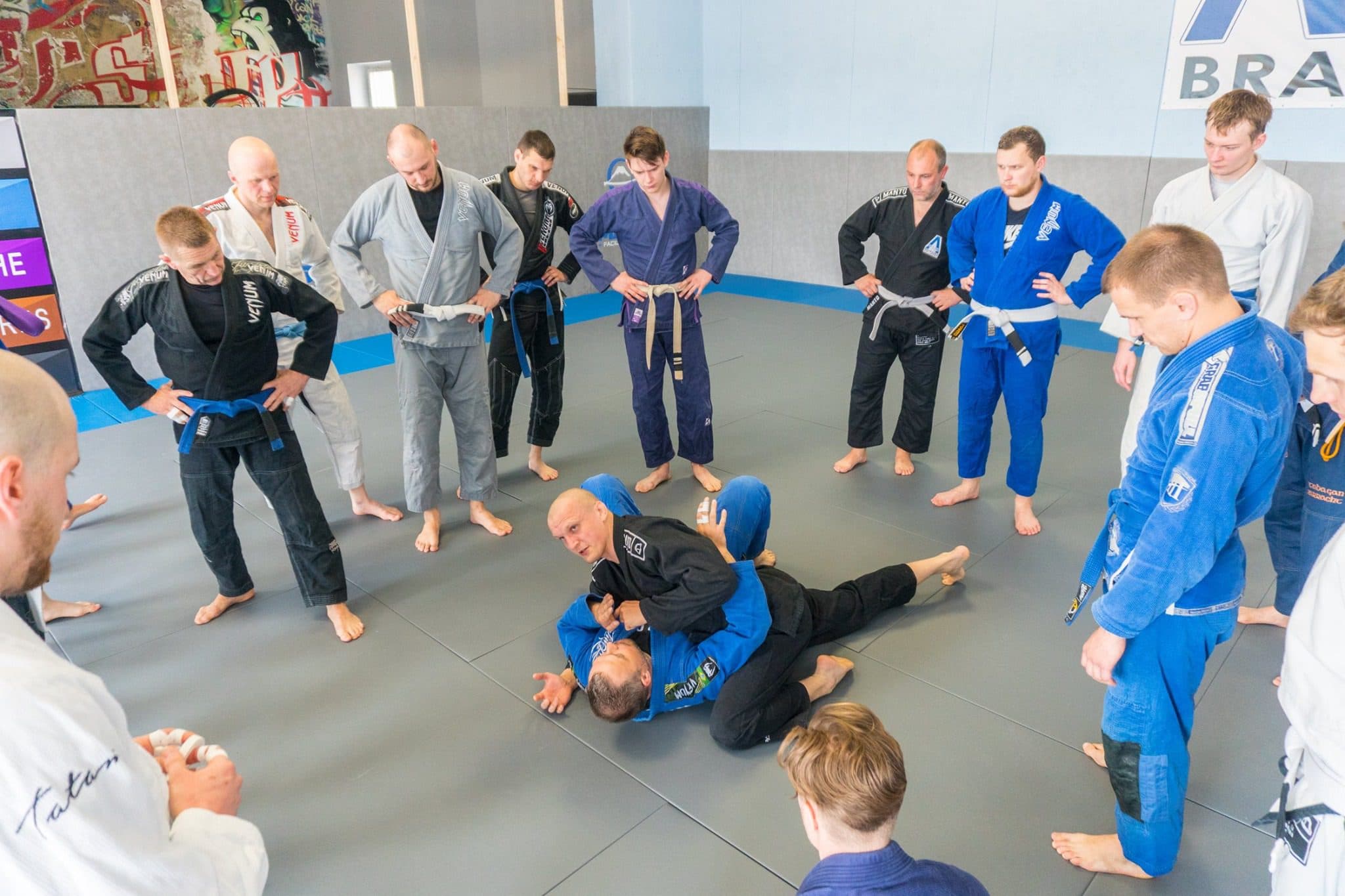
Train BJJ abroad with clearer communication: arrange the visit, agree on stop signals, understand each task, and ask useful questions.
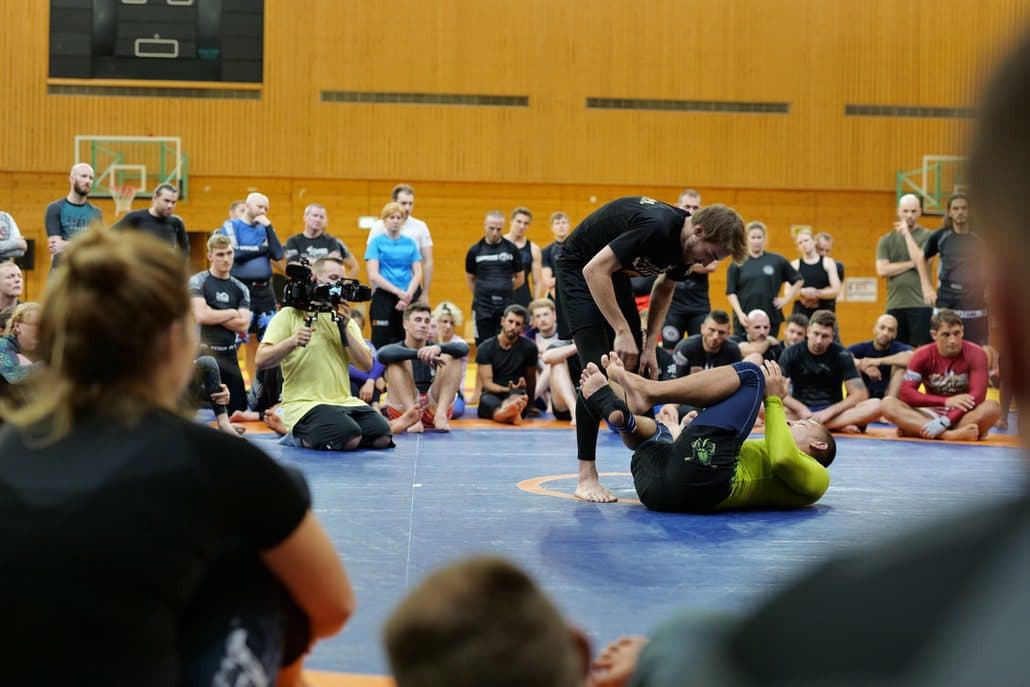
Bridge BJJ drilling and live rounds with clear starting positions, realistic partner responses, and practice focused on the missing decision.
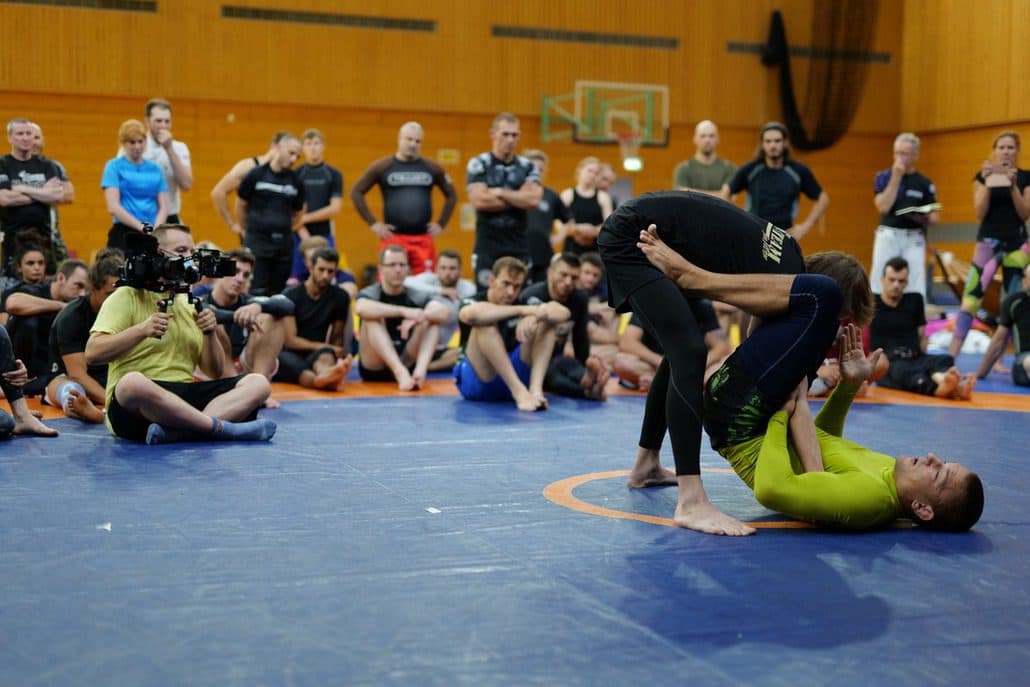
How to help a BJJ demonstration work: useful resistance, clear reactions, safety signals, and room to learn the move yourself.
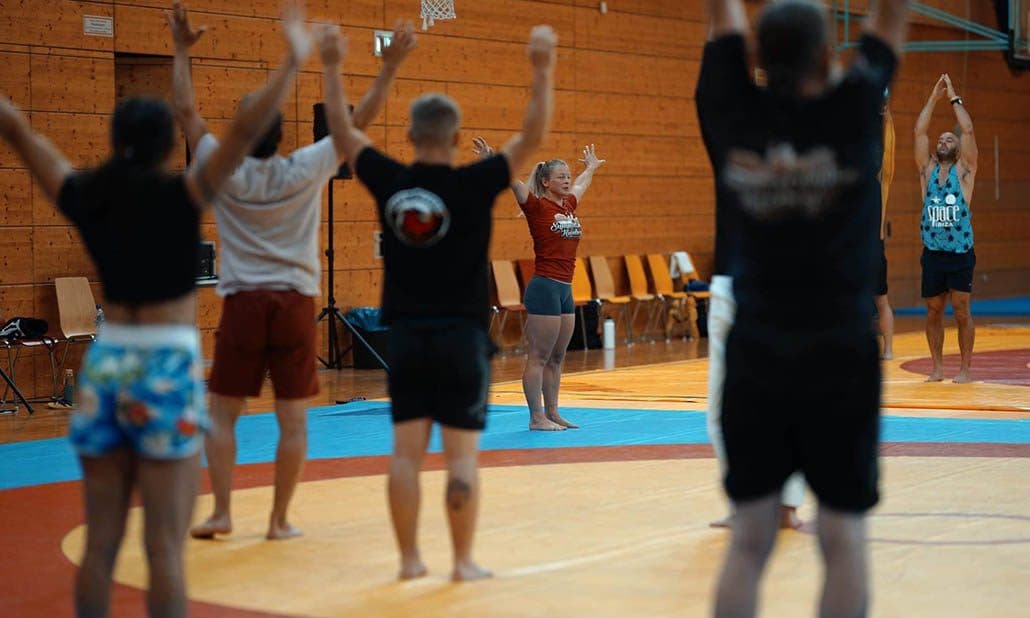
How experienced BJJ students can get useful work from fundamentals without taking over the lesson or overloading a newer partner.
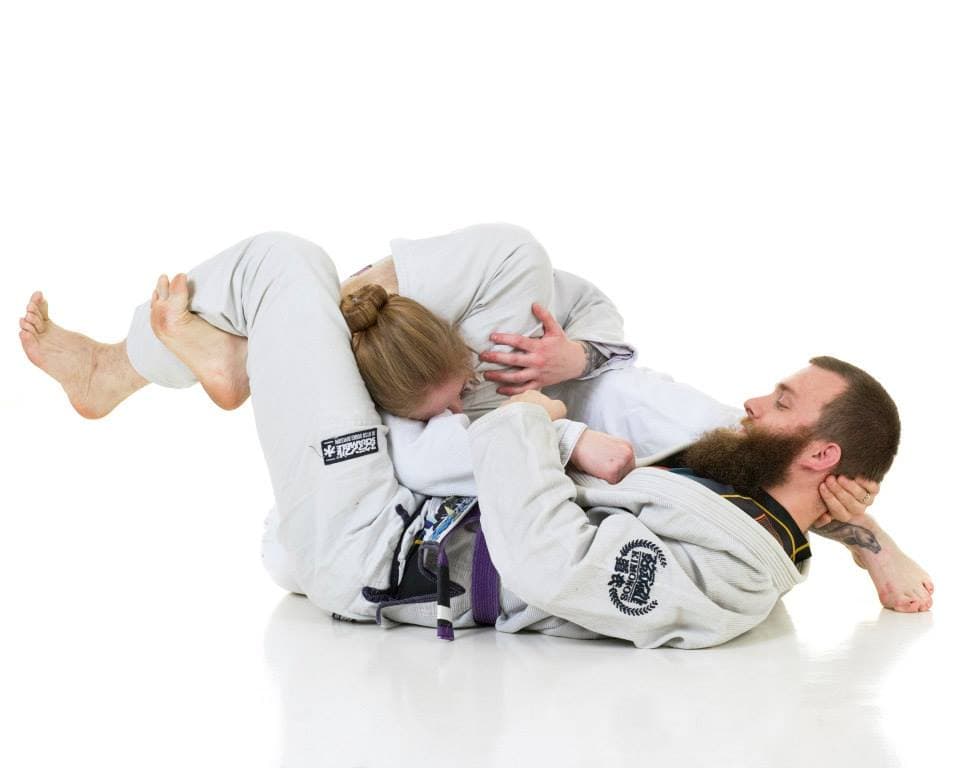
Learn BJJ left-handed without getting lost in a right-sided demonstration: mirror the setup, name the connections, and work with your partner.
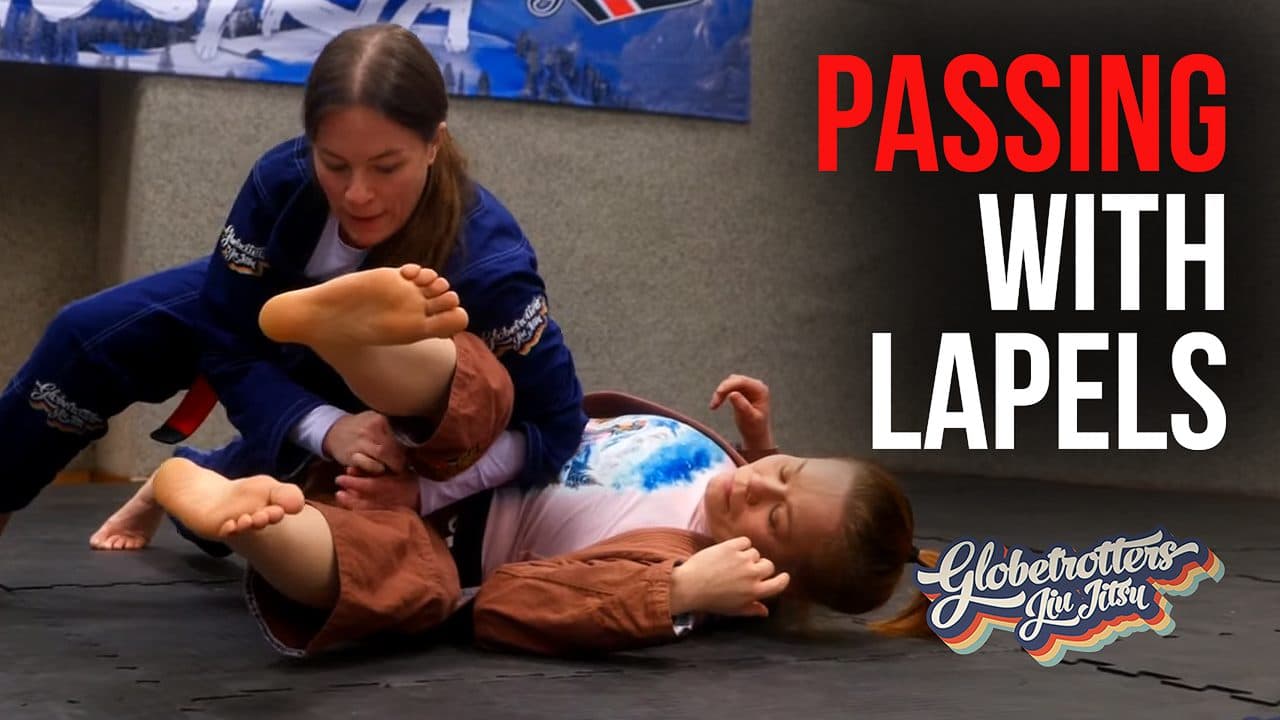
Repeating a BJJ class can answer the question you missed the first time. Use the setup, partner response, and one clear detail to guide practice.
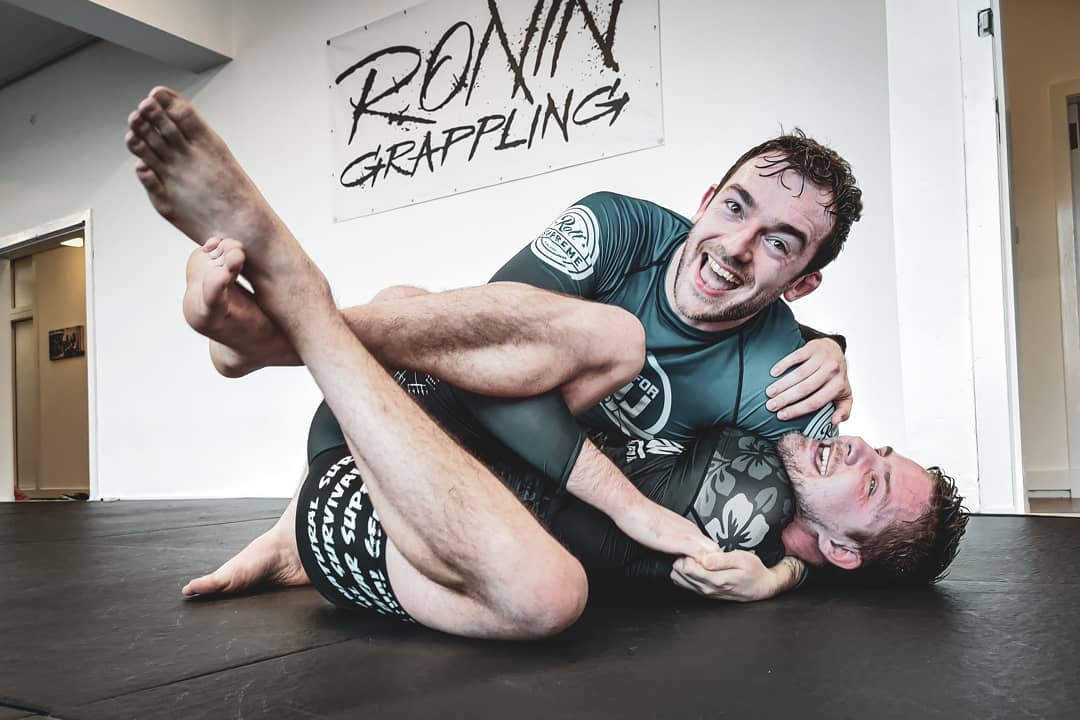
Changing BJJ drilling partners reveals hidden assumptions. Reset the task, compare the setup, and adapt the fit without turning practice into a contest.