
An open mat can be useful without a single full roll
Quick answer: You can use an open mat for drilling or limited positional practice if the host allows it and a partner agrees to the task. Arrive with one familiar position, a clear stopping point, and a realistic amount of practice. You don't need to turn the session into full rounds to make it useful.
An open mat can be loud with the timer going while two people quietly work through the same entry in a corner. They may finish fewer dramatic exchanges than the pair beside them and still leave with the correction they came for.
The useful difference is the purpose. Full rounds ask you to deal with a changing opponent across many positions. A drilling block can hold one part of the problem still long enough to understand it.
Decide what you want to practice before you arrive, then check whether the session and the available space can support it. Open mat is a host's training format, not automatic permission to organize any exercise you like.
Ask the host whether the plan fits the session
Contact the gym or speak to the person running the open mat. Explain that you hope to drill a familiar position with a willing partner and ask where that would fit. Some sessions may organize everyone into rounds; others may allow several kinds of practice.
Follow the host's answer. A room with limited space may need consistent timing or partner movement. The gym may also have rules about visitors, informal instruction, filming, or using an area separately from the main session.
The open-mat guide covers the broader visit. For a drilling plan, add the question about format before assuming the word open means the space can become your private lesson venue.
You can still have a useful visit if the host proposes something narrower than you intended. A short block between rounds, or a different session better suited to the task, may be more practical. The aim is to fit the practice into a room people are already sharing.
Bring one position you can recreate
Choose something you have been taught and can describe clearly. A known guard entry, passing setup, or defensive frame gives you and the partner a common starting point. An unfamiliar submission from a recent clip creates a different need for instruction.
Write the question in ordinary language. You keep losing the sleeve grip as you change angle. Your knee gets trapped after the first movement. The partner recovers a frame before you settle. Each gives the practice a specific place to begin.
Avoid arriving with a list of everything that felt difficult this month. An open-mat block can help clarify one problem without needing to resolve your whole game. Keep the other questions for another session or the coach.
If you cannot reconstruct the starting position, ask a qualified instructor when one is available. Don't let two incomplete memories become a confident new technique. The useful first task may be establishing what the original exercise was supposed to look like.
Invite a partner to a defined task
Ask rather than quietly expecting someone to provide your repetitions. Explain the position, the intended pace, and how long you would like to work. They may want full rounds that day, or may be interested in the same problem.
Make it easy to decline. A refusal doesn't mean the partner is uninterested in your progress. They have their own session to use, and an open invitation to roll is not an agreement to spend the next half hour reproducing one defensive response.
If they agree, ask what they want to practice too. The same exchange may contain a useful task for both of you. You can alternate roles or divide a short block between connected questions.
The guide to partner feedback can help keep that conversation focused. A partner can describe what they feel without becoming responsible for diagnosing every technical problem. Questions that remain unclear can be brought to the coach instead of settled through a friendly argument beside the mat.
Put an endpoint on each rep
A drill becomes easier to understand when both people know where it stops. You might finish after reaching the demonstrated angle, stabilizing the agreed position, or recognizing a particular defensive response.
The endpoint doesn't need to be a submission. If the question concerns an entry, finishing an attack afterward can add work that distracts from the part you came to examine. Keep any submission practice under appropriate instruction and apply and release it with care.
Use a simple plan, with the host and coach's guidance where available:
Recreate the starting position and the agreed grips.
Perform the action at the pace both partners expect.
Stop at the defined endpoint or when the original task is lost.
Reset and alternate roles before adding another variation.
This is a suggested structure, not a fixed repetition prescription. The instructor's exercise may call for a different sequence. What matters here is that both partners can identify a completed rep without negotiating it while someone is already moving into the next position.
Add one response instead of a whole round
Once the cooperative movement is clear, a coach may suggest adding a limited defensive action. The defender could recover one frame, remove a specific grip, or move in one agreed direction. That changes the problem without opening every possible branch at once.
Keep the response honest. If the defender releases the obstacle automatically, the attacker may never learn what the correction addresses. If the defender adds unplanned counters, the exercise may stop being about the original question.
Ask what level of resistance fits your experience and the purpose. More resistance is not automatically more informative. You need enough to see the relevant problem without changing the session into an uncontrolled scramble.
The constraint-games guide discusses a related way to organize practice. You don't need to give every drill a new label. Describe the starting point, permitted response, and stopping condition. If both people understand those, the task is already easier to assess.
Use the timer without letting it choose the goal
A room's round timer can provide a convenient boundary for your practice block, even if you aren't doing full rounds. Ask the host how to coordinate with it, particularly if everyone changes partners or moves at the horn.
Don't automatically rush to complete another rep because the timer is about to end. Stop where the position becomes unclear, then reset or discuss the problem when the room allows. An incomplete question can be more useful than an apparently successful movement nobody can explain.
If the block is working, agree before extending it. Your partner may have promised someone a round afterward. A clear end time lets both people enjoy the practice without wondering how to leave.
You can also decide that the useful part is finished early. If the original correction is now clear and the next question requires a coach, there is no need to keep repeating merely to fill the allotted minutes. Move on to another agreed activity or end the session with the note you need.
Leave with a correction you can use in class
Before packing up, summarize what changed. The grip needed to be established earlier. A frame remained inside when you thought it was outside. The partner's response altered the angle before you moved. Keep the note specific enough to understand later.
If you are unsure why the correction helped, record that uncertainty. Don't turn a couple of cooperative repetitions into proof that a technique now works against everybody. The practice conditions were deliberately limited.
Bring the question into an appropriate coached session. You may need help adding another response or choosing a different entry. The open mat has done useful work by locating the problem more clearly, even if it hasn't produced a complete answer.
Filming can support review only when the gym permits it and everyone shown agrees. A written note is also a legitimate outcome. The session doesn't need a public clip or a count of full rounds to establish that you spent your time learning something identifiable.
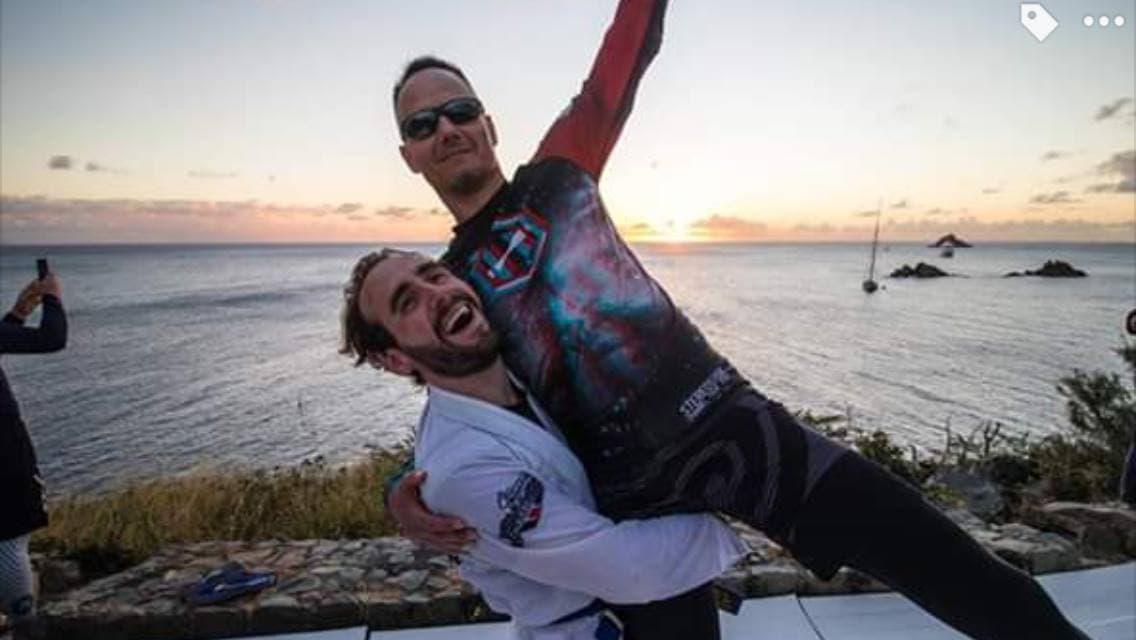
Main photo: BJJ Globetrotters; illustrative archive photo, photographer not identified.
The takeaway
A drilling-only open mat starts with the host's format and a partner's agreement. Bring one familiar position, define the endpoint, and keep the defensive response limited enough to study. Full rolling remains another option when it fits the purpose and both people want it.
Leave with a clear correction or a better question for the coach. That is a workable result from a shared training session. You can return to class knowing where to begin rather than feeling that an open mat only counts if every timer interval became a full round.
Find a session for the practice
Browse open mats on Let's Roll, then confirm the host's visitor policy and whether the format allows the drilling block you have in mind.
FAQ
Can I attend open mat without rolling? Ask the host. A session may allow drilling, observation, or limited positional practice, while another may organize all participants into rounds. Follow the actual format and visitor policy.
Do I need to bring a partner? A prearranged partner can make the plan easier, but you can also ask a willing participant if the host permits it. Make the task and time commitment clear, and accept a refusal comfortably.
Should every drilling rep end in a submission? No. The endpoint should fit the question, such as reaching an angle or holding a position. Learn unfamiliar submissions with qualified instruction rather than adding them casually to an open-mat experiment.
How do I know the session was useful? A practical test is whether you can describe one correction or a more precise question afterward. The number of full rounds completed is a different measure and may not match the purpose of this visit.

Owen Bellamy
Owen Bellamy writes for the person training twice a week around a job. Nothing he suggests requires quitting the job.
Related Posts
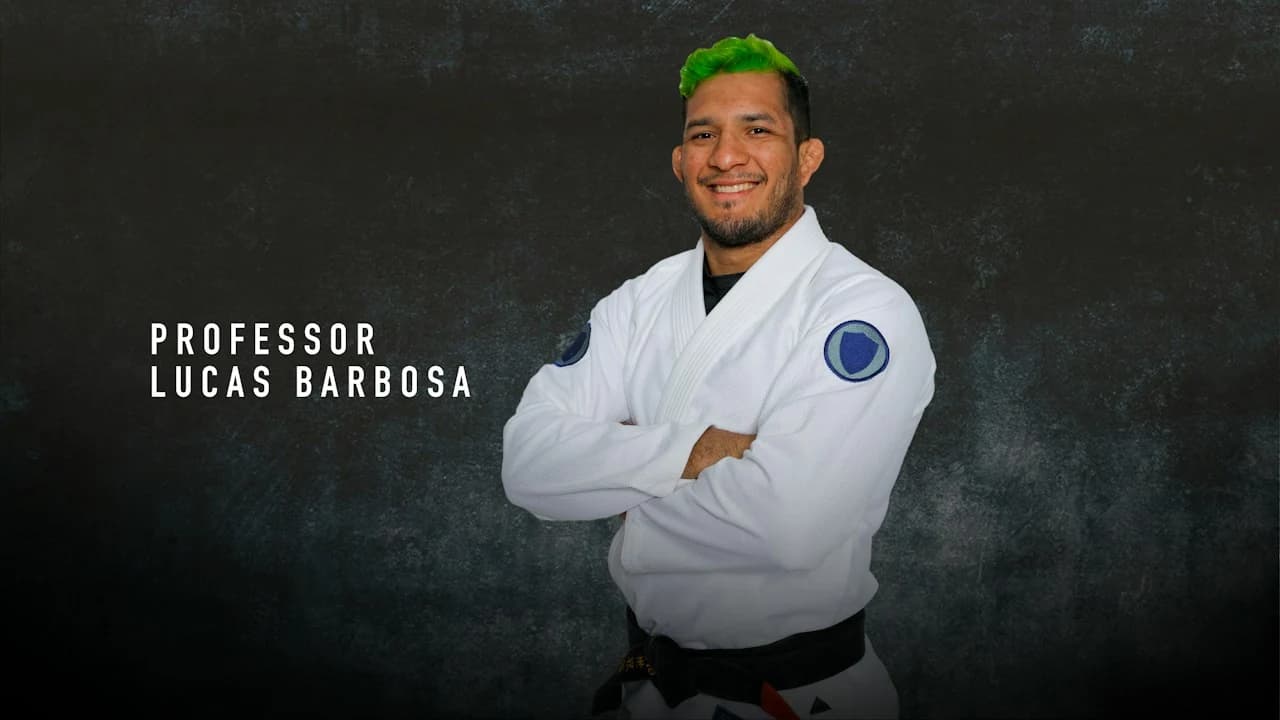
Lucas “Hulk” Barbosa’s best work is in the details
Lucas Barbosa’s nickname explains the first impression. His gi world title, no-gi record, and 2022 ADCC final give viewers more to study.
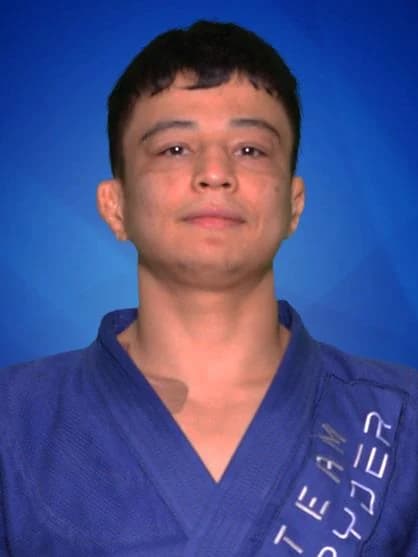
João Miyao’s record deserves its own first name
João Miyao’s adult world title and 2026 Master1 results tell a distinct story, even when his brother appears beside him on the podium.

Jena Bishop made time for a second sporting life
Jena Bishop’s 2026 PFL title followed a deliberate move from championship jiu-jitsu into learning a different sport.
Comments (0)
Loading comments...