
Short BJJ rounds and long rounds ask different questions
Quick answer: Round length changes the practice problem, so choose it to suit the task. Short rounds can give you repeated starts from one position; longer rounds can let a sequence develop, provided both partners agree on the pace and the coach considers the format appropriate.
The buzzer can arrive before the interesting part. A guard pass finally begins to work, the opponent changes direction, and everyone stands up to find a new partner. Equally, a long round can contain several minutes in which neither person is practicing the task they intended.
There is no prize for choosing the most impressive number on the timer. The useful choice is the one that gives a particular exercise enough time to happen without allowing the purpose of the round to disappear. Start there, then decide what the clock should do.
Give the round something to answer
Before changing the timer, name the question. You might want more attempts at escaping side control, more practice approaching seated guard, or an uninterrupted chance to work through several positions. Those are different exercises even if everyone calls them rolling.
A proposed two-minute positional round might begin in side control and restart after an escape. A longer open round might continue after the same escape into a guard, pass attempt, and another transition. The first format repeats a particular problem; the second preserves the consequences of solving it.
Neither is automatically the more serious training option. A short round with an exact starting position can demand careful decisions. A long round can become aimless if the partners never established what sort of work they wanted. Effort and purpose are not measured by the same clock.
Write the task in one sentence. If it takes a paragraph of exceptions to describe the exercise, simplify it before asking people to remember it while somebody is trying to pass their guard. The timer should serve the lesson, rather than becoming another instruction that obscures it.
Short rounds create more beginnings
Every reset is another opportunity to practice the opening decision. That is the main attraction of a short positional format. You can return to the same grip, angle, or starting distance without spending most of the session finding your way back there through open rolling.
Use the extra starts deliberately. A passer who repeats the same rushed entry six times has collected six attempts, but may not have investigated the problem. Between rounds, identify what the bottom player did and choose one adjustment to examine next.
The reset also needs a definition. Decide whether passing the legs is enough to end the repetition or whether the top player must establish the position the coach specifies. Otherwise the partners may be counting different outcomes and restarting at different moments.
A short timer can suit a modest technical question. It cannot guarantee a high-quality repetition, and it should not be used to manufacture frantic movement. If both people spend the whole interval trying to beat the buzzer, lengthening the round or reducing resistance may be the more useful coaching choice.
Longer rounds preserve the next decision
A longer round can allow the result of one action to become the beginning of another. The player who recovers guard then has to use it. The passer who reaches a pin must deal with the opponent’s response instead of being rescued by an immediate reset.
Rafael Lovato Jr. discussed a specific version of this in his 2013 interview with Stephan Kesting. Describing his Metamoris match with Kayron Gracie, he explained that the twenty-minute format gave him time to apply pressure, work through guard, and pursue the submission. That is his account of an elite match, rather than evidence that every training round should last twenty minutes.
The distinction is useful. More available time can change which choices make sense, but the effect depends on the athlete and the task. A learner studying one escape may need resets more than an extended continuation from every mistake.
If you choose a longer round, agree on the pace first. Extra minutes are not permission to keep increasing intensity until a partner can no longer make controlled decisions. Stopping or reducing the task remains available throughout the exercise.
Rest belongs in the plan too
Changing the work interval while ignoring the break changes more than the duration of one round. A session made of many short efforts with almost no rest asks something different from short technical rounds with time to discuss a correction. Be clear about which one you are proposing.
For a learning session, use the break to answer one small question. The coach might ask which frame prevented the pass, or the bottom partner might identify when the top player lost balance. A brief, specific exchange is easier to apply than a complete reconstruction of every movement.
Do not turn the break into unsolicited instruction from the more talkative partner. If there is disagreement about a technique, ask the coach. The timer stopping does not appoint either participant as the other person’s instructor.
This article is about organizing practice, not prescribing conditioning. People with medical or physical concerns should get appropriate advice rather than treat an online round schedule as a training clearance. The coach can help adapt the task; a clinician should address medical questions.
A sample session with three different clocks
Here is a proposed structure to discuss with your instructor. The numbers are examples chosen to make the tasks distinct. They are not a validated formula or an official BJJ curriculum.
Begin with cooperative repetitions of the starting position, without a competitive timer.
Try two-minute positional rounds with a clearly defined escape or control goal and a full reset.
Try a five-minute round that continues after the first transition, at an agreed manageable pace.
Use the final break to compare which decisions became easier or harder in each format.
The important comparison is between the tasks, rather than who scored more imaginary points. Did the repeated starts help you recognize the initial position? Did continuing reveal a weakness that the reset had been hiding? Those answers tell you what to practice next.
You can run the same comparison with other durations if the instructor prefers. Preserve the purpose of each stage. The exercise loses its value if changing from two minutes to five simply means doing the same unfocused round for longer.
Match preparation needs the actual event rules
A tournament round should be prepared for using the event’s published duration and rules for your division. Do not copy the timing of a famous match from another promotion and assume you have reproduced your own competition problem.
The scoring incentives matter alongside the duration. A submission-only format, a points match, and a local event with its own overtime procedure can reward different decisions. Check the organizer’s current rules before building a practice plan around any of them. Our overview of IBJJF rules can help you identify the details to verify.
A coach may still choose shorter positional work while preparing an athlete for a longer match. That is not inconsistent. The training exercise can isolate one recurring difficulty without pretending to be a complete simulation of the event.
Keep the two purposes visible in your notes. Label one session as a particular technical exercise and another as a match simulation. Then evaluate them by the problem they were supposed to address, rather than calling a drill unsuccessful because it did not feel exactly like competition.
The partner changes the meaning of the timer
Five minutes with a familiar partner doing an agreed technical task is different from five minutes with someone whose pace and experience you do not know. The number has stayed the same; the training arrangement has changed.
Before an unfamiliar round, explain what you are hoping to practice and ask what works for the other person. If the plans are incompatible, find another task or another partner with the coach’s help. A clearly agreed easy round is preferable to a nominally easy round in which both people mean something different.
During the round, use ordinary communication when the task stops making sense. You can pause, reset, or end early. Waiting for the buzzer is not an obligation when a partner needs to stop. A long interval should create space for decisions, including the decision to discontinue it.
Afterward, avoid treating the duration as a verdict on toughness. Someone choosing a shorter round may be following a coach’s plan, managing their available time, or simply preferring that format. You do not need their private explanation to respect the agreement.
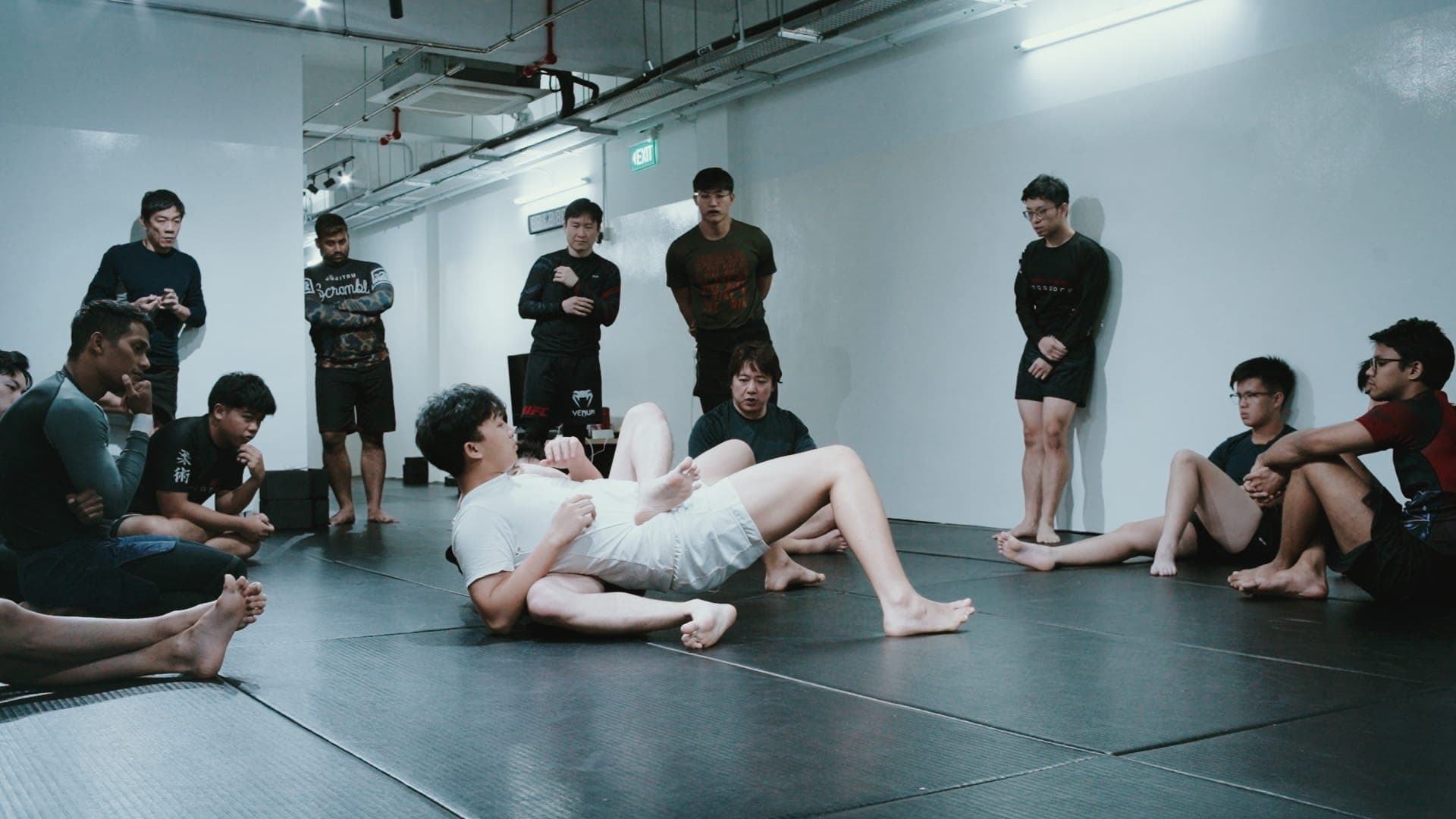
Main photo: Brazilian Jiu Jitsu Singapore; illustrative training archive.
The takeaway
Choose round length after choosing the practice question. Short positional rounds can give you more starts; longer rounds can preserve the decisions that follow a transition. Neither format supplies a purpose by itself.
Use clear resets, useful breaks, and an agreed pace. Compare what each format reveals, then let that information shape the next session. The timer is one of the tools available to a coach, not the final measure of the work.
Find a place to test the idea
Use Let’s Roll’s gym directory to find a coached class, then ask how positional rounds and open rolling fit the program.
FAQ
Are longer BJJ rounds always better for learning? No. They allow more time for positions and transitions to develop, but a shorter exercise may provide more practice at a specific starting problem. The task, partners, and coaching matter alongside the duration.
Can I use short rounds for competition preparation? A coach may use short positional exercises to address a particular difficulty within match preparation. Also practice the actual event format when appropriate, using the organizer’s rules for your division rather than a generic timer setting.
How much rest should I take between rounds? Agree on that with the coach in the context of the session. A technical exercise needs room for useful feedback, while other training formats may have different purposes. This guide does not prescribe a conditioning or medical plan.
Do I have to finish a long round once it starts? No. Stop for a tap, a verbal request, or a situation that requires a pause. The agreed duration never removes either partner’s ability to stop or ask the coach to adjust the exercise.

Owen Bellamy
Owen Bellamy writes for the person training twice a week around a job. Nothing he suggests requires quitting the job.
Related Posts
Lucas “Hulk” Barbosa’s best work is in the details
Lucas Barbosa’s nickname explains the first impression. His gi world title, no-gi record, and 2022 ADCC final give viewers more to study.

João Miyao’s record deserves its own first name
João Miyao’s adult world title and 2026 Master1 results tell a distinct story, even when his brother appears beside him on the podium.

Jena Bishop made time for a second sporting life
Jena Bishop’s 2026 PFL title followed a deliberate move from championship jiu-jitsu into learning a different sport.
Comments (0)
Loading comments...