
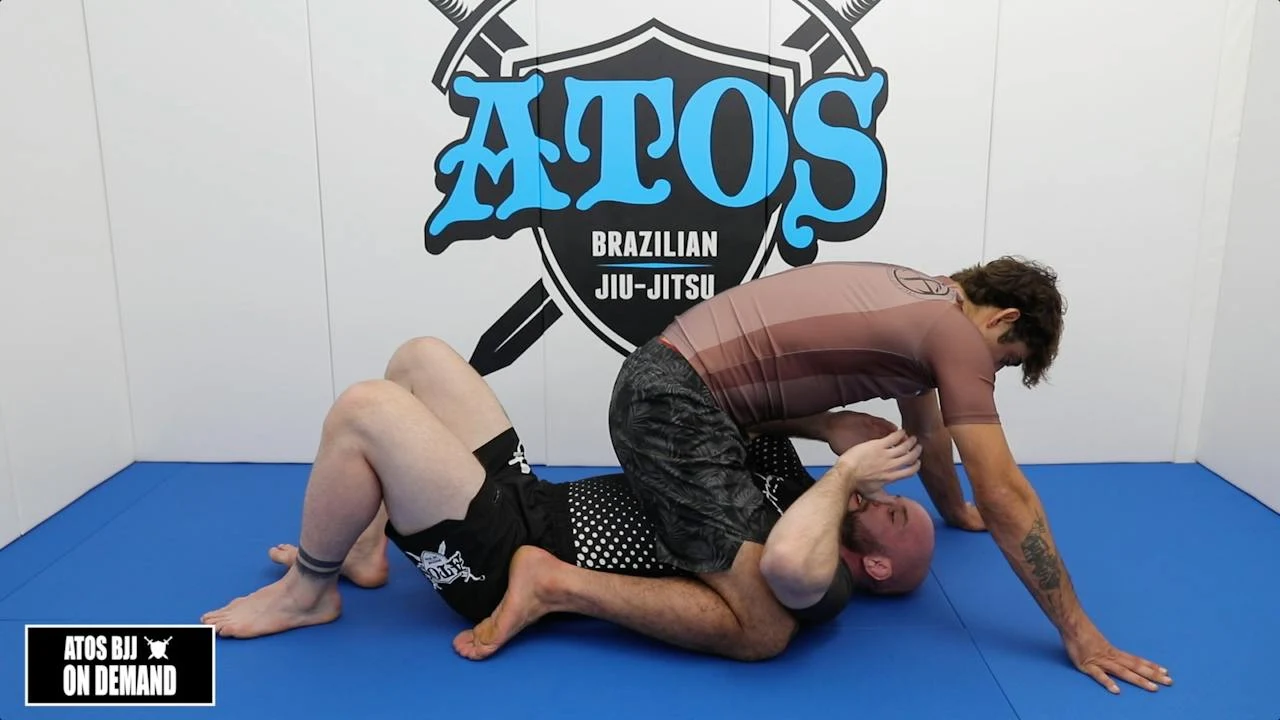
Escaping high mount starts with finding your arms again
Quick answer: High mount changes the relationship between the top player's base and the defender's shoulders and arms. An escape learned from a lower mount may need a preliminary recovery before it becomes available. Ask your instructor to identify the actual control and teach an appropriate first task, with submissions excluded during early positional practice.
Your legs remember the escape. Your arms are in a different lesson. The top player has climbed toward the shoulders, and the elbow that should help create space is no longer near the place you expected to use it.
This is a useful point to stop blaming the entire escape. The starting position changed. A sequence learned from a lower mount may depend on a frame or leg relationship that high mount has removed. I would ask about recovering that missing part before attempting the whole sequence again.
Compare the mount you have with the mount you learned from
High and low mount describe different arrangements within the wider position. The top player's hips and knees have moved relative to the defender's torso, and the arms may be isolated differently. Those changes affect which movements the bottom player can use.
Atos's introductory mount-escape lesson explicitly places a hip-escape task against an opponent attempting high-mount control. The public description is a source for the lesson's subject, not a complete instruction for every mounted configuration.
Ask the coach to rebuild your original escape's starting picture beside the position you are currently stuck in. Which elbow was available in the first one? Where did the top player's knees sit? The comparison often reveals why repeating the same action has stopped answering the same problem.
Locate the arm that cannot return
An elbow above its usual defensive position can be difficult to recover because the top player has occupied the space it needs. Pulling the hand toward the chest may leave the upper arm isolated in almost the same way. The visible hand movement can therefore overstate the improvement.
Have the instructor identify what blocks the elbow and what must change before it can return. The answer may involve your shoulder, the opponent's base, or a frame elsewhere. It should be specific to the actual mount rather than a general command to keep the elbows in.
That phrase can be useful before the position develops. Once the elbow is already displaced, it does not explain how to recover it. Learn the difference between a preventive habit and an escape task. The second needs a route back to the position the first was intended to preserve.
A bridge can move the opponent without freeing the missing space
A strong bridge may make the top player post and still leave your arm in an unhelpful arrangement. That does not mean bridging is useless. It means moving the opponent and creating the particular recovery you need are different outcomes.
Our bridge-and-hip-escape article separates movements that beginners often collapse into one effortful response. Use the same approach in high mount. Ask what the bridge is meant to change in this version and what you should do when that change appears.
A partner can help demonstrate the distinction without trying to dominate the exercise. They can follow the bridge at a controlled pace while the coach shows whether a frame or elbow route opens. Stop once that event is visible. The initial task is finding the connection your larger escape depends on.
The top player needs a positional job too
A cooperative mounted partner can be helpful, but remaining completely still may hide the problem you need to learn. With the instructor's approval, give them one honest holding task while you attempt the specific recovery being taught.
For example, they may try to maintain the taught shoulder-and-knee relationship without adding submissions. Your task could end when one arm returns to the agreed defensive position. Neither person needs to win a full round for the exercise to produce useful information.
The coach should decide what the top player may adjust. A defender cannot study one arm-recovery task if the receiver continually changes to a new submission or mount variation. Conversely, the receiver should not voluntarily vacate the exact space you were meant to learn to recover. Clear permissions keep both roles meaningful.
Treat arm recovery as a checkpoint
Recovering an arm does not necessarily complete the escape. It can make the next frame, hip movement, or turn available. Learn that checkpoint so you can recognize an improvement without pretending you have already left mount.
Kesting's mount-escape discussion argues for connecting different escape responses rather than relying on a single repeated action. The useful principle for this lesson is modest. A preliminary recovery can make another taught escape available, and the transition between them deserves practice.
Ask the coach what position should follow the recovered elbow. Perhaps the exercise ends there. Perhaps it continues into a controlled guard recovery. Name the destination and the receiver's permitted response before adding the next stage. Otherwise a successful first adjustment may disappear into a new scramble without being recognized.
Use a small exercise rather than a test of endurance
A practice that begins beneath an unfamiliar high mount can become tiring without making the problem clearer. Keep the task narrow enough that both partners know what to observe and when to restart.
Here is an editorial outline to take to your instructor, not a universal escape routine.
Identify the exact arm or frame being recovered.
Exclude submissions while the recovery is being learned.
Reset when the arm returns, the mount changes beyond the task, or either person signals.
The positional-sparring guide explains how two partners can share a starting point while having different objectives. In this example, the top player preserves a specific connection and the bottom player restores a specific option. A full escape can become a later objective after the first relationship is clear.
Keep the result separate from the story you tell about yourself
Being stuck beneath mount can make a small technical problem feel like a broad verdict. The more useful account is the one a coach can inspect. Your elbow was above the opponent's knee line, you tried to turn, and the frame you expected was unavailable.
That description does not excuse the unsuccessful attempt or exaggerate it. It records a position. The next step is finding the first recovery that belongs there, not declaring that you have forgotten every escape you ever learned.
If you have agreed footage, include the climb into high mount. The moment the top player takes the space near an elbow can be more informative than a long clip of what happened afterward. If the important arm is hidden, say so and rebuild the checkpoint in supervised practice. An honest uncertainty gives the instructor a better starting point than a confident explanation unsupported by the view.
A reset is also a chance to compare the starting arms. If the top player begins lower or the elbow begins closer to the ribs on the next repetition, the exercise has become easier before your escape starts. Keep that difference visible. Otherwise you may credit a new action for an opening supplied by a changed setup.
Main photo: live.atosbjjondemand.com (source publisher; photographer not identified). Atos instructional still from High Mount Shoulder Walk Escape.
The takeaway
High mount can remove the starting conditions of an escape you know well. Compare the actual position with the one in the lesson, identify the missing arm or frame, and learn the recovery that makes the next movement available. A smaller first task can explain why the larger sequence stalled.
For the next class, ask the instructor to define success before the full escape. Recovering one useful elbow position may be the checkpoint. Practise it against one agreed holding response, then add the next transition when both partners can name what changed. The goal is a position you can recognize and discuss, rather than another exhausted attempt at a sequence that no longer starts where you are.
Find a fundamentals lesson suited to your experience
Use Find gyms to locate an academy, then confirm the class and visitor arrangements with the host. Ask which session gives beginners supervised partner practice and room to ask about the position they are learning.
FAQ
Why does my usual mount escape stop working from high mount? The top player's base and your available arm position may have changed. An escape taught from a lower arrangement can require a preliminary recovery. Ask the instructor to compare the two starting positions instead of repeating the same full sequence faster.
Is getting my elbow back already an escape? It can be an important checkpoint without ending mount. The recovered frame or arm position may make another movement available. Define the next destination with your coach so you can recognize the improvement accurately.
Should the top partner attack submissions during this drill? Only if that is part of the instructor's agreed task. Excluding submissions during an early arm-recovery exercise can make the positional problem easier to inspect. Both people should know which mount adjustments and defensive actions are permitted.
What should I ask the coach when I feel completely stuck? Identify one unavailable action. You may be unable to return an elbow, create a frame, or turn the shoulder. Show the position if appropriate and ask what needs to change first. A specific obstruction gives the coach something concrete to examine.

Owen Bellamy
Owen Bellamy writes for the person training twice a week around a job. Nothing he suggests requires quitting the job.
Related Posts
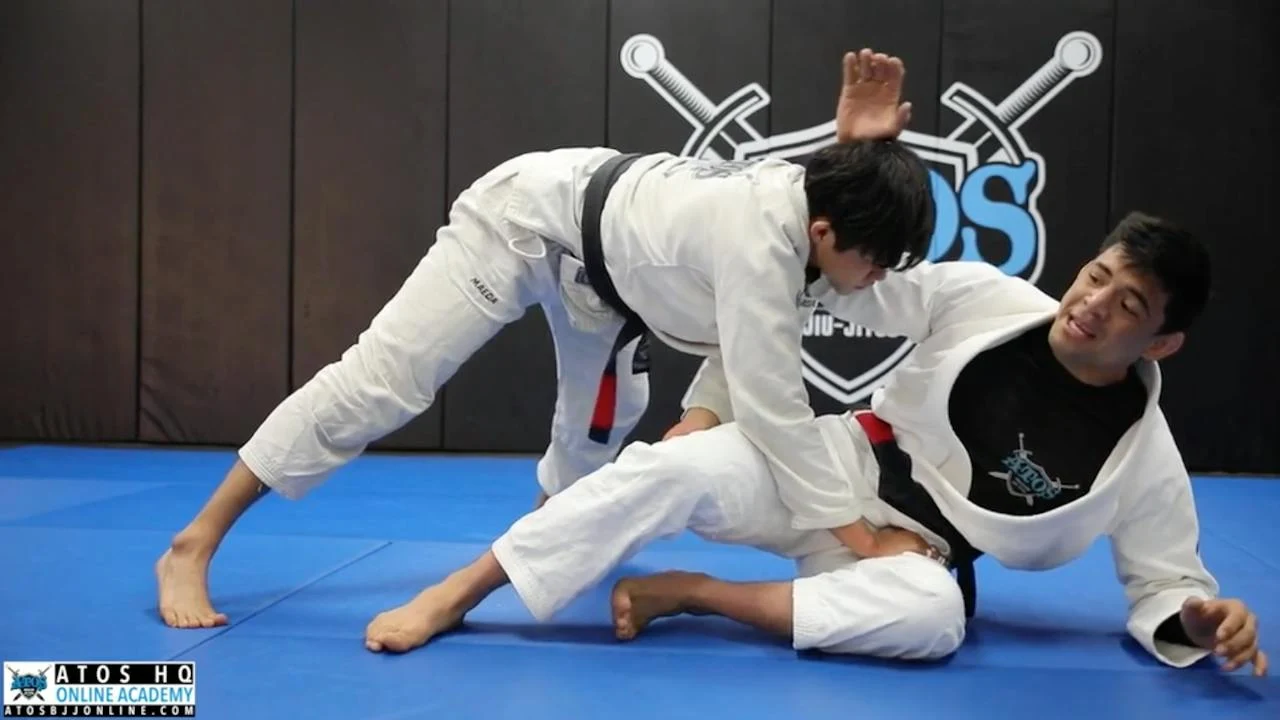
A half Granby needs a guard to recover when the turn ends
The half Granby is a guard-recovery movement with a destination. Learn to read the passer, the turning space, and the position you regain afterward.
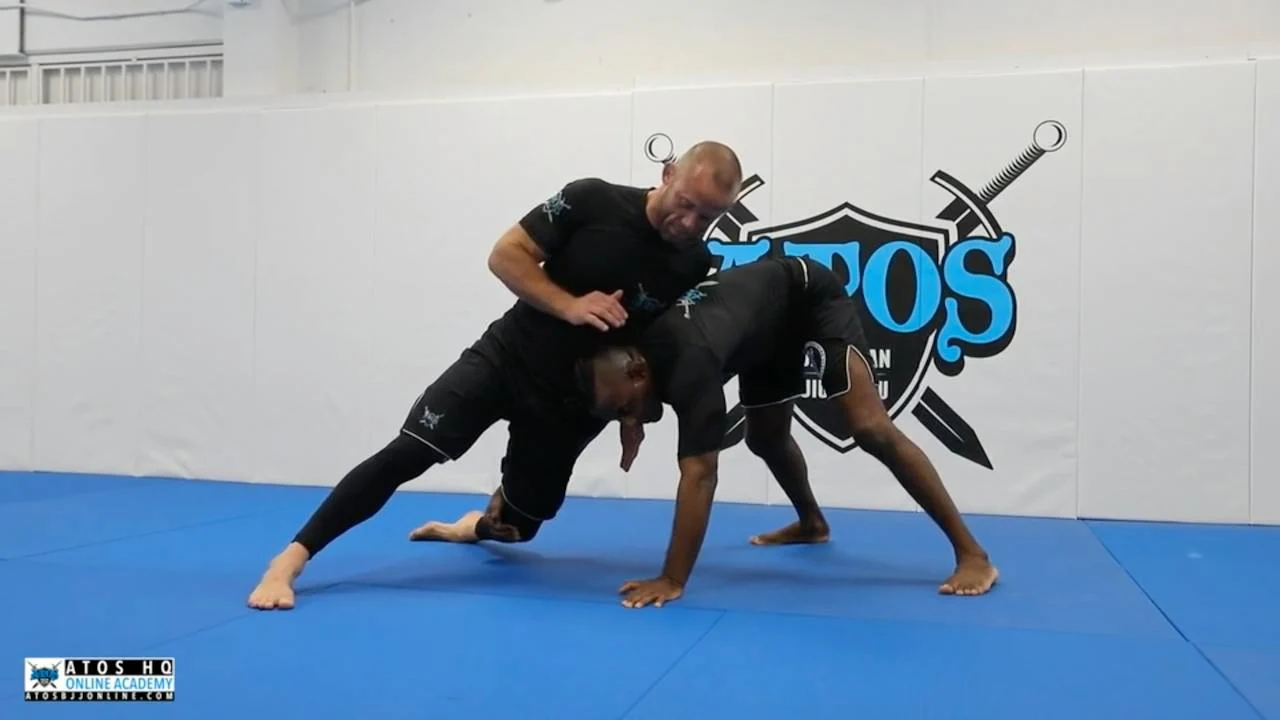
A sitout changes the angle before a switch changes control
Sitout and switch movements can connect wrestling to BJJ, but the starting grip matters. Learn the angle change without treating every headlock alike.
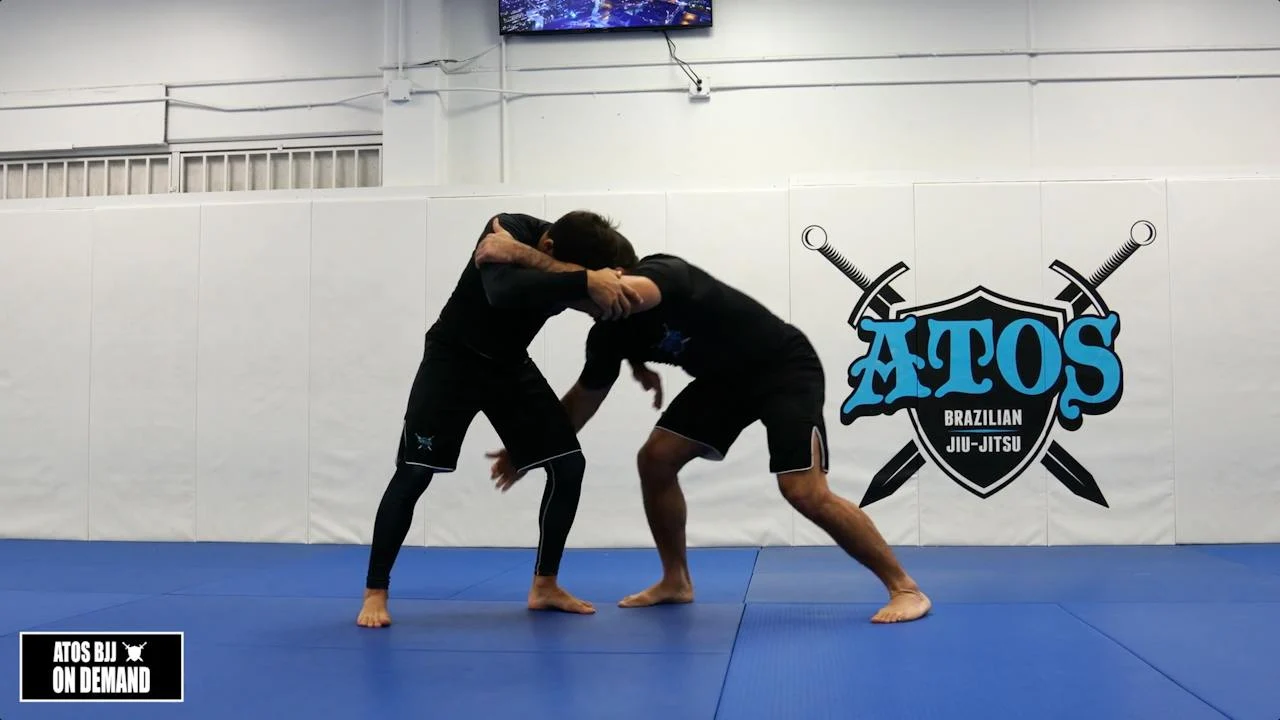
A knee tap needs an upper body that is already moving
The knee tap connects an upper-body setup with a lower target. Compare its starting positions before treating a touch behind the knee as a takedown.
Comments (0)
Loading comments...