
The BJJ carpool works better with an exit plan
Quick answer: A BJJ carpool works best when everyone agrees on the return trip before leaving home. Set the pickup, departure time, cost arrangement, and backup plan in advance. Sharing a ride should make training easier without making one person's evening depend on guessing another person's plans.
The difficult part of a training carpool can happen after the last round. One person has put their shoes on. Another has found a fresh partner. The driver is discussing a technique with someone who has no idea that two passengers are waiting.
Nobody needs to be selfish for this arrangement to become awkward. The group simply agreed to go to training without agreeing on when training would end. Fixing that omission takes less effort than the evening of polite hovering that follows.
Agree on the trip home first
A class end time is not necessarily a departure time. People change, talk, shower where facilities permit, or stay for additional rounds. Ask when the car will leave, rather than assuming the timetable answers the question.
Make the agreement concrete. For a hypothetical evening class, the group might choose to leave fifteen minutes after the scheduled finish. The exact interval is less important than everyone understanding it. If the driver wants the option to stay late, passengers need to know before they accept the ride.
Allow people to name a firm constraint without defending it. Someone may need to collect a child, catch a connection, or simply be home at a particular hour. A commitment does not become negotiable because the rest of the group finds the reason less exciting than another round.
You can arrange different return trips. Riding together to the academy does not require everyone to share the whole evening. Just make sure the alternative is real and affordable before somebody is left standing outside with a damp kit bag and a very optimistic plan.
Put the pickup where it belongs
A small detour can be easy once and tiring twice a week. Before a regular arrangement settles into habit, compare where people live and where the driver is already going. A meeting point may work better than collecting everyone at their door.
Choose somewhere you can wait safely and legally, with enough clarity that nobody has to circle while reading messages. Confirm the side of the street or entrance if there is any ambiguity. The passenger should be ready at the agreed time, not beginning the search for a belt when the car arrives.
Set a simple late policy. How long will the driver wait? Who sends the message if plans change? At what point should the driver continue so the whole car does not miss class? These are practical questions, not evidence that the friendship has become a transport company.
For occasional visitors, confirm the academy itself as well. Similar gym names and multiple branches can defeat an otherwise perfect pickup plan. Use the gym directory to start the search, then confirm the exact training address with the host before setting the route.
Money is easier before anybody is resentful
Do not assume everyone has the same idea of what sharing a ride costs. One driver may be happy to offer an occasional lift. Another may need a contribution to make a regular detour workable. Both positions can be reasonable.
Discuss the arrangement directly. Decide whether passengers will contribute per trip, share a particular expense, or take turns driving. There is no universal amount this article can responsibly set. Distance, parking, tolls, and the shape of the route differ.
Avoid promising vague repayment that neither person can recognize. Saying that you will get the driver back sometime may be friendly, but it leaves the terms unsettled. If the ride is a favor, call it a favor and say thank you. If it is a shared cost, agree on how and when it is paid.
Revisit the agreement when the pattern changes. A one-off ride becoming a standing twice-weekly arrangement deserves a fresh conversation. So does an extra passenger or a new pickup point. Sorting that out early is kinder than silently collecting evidence that the other person has become inconsiderate.
Treat the car as somebody else's small room
Training gear needs a place to go. Pack used clothing so it does not sit directly on the seat, and bring what you need to change before the ride home. Ask where the driver wants bags rather than assuming every available surface is storage.
Keep the expectations ordinary and specific. If food is unwelcome, say so. If a passenger needs a quiet ride after work, that can be said too. A car full of people who have just spent an hour grabbing each other can still benefit from normal personal boundaries.
The useful checklist is short:
Pack clean clothes and a separate bag for used training gear.
Bring anything you need for the return trip before leaving home.
Ask about food, drinks, and where bags should sit.
Take your belongings and rubbish with you when you get out.
Do not turn cleanliness into a running joke aimed at one person. If there is a problem, discuss the practical fix privately. You are trying to make repeated trips comfortable, not audition a new nickname for the locker room.
Keep the driver out of the group chat
Messages can change the plan, but they should not require the person behind the wheel to manage them while moving. A passenger can handle navigation and communicate with anyone waiting. If the driver is alone, the conversation can wait until they are safely stopped.
Set the route before departure where possible. A last-minute suggestion to try another gym or collect another person affects everyone in the car. Check the whole group's timing before treating it as an improvement.
The same restraint applies to post-training debate. It is fine to discuss a round. It is less useful to demand that the driver look at a video to settle what happened. Save the visual evidence for the next stop. The submission will remain available on your phone.
If the driver is too tired to feel comfortable driving, change the plan. Do not make the group agreement a reason to push through. A backup driver or a separate ride home is a better outcome than insisting that the original arrangement must be completed because everyone already brought their bags.
An open mat needs a different agreement
Open mats can make departure harder because there may be no single moment when everybody finishes. One person has trained for an hour while another is just meeting a partner they hoped to catch. The session may still be running long after the carpool has used the time it set aside.
Agree on a departure window before arriving, and give one another a brief reminder before it closes. That leaves time to decline the next round and collect belongings without a public rush. The person leaving should not have to interrupt a live exchange to make the arrangement count.
If somebody wants to stay, they can arrange another return trip. Check that it is settled rather than relying on a loose promise from a person who is still training. Nobody should feel pressured to leave a partner behind without knowing whether the new plan exists.
Before traveling to an unfamiliar session, confirm its actual visitor arrangements. Listings for open mats can help you find possibilities, but a listed session does not establish today's access, fee, or end time. The carpool plan should be built around information the host has confirmed.
Leave room for the arrangement to end
A useful carpool may stop being useful. Work hours change, somebody moves, or the driver starts attending another class. Ending the arrangement should not require a dispute large enough to justify it.
Give notice when you can, and say what is changing. You can be grateful for the previous rides while choosing a different routine. Avoid making an explanation so elaborate that it sounds like a case being argued in court. A schedule conflict can remain a schedule conflict.
For the passenger, do not build a permanent training plan around a lift the driver has described as occasional. Keep another option in view, even if it means attending less often or choosing a more accessible class. That reduces the pressure on both people when a ride falls through.
For the driver, be honest about what you can sustain. Offering every trip and then resenting the expectation is less considerate than offering one reliable evening. A modest agreement that people can keep is worth more than a generous promise that turns each class into another negotiation.
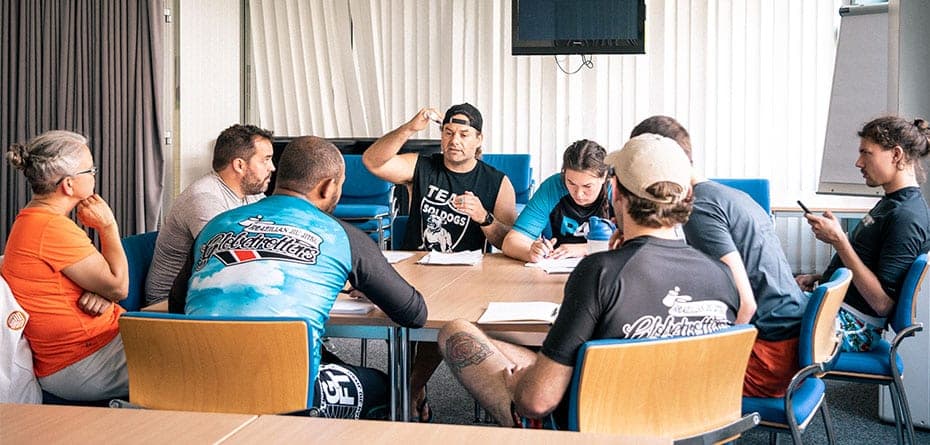
Main photo: BJJ Globetrotters; illustrative archive photograph.
The takeaway
A BJJ carpool needs a destination, but it also needs an ending. Agree on pickup, departure, costs, and what happens if somebody stays late. Put those decisions before the trip so nobody has to raise them while already dependent on a ride.
Keep the arrangement easy to revise. Training partners can help one another without becoming permanently responsible for each other's attendance. The best version gets people to class and home again with enough goodwill left to share another round next week.
Plan a shared training trip
Browse seminars for possible group trips, then confirm the event details and transport agreement before anyone commits to the drive.
FAQ
Should I pay a training partner who drives me to BJJ? Ask what arrangement works for them. An occasional favor and a regular detour are different commitments. Agree on any contribution before the ride rather than assuming a universal amount or an unspoken exchange of favors.
What if my driver wants to stay for extra rounds? Refer to the departure time you agreed on. If the group changes it, everyone affected should have a workable option. For future trips, decide in advance whether extra training means separate rides home.
How do I cancel a regular BJJ carpool? Tell the other person clearly and give notice where possible. Explain the practical change without turning it into a judgment about them. Confirm the last shared trip so nobody waits for a pickup that is no longer happening.
Is it better to carpool to open mats or normal classes? Either can work. A class has a scheduled finish, while an open mat may need a firmer personal departure plan. In both cases, confirm visitor access and the return trip before leaving.

Owen Bellamy
Owen Bellamy writes for the person training twice a week around a job. Nothing he suggests requires quitting the job.
Related Posts

Mikey Musumeci gives up the belt to make room for MMA
Musumeci is vacating his UFC BJJ title to focus on MMA training. What he is leaving, what continues, and why the transition matters.
IBJJF membership: finish the paperwork before the deadline
IBJJF membership and tournament entry are separate steps. Plan documents, professor approval, renewals, and junior accounts before registration closes.
Choosing a BJJ seminar worth your time and travel
Choose a BJJ seminar by the subject, teaching format, access, and total cost. Know what to ask the host before buying a ticket.
Comments (0)
Loading comments...