
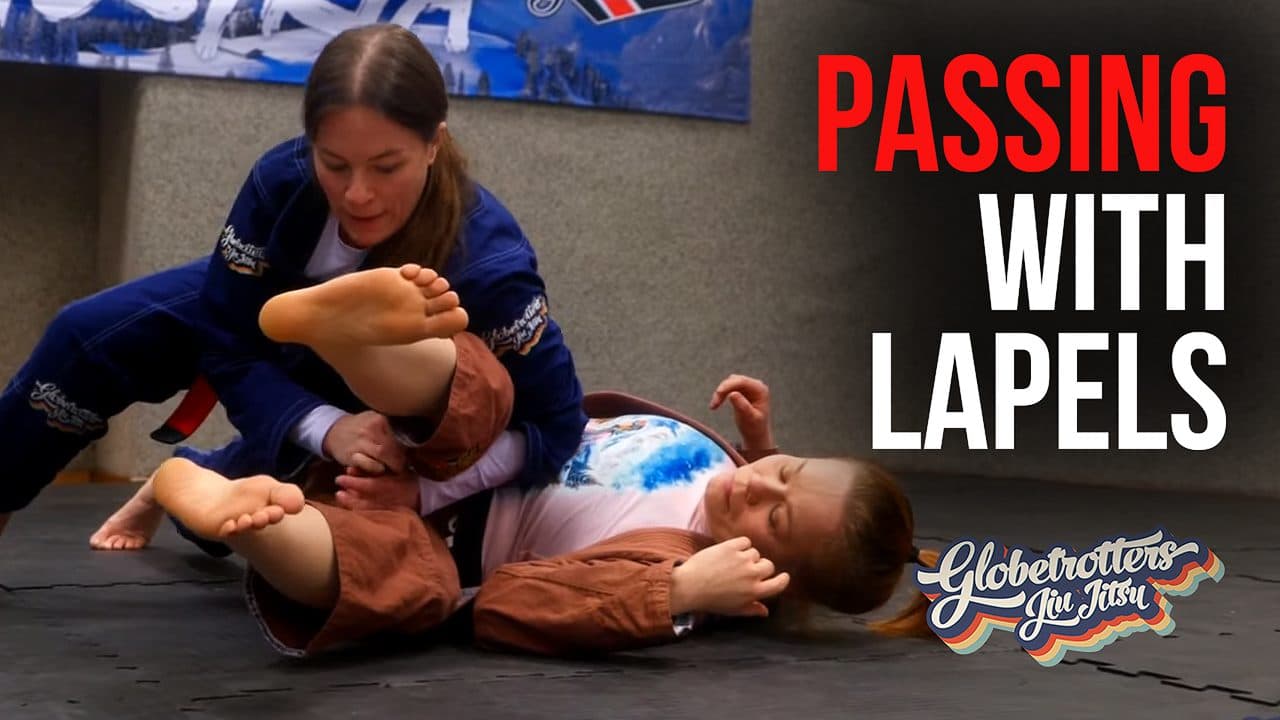
Repeating a BJJ class can be more useful than collecting moves
Quick answer: Repeating a BJJ class gives you a chance to investigate the part you could not follow the first time. Arrive with one specific question, practice the starting position carefully, and test a small detail with an appropriate partner. Recognizing the technique's name is not the same as being able to use it.
The instructor announces a technique you saw last week. For a moment, it feels as if the class has already happened. You remember the name, the general shape, and perhaps the part where everyone changed partners.
Then you try it again and cannot quite place your second foot. That gap is a good reason to stay interested. A repeated BJJ lesson can move your attention from recognizing the outline to understanding something you previously skipped.
Find the unfinished part of the first class
Before the demonstration, recall where the movement became uncertain. You do not need an exhaustive account of the previous session. One useful detail is enough: the grip slipped, the partner turned a different way, or you could not tell when to move your hips.
Separate a missing instruction from a difficult action. If you do not know where the foot belongs, ask for the setup. If you know the position but cannot reach it smoothly, you may need slower practice or a correction to an earlier movement. Those are different requests.
A broad statement such as "I am bad at this pass" makes the problem feel larger than it needs to be. "I lose the sleeve when I change my stance" points to an exchange the instructor can observe.
Write the question down if that helps you remember it. You are not bringing homework for the coach to grade. You are giving yourself a reason to watch the repeated explanation closely instead of assuming that familiarity has already completed the lesson.
Watch the setup as if it counts
The dramatic part of a technique is easy to remember. The starting arrangement is easier to overlook. On the second exposure, pay attention before the instructor begins the movement you recognize.
Notice the distance between the bodies, the orientation of the hips, and the contacts already established. If your own repetition begins from a different arrangement, the later steps may feel impossible for a reason that has nothing to do with speed or strength.
Do not silently repair the setup with whatever habit feels comfortable. Ask whether the variation still fits the lesson. The instructor may be using a particular starting position to teach a response that will matter later in the class.
Your partner can help by checking the same details. Take turns rebuilding the initial position before moving. A clean beginning gives you a stable reference, which makes it easier to identify what changed when the repetition stopped working. Without that reference, every attempt can become a slightly different problem.
Listen for the explanation you missed
The first time through a movement, you may spend most of your attention remembering its sequence. A repeated demonstration can leave room to hear why the coach chooses a grip or waits for a response.
Listen for cause and effect. Which movement makes the next one available? What does the partner's reaction change? When does the instructor pause, and what are they checking before continuing? These are useful questions even if the basic steps look familiar.
Avoid assuming that every difference from the earlier class is a contradiction. The coach may be showing another response, adjusting the explanation, or working from a slightly different starting condition. Ask which situation the current version addresses.
A practical note might read: "This version begins after the partner puts weight on the near foot." That is much more useful than recording two sequences and deciding that one must be wrong. Repetition can reveal the conditions around a technique, not merely add another detail to memorize.
Give the drill one clear question
A second class does not need to become a private experiment that ignores the assignment. Work within the coach's exercise, but choose one detail to observe during your turns.
For example, you might focus on whether you keep a connection through a transition, arrive balanced enough to pause, or recognize the partner's instructed response before moving. The question should fit the lesson and be visible enough that your partner can help you check it.
A simple process is:
Rebuild the demonstrated starting position.
Perform the movement at a pace you can explain.
Stop at the point you wanted to examine.
Ask for feedback on that point before adding speed.
Do not use a successful finish to hide an unclear middle. If you reach the end because your partner supplies all the missing movement, the repetition may not answer your question. Ask them to provide the response the instructor assigned, neither resisting unexpectedly nor completing the technique for you.
Keep your partner's lesson intact
You may be repeating the class while your partner is seeing the movement for the first time. That difference does not make you the assistant instructor. Let them listen, ask questions, and work through their own attempts.
Offer concise help if they want it and you are confident about the detail. If you are uncertain, call the coach. Repeating something twice does not automatically make your interpretation accurate, and a long explanation can consume the other person's practice time.
You can agree on a slower pace without apologizing for it. A careful repetition often gives both people something useful: one establishes the sequence, while the other examines a connection. Those tasks can coexist if neither person turns the drill into a contest.
Our article on experienced students in fundamentals classes addresses the broader etiquette of returning to familiar material. Here, the immediate responsibility is simpler: make room for the person learning beside you, even while you have a different question in mind.
Add resistance only to the question you understand
Once the coach is satisfied with the movement, a controlled response can help you see whether the detail holds up. The useful resistance is the kind that tests the lesson, not whatever makes the repetition hardest.
If you are studying a particular grip, your partner might gradually try the escape that grip is meant to prevent. If you are studying timing, they might vary the moment of the assigned response. Let the instructor choose appropriate boundaries, especially around submissions or unfamiliar positions.
When the movement fails, return to the point you were testing. Did the contact disappear? Did you move before the response occurred? Did your partner introduce a different problem from the one you had agreed to study? Each answer suggests a different next attempt.
You do not need to turn every drill into full sparring to learn something honest. A narrow exercise can expose a mistake clearly, while an unrestricted round may bury the same mistake under several other things you are still trying to understand.
Take the lesson into a modest live goal
In rolling, the exact classroom arrangement may never appear. That does not make the class useless. Look for an earlier part of the position that you can recognize or establish, rather than forcing the entire sequence onto an unwilling partner.
Your goal might be obtaining the starting grip, noticing the relevant reaction, or keeping your balance during the first transition. Those are legitimate pieces of progress. A new movement does not have to produce an immediate submission or sweep to have entered your training.
Tell a suitable partner what you want to explore if the class format allows positional practice. Keep the request specific and optional. "Could we start in this position for a short round?" is easier to accommodate than asking them to spend the whole session recreating your lesson.
If the attempt becomes unsafe or you are unsure about the direction of pressure, stop and reset. The value of a repeated class is better understanding, not a new reason to force a technique through a partner's resistance.
Record a change you can check next time
After the session, compare your understanding with the question you brought in. Perhaps the original problem is clearer. Perhaps you discovered that it began earlier than you thought. Either can give the next practice a useful direction.
Keep the note short enough that you will read it. Write what changed, what remains uncertain, and one question for the instructor. Avoid turning your notes into a verdict about whether you are talented or progressing fast enough.
For example: "The foot placement was fine; I was releasing the upper-body connection before moving." That sentence points to a specific correction. It also explains why another hour of trying to move the foot faster would have missed the issue.
The next time the technique appears, you have a better starting point. Familiarity then becomes an advantage because it frees attention for the part you are ready to examine. The class may repeat. Your question does not have to stay the same.
Main photo: BJJ Globetrotters; 2024 camp instructional archive image, used illustratively.
The takeaway
A repeated BJJ class gives you another look at the setup, timing, and connections that the first explanation may have left unclear. Arrive with a small question and give the coach a specific problem to help you solve.
Measure the lesson by what you can now recognize or explain, not by whether the technique was new. A familiar movement with one understood detail can be more useful than another name added to a list.
Find a schedule you can return to
Browse BJJ gyms on Let's Roll and ask about class themes, beginner sessions, and opportunities to revisit material during the week.
FAQ
Is it worth attending the same BJJ lesson twice? It can be, especially when you bring a specific question from the first session. The second exposure lets you examine details that were difficult to notice while learning the basic sequence.
What should I focus on during a repeated demonstration? Start with the setup and the reason for each connection. Notice what the partner does to make the next step available, rather than watching only the finish you already recognize.
Should I help a partner who has not seen the technique? Offer brief help if wanted, but leave uncertain details to the instructor. Your partner still needs their own time to listen, ask questions, and practice.
What if I still cannot use the technique in rolling? Look for a smaller part you can establish, such as the starting grip or the relevant reaction. Discuss the obstacle with your coach instead of forcing the complete sequence into an unsuitable position.

Owen Bellamy
Owen Bellamy writes for the person training twice a week around a job. Nothing he suggests requires quitting the job.
Related Posts
Jiu-jitsu in Montreal: build the visit around a real class
Plan BJJ training in Montreal around confirmed classes, language arrangements, winter travel, visitor policies, and equipment that is ready to use.
Competing in gi and no-gi on the same day takes two plans
Prepare for gi and no-gi competition on the same day with separate rule checks, complete outfits, schedule coordination, and a realistic second-bracket plan.

BJJ gi pants that fit standing up can still fail on the mat
Check BJJ gi pants at the waist, rise, knees, and cuffs so a good-looking size label becomes a uniform you can actually move in.
Comments (0)
Loading comments...