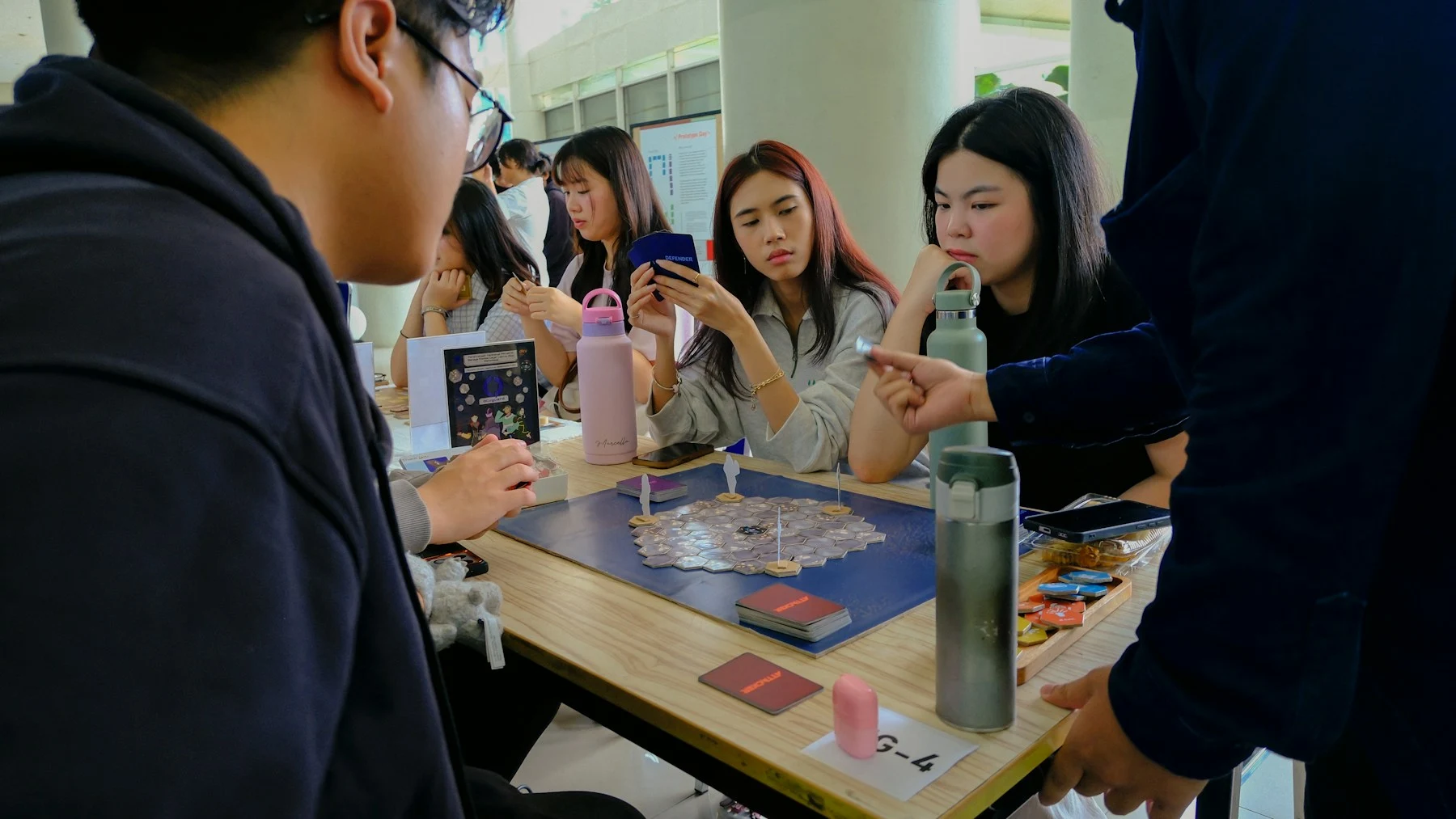
A BJJ gym social should be easy to join and easy to leave
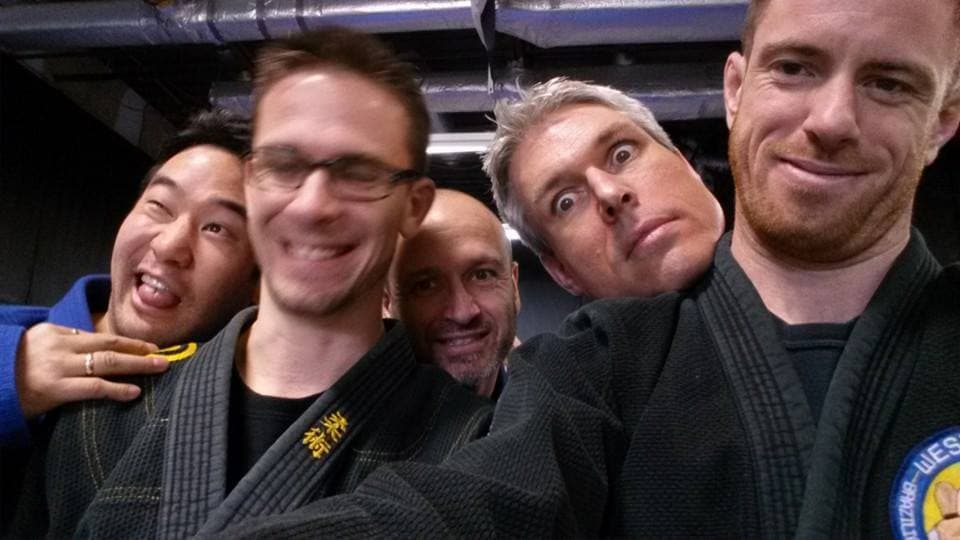
Plan BJJ gym socials around clear invitations, cost, timing, access, and optional participation. Give teammates a way to meet beyond the next round.
Rafael Moura


Rafael Moura
Rafael Moura profiles competitors as people with lives outside the bracket. Some of those stories are comebacks. Most are not, and he does not force them.
Plan BJJ gym socials around clear invitations, cost, timing, access, and optional participation. Give teammates a way to meet beyond the next round.
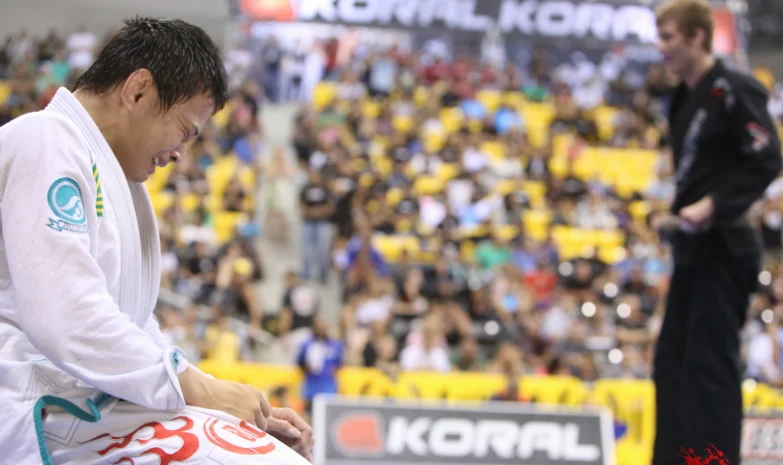
Read Paulo’s competition record separately from João’s, then follow how their shared academy adds another chapter beyond the podium.

Describe the specific BJJ class or booking problem, explain its effect, and ask the right person for a clear next step. Keep the response proportionate.
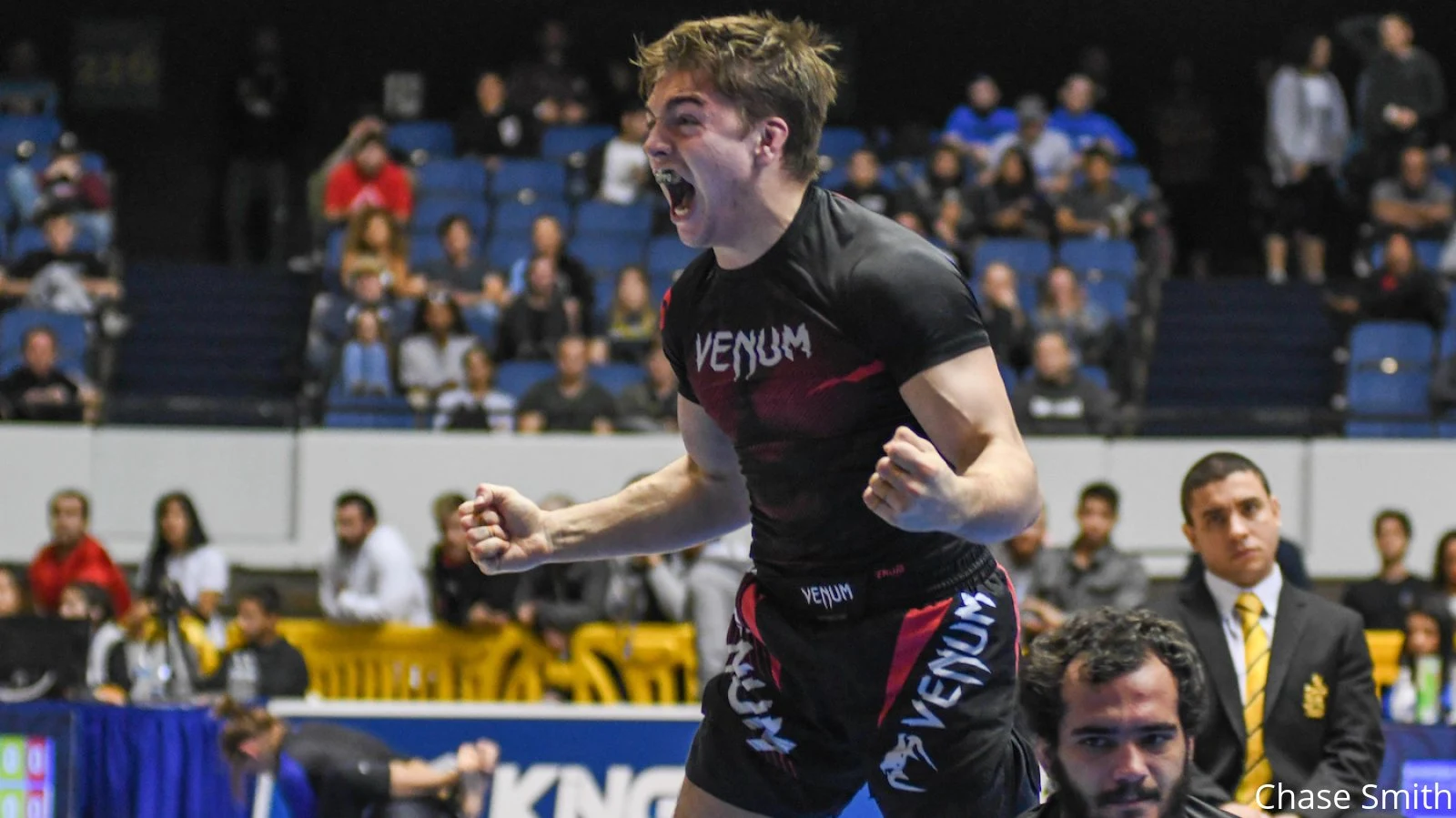
An Open gold and a No-Gi world title were separate steps in Grippo’s 2022 season. Read the return through the results he actually completed.
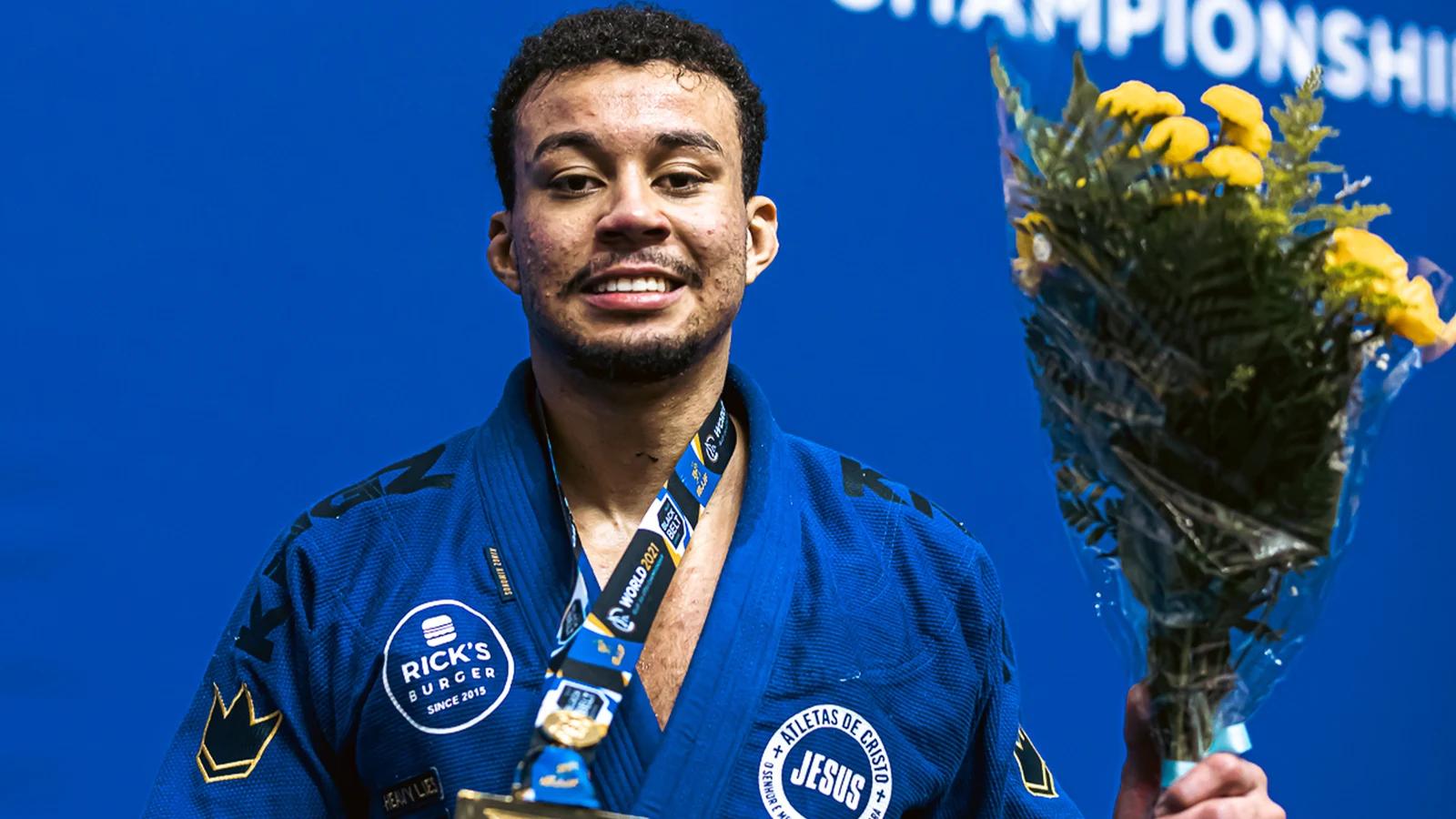
Munis used a return to competition to test takedowns and passing after world titles. His public explanation gives a useful way to read an Open.
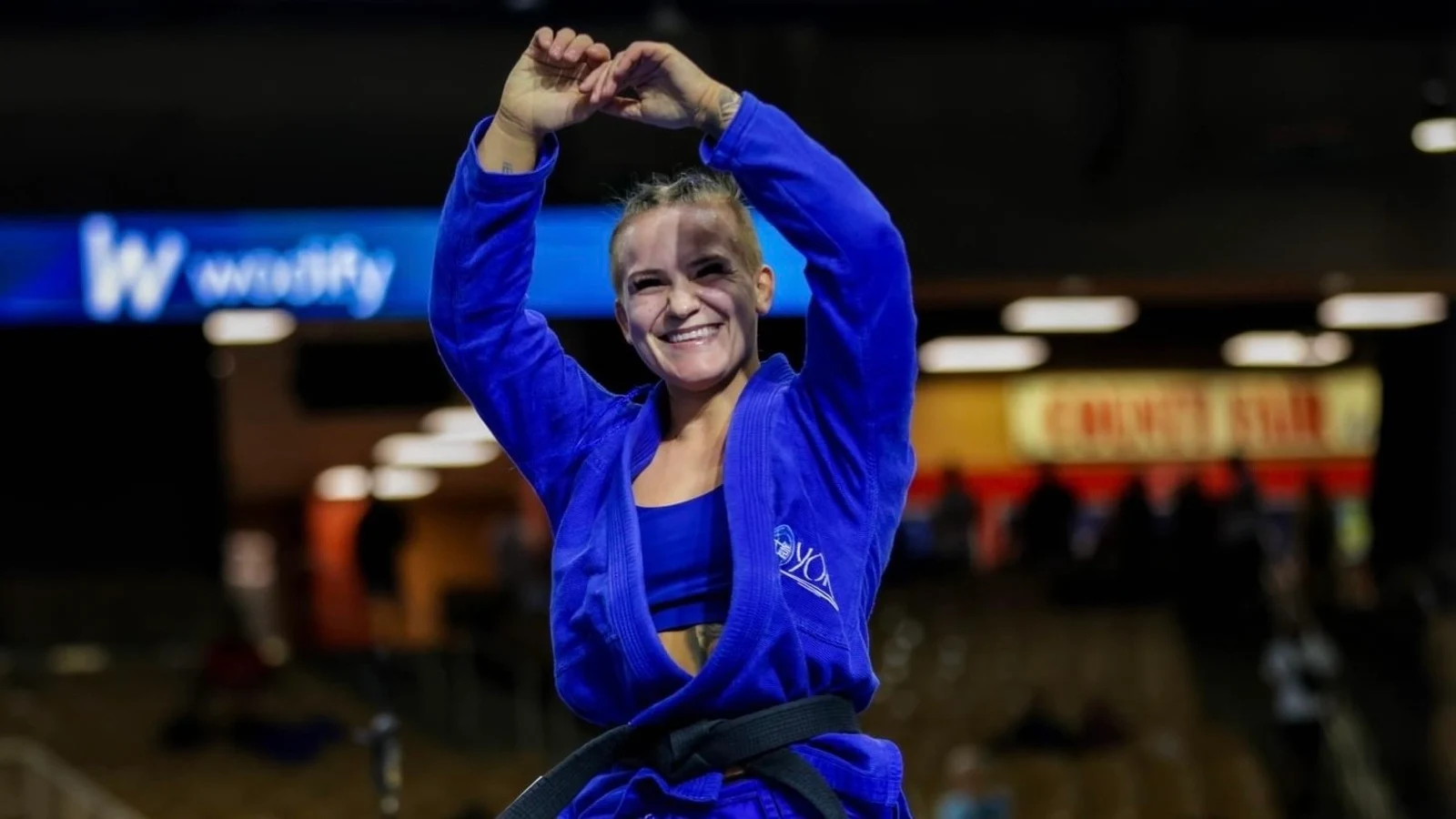
Clay’s first major gi title and later No-Gi Worlds run tell different parts of a career built around dangerous submission opportunities.

Stay for the correct podium procedure, check the result, and make a medal photograph that respects everyone who shared the bracket.

Learn the timing and angle of the hip bump sweep from closed guard, then practise recognising the hand post and settling on top.

Raquel Canuto fought for an Invicta belt, won three No-Gi Worlds titles, and kept competing while teaching fundamentals at Hybrid Jiu-Jitsu.

Tye Ruotolo dropped and submitted Christian Lee at The Inner Circle 37, adding ONE’s lightweight MMA title to his grappling belt in his third pro fight.

Practise the next beat after breaking a collar grip in gi BJJ. Try a controlled re-grip drill standing and a separate version in closed guard.

Yuki Nakai fought Rickson Gracie, then opened Paraestra Tokyo and reached two Pan podiums. The Japanese BJJ federation has another part of the record.
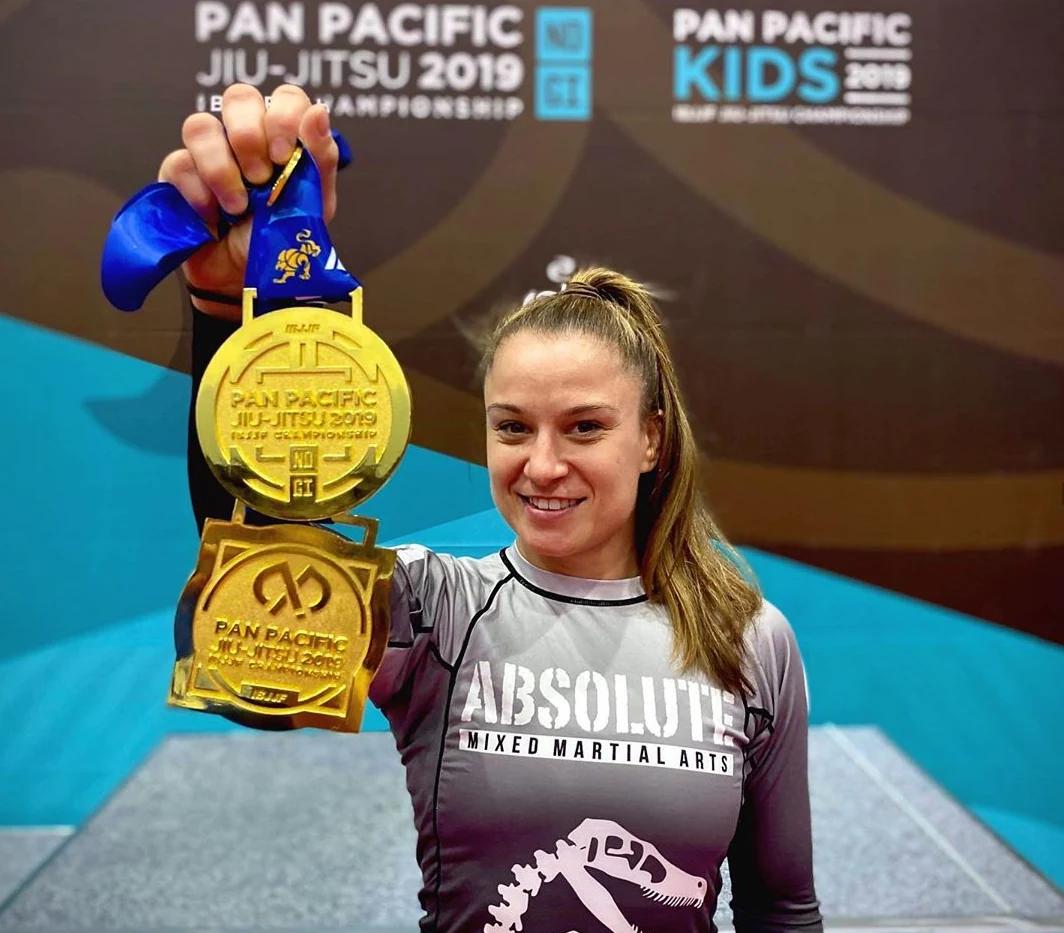
Livia Giles reached ADCC Worlds in 2019. Her No-Gi Worlds silver, Melbourne coaching, and training around work tell a wider story.

Bibiano Fernandes won three IBJJF light featherweight world titles and held ONE’s bantamweight belt. He opened Flash Academy before his final fight.

Megumi Fujii won two ADCC bronze medals and opened her MMA career with 22 wins. Her time in Ayaka Hamasaki’s corner belongs in the story too.

Emily Kwok’s two world titles tell part of her story. A late class in Tokyo helps explain how she approaches coaching, camps, and access to BJJ.

Two ADCC finals, a No-Gi Worlds title, MMA, and a student moving into teaching: Baret Yoshida’s career needs more than one results list.

Felipe Costa’s 2003 world title resists the idea that a champion must look inevitable at every earlier belt. His own account leaves room for enjoyment.

Identify SJJIF’s Deaf, Para and Special formats, distinguish JJIF’s context, and confirm the event arrangements without assuming a universal ruleset.

Ricardo Vieira’s 2013 account of preparing for ADCC puts a major invitation beside the school, family, and students already filling his days.

Wellington “Megaton” Dias’s long competition career makes more sense beside his teaching, his own account of training, and the masters divisions.

Jena Bishop’s 2026 PFL title followed a deliberate move from championship jiu-jitsu into learning a different sport.

Before her black belt, Kristina Barlaan organized Inspire. The open mat’s history shows what happens when training together becomes the event.

Hélio Soneca won at the first Worlds in 1996. His teaching record shows why an older champion still belongs in a modern conversation.

Murilo Santana’s record explains his reputation. Unity’s published programs reveal a broader question about building a jiu-jitsu room.
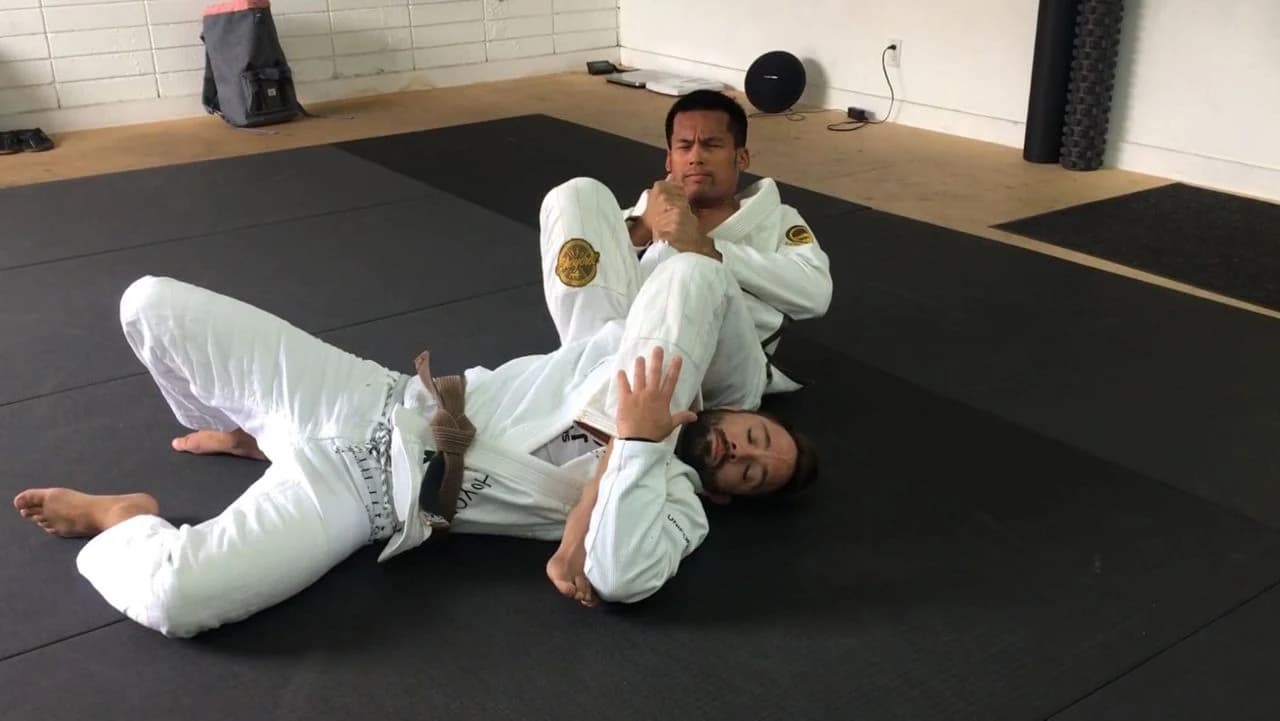
A useful first session starts with access arrangements, clear explanations, and asking the student what works for them.

Alexander Trans’s competition record is substantial. His move into teaching at Progresso adds a different measure of what staying in jiu-jitsu means.

Five gi world titles, two ADCC crowns, and a school: Ana Carolina Vieira’s career deserves more than a family introduction.

How Guardian connects free youth BJJ with local coaches, equipment, established academies, and international social projects.

Invite a friend to one suitable BJJ class with clear information, respectful boundaries, and room to make their own decision afterward.

How REORG’s funded BJJ introduction works: eligibility, sixty days of training, approved academies, and the questions to ask before applying.

Plan a teenager’s move into adult jiu-jitsu around suitable partners, clear expectations, and the student’s own willingness.
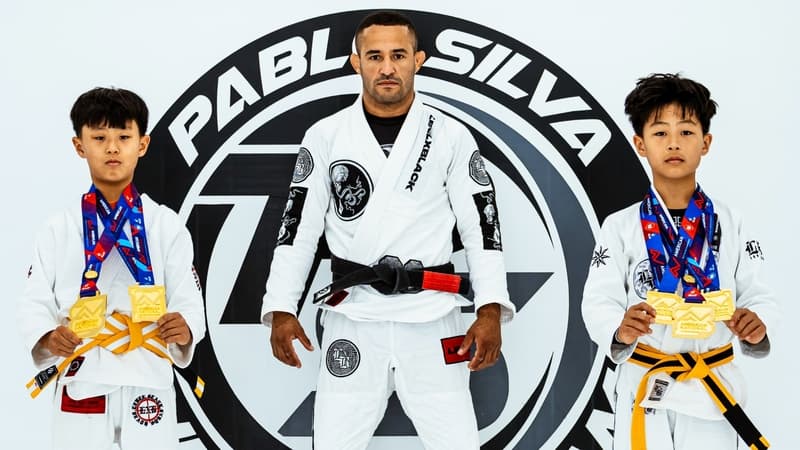
Understand the children’s belt groups, age limits, and transition at sixteen without making the next color a family deadline.

A relocation changes more than the address. Confirm the timetable, route, entrance, and membership details before rebuilding your training week.

The 2013 roosterweight title, the no-gi record, and the people keeping Caio Terra’s training and teaching work moving.

How to offer useful help at your BJJ gym, agree on the role, and protect the training time you came for.

Learn your BJJ teammates’ names without awkward introductions, forced small talk, or turning friendliness into a demand for private information.

Find and choose BJJ tournament photos that preserve the whole day, with accurate captions, photographer credits, and thoughtful sharing.

Patyk and Stavacz’s brown-belt double gold, documented finishing counts, and six Pan No-Gi performances worth following.

Keep a university BJJ club running after graduation with clear coaching arrangements, newcomer information, and a practical committee handover.

Pan No-Gi 2026 women’s black belt podiums, Galvão’s double gold, Crevar and Leyva’s short runs, and the exact scope of the event totals.
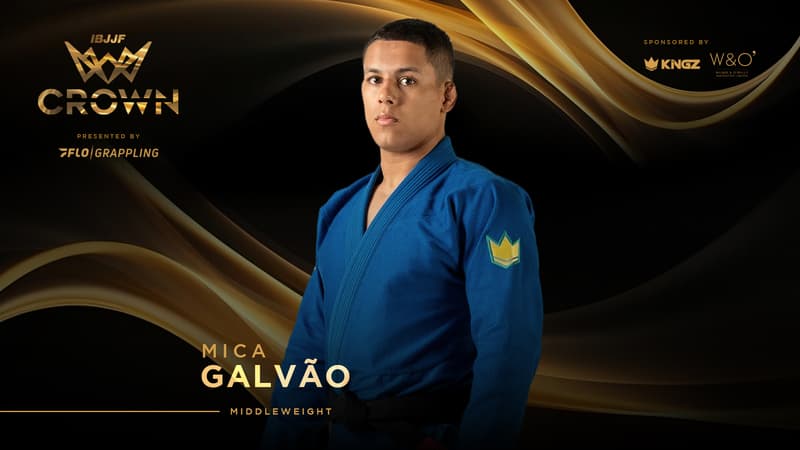
His 2024 season crossed two competitive worlds. A planned Crown appearance gives that record a fresh point of reference.
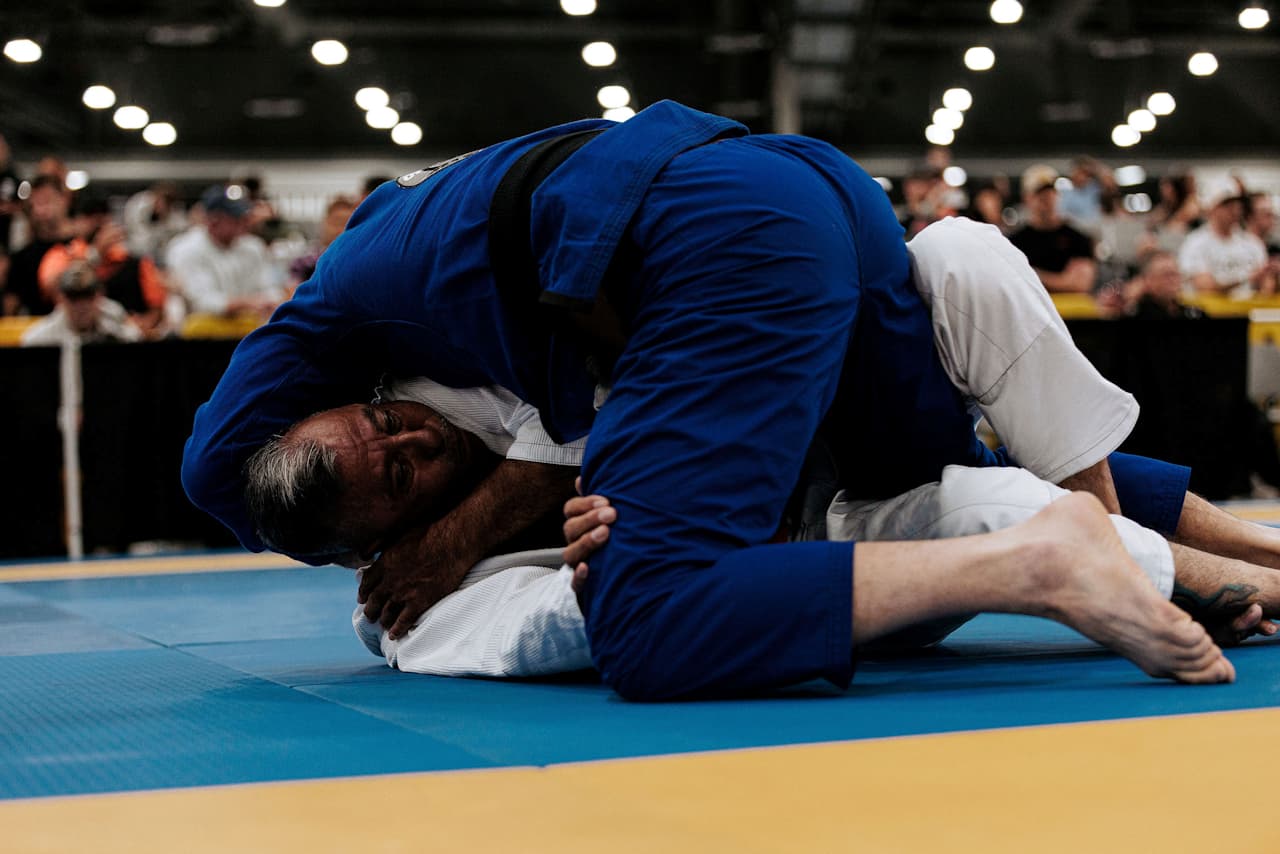
A silver medal, a team trip, and a results page full of unfamiliar names offer a different way to read World Master.

When BJJ friends get promoted at different times, keep the friendship, training goals, and instructor’s rank decisions from becoming one argument.
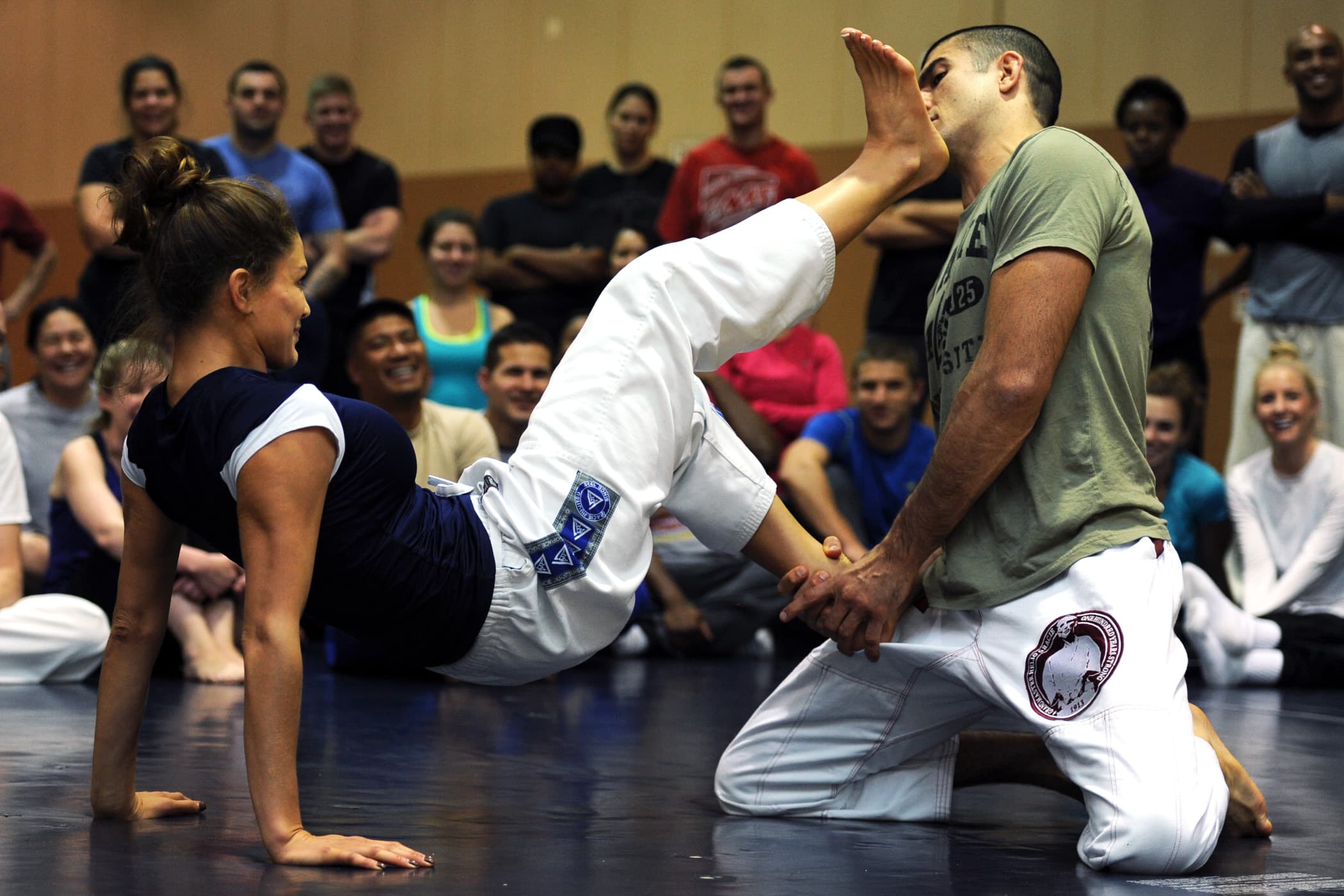
One partner wants a tournament. The other wants Tuesday night class. Sharing jiu-jitsu works better when both get a say in what it becomes.

All eight women’s adult black belt weight podiums at Worlds 2026, Pessanha’s open gold, and comparisons with earlier gi majors.
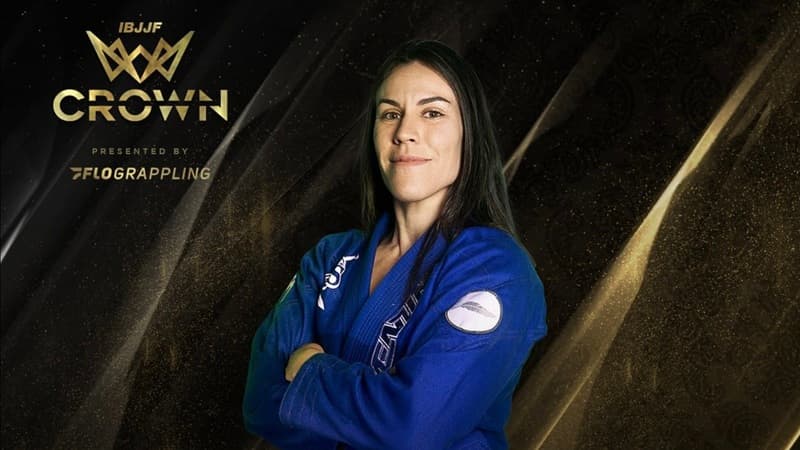
A third world title, four submissions, a retirement announcement, and another Worlds final. Luiza Monteiro's record rewards a longer look.
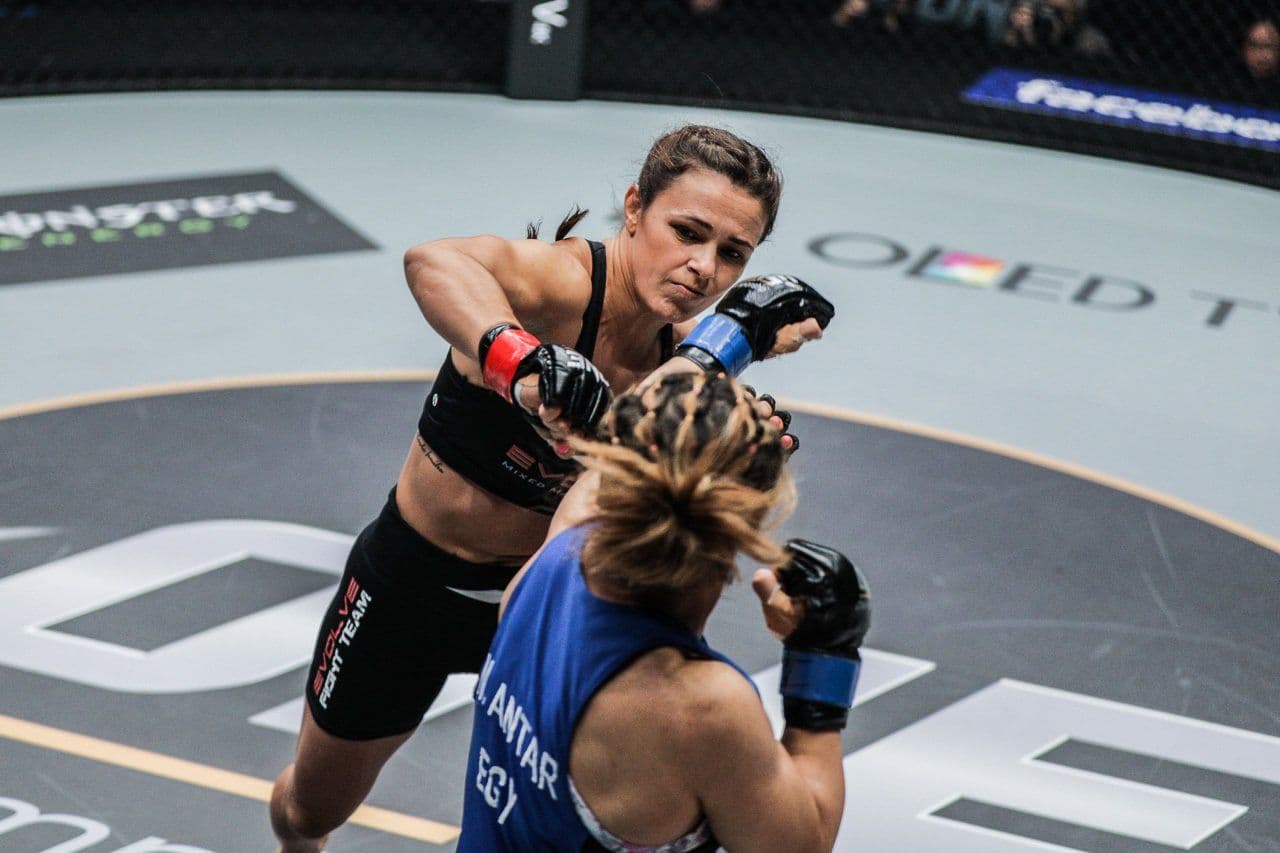
Eight IBJJF world titles, ADCC gold, and a second career in MMA. Michelle Nicolini's story gets interesting between the achievements.
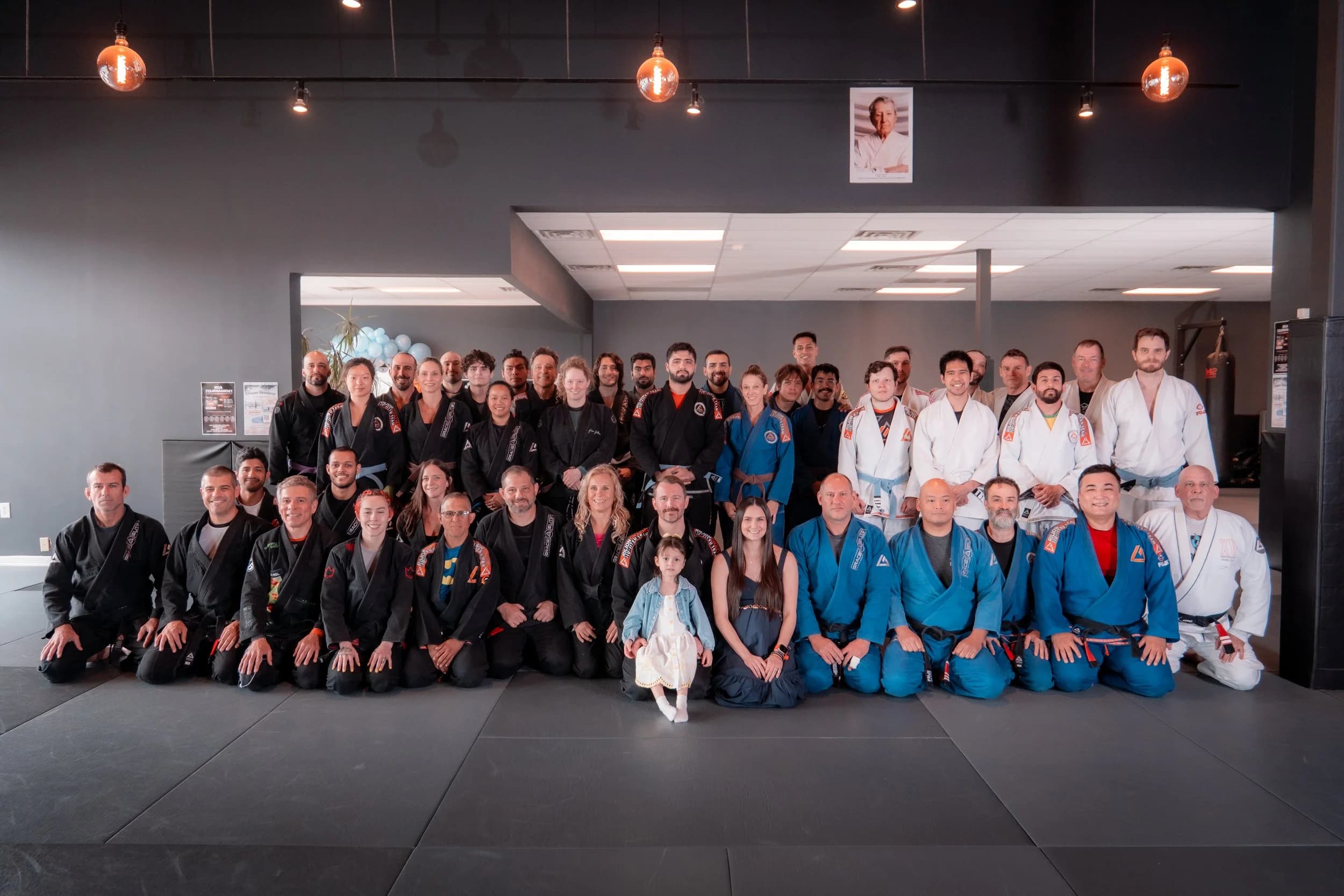
A Houston BJJ guide to local and metro-area options, with verified addresses and a practical way to compare classes, commutes, and memberships.

Helena Crevar’s ADCC 2026 title route, Anabel Lopez’s wins on the other side, and Paige Ivette Clymer’s bronze in women’s over 65 kg.

Ana Carolina Vieira retained ADCC minus 65 kg gold. Sarah Galvão took silver and Joslyn Molina bronze; here are their routes and the title context.
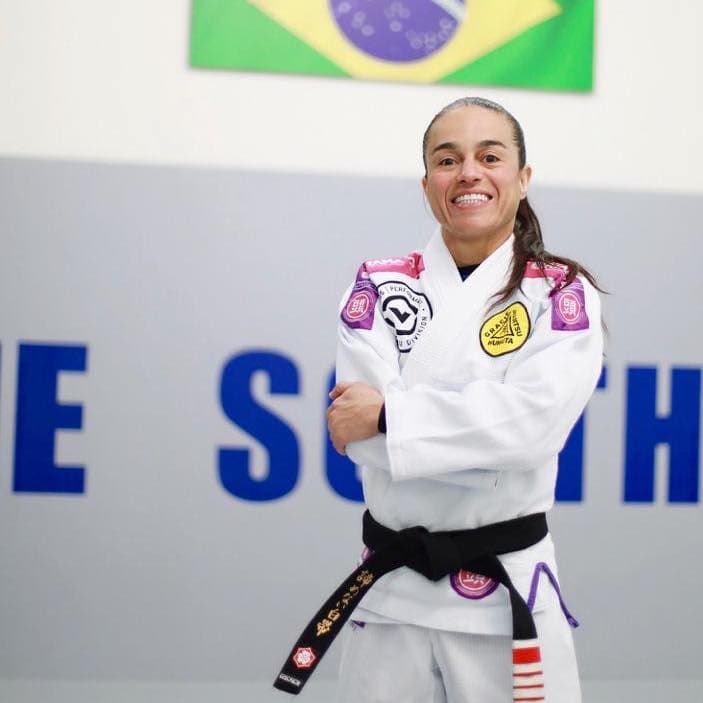
Leticia Ribeiro's career connects her own world titles with Bia Mesquita's development, a working academy, and a place in modern grappling.

Jasmine Rocha’s three-opponent route to ADCC 2026 gold, Ana Rodrigues’ silver, Ana Mayordomo’s bronze, and the changing women’s divisions.
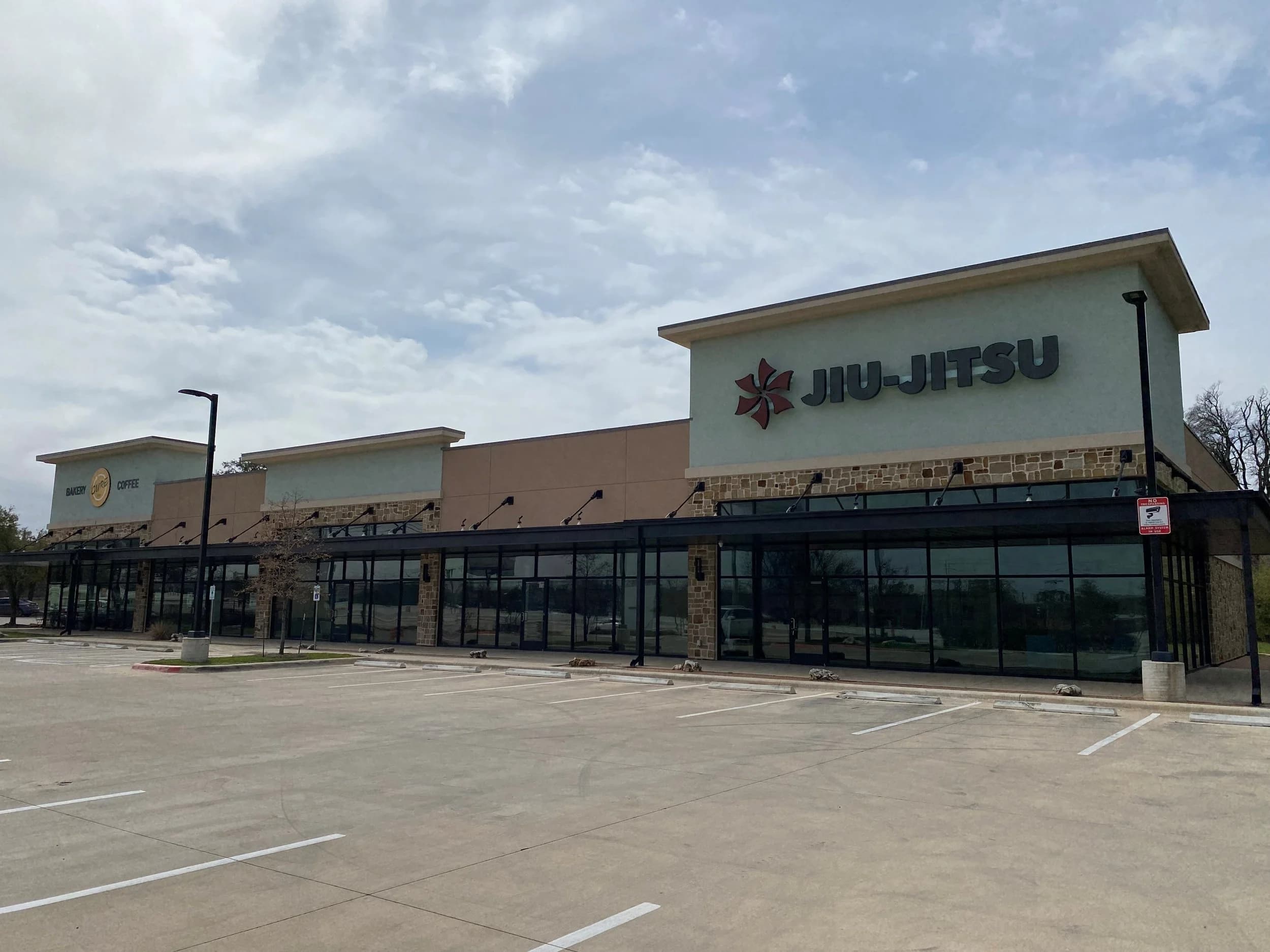
Xande Ribeiro's Six Blades team connects a long competitive career with six stated values. Here is what the name means and how to explore a local school.
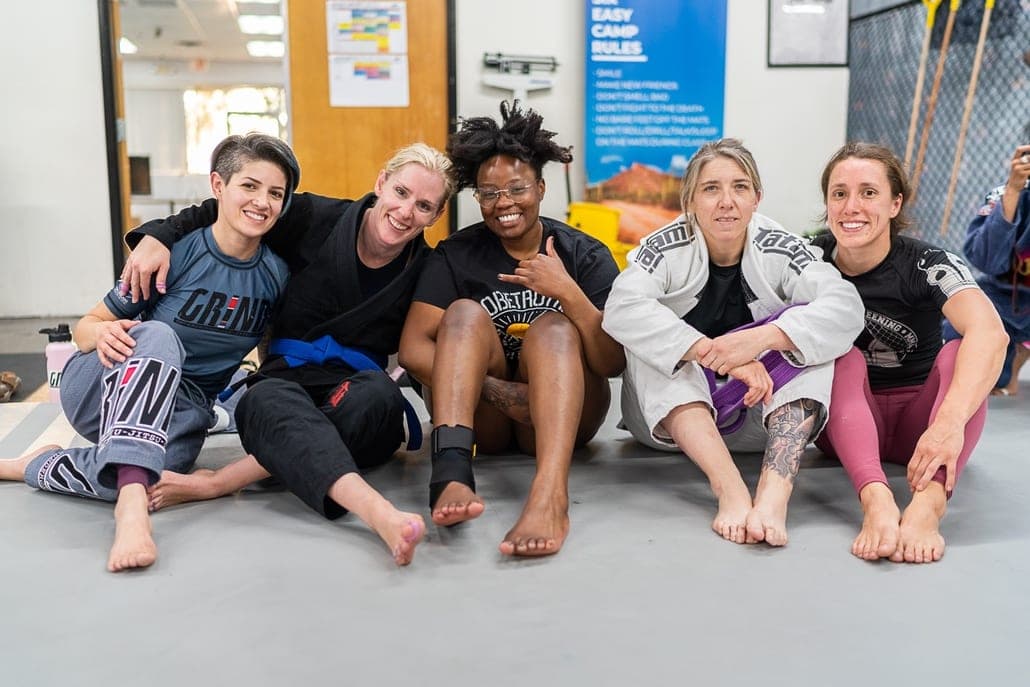
A women's open mat can connect training partners across academies. Know the format, check the invitation, and leave room for different goals.
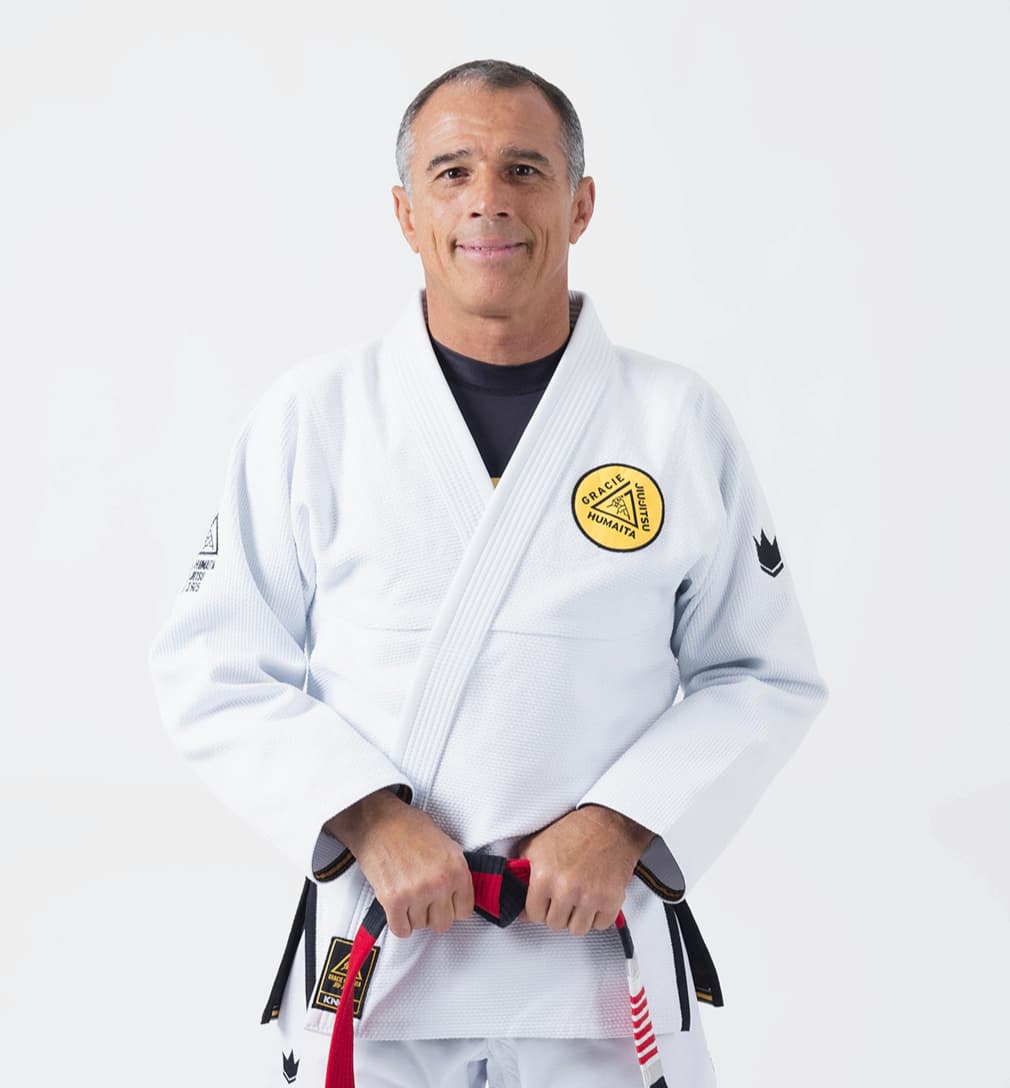
Gracie Jiu-Jitsu can refer to a family tradition, an affiliation, or a specific curriculum. Learn what to check before choosing your first class.

Brazilian Nationals 2026 women’s adult black belt podiums, Pessanha’s double gold, and comparisons with the Pans and Worlds.

Trace UFC BJJ’s early women’s champions, from Aurelie Le Vern’s first belt to Cassia Moura and Rebeca Lima.

Galvão’s Pans 2026 double gold, the late open-final back take, all women’s black belt podiums, and the reported routes to each title.
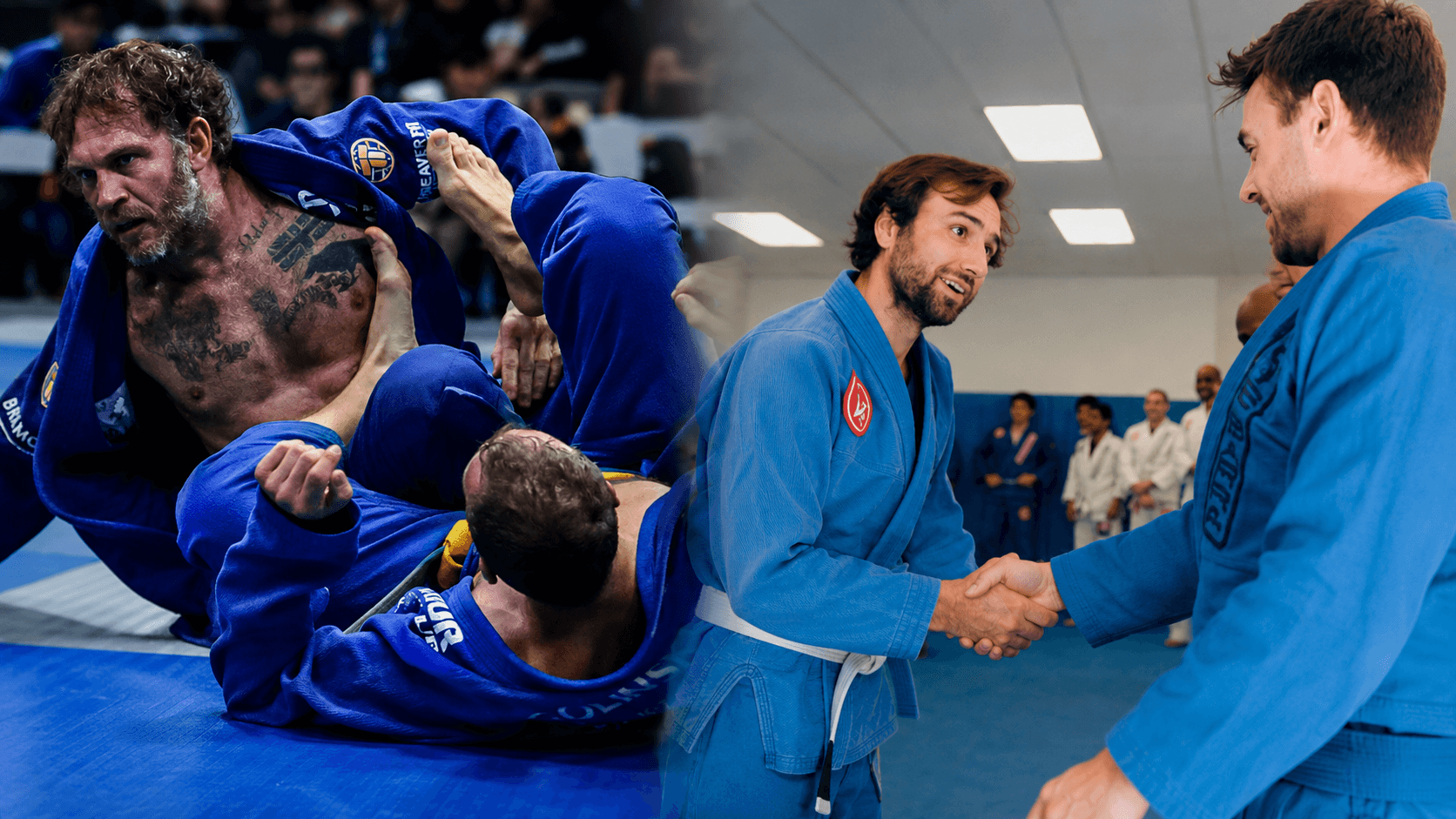
Competition is one way to organize your training. Choose the commitment you want now, without turning that choice into a permanent identity.
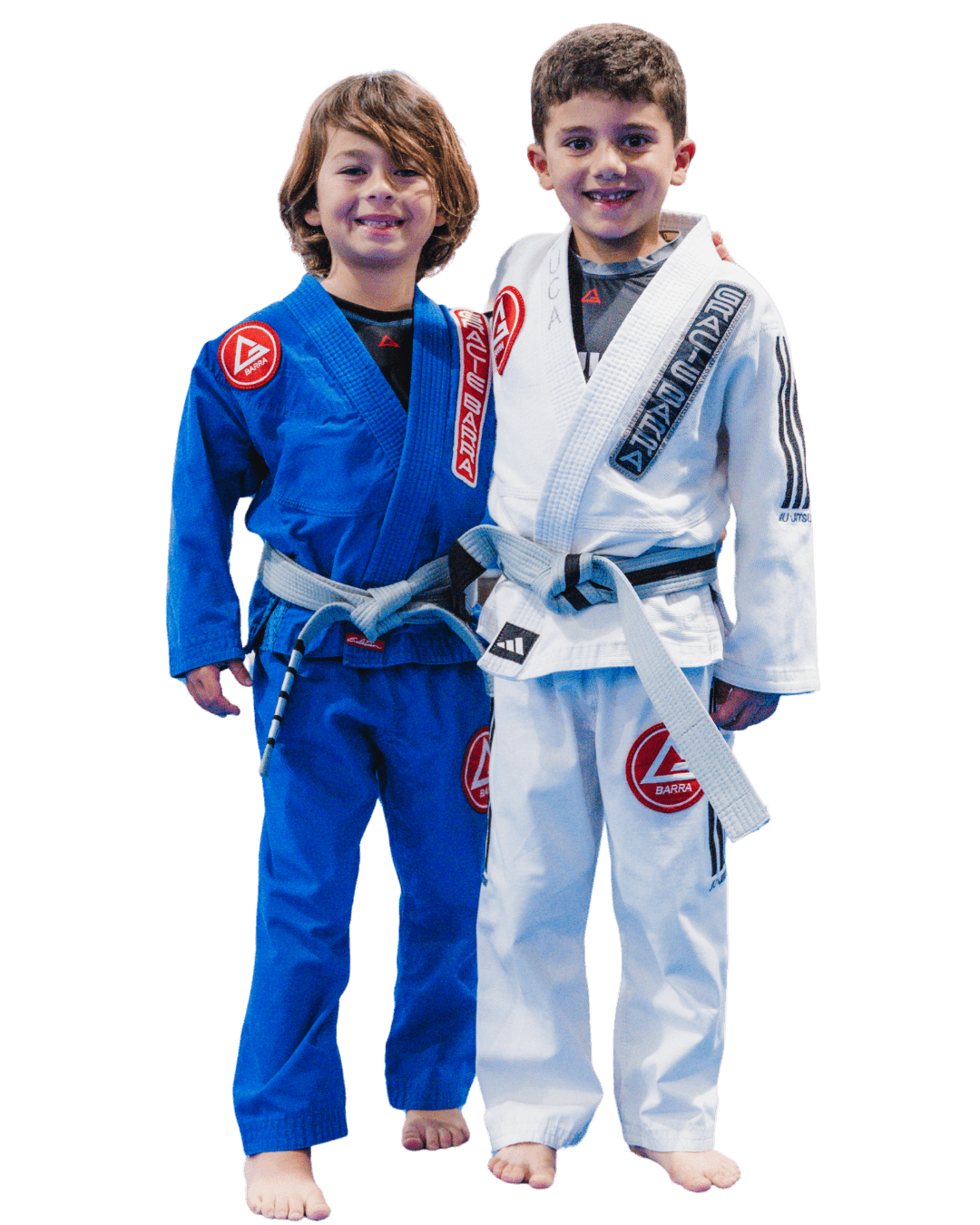
Sharing a ride to jiu-jitsu does not mean sharing a pace, a belt schedule, or a reason to train. A practical approach for families with two students.
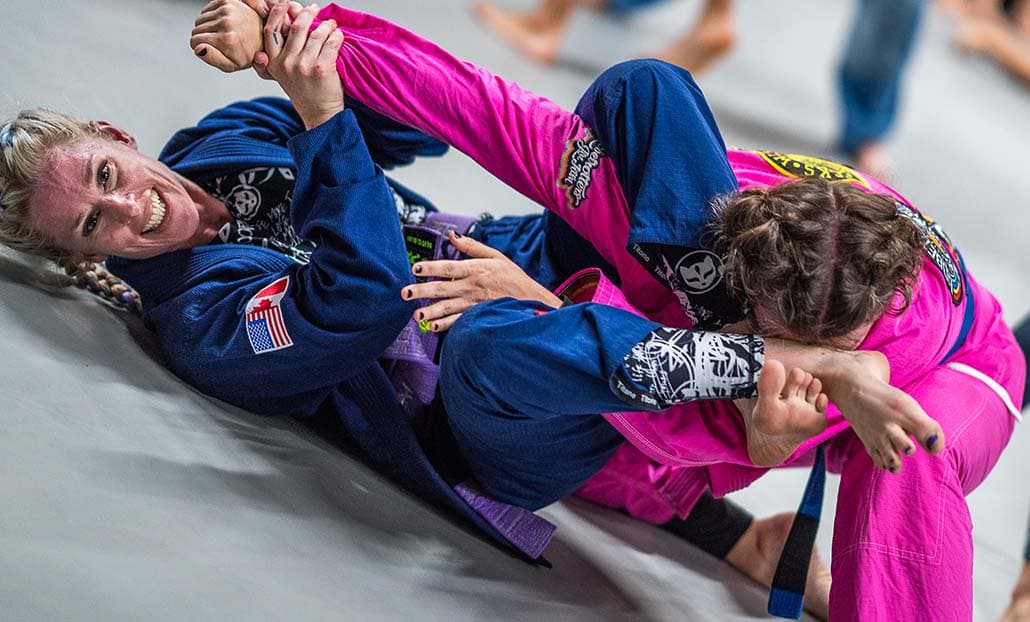
A smaller training partner does not need your excuses or your permission to be good. Keep the tap simple and make the next question useful.
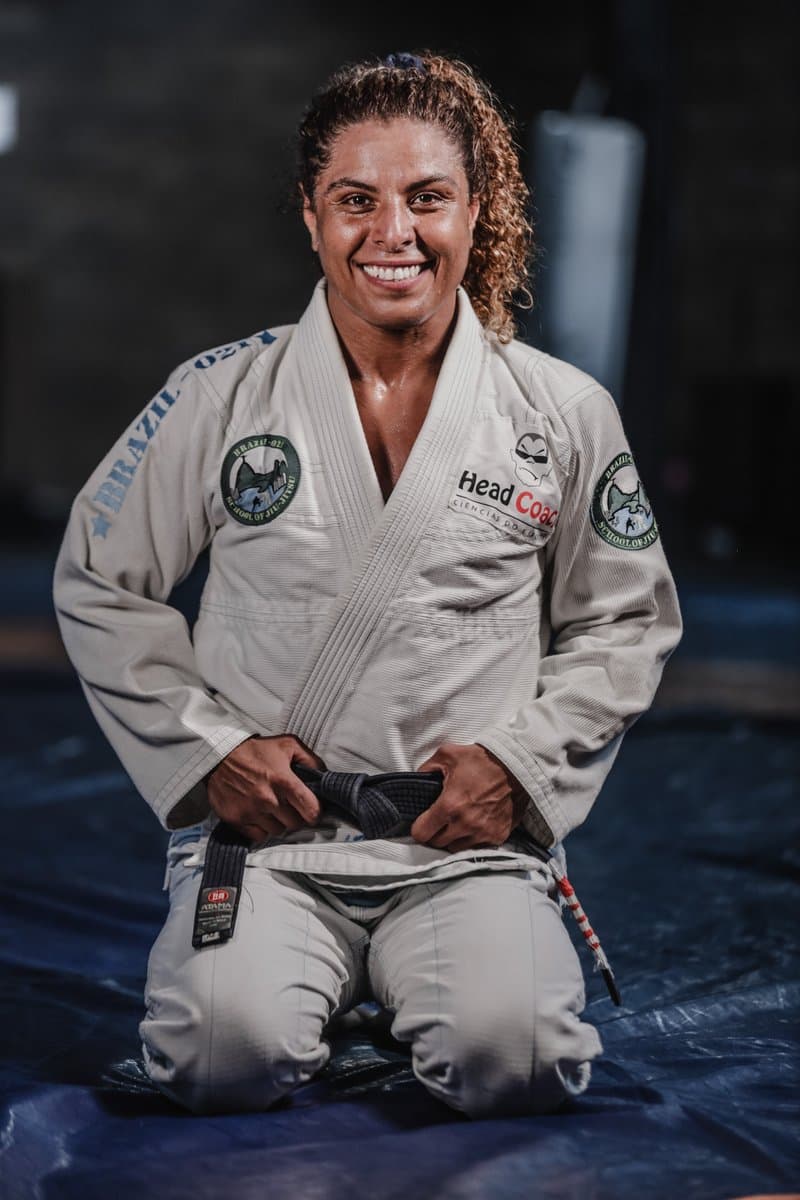
Hannette Staack's record includes ADCC double gold, but her own interviews reveal an equally persistent commitment to students and teaching.
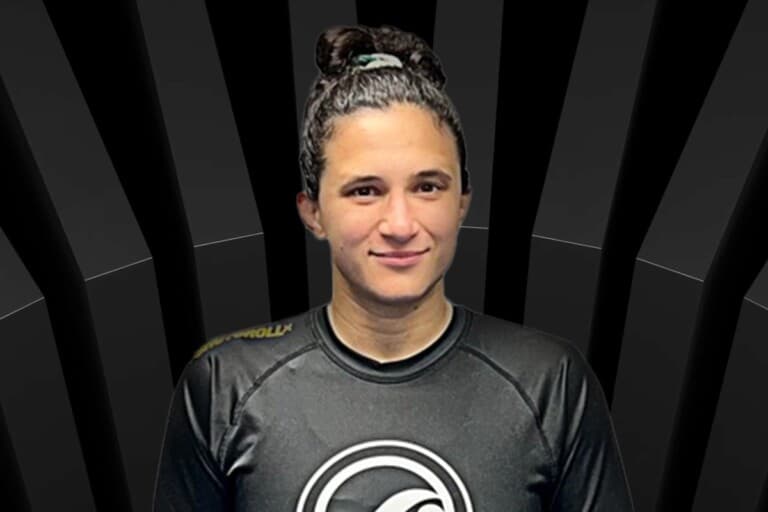
Tammi Musumeci's world titles stand on their own. Her legal career and public reflections make the story wider than the family name.
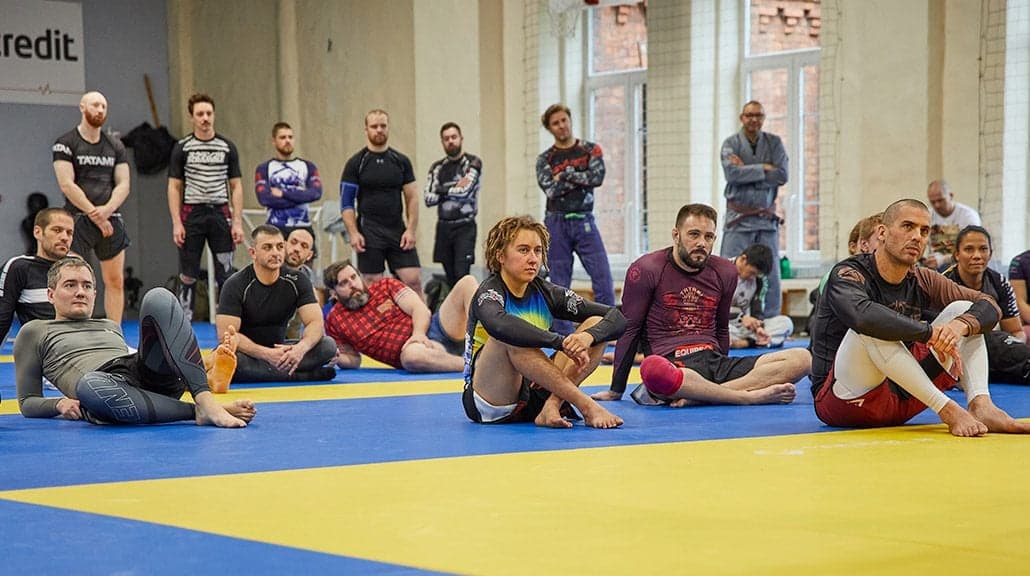
A quiet student needs room to train, ask questions, and choose partners without being pushed into performing an outgoing personality.
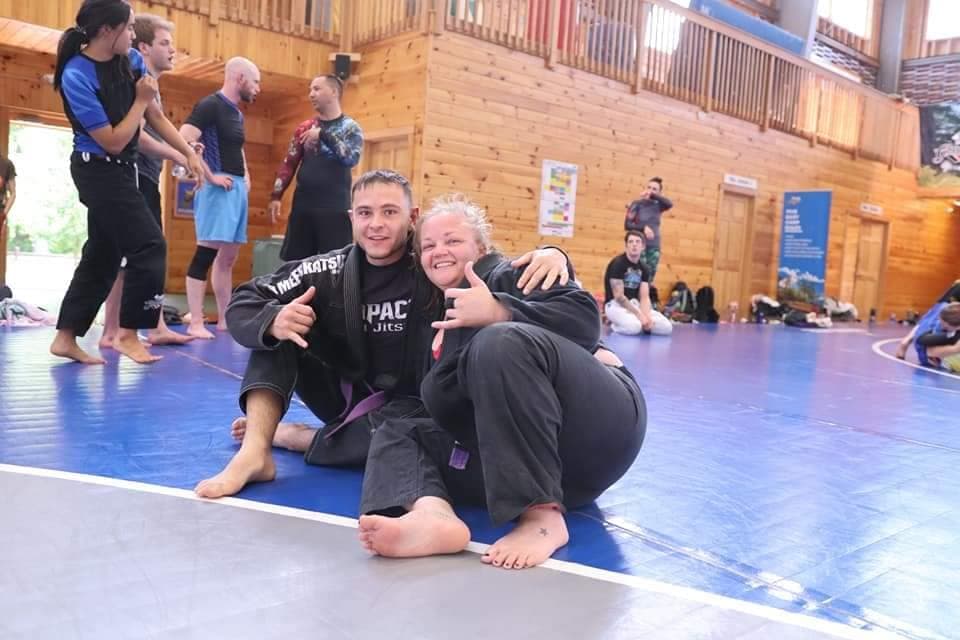
When a favorite BJJ partner disappears from class, keep the friendship open, respect their reasons, and find a new rhythm for your own training.
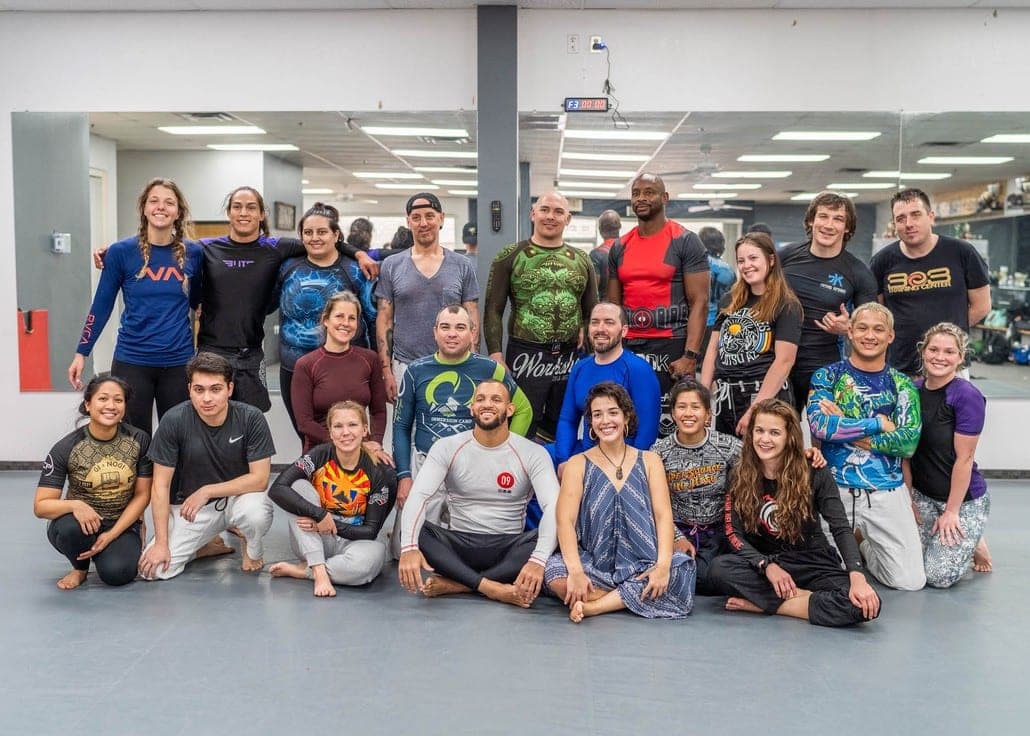
A BJJ gym’s history includes more than belts and medals. How to acknowledge ordinary contributions without creating another popularity contest.
How to decline a BJJ round clearly, stop mid-round when needed, and respect a training partner’s boundaries without making it awkward.
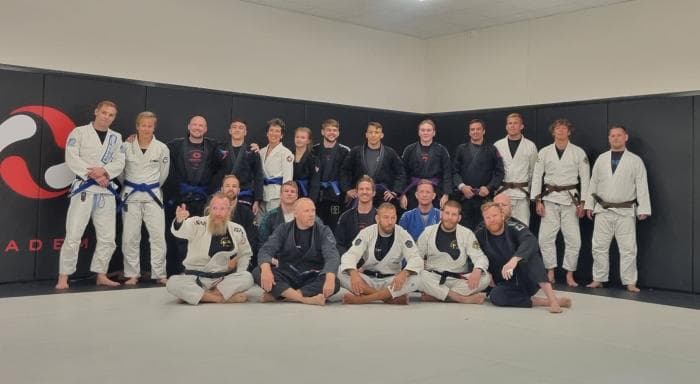
Evaluate small-town BJJ through teaching, partners, scheduling, and realistic travel options rather than fame or the size of the competition team.
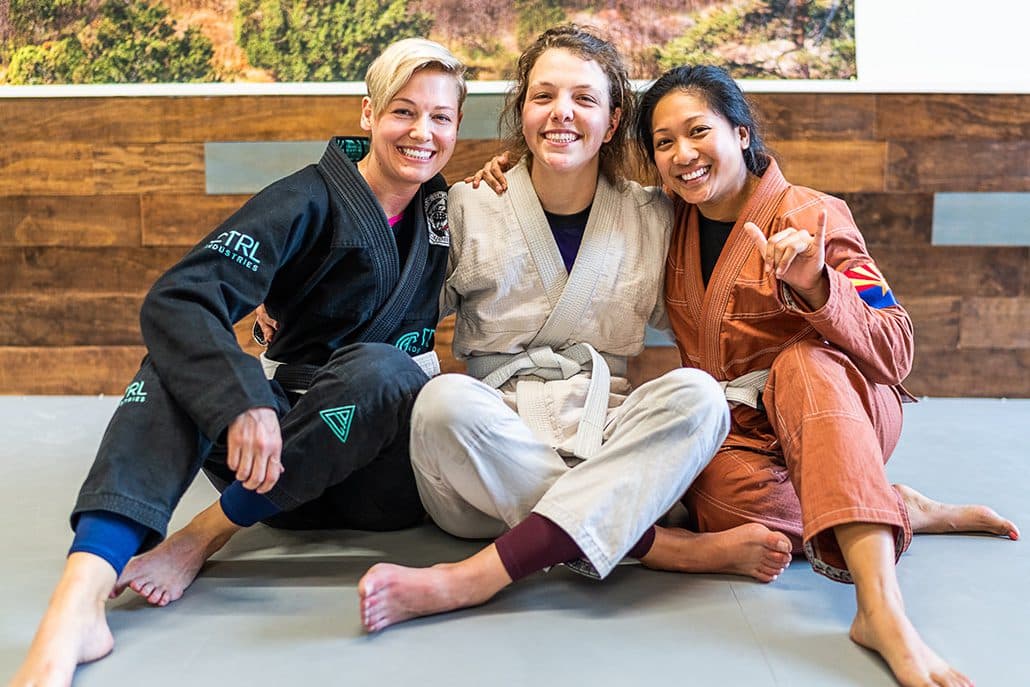
Take BJJ seriously without a tournament calendar: set useful goals, get honest feedback, and find a program that fits your reasons for training.
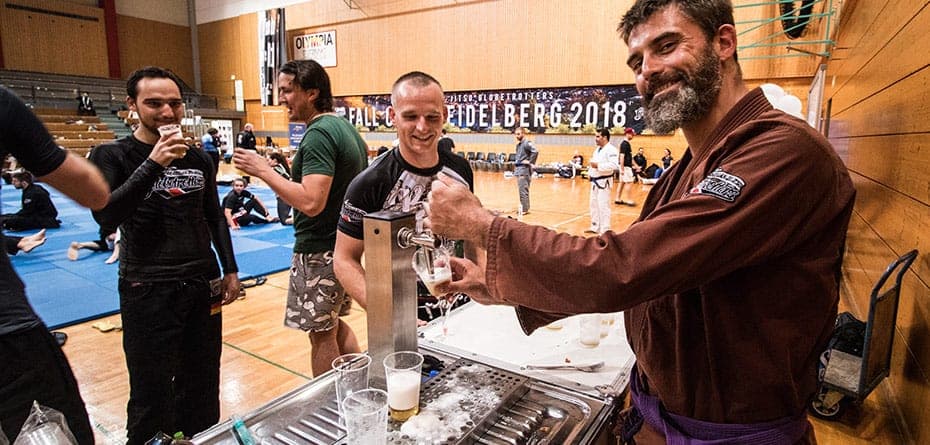
Thoughtful ways to thank a BJJ coach without expensive expectations, awkward collections, or a gift that asks for something back.

Start a low-pressure reading group with BJJ teammates: accessible choices, useful questions, and a conversation outside the belt hierarchy.
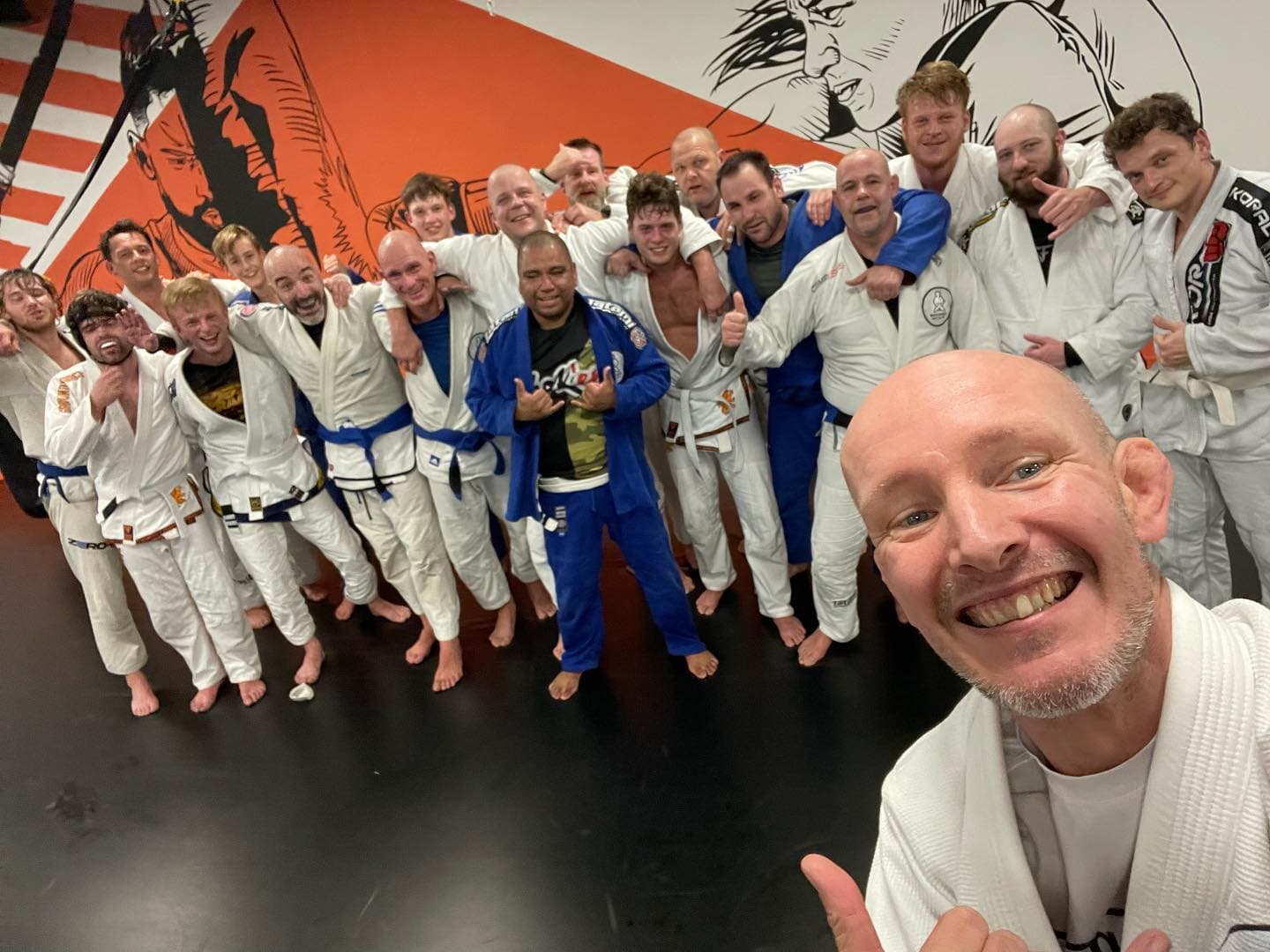
A practical, respectful lost-property system for BJJ gyms: clear storage, useful reminders, and a firm distinction between found items and donations.
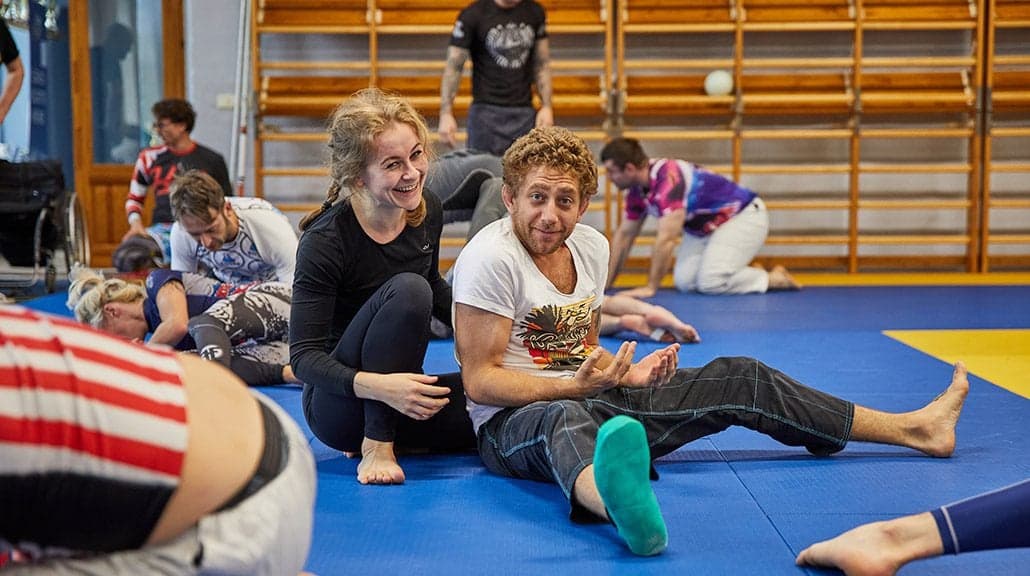
Practical hearing access in BJJ: visible instruction, individual communication preferences, clear stop signals, and class information everyone can use.
Train after a bad day without making it your partner’s problem. Choose a manageable session, communicate the pace, and know when to pause.