

The BJJ lost-property pile is a small community project
Quick answer: A useful BJJ lost-property system separates found items from donations, gives members a clear way to claim belongings, and assigns responsibility for the next step. The academy should set the storage and collection policy before anyone volunteers to clear the pile. Finding something does not make it available to borrow, sell, or give away.
One water bottle becomes three. A rashguard appears beside a pair of sandals. Someone folds a gi jacket over the back of a chair, where it gradually acquires the status of furniture.
The lost-property pile is a small gym problem with several people inside it. Someone wants their belongings back. Someone else needs the changing area clear. The person who tidies the room may have no idea whether an item arrived yesterday or has survived two belt promotions. A simple system can help all three without making anyone the subject of a public joke.
Start with the academy's permission
Before organizing anything, ask the owner or staff member responsible for the space. They may already have a collection process, a place for valuables, or obligations you do not know about. A helpful volunteer should work within that arrangement rather than announcing a new deadline independently.
Agree on what you are allowed to do. Moving ordinary clothing into a designated container is different from opening bags, handling identity documents, or deciding what will be discarded. Keep those decisions with the appropriate staff member.
It helps to name one point of contact. Members should not have to ask three coaches whether their shoes were moved, while the volunteer should not become permanently responsible for every object left behind. A small job can remain small when its boundaries are clear.
If the academy wants a more formal policy, it should consider the requirements that apply locally. This article offers practical organization ideas, not a universal rule about how long someone else's property may be held or what can legally happen afterward.
Give found items a place of their own
Lost property should be visibly separate from the academy's loaner gear, cleaning supplies, and anything offered for donation. A jacket in the wrong cupboard can accidentally become available for someone else's class.
Choose storage that staff can manage and members can find. Ordinary clothing may fit in a labeled container; valuables may need a staff-controlled location. Do not leave keys, wallets, or personal documents in an open pile simply because that is where the sandals are kept.
If an item is damp, dirty, or otherwise unsuitable for ordinary storage, follow the academy's handling process. Do not seal wet training clothes into a bag and forget them. Equally, do not start laundering another person's belongings without permission, particularly when care instructions or identification could be affected.
A location is only useful if people know it exists. A short notice near the changing area can explain where to ask. It does not need a warning in enormous letters or a photograph of someone else's abandoned underwear.
Record enough to return it
A basic record can prevent uncertainty about when an item appeared. Keep the description factual and limited: type of object, where it was found, date received, and where staff stored it. You do not need to build a personal dossier around a missing towel.
A small entry might include:
"Blue water bottle, found by the seating area, Tuesday evening."
"Black sandals, adult size, collected after the morning class."
"Gi jacket, handed to reception, identifying details held by staff."
Avoid publishing every distinctive feature of a valuable item. Staff can use an unshared detail to help establish who owns it. For ordinary clothing, a member's description may be enough under the academy's process; the point is to make a reasonable return possible, not to interrogate someone over a sock.
Limit access to any record containing personal information. Once an item is returned and no further record is needed, follow the academy's normal approach to deleting or retaining the entry. A lost-property task should not create an unnecessary new store of member data.
Make reminders useful rather than embarrassing
A reminder works best when it tells members what to do next. Name the collection location, the person to contact, and any academy-approved deadline. Keep the tone ordinary. People forget things for ordinary reasons.
If a photo would help, ask staff what may be shown. Clothing arranged without names or sensitive items may be appropriate; a close-up of prescription details, an identity card, or the contents of a bag is not a sensible public notice. Private information does not become less private because it was misplaced.
Use the communication channel members already expect. Our guide to BJJ gym group chats discusses keeping practical announcements easy to find. One clear post is more useful than a long comic thread in which the actual collection details disappear.
Avoid tagging someone because you think an item looks like theirs. Send a discreet message if staff believe they know the owner. The purpose is returning belongings, and public embarrassment adds nothing to that task.
Keep donations on a separate track
A member may eventually say that a gi can be donated. That explicit decision changes the situation. Until then, the item remains found property under the academy's process, even if it has been sitting in the same place for weeks.
If the gym accepts donations, agree on the condition required and who decides whether an item is suitable. A donation cupboard should not become the destination for everything nobody wants to handle. Usable equipment, damaged clothing, and personal belongings need different decisions.
Do not promise an item to another student before the owner or authorized staff have resolved its status. That can create an avoidable disappointment for the person expecting to receive it and an awkward situation for the person who simply forgot it.
Keep any community swap event separate too. The guide to organizing a BJJ gear swap starts with deliberate participation. A lost-property pile is not a free source of inventory for that event.
Set an ending before the next pile grows
Storage has limits. The academy can communicate a collection process and decide, with attention to applicable requirements, what happens when that process ends. The important practical point is that the ending should be known rather than improvised during a cleanup.
Do not announce a deadline the staff cannot actually administer. If members are told to collect items by a certain day, there should be a clear way to do so and someone who knows which items the notice covers. A member away for work may need to arrange collection through staff.
Document any agreed next step without turning it into a public spectacle. If an owner authorizes donation, record that permission in the academy's chosen way. If staff must handle an unclaimed valuable differently, leave it with them.
A volunteer should not be expected to take bags home indefinitely. Resolve the storage location and responsibility while the items are still in the gym. Otherwise, the system has merely moved the forgotten pile into somebody's hallway.
Make forgetting less inconvenient
Some prevention is simple. Encourage members to label appropriate gear in a way that survives normal care, keep small belongings together, and check the changing area before leaving. These are options people can use without turning the end of class into an inspection.
Staff can include a brief belongings reminder when closing the room. A designated shelf or seating area may make it easier to notice what is yours, provided it fits the academy's layout and does not obstruct access.
For visitors, explain where bags and shoes belong at the beginning. Someone training in an unfamiliar room has more small details to remember. A clear place to put things is more helpful than a later complaint that they put them in the wrong place.
Avoid promising that labels guarantee a return or that the gym can supervise every possession. Members still need to look after their belongings. The aim is reducing avoidable confusion, not assigning the academy responsibility for every phone left on a bench.
Share the task without making it someone's identity
A reliable member can quickly become the unofficial keeper of bottles, borrowed tape, and every jacket nobody recognizes. If you volunteer, agree on a limited task and a handover point. Helping once does not mean becoming permanently available.
A short periodic check may be enough: staff review the container, update the notice, and follow the existing policy. The process should work even when the enthusiastic organizer misses class. That is a better test than whether one person can keep rescuing it.
Thank people who help without creating an expectation that everyone must contribute equally. Some members come straight from work, manage family commitments, or simply prefer to train and leave. A functioning community can make room for different amounts of spare time.
The best lost-property system is fairly unremarkable. Belongings return to owners, the room remains usable, and nobody has to become the punchline or the unpaid manager of a growing collection.
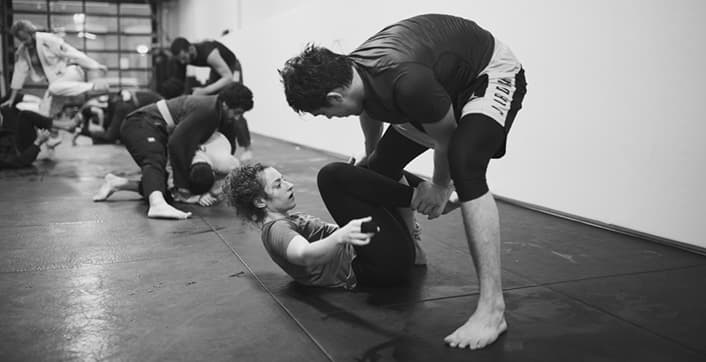
Main photo: BJJ Globetrotters; illustrative archive photograph, not a reported visit or a named subject in this article.
The takeaway
Lost property needs a clear location, an academy-approved process, and a distinction between something forgotten and something deliberately donated. A few factual records and respectful reminders can make returning items much easier.
Keep the responsibility bounded. The goal is a usable room and reunited belongings, with staff making the decisions that belong to them and members able to retrieve their things without a performance.
Find your next training room
Explore the gym directory, and ask about visitor arrangements, changing facilities, and where to store your belongings before your first class.
FAQ
Can members take items from the lost-property box? Only through the academy's process and with proper authorization. Finding an unclaimed item does not make it loaner gear or a donation.
Should a gym post photos of lost belongings? Staff can decide whether a limited photo is useful. Keep personal documents, sensitive details, and private bag contents out of public posts, and provide clear collection instructions.
How long should a BJJ gym keep lost property? There is no universal period supplied here. The academy should set a policy that fits applicable local requirements and explain the collection process clearly to members.
Can I volunteer to organize the pile? Ask the academy first, agree on the scope, and identify who handles valuables and final decisions. A helpful cleanup should not make you indefinitely responsible for storing other people's belongings.

Rafael Moura
Rafael Moura profiles competitors as people with lives outside the bracket. Some of those stories are comebacks. Most are not, and he does not force them.
Related Posts

Competing in gi and no-gi on the same day takes two plans
Prepare for gi and no-gi competition on the same day with separate rule checks, complete outfits, schedule coordination, and a realistic second-bracket plan.
Jiu-jitsu in Montreal: build the visit around a real class
Plan BJJ training in Montreal around confirmed classes, language arrangements, winter travel, visitor policies, and equipment that is ready to use.
BJJ gi pants that fit standing up can still fail on the mat
Check BJJ gi pants at the waist, rise, knees, and cuffs so a good-looking size label becomes a uniform you can actually move in.
Comments (0)
Loading comments...