

Moving from kids’ BJJ to adult classes takes more than size
Quick answer: A teenager's move into adult BJJ should be planned with the student, parents or guardians, and coaches. Size is one consideration; suitable partners, permitted techniques, class structure, and the teenager's willingness matter too. A gradual introduction can be an option if the academy supports it.
Being the biggest person in the kids' class does not explain how someone will feel walking into the adult room. It answers a question about the current group. It leaves several questions about the next one open.
A teenager may want harder rounds but still value the friends in their usual class. They may understand advanced techniques and hesitate to ask an unfamiliar adult for a partner. Those possibilities do not make the move wrong. They make it worth organizing as a change in training, rather than a public test of whether someone has grown up enough.
The teenager needs a place in the decision
Start by asking what the student wants from the change. A coach and parent may see an obvious next step while the teenager sees a class full of strangers. Give that difference room to be discussed before making the announcement.
Ask about particular parts of the session. Are they interested in learning the adult curriculum, training with a friend who has already moved, or finding partners closer to their size? Are they worried about the pace, the later finish, or not knowing the room's routines? A specific answer is easier to work with than a demand to be more confident.
The conversation should also allow a student to want the move. Adults can be reluctant to change a familiar arrangement after years in a kids' program. Listen to the teenager's reasons without treating the request as disloyalty to the coach or group they already know.
The guide for when a child wants to stop training addresses a related question of choice. Here, the immediate goal is narrower: establish whether the proposed class is something the teenager is willing to try.
Academy programs do not all make the same transition
A program labeled teens may be a separate bridge, a route into adult sessions, or part of a combined class. Read the actual description. Gracie Sydney's teens page presents its program as preparation for adult training. Ronin's teens page states that teen memberships include adult BJJ classes. These are examples of different arrangements, not a universal age policy.
Confirm the current entry criteria with the academy. Do not assume a birthday, belt color, or a policy at another school settles eligibility. Ask which session the coach recommends first and why it suits this particular student.
It helps to separate permission from planning. Being allowed into adult classes does not tell the student which evening to attend, who will greet them, or how partners will be assigned. Get those details before the first visit.
If there is a dedicated teen class, ask how it relates to the adult timetable. It may remain part of the student's week. A transition need not mean erasing the previous training group on the same day the new one begins.
Technical experience and physical size are different information
A teenager who has trained for years brings experience to the room. That does not make every adult an appropriate live partner. An experienced teenager and a new adult can each need guidance, for different reasons.
The receiving coach should assess the training arrangement, including size, control, and the tasks being taught. Easton's coaching discussion of this transition distinguishes physical readiness from emotional readiness and technical proficiency. That is a useful distinction to bring into the conversation; it does not produce a single test that every academy must use.
Avoid describing the teenager as a small adult or a large child as if either label resolves the partnership. The relevant question is what these two people can do together in this exercise, with the supervision available.
Tournament eligibility is another separate matter. The techniques permitted in an adult room are not automatically the techniques permitted for a younger student's competition division. Ask the coach to identify the applicable training limits explicitly rather than expecting the teenager to work them out during a roll.
Adults have responsibilities in the partnership
An adult training with a teenager should know the assignment. It is not the younger student's job to manage an unfamiliar adult's intensity, choose all the restrictions, or prove that they deserve a place in the room.
The coach can establish a suitable pairing and explain what the session allows. For an introductory exercise, that might mean cooperative repetitions and a limited positional task rather than unrestricted rounds. The arrangement depends on the school and student; what matters is that both partners understand it.
A useful adult partner gives room to ask questions without taking over the lesson. Technical experience should not be guessed from age alone. A teenager may understand the material better than the adult and still need a different physical pace or a clearer starting position.
Keep ordinary boundaries clear. Follow the academy's safeguarding and communication policies. Any arrangements involving transport, private contact, or extra sessions should go through the appropriate parent, guardian, and academy channels. Familiarity on the mat does not make those arrangements self-explanatory.
Plan the first visit in enough detail to be boring
A first adult session can contain plenty of new information already. Remove the avoidable uncertainties. The student should know where to put their bag, which coach to approach, and whether someone will assign the first partner.
Before attending, settle a short set of practical details:
Which specific class is the agreed starting point?
Who will introduce the student and arrange suitable partners?
What parts of drilling or rolling are included initially?
How will the student signal that they need to pause or stop?
These are suggested planning questions, not a mandatory academy procedure. Adapt them to the school's system. A familiar coach may introduce the student; another academy may use an orientation or trial session.
Leave room for an ordinary first day. The teenager need not complete every round to make the visit useful. Nor does a good session require a dramatic account afterward. Learning the room's rhythm and recognizing a few people can give the next visit a more familiar starting point.
The new timetable also has to work at home
A later class changes more than the mat time. Consider the trip home, meals, homework, and the following morning. A session that looks appropriate on paper can still be difficult to repeat on a school night.
Talk about the actual schedule before adding several adult classes at once. If the teenager relies on a parent or guardian for transport, that adult's availability belongs in the plan too. Avoid making the student feel responsible for an arrangement they cannot control.
Keep the review practical. Arriving home late once may be manageable; repeating it several evenings could require another choice. The answer might be one adult session alongside the existing youth class, if the academy offers that option, or a different evening entirely.
The family training-calendar guide considers who covers the evening around a class. Use that question here without turning every family discussion into a performance review. The schedule should make attendance possible, not make the teenager defend every hour they spend on a sport.
Keep old relationships while building new ones
Moving classes can change who the student sees each week. Do not assume harder training automatically replaces the part of the sport built around familiar people. Ask which relationships they want to keep and what academy activities still allow that contact.
At the same time, let the new group become theirs. Introductions help; a permanent adult escort narrating every exchange may not. Ask what support is welcome, and give the student room to answer differently after a few sessions.
Arrange a specific review with the coach rather than evaluating the whole move after one difficult round. Discuss concrete observations: whether partner choices worked, whether instructions were understandable, and whether the teenager wants to attend again. These questions tell you more than asking how many people they tapped.
If the arrangement needs changing, change the arrangement. Returning to a teen session, reducing the number of adult classes, or trying another class can be a practical adjustment. It need not be described as being sent backward. The aim is a workable place to learn, including a place where the student can say what is not working.
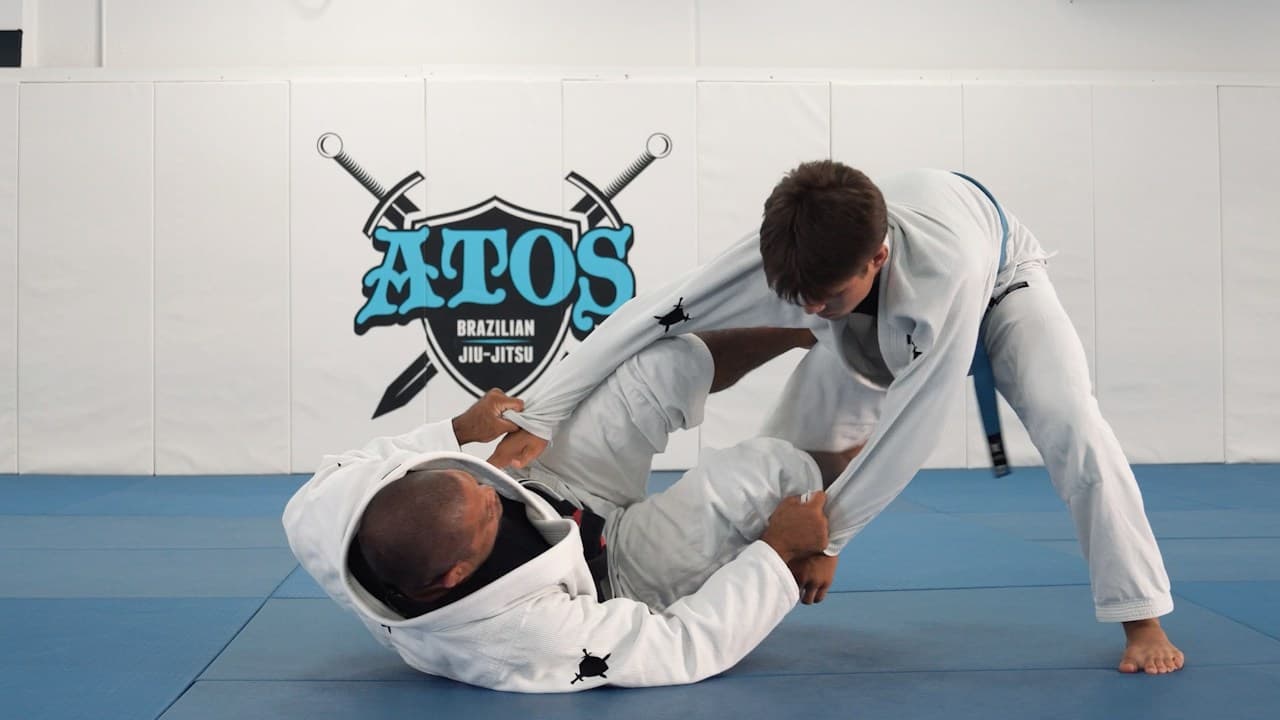
Main photo: Forrest Bishop, via Easton Training Center; Teen Randori 2024 archive photograph.
The takeaway
A teenager's move into adult BJJ should recognize the experience they bring while providing the support a new room requires. Age, size, and rank each supply information. None replaces the coach's assessment, the academy's policies, or the student's willingness to be there.
Agree on the first session, suitable partnerships, and a way to review the change. Keep transport and ordinary school life in the plan. A transition can happen gradually and still be a meaningful step; the student does not owe anyone an instant transformation.
Compare the actual programs
Use Let’s Roll's gym directory to find academies, then ask each school how its youth, teen, and adult sessions connect.
FAQ
What age should a teenager move into adult BJJ? There is no single academy-wide answer for the sport. Confirm the school's criteria and discuss the particular student's readiness, willingness, and available partners with the coaches.
Does being bigger than the other children mean they are ready? Size is relevant, but it does not settle the whole decision. Technical needs, comfort in the new group, supervision, and suitable partnerships also matter.
Can they attend both teen and adult classes? Some academies support that arrangement. Ask what the membership and timetable allow and which combination the coach recommends.
What if the first adult class goes badly? Discuss the specific difficulty before judging the entire move. The next step may involve a different partner, class, task, or pace, depending on the student and academy.

Rafael Moura
Rafael Moura profiles competitors as people with lives outside the bracket. Some of those stories are comebacks. Most are not, and he does not force them.
Related Posts

Mixed-level BJJ classes: share the lesson, change the task
A shared BJJ lesson can give a beginner and an experienced student different useful tasks. Make the starting point and partner role clear.
Sharing a BJJ private lesson: two people need one clear plan
Sharing the booking works best when the training problem connects both students. Agree on roles, price, and the next practice before the lesson.

An open mat can be useful without a single full roll
Bring one familiar position, ask the host, and agree with a partner. Open mat can support useful drilling without turning every block into a full round.
Comments (0)
Loading comments...