

What to do after breaking a BJJ lapel grip
Quick answer: After breaking a lapel grip in gi BJJ, use the opening to control the reaching arm, establish your own grip, or change the distance. Practise that next action with a partner who is allowed to reach back. The drill should tell you if you can use the space before the original grip returns.
The hand comes off your collar. Then you put both hands down, take a breath, and feel the same fist close on the same fold of fabric.
Break the grip again if you need to. When you drill it later, keep going for a moment after the cloth comes free. That is where you can see whether either person gained a better position.
Name the grip and the problem it causes
Start with a single standing grip. Ask your partner to take the collar with the hand that tends to give you trouble. Look down long enough to see which side they have and where their elbow sits, then bring your eyes back up. If the grip pulls your head down when they move, note which direction your posture gives way. If it keeps you too far out to make contact with the other sleeve, name that instead.
The response can change when a partner grabs the other collar or takes the sleeve as well. Start with one version your coach can reproduce. If you start each repetition with a different hold, it is harder to tell whether the exit changed because of your decision or because the starting grip was weaker.
Do a slow first rep. Feel when the grip becomes hard to address, and ask the partner to give you enough feedback to find it. There is time to add a second grip once you can see what the first one is doing. Let's Roll's primer on gi grips and grip fighting
Break it without giving up your posture
Have your coach show you the break for the position you chose. In its lesson on collar and sleeve grips, VR Jiu-Jitsu describes a two-handed method where one hand keeps the gripping arm from following as the other works the hold loose. It teaches variations standing and inside closed guard. That gives you a useful detail to watch while drilling. See whether you can create movement in the cloth without simply moving the other person's whole arm along with it. VR Jiu-Jitsu lesson on collar and sleeve grip breaks
Pay attention to your stance. If you start with your head pitched forward, a successful break can still leave you reaching down while your partner is already upright and moving. Ask your partner to pause after release in the first few slow repetitions. Look at your feet. Look at where your elbows are. If you need a big step to get back into a stance you can use, that recovery is part of the drill.
Work at a speed that lets you control the release. Ask the coach to correct the direction before you add resistance. Your partner should be able to let go and stop freely, and you can stop the rep if the hand or fingers catch in the cloth.
Decide where your hands go next
The grip break can leave you close enough to keep a hand on the sleeve. It can also leave you well outside gripping range. Give yourself a follow-up that makes sense for the distance you actually finish at. In Travis Stevens's standing demonstration published by Judo Fanatics, he follows the break by using his grip on the other person's lapel to move them. Watch how little time he leaves between those actions. Judo Fanatics on Travis Stevens's grip break
Try an ordinary standing example. The opponent grips your collar with their right hand. Use the break your coach showed, then see if you can keep the reaching arm from immediately returning while you find your own stable contact. Take the sleeve if it is available. If you ended far away, reset your distance and stance before diving in to grab the same fabric. The second approach may leave you with a more deliberate entry.
The follow-up has to be something you know what to do with. If you can grip the sleeve but the rest of your posture is still out of place, have the partner move a step as you reach. Notice what the sleeve lets you control. A good rep can end with you balanced and ready to move rather than with either player throwing.
Give the other person a second reach
Let your partner reach for the collar again once the grip opens. Start at a steady pace. They can use the same hand each time until you can track it, and then add the other hand as an option. The point is to test whether your follow-up changes the next exchange.
A compact round could run like this.
Start in a space the coach approves and pick one collar grip. Keep the rest of the position consistent for the first few repetitions.
Break the grip and allow one controlled re-grip attempt. Finish when the hand gets back to the collar or you have changed the distance or control enough to deny that attempt.
Switch roles. After a few reps, ask the partner to name where they were able to reach back in.
If your partner regains the grip while you are changing hands, repeat at a slower pace and see whether you can keep useful contact on the arm during the hand change. If it comes back when you step forward, check when you enter gripping range and what your hands are doing at that moment. Those are different problems. Give each one its own repetition.
Rehearse the top player's next move in closed guard
Use a separate set of repetitions for the person on top inside closed guard. The bottom player starts with a simple collar grip and can attempt a controlled re-grip. Pick the opening method you are already learning in class. Ask your coach where your hands should be before trying it.
Once the cloth comes loose, restore a usable posture and find the contact you need for the next part of your chosen opening. Stay aware of the hips as you do it. The bottom player may still be able to pull you forward with their legs and posture even after the original hand lets go. If you are bent over when you reach for the replacement grip, pause and work back to a position from which you can begin the opening. There is no need to continue into a pass for this rep.
A lapel fed around a leg is another starting problem. Ryan Fortin at The Arena demonstrates dealing with a free lapel end during a specific lapel-guard hand change. Leave that version for its own drill if the coach wants to work on it. The straight collar grip in this exercise gives both people a cleaner way to see the re-grip. The Arena's lapel guard demonstration
Let the result choose the next repetition
After a few rounds, ask what the partner could still do as soon as their hand was free. If they reached back at the same angle every time, work on staying in contact with that arm for one beat longer. If they changed angle while you looked down, slow it down enough to see their step. Repeat the drill from the other stance only after you have something reliable to compare.
Then try it in a short live exchange that still starts with the same grip. Both people can move after the release and either can establish another grip. Let the position continue long enough to see whether your first decision gave you a realistic second one. Ask the coach what range of attacks makes sense for that pair and the space available. Let's Roll's drilling-to-live-rounds article
You can track one result when you finish. Write down whether you could keep the partner's hand from getting back to the same collar grip, and what you did with the opening when it worked. The notes will make more sense at the next class if you include the starting position.
The takeaway
Practise the moment after the release. Take a usable grip, keep contact with the reaching arm, or put enough space between you to choose a new entry.
Let your partner test that choice. Run standing and closed-guard versions separately, then bring one repeatable response into the next gi round.
Find a session to practise gi grips
Ask about the class format before bringing the drill to a new room. Find BJJ gyms on Let's Roll
FAQ
What should I do after breaking a collar grip in BJJ? Use the opening for one useful action, such as checking the reaching arm while you take a sleeve grip. Choose an action that works from the distance where the break finished.
Can I use the same grip break standing and in closed guard? Some coaches teach related mechanics in both, but the stance, posture, and next task change. Ask a coach to show the version for the starting position you want to drill.
How can I stop my partner taking the same grip again? In a controlled drill, let them attempt one re-grip. Notice whether keeping contact with their arm or changing your distance makes the next attempt harder.
Does the drill need a takedown or guard pass at the end? Start by checking what happens immediately after the grip comes free. Add a longer continuation with a coach once both partners can run the shorter drill safely.

Rafael Moura
Rafael Moura profiles competitors as people with lives outside the bracket. Some of those stories are comebacks. Most are not, and he does not force them.
Related Posts
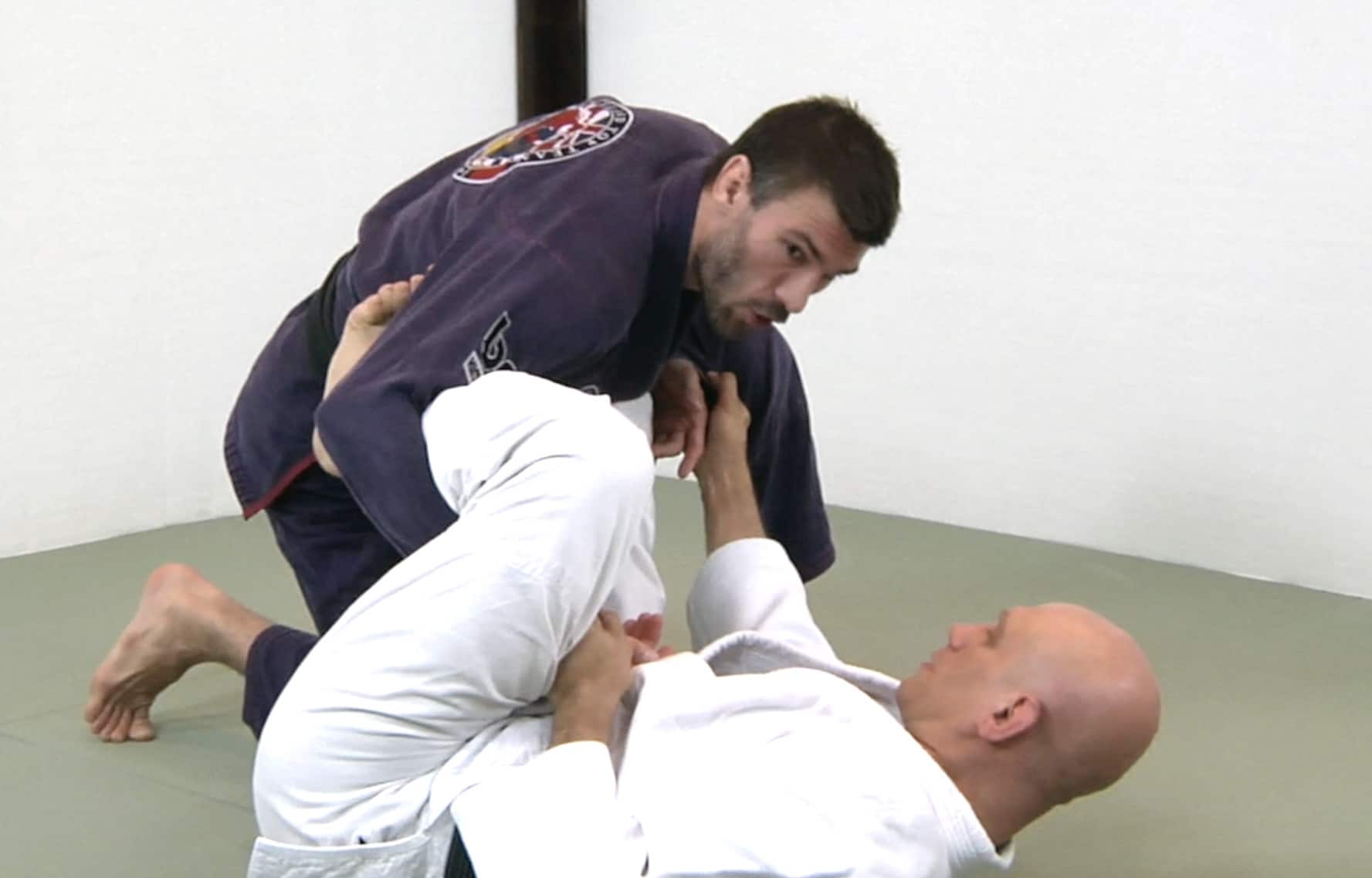
Lasso guard: know when to keep the sleeve and when to leave
A lasso hook can buy time or trap you in a grip battle. Give the free leg a purpose, keep useful sleeve control, and recognize when to change guards.
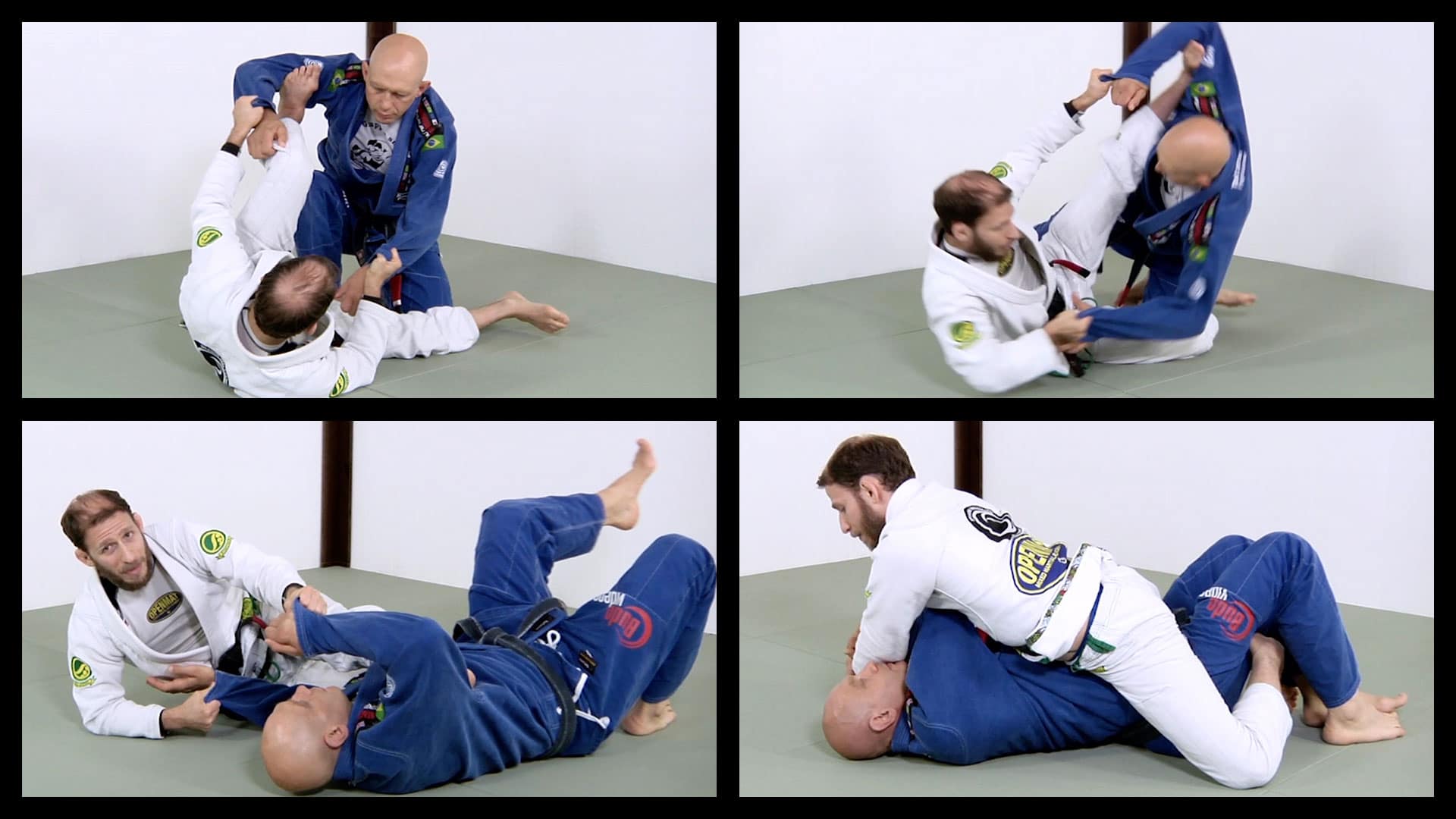
Spider guard: give each foot a job
Make spider guard easier to read. Learn how sleeve tension, different foot positions, and the passer's posture shape your next sweep or transition.
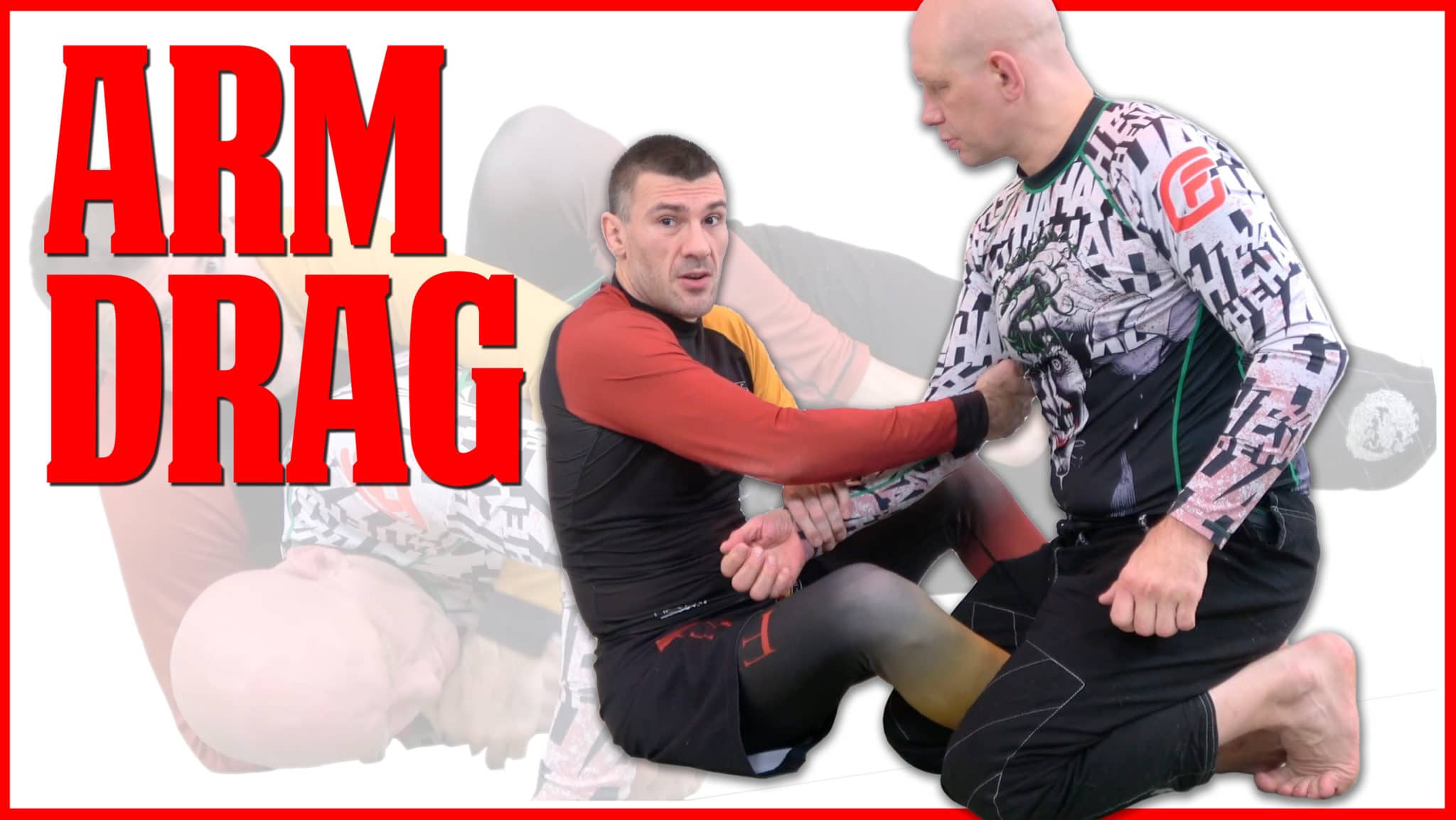
The seated arm drag starts before you pull the arm
The seated arm drag needs more than a wrist grip. Study the arm connection, hip movement, and reactions that open a back take or a route to top position.
Comments (0)
Loading comments...