
You can take jiu-jitsu seriously without entering a tournament
Quick answer: Competition is one way to test jiu-jitsu, but it is not a requirement for taking training seriously. Set goals that fit the practice you want, seek honest feedback, and choose a program where your expectations and the coach’s expectations are clear.
A tournament entry is a public commitment. Regular practice is usually less visible. That difference can make the competitor’s plan look more substantial even when another student has spent the same month attending classes, asking useful questions, and working through a stubborn problem.
You do not have to turn those two people into rivals. Competition can matter deeply to one and hold little appeal for the other. The useful question is whether each person has a way to practice honestly, assess progress, and participate in the academy without pretending to want somebody else’s goals.
Decide what you want training to contain
Start with the experience you want from a normal week. You may enjoy learning unfamiliar movements, solving problems with a partner, or having a regular activity outside work. You may want demanding rounds without travel, entry fees, or a weekend schedule controlled by a bracket.
Those preferences can produce a serious practice. They still need some definition. Wanting to improve is easier to act on when you can identify a task: retaining guard against a familiar pass, understanding a position you keep avoiding, or becoming more comfortable beginning from standing under your coach’s supervision.
A goal does not become less useful because it cannot be photographed on a podium. It also does not become useful merely because it sounds personal. Give yourself a way to recognize what you are working on and discuss it with the instructor.
Leave room for enjoyment that is not measured at all. A good training week may include technical progress and a conversation with a friend. You do not need to convert every reason for attending into a performance target before it is allowed to count.
Understand what competition would add
A tournament changes several conditions at once. You face an opponent you may not know, follow a particular ruleset, and have a result recorded at the end. Those conditions can expose habits that do not appear in comfortable rounds with familiar partners.
That makes competition useful information. It does not make it a complete examination of every jiu-jitsu skill. A match begins and ends under specific constraints, and the result may turn on a small part of either athlete’s game. A win does not certify every position; a loss does not erase everything the athlete can do.
If you decline competition, acknowledge the kind of test you are choosing not to take. You do not need to dismiss tournaments as meaningless to defend your preference. It is possible to respect the test and decide that its demands do not fit your current life.
The same fairness applies to competitors. Their decision need not be evidence of ego or insecurity. They may simply enjoy the preparation and the event. A room works better when different goals can be described accurately without somebody having to be wrong for wanting them.
Ask for feedback that is specific enough to use
Without an upcoming event, it can be easy to postpone every difficult question. You can avoid that pattern by asking your coach for feedback on a defined part of your game. Bring an example from training rather than asking for a broad verdict on whether you are good.
A useful question identifies the position and the recurring problem. You might ask why you keep losing the same grip during passing or what your first priority should be after being flattened in half guard. That gives the instructor something observable to address.
Then return to the problem long enough to assess the answer. Collecting advice without trying it does not become more productive because there is no tournament deadline. Choose a manageable period of practice and notice whether the specific exchange changes.
The training journal guide offers one way to keep those observations. The record can be brief. You need enough detail to recognize the problem next time, not a written performance review for every partner you meet.
Keep some uncertainty in your rounds
A familiar room can make progress difficult to judge because everyone learns everyone else’s habits. You can recognize a partner’s preferred grip before they take it or avoid a position because you already know exactly what happens there. That familiarity is useful, but it can also hide a gap.
Work with your coach to vary the question. Start from a position you usually skip, train with a different suitable partner, or ask for a clear defensive task. The goal is to encounter a response you cannot answer entirely from memory.
A modest training check might include:
Beginning from one difficult position rather than steering away from it.
Letting a partner use a response you have not rehearsed together.
Asking the coach to watch a short exchange and identify one adjustment.
Returning to the same task later to see whether the adjustment holds.
This is not a substitute for every feature of competition. It is a way to make ordinary practice more informative. Be honest about that limit and resist turning a friendly round into an unannounced exam for the other person.
Choose a program that has room for your goals
Some sessions are explicitly designed for competitors. They may involve a particular pace, format, or commitment agreed on by the group. If you join one, ask what is expected instead of assuming the class will adapt around your personal preference.
An academy may also offer general classes, beginner programs, or open mats that suit a different kind of training. Discuss those options with the instructor. You can want high-quality instruction and still prefer a schedule that leaves weekends free.
Ask about promotion expectations directly if they matter to your decision. Schools differ in how they assess students. Do not assume either that competition is mandatory everywhere or that every academy treats it as optional for every rank. Get the actual policy rather than relying on a comment from another gym.
A mismatch does not automatically make the academy unreasonable. It may mean the program is serving a different purpose from the one you want. Clear expectations let you choose deliberately and avoid months of trying to infer whether your approach is quietly disappointing the coach.
Be part of the team without entering the bracket
There are many ordinary ways to support teammates who compete. You can help them practice a task the coach has assigned, offer reliable rounds at the agreed intensity, or encourage them without predicting a result. None of those roles requires you to register for the same event.
Ask what help would actually be useful. A training partner preparing for a tournament may need a particular starting position or a round under the event’s rules. Another may simply want the usual class routine without every conversation becoming a question about the upcoming match.
You can also choose how much of the event itself to attend. Watching a friend compete can be enjoyable, but supporting the team should not become an automatic claim on every weekend. Be clear about what you can do rather than agreeing from guilt and later resenting it.
After the event, let the competitor decide how much analysis they want from you. A person returning with a difficult result may need a normal training partner more than another unsolicited explanation. Offer help and leave space for an answer that is smaller than a full debrief.
Revisit the decision without rewriting your identity
You can change your mind about competition. A person who has trained recreationally for years may decide to enter one event. A regular competitor may decide to stop. Neither decision requires declaring that the previous version of their training was mistaken.
If curiosity appears, discuss a suitable event and the preparation it would require. Treat it as a practical choice with time, money, and training consequences. You do not have to announce a permanent competitive identity before trying a single bracket.
If you remain uninterested, that answer can stand. You can reconsider later without repeatedly defending it now. The absence of a tournament plan does not leave a blank space that every teammate is obliged to fill with persuasion.
What deserves periodic review is the quality of your practice. Are you learning, getting useful feedback, and participating in a way that fits your life? If the answer is no, there are several possible changes. A tournament is one option among them, and its usefulness depends on the problem you are actually trying to solve.
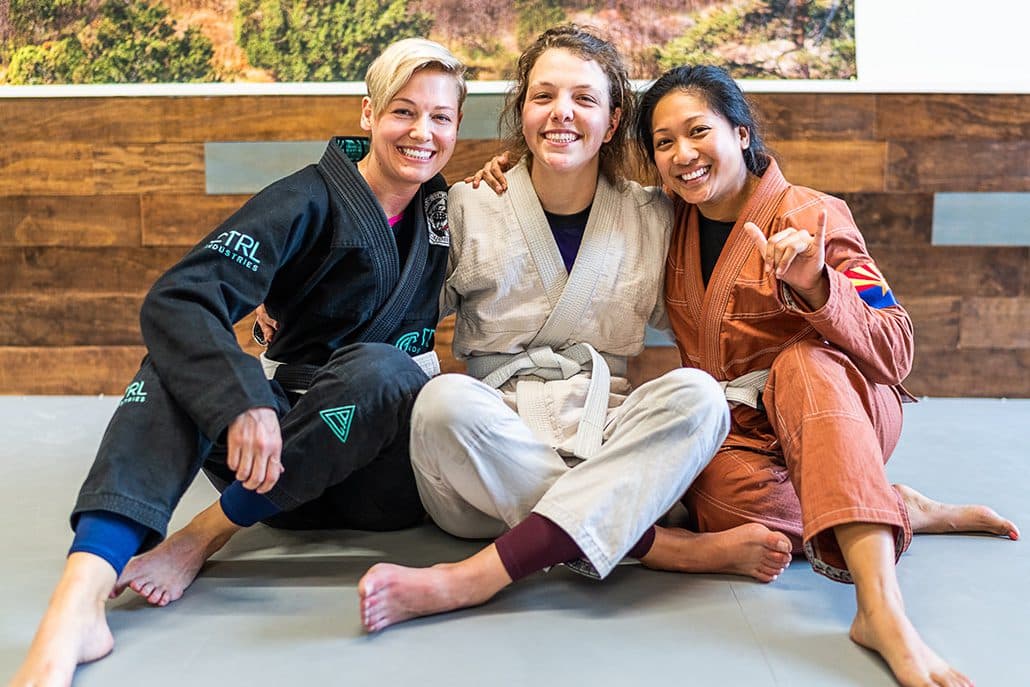
Main photo: BJJ Globetrotters; illustrative archive photograph, not a claim about the pictured athletes’ competition choices.
The takeaway
Serious training needs attention and honest feedback. It does not need the same destination for every student. Define what you want to learn, choose practice that exposes the relevant problems, and ask your coach how to assess the work.
Respect the distinct test competition provides without treating it as the only reason to train. You can support competitors, enjoy demanding rounds, and leave the next event off your calendar. That is a complete choice, not an unfinished explanation.
Find the right training environment
Explore the gym directory and ask prospective academies how their programs support both recreational students and competitors before choosing a regular class.
FAQ
Can I earn a BJJ black belt without competing? Promotion requirements vary by academy and instructor. Ask the school directly about its expectations rather than assuming a universal rule. Competition participation alone does not describe the entire assessment process.
Will avoiding tournaments stop me from improving? You can improve through consistent, well-directed training and useful feedback. You will be missing the particular conditions of competition, so be honest about that difference rather than claiming ordinary rounds measure exactly the same things.
Can I attend competition classes if I do not compete? Ask the instructor. Some sessions welcome students who can follow the format; others have specific entry requirements or preparation goals. Understand the session’s purpose before joining.
What if I decide to compete later? Discuss the event, rules, and preparation with your coach. You can make that decision when it becomes interesting or practical. Years of recreational training do not commit you to remaining outside competition forever.

Rafael Moura
Rafael Moura profiles competitors as people with lives outside the bracket. Some of those stories are comebacks. Most are not, and he does not force them.
Related Posts
Competing in gi and no-gi on the same day takes two plans
Prepare for gi and no-gi competition on the same day with separate rule checks, complete outfits, schedule coordination, and a realistic second-bracket plan.
Jiu-jitsu in Montreal: build the visit around a real class
Plan BJJ training in Montreal around confirmed classes, language arrangements, winter travel, visitor policies, and equipment that is ready to use.
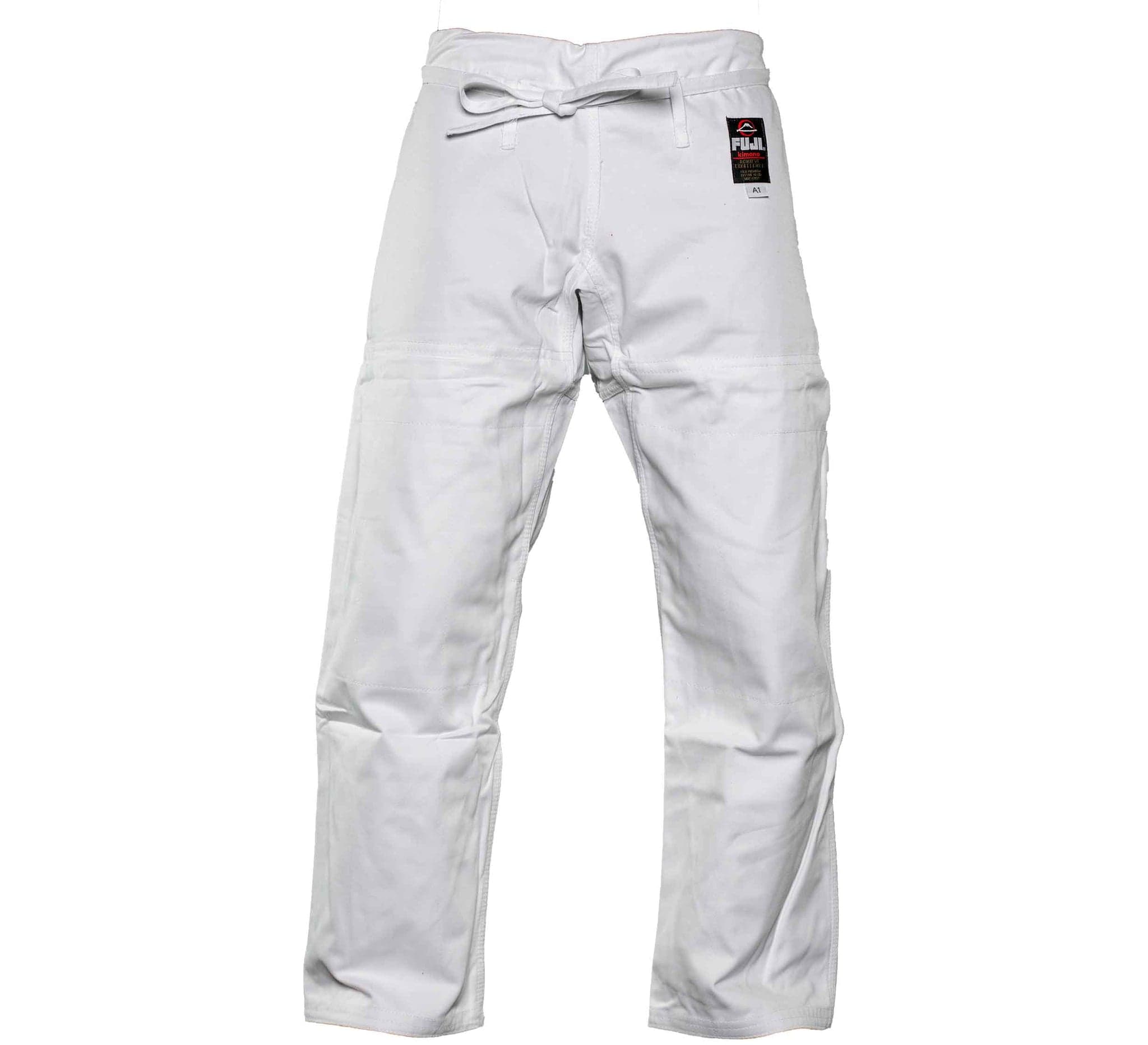
BJJ gi pants that fit standing up can still fail on the mat
Check BJJ gi pants at the waist, rise, knees, and cuffs so a good-looking size label becomes a uniform you can actually move in.
Comments (0)
Loading comments...