

The BJJ hip bump sweep starts when your partner sits up
Quick answer: Try the BJJ hip bump sweep when a kneeling partner sits upright inside your closed guard and gives you room to come up. Sit to an angle, use your hips to move them over one side of their base, and control the arm that could catch them. If they get a hand to the mat, slow the exchange and decide what the new position gives you.
The first useful moment in a hip bump can be the one that looks like the end of another attack. You tug your partner forward. They recover their posture and sit back. For a beat, your shoulders have room to come off the mat.
Use that beat to see what your hips and their elbow are doing. A big sit-up can bring you all the way to their chest without moving either of their knees. A smaller movement in the right direction can make them reach for the floor.
Find the moment the top player sits back
Start with a partner on their knees inside your closed guard. In Gracie Barra's fundamentals lesson, Carlos Gracie Jr. shows the hip bump against an opponent establishing upright posture. The institute's lesson notes explain why strong forward pressure makes the attempt harder. Look for space to sit up and move your hips before opening your legs to attack. Gracie Barra's guard-bottom lesson
Jon Thomas's Grapplearts demonstration makes the timing visible. He works on bringing the top player forward, then makes use of the response when they recover. Watch the first two minutes once for the change in the top player's posture. On a second pass, pay attention to when Thomas starts moving his own shoulders. Jon Thomas's hip bump sweep lesson
Try that timing in a light repetition. Ask your partner to come forward a little, then return upright while keeping their knees down. When you feel the change, come up partway. You can stop there. If your partner has already come forward again by the time your shoulders rise, have them repeat the motion slowly enough to see when the space appeared. Let's Roll on posture inside closed guard
Give the sit-up a direction
Pick the side your coach showed you. In a basic version, one hand supports you on the mat as you turn up and make contact with the partner's shoulder and arm. Let your legs open as the movement requires. Keep the pair close enough for your hips to move their weight sideways over the base you are attacking. Ask the coach to help you place your posting hand and work out where your feet belong as you come up.
Think of the first successful rep as a slow weight shift. Pause with your shoulders off the mat and your hip near the side of their base. Your partner should be able to tell which way you are trying to move them. If they feel a push straight into their middle, try a slight change in angle under supervision and compare the two. Use a partner who can receive the movement comfortably and stop if either of you gets stuck.
Once the direction makes sense, let the turn bring you on top. Use a controlled pace and follow the coach's instructions about how to land. Reset if the partner's foot gets pinned under the turn or you drift into another pair's space.
Watch the arm that can reach the mat
The elbow on the side you are sweeping toward matters before your hips leave the floor. Gracie Barra's lesson calls out control at the elbow because a free arm can become a post. Look for whether the partner's hand can reach a spot wide enough to support them. If it can, pay attention to how much of the sweep you had already started by the time the hand got there. Gracie Barra's elbow-control demonstration
Try one slow comparison. For the first rep, allow the partner to touch the mat gently as you begin to bump. Stop before putting weight through that arm. For the second, have the coach show you how to manage the elbow earlier in the same position. Ask the partner how different the two approaches felt. The useful feedback is whether they still had a hand free at the moment their weight shifted.
You may see the elbow but still be too far away to do anything about it. Go back to the moment you started to sit. The timing, distance, and choice of post can all change which arm you can reach. Work on one variable for the next rep.
Use the post as an answer
If the hand reaches the mat, take a moment to read the result. Has the partner moved to your side, or is their weight coming back toward your chest? The answer tells you whether you still have room to sit. It can also tell you whether you need to rebuild your guard before attempting anything else.
Gracie Barra follows the blocked sweep in its lesson with a Kimura setup. Grapplearts shows other responses in Thomas's lesson, including a triangle follow-up and adjustments against forward pressure. For a beginner round, give yourself permission to identify the opening and stop. Ask the coach where a grip could go without applying a lock or chasing a choke through a partner who is still balancing on a post. Gracie Barra's follow-up lesson · Grapplearts lesson chapters
You can learn quite a bit from resetting at that point. Notice which shoulder they used to turn back in, where your own elbow ended up, and whether you have a way to bring your legs back between you. If you do nothing but learn to recognise that post early, you have a clearer start for the next attempt. Let's Roll's Kimura guide
Finish the position before starting another move
Coming up through the sweep gives you a new job. Let the top position settle. Check where your knees are and whether your partner has already turned in enough to recover a leg. A fast finish to the original movement can leave you sliding past the spot you meant to hold.
If you are using the hip bump in IBJJF competition practice, read the event's rulebook for the full sweep and mount criteria. The rulebook describes a sweep from guard or half guard as a two-point scoring action when the reversal reaches and stabilizes the qualifying top position. The start and the control afterward both matter. Ask your coach what the finish should look like in the ruleset you train for. IBJJF rulebook access
A useful practice target is to come to the top and stay balanced while the partner starts an ordinary escape. You can give the partner one clear action, such as turning toward a side, then stop after a short count. Compare that with a repetition where they remain still. In both cases, check what you need to do as you land to stay with the movement.
Give your partner a choice on the next rep
Start with the same version of closed guard. Use a pace slow enough to repeat the original cue, then let your partner make one decision at a time.
Begin with three cooperative repetitions in which the top player sits upright and the bottom player aims to finish on top.
Add a light post for three repetitions and pause when it changes the exchange. Leave submissions out until both people understand what they are seeing.
Let the top player choose between recovering upright and staying forward. The bottom player can attempt the sweep or keep the guard, then both partners reset.
Switch roles. The experience of reaching a hand to the mat can tell you where the attack felt strongest. On your next set, give the same feedback to the person drilling. You can tell them the direction you felt first and whether they took away the post before you needed it.
If you move on to live rounds, keep one small question from the drill. Pay attention to how often you see an upright recovery while your guard is still closed. A round where you notice the timing but choose a different move can help you see how often the opportunity is really there.
The takeaway
Work on the hip bump as an exchange with another person's base. Pick the moment your partner sits upright and use an angle that makes them move weight toward the hand you are trying to control.
At the end of a rep, check where each person is. If you settled on top, see whether you can stay there as they move. If they posted, look at what they made available and decide whether to continue or reset.
Find a class where you can work on closed guard
Ask the instructor to check your posting hand and the direction of the sweep before adding resistance. Find BJJ gyms on Let's Roll
FAQ
What is a hip bump sweep in BJJ? It is a closed-guard sweep in which the bottom player sits up, shifts their partner over a side of their base, and comes on top.
When should I try a hip bump? Start by learning it against a kneeling partner who sits upright and gives you space to come up. Practise that timing with a coach before trying to force it against forward pressure.
Why does my hip bump stop when my partner posts? A hand on the mat can extend the partner's base in the direction you are trying to move them. Slow down and check when the elbow became free.
Do I have to attempt a Kimura when the sweep stalls? No. You can recover guard and reset. Learn the follow-up in a supervised drill after you can recognise the post and stop the sweep under control.

Rafael Moura
Rafael Moura profiles competitors as people with lives outside the bracket. Some of those stories are comebacks. Most are not, and he does not force them.
Related Posts
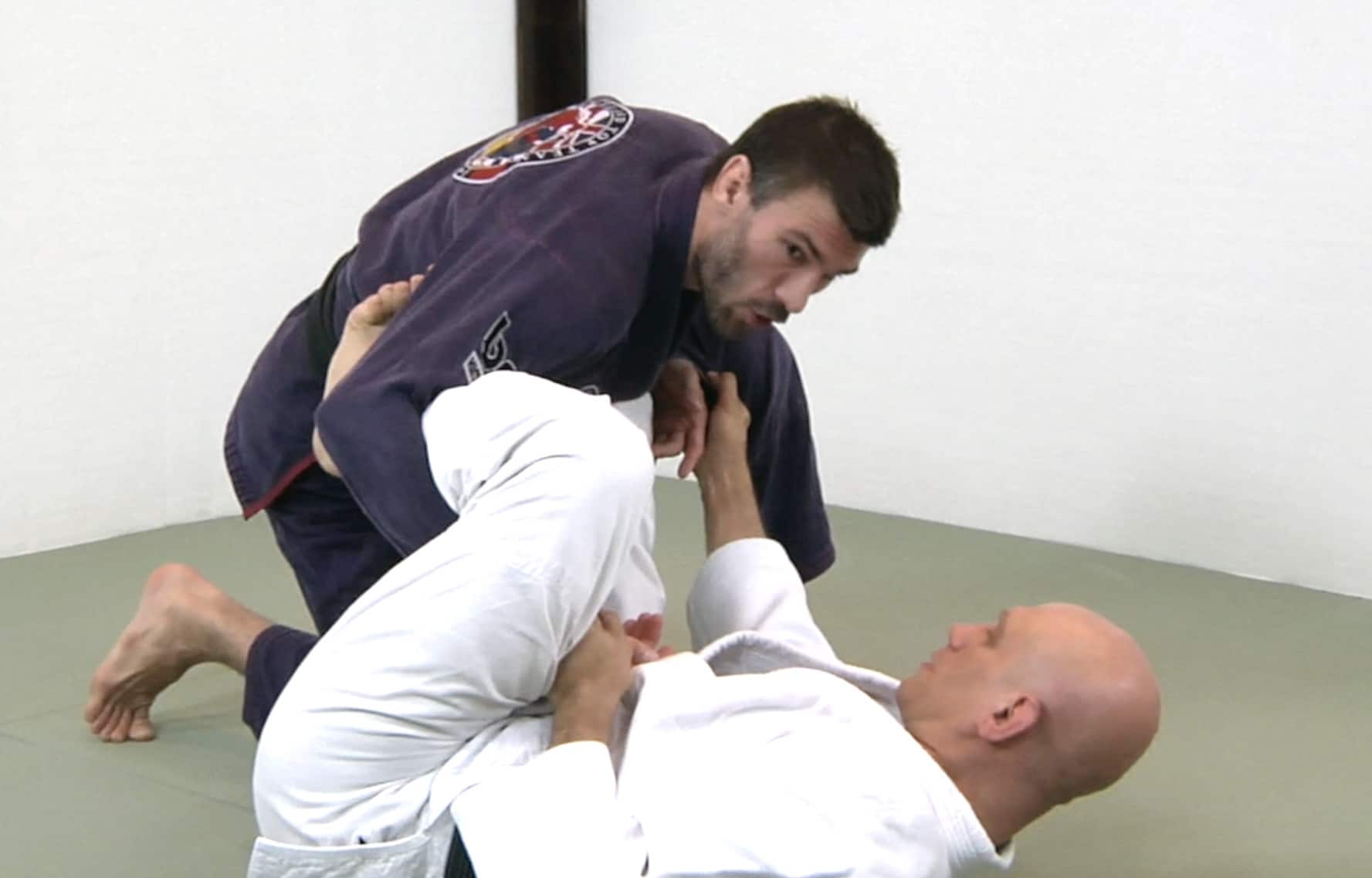
Lasso guard: know when to keep the sleeve and when to leave
A lasso hook can buy time or trap you in a grip battle. Give the free leg a purpose, keep useful sleeve control, and recognize when to change guards.
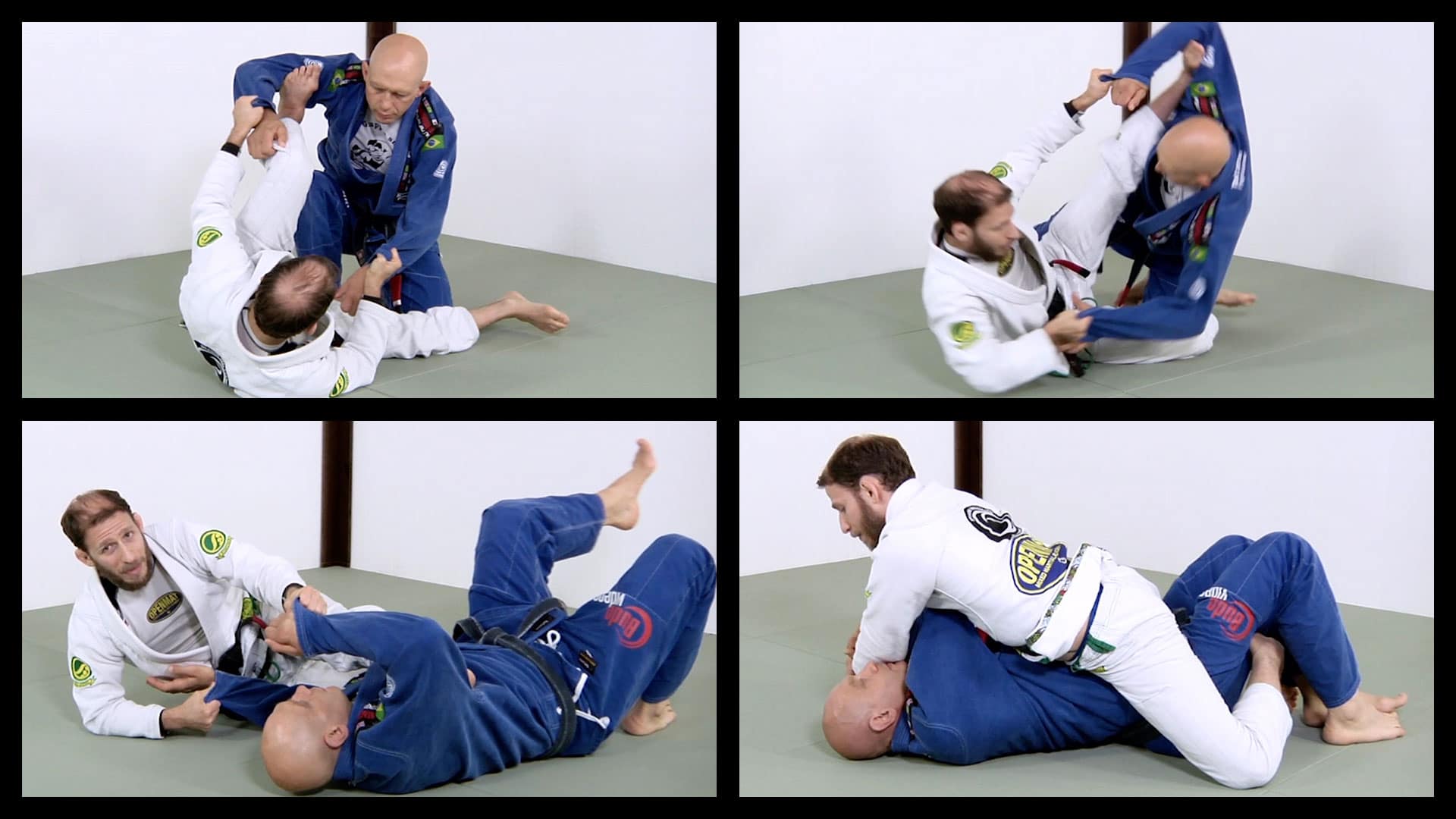
Spider guard: give each foot a job
Make spider guard easier to read. Learn how sleeve tension, different foot positions, and the passer's posture shape your next sweep or transition.
The seated arm drag starts before you pull the arm
The seated arm drag needs more than a wrist grip. Study the arm connection, hip movement, and reactions that open a back take or a route to top position.
Comments (0)
Loading comments...