

Siblings in BJJ do not need the same training experience
Quick answer: Siblings can share a BJJ academy without sharing the same class, goals, or rate of progress. Ask the coach about appropriate groups, treat promotions individually, and give each child room to decide what they enjoy. Convenience matters to a family, but it should not turn one child's training into a comparison with the other's.
One ride, two gis, one evening blocked on the calendar. Enrolling siblings at the same academy has an obvious appeal before anyone even steps onto the mat.
The arrangement becomes more complicated when one child loves the first class and the other wants to watch. Or when the younger child gets a stripe first. The adults may have signed up for a shared activity; the children are having two separate experiences inside it.
The practical task is to keep the useful parts of training together without requiring the children to become a matched set. That starts with how the family talks about the sport and continues through the ordinary decisions about classes, partners, and weekends.
Let the coach place each child
A shared surname is not a class-placement system. Tell the academy each child's age, experience, and any relevant support needs, then ask which group the staff recommends. If the answers differ, find out why before requesting a single class for convenience.
The coach can explain what each session asks of its students. One group may need a different lesson format or level of supervision. You do not have to guess those differences from the belt colors visible through the viewing window.
If two recommended classes create an impossible evening, say so plainly. The family still has to get home, eat, and manage everything else. Ask about another day or a trial arrangement rather than silently expecting one child to manage a class chosen for the other.
Placement should remain discussable as the children gain experience. A plan that works at enrollment may need adjustment later. Frame that conversation around the child in question: what they are doing, what they need, and what the class offers. The sibling's progress need not be the deciding evidence.
Being partners should be an option, not a family duty
Familiarity can make a first class easier, but it should not make siblings permanent training partners. They need a chance to listen to different people, negotiate a drill, and be ordinary members of the group.
Let the instructor manage pairings. If the siblings have a pattern that makes practice difficult, describe it privately and specifically. Saying that one keeps correcting the other is more useful than declaring one bossy. The first describes something the coach can address; the second follows a child around as a label.
At home, avoid appointing the more experienced child assistant instructor. They may enjoy helping when asked. They should also be allowed to stop, and the other child should be allowed to prefer help from the actual coach.
The same applies to live practice outside class. A living room argument does not become a sensible training session because both participants own gis. Keep any home activity within the instructor's guidance and the supervision it requires. Neither sibling owes the other a demonstration, a rematch, or a chance to settle a complaint physically.
Take the comparison out of the ride home
The car is a small space for a performance review. A child who struggled in class may not want an immediate account of everything the sibling did well, especially when the account turns into a lesson about effort.
Try asking each child a question that belongs to their own session. What did they like practicing? Was there something they did not understand? Would they like to tell you about it now or later? Leaving the last option open changes the conversation considerably.
Praise an action you actually saw. A child asked for help, listened during a demonstration, or returned to an exercise after finding it difficult. You can acknowledge that without announcing who worked harder or who appears more naturally suited to the sport.
There is no need to produce identical praise so the family ledger balances. Give each child ordinary attention across the week. If one has a story to tell after class, listen to that story. The other does not have to supply an equally impressive event before the car reaches home.
A stripe belongs to the person receiving it
A promotion can be celebrated without becoming a prediction about the next one. Congratulate the child who received it. Avoid immediately reassuring the sibling that their turn must be coming soon, because the coach may not have said that.
If the other child is disappointed, let the disappointment be about their own wish. They do not need to be scolded for failing to produce the correct celebratory face, and the promoted child does not need their moment converted into a family dispute.
Ask the instructor privately how progress is assessed and what would be useful for each child to work on. The aim is clarity, not an appeal against someone else's stripe. A comparison can obscure the very information you need: what this particular student is learning next.
Do not make age a promise. The older sibling is not automatically entitled to advance first, and the younger sibling's promotion is not evidence that the older one has failed. The household can celebrate different milestones on different days without arranging them into a permanent ranking.
Tournament entry should be two decisions
If one child wants to compete, discuss that child's readiness and interest with the coach. Then have a separate conversation about the sibling. Sharing transport does not create an obligation to share a bracket day as a competitor.
Before entering either child, settle the practical questions:
Which event and division does the coach consider appropriate?
Who will supervise each child if their schedules overlap?
What will the noncompeting sibling do during the waiting time?
The last question matters even if it has nothing to do with medals. Spending a long day watching someone else's event is a different activity from participating in it. Plan food, breaks, and attention for that child rather than assuming family loyalty will occupy every hour.
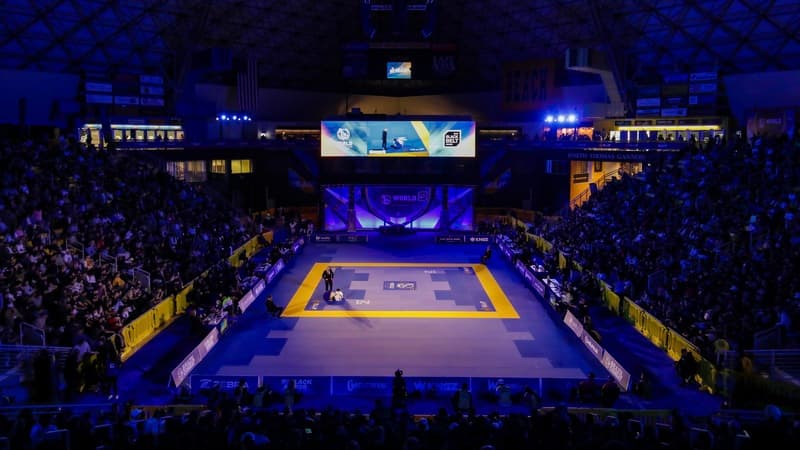
Use the tournament listings as a starting point, then read the organizer's current information. Once the day is over, avoid comparing finishes across different divisions. Each child faced their own event. A medal count cannot explain what either one learned or how either one felt about returning.
Make the household arrangement visible
Parents are allowed to consider money and time. Two memberships, equipment, and travel have to fit somewhere. Discuss the arrangement with the academy before treating a family discount or a shared session as a certainty.
Ask for the terms in writing, including what happens if only one child continues. This is a practical question that protects a future decision from confusion. It does not imply that the gym has an unreasonable policy or that either child is about to stop.
Give each child responsibility that fits their age. One may be able to pack independently while another needs help. Fairness does not require identical chores performed with identical competence. It requires a clear arrangement that does not routinely make one child responsible for the other's forgotten equipment.
Keep the calendar visible enough that nobody has to reconstruct the week every afternoon. If one child has another activity, put it beside BJJ rather than treating it as an interruption to the family sport. The household is organizing several people's lives, even when only one of those activities involves a belt.
Leave room for one child to want something else
The hardest version of the shared plan is the one in which it works beautifully for only one sibling. Before calling the other uncommitted, find out what they are objecting to. The class time, partner arrangement, and activity itself are different possible problems.
Speak with the child away from the sibling's commentary, then speak with the coach where appropriate. A small adjustment may help. It may also become clear that the child would rather do another activity. Neither outcome needs a dramatic family verdict.
Avoid using one child's enjoyment as proof that the other should enjoy it. The enthusiastic sibling can continue without becoming a recruitment officer. They should not be asked to persuade, report on, or monitor the child who is uncertain.
If you are considering another program, the gym directory can help identify options to discuss. A change of class or academy is not automatically necessary, and stopping does not have to be decided during a frustrated evening. Agree on a calm time to review the plan, with enough information to make the decision about the actual child.
Main photo: Gracie Barra; illustrative kids-program photograph.
The takeaway
Siblings can share the trip and still need different things from the room. Let the coach advise on class placement, let each promotion stand on its own, and keep the conversation after training from turning into a household scoreboard.
The arrangement has to work for the adults, too. Be honest about costs and scheduling, then leave space for each child's answer. A family activity can remain shared without requiring matching enthusiasm, matching achievements, or matching plans for next year.
Keep the family plan workable
Read the BJJ family calendar guide for another way to organize training alongside the rest of the household's commitments.
FAQ
Should siblings attend the same BJJ class? Ask the instructor to assess each child's age, experience, and needs. A shared class can be convenient, but the appropriate group may differ for each child.
Should I make siblings train together at home? Do not turn home practice into an obligation or a way to settle rivalry. Ask the coach what supervised activities are appropriate, and allow either child to decline being the other's practice partner.
What if the younger sibling is promoted first? Celebrate the promotion without making promises about the older child's timeline. Ask the coach privately what each child should work on, rather than arguing from their relative ages.
Does one child's competition entry mean both should compete? No. Make separate decisions with each child and the coach. If both attend the event, plan supervision, breaks, and a reasonable day for the sibling who is not competing.

Rafael Moura
Rafael Moura profiles competitors as people with lives outside the bracket. Some of those stories are comebacks. Most are not, and he does not force them.
Related Posts

Mikey Musumeci gives up the belt to make room for MMA
Musumeci is vacating his UFC BJJ title to focus on MMA training. What he is leaving, what continues, and why the transition matters.
IBJJF membership: finish the paperwork before the deadline
IBJJF membership and tournament entry are separate steps. Plan documents, professor approval, renewals, and junior accounts before registration closes.
Choosing a BJJ seminar worth your time and travel
Choose a BJJ seminar by the subject, teaching format, access, and total cost. Know what to ask the host before buying a ticket.
Comments (0)
Loading comments...