

Adapted jiu-jitsu: the competition name changes the question
Quick answer: Adapted jiu-jitsu needs a named organizer and format before its rules can be explained. SJJIF publishes separate Deaf Jiu-Jitsu, ParaJiu-Jitsu, and Special Jiu-Jitsu documents; JJIF has its own inclusion and competition arrangements. Ask which event, rules, communication procedures, and support arrangements apply, while leaving eligibility and classification to the responsible officials.
SJJIF places three different rule documents under its adapted jiu-jitsu heading. That publishing choice matters. A person looking for a competition needs more than a statement that there is room for everyone; they need to know what will happen when they arrive and who can answer the next question.
The distinction also gives an athlete room to choose. Entering a tournament, attending an ordinary class, and asking about a particular competition format are separate decisions. None needs to become a story about overcoming a life that the writer has never been invited to describe.
Begin with the actual competition name
The SJJIF rules page names Deaf Jiu-Jitsu, ParaJiu-Jitsu, and Special Jiu-Jitsu as its three adapted categories and links a separate PDF for each. Those are federation labels. They do not establish one universal adapted format used by every organization that teaches or promotes jiu-jitsu.
Keep the event’s name beside the document you read. Check which organizer is accepting the entry and which rule version it identifies. The linked SJJIF filenames carry 2018; the existence of that download is a useful reference, rather than a reason to assume every forthcoming event has adopted every passage unchanged.
The next conversation can therefore begin with something concrete: which published format does this event offer, and what instructions apply to this entry? The first-tournament guide distinguishes an accepted entry from other preparation. Here, that distinction deserves particular care. An advertised category is the start of an enquiry, not a complete arrangement with an individual athlete.
Communication belongs inside the rules discussion
The currently linked SJJIF Deaf Jiu-Jitsu PDF, Article 7, places the referee in the competitors’ view as much as possible and specifies physical contact when stopping the match. These provisions address communication within that named contest. They are more specific than an announcement that an event welcomes deaf athletes.
For someone considering entry, the useful administrative question is how the event will explain and apply its procedures before the match. Establish who will give the briefing, how questions can be asked, and how the athlete can confirm that the explanation is understood. Do not leave a necessary conversation until both competitors have already been called to the mat.
Keep the athlete involved in that exchange. An organizer can discuss its written procedure without assuming that one person’s preferred communication arrangement applies to everybody with a similar label. A coach or companion may have a role, but that role should be agreed rather than supplied by a spectator’s guess. Clear communication lets the participants know what to expect without asking them to disclose a whole personal history to the room.
Read the Para document for its particular arrangements
Article 10 of the linked SJJIF ParaJiu-Jitsu PDF contains provisions for blind competitors, including a choice of an initial grip or touch and restoration of the initial grip after pauses. This is one example within that document, not a complete description of ParaJiu-Jitsu or an instruction for assigning someone to a category.
It shows why the starting arrangement belongs in an event enquiry. Ask the officials to identify the applicable procedure and how it will be demonstrated or explained. Keep the answer attached to the particular entry. A familiar word such as start may conceal an assumption that another participant has not been given the opportunity to check.
There is no need for a general article to turn this into a technical lesson. The athlete and their coach need the event’s actual instructions, while officials remain responsible for the process they administer. This leaves room for specific questions without pretending that reading a summary settles eligibility, classification, or an individual’s participation arrangements.
Special Jiu-Jitsu has a process of its own
The linked SJJIF Special Jiu-Jitsu PDF describes a further divisioning process at the venue involving officials and a training session. Article 9 also addresses assistance in entering the mat area. These are parts of the named event framework, rather than permission for a reader to assess another person from a distance.
For an athlete considering this route, ask when the relevant event process happens and who explains it. Check whether its timing affects travel, arrival, and the presence of an agreed support person. An entry fee and a match date do not answer those practical questions on their own.
Use the federation’s full category name when identifying its rules, then speak about the person as an athlete. There is a difference between quoting the title of a published division and using that title as somebody’s entire description. The sporting arrangement needs precision; the person does not need to become a label in the explanation of it.
Keep the JJIF context attached to JJIF
JJIF’s inclusion page describes Para Ju-Jitsu programs addressing visual, cognitive, and physical impairments. Its separate February 2025 announcement with WPJJF records cooperation covering Para Jiu-Jitsu and Inclusive Self-Defence, including technical support and planned training. These statements describe those organizations’ work; they do not make the SJJIF PDFs JJIF rules.
The competition name matters as much as the organizational name. JJIF’s World Games 2025 report lists Mixed Duo Para Physical and Mixed Duo Para Visual events. A report about those events should retain those titles, rather than being rewritten as a result from an unspecified individual BJJ bracket.
For a prospective participant, the consequence is straightforward: find the actual discipline and event information before borrowing a familiar picture of competition. The same broad family of words can appear beside different arrangements. A named source gives the next question somewhere to go; a generic claim that adapted jiu-jitsu has one set of rules does not.
Get the practical answer before booking the journey
An enquiry can be short while still giving the organizer a useful job. Identify the event and the named format you are asking about, then ask which official can explain the process for the prospective entry. Share personal information only through the relevant process, with the people who need it for their actual role.
Before committing to travel, ask:
Which rule document and event instructions govern the offered format.
When any required event briefing or divisioning process takes place.
What communication and support arrangements will be agreed, and with whom.
What happens if the proposed participation arrangement cannot be confirmed.
Keep the reply with the registration information. If an answer remains provisional, leave it marked that way. A warm invitation can be sincere while an important practical point is still unresolved. Giving the uncertainty a name allows the athlete to decide what needs settling before making the journey.
That is also a reasonable standard for organizers. Publish a route to a person who can answer these questions, and explain which matters can be settled in advance. Requiring athletes to reconstruct the process from several unrelated pages makes a welcoming statement harder to use.
Leave the sporting choice with the athlete
Consider an original hypothetical example. A person is interested in a named competition but wants the event procedure explained before committing to travel. They choose to continue their ordinary training while the enquiry is answered. That is a complete decision for the moment. It does not need to be described as reluctance, lost ambition, or the beginning of a future comeback.
Another person may want to enter once the necessary arrangements are confirmed. Ask what matters to them about that event. The answer may concern a sporting challenge, familiar training partners, or something they have not chosen to discuss publicly. Without their account, none of those motives belongs in a reported description.
The same respect applies after a change of plan. Withdrawing an enquiry or choosing another form of participation does not create an unfinished story that a writer must repair. The useful work is to describe the option accurately and make the person’s own stated choice visible when they have chosen to share it.
Describe the contest without borrowing a life story
A result tells you something about a particular sporting event. It does not, by itself, tell you how an athlete feels about disability, what their family has experienced, or which private difficulties they have faced. Those claims need the person’s public account and a reason to include them.
Begin a report with the actual competition and result that can be verified. Describe the format and relevant adaptations carefully. If a person has explained what participation means to them, attribute that explanation rather than replacing it with a familiar inspirational ending. If no such account is available, the report can stop with the sporting information.
An athlete may be proud of the result. They may also want to discuss an ordinary technical question from the match. There is room for either conversation when the writer does not decide in advance which one the person owes the audience.
The takeaway
Adapted competition becomes easier to understand when the labels lead to actual arrangements. Name the federation, the discipline, and the event; read the relevant document; then establish who will explain the process for the entry being considered. Keep classification decisions with the responsible officials.
Leave the athlete room to decide what they want from those arrangements. Participation can be a substantial sporting commitment without becoming a lesson for everybody watching. A precise account gives the choice back to the person whose weekend, training, and competition it concerns.
Begin with a conversation about training
Use the academy directory to find a school, then contact it directly about the class and participation arrangements you want to discuss.
FAQ
Does adapted jiu-jitsu mean one universal ruleset? No. Identify the federation, named format, and event instructions. This article distinguishes SJJIF’s three published adapted categories from JJIF’s own programs and competition context.
Can this article tell me which division someone should enter? No. Eligibility and classification belong to the responsible event process. Ask the organizer who handles that enquiry and how the prospective athlete can receive an explanation of the applicable arrangements.
What should be confirmed before travel? Confirm the offered format, governing instructions, relevant event timing, and the agreed route for communication and support. Keep provisional answers separate from confirmed arrangements before committing to the journey.
Does choosing ordinary training leave the story unfinished? No. An athlete can choose training, competition, or another arrangement without supplying an inspirational narrative. Describe the person’s stated choice and avoid inventing the motive or the next chapter.

Rafael Moura
Rafael Moura profiles competitors as people with lives outside the bracket. Some of those stories are comebacks. Most are not, and he does not force them.
Related Posts
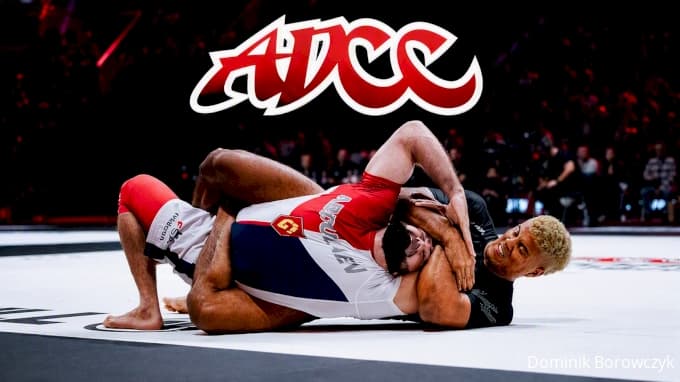
ADCC 2026 results: the stories that survived the predictions
ADCC 2026 results from Krakow: Jaworski, Maciel, Crevar, Pena, the women's champions, and the superfight outcome, with official podiums and match context.
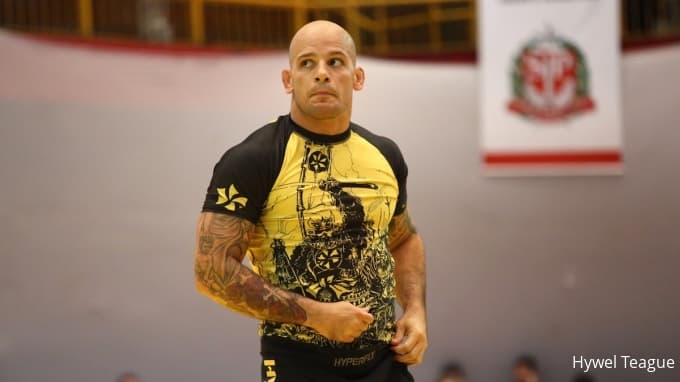
Xande Ribeiro: from absolute titles to the masters mat
Explore Xande Ribeiro's absolute Worlds victories, two ADCC titles, Six Blades, and the distinction between his 2022 Worlds farewell and later masters gold.
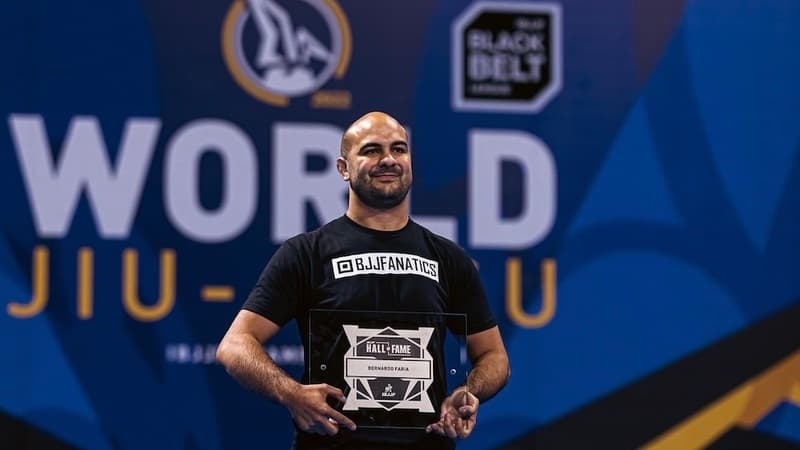
Bernardo Faria: the champion who kept asking questions
Follow Bernardo Faria from Juiz de Fora and Alliance to the 2015 Worlds and BJJ Fanatics, with context on his competition game and move into teaching.
Comments (0)
Loading comments...