

ADCC 2026 women’s −65 kg: Ana Carolina Vieira retains
Quick answer: Ana Carolina Vieira won ADCC 2026 women’s −65 kg, retaining the category she won in 2024. Sarah Galvão took silver, and Joslyn Molina took bronze. Vieira’s three opponents were Nadia Frankland, Morgan Black, and Galvão.
One name stayed at the top of women’s −65 kg across two ADCC championships. Ana Carolina Vieira won the division in 2024 and again in 2026. Around that repeat title, a new final and bronze match produced their own results.
Sarah Galvão reached the final through the other half of the draw. Joslyn Molina recovered from a semifinal defeat to win third. Keeping those routes beside Vieira’s championship gives the division more shape than a headline about a repeat winner alone.
The final podium
The official 2026 ADCC record lists Vieira, Galvão, and Molina as the women’s −65 kg medalists. The championship ran September 12–13 at TAURON Arena in Kraków.
Gold: Ana Carolina Vieira.
Silver: Sarah Galvão.
Bronze: Joslyn Molina.
The title was one of three women’s weight-class championships at the event. It belongs to the −65 kg bracket, separate from the lighter −55 kg and heavier +65 kg divisions. It is not a gi title or a medal from an IBJJF weight class with a similar number.
The official bracket establishes who advanced and who won the medals. It does not provide a complete score, method, and finishing time for every contest. Where that detail is not supplied, the result is kept at the level the source can support.
Vieira’s route to another gold
Vieira opened against Nadia Frankland, advanced past Morgan Black in the semifinal, and met Galvão in the final. Three opponents formed the title route. The Black semifinal was the immediate step into the championship match.
That progression matters when reviewing a repeat title. The historical achievement is two championship editions at the top of the division; the 2026 route is a specific set of three contests. A previous gold medal cannot substitute for winning the current draw.
It is possible to say that Vieira retained the title without inventing a story about how she felt entering the event. Confidence, pressure, and preparation are matters for direct reporting. The public record already provides the central fact: she won the same women’s category in consecutive editions.
For footage, the Frankland opener completes the route, while the Black semifinal and Galvão final provide the medal-round sequence. Labeling each round also keeps its regulation length attached, since a Worlds final is longer than a qualifying match.
Galvão’s two wins before the final
Galvão advanced through Livia Barasine and Molina before meeting Vieira. The Molina semifinal put her into the gold-medal match. Silver records that progression as well as the final result.
A fair account of the runner-up starts before the last contest. Both earlier wins were necessary to reach the championship match, and the semifinal linked Galvão with another eventual medalist. That connection makes it a useful replay for someone trying to understand the shape of the podium.
The final opponent was Vieira, while Molina went on to a different contest for third. A short post can accidentally flatten all three names into a single hierarchy of imagined pairings. The bracket gives something more limited and more reliable: the matches actually played and the places they decided.
Galvão’s work in other competitions should retain its own event label too. Success in gi or under another no-gi ruleset does not supply a method for this ADCC final. The sport’s overlapping calendars make it particularly important to keep year, division, organization, and round together.
Molina won bronze against Black
Molina lost the semifinal to Galvão, then defeated Morgan Black in the bronze match. Black had lost the opposite semifinal to Vieira. The third-place result therefore came from a separate head-to-head contest after both athletes left the title path.
That is different from simply awarding both semifinalists bronze. It also gives the viewer a match that is easy to overlook when only the final is circulating. The bronze contest completes the medal record and tells a part of the event that neither semifinal can settle alone.
The medal itself is enough to state clearly. Claims about a historic age record, an athlete’s exact age on the competition date, or a first-ever achievement require a reliable biographical and historical source. A social graphic is not a reason to add an unsupported superlative to a results account.
The replay sequence can remain simple: Vieira–Black, Galvão–Molina, Molina–Black, and Vieira–Galvão. Four matches explain the medal rounds, with each kept in the correct category and round. Earlier contests can then be added if they answer a specific question.
What retaining the title means
ADCC’s championship statistics list Vieira as women’s −65 kg champion in both 2024 and 2026. That supports the direct description of a retained title across consecutive editions.
It does not mean every opponent from 2024 appeared in the same role in 2026. It also does not turn the two championships into one continuous bracket. Each edition required its own wins under the event’s current draw.
The category’s history should remain separate from the older women’s structure. In 2022, the championship used −60 kg and +60 kg. A historical comparison needs those original labels, rather than relabeling an older champion as a −65 kg winner because the modern chart has a middle division.
The ADCC event guide supplies the larger background. In this division the useful historical statement is quite direct: Vieira won the −65 kg championship in 2024, then won it again in Kraków in 2026.
The rules make the match phase matter
The ADCC rules use different clocks for Worlds qualifying matches and finals. Qualifying regulation is ten minutes, while final regulation is twenty. The scoring phases and negative-point conditions must be read for the correct round.
A viewer should therefore check the clock before judging why a visible position did or did not immediately change the score. The first half of a qualifying match and the first half of a final are not interchangeable rule situations. A short clip often removes the information needed to tell them apart.
The point is to observe the conditions, not to guess the athlete’s mind. Note the position, available time, score, and any referee signal. Those facts can explain the competitive choices that were possible without claiming a private plan that has not been reported.
For local competitors, the Worlds rulebook is only part of the preparation. Beginner, intermediate, youth, and other amateur divisions can use different restrictions and match lengths. The legal technique in a championship replay is not automatically legal in a particular reader’s next bracket.
Turn the result into a focused viewing session
One useful session is to follow Vieira from the semifinal into the final, then watch Molina’s bronze contest. It captures the retained title and a medal decided on the other side of the tournament. A second session can fill in the opening matches and Galvão’s full route.
Choose one repeated situation to track rather than attempting a complete technical diagnosis in one sitting. A standing exchange, a reset, or the first established top position can provide enough detail for a productive discussion with a coach. Save the timestamp and the surrounding minute, not only the most dramatic instant.
When adapting an observation to training, agree on the rules and starting position before the round. A controlled positional exercise is a different task from recreating a high-level finish at competitive speed. The medal result alone provides no training prescription.
Finally, retain the distinctions in any summary shared afterward. Vieira’s repeat championship, Galvão’s final appearance, and Molina’s bronze are related facts, but they are not the same achievement. Giving each its correct route makes the account more useful and more respectful to everyone involved.
Keeping the complete bracket beside the medal list also makes later corrections easier to spot. An opponent, round, or result can be checked directly, rather than repeated from an abbreviated caption that no longer carries its original context.
The takeaway
Vieira retained −65 kg gold through Frankland, Black, and Galvão. Galvão’s silver followed two earlier wins, and Molina defeated Black for bronze after the semifinal stage.
The repeat title is the clear historical point. The separate routes to silver and bronze provide the rest of the division’s record, without requiring guessed methods, private motives, or an age superlative that the bracket itself cannot establish.
Keep the event rules attached
Find competitions in the tournament directory, then confirm the organizer’s own categories, schedule, and registration conditions before entering.
FAQ
Who won ADCC 2026 women’s −65 kg? Ana Carolina Vieira won gold, Sarah Galvão won silver, and Joslyn Molina won bronze.
Did Vieira also win in 2024? Yes. The official ADCC statistics list her as the −65 kg champion in both 2024 and 2026.
Who did Molina beat for bronze? She defeated Morgan Black after losing her semifinal to Sarah Galvão. Black had lost to Vieira in the other semifinal.
Do local amateur ADCC matches use the same rules? Not necessarily. Age and experience divisions can have different technique restrictions and clocks. Check the actual event information before entering.

Rafael Moura
Rafael Moura profiles competitors as people with lives outside the bracket. Some of those stories are comebacks. Most are not, and he does not force them.
Related Posts

ADCC 2026 women’s −55 kg: Jasmine Rocha’s title route
Jasmine Rocha’s three-opponent route to ADCC 2026 gold, Ana Rodrigues’ silver, Ana Mayordomo’s bronze, and the changing women’s divisions.
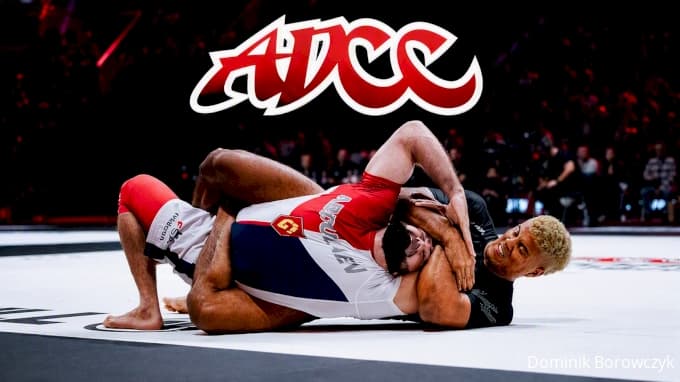
ADCC 2026 results: the stories that survived the predictions
ADCC 2026 results from Krakow: Jaworski, Maciel, Crevar, Pena, the women's champions, and the superfight outcome, with official podiums and match context.
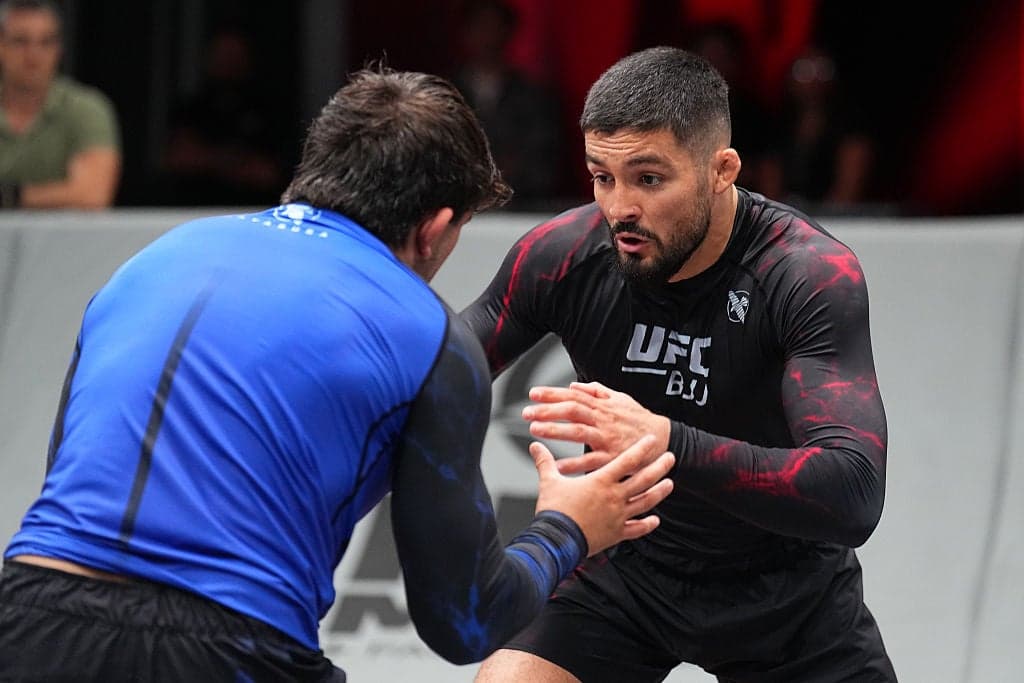
UFC BJJ vs ADCC: the rules that change the match
Compare UFC BJJ and ADCC clocks, scoring phases, guard pulling, boundaries, and overtime without mixing their formats.
Comments (0)
Loading comments...