

A university BJJ club needs a plan for after graduation
Quick answer: A university BJJ club needs more than a popular weekly session: it needs a reliable handover between the students who run it. Keep the coaching arrangement, room booking, finances, and newcomer information clear enough that the club can continue when its most active members graduate.
Graduation can remove a club's organizer, person with the keys, and most experienced student in one afternoon. Sometimes those are three people. Sometimes they are the same person, and nobody has asked where the booking confirmation lives.
A student BJJ club can be a good place to train without pretending to be an academy with permanent staff. Its particular challenge is continuity. The people who build the room may leave just as the next group begins to understand what made it work.
Put the training arrangement in writing
Start with the actual relationship between the club, its coach, and the university. Who is responsible for instruction? Who approves the session? Which activities are permitted in the booked space? Those questions belong with the institution and qualified instructor, rather than being settled by whichever committee member has trained longest.
For example, the University of Cambridge's sports service maintains a Brazilian jiu-jitsu club listing. A university's own club information is a useful place to begin checking what exists. It does not replace confirmation of a particular session or establish the arrangements at another institution.
Write down what your own club has agreed. Include who teaches, whom to contact if they cannot attend, and how a canceled session is announced. If a substitute needs approval, keep that process visible. Do not assume that an absent instructor automatically turns the booking into unrestricted open training.
This document can be short. Its purpose is to prevent uncertainty at the moment a room full of students is ready to start. A clear cancellation can be more responsible than an improvised class whose supervision nobody has checked.
Make the first message useful to a newcomer
A student who has never trained needs different information from the committee's group chat. Give them a current place to find the class time, exact location, contact details, and what to bring. Explain whether they need to register, borrow kit, or speak to someone before attending.
Check that the directions work for someone who does not already know the campus. A building nickname and a room number may be enough for regulars and useless to a first-year student arriving after dark. Include the entrance and any access restrictions that the university permits you to share.
Avoid presenting every session as suitable for everyone if that has not been confirmed. If some classes require experience, say so plainly and provide a contact for questions. Clear limits are more welcoming than letting a beginner discover at the door that they have come to the wrong session.
Assign someone to answer inquiries and arrange cover when that person is busy. A club can appear inactive simply because its only contact has exams. The solution is a manageable system, not expecting one volunteer to remain available all year.
Separate enthusiasm from administrative access
The most enthusiastic student is not necessarily the only person who should know how to book the room. Give approved committee members access through the institution's proper systems, using the permissions and account arrangements the university requires. Avoid passing personal passwords around as a substitute for a handover.
Keep a short record of recurring tasks and their deadlines. Room renewals, coach arrangements, and required club paperwork may happen at different points in the year. A new committee should be able to see what is due without reconstructing it from somebody's old messages.
Useful handover notes include:
The responsible university contact and approved booking process.
The coaching arrangement and cancellation procedure.
Where authorized officers find the club's financial records.
The current newcomer information and who maintains it.
Include unresolved matters as well as completed ones. If a booking is provisional, say that. If an equipment request is awaiting a reply, record the contact and date. A tidy document that hides unfinished work is less helpful than an honest one with a few open questions.
Treat the room as borrowed infrastructure
A shared university room may host several activities across a week. Follow the institution's rules for mats, cleaning, storage, and access. Establish who arrives to prepare the space and who checks it afterward. Those jobs should not depend on a vague expectation that somebody usually stays late.
Ask the coach and venue staff what equipment is appropriate before buying it. A good price does not make an item suitable for the approved session or storage area. The people responsible for the space should help define the requirement before a committee spends the club's money.
If setup takes time, include that in the booking and volunteer plan. Do not quietly consume another group's allocation because the mats took longer than expected. Shared facilities work better when each club understands where its own responsibility begins and ends.
Write down how problems are reported. A damaged mat, missing item, or access issue needs to reach the correct person promptly. The incoming committee should inherit a process for raising concerns, not a collection of improvised repairs whose origin nobody remembers.
Make membership affordable in a way the books support
A student club may want to keep fees low, but it still needs to understand its actual costs. Work with the university's required financial process and record what the club is committed to paying. Separate confirmed expenses from optimistic estimates before advertising a price to members.
Explain what membership covers and what it does not. If competition entries, travel, or particular events cost extra, say so before students make plans. A low headline fee can be misleading if the ordinary experience requires several additional payments that appear only afterward.
Use the institution's arrangements for handling funds and reimbursements. Avoid asking a volunteer to carry substantial club expenses indefinitely without a clear, approved process. Good intentions do not help a student who is waiting for money they needed for something else.
If funding changes, communicate early and factually. Members can understand a revised arrangement more easily when they know what changed. There is no need to manufacture a crisis or promise that the next committee will somehow solve a shortfall you have not explained.
Give experienced students a role without making them staff
Experienced members can help newcomers find the room, understand the class routine, and meet training partners. That contribution matters. It does not automatically make them the club's instructor or place every question about safe practice within their responsibility.
Agree with the coach on what peer support should look like. A student can help demonstrate a familiar drill when asked, while leaving technical direction and session decisions to the approved instructor. Clear roles reduce the chance that confidence gets mistaken for authority.
Also make room for members who cannot volunteer every week. A club should not become a test of who has the most flexible timetable. Small, defined tasks let more people contribute without implying that ordinary membership comes with an unpaid administrative job.
If students want extra training beyond the club's timetable, the gym directory can help identify local options to investigate. Encourage them to confirm visitor arrangements directly. Outside training can coexist with club membership without turning the committee into an unofficial booking service.
Start the handover before the farewell session
Invite the incoming officers to observe the practical work while the outgoing committee can still answer questions. Let them follow an actual booking renewal, read the current records, and see how session announcements are prepared. A live example can reveal missing information that a final email would not.
Ask the new committee to test the newcomer instructions. Can they find the correct contact and describe the next session without relying on personal memory? Can they identify the current coach arrangement? If not, improve the notes while the answer is still easy to recover.
Keep the handover focused on what the next group needs, rather than making it a history of everything the outgoing committee achieved. Photos and memories can have their own place. The operational record should make tomorrow's class possible, even for someone who missed last year's best social event.
Finally, give the next committee room to change things through the proper process. Continuity does not require preserving every preference of the founding group. It requires enough reliable information for new students to make informed decisions rather than starting from an empty inbox.
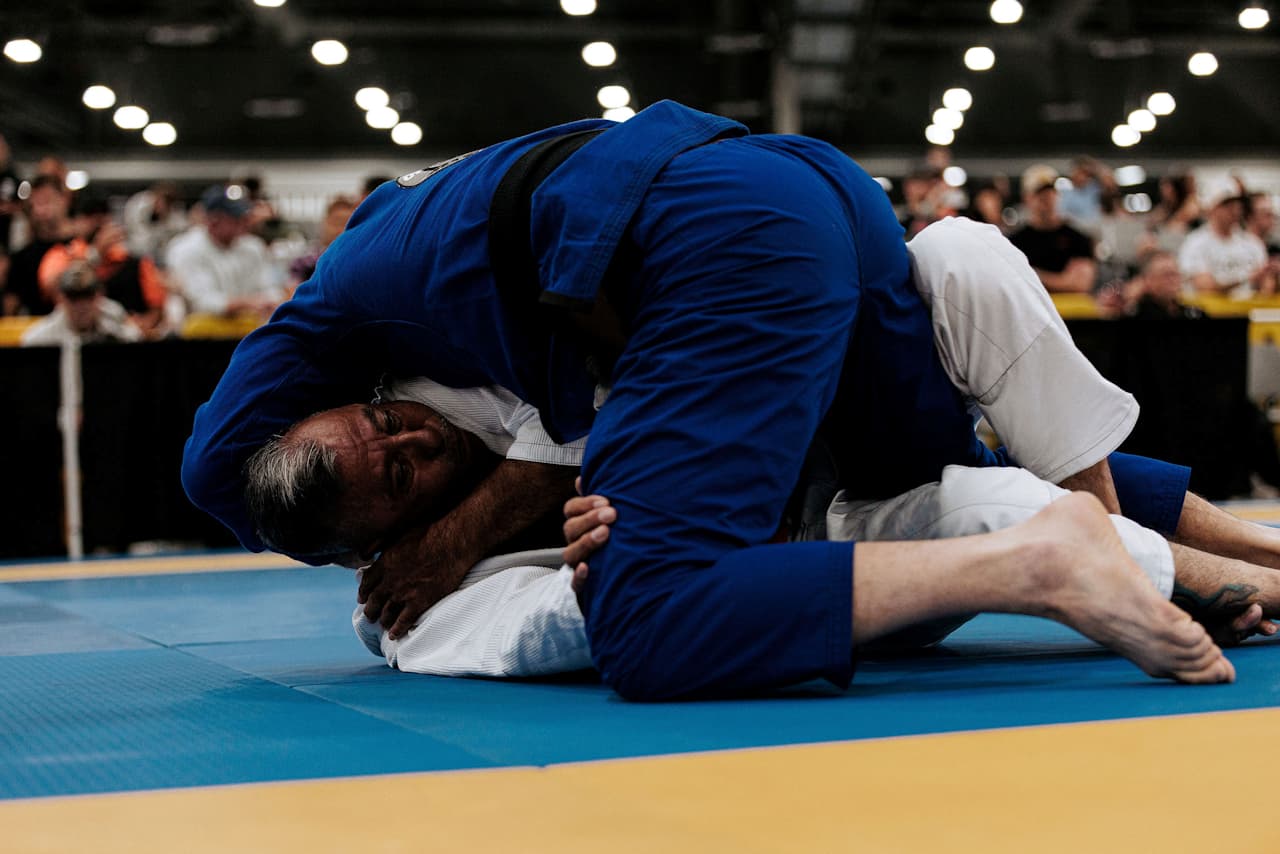
Main photo: BJJ Globetrotters; illustrative archive group photograph, not a university club identification.
The takeaway
A university BJJ club lasts when its ordinary work can be understood and handed on. Clear coaching arrangements, useful newcomer information, and accessible administrative records make the club less dependent on one particularly committed student.
Begin the handover while the outgoing committee is still available. The test is practical: can the next group arrange an approved session, welcome a beginner, and find the answer when something changes?
Explore training beyond campus
Browse the open-mat directory for additional sessions, then confirm eligibility and visitor rules with the host before attending.
FAQ
Can students start a BJJ club without a permanent academy? They should work through their university's approval process and establish appropriate coaching, facilities, and supervision. The institution decides its own requirements.
What should a club handover include? Include approved contacts, booking procedures, coaching arrangements, financial-record access, newcomer information, and outstanding tasks, using the university's required systems.
Should the highest belt automatically teach? No. Teaching and supervision should follow the club's approved arrangement with its coach and institution, rather than being assigned solely by belt rank.
When should a committee begin handing over? Early enough for incoming officers to see the work happen and ask questions before outgoing members leave. Do not wait until the final session to share basic information.

Rafael Moura
Rafael Moura profiles competitors as people with lives outside the bracket. Some of those stories are comebacks. Most are not, and he does not force them.
Related Posts

When to Replace Your BJJ Gi, and When to Repair It
Decide when to replace your BJJ gi by checking fabric, seams, fit, and tournament rules. Separate a useful repair from a garment ready for retirement.
World Master 2026: the people around the podium
A silver medal, a team trip, and a results page full of unfamiliar names offer a different way to read World Master.

Rikako Yuasa: four world titles worth watching properly
Four consecutive world titles, two weight categories, and a reason to watch the exchanges between the highlights: a closer look at Rikako Yuasa.
Comments (0)
Loading comments...