
A thank-you for your BJJ coach does not need a price contest
Quick answer: A good thank-you for a BJJ coach is specific, optional, and comfortable for the recipient to accept. A short note about something they helped you understand can mean more than an expensive item chosen in a hurry. If a group is contributing, make participation genuinely voluntary and keep individual amounts private.
A collection for the coach can begin with a generous idea and end with someone quietly wondering whether they can afford to belong in the photograph. That is an avoidable complication for what was supposed to be a thank-you.
Keep the purpose simple. You want to recognize a person’s work, not create a new expense for every student or a public measure of who appreciates the coach most. There are plenty of ways to make the gesture personal without making it costly.
Begin with the thing you actually appreciate
Before choosing an object, name what prompted the thanks. Perhaps a coach found another way to explain a position, gave clear feedback before a tournament, or made your first month easier to attend. Use a real detail from your own experience.
That detail is the strongest part of a card or message. You do not need to describe the instructor as the greatest coach in the world when you can tell them exactly what helped. Specific appreciation gives the recipient something recognizable to keep.
Avoid speaking for the whole academy unless the group has agreed on the message. A student can write warmly about their own experience without claiming that everyone feels the same way. This is especially relevant when signing a card on behalf of absent members.
A useful note can be brief. Explain the moment, what it changed for you, and that you appreciated the effort. There is no minimum length for a sincere thank-you.
A gift should not require a student to explain their budget
If you organize a group collection, state clearly that contributing is optional. Do not publish a list of who has paid, ask people to justify declining, or repeatedly chase members who have not responded.
Give everyone an easy way to participate without money, such as signing a card. Keep the card available independently of the collection. A student should not have to make a contribution before being allowed to add a message.
Set a modest plan before collecting funds. An open-ended promise to buy something impressive can encourage spending without a clear purpose. Tell contributors what the money is for and how any unused amount will be handled.
This is a recommendation for considerate organizing, not a claim that a gift is expected in BJJ. It is entirely reasonable for a student to thank a coach in person and leave the exchange there.
Learn enough about the recipient to avoid assigning homework
An elaborate gift can create work. An item may need assembly, maintenance, a place to display it, or an explanation about why it never appears at the gym. Something intended as a surprise can become an obligation the coach did not choose.
If you know a genuine preference, use it. If you do not, resist inventing one from the person’s job. Teaching jiu-jitsu does not establish that someone wants more martial-arts decor, another novelty mug, or clothing in a size you have guessed.
For a practical item, ask discreetly whether it would be useful and appropriate. A gift card can avoid sizing problems, but even that works better when it is for a place the recipient actually uses. Keep the value comfortable rather than using flexibility as a reason to spend more.
Our broader guide to BJJ gifts people use offers another starting point. The coach-specific question is whether the gesture respects the person beyond their role in your training.
Separate appreciation from a belt or another decision
A gift should not carry an implied request for a promotion, extra attention, a private lesson, or a favorable decision. Make the thanks complete on its own. Avoid jokes that turn the exchange into a transaction, particularly if the recipient may feel obliged to laugh.
Timing can matter. If you are currently asking the coach to resolve an important issue, a simple written thanks may be clearer than an expensive present. You can also wait for a more neutral occasion.
That does not require suspicion about anyone’s motives. It is a practical way to keep the message unambiguous: you appreciate something that has already happened, and the recipient does not owe you a new outcome.
If an academy has a policy about gifts, follow it. Some instructors may prefer a card, a donation to a named cause, or no gift at all. A preference that limits the gesture is still a preference worth respecting.
Make the group process smaller than the gesture
One person coordinating the details can help, provided that person does not turn the collection into a series of public reminders. Keep the information clear and send it through an appropriate channel approved by the academy.
The invitation only needs a few details:
What the group intends to give and when.
That money is optional and messages are welcome separately.
A reasonable deadline for anyone who wants to participate.
Who can answer a practical question privately.
Avoid making the recipient manage the logistics of their own surprise. Equally, do not interrupt classes or contact members through private details that were not shared for this purpose. Use the normal boundaries of the gym community.
If the collection is small, choose a smaller gift. That is a successful outcome, not a reason to pressure the remaining students. The value of the gesture does not depend on reaching a target invented before anyone agreed to contribute.
A card can include people an object leaves out
A group card works well when it gives people room to say something in their own words. Avoid requiring every message to match the same tone or length. A beginner’s simple thanks belongs beside a longtime student’s longer memory.
For children, let the child choose whether to draw or write something, with appropriate help. Do not turn the message into a performance of gratitude prepared entirely by an adult. Keep personal details suitable for the recipient and the setting.
If collecting digital messages, explain who will see them and how they will be used. A note intended for a private card should not automatically become a social-media caption. Ask before republishing a student’s words or image.
The guide to sharing children’s BJJ photos covers related privacy considerations. Appreciation does not remove the need to respect people’s choices about being identified publicly.
Consider the work around the head coach
A student may interact with several people who help the academy function: assistant instructors, front-desk staff, substitute coaches, or the person who consistently helps the children find their belongings. Notice that work without turning the thank-you into a competition among staff.
You do not have to give everyone the same object or spend beyond your means to avoid leaving someone out. A direct acknowledgment can be enough. If a group plans a public presentation, consider whether the wording accurately reflects who contributed to the occasion being celebrated.
Avoid thanking one person for work you know another person did. Specificity helps here again. Recognize the actual contribution rather than automatically attaching every success to the most senior name in the room.
This can remain quiet and ordinary. A student who says that someone made registration easier or helped them understand the class routine has already supplied useful appreciation. It does not need a stage.
Let the coach receive the gesture in their own way
Some people enjoy a group presentation. Others would prefer a card handed over after class without a speech. If you know the recipient’s preference, use it. If you do not, choose a low-pressure moment and keep it brief.
Do not require an emotional reaction, a photograph, or a public post in return. The gift has not failed if the coach thanks you quietly and goes back to teaching. A recipient should not have to perform appreciation for being appreciated.
Ask before photographing or filming the exchange. If the coach declines the gift or suggests another use for it, accept the answer graciously. Avoid insisting that they take it because the group has already put effort into the plan.
Afterward, return to the normal relationship. The point was to acknowledge something good, not create a continuing reminder that the student group once bought an item. A thank-you works best when it does not leave an invoice in the air.
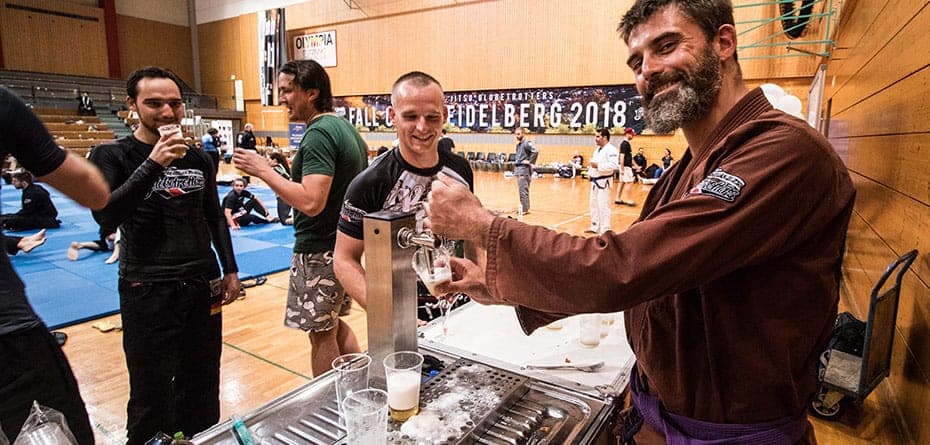
Main photo: BJJ Globetrotters; illustrative archive photograph.
The takeaway
Start with a real reason for thanking the coach, then choose a gesture the recipient can comfortably accept. A specific message is enough; an expensive purchase is optional, and participation in a group collection should be optional, too.
Keep budgets private, respect the academy’s boundaries, and let the recipient respond without an audience requirement. The clearest appreciation says what helped and asks for nothing in return.
Find a room where you feel welcome
Explore BJJ gyms on Let’s Roll and look for a class environment that fits your needs. Thoughtful teaching and ordinary kindness are details worth noticing on a visit.
FAQ
Do I need to buy my BJJ coach a gift? No. A sincere verbal thanks or a short note is enough. A gift should be an optional expression of appreciation, not an expected cost of training.
How much should a group spend on a coach’s gift? Choose a modest plan based on voluntary contributions and the recipient’s preferences. There is no universal appropriate amount, and students should not have to explain what they can afford.
Is a gift after a belt promotion appropriate? Keep any gesture clearly separate from expectations about future promotions or treatment. A simple message about the instruction you appreciated can communicate the thanks without creating an implied exchange.
Should we post the presentation online? Ask the recipient and anyone identifiable before posting. Private notes, children’s images, and contribution details should not be shared automatically because the occasion is positive.

Rafael Moura
Rafael Moura profiles competitors as people with lives outside the bracket. Some of those stories are comebacks. Most are not, and he does not force them.
Related Posts
Competing in gi and no-gi on the same day takes two plans
Prepare for gi and no-gi competition on the same day with separate rule checks, complete outfits, schedule coordination, and a realistic second-bracket plan.
Jiu-jitsu in Montreal: build the visit around a real class
Plan BJJ training in Montreal around confirmed classes, language arrangements, winter travel, visitor policies, and equipment that is ready to use.
BJJ gi pants that fit standing up can still fail on the mat
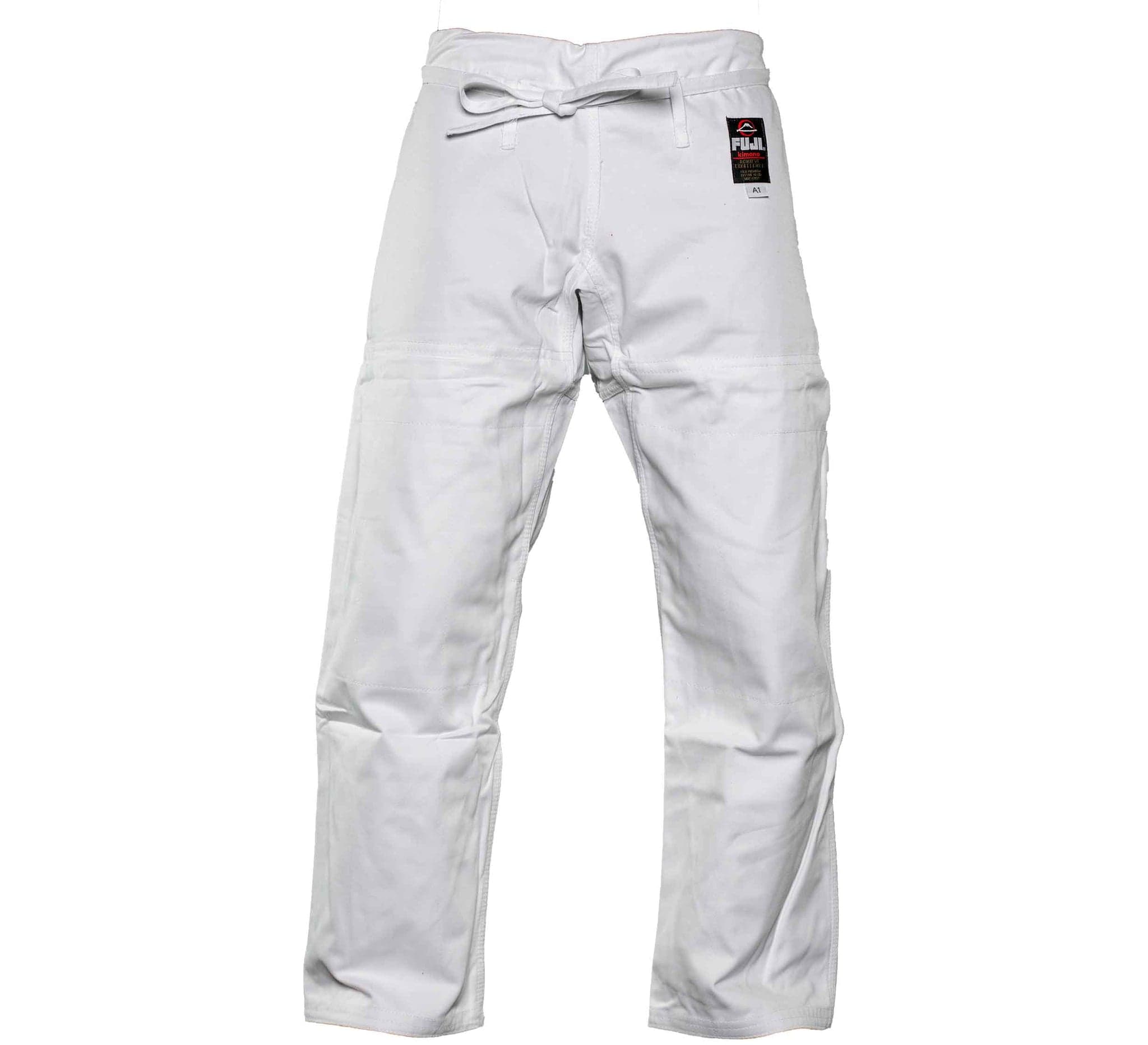
Check BJJ gi pants at the waist, rise, knees, and cuffs so a good-looking size label becomes a uniform you can actually move in.
Comments (0)
Loading comments...