
A BJJ gift card should leave the recipient a real choice
Check the store, currency, delivery, restrictions, and likely extra spending before choosing a BJJ gift card. Avoid turning a present into another bill.
Tess Hanley


Tess Hanley
Tess Hanley reads the rulebooks, the entry fees and the fine print. When a federation or a gym changes something, her first question is who ends up paying for it.
Check the store, currency, delivery, restrictions, and likely extra spending before choosing a BJJ gift card. Avoid turning a present into another bill.

Save the model, order, care instructions, and product photos for BJJ gear. Returns, defects, exchanges, and warranties can use different processes.

Before pausing a BJJ membership, confirm eligibility, notice, billing, training access, and the restart date. A freeze is not a cancellation.

Prepare for the IBJJF weigh-in without borrowing an allowance, guessing about clothing, or treating competition day as a chance to change divisions.

Read IBJJF adult black-belt Worlds eligibility without confusing ranking totals, exemptions, membership, and accepted registration.

American Grappling Federation uses its own formats and scoring details. Read the regular and Challenger options before bringing an IBJJF game plan.

FUJI BJJ has its own division, weigh-in, and technique rules. Build an entry plan from the actual event rather than another organizer’s checklist.

Understand Grappling Industries groups, skill divisions, scoring, and event checks before treating round robin as one guaranteed match count.

See how BJJ tournament withdrawals, refunds, and credits differ. Check the IBJJF deadline and cancel the correct Smoothcomp entry.

Plan the November 7 Kansas City IBJJF Opens with both official schedules, athlete reporting times, and Hy-Vee Arena arrival details.
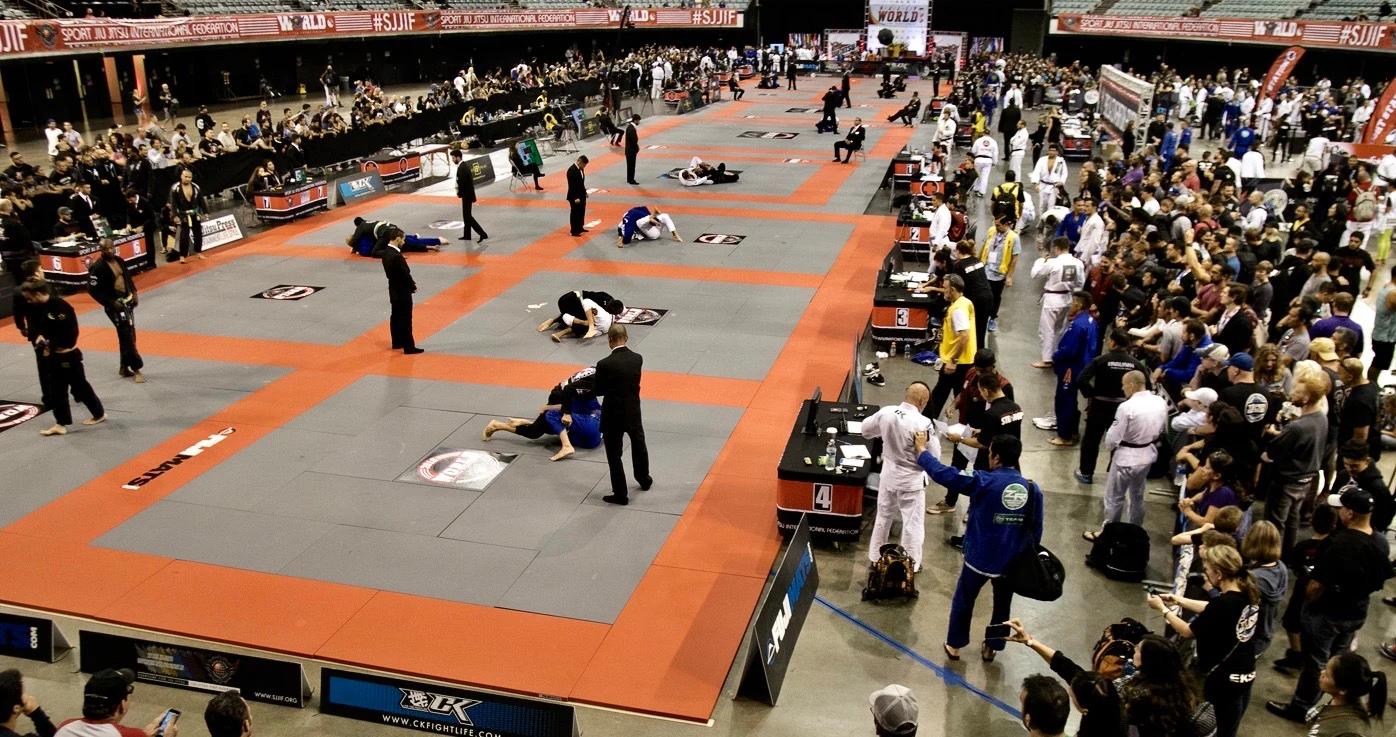
See how standard SJJIF sudden death works, why advantages are absent, and how to practice the restart with a coach.

Check AJP membership, academy status, belt updates, and event entry separately before committing to a competition trip.

A broadcast listing, a highlight, and your exact match replay are different things. Check the event, session, access, and billing before paying.

NAGA’s no-gi format has its own scoring and experience divisions. Read the rulebook before borrowing a plan from another tournament.

A merged BJJ bracket can change weight, age, or experience. Check the organizer’s exact process before treating an extra match as the same entry.

Superfights, Grand Prix, Uprising, and Squads use different clocks and scoring. Read the format before explaining the result.

Read AJP’s exact 2025–26 result quotas, check a worked example, and separate a ranking total from entry, seeding, or travel support.

Capacity can close a tournament before its deadline. Learn what pending registration means and which questions to ask before arranging the trip.

Your profile, academy membership and event registration can hold different team details. Ask the coach, edit the correct record and verify the result.

Buying a gi in different sizes can mean standalone pieces or one mixed-size set. Check the ordering system, fit, care and event requirements.

Before washing or training in a new gi, establish what does not fit and whether your retailer offers an exchange or a return and new order.

Parent passes, child admission, cash-only doors and matside limits: read the ticket terms before taking the family to a BJJ tournament.

The edge isn't an automatic escape. Stabilized positions, unfinished exchanges, submissions, and deliberate exits receive different treatment.

Sleeve openings and no-gi clothing grabs deserve a rules check before competition. Train a permitted replacement with your coach.

The round on your gym timer may differ from your competition match. Check the organizer, age division, belt, and event rules first.

Understand local seeds, ranking positions, team separation, and the organizer’s role before interpreting a BJJ bracket.

Plan a BJJ seminar around the actual lesson, full costs, capacity, booking terms, and named responsibilities before advertising it.

Read IBJJF athlete rankings through category, placing, event weight, and season weight, with a clearly labeled calculation example.
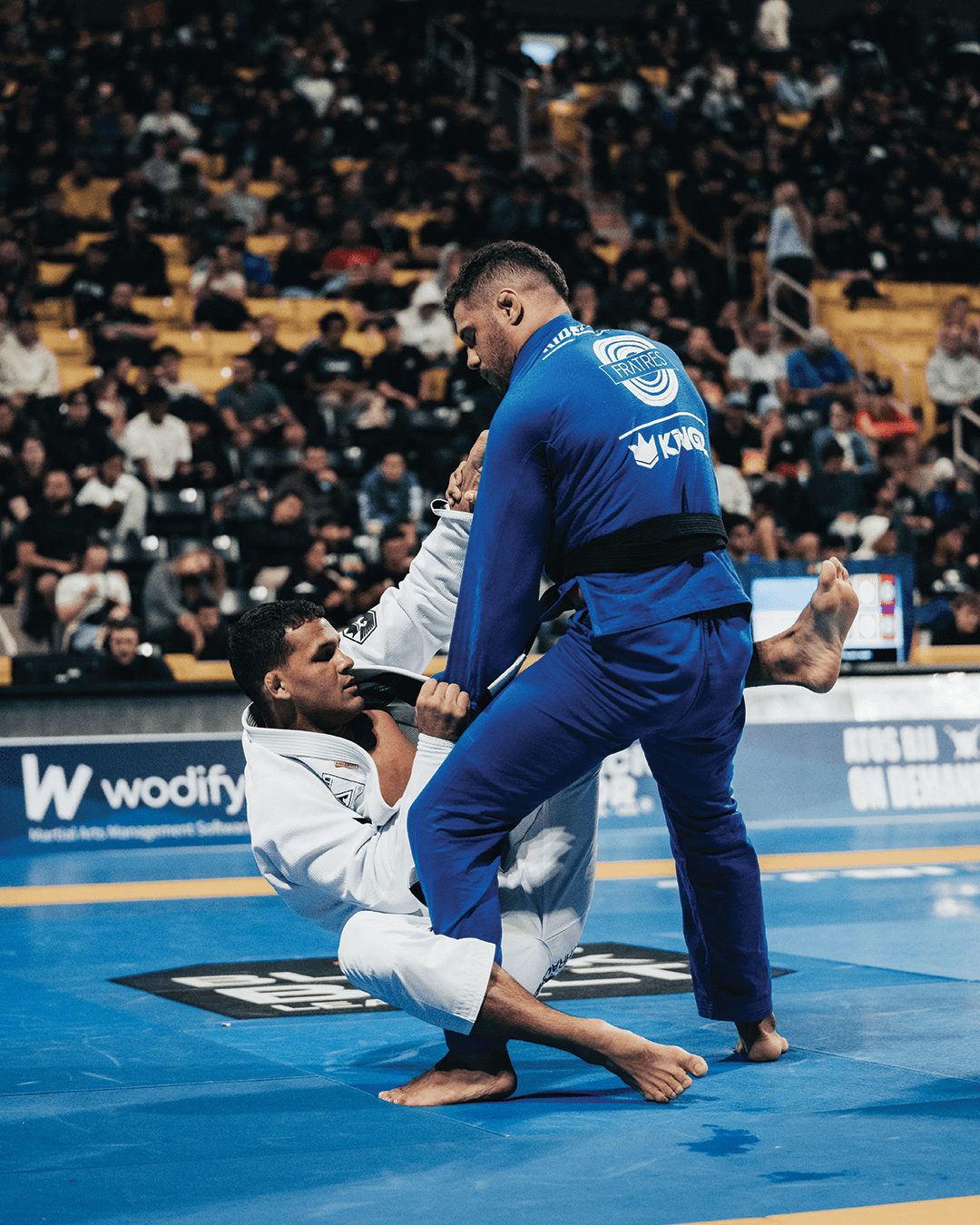
Understand the IBJJF double guard pull, its 20-second countdown, and why coming on top is a different decision under another ruleset.
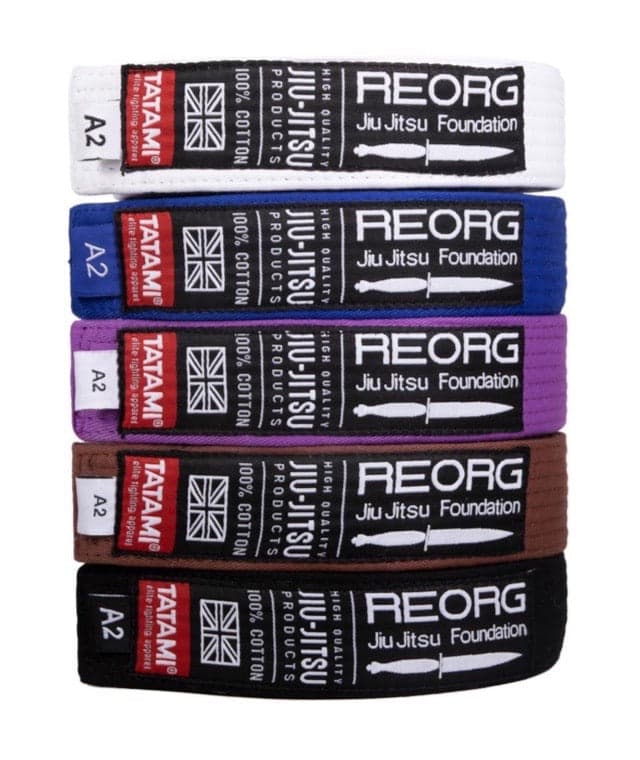
Promotion, membership, and federation certification are different records. Check the task, required documents, and current fees before applying.

BJJ is absent from the LA28 Olympic program. Here is how The World Games, Ne-Waza, and inclusion proposals fit into the actual picture.

Overtime depends on the event and round. Read the duration, scoring phase, and restart procedure before planning the extra minutes.

A clear contribution can help a teammate compete without turning an entry fee into an undefined obligation. Agree on the details first.

UFC BJJ men’s and women’s weight limits, kilogram conversions, title milestones, and how to read official weigh-ins.

The World Pro’s professional dates sit inside a wider November program. Pick the right category, confirm entry, and build the actual trip budget.

Prepare for gi and no-gi competition on the same day with separate rule checks, complete outfits, schedule coordination, and a realistic second-bracket plan.

Know when a waitlist offer becomes a booking, how cancellation rules apply, and how to release a class place you will not use.
IBJJF membership and tournament entry are separate steps. Plan documents, professor approval, renewals, and junior accounts before registration closes.

A practical first-tournament plan for BJJ parents: the child’s choice, suitable divisions, one coaching voice, and room to stop.

Choose a BJJ division by the actual weigh-in rules, clothing requirements, and change deadline, without a last-minute cutting plan.
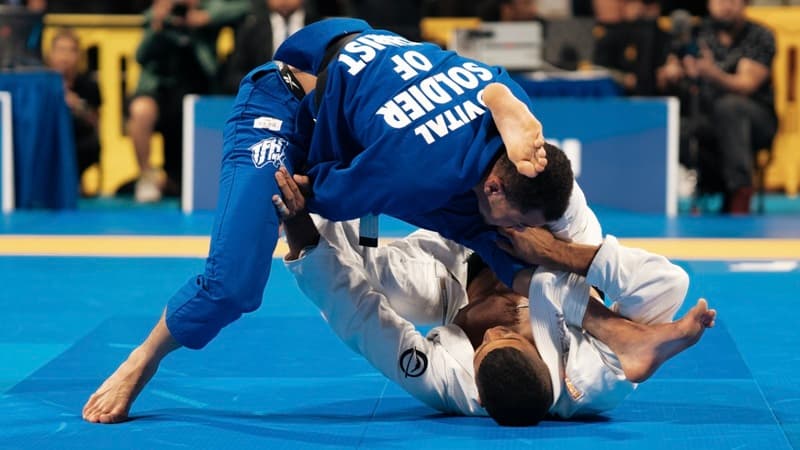
Open weight means a different competitive decision. Check eligibility, scheduling, size differences, and what you want from the extra bracket.
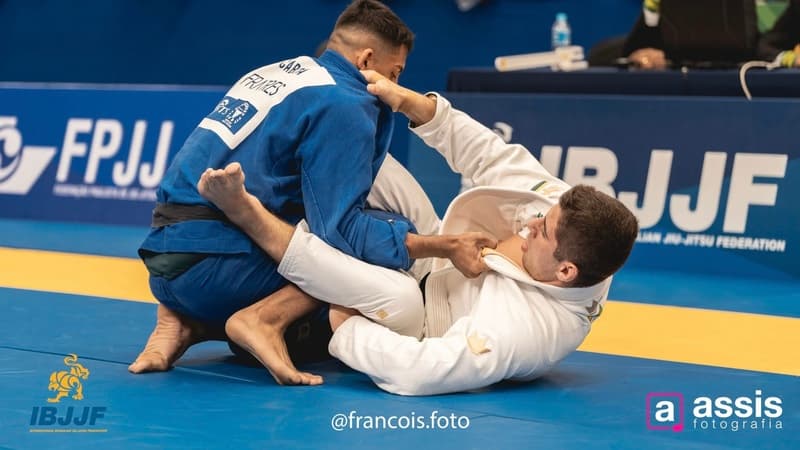
An empty bracket changes your competition plans. Check deadlines, division moves, credits, and the actual matchup before accepting an alternative.
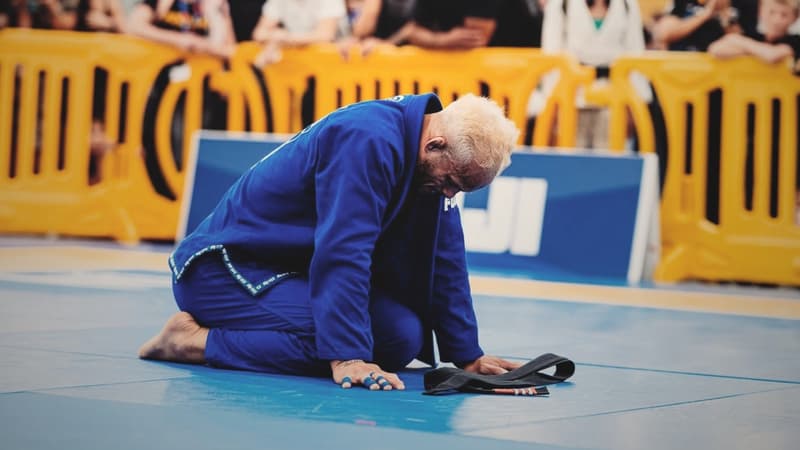
The shared hotel is the easy part. A good tournament trip needs clear deadlines, realistic transport, and an exit plan for the group chat.

Understand round-robin BJJ standings, why head-to-head may not come first, and how to check a result without guessing at the rules.
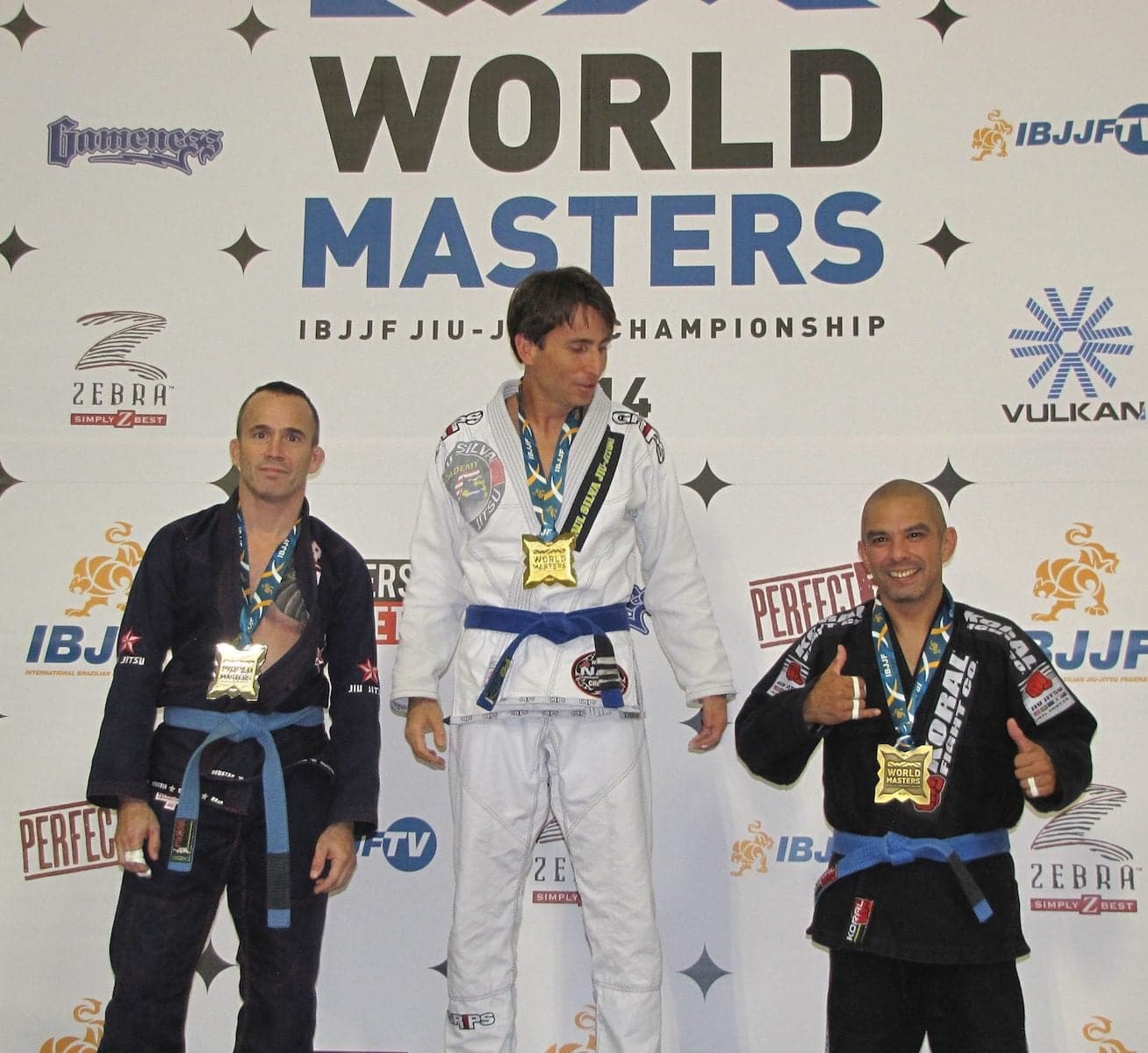
Turn an IBJJF calendar listing into a workable competition plan, with membership checks, correction deadlines, travel decisions, and reminders.
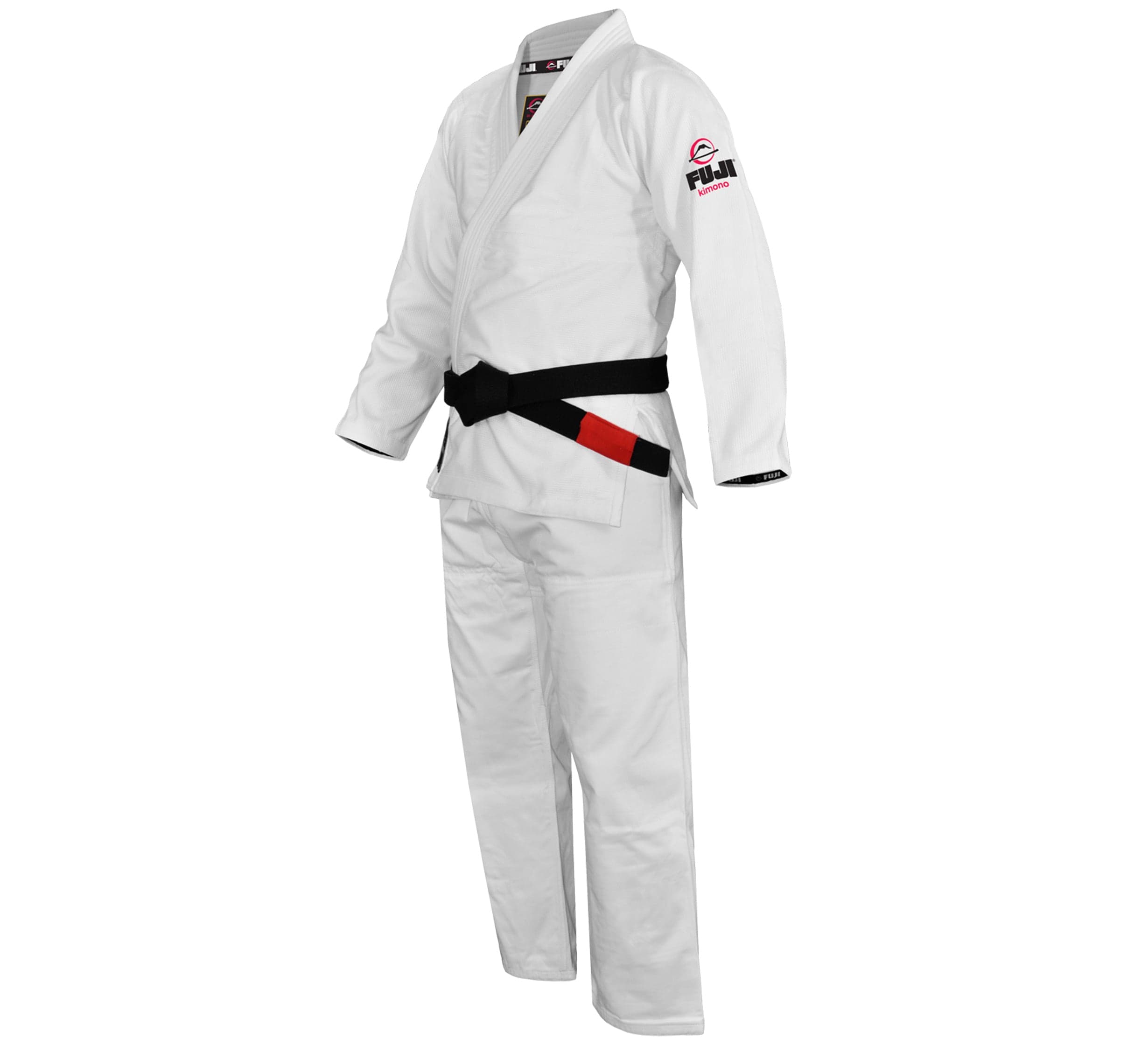
A practical IBJJF gi checklist covering fit, fabric, colors, patches, weigh-in, and the questions to resolve before you pack.
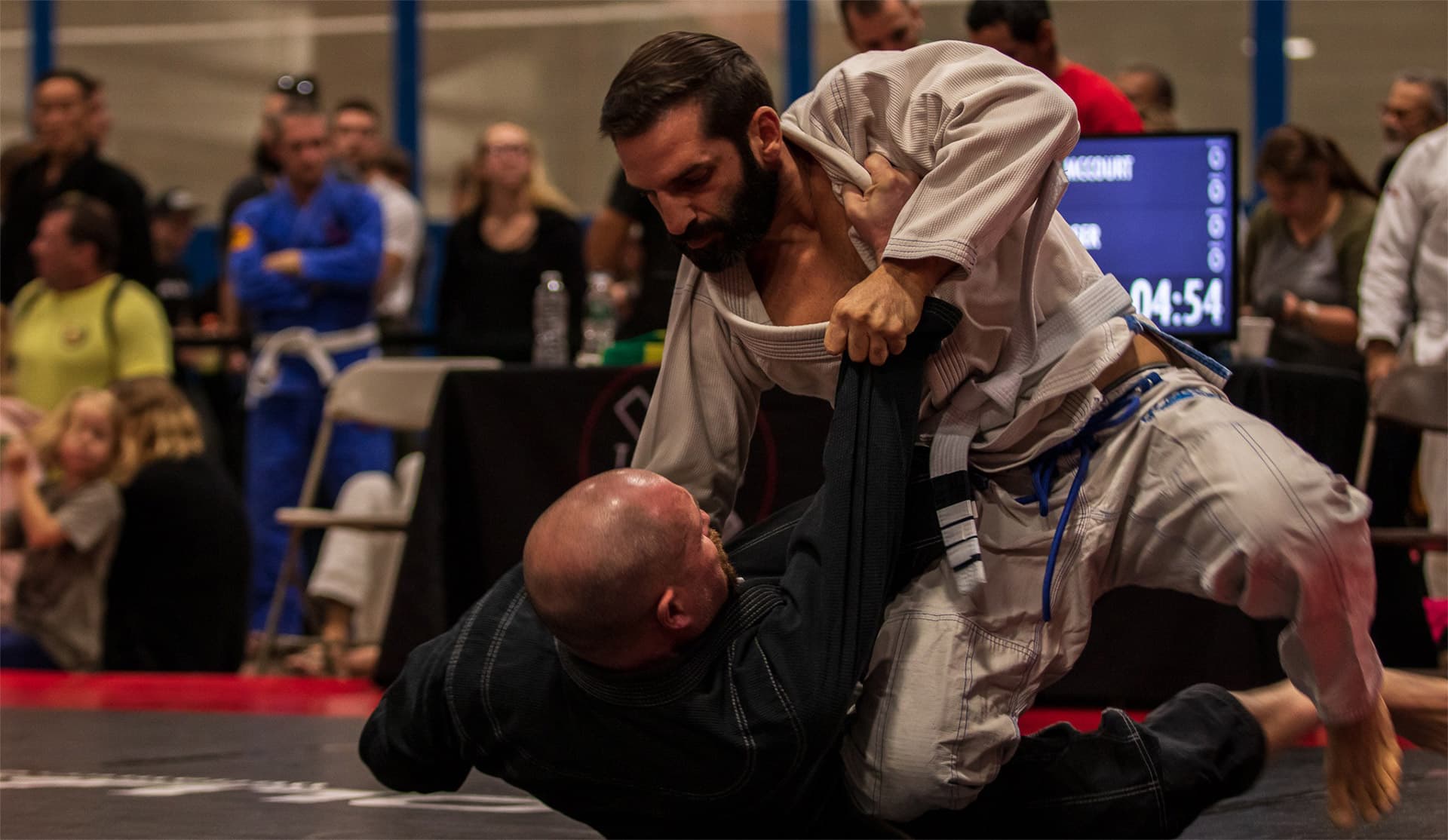
Tap Cancer Out gives a gym team a shared project. A clear purpose, useful roles, and a little organization make the invitation easier to accept.

The class time leaves out travel, supervision and somebody else's plans. Build the family training week around the whole commitment.

Compare BJJ camps using the whole trip: training, accommodation, transport, meals and the practical cost of spending a week away.

Compare UFC BJJ and ADCC clocks, scoring phases, guard pulling, boundaries, and overtime without mixing their formats.

Understand how round-robin groups, elimination brackets, and tiebreakers change your competition day before comparing entry fees.
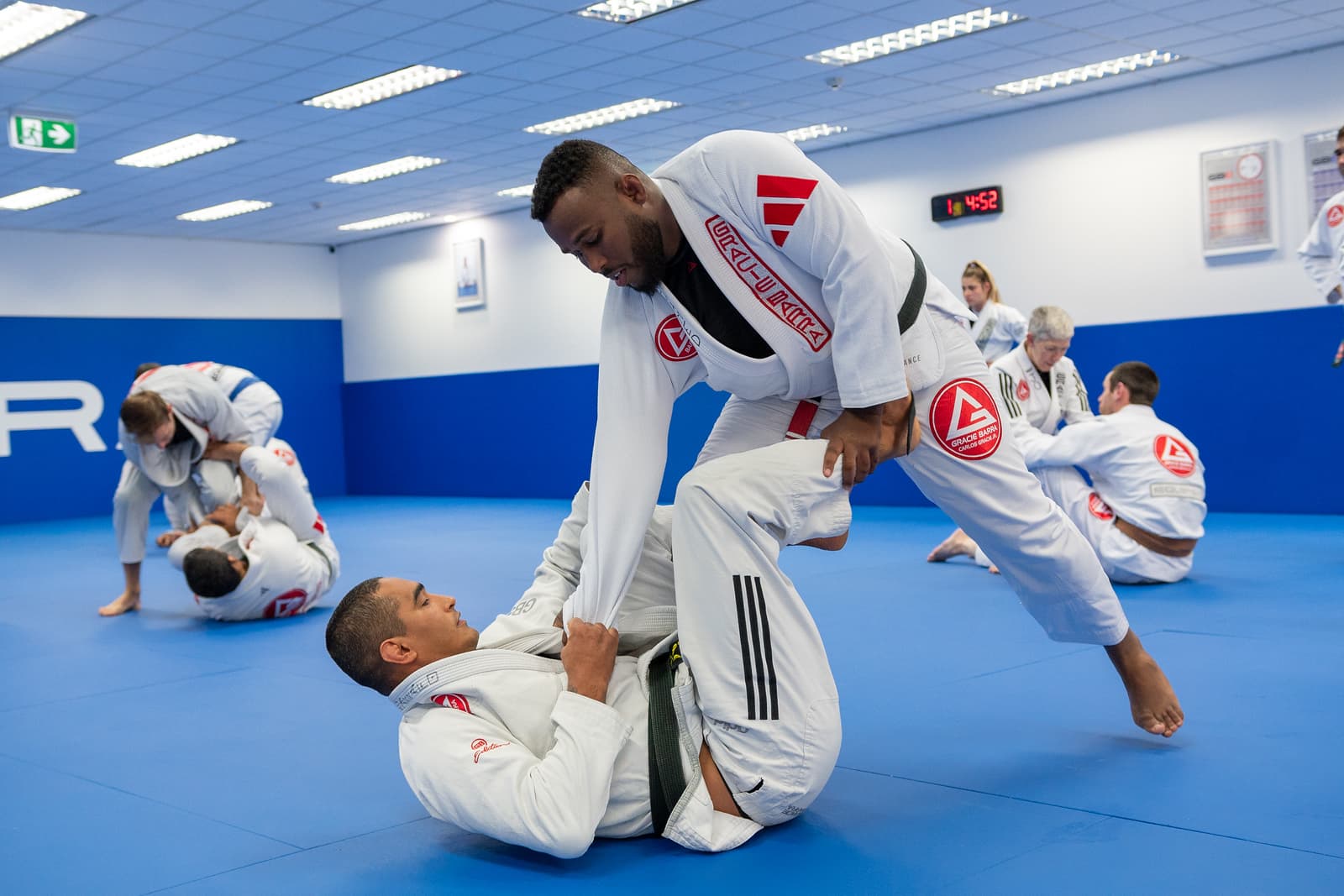
Understand Gracie Barra's adult class levels, entry requirements, and uniform questions before booking the right session at your local school.

A clear guide to UFC BJJ judging, 10-point must scores, effective submission threats, decisions, and championship draws.

ADCC’s published 2026 prize schedule totals $362,000. Read the weight-class, absolute, superfight, and performance-award amounts correctly.

ADCC Worlds and Trials use different weight categories from other ADCC tournaments. Read the exact limits, experience divisions, and event chart.
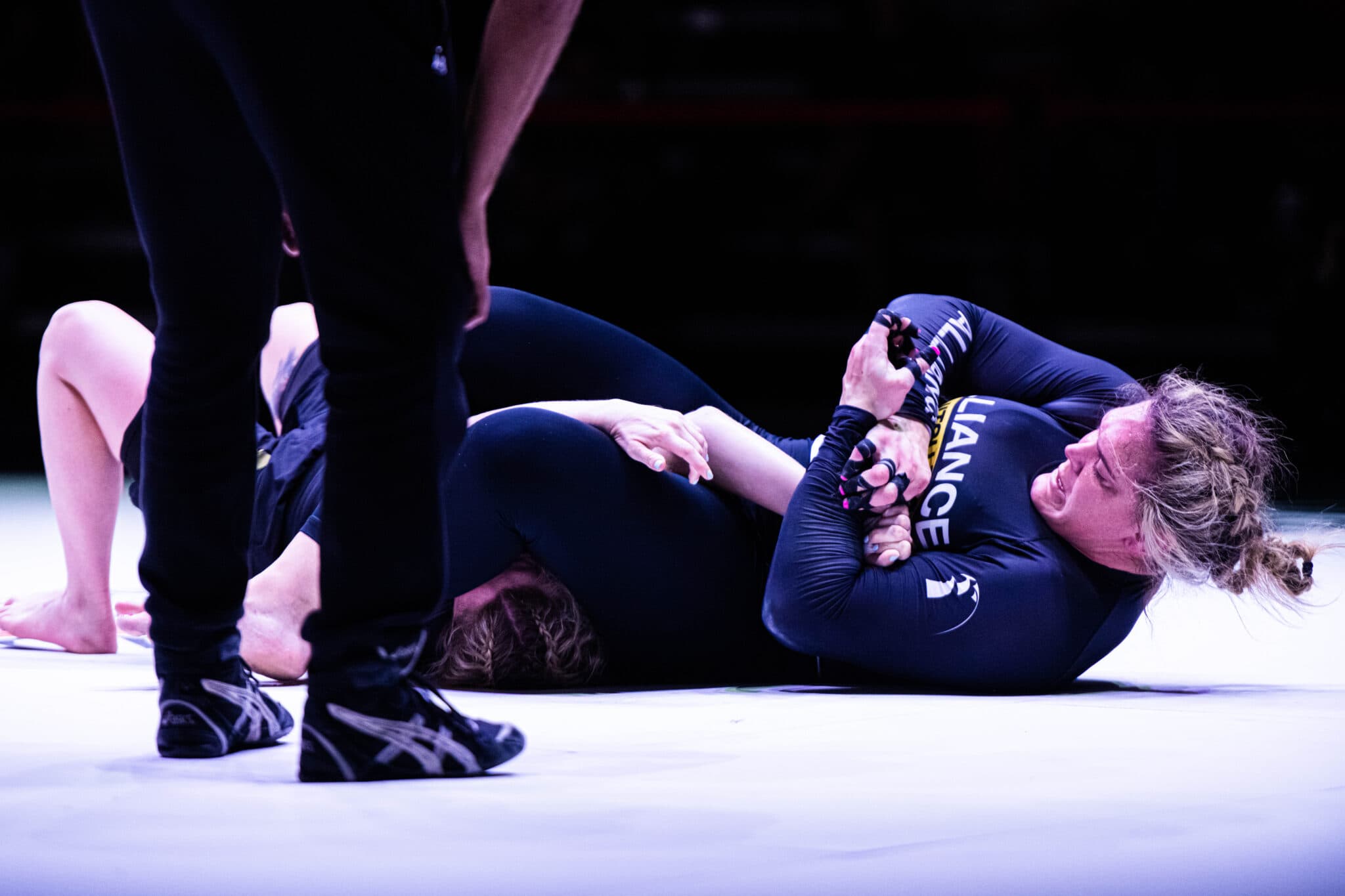
Understand ADCC scoring phases, positional points, negative points, guard pulling, boundary restarts, and overtime.
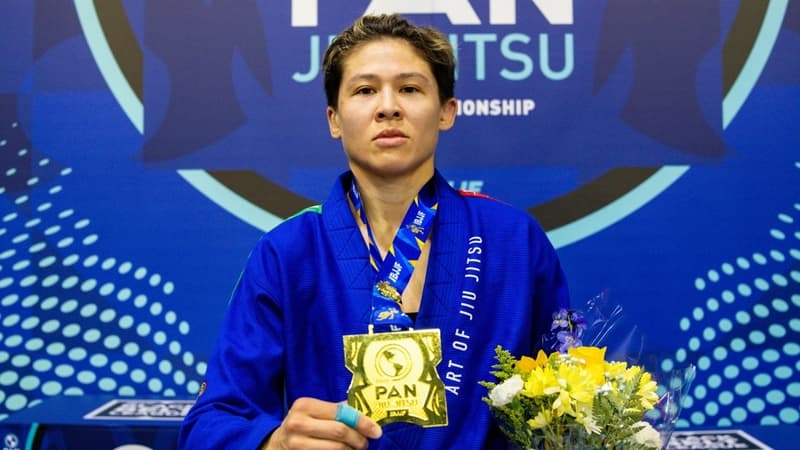
What IBJJF advantages measure, how they resolve equal points, why they are not fractional points, and the near-score situations that need context.
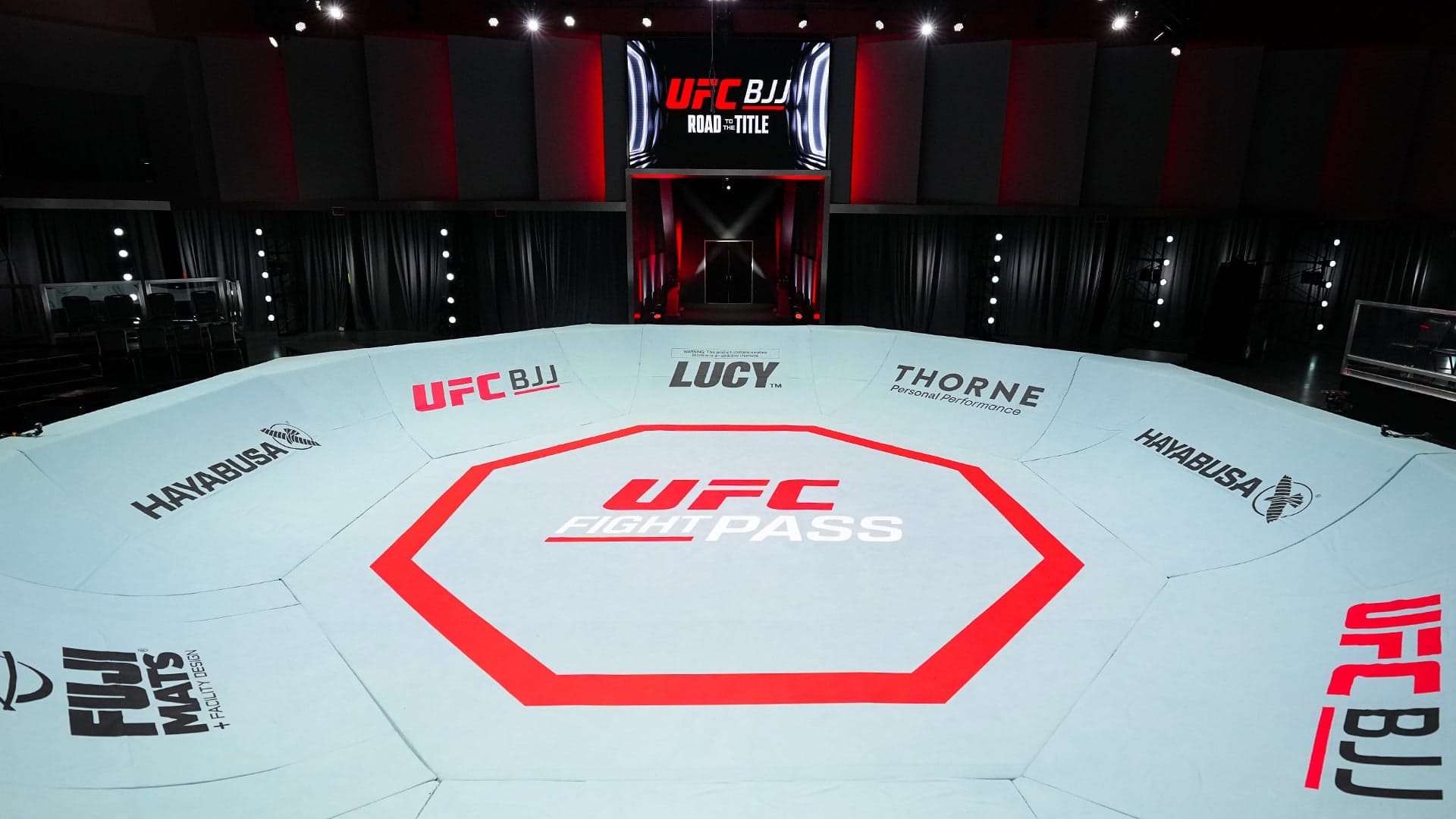
Understand UFC BJJ rounds, judging priorities, guard pulling, illegal actions, and the special championship tiebreak.

A clear BJJ membership starts with the whole agreement: included classes, total cost, renewal, pauses, and the exact process for leaving.
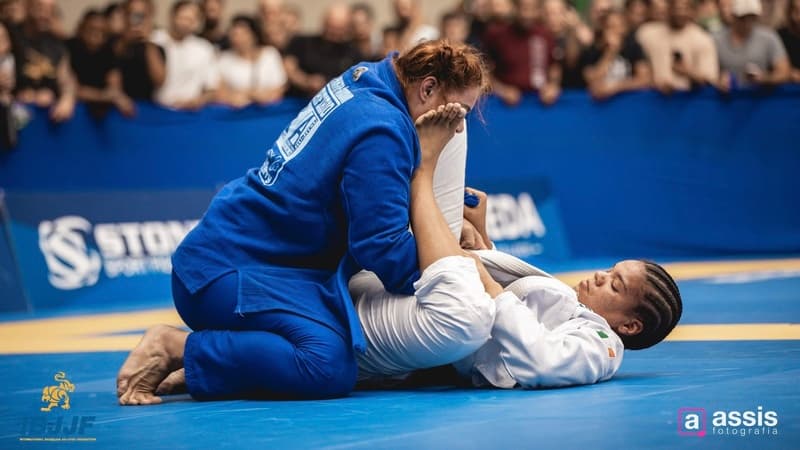
What a bye means, how to read your route through a BJJ bracket, and why an empty first-round slot does not give you a fixed start time.

Separate recurring tuition from optional spending before trying to price the years between your first class and a BJJ black belt.
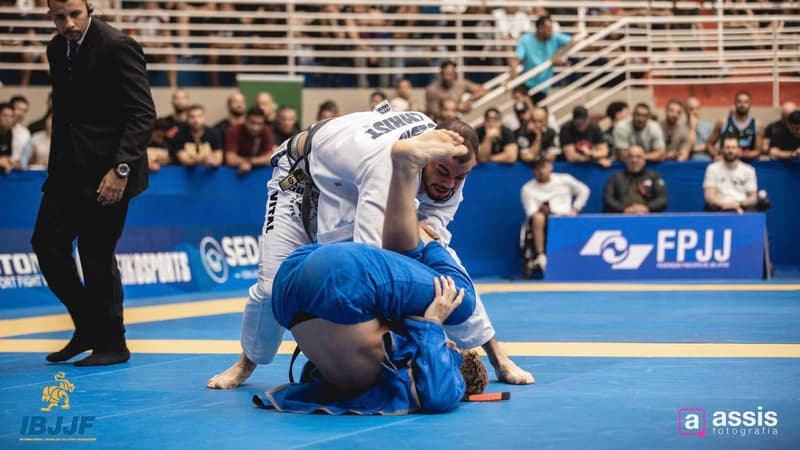
Wrong division on your BJJ entry? Find the correction deadline, use the right process, and verify the change before tournament day.

A family BJJ discount is only part of the decision. Compare schedules, supervision, full costs, and what happens when one member changes plans.
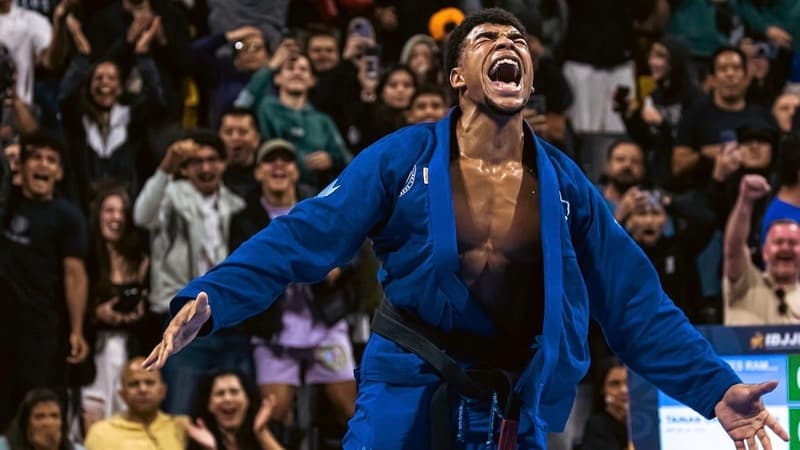
Coach admission, matside access, athlete coverage, and clear corner communication: what to arrange before a BJJ tournament starts.
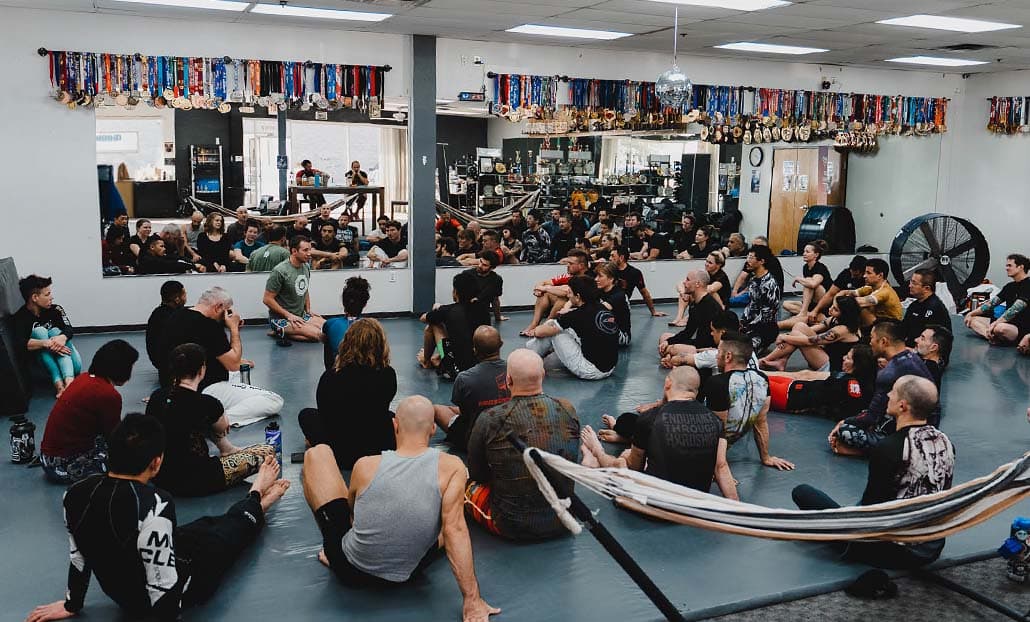
A practical guide to cancelled BJJ seminars: booking contacts, travel arrangements, replacement dates, and clear communication without blame.

Facing a teammate at a BJJ tournament? Settle the bracket policy, coaching plan, and expectations before either athlete reaches the mat.
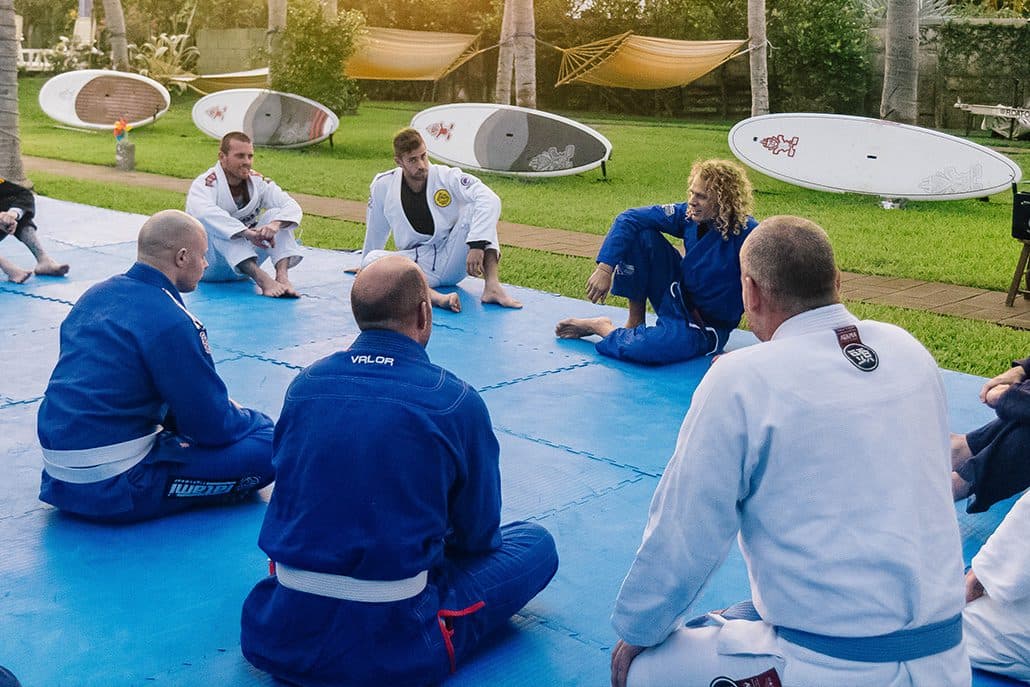
Prize money is only one part of professional BJJ. Understand teaching, seminars, instructionals, sponsorships, and the difference between revenue and income.

Manage changing BJJ match times with a practical plan for arrival, check-in, warm-ups, waiting, and communication with your coach.

A practical guide to handling a possible BJJ scoring error: identify the issue, follow the review policy, and keep the athlete focused.

Prepare for your first no-gi tournament with the right division, legal techniques, uniform checks, and a game plan you have actually practiced.

How to read BJJ team standings without confusing medal totals, event trophies, academy names, and season rankings.

A simple routine for the time between BJJ matches: bracket updates, equipment, clear coaching, and staying ready for the next call.

A practical post-match routine for BJJ: acknowledge your opponent, handle disappointment, and keep concerns separate from confrontation.

Preparing for your second BJJ competition: keep the useful routines, fix one clear problem, and check the new event on its own terms.