

Sponsoring a BJJ teammate: make the support specific
Quick answer: Useful support starts with a specific expense and an agreement the athlete understands. Decide whether the contribution is a gift or whether anything is expected in return, and discuss what happens if plans change. Keep competition results out of the conditions unless you are deliberately negotiating a different arrangement.
A paid entry can be more useful than a vague promise to sponsor someone. It has a purpose, a deadline, and an amount the athlete can actually put into a competition plan.
The word sponsorship can cover very different relationships. A teammate helping with one tournament, a business buying publicity, and a brand negotiating an ongoing agreement should not be treated as the same favor. For a small contribution, clarity keeps the money from creating obligations neither person intended.
Ask what would help before choosing the gift
Start with the athlete's plan, not your preferred version of it. They may have entry covered and need transport. They may have decided not to compete this month. They may appreciate an offer but prefer to keep their finances private. Give them room to answer without having to perform enthusiasm in front of the rest of the gym.
A useful offer can be narrow: you are willing to contribute toward one particular expense, up to an amount you have chosen. Ask whether that fits before purchasing anything. Paying for a competition the athlete has not decided to enter can turn generosity into pressure, especially when the purchase is difficult to undo.
Let the athlete identify the relevant deadline and confirm the actual cost. Do not build the offer around an old entry fee or a teammate's travel bill. Even two people attending the same tournament can have different expenses. A budget becomes helpful when it uses the booking or registration that will actually be made.
If the athlete declines, leave the offer there. Support should make a training relationship easier. Repeatedly asking why someone will not accept can make the next class awkward, particularly if they never wanted to explain a personal financial situation.
Name the relationship before money changes hands
If the contribution is a gift, say so plainly. A gift does not quietly become a loan after an early tournament exit. Nor should an athlete discover afterward that they owe a series of posts, a logo on their clothing, or access to personal information because someone helped them travel.
If publicity is part of the arrangement, discuss it separately and specifically. Which business is involved, where would its name appear, and what work would the athlete be expected to do? An ordinary conversation may be enough to define a modest personal contribution. A commercial agreement with ongoing duties deserves a properly considered written arrangement.
Do not use the warmth of a teammate relationship to rush that conversation. Someone may be comfortable accepting help with an entry and uncomfortable promoting a product. Those are compatible positions. You can revise the offer or decide it is not the arrangement you wanted without making their training membership part of the discussion.
Keep the athlete's coaching decisions separate as well. Contributing money does not make you responsible for their game plan, their weight class, or their choice of future events. If you want a business relationship rather than a personal gift, name that intention early enough for them to evaluate it.
Make the amount easy to understand
Choose an amount you are comfortable giving before asking the athlete to make commitments. The offer should not depend on other teammates joining in or on a future sale you hope to make. If additional contributions arrive later, they can be discussed then. The athlete needs to know what is available now.
A short written note can settle the practical details:
The amount offered and the particular expense it is meant to help cover.
How and when the contribution will be paid, with any agreed publicity stated separately.
What both people will do if the event or the athlete's attendance changes.
For example, an offer to cover a confirmed entry fee is clearer than an offer to cover the whole trip without a limit. If the trip includes accommodation or transport, identify the portion you are contributing rather than letting the athlete guess whether an upgrade, extra night, or companion is included.
Keep a record of the agreed payment. That is ordinary organization, not a request for every detail of someone's finances. Discuss any receipt needed before the purchase. Asking for a new set of documents after the event changes the process the athlete thought they had accepted.
Plan for a trip that may change
An athlete may withdraw, an event may alter its schedule, or a travel booking may become unusable. Decide how you will handle those possibilities before paying. For a small gift, you might agree that any returned funds go back to the contributor. You might instead allow the contribution to be used for a later competition. Either can work when both people understand it.
A third option is to contribute to the athlete's competition budget without attaching the money to one event. That gives them more flexibility, but it should be an intentional choice. Do not describe the money as unrestricted support and then object when they choose a different tournament from the one you had imagined.
Refund rules belong to the organizer or booking provider. Check the current terms on the actual purchase instead of promising that the money can always be recovered. If the agreed contribution cannot comfortably absorb a nonrefundable expense, choose a different kind of support or wait until the plan is firmer.
The tournament directory can help the athlete compare possibilities. It does not replace the organizer's registration terms. Date, division, and eligibility should be settled before someone pays an entry on another person's behalf.
Treat publicity as work rather than gratitude
A thank-you is one thing; creating promotional content is another. If the athlete is expected to produce a photograph, a video, or repeated posts, describe that work before agreeing on the contribution. Otherwise, the sponsor can believe they bought a campaign while the athlete believes they accepted help from a friend.
Keep the request proportionate to the offer. A small contribution should not turn into unlimited access to the athlete's competition day. They may need to warm up, watch their division, or put their phone away. If particular material is part of a commercial arrangement, agree on a realistic way and time to produce it.
Check event clothing rules before ordering branded equipment. The IBJJF uniform requirements, for instance, specify permitted gi patch locations and conditions for no-gi clothing. A logo that fits your design is not automatically acceptable wherever you place it. Other organizers should be checked against their own current rules.
Also ask before posting someone else's photograph or including a teammate in promotional material. Permission to support one athlete does not cover the rest of the room. The cleaner arrangement is one in which the athlete knows what will be public and can separate it from private training or family information.
Leave the result outside the gift
A competitor can train seriously and lose the opening match. They can also win while having a day that feels disappointing for reasons a spectator cannot see. If your contribution is a personal gift, avoid turning the result into a test of whether they deserved it.
That means more than avoiding an explicit demand for gold. Comments about wasted money, public reminders of the contribution, or pressure to enter again can create the same obligation indirectly. Discuss plans before the event; afterward, let the athlete decide how much of the performance they want to talk through with you.
If a business is negotiating performance bonuses or other result-based terms, those terms belong in the agreement from the beginning. They are a different arrangement from a teammate offering help. Do not attach them retrospectively because the first contribution felt smaller than the publicity you hoped to receive.
An ordinary check-in can stay practical. Ask whether the agreed expenses were covered and whether any promised material needs a suitable time to be completed. The coach and athlete can handle the competitive review without the contributor adding a financial judgment to every mistake.
Small help can remain small
You do not need to become an athlete's sponsor for an entire season to be useful. One contribution can stay limited to one expense. That boundary is especially helpful when several teammates compete and you cannot support everyone in the same way. Avoid promising a repeating arrangement simply because the first conversation felt generous.
There are nonfinancial ways to help, too, if the athlete wants them. You might assist with a journey already planned, help organize equipment, or offer training rounds at an agreed time. Ask what is welcome and make a commitment you can keep. Do not assume that unsolicited coaching from the spectator seats counts as support.
Keep any group collection clear about its purpose and who is managing it. Contributors should know what they are contributing toward; the athlete should know what will be shared about them. A public collection is not the right answer for every person, even when the room means well.
After the event, close the arrangement. Settle the agreed payment details and any publicity, then stop treating the contribution as an unfinished favor. The next training session should be about training, not a permanent account of who helped whom get to a tournament.
Main photo: BJJ Globetrotters; illustrative archive photo, photographer not identified.
The takeaway
Make the offer specific enough that the athlete can accept or decline it without guessing at the obligations. Agree on the amount, its purpose, any publicity, and what happens if the plan changes. That small amount of organization protects both the contribution and the relationship around it.
Personal support does not need to buy a result. Choose help you can comfortably give, let the athlete make their own competitive decisions, and finish the arrangement once its agreed purpose has been met.
Keep track of the next event
Browse upcoming competitions on Let's Roll, then check the chosen organizer's current entry details before making a contribution.
FAQ
How much should I contribute to a BJJ teammate? Choose an amount you can comfortably give and connect it to an expense the athlete wants help covering. There is no required minimum or obligation to cover the whole trip.
Should a sponsored athlete post about the contribution? Only if that expectation was discussed and agreed. A personal gift should not acquire promotional duties after the money has changed hands.
What happens if the athlete cannot attend the tournament? Follow the arrangement made before payment, taking account of the actual purchase's refund terms. You can agree to return recovered money or put the contribution toward a later event.
Can a sponsor's logo go anywhere on competition clothing? Check the organizer's current uniform rules before ordering or modifying equipment. Patch locations and clothing requirements can limit where a design is permitted.

Tess Hanley
Tess Hanley reads the rulebooks, the entry fees and the fine print. When a federation or a gym changes something, her first question is who ends up paying for it.
Related Posts

Caio Terra: the small division with a long history
The 2013 roosterweight title, the no-gi record, and the people keeping Caio Terra’s training and teaching work moving.

Your BJJ gym is moving: check more than the new address
A relocation changes more than the address. Confirm the timetable, route, entrance, and membership details before rebuilding your training week.
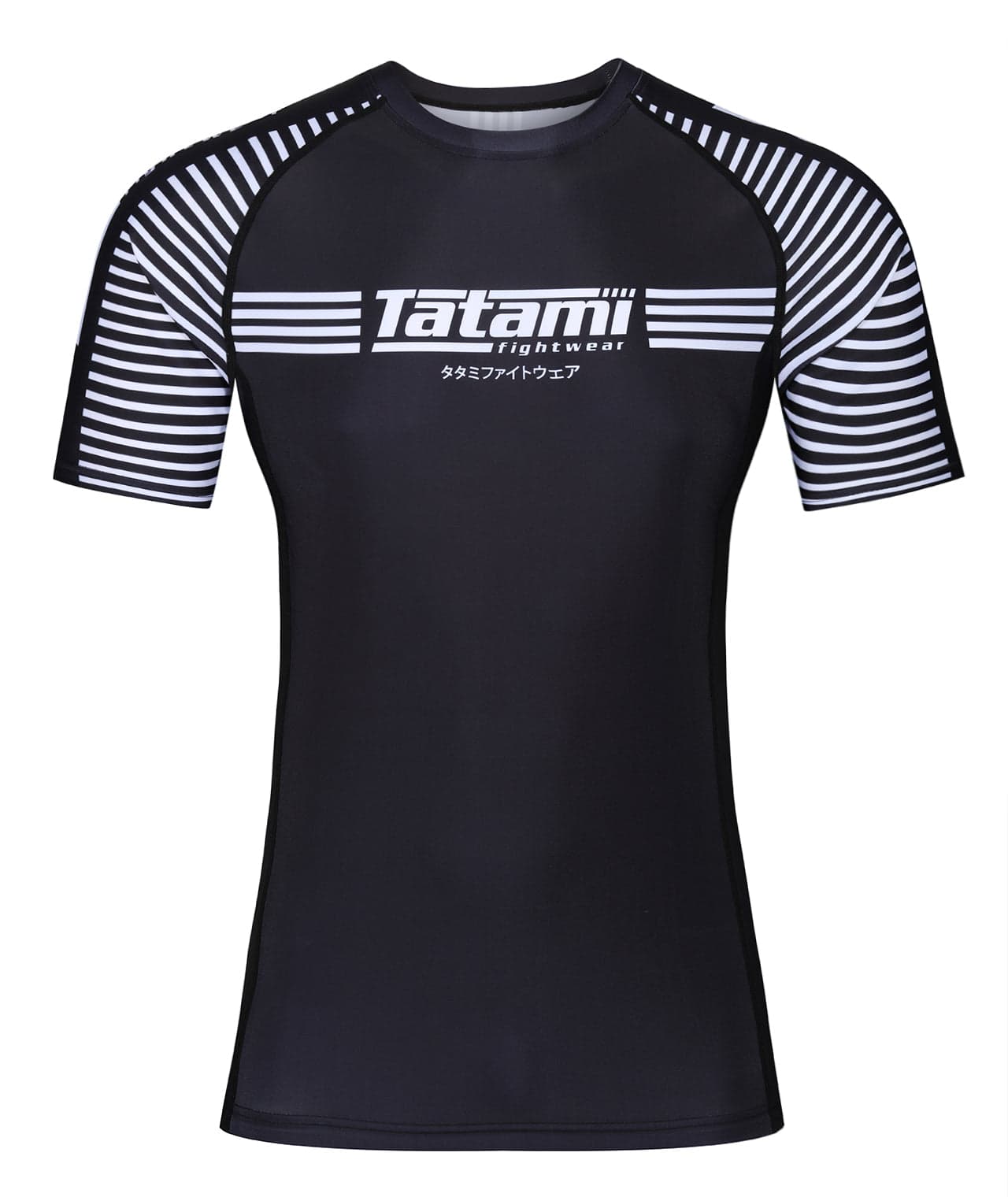
Ranked rashguards: the color means more at some events
A rank color can be an event requirement, a gym policy, or a shopping label. Check the setting before buying the shirt.
Comments (0)
Loading comments...