

Polaris rules: the format changes what you are watching
Quick answer: Polaris has several rulesets, so the format belongs beside the event name. Its published pages distinguish judged superfights, Grand Prix brackets, Uprising points matches, and Squads team competition. Before interpreting a score or a decision, identify which page applies to the match you are watching.
One Polaris rules page awards a point for a guard pass. Another describes a ten-point-must round. Both can be correct. The mistake is assuming the promotion's name tells you everything about the contest.
That makes Polaris an interesting place to learn how rules shape a viewing experience. A position can look familiar while the reason to pursue it changes. Understanding that difference is more rewarding than spending the whole match waiting for an IBJJF scoreboard that is never going to appear.
Put the format before the highlights
The official Polaris rules index links separate pages for the Open, superfights, Grand Prix, Squads, and Uprising. Start there when a broadcast or replay gives you only a short label. A clip often removes exactly the information that makes the action intelligible: the stage of the event, the clock, and the method of deciding a winner. Keep the moments before the exchange in view as well. An official announcement or a camera shot of the event graphic may answer a question that the action itself cannot.
For a particular card, read the event's own instructions and announcements as well. A general page can explain a format without proving that every historical edition used the current wording. This overview describes the pages checked for this article, rather than rewriting the rules of an old result.
I would write the format at the top of any viewing note. Otherwise, a useful observation such as a guard pass gets mixed up with an unsupported conclusion about what it must have earned. You can recognize a good exchange before you know its official value.
A superfight round has its own argument
The published superfight rules specify three five-minute rounds for the main card and ten-point-must judging. The preliminary format is listed separately as two five-minute rounds, with a three-minute overtime when those rounds are equal. Do not carry the main-card scoring description into every preliminary bout.
For the judged main-card rounds, the page emphasizes effective attacks, advancing control, counters, and dynamic escapes, while treating passivity and fouls negatively. That gives the viewer more to examine than who occupied the top position at the end.
A useful original viewing exercise is to finish one round with two short descriptions: the clearest attacking sequence for each athlete. State what happened and what response it required. If one description contains a real positional change and the other contains only your impression of confidence, the descriptions need more work before they can support a comparison.
This does not turn your notes into an official scorecard. It makes a disagreement with the result specific enough to discuss.
The Grand Prix changes between the bracket and final
The Grand Prix page lists bracket matches as two five-minute rounds, with a three-minute overtime when the rounds are equal. The final is three five-minute rounds without overtime. The stage of the tournament therefore changes the structure of the contest.
That difference matters when a replay stops and a new clock appears. First establish whether you have reached another regulation round or an overtime. A running total of memorable exchanges is less useful if the next segment is judged on its own terms.
Imagine a bracket match with one official round awarded to each athlete. The equal official round count meets the published condition for the extension. It is not evidence that the first athlete should carry a private reserve of credit into the extension.
Look for the announcement, the reset of the clock, and the event's description of the segment. If the clip cuts those away, leave the segment unidentified rather than filling the gap from memory of a different tournament.
Uprising gives familiar positions different values
The Uprising rules specify seven-minute matches, with victory by submission, points, or a referee decision when tied. They list one point apiece for takedowns, passes, back control, mount, and sweeps. The same page supplies the qualifying details; a position's name alone is not a completed scoring event.
For someone used to another points system, the practical adjustment is to read the displayed score without silently translating it. The numbers belong to this contest. A pass and mount do not need to produce the familiar total from a different federation to be recorded correctly here.
Suppose you are reviewing a sequence that appears to contain a pass followed by mount. Write those observations separately, then compare the referee's indications with the actual conditions in the rules. Do not turn the two visual labels into an automatic award. Control, timing, and what the official recognized still need attention.
This is also a good reason to retain the seconds before a highlight. The finishing frame may show a position beautifully while hiding how the athlete arrived there.
Squads puts the individual result inside a team score
The Squads page describes teams of six, two 45-minute halves, and individual matches of up to five minutes in a winner-stays-on structure. It awards one team point for a decision, two for a submission, and three when an athlete from the lighter listed category submits someone from the heavier category.
Follow both the individual outcome and the team total. The same athlete appearing again can be expected here.
An original calculation: two ordinary submission wins produce four team points; three decision wins produce three. This comparison assumes only those results, with no other interventions.
Check the actual event's categories and selection rules before predicting the next athlete.
Keep observations separate from awards
The quickest way to make a replay confusing is to narrate everything as a result. Someone reaches the back, therefore they have scored. Someone catches an arm, therefore they have won the exchange. Someone looks tired, therefore their earlier work stops mattering. Each sentence has jumped beyond what the picture alone establishes.
Try three separate lines in your notes:
The visible action, described without a score attached.
The official indication or announced result you can actually identify.
The relevant format and the rule that explains the connection.
If the middle line is missing, say so. You can still study how a guard was passed or how an athlete recovered position. You simply have less evidence for an argument about the score.
An original viewing note could begin: video 06:14, match clock obscured, athlete in blue moves beside the torso; the replay ends before the next scoreboard shot. Save that gap with the clip. On a second viewing, check the missing segment before changing the observation into a scoring claim.
The match-watching guide develops that observation habit through worked examples. It is useful even when you already know the athletes, because familiarity can make a guessed explanation feel unusually persuasive.
Compare formats through one question at a time
A broad claim that one format rewards action better than another needs a definition of action. A sweep that changes top position, an escape from a serious attack, and a long exchange that returns to the same place are different things to watch. Calling all three exciting does not settle how a contest should judge them.
Choose one narrower question. Does the format award a discrete positional score? Does it judge a round? Does the individual outcome add a particular value to a team total? Answer that before discussing an athlete's strategy.
For example, you can compare what a non-submission win means in Uprising and Squads without claiming the two formats produce identical behaviour. One concerns the result of a points match; the other also contributes a specified team value. That is a concrete comparison with a useful limit.
The tournament-format guide explains how bracket paths create another layer of difference. A route through an event and the rules within a match are separate parts of the viewing problem.
The takeaway
Polaris becomes easier to follow when you attach the format to every explanation. Begin with the applicable rules page, identify the clock you are watching, and separate a visible position from an official award or decision.
There is plenty to argue about after that work. At least the argument will concern the actual contest rather than a remembered ruleset from somewhere else. That is a better starting point for enjoying the next round.
Find your next event
Browse the tournament directory, then read the organizer's actual entry details and rules for the event that interests you.
FAQ
Does Polaris always use ten-point-must scoring? No. Its published format pages describe different methods. The main-card superfight page uses ten-point-must rounds, while Uprising publishes a positional points system and Squads adds team scoring.
Are Grand Prix matches and finals the same length? The current page distinguishes two five-minute bracket rounds with possible overtime from a three-round final without overtime. Check the actual edition and match stage before applying that structure to a replay.
Why does a Squads winner stay on the mat? Winner-stays-on is part of the published team format. The team's running total and the remaining half are additional context beyond the individual result.
Can I work out a decision from a short highlight? You may be missing much of the round, official interventions, and even the format label. Study the visible exchange, but obtain the full contest before treating the clip as a complete judging record.

Tess Hanley
Tess Hanley reads the rulebooks, the entry fees and the fine print. When a federation or a gym changes something, her first question is who ends up paying for it.
Related Posts
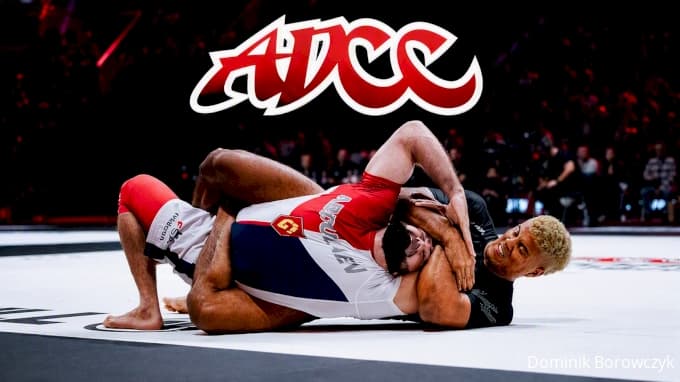
ADCC 2026 results: the stories that survived the predictions
ADCC 2026 results from Krakow: Jaworski, Maciel, Crevar, Pena, the women's champions, and the superfight outcome, with official podiums and match context.
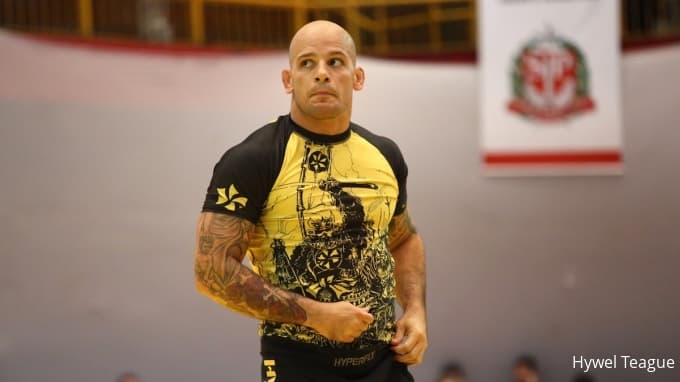
Xande Ribeiro: from absolute titles to the masters mat
Explore Xande Ribeiro's absolute Worlds victories, two ADCC titles, Six Blades, and the distinction between his 2022 Worlds farewell and later masters gold.
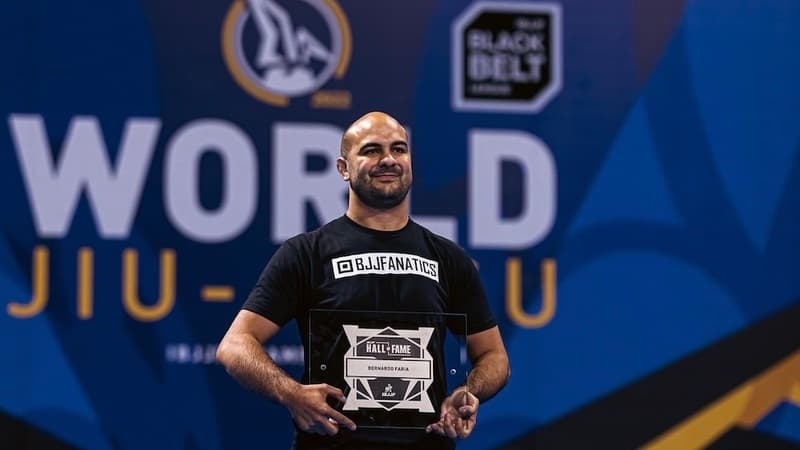
Bernardo Faria: the champion who kept asking questions
Follow Bernardo Faria from Juiz de Fora and Alliance to the 2015 Worlds and BJJ Fanatics, with context on his competition game and move into teaching.
Comments (0)
Loading comments...