

BJJ overtime: check what changes after the clock runs out
Quick answer: Overtime depends on the event, division, and round; it is not a universal extra period used by every BJJ tournament. ADCC publishes different durations for Worlds, Trials, and Open events. Read the winning conditions and scoring phase as well as the number of minutes, then prepare for the version attached to your own match.
A tied scoreboard at the horn does not tell you what happens next. The referee may be preparing an extra period, or the result may need to be determined through the event's judging procedure.
That distinction belongs in preparation before competition day. Learning it after a close match ends leaves the athlete and coach trying to understand the next task while someone is already telling them where to stand. Find the rule, identify the round, and keep the overtime conditions beside the regulation conditions.
Name the format before planning the extra minutes
Start with the exact competition. A tournament can borrow a familiar word without adopting every condition from another promotion. A local event described as submission-only or ADCC-style still needs its own published explanation of time limits and how a tied contest is resolved.
Ask which document governs your division. The answer may depend on age, experience, or the stage of the bracket. A professional final you watched online may be a poor model for an opening match at the event you entered.
Keep the rule in the same place as your registration confirmation. The coach and athlete should be reading the same version. If a detail remains unclear, ask the organizer before building a training plan around a guess.
For broader comparisons, the tournament-format guide gives a starting point. Overtime is one part of that choice. The meaningful comparison includes the regulation task, the transition at the horn, and the condition that finally establishes a winner.
ADCC Worlds publishes a longer overtime arrangement
The official ADCC championship rules list ten-minute World Championship qualifying rounds with five minutes of overtime and a maximum of one extra period. Finals, absolute finals, and the superfight are listed at twenty minutes with ten-minute overtime periods and a maximum of two.
Those are the organizer's published World Championship limits checked on October 14, 2026. Keep them attached to that category of event. They should not become the assumed duration of every competition carrying the ADCC name.
A longer listed limit changes the planning question. The athlete may need to continue making decisions beyond the time at which an ordinary practice round ends. The coach can choose appropriate preparation without requiring every training session to become a recreation of the maximum possible contest.
For a viewer, keep the phase visible when comparing exchanges. An attack during regulation and a similar-looking attack later may occur with different remaining time and a different immediate objective. The position can look familiar while the clock gives the decision a new context.
Trials and Open events have their own listed limits
The same ADCC rules page lists six-minute qualifying matches with three-minute overtime for Trials and National/Open championships. Their finals are listed at eight minutes with four-minute overtime, with a maximum of one extra period in each of those cases.
This is why the event category matters before the athlete memorizes a number. A Trials finalist should not prepare the schedule from a Worlds superfight merely because both are discussed in the same conversation about no-gi grappling.
Also confirm the particular division's rules. The organizer may provide separate information for experience categories, ages, or event-specific conditions. Read the document that actually applies to the entry rather than treating the most prestigious example as the default.
For a team traveling together, compare each person's event and division before organizing practice or coaching coverage. A shared trip can contain different match tasks. One teammate's time limit should not silently become everybody else's preparation plan.
Scoring can change before overtime arrives
ADCC's published rules distinguish the initial regulation phase from the later scoring phase. They also state that positive and negative points operate in overtime. An athlete needs to understand those conditions alongside the length of the contest.
The immediate consequence is practical: a move that changes the position needs to be considered within the current phase. Waiting for another scoring condition or treating an extra period as free of penalties can produce a mistaken picture of the task.
Ask the coach to connect the rule to a position you already use. What is the intended result of reaching it under this format? What response could make the decision costly? The useful answer should stay close to the rules and the actual exchange, instead of becoming a slogan about being more aggressive.
The ADCC explainer provides wider context. For your event, keep the current organizer's instruction available. A familiar technique does not tell you whether the scoring system values its outcome in the way another tournament did.
Know the procedure at the horn
Check how the event transitions into overtime. Does the referee restart the athletes immediately? Is there an interval? Where and in what arrangement do they begin? Those details need the organizer's answer rather than a remembered sequence from a different broadcast.
If the instruction is unclear during the match, ask the referee through the permitted process. Avoid solving it by imitating the other athlete before understanding what you have been told to do. A coach's useful contribution is a clear instruction consistent with the event's rules.
This also applies when the score shown on a screen appears tied but the format includes other decision criteria. The main number alone may not contain everything relevant to the result. A spectator can be excited or puzzled without having enough information to declare that the official procedure has been ignored.
If there is a suspected recording mistake, use the organizer's appropriate channel. The scoreboard guide covers that situation. Understanding overtime does not give athletes permission to turn a mat-edge question into an argument that delays the rest of the bracket.
Prepare a decision task rather than only a longer timer
Ask your coach how extra time should fit the training plan. Simply extending every round can add minutes without teaching the decision you expect to face. The relevant practice may be narrower: a particular score situation, a defined starting position, or a task tied to the event's current rules.
Use a proposed planning check:
Establish the event, division, and round being modeled.
State the score or winning condition at the start of the exercise.
Choose the permitted responses and an agreed stopping point.
Ask what observation will make the practice useful to review afterward.
The coach should set a suitable pace and workload for the people involved. This is a framework for a discussion, not a required training prescription or a claim that the longest listed match should be performed at full intensity every week.
Keep partner agreement part of the exercise. A person expecting an ordinary five-minute roll has not automatically agreed to several extra periods because you are preparing for a tournament. Explain the task beforehand and accept that another partner may have a different purpose for the session.
Watch the tied contest as a complete sequence
For spectators, the most interesting overtime question often begins before the extra period. How did the match reach that point? Was an attack defended, a scoring opportunity missed, or a position retained until the clock ended? Find those exchanges before treating overtime as a separate miniature match with no history.
Then follow one decision through the new phase. Notice the starting arrangement, the remaining time, and the next available connection. A replay that begins only at the final submission may hide the change that gave the attack room to develop.
Keep the opponent's work in the explanation. A defended threat can shape the next entry even if the defending athlete eventually loses. The final result gives one athlete the win; it does not erase the exchanges that made the ending difficult to reach.
Avoid taking one format's exciting finish as proof that every tournament needs the same procedure. Different events ask competitors to solve different tasks. You can enjoy the sequence and describe it accurately without making a universal judgment about which kind of overtime is best.
Main photo: BJJ Globetrotters; illustrative archive photograph, photographer not identified.
The takeaway
Read the extra-period rules with the event, division, and round attached. ADCC's published durations differ between Worlds and Trials/Open events, and scoring conditions matter alongside the clock. Resolve the transition procedure before you need to act on it.
Prepare with a coach around a specific decision task, with partners who understand the exercise. When watching a tied match, include the regulation exchanges that produced the tie. The overtime becomes easier to understand when its starting conditions and earlier work stay visible.
Compare competition formats before entering
Browse events on Let's Roll, then check the chosen organizer's current time limits, scoring, and tie-resolution rules for your division.
FAQ
Does every BJJ match use overtime when the score is tied? No universal overtime rule applies across the sport. Check how the chosen organizer resolves a tie in your particular division and round.
Is ADCC overtime the same at Worlds and Trials? No. The official rules publish different durations and limits for those event categories. Use the current document for the event you entered.
Does a tied scoreboard guarantee another period? Check the complete result procedure. The visible score may not contain every applicable criterion, and some formats determine the outcome without an overtime period.
Should I make every practice round longer to prepare? Ask your coach to choose suitable work for the event and your circumstances. A defined positional or score-based exercise can address a particular decision without extending every session to the maximum possible match length.

Tess Hanley
Tess Hanley reads the rulebooks, the entry fees and the fine print. When a federation or a gym changes something, her first question is who ends up paying for it.
Related Posts
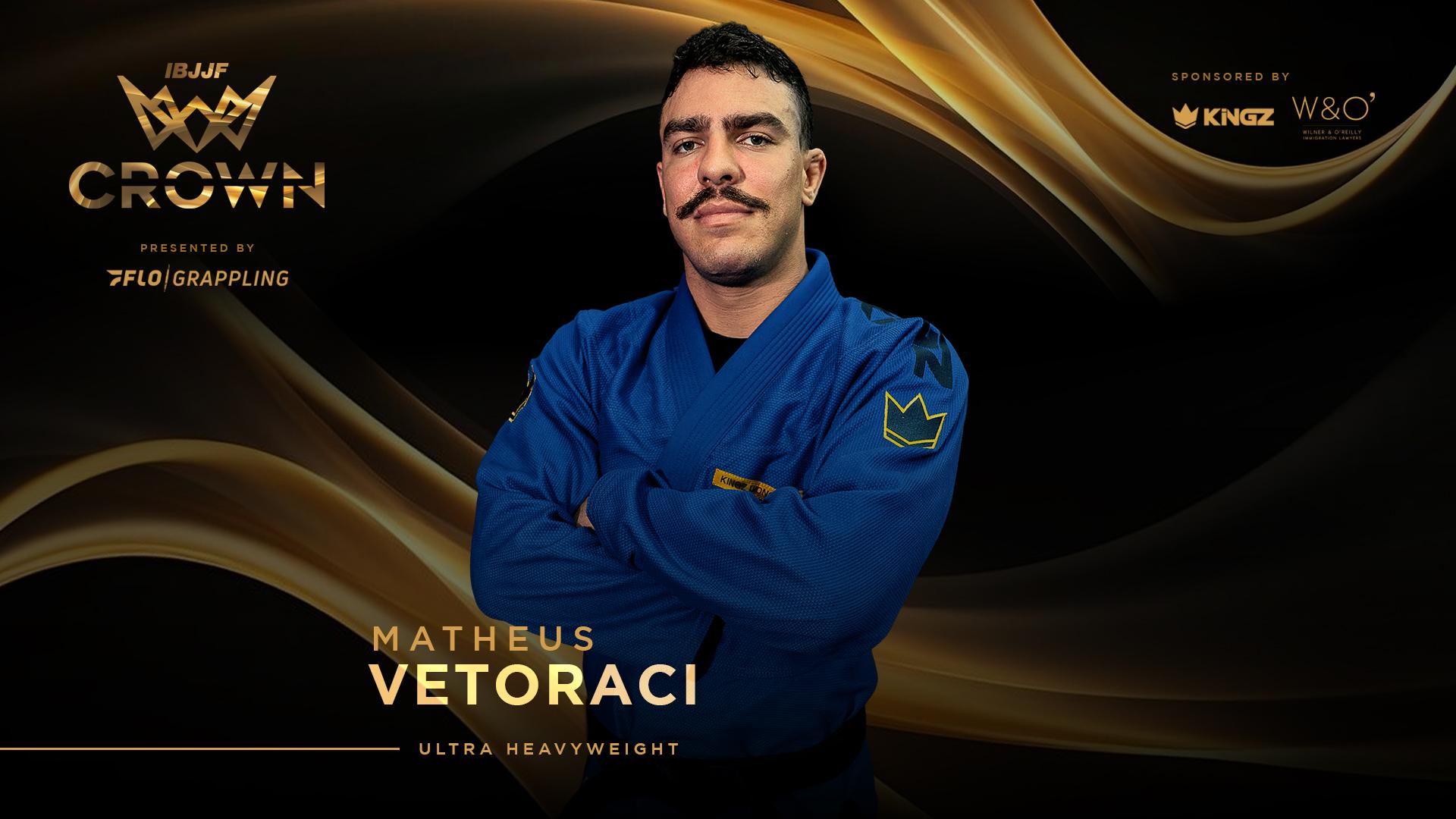
The Vetoraci brothers join The Crown in different divisions
Davi enters heavyweight and Matheus ultra-heavyweight as The Crown builds its November field. The shared surname leads to separate brackets.

Abu Dhabi World Pro 2026: one event, several different trips
The World Pro’s professional dates sit inside a wider November program. Pick the right category, confirm entry, and build the actual trip budget.

UFC BJJ weight classes: bout limits and championship divisions
UFC BJJ men’s and women’s weight limits, kilogram conversions, title milestones, and how to read official weigh-ins.
Comments (0)
Loading comments...