
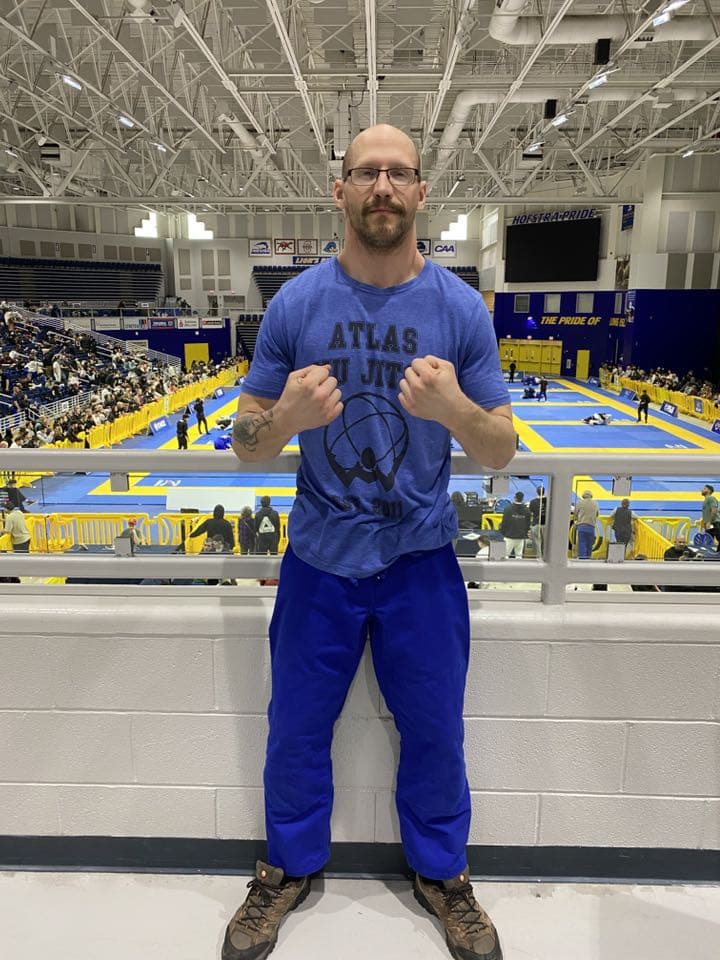
Between BJJ matches, waiting is part of the event
Quick answer: Between BJJ matches, keep track of your bracket, stay available to event staff, and use a simple routine for clothing, equipment, and communication with your coach. Do not assume the next match will happen at the original estimated time. Deal with immediate needs first and save a full technical review for after the division.
Your first match is over, but your division is not. The next opponent may still be competing. The bracket may be moving faster than expected. Your coach may be on another mat, and your phone is somewhere beneath the spare rashguard.
This part of tournament day is easy to leave unplanned because it looks like empty time. Give it a small routine. You do not need to control the event schedule; you need to remain ready to follow it.
Confirm what happens next before walking away
After the match, follow the referee’s and event staff’s instructions. Once you are clear to leave the area, check your bracket or the organizer’s designated system to establish whether you have another match and where information about it will appear.
Do not infer the next step solely from whether you won or lost. Different tournament formats can produce different paths through a division. The event’s bracket and rules determine the answer.
If a result appears incorrect or the next assignment is unclear, ask the appropriate staff member promptly and calmly. Identify the division and match rather than expecting someone to recognize you from the previous round.
Avoid relying on a teammate’s confident guess about how the format usually works. A quick official check is more useful than spending the waiting period in the wrong place. Once the next step is clear, you can make sensible decisions about the time available.
Choose a place where people can find you
Agree with your coach or teammates on a meeting point before the event becomes busy. It should be somewhere permitted by the organizer that does not obstruct officials, competitors, or spectators moving between mats.
Tell the person supporting you if you leave that area. A coach trying to cover several competitors should not also have to search the venue because you went outside without mentioning it. Keep the message practical: where you are going and when you expect to return.
Check whether the event uses a bullpen, staging area, mat-side call, app notification, or another process. Follow that system rather than creating a private routine that makes you unavailable when called.
If you are attending alone, make the plan simpler still. Keep your belongings organized, know where the official information is, and avoid wandering farther than the event’s procedures allow. Independence is easier when the next required action is visible.
Give the first few minutes a short checklist
Before analyzing the match, deal with the things that could interfere with the next one. Check your clothing and belt, collect any belongings you were permitted to leave with a coach, and identify any equipment issue that needs attention.
If you have an injury concern, tell the appropriate event medical staff and follow their advice. Do not treat the existence of another match as a reason to hide a problem or make a medical decision through a teammate’s reassurance.
For ordinary preparation, keep the checklist brief:
Confirm the result and the next bracket step.
Check the condition and arrangement of your uniform.
Reconnect with your coach or support person.
Identify when and where you must report next.
These tasks do not need to happen in a theatrical order. The value is having a familiar set of checks so that excitement or disappointment does not push a practical detail out of view.
Let the coach give you one useful adjustment
A match can produce enough technical material for a week of training. The interval before the next match is usually a poor place to unpack all of it. Ask for the most relevant adjustment you can realistically apply now.
A useful instruction is specific enough to recognize. It might concern the opening position, a recurring grip, or the moment you stopped following the plan. Your coach should base it on what they observed and what you understand.
Avoid asking several teammates for competing tactical summaries at the same time. They may all be trying to help while leaving you with more information than you can use. Decide who is giving the immediate direction and save the broader discussion.
The corner-coaching guide explains why clarity matters. Between matches, the same principle applies: a small instruction you can act on is better than a complete account of every mistake anyone noticed.
Treat the schedule as information to keep checking
An estimated match time is useful for planning, but keep following the organizer’s updates. Bracket progress, withdrawals, and the pace of matches can affect when you are needed. Use the event’s actual communication method rather than refreshing an unrelated page.
Ask staff what to do if the published information and a verbal announcement appear to conflict. Avoid deciding on your own that one must be outdated. A precise question can prevent an avoidable missed call.
When a delay occurs, revise the immediate plan without rebuilding the entire day. You may have time to sit, change a layer, or speak briefly with your coach. Keep one person or device responsible for checking the next update so that everyone does not assume someone else is watching.
Do not leave the competition area on the strength of an informal estimate if the organizer requires you to remain available. Confirm what is permitted before making a longer trip away from the mats.
Avoid making the next match a referendum on the last one
A win can tempt you to assume that the same opening will solve everything again. A loss can make you feel that the whole plan needs to be discarded. Neither response is necessary before you have identified what actually happened.
Keep the review factual. Separate the result from the specific exchange you and the coach want to address. If you cannot change something usefully in the time available, note it for later rather than repeatedly rehearsing the frustration.
This is a practical competition routine, not a promise that you can switch emotions off. You may still feel pleased, disappointed, or unsettled. The next useful action can remain small even while those feelings are present.
Give your opponent a fresh assessment. A new match brings a different person and a different exchange. You can carry an adjustment forward without treating the previous result as a prediction of what must happen next.
Keep familiar supplies accessible
Pack so that the things you may need between matches are easy to reach. A towel, suitable clothing layers, and the ordinary supplies you planned for the day should not be buried under items you will not use until leaving.
Keep food and drink choices within a routine you already know, and seek qualified guidance for individual nutrition or medical questions. The waiting period is not an ideal time to experiment with a new product simply because another competitor recommends it.
Have a plan for valuables and your phone that follows venue rules. If a teammate is holding something for you, make that arrangement explicit and avoid handing over more responsibility than they agreed to take.
After using an item, return it to the same place. This may sound unremarkable, but a predictable bag is helpful when your attention is mostly on the bracket. A missing mouthguard or inaccessible ticket becomes harder to solve when the next call arrives.
Save the detailed review for a quieter moment
Once the division is finished, check whether you need to attend a podium presentation or complete another event step. Do that before beginning a long video review or leaving the venue.
Then give the match footage its own time. You can examine the setup, scoring sequence, and decisions more carefully when you are not also trying to hear your name. The match-video review guide offers a structure for that later work.
If you want a quick record before details fade, write a few factual notes. Identify a position, a question, and something to ask the coach. Avoid turning the note into a verdict about your ability as a whole.
The waiting routine should end when its job is done. You stayed informed, handled practical needs, and arrived for the next required step. The larger training questions belong to the review afterward, where they have enough room to receive a useful answer.
Main photo: BJJ Globetrotters; illustrative archive photograph.
The takeaway
Between matches, confirm the bracket, stay easy to find, and deal with equipment and communication before attempting a complete technical analysis. Use one clear adjustment from your coach and keep checking the event’s designated updates.
Build the routine around the actual tournament format and reporting process. The purpose is to make the next step manageable while leaving the deeper review for a time when you can give it proper attention.
Check the event before entering
Browse tournaments on Let’s Roll, then read the organizer’s format, reporting procedures, and event information so the time between matches contains fewer surprises.
FAQ
How long will I wait between BJJ matches? It depends on the event, bracket, and match progress. Follow the organizer’s information and staff instructions rather than assuming a fixed interval or relying only on an early estimate.
Should I watch my previous match immediately? A brief, useful check with your coach may help, but save a full review for later. Keep enough attention on bracket updates and reporting requirements.
Can I leave the venue between matches? Confirm the organizer’s rules and your reporting obligations first. Do not assume you can leave because the estimated schedule shows a gap.
What should I do if I feel injured after a match? Tell the event’s medical staff and follow appropriate professional guidance. A possible next match should not be the reason to ignore or conceal an injury concern.

Tess Hanley
Tess Hanley reads the rulebooks, the entry fees and the fine print. When a federation or a gym changes something, her first question is who ends up paying for it.
Related Posts
Competing in gi and no-gi on the same day takes two plans
Prepare for gi and no-gi competition on the same day with separate rule checks, complete outfits, schedule coordination, and a realistic second-bracket plan.
Jiu-jitsu in Montreal: build the visit around a real class
Plan BJJ training in Montreal around confirmed classes, language arrangements, winter travel, visitor policies, and equipment that is ready to use.
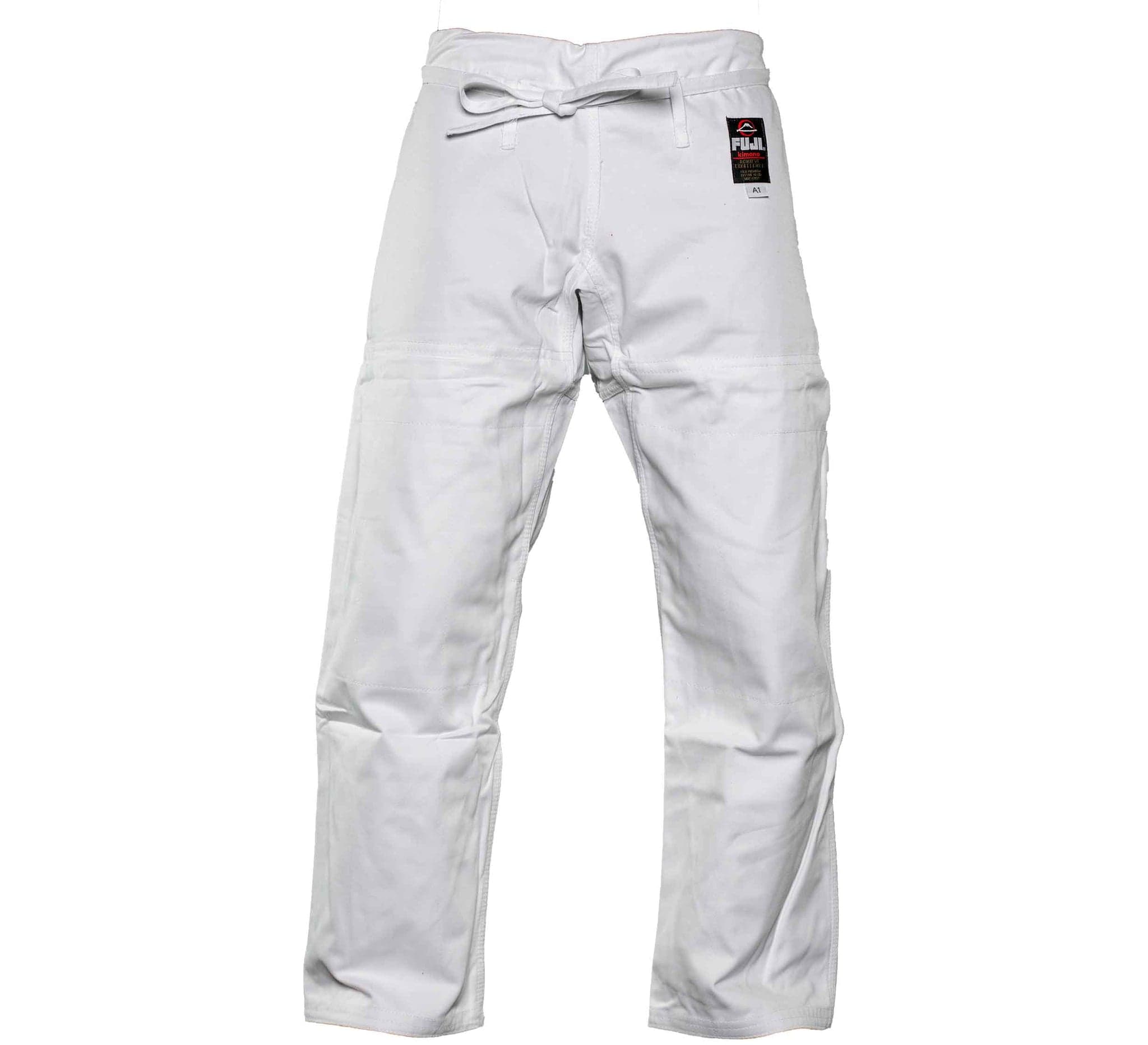
BJJ gi pants that fit standing up can still fail on the mat
Check BJJ gi pants at the waist, rise, knees, and cuffs so a good-looking size label becomes a uniform you can actually move in.
Comments (0)
Loading comments...