

Keep the BJJ gear receipt before you need the warranty
Quick answer: Keep the order confirmation, exact product details, care instructions, and any stated warranty when buying BJJ equipment. Inspect the item before washing or training in it, and report a problem with a clear description and photographs. A return for fit and a claim about damage may follow different processes.
The receipt usually becomes interesting after the gi develops a problem. By then the size chart may have changed, the product page may be gone, and the order email may be buried under six months of promotions. Saving a small purchase record is easier on delivery day.
I think this is useful precisely because it is unglamorous. You are not preparing an argument with the retailer. You are keeping the information that lets both sides identify the item and the arrangement they made.
Record the exact thing you bought
Save the model name, size, color, seller, order number, and purchase date together. A brand name alone can cover many fabrics and product generations. If a customer-service team asks which gi you mean, the record should answer without relying on a photograph of the logo.
Keep the product description and relevant conditions as they appeared when ordered. A screenshot or saved page can help preserve details that later disappear. Include the regional storefront, because similarly named shops can use different shipping and return arrangements.
This is particularly useful for custom orders and preorders. The production version, chosen options, and promised process may be spread across an email, a form, and a product page. Put the final confirmation beside those details so you know what actually reached the order.
Do not store payment-card details in a casual gear folder. The useful record needs proof of purchase and terms, rather than unnecessary financial information. Share only what a legitimate support process needs through the seller's stated contact.
Inspect before changing the item's condition
Check the delivery against the order before washing, altering, or training in it. Confirm that the jacket and trousers belong to the expected product, that the size is correct, and that included parts are present. A bag can look complete while a small piece is missing.
Look at seams, drawstrings, closures, and visible damage. The purpose is to identify a problem clearly, rather than invent a laboratory test at home. If something appears wrong, photograph it and ask the seller how to proceed before attempting a repair.
FUJI's refund policy requires eligible ordinary returns to remain unworn, unwashed, and unused in training, with purchase evidence and original-condition requirements. Those terms illustrate why inspection should come before the first laundry cycle. They are not a promise about every retailer.
If the item fits uncertainly, pause. The gi-size exchange article explains why an exchange is easier before an attempted shrink experiment. A careful first check preserves options that a hopeful hot wash can remove.
Name the problem accurately
A wrong size supplied by the seller, a size you selected that does not fit, and a seam that appears defective are different situations. Describe what happened before deciding which policy applies. The retailer can then direct you toward an exchange, return, or assessment.
Avoid turning uncertainty into an allegation. You can say that stitching opened after a stated amount of use and provide photographs. You do not need to declare a manufacturing cause you cannot establish. Equally, there is no reason to minimize a real problem just to sound agreeable.
Write the sequence clearly. When did the item arrive? Was it washed? Has it been worn in training? When did you notice the issue? What care instructions did you follow? Those answers help the seller assess the claim without several rounds of avoidable questions.
If you do not know a detail, say so. An invented exact date or washing temperature can make a simple support request less reliable. The goal is an accurate account, with uncertainty left where it actually exists.
A warranty can ask for different evidence
Hyperfly's FAQ describes a repair or replacement assessment for a gi that rips within a stated purchase period and asks customers to send an order number and pictures. The same page treats a washed-item return separately. A defect process and an ordinary return are not interchangeable.
Read the actual promise for the exact product. A mat warranty does not automatically cover a gi, and a headline about quality may not be a defined warranty at all. Identify the eligible issue, time period, exclusions, and contact route before assuming the remedy.
Keep the manufacturer's claim in its own scope. A promise to assess, repair, or replace may not mean an automatic cash refund. Ask which options apply if a particular model or size is unavailable, rather than filling that gap with an assumption.
This is consumer organization, not a statement about legal rights in every jurisdiction. If a dispute needs legal advice, use an appropriate local resource. For an ordinary first request, the practical task is to supply the evidence the seller asks for and keep the exchange.
Care instructions are part of the record
Save the label or photograph it before it fades. The garment's instructions matter more than a general rule repeated by teammates. Different fabrics, prints, and constructions can require different handling, even within one kit.
Do not turn the care record into an invented guarantee. Following instructions does not establish that an item can never wear out. Ignoring them can also complicate a claim. Give the seller an accurate description of how the equipment was used and cleaned.
If you have already altered the item, disclose it. Hemming sleeves, replacing a drawstring, or adding stitching may be relevant to the assessment. A support team should not have to infer those changes from a close-up photograph.
Our gi-repair article separates a possible repair from a garment whose condition changes its usefulness. Before repairing a newly problematic item, ask whether the seller needs to inspect it. A quick fix can remove the evidence of the issue you intended to report.
Send one complete support request
Use the seller's published contact and include the requested information in one clear message. A public comment under a new product launch may alert somebody, but it is not necessarily the route that can locate and assess your order.
Keep photographs useful. Show the whole item for context and the affected area closely enough to understand the issue. Avoid filters, dramatic lighting, or a picture cropped so tightly that the location becomes impossible to identify.
Give the order number, seller, model, and purchase date.
Describe the issue and when you noticed it.
State relevant use, washing, and alterations accurately.
Attach the requested pictures and ask for the next step.
Save the reply and any reference number. If a return is authorized, follow the stated packaging and tracking procedure. Sending a parcel before the seller has explained its process can create a second problem while the first is still unresolved.
Track the remedy through to completion
A helpful initial reply is only the beginning. Keep the authorization, tracking record, and agreed remedy together until the replacement, repair, credit, or refund is complete. Ask about expected timing if the process does not specify it.
Check the result against the agreement. A replacement should be the model and size you accepted, or the alternative discussed. A credit should be recorded in the promised place. If something differs, point to the specific part of the exchange rather than beginning the account again from scratch.
Be fair about ordinary administration. Warehouses need to receive parcels and teams need to inspect claims. That does not require you to accept indefinite uncertainty. A concise follow-up with the reference and dates can ask for a clear update without treating every delay as misconduct.
Afterward, retain the useful record with the item. You may later need the model information for another purchase or the care instructions for a new laundry setup. The folder can be small. It just needs to exist before a problem makes its absence interesting.
Main photo: MJ Duford. Hands using a laptop and writing in a notebook. Illustrative photograph; does not depict a cited academy, product, or Let’s Roll writer.
The takeaway
Save the order and inspect the gear while its original condition is still clear. A good record identifies the exact product, the terms you relied on, and how you used and cared for it. That makes a support request more precise.
Then follow the process appropriate to the problem. Fit, incorrect supply, damage assessment, and warranty coverage can lead to different next steps. Accurate information gives the seller a fair chance to resolve the issue and leaves you able to check the result.
Put the kit into a real training plan
Use the gym directory to explore local classes, then confirm the academy's equipment requirements before buying another item.
FAQ
What should I save when buying a BJJ gi? Keep the order number, seller, model, size, purchase date, product description, care instructions, and relevant return or warranty terms. Avoid storing unnecessary payment details with that record.
Is a ripped gi automatically covered by warranty? No. Read the exact product's promise and contact the seller with the requested evidence. Eligibility, exclusions, assessment, and available remedies can differ between products and retailers.
Should I repair a new gi before contacting the seller? Ask first if you intend to report the issue. An alteration can affect the evidence or the relevant process. Photograph the condition and let the seller explain its next step.
Is store credit the same as a refund? No. A credit generally leaves value with the seller, while a refund returns money through the agreed payment route. Check which remedy the actual policy or support agreement provides.

Tess Hanley
Tess Hanley reads the rulebooks, the entry fees and the fine print. When a federation or a gym changes something, her first question is who ends up paying for it.
Related Posts
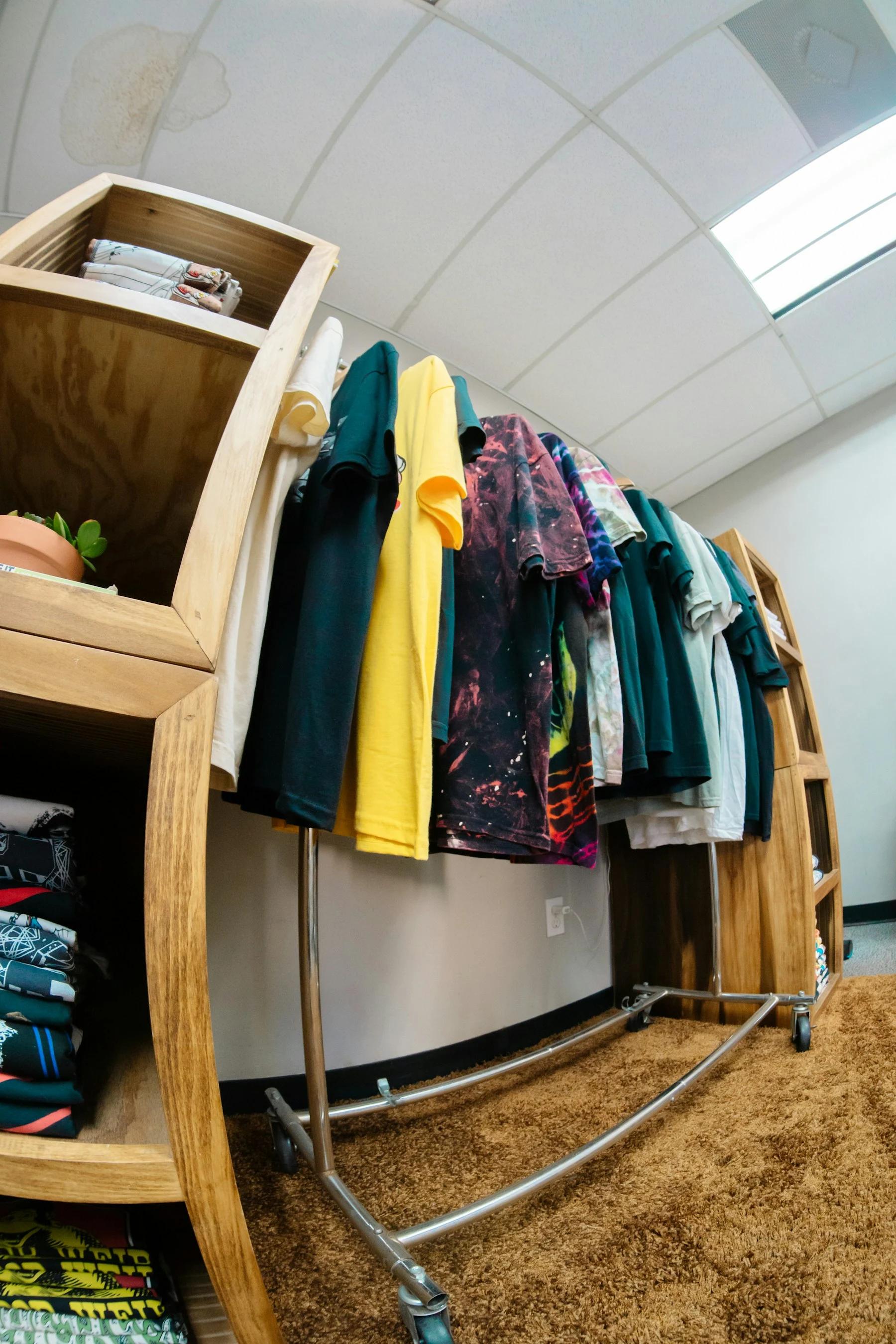
Buying BJJ gym merch without buying a second uniform problem
A gym shirt can be a good souvenir or useful kit. Check the garment, size, pickup, and return terms before treating those as the same purchase.

BJJ Black Friday gear: the saving has to survive checkout
Compare BJJ sale prices using fit, shipping, returns, and real need. A smaller discount can be the better purchase when the terms differ.

Freezing a BJJ membership: get the restart date in writing
Before pausing a BJJ membership, confirm eligibility, notice, billing, training access, and the restart date. A freeze is not a cancellation.
Comments (0)
Loading comments...