

The camp ticket is only the start of your BJJ trip budget
Quick answer: Price a BJJ camp as a complete trip, starting with what the organizer includes and adding your own travel, accommodation and daily costs. Compare camps using the same number of nights and the same assumptions about meals and transport. Keep optional purchases separate so you can see what it costs to attend before deciding what else to buy.
A training ticket can look affordable while the trip around it remains unpriced. The flight is in another tab, the hotel is a nightly rate and nobody has decided how to get from the room to the mat twice a day.
Put those numbers on the same page. A BJJ camp can be a good use of holiday time and money, but you need the cost of the holiday to decide. The organizer's ticket and your personal travel budget answer different questions.
Read what the ticket actually buys
Start with the organizer's own booking page. Copy the included items into your budget, then list the things you still have to arrange. This is more dependable than assuming that a camp described as a week includes a bed for every night you will be away.
For a concrete example, the advertised BJJ Globetrotters Arizona Camp 2026, scheduled for November 2–7 in Tempe, lists a $345 full ticket. Its booking information includes six days of training and explicitly excludes food, flights and accommodation. That makes it possible to separate the organizer's package from the rest of the trip. Reconfirm the price and availability before paying.
Other camps may bundle rooms or meals with training. Neither arrangement is automatically better value. A package with accommodation can cost more at checkout and less by the end of the week. A training-only camp can work well for somebody staying with family nearby.
Mark anything unclear as a question, not a zero. If you cannot find whether airport transfers, extra nights or a particular activity are included, ask the organizer. A blank cell has an unfortunate way of becoming free in the total.
Count nights from your actual travel plan
The camp dates are only part of the accommodation calculation. Work backward from the first session you want to attend and forward from the last one you want to stay for. Then check which journeys make those plans possible.
Arriving the evening before may add a hotel night and preserve the first morning. Leaving after the final session may require another night if the last practical flight departs earlier. Neither choice is wrong. Each belongs in the comparison.
Consider a hypothetical six-day camp running Monday through Saturday. Flying in Sunday and leaving the following Sunday creates seven nights away. A room advertised at a nightly rate must be multiplied by seven, with the actual checkout total used for any fees or taxes. The example is a planning exercise, not a quoted hotel offer.
If you are sharing, decide who is booking and what each person has agreed to pay before making the reservation. Confirm the bed arrangement and the maximum occupancy. Two people agreeing that a room looks cheap have not necessarily agreed to the same sleeping plan.
Add the trip from the room to the mat
A hotel address can be close to the venue on a map and awkward for the journeys you intend to make. Check the route you would actually use, including the return trip after evening training.
For walking, look at the route and practical conditions rather than the straight-line distance. For public transport, check the relevant operating times. For a rental car, include parking and the other costs in the booking quote. Use actual transport information for the destination rather than assuming your home routine will transfer.
Decide whether you expect to return to the room between sessions. One round trip a day and two round trips a day are different budgets. They also create different amounts of time away from the camp, which matters if part of the appeal is spending the afternoon with other grapplers.
A slightly more expensive room can be worth considering if it removes a repeated transport cost. Calculate the total difference across the stay. Do not turn that into a universal rule that the nearest hotel is best; compare the options available for this trip.
Give food and laundry their own lines
Plan for meals outside the sessions, including arrival and departure days. If breakfast is included, check what the booking actually says. If you intend to cook, confirm that the room has the facilities you expect and consider how you will get groceries.
There is no need to turn the budget into a rigid meal plan. Set an amount using the places you are likely to use, then leave room for the social meal you would be disappointed to miss. A trip organized around spending time with people should acknowledge that some of the time may happen over dinner.
Laundry deserves the same practical treatment. Several days of gi and no-gi training can require a different arrangement from one class at home. Check whether the accommodation has laundry facilities, whether there is a nearby service and how drying will work with the garments you bring.
Packing more training clothes may change luggage needs. Packing fewer may change laundry needs. Price the arrangement you will use. Our guide to training BJJ while traveling covers more of the daily logistics around fitting classes into a trip.
Separate the trip from the souvenirs
A camp rashguard can be a useful reminder of the week. It still belongs in an optional-purchases column unless it is required for participation. The same applies to photographs, extra activities and private lessons that are not included in the ticket.
Make the distinction before arriving. It lets you see both a basic attendance total and the version of the trip you would prefer. You may be happy to spend more on that version. The point is to choose it consciously, rather than discovering afterward that several small decisions became a second budget.
A simple worksheet can use these headings:
Required to attend: training ticket, travel, accommodation and necessary local transport.
Daily living: meals, laundry and other costs you expect during the stay.
Optional additions: extra instruction, merchandise, outings or an extended holiday.
Unresolved: anything that needs an answer or a complete quote.
Keep the unresolved column visible until you have an answer. It is especially useful when traveling with someone who does not train. Their activities and accommodation needs are part of the shared trip even if they never enter the gym.
Compare like with like
Build both candidate trips using the same assumptions. A shared room in one column and a private room in another may be an accurate reflection of available options, but label the difference. It is not simply a comparison of ticket prices anymore.
Do the same with nights, meals and transport. Compare total costs in one currency using a current conversion when you are ready to book, and check the actual payment method's charges. Avoid presenting a currency estimate as a guaranteed final bill.
Then ask what you want from the week. You might prioritize a particular instructor, convenient travel, time with friends or a location you also want to explore. The lowest total can help identify a feasible option, but it cannot decide which experience you prefer.
Do not divide the price by every advertised hour and assume you will use them all. A packed timetable creates choice. You may want to watch a session, take a break or spend time off the mat. Price the week you intend to have, not a theoretical schedule in which you attend everything without stopping.
Check the arrangements that could change the total
Before booking, read the organizer's terms and the separate travel and accommodation terms. Note the dates that affect payment, cancellation or changes, and direct any uncertainty to the provider responsible for that booking. Do not assume one camp policy governs the airline or hotel.
If the plan depends on sharing costs, agree what happens if one person cannot go. That conversation is easier before someone commits to a room for the group. Keep the arrangement clear and proportional to the trip; it does not need to become an elaborate contract between friends.
Leave some room in the budget for ordinary changes, using an amount that makes sense for your situation. An extra journey or a different meal should not require rebuilding the whole plan on your phone outside the gym. If a small change makes the trip unaffordable, reconsider the plan before committing.
Finally, include the practical arrangements at home. Time away from work, pet care or family responsibilities may affect whether the trip works. Some of those costs are financial and others are agreements with people. They still need to be settled before a registration confirmation becomes a complete plan.
Main photo: BJJ Globetrotters; archive camp photograph, photographer not identified on source page.
The takeaway
A camp budget is complete when you can explain how you will get there, where you will sleep, how you will reach the mat and what the days around training will cost. The ticket is the beginning of that calculation.
Compare the full versions of the trips you are considering. Then decide which one fits the money and time you have available. That gives you a better chance of arriving ready to enjoy the week instead of doing unfinished arithmetic between classes.
Compare a shorter training trip too
If a full camp does not fit this time, look for a focused weekend around a BJJ seminar. Confirm the host's details and apply the same whole-trip calculation before booking.
FAQ
Does a BJJ camp ticket usually include accommodation? Packages differ, so read the specific booking page. Some include accommodation or meals; others sell training separately. Ask about anything the page leaves unclear before calculating the total.
How many hotel nights should I budget for? Use your actual arrival and departure plan, not just the number of training days. A six-day Monday-to-Saturday camp can require seven nights if you arrive Sunday and depart the following Sunday.
Is the cheapest camp ticket the cheapest trip? Not necessarily. Travel, accommodation, meals and local transport can change the total. Compare complete trips using consistent assumptions about sharing, nights and daily expenses.
Should I buy the camp merchandise in advance? Treat it as an optional purchase unless the organizer says it is required. Check sizing, collection and payment details. Keep its cost separate from the amount you need simply to attend.

Tess Hanley
Tess Hanley reads the rulebooks, the entry fees and the fine print. When a federation or a gym changes something, her first question is who ends up paying for it.
Related Posts
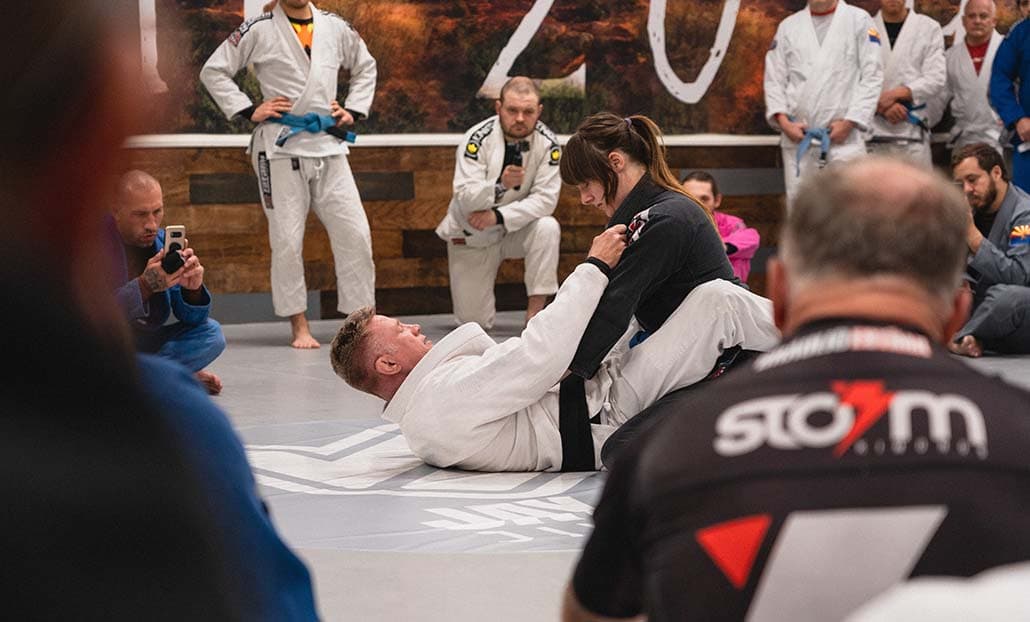
Choosing a BJJ seminar worth your time and travel
Choose a BJJ seminar by the subject, teaching format, access, and total cost. Know what to ask the host before buying a ticket.
IBJJF membership: finish the paperwork before the deadline
IBJJF membership and tournament entry are separate steps. Plan documents, professor approval, renewals, and junior accounts before registration closes.
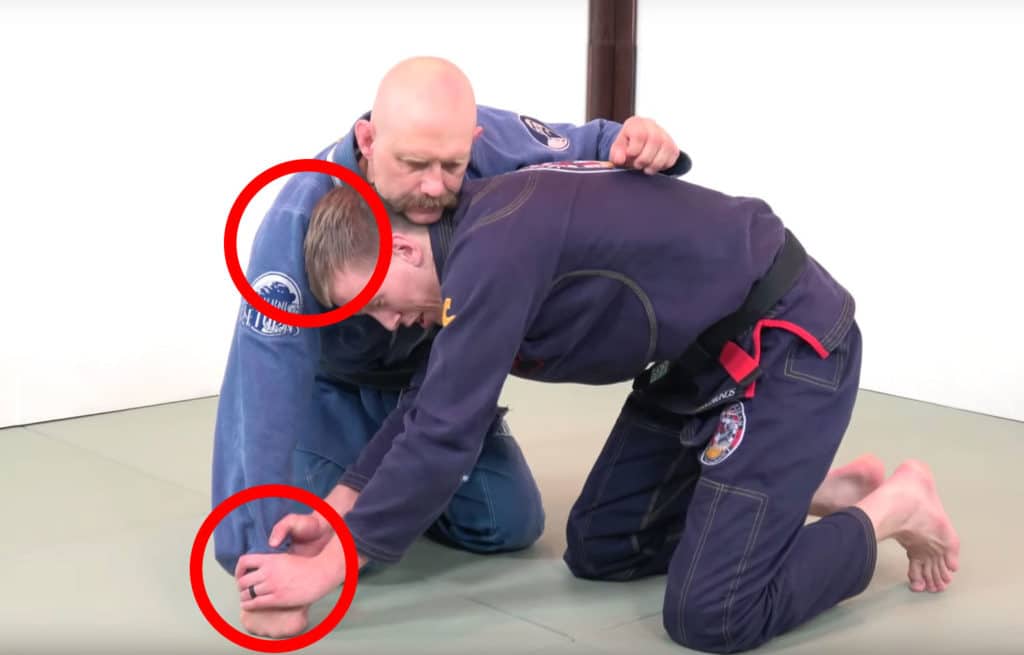
The turtle position needs an exit plan
Turtle can interrupt a pass, but staying there creates another problem. Learn to identify the threat, control a connection, and choose an exit.
Comments (0)
Loading comments...