
Plan a BJJ team trip that works off the mat too
Quick answer: Plan a team tournament trip around confirmed entries, the organizer's deadlines, and the earliest athlete who needs to be ready. Separate shared costs from individual choices, assign a few practical jobs, and keep the live schedule easy to find. A team can travel together without requiring everyone to follow the same plan all weekend.
A hotel booking can look settled while almost everything around it remains undecided. Six people have agreed to travel. Nobody has confirmed who is driving, one athlete is competing on a different day, and the room price assumes a person who has not registered yet.
The problem is usually a missing decision. Treat the trip as a set of specific commitments instead of one large expression of enthusiasm. The useful document is short enough to read on a phone and clear enough that nobody has to reconstruct the plan from fifty messages.
Confirm the entries before counting the beds
Begin with the event itself. Ask each competitor to confirm their registration, division, and competition day when that information becomes available. Someone who intends to enter belongs on an interested list until they have actually completed the process.
For IBJJF events, the first-championship guidance requires an active membership under the current belt and academy. It also directs athletes to event-specific correction dates. Membership, tournament entry, and a hotel booking are separate tasks; completing one does not complete the others.
Give the group an internal decision date before the booking becomes nonrefundable. Explain what that date means: after it, the room count or transport arrangement will be based on the people who have committed. This is a coordination tool, not a penalty for being uncertain.
A teammate who cannot commit yet can still travel independently later. Keeping that option open is better than quietly making the rest of the group responsible for a bed that may or may not be used.
Put the actual deadlines in one place
Create a single trip note with the official event link at the top. Add the dates people must act on, rather than every detail the organizer has published. Each athlete remains responsible for checking their own registration.
The shared note should include:
Entry and correction deadlines, with the organizer's time zone.
The venue address and the hotel's separate address.
The current competition-day information and where updates appear.
The shared booking terms and the person managing each booking.
A meeting point and contact method for tournament morning.
Link to the source for a rule instead of paraphrasing it from memory. If the organizer changes something, the group can reach the current version. A screenshot is useful for reference, but its date should be visible and it should not silently replace a live schedule.
Keep the note somewhere everyone can open without requesting access at the venue. A beautifully organized document that only the trip organizer can read has not solved the practical problem.
Shared costs need an agreed boundary
Decide which expenses belong to the group before anyone pays. A hotel room, rental vehicle, or shared fuel cost might be communal. Entry fees, individual meals, and optional sightseeing might remain separate. The exact split matters less than everyone understanding it in advance.
Record the total, the proposed contribution per person, and what happens if somebody withdraws. Use the actual booking's cancellation terms. Do not promise a refund on behalf of a hotel or assume another teammate will automatically take the empty place.
For example, a group could agree to divide a room equally among four confirmed occupants and revisit the split only if all four approve a change. That is an illustrative arrangement, not a rule everyone should adopt. Couples, different room types, or partial stays may call for another method.
Settle straightforward expenses promptly after the trip. One clear summary with receipts is more useful than repeated small requests scattered through a chat. Keep personal payment details out of documents shared beyond the people who need them.
Transport follows readiness, not just the listed match time
A displayed start time is not the moment to arrive at the building. Athletes need time to enter, find the relevant area, and follow the organizer's preparation instructions. IBJJF guidance says competitors should be at the venue ready one hour before their division's scheduled start because an event can run early.
Other organizers may use different procedures. Read the actual event instructions and build the transport plan around them. Do not convert one federation's guidance into a universal rule for every tournament.
Plan the vehicle departure around the earliest person it is carrying. If later competitors prefer a different arrival, arrange another ride rather than making the early athlete negotiate for punctuality on tournament morning.
Check parking, drop-off location, and the route from the entrance to the event hall. A map pin for a large venue may lead to the wrong side of the building. The person driving should have the address before everybody is carrying bags and looking for coffee.
A live schedule needs one clear route
At events using Smoothcomp, start times can update as matches are completed. Its My matches guidance explains where athletes can find their assigned matches and changing times in the app or their web account.
Make sure each competitor can access their own information. A teammate checking the schedule can be helpful, but should not become the only person who knows where everyone is supposed to be. Phones lose charge and people become occupied.
If a change affects transport or a shared task, send a short update with the athlete's name and the relevant time or mat. Avoid forwarding a whole bracket without saying what changed. The recipient may be reading between matches and should not have to solve the message.
Questions about assignments or delays go to event staff through the organizer's stated process. The group chat can distribute an answer. It cannot make an uncertain bracket interpretation official simply because several teammates agree with it.
Give support jobs an owner and an end
Ask who is willing to record matches, help with warmups, or keep an eye on schedule changes. Then define the limit. Someone can agree to film a particular division without agreeing to hold a phone all day.
Check whether coaches and spectators need tickets, credentials, or separate access. The IBJJF championship help page directs visitors toward event-specific information. A team shirt should not be treated as an access pass.
Competitors also need to be free to focus on their own preparation. Do not assign the athlete due on the mat next to chase down a missing charger for the group. A supporter who has no match that morning may be better placed to handle small logistical tasks, if they have agreed to help.
After recording, label the files with the athlete, event, and match. Send them privately to the athlete before posting anything publicly. A usable video is a better contribution than a clip lost inside a phone gallery or shared without the competitor knowing where it went.
Leave some of the weekend unshared
Traveling as a team does not require eating every meal together. People may have different budgets, preparation routines, or family plans. Put one or two optional group activities in the plan and let the rest remain flexible.
Make invitations precise. Give a location and time, say whether a booking is needed, and make opting out ordinary. An athlete who wants a quiet evening before competing should not need to explain that choice to the whole table.
The same principle applies after a loss. Some people want company immediately; others want a little space. Ask rather than assume. A shared trip can accommodate both without turning the result into the subject of every conversation.
If partners or family members travel too, include their practical needs in the planning. They may enjoy watching and still want part of the day away from the venue. A transport arrangement that lets them leave can make the weekend easier for everyone, including the person competing.
Plan the trip home before the medals
Choose a return plan that can absorb the event running late. Check the booking terms for flights, trains, or rental returns before relying on a tight connection. A team cannot control when every bracket finishes.
For a road trip, agree on drivers and sensible rest arrangements before departure. Do not assume the person who competed most will also be ready to drive everyone home. If the group cannot arrange a reasonable return, change the travel plan early rather than trying to solve it in a parking lot.
Decide what happens if one athlete reaches a later round while others are finished. The answer could be staying together or splitting transport. Either can work when it is discussed in advance and the remaining athlete has support.
For the next trip, use the tournament directory to compare possible destinations, then return to each organizer's page for confirmed details. Distance is only one part of convenience. Competition days and transport options may matter more than a shorter line on the map.
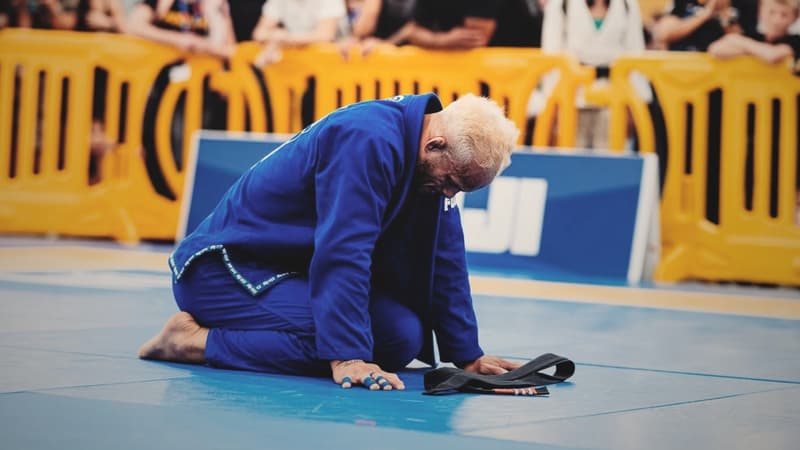
Main photo: IBJJF archive photograph, published in its August 2026 World Master preview.
The takeaway
A good team trip removes avoidable uncertainty before anyone has to compete. Confirm entries, put deadlines in one accessible note, and make the shared expenses and transport arrangements explicit. Assign help in ways people can realistically provide.
Leave the rest of the weekend flexible enough for different needs. The team does not have to move as one group from check-in to the drive home. It needs a plan that gets each athlete to the right place and lets everyone know what they have agreed to do.
Choose the event first
Browse upcoming BJJ tournaments, then confirm divisions, schedules, and registration requirements with the organizer.
FAQ
Should the whole team book together? Only where shared bookings suit the group. Confirm occupants, payment responsibilities, and cancellation terms before one person commits money on everyone else's behalf.
Can we rely on the first published start time? Treat it as planning information and follow the organizer's updates. Smoothcomp times can change during an event, and IBJJF asks athletes to be ready before their division's scheduled start.
Who should manage the team schedule? A designated helper can distribute changes, but each athlete should retain access to their own match information. One phone should not be the team's entire plan.
Does every teammate need to stay until the last match? Agree on this before traveling. Separate return arrangements can work, provided athletes still competing have the transport and support they need.

Tess Hanley
Tess Hanley reads the rulebooks, the entry fees and the fine print. When a federation or a gym changes something, her first question is who ends up paying for it.
Related Posts

Mikey Musumeci gives up the belt to make room for MMA
Musumeci is vacating his UFC BJJ title to focus on MMA training. What he is leaving, what continues, and why the transition matters.
IBJJF membership: finish the paperwork before the deadline
IBJJF membership and tournament entry are separate steps. Plan documents, professor approval, renewals, and junior accounts before registration closes.
Choosing a BJJ seminar worth your time and travel
Choose a BJJ seminar by the subject, teaching format, access, and total cost. Know what to ask the host before buying a ticket.
Comments (0)
Loading comments...