

How professional BJJ athletes make money beyond prize purses
Quick answer: A professional BJJ athlete may earn money from competition, teaching, seminars, instructionals, sponsorships, and other work. A public prize figure does not reveal annual income, take-home pay, or how much a particular athlete earns from any of those sources.
A winner’s check is easy to photograph. The expenses behind it are less likely to appear in the same frame. So are the months when the athlete teaches, travels, edits a course, or does work unrelated to competing.
That is why asking how professional jiu-jitsu athletes make money is more useful than asking what the average champion must earn. The sport contains different working arrangements, and public results do not disclose private contracts. Start with the types of work being sold, then distinguish revenue from the money left after delivering it.
Competition money is tied to specific terms
An event can offer a purse, appearance payment, bonus, or another form of compensation. Those are different arrangements. A prize available only to the winner is not the same as a guaranteed payment for appearing, and neither should be inferred simply because an athlete is on a professional card.
Read the announcement or agreement carefully before describing the money. Identify who qualifies, what result is required, and whether the figure refers to one athlete or a total pool. A headline number can be accurate while still being easy to misunderstand.
Do not multiply one publicly announced prize by a guessed number of events to invent an annual salary. Athletes do not necessarily receive the same terms each time, and entering an event does not guarantee winning its prize. Injuries, scheduling, qualification, and invitation decisions can also affect participation.
For readers comparing careers, the honest answer may be that a payment is undisclosed. That is a limit of the evidence. It is better to state the limit than to fill it with a confident estimate that will later circulate as a fact.
Teaching sells time and instruction
Regular classes and private lessons are a different kind of work from competing. The customer pays for instruction, and the arrangement may involve employment by an academy, independent teaching, or ownership of the business. The person on the mat does not necessarily receive the full amount paid at the front desk.
A private-lesson price is therefore not a wage statement. Facilities, administration, scheduling, and other costs may be part of the arrangement. Without the agreement, you cannot know how the payment is divided or what the instructor takes home.
Teaching also requires work beyond performing techniques well. The instructor needs to explain, assess understanding, choose useful practice, and communicate with students who have different goals. Competition credentials may attract attention, but the lesson still has to serve the person who booked it.
For a student considering a private session, evaluate the actual service. Ask what the lesson will cover, how long it lasts, where it happens, and what preparation would help. The private-lesson guide keeps that purchase focused on learning rather than proximity to a recognizable name.
A seminar has a host as well as a headliner
Seminars bring an athlete’s instruction to another academy or group. The financial arrangement can vary: a fixed teaching fee, an agreed share of ticket revenue, or another negotiated structure. Public attendance and ticket price alone do not reveal the athlete’s payment.
The host may provide the venue, handle registration, promote the event, and manage practical arrangements. Travel, accommodation, and cancellations also need to be assigned somewhere in the agreement. An event that looks simple to the attendee can involve several people’s work.
When discussing seminar economics, separate the participant’s purchase from the athlete-host contract. A student needs clear information about the session, price, and cancellation terms. The athlete and host need clarity about their responsibilities and payment. One set of terms does not automatically explain the other.
A full room is encouraging, but it does not prove a particular profit. Capacity, complimentary places, expenses, and negotiated terms all affect the outcome. Treat claims about what someone made from a weekend seminar with caution unless the people involved have provided the relevant figures.
Instructionals turn teaching into a product
Recorded courses and subscription libraries allow instruction to be sold beyond a single room or appointment. The product can remain available while the athlete is doing other work. That makes it a different format from an in-person lesson, but it does not make the revenue effortless or predictable.
The course still needs preparation, filming, organization, editing, and a way to reach buyers. Rights and payment arrangements differ between platforms and creators. A listed retail price does not reveal the creator’s share, sales volume, refunds, discounts, or production costs.
Art of Jiu Jitsu’s description of its brand separates its academy, online instruction, and merchandise activities. That is a public example of several channels operating under one name. It is not a disclosure of the founders’ personal earnings or the profitability of any channel.
For buyers, the useful question is what the product teaches and whether its format suits them. For anyone studying the business, the useful question is who owns the material and how revenue is shared. Neither answer can be read from the view count on a promotional clip.
Sponsorship can mean several different things
A sponsor may provide equipment, financial payment, travel support, an affiliate arrangement, or some combination. A logo on an athlete’s uniform proves only that the logo is there. It does not establish the value or terms of the relationship.
Different agreements can require different work. Competition appearances, photographs, public posts, product use, or other commitments may be involved. Do not assume an athlete receives payment for every mention, or that all visible partnerships are cash deals.
When evaluating a sponsorship claim, keep these distinctions clear:
Cash compensation and supplied equipment are different benefits.
A discount code does not disclose sales or commission income.
A public partnership announcement may omit the contract’s financial terms.
The athlete’s audience size does not by itself establish earnings.
Readers should also distinguish a recommendation from a commercial relationship when the relationship is disclosed. That context helps assess the message. It does not automatically make the product bad or the athlete dishonest; it identifies an interest relevant to the recommendation.
Revenue is not take-home pay
Money received for work can be reduced by the cost of doing that work. Travel, accommodation, training, equipment, production, venue arrangements, and professional services may all enter an athlete’s business. Which costs apply depends on the actual arrangement.
Consider a hypothetical seminar that sells $4,000 in tickets. That is gross ticket revenue, not proof that the visiting athlete earned $4,000. The host’s expenses and the agreed compensation still need to be understood. The example illustrates the distinction; it is not an estimate of a typical seminar.
Timing matters as well. A payment tied to one event is different from a regular monthly income. Even a successful period may not describe the rest of the year. Public attention can make a single result seem representative when the underlying work is irregular.
This is why earnings rankings built from prize announcements alone need a narrow label. They may describe publicly reported competition prizes under a stated method. They should not be presented as a complete ranking of athletes’ income without evidence covering the other work and relevant costs.
A career can combine competition with other work
An athlete may teach, study, run a business, or work outside jiu-jitsu while competing at a high level. That does not automatically make the competition less serious. It describes how the person organizes their working life, which may change over time.
Avoid imposing one definition of professional that answers every question. A person can be paid for a match, teach full time, or depend primarily on unrelated work. If the distinction matters to an article or comparison, explain which definition is being used.
For a young athlete considering a career, the useful starting point is an honest account of the work involved and the available support. Discuss the plan with trusted people who understand the practical commitments. Do not build expectations around the most visible winner’s best weekend.
Fans can support athletes through the services and products they actually value. Attend a suitable seminar, purchase instruction that addresses a real learning need, or follow a competitor’s work. Support is more informed when it recognizes that a career involves several jobs, not just the minutes shown on a competition broadcast.
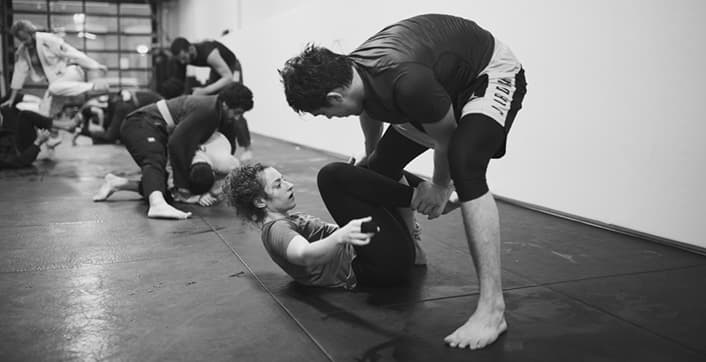
Main photo: BJJ Globetrotters; illustrative archive teaching photograph, not evidence of earnings.
The takeaway
Professional BJJ income can come from several kinds of work, each with its own customers, obligations, and costs. Prize money is one visible part of that picture. A public number should be described precisely rather than stretched into an invented annual salary.
When the financial terms are private, leave them private. Explain the business model and its limits. That gives readers a more useful account of the sport than guessing what a medal, sponsor patch, or full seminar room must be worth.
Choose instruction for a real learning need
Browse seminars, then check the instructor, subject, format, and terms before booking an event that fits your training goals.
FAQ
Do professional BJJ athletes live only on prize money? Some may rely heavily on competition income, but others combine it with teaching, products, sponsorships, or unrelated work. Public results alone do not reveal the arrangement for a particular athlete.
Can I calculate seminar earnings from ticket sales? Ticket sales give gross revenue, not the athlete’s take-home income. The host’s costs, compensation agreement, and other arrangements must be known before making that claim.
Does a sponsor patch mean the athlete receives a salary? No. Support may involve cash, products, travel, commissions, or another arrangement. The visible logo does not disclose the contract’s terms or value.
Why not publish an average BJJ athlete salary? A defensible average needs a defined population and reliable income data. Without that evidence, a single figure risks combining incompatible arrangements and presenting guesses as measured information.

Tess Hanley
Tess Hanley reads the rulebooks, the entry fees and the fine print. When a federation or a gym changes something, her first question is who ends up paying for it.
Related Posts

Competing in gi and no-gi on the same day takes two plans
Prepare for gi and no-gi competition on the same day with separate rule checks, complete outfits, schedule coordination, and a realistic second-bracket plan.
Jiu-jitsu in Montreal: build the visit around a real class
Plan BJJ training in Montreal around confirmed classes, language arrangements, winter travel, visitor policies, and equipment that is ready to use.
BJJ gi pants that fit standing up can still fail on the mat
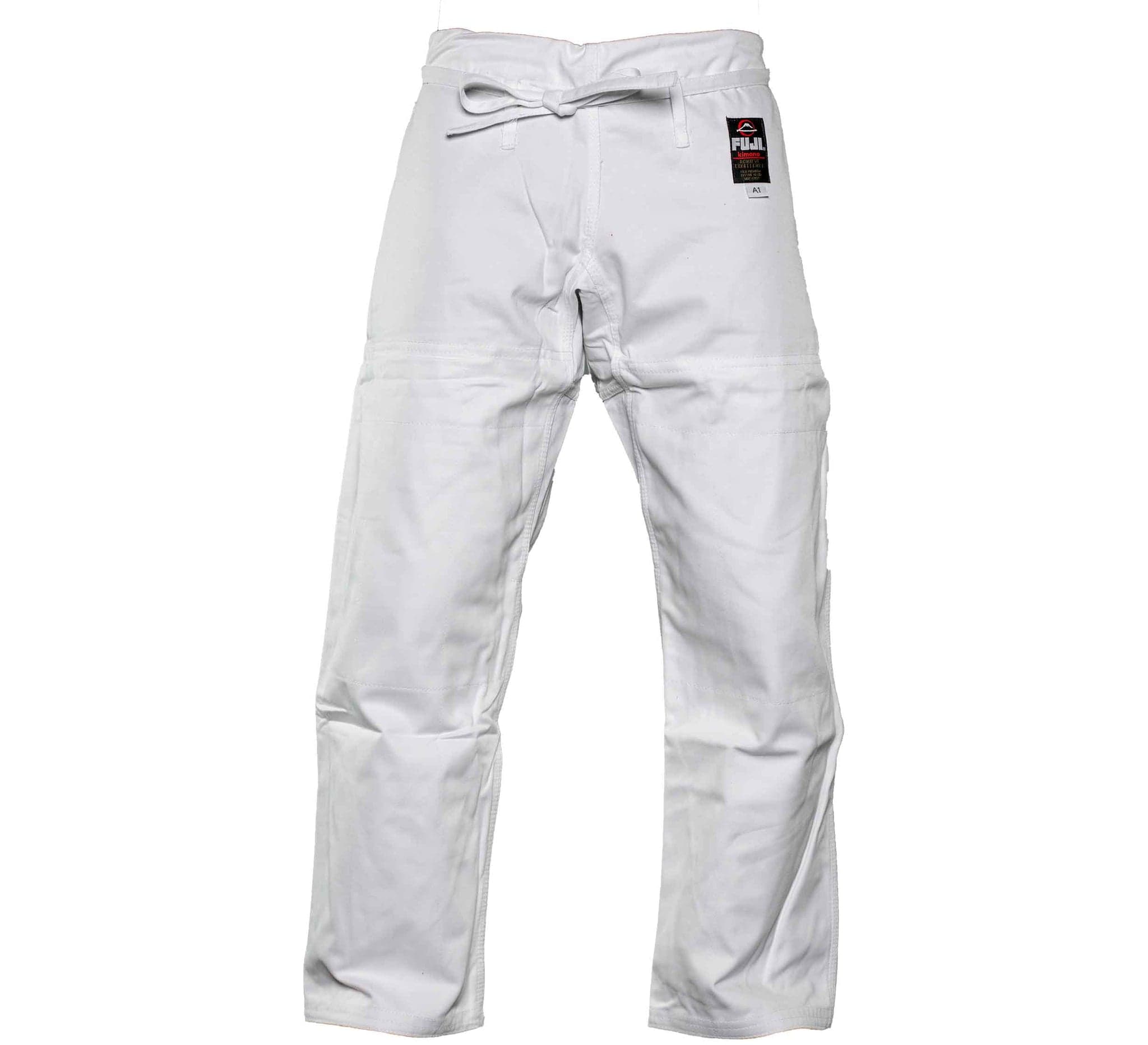
Check BJJ gi pants at the waist, rise, knees, and cuffs so a good-looking size label becomes a uniform you can actually move in.
Comments (0)
Loading comments...