

Your BJJ match time is an estimate. Plan around that.
Quick answer: Treat a BJJ tournament's estimated match time as a moving forecast, and follow the organizer's arrival and check-in requirements. Build a plan for arriving, waiting, warming up, and responding to schedule changes without relying on one screenshot.
A time on a bracket can look more definite than it is. An athlete sees 11:40, works backward from a warm-up, and plans breakfast, parking, and arrival around that number. Then several earlier matches end quickly, a division moves, or the mat assignment changes. The plan was precise. Its starting assumption was not.
The useful skill is managing uncertainty without spending the whole morning in a state of readiness. That means knowing which instructions are firm, which times can move, and where the organizer will publish the information you actually need.
Separate the deadlines from the estimates
Registration, check-in, weigh-in, and an estimated first match are different items. A competitor can arrive before the displayed match time and still miss an earlier required procedure. Read the event page as a set of obligations rather than scanning for the one number next to your name.
The IBJJF championship help desk distinguishes its approximate schedule from the earlier arrival and readiness it expects of athletes. Use the instructions attached to your own event, including any updates sent after registration. Another organizer may operate differently.
Write down the deadlines you must meet. Keep the estimated match time in a separate place on the same note. That small distinction makes it harder to confuse a forecast with permission to arrive late.
If two official instructions appear to conflict, ask the organizer to clarify. A teammate's experience at last year's event can help you formulate the question, but it does not replace the answer. Staff may have changed the venue, check-in procedure, or division order since then.
Build the arrival plan around friction
The trip does not end when your car reaches the venue's street. Parking, entry, finding the competition floor, locating registration, and changing clothes all take time. A building with several entrances can add confusion even when the address is correct.
Before leaving, check the entrance instructions and the event's spectator or coach requirements. Keep your registration details available without depending on a strong mobile signal. If a friend is driving, agree on a departure time that serves the earliest required task rather than the estimated first match.
Avoid an arrival plan that works only if every transfer is immediate. A train connection, a parking queue, and an unfamiliar building are separate sources of delay. You do not need to predict each one perfectly; you need enough room that a modest delay does not force a series of rushed decisions.
Once inside, identify the places you may need again: check-in, your assigned mat area, toilets, water, and the permitted warm-up space. Ask staff where schedule updates appear. Learning that once is more useful than walking repeated laps around the venue looking for a familiar face.
Choose one official source of updates
Screenshots are useful records and poor live trackers. A bracket saved over breakfast may be accurate at breakfast. It cannot tell you whether the schedule has changed since then.
Find the organizer's designated system, whether that is a live bracket page, a posted schedule, an announcement process, or a combination. Learn how your name and division appear in it. Similar divisions can be easy to confuse when an athlete is checking quickly between other tasks.
Decide when to refresh rather than checking compulsively every few seconds. Increase attention as your division approaches, and follow the event's calls and staging instructions. If a teammate is helping, make sure both of you are watching the same official information.
A coach who is covering several athletes also needs updates from you. Send the mat assignment and any meaningful change in timing in a concise message. Do not assume the coach can infer your position in the queue from another student's bracket. A useful update contains the information needed to act, without requiring the recipient to open five screenshots and reconstruct the sequence.
Warm up for the situation you have
An elaborate warm-up scheduled around an uncertain start can become its own source of fatigue. If the first match moves back, the athlete may repeat the entire routine, then repeat it again. The result can be a long period of unnecessary work before competition begins.
Work with your coach on a routine you can adjust. A general phase can help you move and settle in. A shorter, more specific phase can wait until the event's staging process gives you a clearer indication that you are close to competing. The exact exercises and intensity should suit your preparation and circumstances.
Do not introduce a demanding new warm-up because another athlete appears to use it. Tournament day is a poor setting for discovering how an unfamiliar routine affects you. Use movements you know, in the space the event permits, without interfering with other competitors.
If the schedule changes after you have warmed up, you have choices besides continuing at the same intensity. Put on a layer if appropriate, rest, and reassess the next useful action. Being ready includes preserving enough energy to compete, not looking busy throughout the wait.
Make a small plan for a long wait
Waiting is easier when basic needs have already been considered. Pack familiar food and drinks that fit your normal competition plan and the venue's rules. Bring a layer for sitting, a charged phone, and any permitted charging option you expect to need. Keep the bag organized enough that finding one item does not require emptying everything onto a seat.
A short written plan can cover the moving parts:
The required arrival, check-in, and weigh-in instructions.
The official place to check the schedule and mat assignment.
The person who needs to know when your timing changes.
The warm-up area and a routine you can shorten or pause.
The next task after your first match, especially in a multiple-match format.
This is not a requirement to micromanage every minute. It is a way to stop rediscovering the same information while distracted. Leave enough flexibility to respond to staff instructions.
Our BJJ competition preparation guide covers the broader event buildup. The day itself works better when the administrative tasks are already understood, leaving attention available for the match rather than the registration desk.
Recheck after every match
The first match is not always the last timing problem. In a format with additional bouts, the next contest may be closer than expected or separated by a substantial wait. A medal match can involve a different mat or a new call. Follow the event's actual process rather than assuming the morning's rhythm will continue.
After a match, first address anything that needs immediate attention, including the referee's instructions and any health concern. Then check the bracket and ask your coach what happens next. Do not leave the competition area for a long errand without knowing whether you are still needed nearby.
A teammate filming the bout can help by leaving technical review until the immediate logistics are settled. Watching every exchange on a phone is less useful if it causes the athlete to miss the next call. Save the detailed analysis for a moment when both people have time to pay attention.
If you are finished competing, tell anyone who has been tracking your schedule. Coaches, drivers, and family members can then adjust their own plans. A simple update prevents several people from continuing to wait for a match that will not happen.
Respond to a change without making it personal
A schedule moving does not tell you why it moved. Quick submissions, medical attention, administrative corrections, and other events can affect the running order. You may not have enough information to identify the cause from the stands.
Ask a specific question when you need help: where should this division report, or which posted time should this athlete follow? That gives staff something they can answer. A complaint about the entire day rarely produces the immediate information a competitor needs.
If you believe an instruction was unclear or a required process failed, keep the details and raise the concern through the organizer's stated channel. Name the division, time, and instruction involved. Accurate feedback can be useful without becoming an argument at the mat entrance.
For the athlete, the priority is the next controllable step. Confirm the update, notify the coach, and adjust the plan. You do not have to like the uncertainty to manage it competently. The schedule is information to work with, not a promise that your whole day will unfold exactly as imagined.
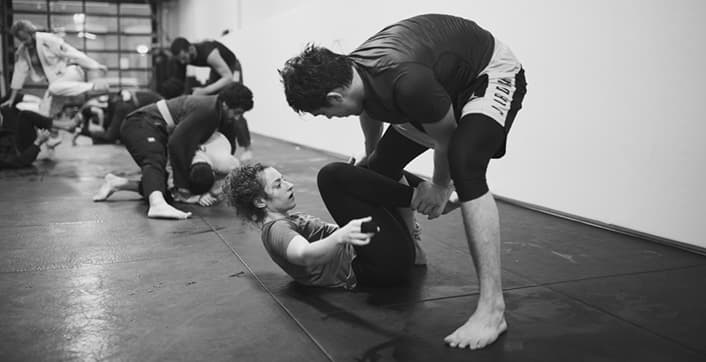
Main photo: BJJ Globetrotters; illustrative archive competition photograph.
The takeaway
Build your tournament day around firm requirements, then use the estimated match time as an updateable guide. Know where to report, where to look for changes, and who needs to hear about them. That is more dependable than a perfectly timed plan based on an old screenshot.
Prepare for waiting as carefully as you prepare for arriving. A flexible warm-up, accessible essentials, and a clear communication plan can keep a changing schedule from consuming all your attention.
Plan your next competition
Find BJJ tournaments on Let's Roll, then read the selected event's arrival, check-in, weigh-in, and scheduling instructions before making your travel plan.
FAQ
Is the match time on my BJJ bracket exact? Treat it as an estimate unless the organizer explicitly says otherwise. Check the event's official updates and meet all earlier arrival, check-in, and weigh-in requirements.
How early should I arrive? Follow the specific organizer's instructions and allow time for parking, entry, changing, and required procedures. Do not borrow an arrival rule from a different tournament without checking it.
Should I keep warming up if my match is delayed? Adjust a familiar routine with your coach rather than repeating hard work indefinitely. Rest and resume appropriate preparation when the event's staging information becomes clearer.
Can I leave after my first match? First confirm whether you have another bout, a podium procedure, or another required task. Multiple-match formats and bracket changes make assumptions about being finished unreliable.

Tess Hanley
Tess Hanley reads the rulebooks, the entry fees and the fine print. When a federation or a gym changes something, her first question is who ends up paying for it.
Related Posts

Competing in gi and no-gi on the same day takes two plans
Prepare for gi and no-gi competition on the same day with separate rule checks, complete outfits, schedule coordination, and a realistic second-bracket plan.
Jiu-jitsu in Montreal: build the visit around a real class
Plan BJJ training in Montreal around confirmed classes, language arrangements, winter travel, visitor policies, and equipment that is ready to use.

BJJ gi pants that fit standing up can still fail on the mat
Check BJJ gi pants at the waist, rise, knees, and cuffs so a good-looking size label becomes a uniform you can actually move in.
Comments (0)
Loading comments...