

Illegal grips in IBJJF: check what your hand is holding
Quick answer: IBJJF rules prohibit gripping an opponent's sleeve or trouser opening with fingers inside, and prohibit holding either athlete's uniform in no-gi. Those are examples, not a complete list of grip restrictions. Check the current rulebook and ask your coach to inspect the exact grip you use.
A grip can feel entirely natural in training and still be illegal in competition. The referee doesn't need to accept an explanation about how often you've used it at open mat.
That makes grip legality a useful thing to examine before an event. You don't need to become an official, and you don't need to interrupt every exchange to conduct an investigation. You need to recognize a habitual hold that the rules forbid and practice an alternative while there is still time.
I would begin with your hands in the positions you actually reach. A generic rules summary becomes useful when somebody can point to the specific fingers and fabric it describes.
Read the rule for the format you entered
Gi and no-gi training can share many positional ideas while giving clothing a different role. A legal grip in one format doesn't automatically transfer to the other, even if the resulting movement looks similar.
The IBJJF rulebook and update materials are the authority for an IBJJF event. A different organizer may publish its own rules or modifications. Identify the event before treating a gym habit, commentary clip, or teammate's recollection as a final answer.
Your belt and age category also belong in the broader rules check. This article addresses a few clothing-grip restrictions; it does not approve every technique a legal-looking grip might lead into. Permission to hold something and permission to perform a particular submission are separate questions.
Save the official rules link with your registration details. If a diagram or wording leaves your exact variation unclear, raise the question before the event. A precise description is more useful than asking whether sleeve grips, as an entire category, are allowed.
A sleeve opening needs particular attention
The prohibited example in IBJJF's serious-foul section concerns grabbing the opening of the opponent's sleeve or pant leg with fingers inside the garment. The outside appearance can be misleading in a quick video: a hand near a cuff doesn't show exactly where the fingers are.
That is why a rules check should include the physical grip. Ask a coach to look at the arrangement while both partners are stationary. Show where the fingers enter, where the fabric folds, and what part you are pulling.
Don't turn that check into a contest over clever wording. The purpose is to understand and follow the rule, then build a permitted way to do the job. A grip that needs a lengthy argument to defend is a poor surprise to bring into your first match.
A useful practice note records the prohibited habit in plain language and names the replacement your coach approved. That gives you something to rehearse. Remembering only that you need to be careful leaves the actual hand position unchanged.
Trousers are governed by rules too
Beginners sometimes associate the restriction with sleeve control because that's where the warning first appeared in class. The cited rule also addresses the opponent's pant-leg opening. A passing exchange can therefore produce the same problem at the other end of the uniform.
Show your coach the grip from the direction you normally acquire it. A hold placed carefully for inspection may differ from the one your hand finds during a moving exchange. Slow the entry down enough to see the difference.
The rulebook also includes restrictions concerning grips inside the opponent's gi top or trousers and passing a hand through the inside to grip the outside. Don't treat the cuff example as the complete clothing-grip chapter.
For practical preparation, identify where clothing enters your main passing or retention sequences. You're looking for a specific recurring action, rather than an abstract promise to obey every rule. A focused check can be brief and still reveal something important.
No-gi removes the clothing handle
Under IBJJF no-gi rules, an athlete may not hold their own uniform or the opponent's uniform. That includes an instinctive clothing handle that lasts only long enough to influence an exchange. The absence of a gi doesn't mean the rashguard becomes a smaller gi.
This distinction matters for people who switch formats in the same week. A hand can reach for fabric through habit. Recognizing the difference during a calm drill is easier than trying to rewrite the habit while somebody is passing.
Ask your coach for permitted contact that serves the relevant task. The replacement depends on the position; a single substitute doesn't fit every collar, sleeve, and trouser grip. Describe what the original hold was helping you control.
Our gi versus no-gi resource explains the broader format comparison. Use it for orientation, then examine the exact grip and rules that apply to your next session or event.
Release the grip when directed
A referee instruction needs a response, not an argument conducted while continuing to hold the same fabric. If the official identifies an illegal grip, release and follow the direction. Questions about procedure should go through the appropriate event channel.
Avoid planning around an assumed free warning. The foul classification, the athlete's existing penalties, and the circumstances matter. This article doesn't promise a particular penalty outcome for every occurrence, and a practice partner's tolerance doesn't establish one.
Training can make the response simpler. Agree with the coach that a prohibited grip will be called immediately during a rules-focused round. Release it, replace it if possible, and continue according to the exercise. Keep the intervention factual.
That doesn't authorize a partner to wrench fingers out of a grip or turn correction into retaliation. Pause and ask the coach when needed. The point is to remove an illegal habit, not to invent an argument about who deserved the next exchange.
Give the replacement a clear job
A legal replacement should be practiced in the position where you need it. Memorizing an approved hand shape away from the exchange may settle the vocabulary while leaving you unable to use it when your partner moves.
Start by naming the job. Were you stopping the opponent's arm from traveling, keeping their leg away, or maintaining distance while changing position? Your coach can then choose an appropriate alternative for the lesson and the rules.
A small preparation checklist helps:
Show the habitual grip exactly as you acquire it.
Confirm the restriction using the applicable official material.
Practice the coach's replacement from the same starting position.
Leave room for the replacement to change the rest of the sequence. It may create a different angle or require another contact. That isn't proof the legal option is ineffective; it is information about what you still need to learn before relying on it.
The referee signal is information about the current exchange
IBJJF's rulebook includes a gesture for an inside sleeve or trouser grip. Learning that a signal exists can help a competitor recognize an instruction without assuming every movement from the official means the same thing.
The whole communication matters. Notice whom the referee addresses, release the relevant hold when directed, and listen for the next instruction. Don't keep working on the position while attempting to decode a signal you could have asked about earlier.
A corner can help prepare this before competition by watching official rules demonstrations with the athlete. That is a better use of preparation time than trying to conduct a live tutorial from outside the mat.
Keep interpretation proportionate. A spectator's partial view of a hand and a referee gesture may not establish every detail of the decision. Ask what can actually be seen before declaring the call wrong. The next grip you make is a more useful place to exercise control than an online dispute about a cropped replay.
Rules practice should feel ordinary
A rules-focused round needn't become an anxious inspection of every movement. Select one or two habits to notice and let the coach define the exercise. The partners can still practice a recognizable position while receiving a clear correction when the chosen issue appears.
Review afterward without making the correction a judgment about the person. Someone can have a recurring illegal grip through unfamiliarity or carryover from another setting. That calls for explanation and practice, not an invented story about their intentions.
It is also worth checking new variations before adding resistance. A grip learned from a short clip may omit a detail the original instructor considered obvious. Ask the coach to examine it rather than assuming that appearing in a video proves competition legality.
For broader preparation, the IBJJF rules explainer gives context for scoring and penalties. Bring the particular uncertainty back to the current official document. A readable overview should help you find the rule, rather than replace it.
The takeaway
The useful rules check is specific enough to see. Look at the fingers, fabric, and format in the grips you actually use. IBJJF's sleeve, trouser, and no-gi clothing restrictions are clear reasons to examine a habit before taking it into competition.
Ask your coach for a permitted replacement, practice it in context, and respond promptly to referee instructions. A legal grip doesn't guarantee the position will work. It does remove one avoidable reason for the exchange to be interrupted.
Choose the event, then check its rules
Browse BJJ tournaments on Let's Roll and confirm the organizer's current rules before completing your entry.
FAQ
Can I put my fingers inside an opponent's sleeve opening in IBJJF? Grabbing that opening with fingers inside is prohibited under the cited rules. Have your coach inspect the exact grip rather than judging it from the outside of the cuff.
Does the restriction also concern trouser openings? Yes. The cited IBJJF provision names the opponent's sleeve and pant-leg openings. Other inside-garment restrictions also appear in the rulebook.
Can I hold my own shorts in IBJJF no-gi? The rules prohibit holding either your own uniform or your opponent's uniform in no-gi. Check the applicable event materials and train a permitted alternative.
Will an illegal grip always produce the same penalty? Don't assume a single outcome or a free warning. The rules, circumstances, and existing penalties matter; follow the referee's instructions and verify procedures with the organizer.

Tess Hanley
Tess Hanley reads the rulebooks, the entry fees and the fine print. When a federation or a gym changes something, her first question is who ends up paying for it.
Related Posts
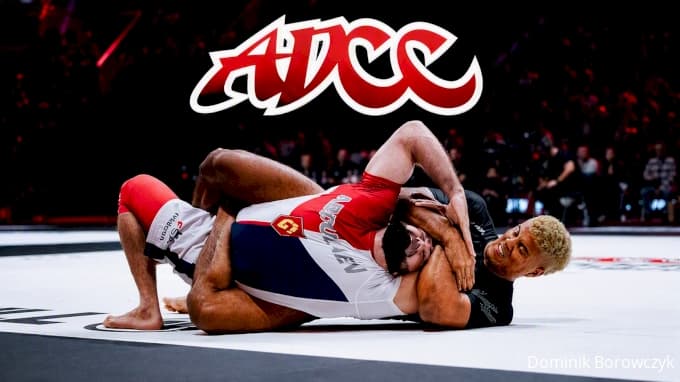
ADCC 2026 results: the stories that survived the predictions
ADCC 2026 results from Krakow: Jaworski, Maciel, Crevar, Pena, the women's champions, and the superfight outcome, with official podiums and match context.
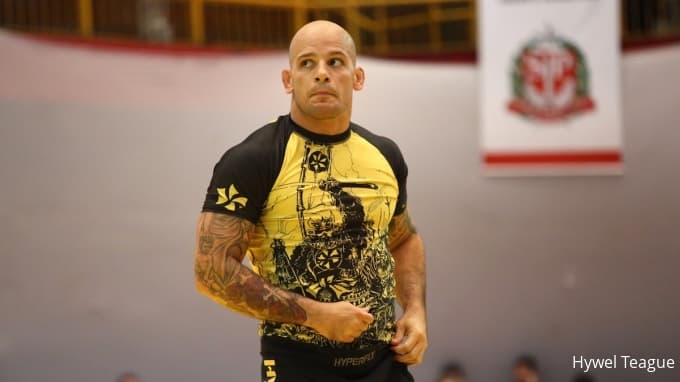
Xande Ribeiro: from absolute titles to the masters mat
Explore Xande Ribeiro's absolute Worlds victories, two ADCC titles, Six Blades, and the distinction between his 2022 Worlds farewell and later masters gold.
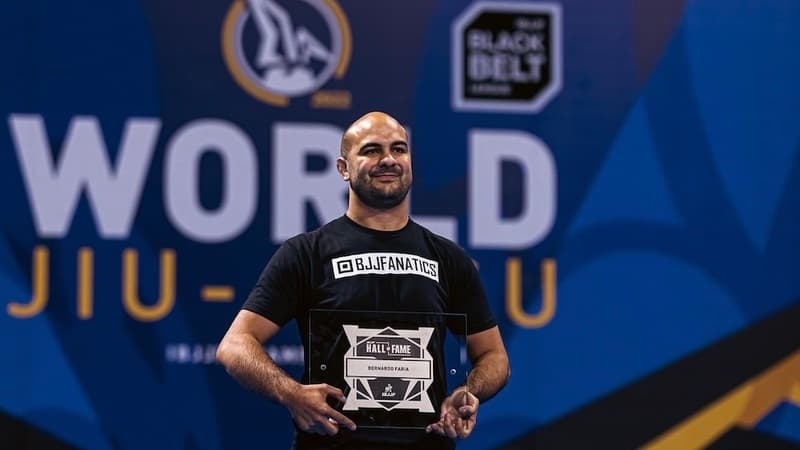
Bernardo Faria: the champion who kept asking questions
Follow Bernardo Faria from Juiz de Fora and Alliance to the 2015 Worlds and BJJ Fanatics, with context on his competition game and move into teaching.
Comments (0)
Loading comments...