Training
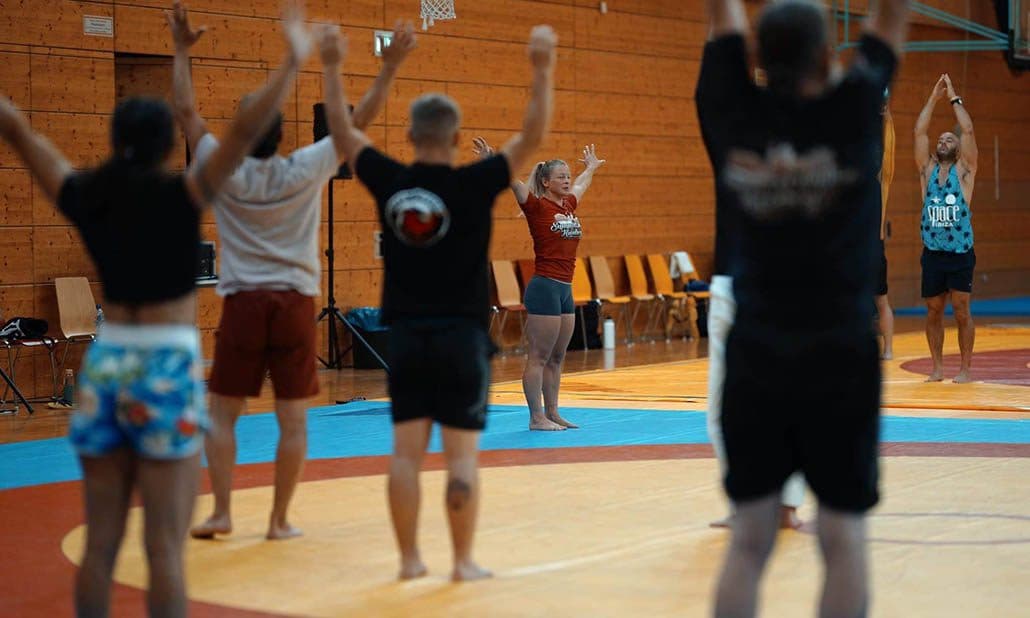
Why experienced BJJ students still belong in fundamentals
How experienced BJJ students can get useful work from fundamentals without taking over the lesson or overloading a newer partner.
Owen Bellamy8 min read

Training, technique, and the culture of Brazilian Jiu-Jitsu
371 articles
How experienced BJJ students can get useful work from fundamentals without taking over the lesson or overloading a newer partner.
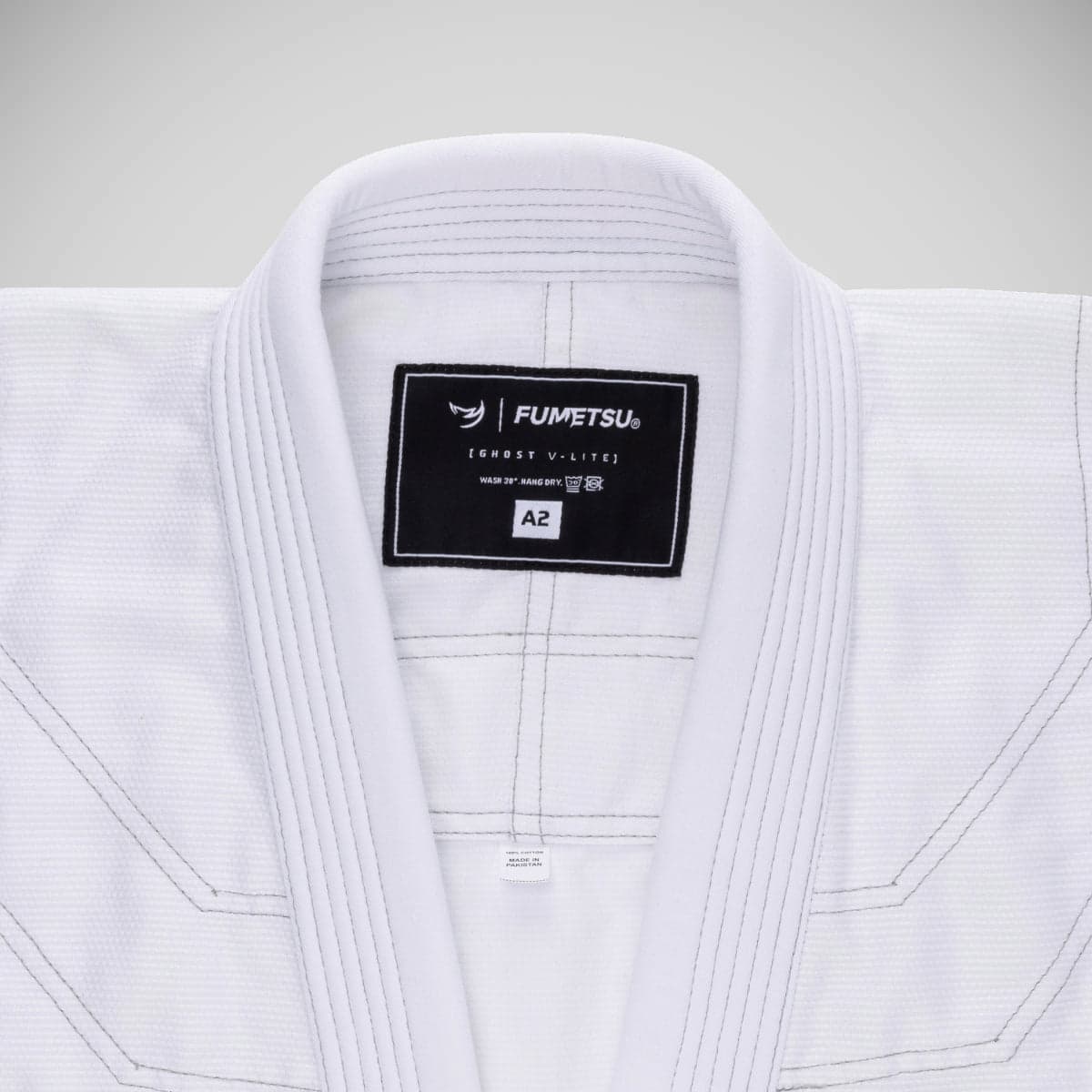
Look beyond collar stiffness when choosing a BJJ gi: fit, care, wear, competition rules, and the limits of product photos.

A simple routine for the time between BJJ matches: bracket updates, equipment, clear coaching, and staying ready for the next call.
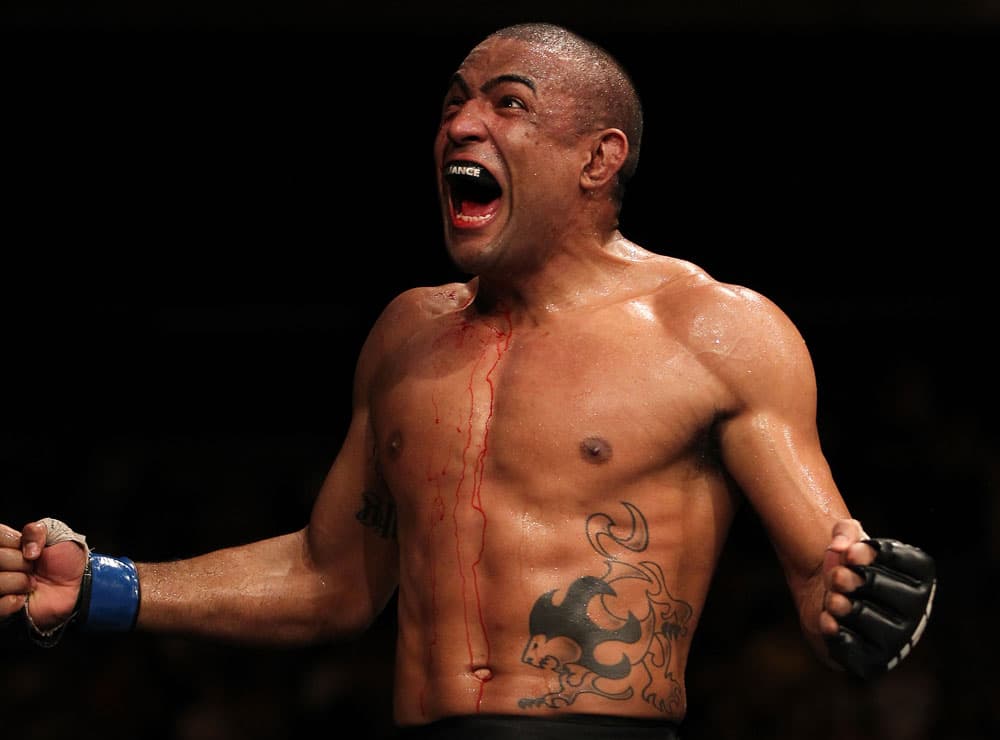
Before the UFC, Sérgio Moraes won two named IBJJF world titles. His contemporary interviews show the work behind the next phase.
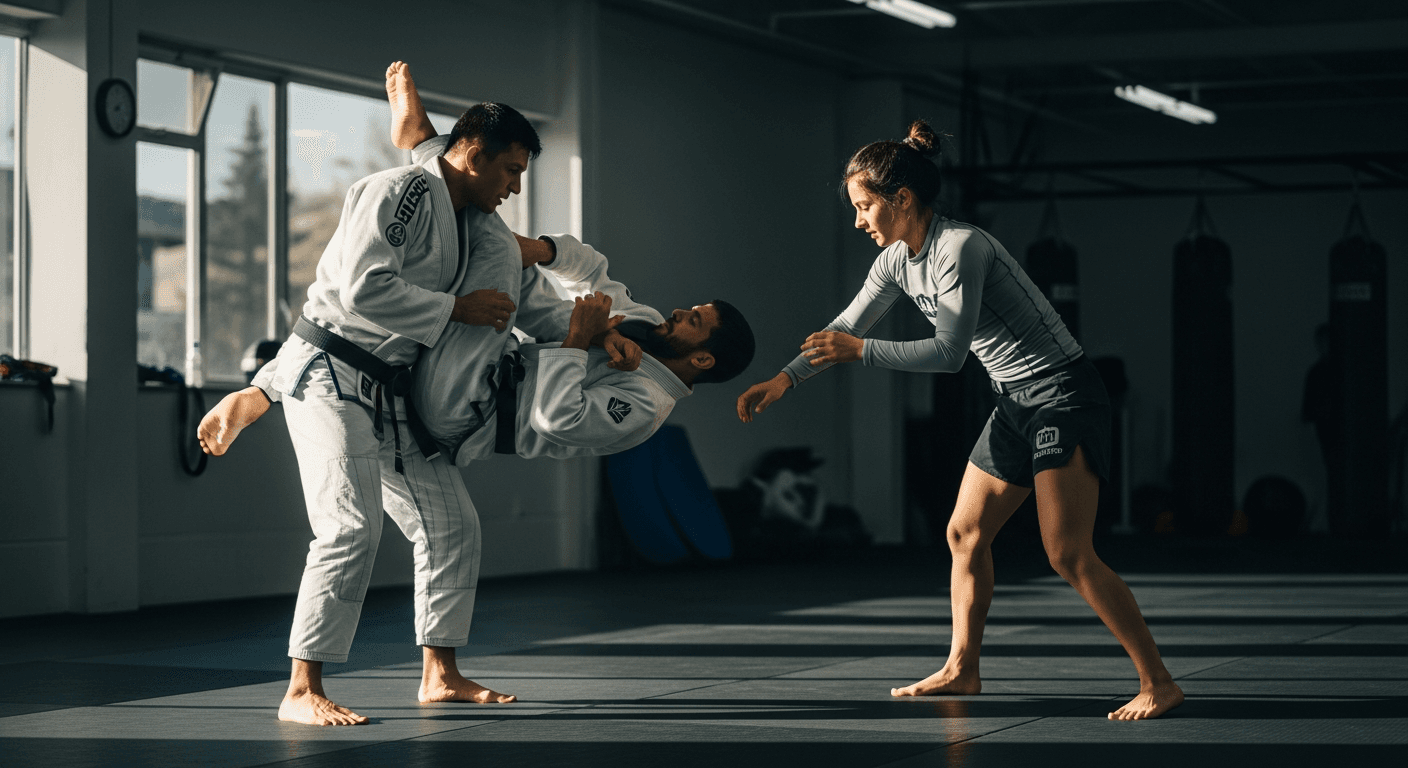
The gi versus no-gi debate is one of BJJ's longest-running arguments. Both have distinct advantages, and the answer to which you should train depends entirely on your goals.

Fit BJJ into a shared holiday without making nontraining friends organize their days around your class schedule.
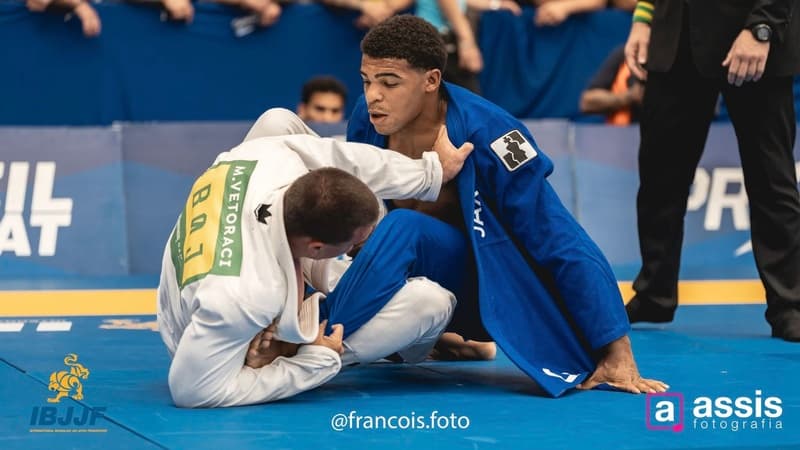
Make the toreando more than a race around the feet: learn its distance, grips, angle, and controlled finish against guard recovery.

Start a low-pressure reading group with BJJ teammates: accessible choices, useful questions, and a conversation outside the belt hierarchy.
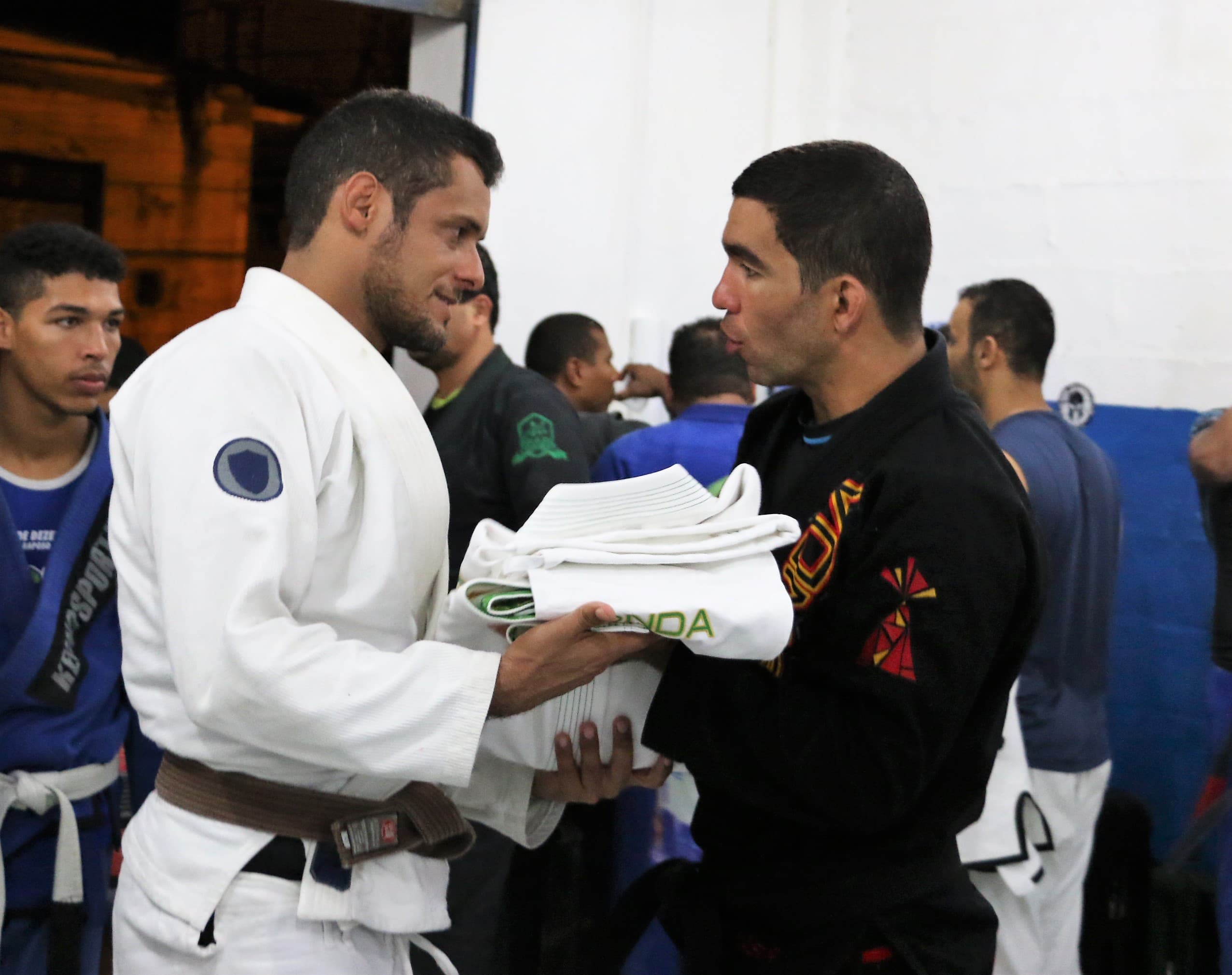
Organize a BJJ gear swap with clear labels, clean equipment, optional participation, and a plan for every item left afterward.
A practical post-match routine for BJJ: acknowledge your opponent, handle disappointment, and keep concerns separate from confrontation.
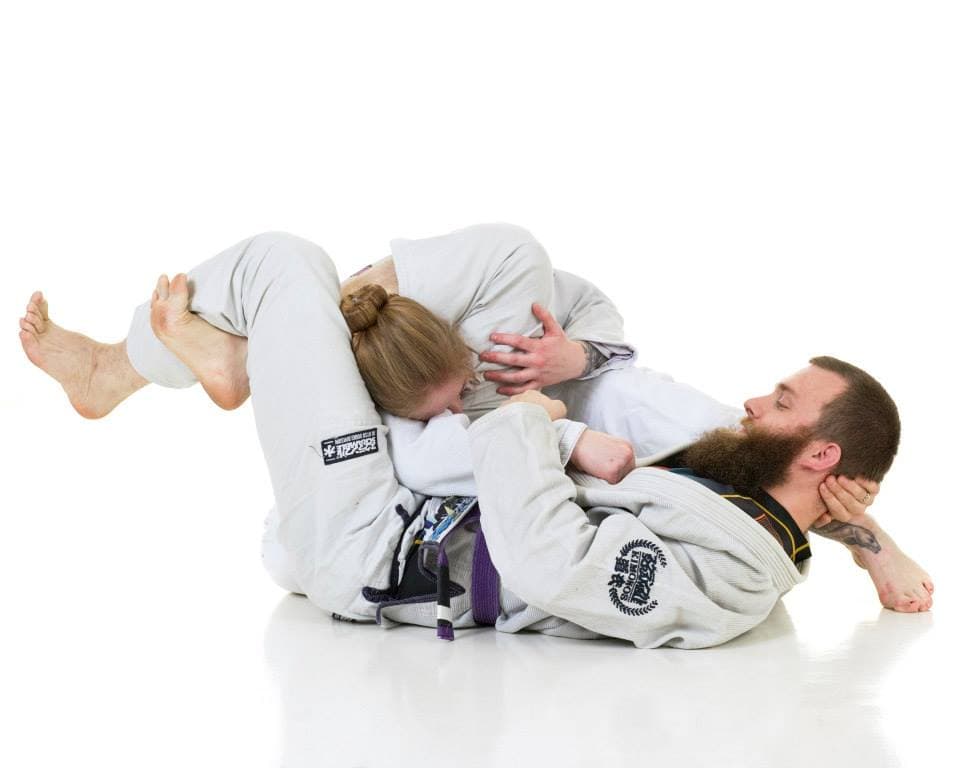
Learn BJJ left-handed without getting lost in a right-sided demonstration: mirror the setup, name the connections, and work with your partner.
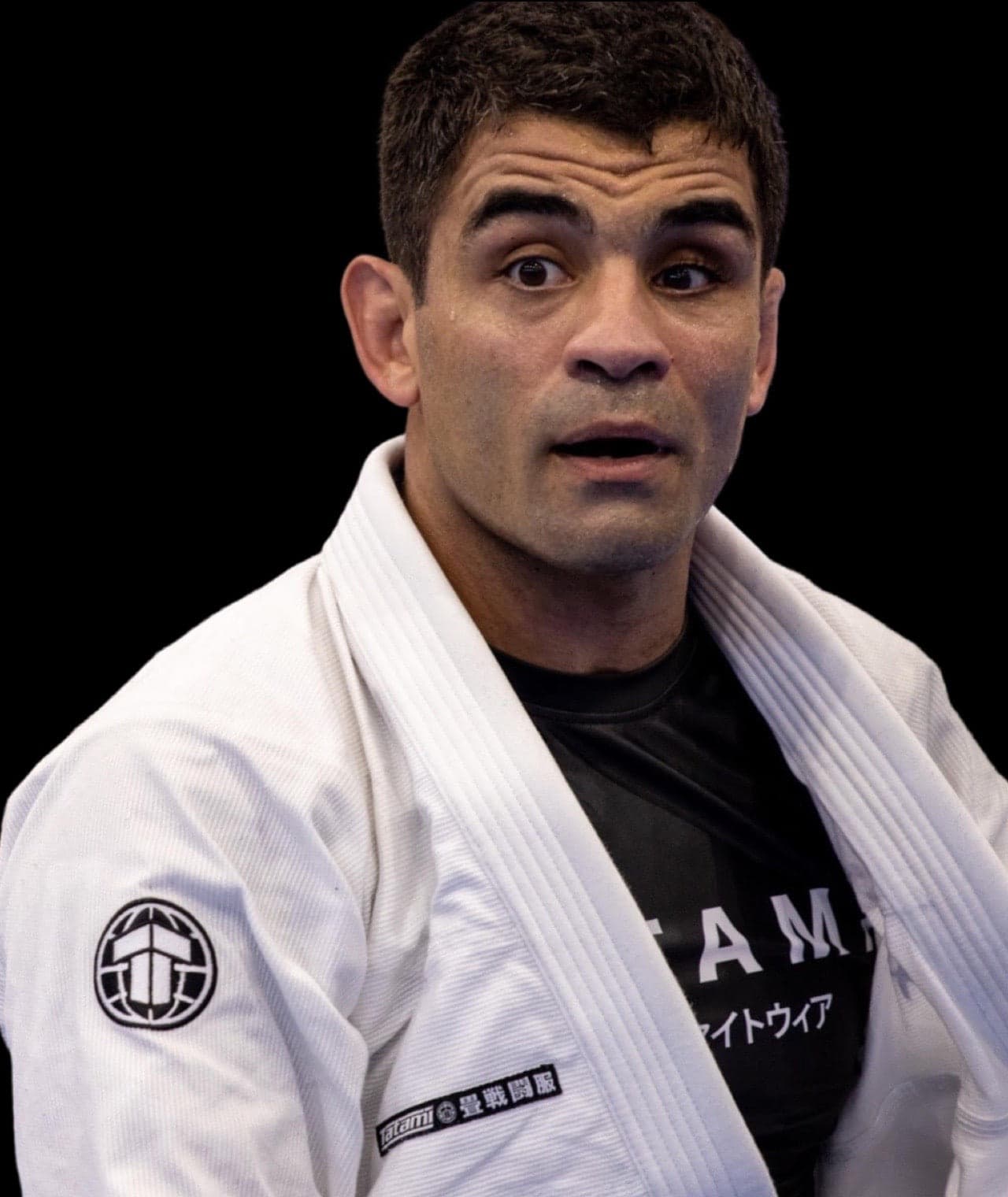
Vitor Shaolin Ribeiro won three straight adult black belt Worlds titles across two divisions. The original results reveal a more detailed story.

Plan two BJJ drop-ins on a short trip without losing the whole weekend to transport, wet gear, and rushed arrivals.
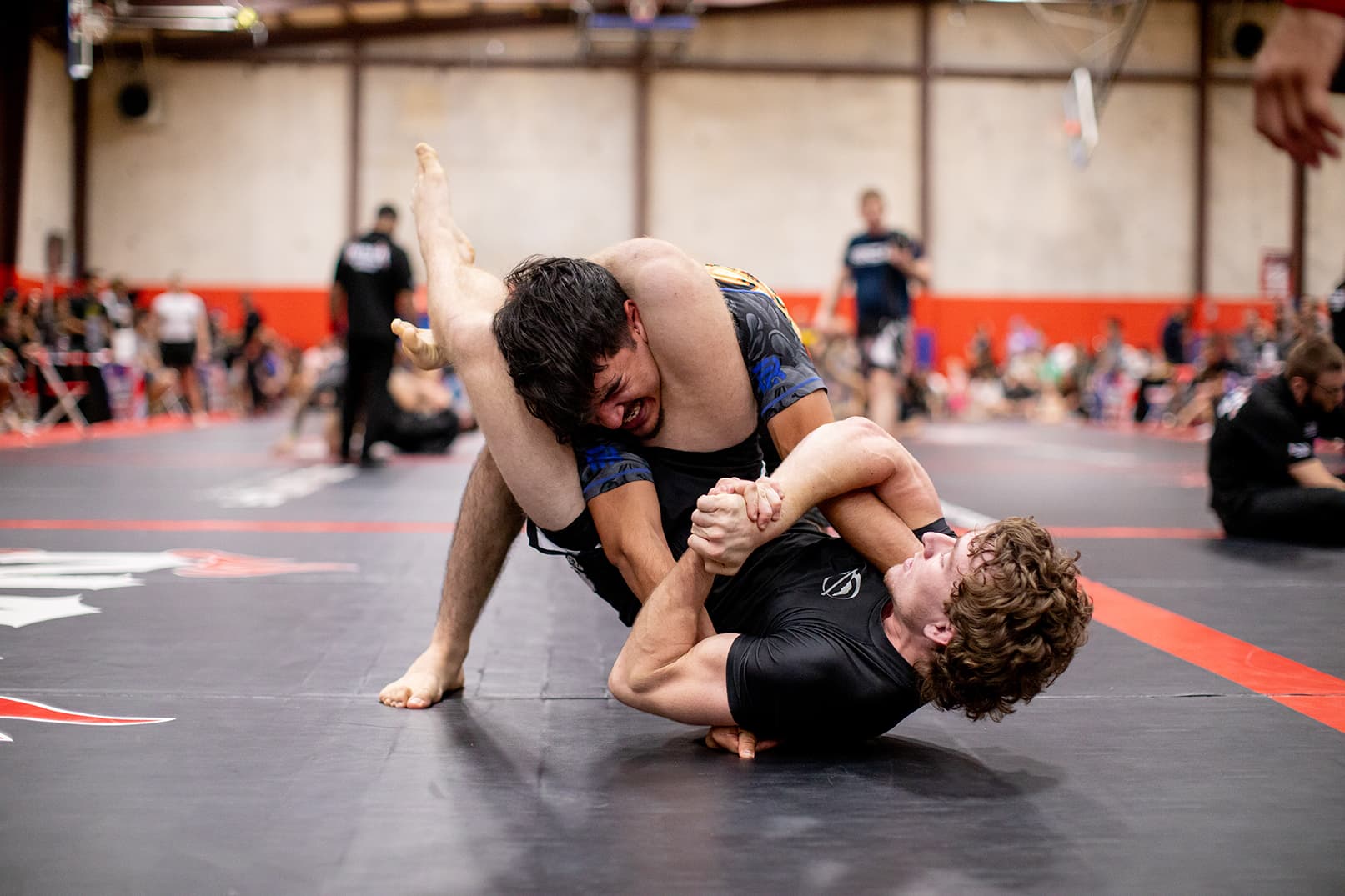
Some techniques define the art. From the triangle choke to the berimbolo, these are the most iconic BJJ techniques — their origins, mechanics, and why they've shaped how the world grapples.
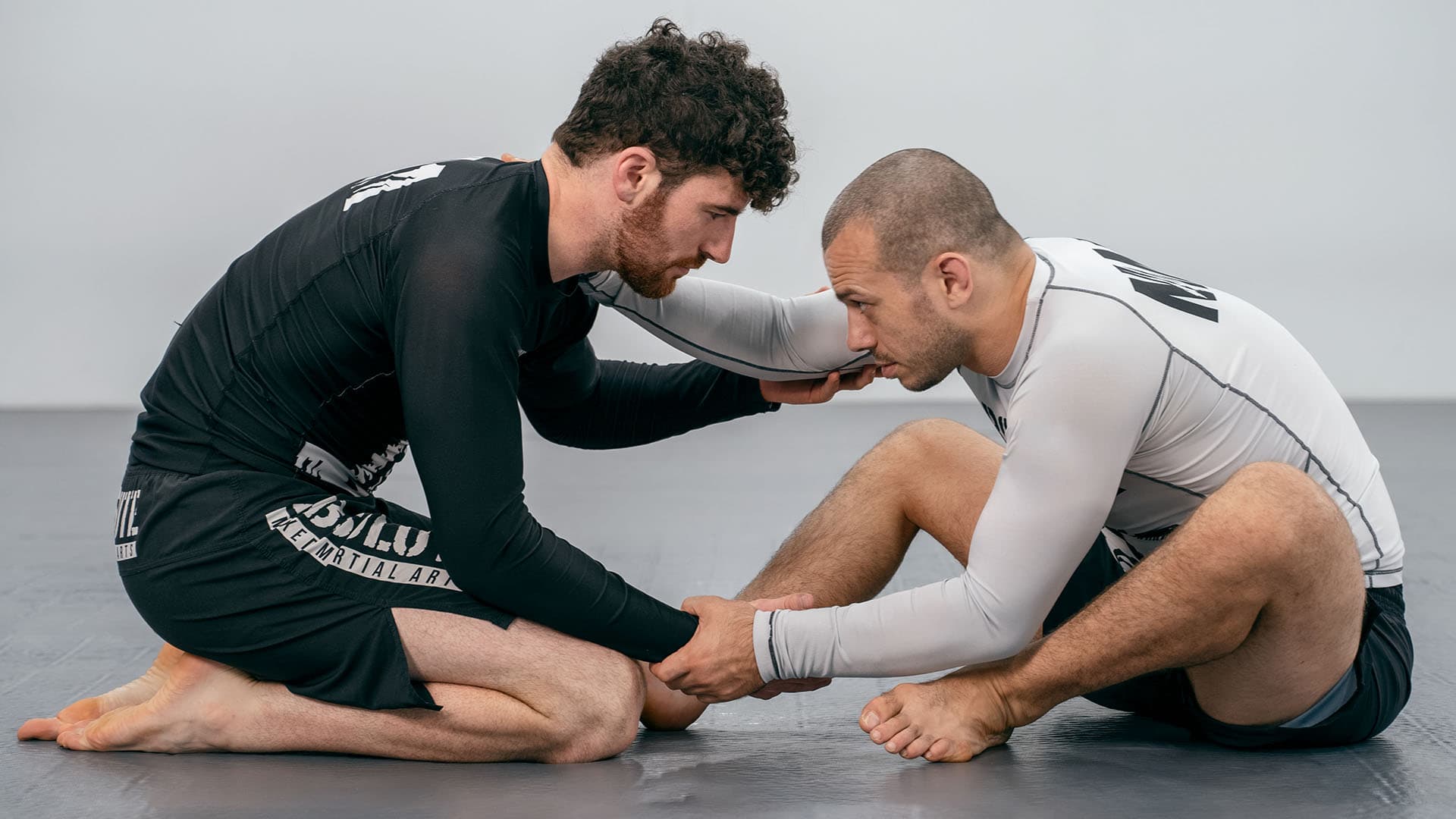
Seated or supine guard in BJJ depends on distance and connections. Learn what to notice before changing posture and how to practice the transition.
A practical, respectful lost-property system for BJJ gyms: clear storage, useful reminders, and a firm distinction between found items and donations.
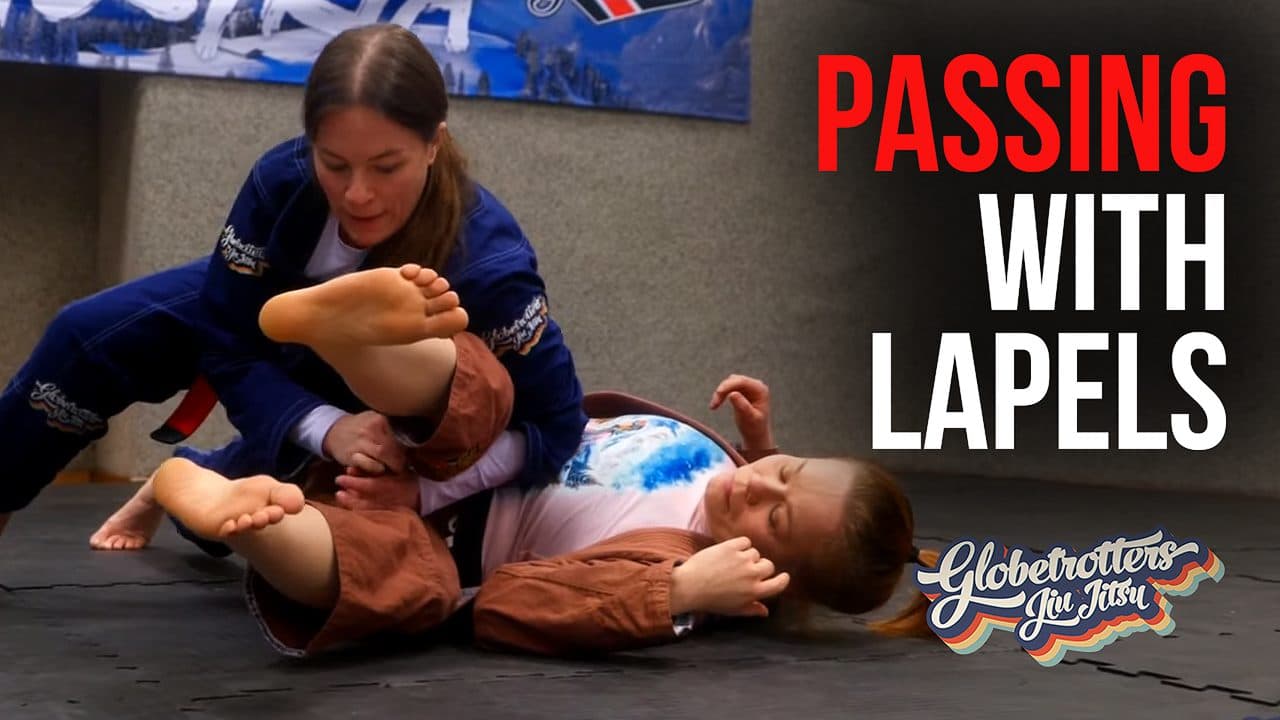
Repeating a BJJ class can answer the question you missed the first time. Use the setup, partner response, and one clear detail to guide practice.
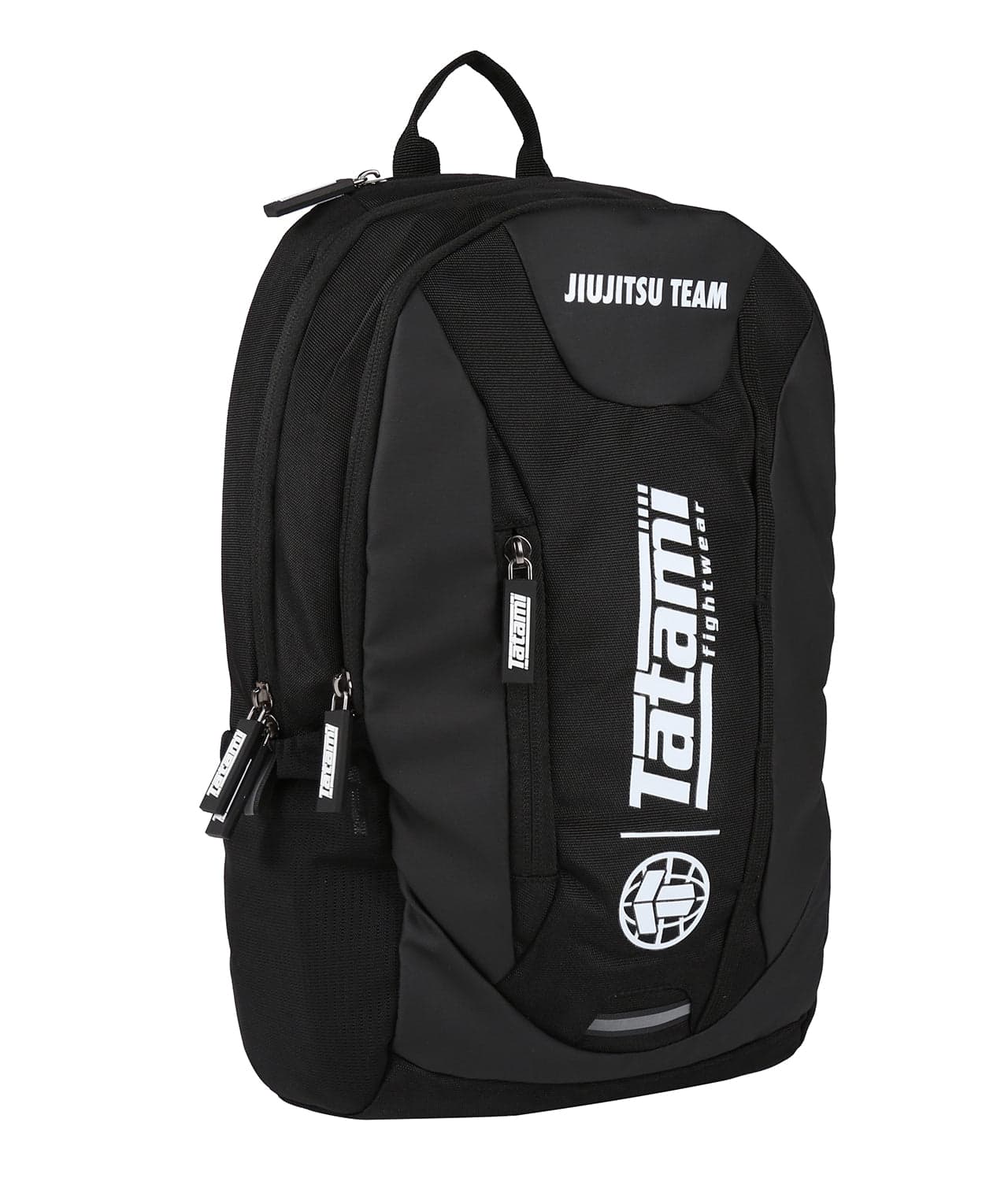
Make BJJ before work practical: protect the clean outfit, plan for the shower queue, and give used training gear somewhere sensible to go.

Preparing for your second BJJ competition: keep the useful routines, fix one clear problem, and check the new event on its own terms.
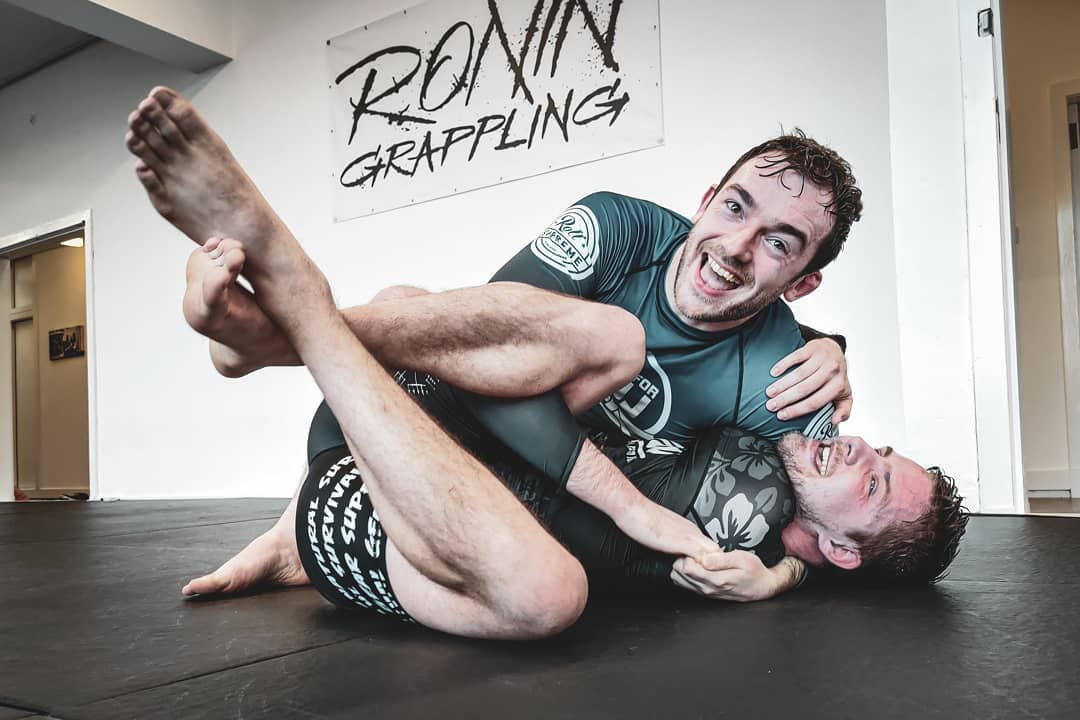
Changing BJJ drilling partners reveals hidden assumptions. Reset the task, compare the setup, and adapt the fit without turning practice into a contest.
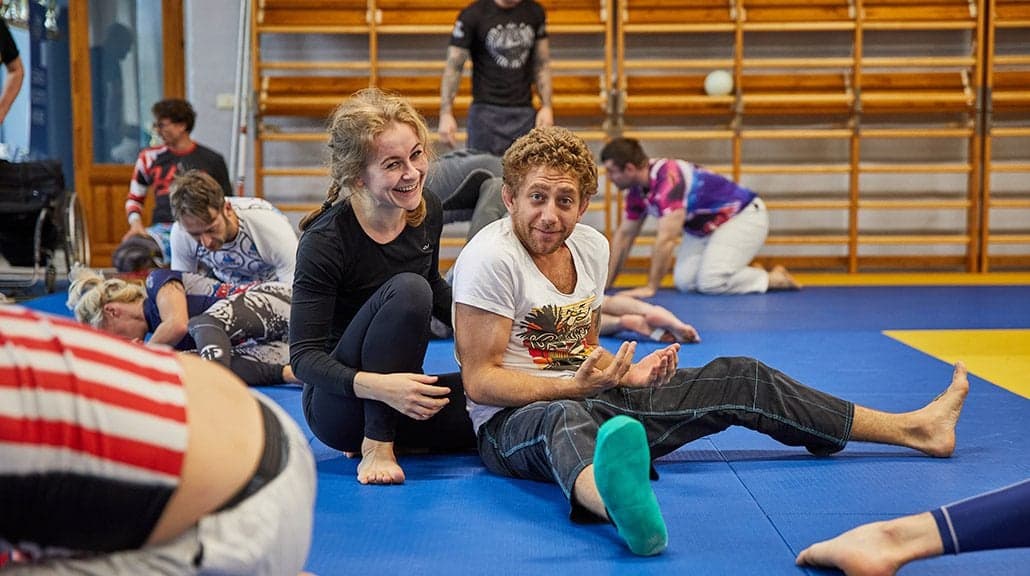
Practical hearing access in BJJ: visible instruction, individual communication preferences, clear stop signals, and class information everyone can use.

BJJ was born from self-defense, but modern sport BJJ has evolved beyond its roots. Here's an honest look at what BJJ offers for real-world self-defense and where its limitations lie.
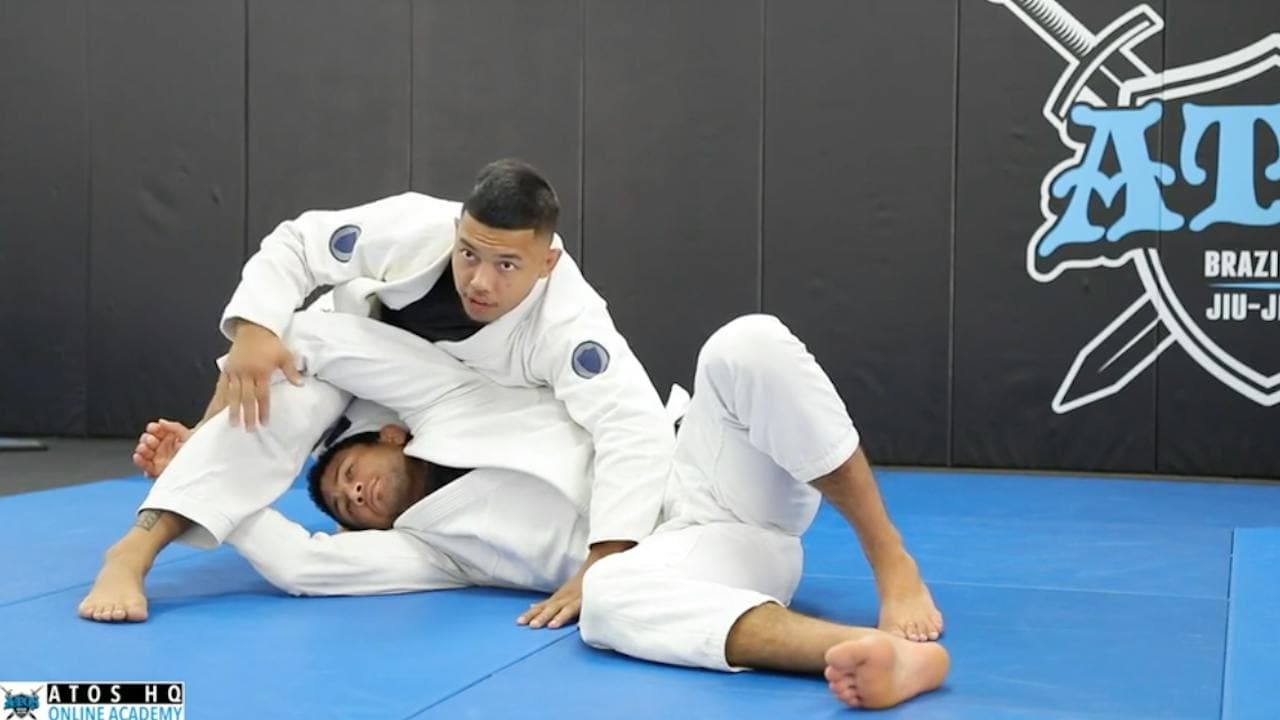
Make knee on belly part of a connected top game: balance, useful contacts, readable reactions, and controlled transitions with your training partner.
Train after a bad day without making it your partner’s problem. Choose a manageable session, communicate the pace, and know when to pause.