

Two BJJ gyms in one short trip: decide what each visit is for
Quick answer: Visiting two BJJ gyms on a short trip works best when each visit has a clear purpose and the travel between them fits the rest of your stay. Confirm visitor policies, class access, and fees with both academies before building the itinerary. Leave enough time to arrive early, clean your gear, and enjoy the place outside the training room.
The map makes the second gym look close. The timetable makes its evening class look convenient. Together, they can persuade you that a three-day trip contains rather more usable time than it actually does.
Two BJJ drop-ins can make a short visit memorable, but they need to earn their place in the schedule. One might let you reconnect with a friend; the other might offer a class you are particularly interested in. Those are better reasons than collecting two photographs because both addresses happen to be available.
Give each visit a job
Write a sentence explaining why you want to visit each academy. Keep it concrete: a friend trains there, the class format interests you, or the location makes a morning session realistic. You are choosing how to spend limited time, not ranking the gyms against each other.
If the two sentences are identical, consider whether one academy could meet the same need with less travel. Returning for a second class may give you a clearer sense of the teaching than arriving somewhere new again. Variety has value, but familiarity can have value too.
A short trip also leaves little room to discover that the session you wanted is not available to visitors. A competition class, invitation-only session, or particular training group may have access conditions. Ask about the actual class rather than relying on a general statement that the gym welcomes drop-ins.
Once the purpose is clear, it becomes easier to choose what to remove if the itinerary tightens. You can preserve the visit that matters most instead of trying to protect every pin on the map equally.
Build the day around real travel
Measure the journey from where you will actually be before class, not automatically from your hotel. If the afternoon includes a museum, work meeting, or outing with friends, that location is the relevant starting point.
Then add the less visible parts: finding the entrance, changing, checking in, and reaching the mat before instruction begins. A route estimate usually ends at an address. Your training appointment begins after several additional tasks.
For each proposed visit, record:
The confirmed class time and visitor arrival time.
The route from your previous activity.
A realistic way back after class.
Time for showering, food, and dealing with wet gear.
Use current transport information when you travel. Do not assume that a late return route runs as often as the afternoon service, or that a taxi will always be waiting outside. If you would need every connection to work perfectly, the plan has no room for an ordinary delay.
The second academy should fit the day you intend to have. It should not require rebuilding the whole holiday around a hopeful transfer.
Confirm both invitations separately
Acceptance at one gym does not establish the policy at another. Contact each academy with your training experience, the date you hope to attend, and the particular class you have in mind. Keep the message brief enough for someone working around classes to answer easily.
Ask about the visitor fee, required booking, permitted clothing, and any restrictions relevant to the session. If you plan to train no-gi, confirm that the class is actually no-gi on that date. If you need to rent a gi, establish whether that is possible before leaving yours at home.
Mention that you are visiting the area. You do not need to present the other academy as a comparison or explain that you are testing which is better. Two visits can be independent, respectful experiences.
Save the replies somewhere accessible. A confirmation that is buried in a social-media account you cannot open without a connection is less useful at the door. The person greeting you may also be different from the person who answered, so arrive with enough time to explain the arrangement calmly.
Treat laundry as a scheduling constraint
Two sessions require two clean training setups or a reliable way to wash and fully dry the first one. This sounds obvious until the second class is early the next morning and the hotel room contains one small rail and no airflow.
Do not assume that a gi will dry overnight because a rashguard usually does. Check the accommodation's laundry facilities and timing. A service may accept clothes after breakfast but return them too late for the evening class. Self-service machines may be available only during hours you planned to spend elsewhere.
Our guide to hotel laundry on a BJJ trip walks through the practical choices. For a two-gym itinerary, the key is deciding before departure whether you are carrying a second set or depending on a confirmed turnaround.
Keep used gear separate during transport and wash it promptly. A spare bag is useful for carrying damp clothing; it is not a substitute for cleaning it. If the laundry plan fails, change the training plan rather than arriving with gear that is not ready to use.
Leave room between unfamiliar rounds
An unfamiliar room asks for attention. You are learning names, class conventions, available space, and how partners communicate. Placing two demanding sessions close together may leave you with less attention for the second visit than you expected.
Choose a schedule that matches your usual training capacity rather than your excitement about the trip. You can attend a class, participate in the parts that fit, and decline extra rounds politely. Confirm with the coach if you need to modify your participation.
There is no requirement to prove yourself at both academies. Introduce yourself accurately, explain any relevant limitations, and agree on the pace with each partner. If you are uncertain about a position or a local training convention, ask before trying to solve the uncertainty at speed.
A rest period between visits can also make the trip better outside the gym. You may want an unhurried meal, time with friends, or enough energy to walk around the city. Those are legitimate parts of the itinerary, not interruptions to a training challenge you accidentally created.
Keep comparisons specific and private
After visiting two gyms, you will probably notice differences. One class may spend more time on a position; another may offer a different balance of drilling and rounds. Describe what you observed without turning two brief samples into sweeping judgments.
A single visit does not reveal an academy's entire curriculum or culture. The instructor may be covering a particular theme, preparing students for an event, or adapting to the people who attended that day. What you saw was a session, not an audit of the whole business.
For your own notes, record useful details: whether the schedule suited you, how booking worked, and which teaching explanation you want to remember. Those observations can guide a future visit without declaring a winner.
If you share a public recommendation, make the limits clear. Say when and what you attended, avoid claims about experiences you did not have, and ask before posting recognizable photographs. A warm account can be specific without becoming an advertisement for access you were never offered.
Protect the non-training appointment
If someone is traveling with you, agree on the time commitment before booking the second class. Include the commute and cleanup, not just the minutes printed beside the class name. "One hour of training" can occupy a much larger part of a shared evening.
Give your companion a plan they can rely on. That might mean meeting for dinner at a fixed place or preserving one afternoon with no gym visit attached. Avoid asking them to wait through an indefinite sequence of extra rounds, photographs, and conversations.
The article on traveling with friends who do not train offers more ways to make the arrangement fair. For a short trip, the most useful one is deciding which time belongs to the group before filling the remaining spaces.
If the second visit begins to consume that agreement, remove it. A canceled optional class is easier to repair than a holiday where someone feels they were recruited as support staff for a hobby they do not share.
Have one graceful fallback
Choose the visit you would keep if transport, work, or fatigue disrupted the schedule. This is not pessimism. It is a way to make a decision before you are standing outside a delayed train with two unanswered messages.
If you need to cancel, notify the academy as soon as you know and follow its booking terms. Do not assume that being a visitor means a reserved place has no value. A short, clear message is enough; you do not need an elaborate defense of an ordinary change of plans.
You can still leave with a useful connection after one visit. Keep the other academy's details for a future trip if you remain interested. Trying to force both visits into a collapsing schedule rarely improves the experience of either one.
The best version of a two-gym trip is not the one with the most movement. It is the one where you arrive ready to participate, respect each invitation, and still recognize the city when you leave.
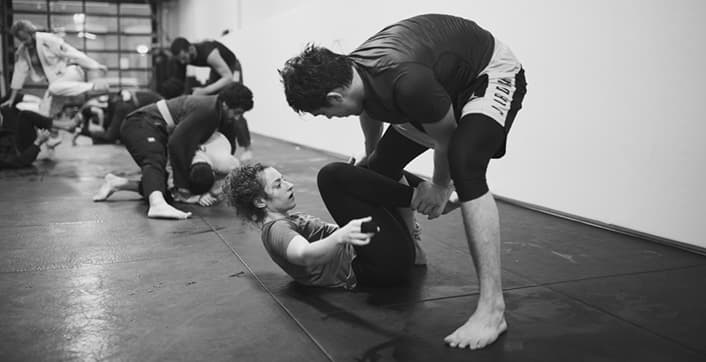
Main photo: BJJ Globetrotters; illustrative archive photograph, not a reported visit or a named subject in this article.
The takeaway
Two BJJ gyms can fit a short trip when each visit has a purpose and the practical details support it. Confirm the classes independently, count the whole commute, and decide how the second clean kit will exist before you need it.
Keep one visit optional enough to remove. That small amount of flexibility protects the training you do attend and the people, meals, and plans waiting outside it.
Build a realistic shortlist
Browse BJJ gyms on Let's Roll, choose the locations that fit your route, and confirm the current visitor arrangements directly with each academy.
FAQ
Is visiting two BJJ gyms on a weekend too much? It depends on your usual training, travel time, and other plans. Count the full commitment around each class and make one visit optional if the schedule becomes tight.
Should I tell each gym that I am visiting another academy? Be straightforward if it is relevant or you are asked. You do not need to frame the visits as a comparison; confirm each gym's own visitor policies separately.
Can I use the same gi for both visits? Only if it has been properly washed and fully dried between sessions. Carry a second clean set or arrange a reliable laundry turnaround rather than assuming overnight drying will work.
What if I can only make one class? Keep the visit that matters most to your trip, notify the other academy promptly, and follow its cancellation terms. One unhurried visit can be more valuable than two rushed arrivals.

Maya Corbett
Maya Corbett answers the questions you have before walking into an unfamiliar academy — what to book, what to bring, who to ask. Every detail in her guides traces back to something the gym published itself.
Related Posts

Competing in gi and no-gi on the same day takes two plans
Prepare for gi and no-gi competition on the same day with separate rule checks, complete outfits, schedule coordination, and a realistic second-bracket plan.
Jiu-jitsu in Montreal: build the visit around a real class
Plan BJJ training in Montreal around confirmed classes, language arrangements, winter travel, visitor policies, and equipment that is ready to use.

BJJ gi pants that fit standing up can still fail on the mat
Check BJJ gi pants at the waist, rise, knees, and cuffs so a good-looking size label becomes a uniform you can actually move in.
Comments (0)
Loading comments...