

A BJJ trip can still work for friends who do not train
Quick answer: A trip with friends who do not train can include BJJ if the training time is agreed before the itinerary fills up. Count travel, changing, and laundry as part of the commitment, not just the class. Give everyone a real choice about how to spend that time, including doing something separately.
A two-hour class can occupy most of an afternoon once the journey across town, changing, and the return trip are included. To the person training, it may still feel like one small addition to the holiday. To the friends waiting for dinner, it can look different.
Neither view needs to become an argument. Put the whole block of time on the plan and decide together where it fits. BJJ can be part of a shared trip without becoming the activity that quietly organizes everyone else’s day.
Name the kind of trip before choosing the gym
A training-focused trip with friends joining along is different from a group holiday where one person hopes to attend a class. Say which arrangement you mean before anyone books accommodation or commits to an itinerary.
If BJJ is the main purpose, explain the likely schedule and invite people on that basis. Do not describe the trip as a relaxed beach weekend and reveal later that you intend to spend every morning and evening at an academy.
If the holiday is shared, treat training as one person’s proposed activity. The group can discuss it alongside museums, meals, walks, or whatever else people want to do. Your enthusiasm gives the proposal energy; it does not give it automatic priority.
This conversation can stay ordinary. Ask what each person most wants from the trip and which plans need to happen together. The answer may leave plenty of room for a class without requiring anyone to become interested in jiu-jitsu.
Count the whole training block honestly
Start with the class time, then add the journey there, arrival instructions, changing, and the return. Include the practical cleanup afterward. A gi that needs washing belongs somewhere in the schedule, even if you would rather count only the minutes on the mat.
Avoid using the shortest possible travel estimate as a promise. A first visit can include finding an entrance, completing visitor arrangements, or waiting briefly to speak with the host. Leave enough room that your friends are not repeatedly absorbing the delay.
If you have agreed to meet for another activity, work backward from that commitment. Choose a session that fits comfortably rather than assuming you can leave at the last second and make every connection.
The travel-training guide covers the gym-side checks. For this trip, the extra task is making those checks visible to the people whose plans intersect with yours.
Separate independent time from waiting time
Friends spending an afternoon on something they enjoy is different from friends waiting outside a gym because no one made another plan. The first can be a welcome part of a trip. The second can become an obligation disguised as flexibility.
Discuss possible separate activities before leaving for training. People do not need identical interests to travel well together, but they do need enough information to make their own choices. Share a realistic return time and agree on how to reconnect.
Do not assign an alternative activity to someone as though it settles the question. Suggesting a café nearby may be helpful; assuming they will happily sit there for several hours is another matter. Let them decide what works for them.
If the group prefers to stay together that day, consider another session or skip the visit. A particular class may be appealing without being the only chance you will ever have to train away from home.
Choose accommodation for more than the mat address
A hotel beside a famous academy may be convenient for one traveler and inconvenient for everyone else. Compare the location against the group’s actual plans rather than assuming proximity to training is the obvious organizing principle.
Look at the journeys people will make most often. A slightly longer trip to one BJJ class may be a better compromise than repeated long trips for the rest of the group. The relevant comparison is the full stay, not a single pin on a map.
If you are paying separately or arranging different accommodation, make that clear early. Do not create an unexpected expense for friends by changing the base after they have agreed to a budget or booked transport.
There is no universal ideal location. The useful habit is to state the tradeoff honestly: this option makes training easier, while that option makes the shared itinerary easier. Once the tradeoff is visible, the group can choose rather than discover it after arrival.
Confirm the visit before asking everyone to work around it
Contact the academy about the specific session, your experience, equipment, and visitor requirements. A public timetable is a lead, not a booking. Do not rearrange the group’s day around an assumption that you can walk into any class.
Ask about the expected arrival time and whether you can leave at the point your plans require. If the class format makes an early exit awkward, choose another session rather than placing the instructor and your friends in a scheduling contest.
Keep the important details in one place:
The confirmed class and arrival time.
The full travel-and-training block.
Any booking or visitor arrangements that affect changes.
The meeting point and time afterward.
Then communicate the result once, clearly. Your friends should not have to reconstruct the plan from several uncertain messages sent while you are already on the way to the gym.
Do not turn a companion into unpaid event staff
A nontraining friend may enjoy taking a photo, watching a round, or helping you find the entrance. Ask rather than treating those tasks as their role for the afternoon. Their presence does not make them the designated bag holder, driver, or camera operator.
If someone wants to watch, confirm the academy’s spectator policy. Explain roughly what the session involves and let the person decide whether that sounds enjoyable. Our advice on bringing family to watch BJJ covers some of those expectations.
Give them an easy exit if their interest runs out. They do not need to remain through every round to show support. Nor should the visit become a surprise beginner lesson unless they have independently chosen to try training and the gym has agreed.
A friend can be pleased that you had a good class without wanting a technical account of every exchange over dinner. Share the part that interests both of you, then ask about their afternoon.
Leave room for the plans that only work together
Some activities are easy to do separately; others are the reason the group traveled together. Identify the latter before filling the gaps with training. A shared booking, an important meal, or a day trip may deserve a protected place in the itinerary.
Do not make attendance at those plans depend on whether an open mat runs long. If you have committed to joining, finish training in time. A good session can still end before the last available round.
You may also want to leave unplanned time genuinely unplanned. An empty morning is not necessarily a mistake to fix with another class. It may be the part of the holiday when the group can decide together what feels appealing that day.
For an enthusiastic grappler, restraint can be practical rather than reluctant. One well-chosen visit may leave better memories than several sessions that require the rest of the trip to be repeatedly adjusted.
Review the arrangement after the first visit
After the class, check whether the plan worked for everyone. Ask about the timing and practical details rather than seeking reassurance that your friends support your hobby. The question is whether this particular arrangement suited this particular trip.
If the training block took longer than expected, use the actual experience to adjust the next one. Perhaps a nearer academy, an earlier session, or one fewer visit would fit better. Avoid promising that the same tight plan will somehow run perfectly tomorrow.
If independent time worked well, keep it as an option without assuming everyone wants the same split every day. A flexible trip still needs agreement. Yesterday’s comfortable afternoon alone is not blanket consent to a week of separate schedules.
Record useful gym details for a future training-focused trip. You can return with a different purpose later. This visit does not have to exhaust every possibility in a city to have been worthwhile.
Main photo: BJJ Globetrotters; illustrative archive photograph.
The takeaway
Agree on the purpose of the trip, count the full time training requires, and make separate activities a genuine choice. Confirm the gym visit before asking other people to build their day around it.
A shared holiday can accommodate different interests when the arrangements stay clear and adjustable. Choose the sessions that fit, keep your other commitments, and let your friends enjoy their own reasons for being there.
Find a visit that fits the shared plan
Browse BJJ gyms on Let’s Roll, then compare confirmed sessions against the itinerary your group has agreed on. A convenient class can be more useful than the most famous address.
FAQ
Is it reasonable to train during a holiday with nontraining friends? Yes, if the time and arrangements work for the group. Discuss it early and include travel, changing, and laundry in the plan.
Should my friends come to watch class? Only if they want to and the academy permits spectators. Give them an accurate idea of the session and an easy option to do something else.
How many classes should I plan? There is no fixed number. Start with the trip’s shared priorities, the confirmed sessions available, and the practical time each visit requires.
What if my friends want to stay together all day? Discuss another time to train or consider skipping that visit. A particular holiday can have different priorities from a trip planned mainly around BJJ.

Maya Corbett
Maya Corbett answers the questions you have before walking into an unfamiliar academy — what to book, what to bring, who to ask. Every detail in her guides traces back to something the gym published itself.
Related Posts
Competing in gi and no-gi on the same day takes two plans
Prepare for gi and no-gi competition on the same day with separate rule checks, complete outfits, schedule coordination, and a realistic second-bracket plan.
Jiu-jitsu in Montreal: build the visit around a real class
Plan BJJ training in Montreal around confirmed classes, language arrangements, winter travel, visitor policies, and equipment that is ready to use.
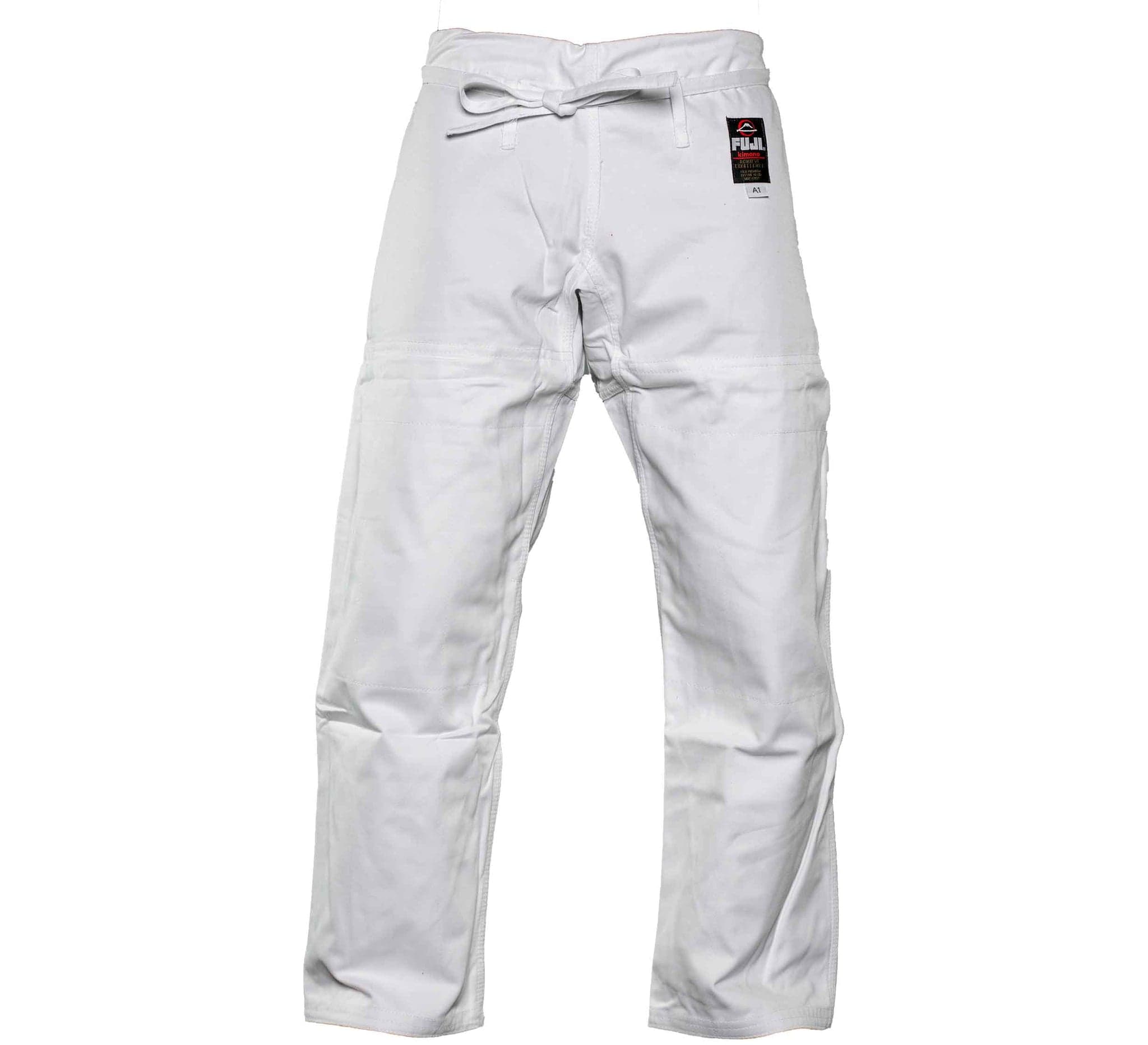
BJJ gi pants that fit standing up can still fail on the mat
Check BJJ gi pants at the waist, rise, knees, and cuffs so a good-looking size label becomes a uniform you can actually move in.
Comments (0)
Loading comments...