
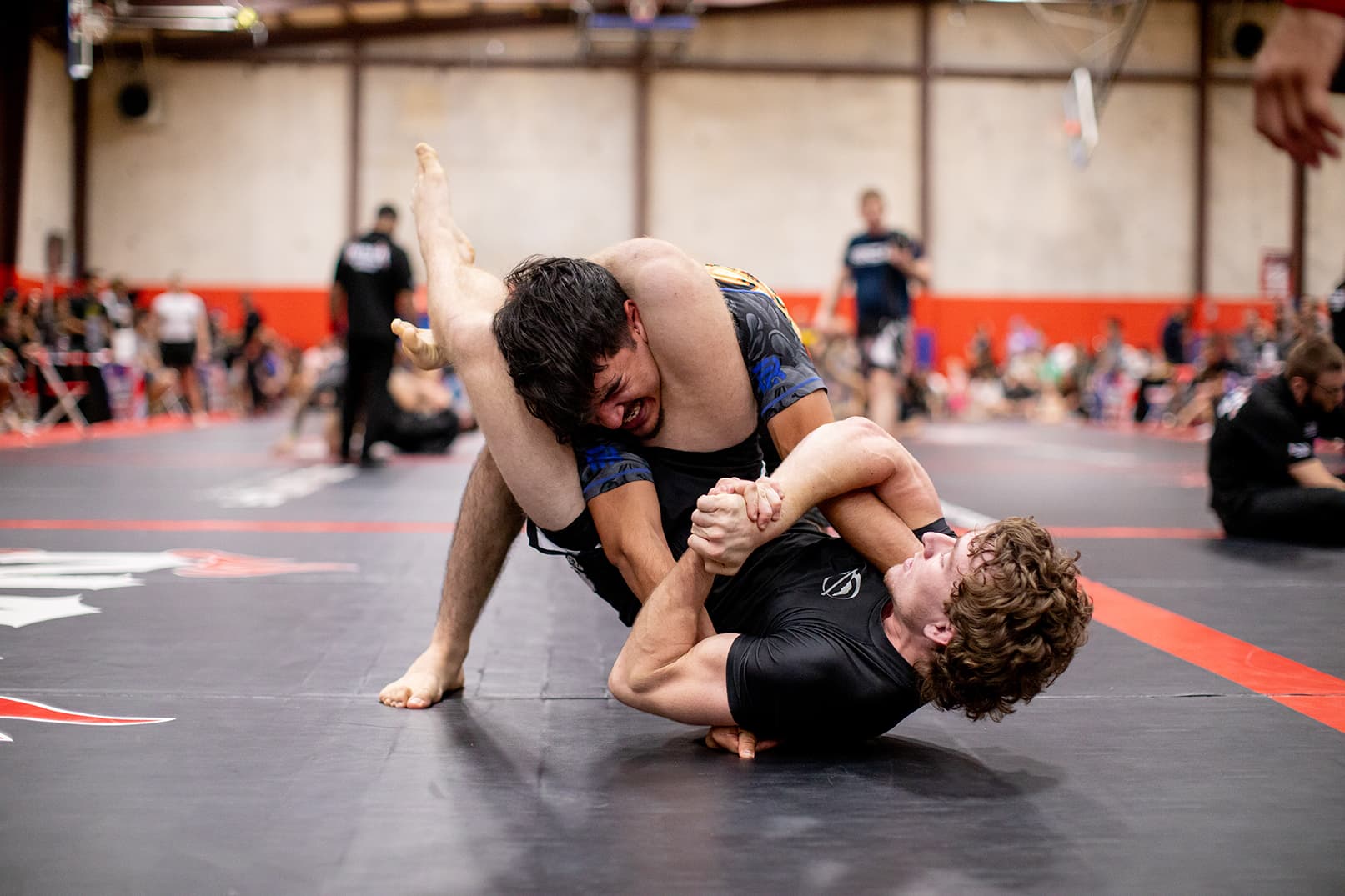
The Most Iconic BJJ Techniques Every Grappler Should Study
Certain techniques transcend their mechanical function and become symbols of the art. They're the moves that changed how competitions were won, how gyms structured their curricula, and how generations of grapplers thought about the possibilities of their own bodies on the mat.
Studying these iconic techniques isn't just about adding them to your game — it's about understanding the evolution of BJJ itself. Each technique on this list represents a moment where someone looked at a problem from a new angle and changed the art forever.
The Triangle Choke (Triângulo)
If BJJ has a signature technique, it's the triangle choke. Legs around the opponent's neck and one arm, hips elevated, angle cut — the triangle embodies everything BJJ promises: a smaller person using legs and leverage to neutralize a larger opponent.
The triangle entered BJJ from judo (sankaku-jime) but was refined and popularized by Brazilian grapplers who recognized its versatility from guard. It can be applied from closed guard, mount, side control, and even standing. Its mechanical elegance — using the strongest limbs (legs) to attack the most vulnerable target (the neck) — makes it the quintessential BJJ submission.
Mastery of the triangle takes years. The setup varies, the angle adjustments are subtle, and finishing against a defended opponent requires feel that can't be taught through words alone. But when it clicks — when you feel the squeeze tighten and your opponent's posture break — it's one of the most satisfying moments in grappling.
The Rear Naked Choke (Mata Leão)
Mata Leão — "lion killer" in Portuguese — is the highest-percentage submission in competitive BJJ and MMA. From back control, one arm slides under the chin while the other secures behind the head, creating a blood choke that renders the opponent unconscious in seconds.
The rear naked choke's dominance in competition statistics reflects a fundamental truth about grappling: the back is the most dominant position, and the choke from there is nearly impossible to defend once fully locked. It's the endgame that every back take is building toward.
What separates good rear naked chokes from great ones is the setup. The squeeze is simple; getting your arm under a defended chin is the art. Techniques like the short choke, the gift wrap entry, and the chin strap all address the problem of finishing against a tucked chin.
The Armbar (Juji-Gatame)
Inherited directly from judo, the armbar is the foundational joint lock in BJJ. Isolate the arm, control the wrist, extend the hips — the armbar attacks the elbow joint with mechanical advantage that no amount of strength can resist.
The armbar's versatility is what makes it iconic. It can be applied from closed guard, mount, side control, and the back. Cross-body armbars, belly-down armbars, spinning armbars, and flying armbars all belong to the same family. Learning the armbar is a project that spans your entire BJJ career — the entries get more creative, the finishes get tighter, and the transitions in and out of armbar attempts become a game within the game.
The Kimura
Named after Masahiko Kimura, the judoka who defeated Hélio Gracie using this technique in 1951, the kimura is both a submission and a control position. The grip — figure-four on the opponent's wrist with their elbow bent — gives you rotational control of the shoulder that enables sweeps, back takes, and transitions far beyond the simple shoulder lock.
Modern BJJ treats the kimura grip as a system, not just a submission. From half guard, closed guard, north-south, and even from bottom side control, the kimura grip opens pathways that have become central to high-level game plans.
The Guillotine Choke
The guillotine is BJJ's counter-wrestling weapon. When an opponent shoots for a takedown with their head exposed, the guillotine punishes the mistake — arm wraps around the neck, squeeze against the trachea or the arteries, and the fight is over.
The evolution from the basic standing guillotine to the high-elbow guillotine, the arm-in guillotine, and the Marcelotine (named after Marcelo Garcia, who perfected the technique) represents decades of refinement. The guillotine family is now one of the most studied submission systems in both gi and no-gi.
The Berimbolo
No technique better represents modern sport BJJ's creative evolution than the berimbolo. Developed by the Mendes brothers and popularized in the early 2010s, the berimbolo is an inverted back take from de la Riva guard — a spiraling, rolling movement that looks chaotic but follows precise mechanical principles.
The berimbolo divided the BJJ community. Purists called it impractical. Competitors proved it devastatingly effective. Love it or hate it, the berimbolo changed competition BJJ by proving that the back could be taken from guard through movement that didn't exist in any traditional curriculum.
The Omoplata
A shoulder lock using the legs, the omoplata is the most underappreciated major submission in BJJ. Applied from guard, the attacker uses their legs to isolate and rotate the opponent's shoulder — a technique that requires flexibility, timing, and the ability to control an opponent's posture throughout the sequence.
The omoplata's value extends beyond the submission itself. Even when the lock doesn't finish, the position creates sweeping opportunities, transitions to triangles and armbars, and control sequences that keep the opponent defensive.
The Sweep (General Category)
If submissions are the endings, sweeps are the turning points. A sweep reverses position from bottom to top — turning a defensive situation into a dominant one. Guard sweeps are the engine of competitive BJJ.
The scissor sweep, the hip bump, the pendulum, the flower sweep, the balloon sweep — each one solves a specific problem. Learning to sweep teaches timing, weight distribution, and the art of using your opponent's reactions against them. A guard player who can't sweep is just a guard player who hasn't learned how to win yet.
The Guard Pass (General Category)
Passing the guard — getting past your opponent's legs to establish a dominant position — is the other side of the coin. The toreando, the knee slice, the leg drag, the over-under, the stack pass — these techniques represent the chess match between guard player and passer that defines most BJJ exchanges.
Guard passing is where BJJ becomes its most strategic. You're reading your opponent's reactions, chaining passes together, and managing their hip movement while advancing your position. Great passers make it look effortless; the reality is that every smooth pass is built on thousands of failed attempts.
Studying the Classics
You don't need to master every technique on this list. But studying them — understanding their mechanics, their history, and their place in the art's evolution — makes you a more complete grappler. Watch footage of Marcelo Garcia's guillotines, Roger Gracie's cross-collar chokes, the Mendes brothers' berimbolos. See how the masters apply these techniques under the highest pressure.
Then take what resonates with your body and your game, and make it yours. That's how BJJ has always evolved — individual practitioners adopting, adapting, and advancing the techniques they inherited.
Why These Techniques Became Iconic
Every technique on this list earned its status through a combination of effectiveness, elegance, and historical significance. Some — like the rear naked choke — are iconic because they work on everyone, everywhere, at every level. Others — like the berimbolo — are iconic because they challenged assumptions about what was possible in BJJ and opened entirely new technical territories.
What unites them is that each represents a principle, not just a movement. The rear naked choke teaches you about choking mechanics and finishing instinct. The closed guard sweep teaches you about leverage and timing. The guard pass teaches you about pressure management and body positioning. Understanding the principle behind the technique gives you insight that transfers to dozens of other movements.
Modern Innovations
BJJ technique evolution hasn't stopped. The rubber guard system, developed by Eddie Bravo, uses extreme flexibility to create control positions from bottom guard without a gi. The modern leg lock game, revolutionized by John Danaher's Death Squad, has made heel hooks and leg entanglements central to high-level competition. The worm guard and lapel guard systems, pioneered by Keenan Cornelius, exploit gi grips in ways no one imagined twenty years ago.
These innovations aren't replacing the classics — they're building on them. Understanding the fundamental techniques listed above gives you the foundation to appreciate and eventually incorporate modern innovations. Every advanced technique is, at its core, an elaboration on a basic principle: leverage, timing, pressure, or positional control.
The pace of technical innovation in BJJ continues to accelerate. New positions, submissions, and systems emerge every year from the competitive circuit. Staying current with these developments — through instructionals, competition footage, and conversations with active competitors — keeps your game evolving alongside the art itself.
The Art of Technical Study
Studying iconic techniques isn't passive consumption. It requires active engagement. Here's a method that works: choose one technique from this list. Watch three different instructionals teaching it — you'll notice the subtle variations between teachers. Then drill the version that makes the most sense to your body. Apply it in sparring for two weeks.
After two weeks, revisit the instructionals. You'll see details you missed the first time because your body now has a reference point. The sequence of understanding moves from intellectual (watching) to kinesthetic (drilling) to intuitive (successful application under pressure). Each phase reveals new layers.
Keep a technique journal. Write down what you noticed during each phase of study. These notes become invaluable months later when you circle back to refine a technique you thought you'd mastered. The best grapplers are lifelong students of even the most basic techniques — because there's always another layer of detail waiting to be uncovered.
Find training partners who share your passion for specific techniques at open mat sessions near you. Explore academies that specialize in the styles you want to develop through our BJJ gym directory. And track how your own technical journey evolves with the training passport.
Frequently Asked Questions
Which submission should beginners learn first?
The rear naked choke and the armbar from closed guard are the most important submissions for beginners. They teach fundamental concepts — back control, guard mechanics, hip movement — that apply to every other technique you'll learn.
Are these techniques different in gi versus no-gi?
The core mechanics remain the same, but grip availability changes the setups and finishes. Gi techniques use collar and sleeve grips; no-gi relies on body locks, wrist control, and overhooks. Many techniques work in both formats with minor adjustments.
How do I choose which techniques to focus on?
Start with high-percentage techniques from your strongest positions. If you play closed guard, invest deeply in the triangle, armbar, and kimura. If you prefer top game, focus on the knee slice and toreando passes. Depth in a few techniques beats surface-level knowledge of many.

Marcus Delgado
black Belt
Black belt with 18 years on the mats. Head instructor and lifelong student of the gentle art.
Related Posts
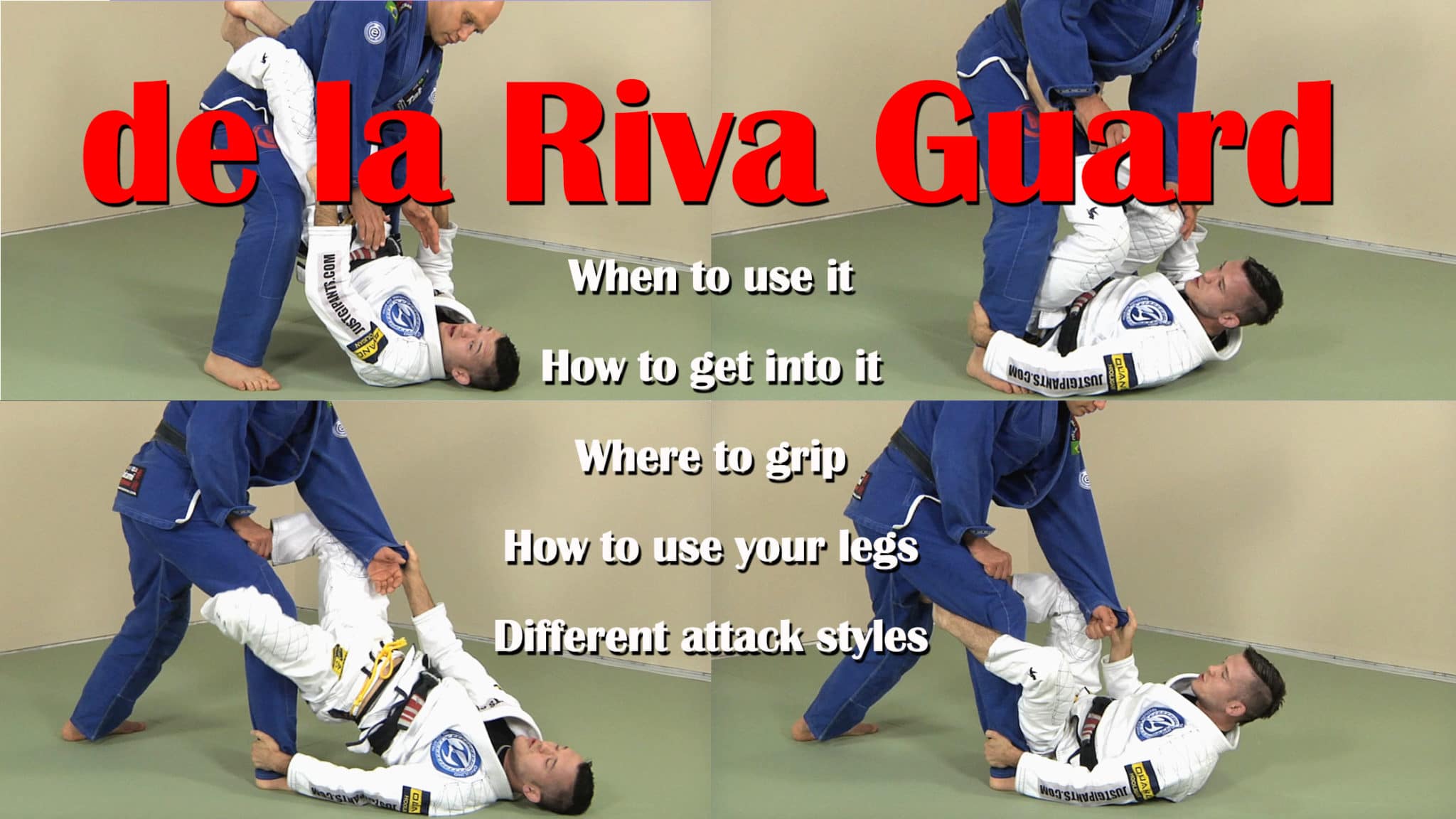
De la Riva guard: make the standing passer take a step
Your de la Riva hook is in, but the passer is comfortable. Study ankle control, the free leg, and the balance reaction that makes an attack possible.
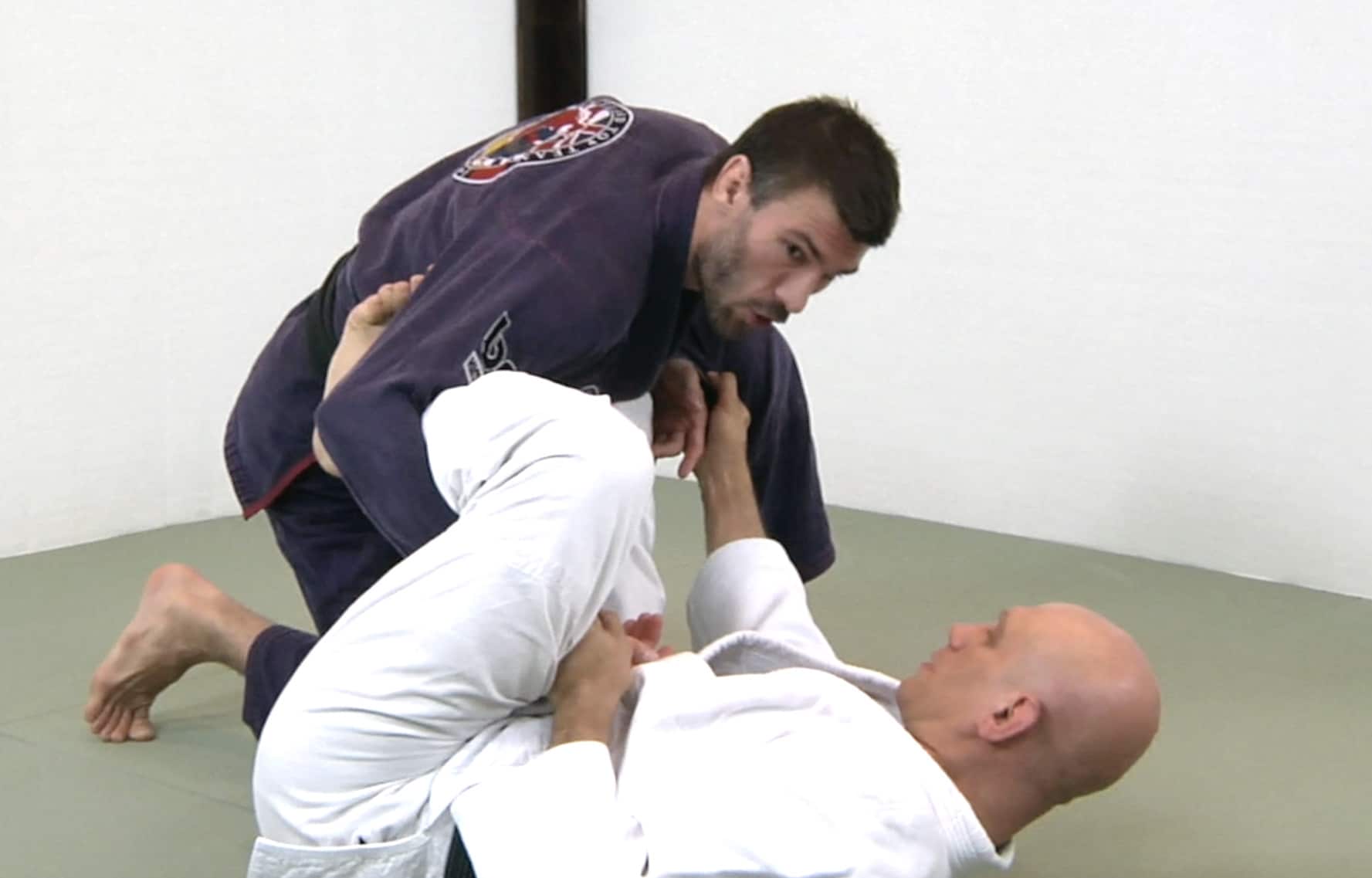
Lasso guard: know when to keep the sleeve and when to leave
A lasso hook can buy time or trap you in a grip battle. Give the free leg a purpose, keep useful sleeve control, and recognize when to change guards.
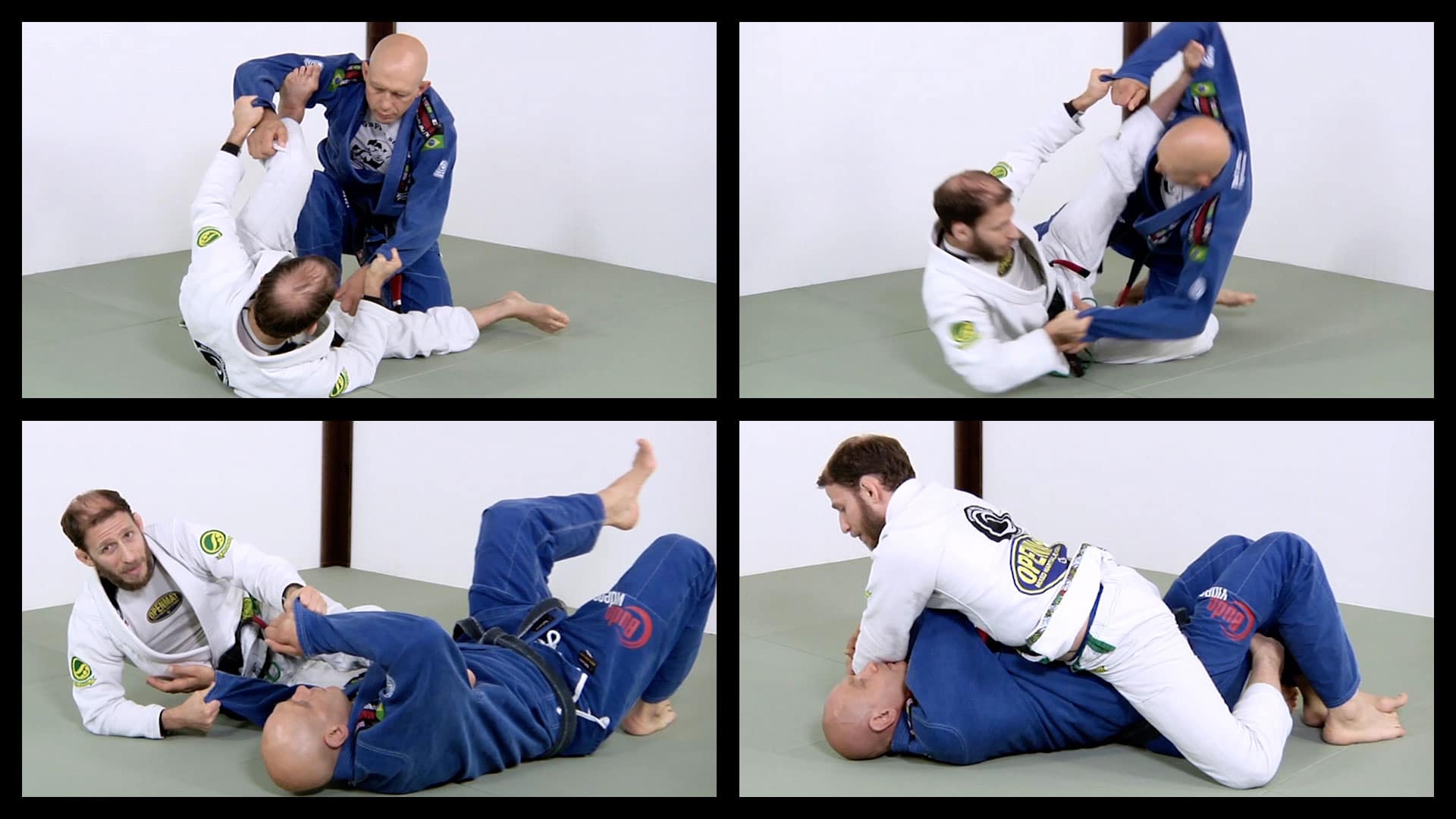
Spider guard: give each foot a job
Make spider guard easier to read. Learn how sleeve tension, different foot positions, and the passer's posture shape your next sweep or transition.
Comments (0)
Loading comments...