
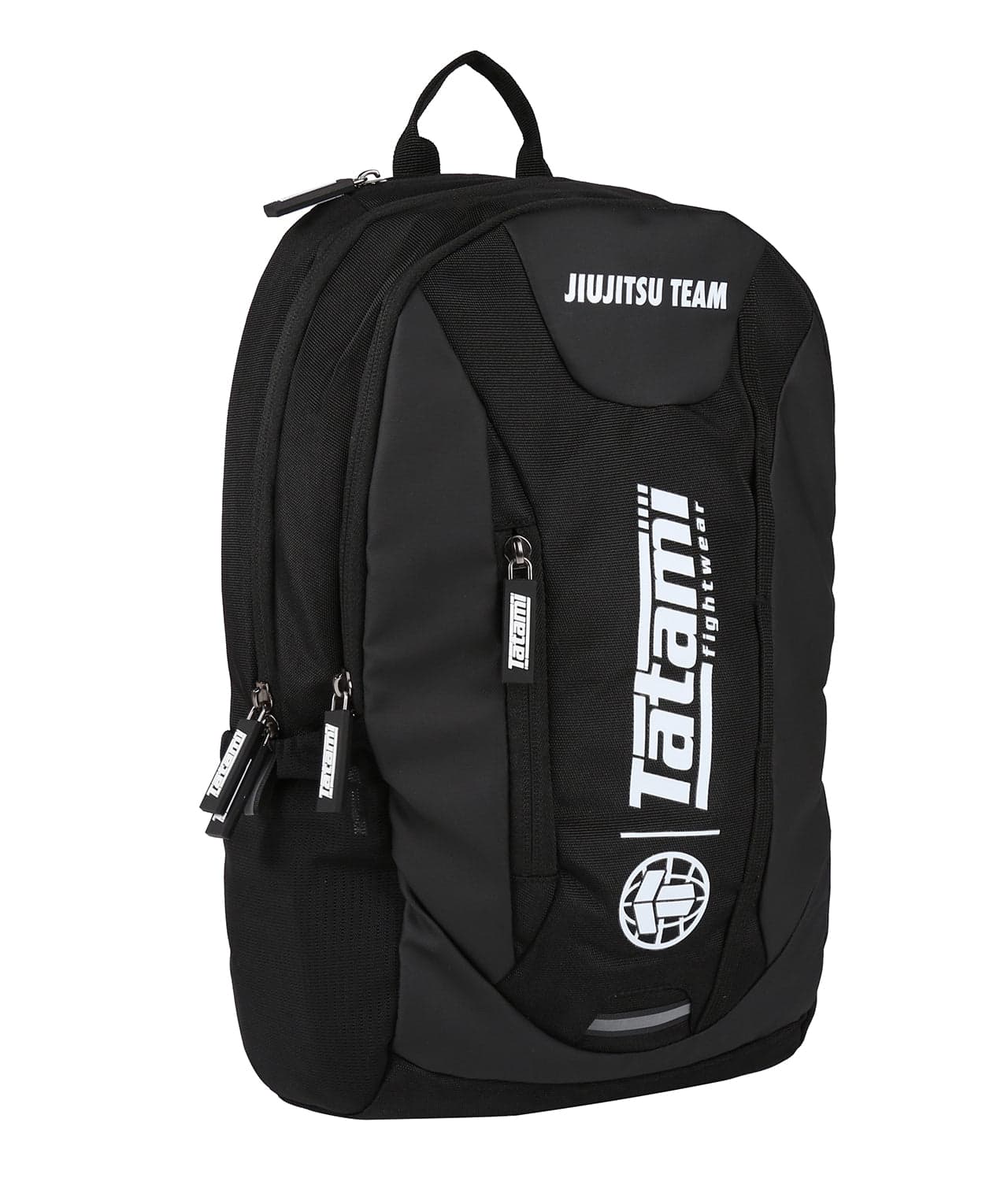
BJJ before work: keep the office clothes out of the wet bag
Quick answer: For BJJ before work, pack the outfit you will wear afterward as a complete, separate kit and keep it away from used training clothes. Confirm the shower and changing arrangements, count the full commute, and decide where damp gear will go during the working day. Test the routine before relying on it for an important morning.
The class fits before work. The shirt fits in the bag. The difficulty begins when the shirt, a wet towel, and a gi all try to occupy the same space at the same time.
Morning BJJ is partly a scheduling decision and partly a laundry decision disguised as a scheduling decision. You can solve much of it the evening before, when there is still time to discover that your work shoes are in another room and your clean socks have become a theoretical resource.
Pack the person who leaves the gym
It is easy to pack for class and forget to pack for the rest of the day. Start with the clothes you need after training, including the small items that are least forgiving when missing: underwear, socks, shoes, and anything required by your workplace.
Lay out a complete outfit rather than mentally checking individual pieces. If the job has a uniform, badge, protective equipment, or other required item, include it in the same preparation. A gym bag containing a beautifully folded shirt is still incomplete if the trousers are at home.
Choose clothing that travels reasonably well for your circumstances. If your work requires a pressed outfit, a separate garment carrier or a change stored at work may be more practical than compressing everything beside a gi. You do not need a specialized product before trying the arrangement with what you already own.
The useful test is simple: imagine arriving at work without going home. Every item needed for that transition should already have a place in the plan.
Keep clean and used gear physically separate
Use a distinct container or compartment for the clean work outfit. Give used training gear its own bag after class. The separation should remain obvious when you are packing quickly, rather than depending on a careful arrangement that collapses as soon as you remove the towel.
Check the bag for leaks or openings before trusting it with damp clothing. A compartment labeled for shoes is not automatically waterproof, and a product name does not tell you how it will behave with a saturated towel. Test the actual bag with an ordinary load.
Used gear still needs prompt washing and appropriate drying. Containing it for the commute is a transport measure, not a storage solution for the week. Decide when it will leave the bag and reach the laundry, especially if the workday ends with another appointment.
Keep toiletries secure too. A shampoo bottle can do impressive damage to a clean outfit without involving the gi at all. Close lids, use a separate pouch, and avoid filling the bag so tightly that every hard edge presses against a container.
Confirm the shower before planning around it
Ask the academy about the facilities available after the class you intend to attend. A shower on the premises does not necessarily mean several people can use it immediately without waiting. Opening hours, cleaning, and the layout of the changing area can affect the routine.
Find out whether you need your own towel and toiletries, where shoes belong, and whether there is somewhere appropriate to change. Do not arrive with a plan that requires staff to keep the building open beyond the scheduled session.
If you will shower elsewhere, include the journey and access arrangements. A workplace facility may require a key, booking, or permission. Confirm those details directly rather than discovering them while carrying a damp gi and watching the clock.
For this plan, a rinse at a sink should not be the fallback that makes an unrealistic schedule appear workable. Choose a session and route that leave time for proper cleanup and a complete change. If that is not possible on a particular day, train at another time.
Count the minutes after the final round
The class end time is not your departure time. You still have to collect belongings, change, clean up, and travel. If several students need the same facilities, the gap can be longer than the first timetable calculation suggests.
Build the morning from the work arrival time backward. Include a reasonable margin for ordinary delays rather than using the fastest trip you have ever managed. A route that depends on the exact minute of one connection deserves a backup.
Your first test should be on a morning with some flexibility. Follow the intended routine and note where time actually goes. You may discover that the class fits comfortably, or that the shower queue matters more than the road traffic.
If you need to leave training early, discuss it with the coach before class. Do not rely on an unexplained disappearance during instruction. A regular, agreed departure can be easier for everyone than a daily rush that makes you miss directions and leave belongings behind.
Give the towel its own decision
A towel can occupy a surprising amount of the return load. Bring one suitable for the task, follow its care instructions, and decide how it will travel after use. The clean outfit should not become its drying surface.
A simple packing division can help:
Training clothes and belt in one accessible section before class.
Complete work outfit protected from damp items.
Toiletries contained separately from clothing.
Used kit and towel contained for the return trip.
This is a layout suggestion rather than a shopping list. The bags you already have may do the job. Try the full load before buying something larger, because a larger bag can also make it easier to carry unnecessary items indefinitely.
At home, empty the used section instead of assuming you will remember later. If the same bag carries tomorrow's clean kit, inspect it and follow the manufacturer's cleaning directions as needed. The morning routine begins with the state in which you leave the bag tonight.
Plan for the hours at work
Consider where the used kit will be during the day. It should be contained away from clean clothing and stored in a way that respects your workplace. Do not assume a shared office, staff kitchen, or equipment cupboard is available for drying personal training gear.
If you have permission to use a suitable storage area, follow the workplace's rules. Otherwise, choose a practical contained arrangement and wash the kit as soon as you can after returning home. A long delay may be a reason to carry different equipment, change the route, or choose another training time.
Do not leave valuable work equipment mixed with damp gear. A laptop and a leaking toiletry bottle are poor bag mates, whatever the product photo suggests. Protect electronics and documents according to their needs, ideally in a separate work bag if that makes the arrangement clearer.
The objective is not to make the office participate in your training routine. It is to arrive ready for work with the evidence of the earlier class properly handled.
Keep one small backup where it helps
A spare pair of socks or underwear can rescue an otherwise functional morning. Choose backups according to the mistakes you actually make, not every imaginable disaster. A bag prepared for all possibilities can become difficult to carry and harder to check.
If workplace storage is available and permitted, a basic spare outfit may reduce what you need to transport. Keep it appropriate for the job and replace anything you use. The backup is only helpful if it remains complete.
Check the training kit too. A forgotten belt or drawstring can delay you before the class has even started. Our guide to BJJ gi drawstrings covers a small piece of equipment worth inspecting while there is still time to fix it.
Once you have identified the common failure, solve that one. You probably do not need three towels because you once forgot socks. Practical preparation works better when it responds to an actual pattern.
Decide which mornings deserve the routine
Morning training does not have to become an all-or-nothing identity. Some workdays can accommodate it; others have early meetings, travel, or commitments that leave too little room. Choose the days that support a calm arrival.
Prepare the night before when possible. Check the class schedule, weather or transport conditions relevant to your route, and the workday's clothing requirements. A change in one of those details may alter what fits.
After trying the routine a few times, remove items you consistently carry without using and add the one thing you repeatedly miss. Keep the arrangement simple enough to reproduce while tired. An elegant packing system that requires twenty decisions before sunrise is not doing much useful work.
The good version of BJJ before work ends with you dressed, clean, and on time. The training should add something to the day without turning every colleague into an audience for why you arrived carrying one shoe.
Main photo: Tatami Fightwear; illustrative backpack product photograph, not a product test or endorsement.
The takeaway
Pack the complete work outfit first, protect it from used kit, and make the shower and commute part of the calculation. The class timetable is only one part of the morning.
Test the arrangement on an ordinary day and adjust the real weak point. A reliable routine usually depends on a few clear separations and enough time, not on buying a bag with more compartments than you can remember.
Find a morning class that fits
Use Let's Roll's gym directory to shortlist academies, then confirm the current morning schedule and changing facilities directly before building your workday around them.
FAQ
What should I pack for BJJ before work? Bring the complete training kit, a complete work outfit, toiletries, a suitable towel, and a way to separate used gear. Add job-specific items such as a badge or uniform to the same check.
Do I need a special BJJ backpack? Not necessarily. Test your current bags with the full load and check how they separate clean clothing, damp kit, toiletries, and work equipment before buying anything.
Can I leave my used gi in the bag all day? Sometimes transport and work make immediate washing impractical, but containment is temporary. Plan to remove, wash, and dry the gear promptly, and reconsider the routine if it routinely leaves damp kit forgotten for long periods.
How much time should I leave after class? Measure your actual changing, shower, and travel routine, including likely waiting. Use that result with a margin for ordinary delays rather than treating the class end time as your departure time.

Kit Langford
Kit Langford covers the louder parts of jiu-jitsu — the marketing claims, the arguments, the gear that promises more than gear can deliver. The jokes are expected to survive a fact-check.
Related Posts
Competing in gi and no-gi on the same day takes two plans
Prepare for gi and no-gi competition on the same day with separate rule checks, complete outfits, schedule coordination, and a realistic second-bracket plan.
Jiu-jitsu in Montreal: build the visit around a real class
Plan BJJ training in Montreal around confirmed classes, language arrangements, winter travel, visitor policies, and equipment that is ready to use.
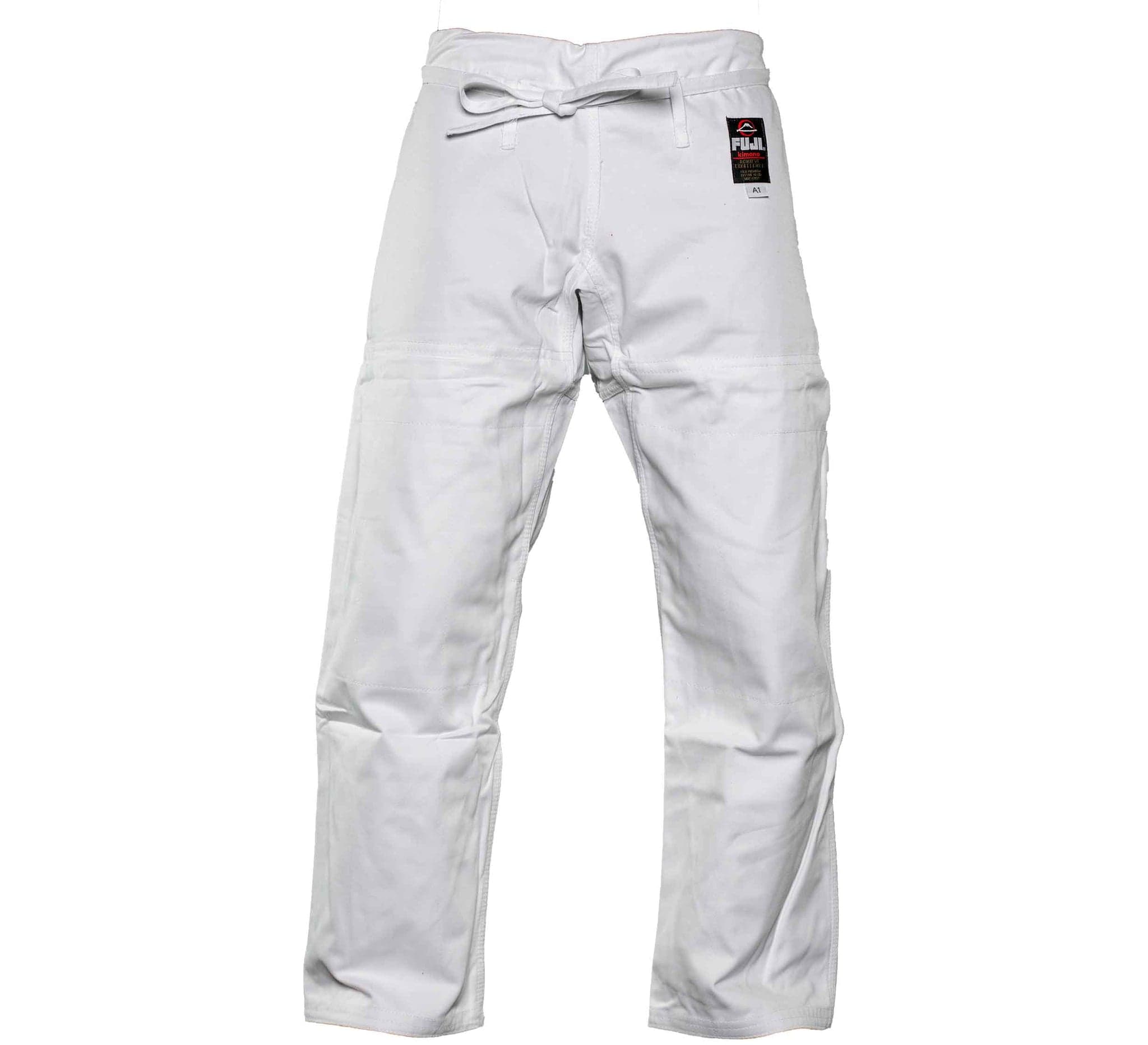
BJJ gi pants that fit standing up can still fail on the mat
Check BJJ gi pants at the waist, rise, knees, and cuffs so a good-looking size label becomes a uniform you can actually move in.
Comments (0)
Loading comments...