Technique
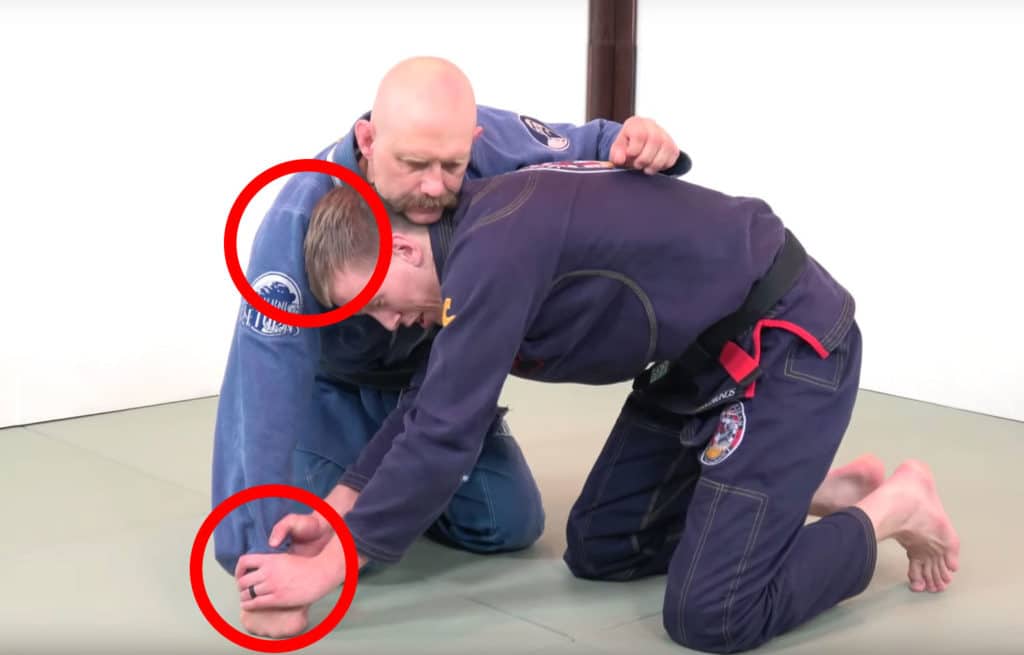
The turtle position needs an exit plan
Turtle can interrupt a pass, but staying there creates another problem. Learn to identify the threat, control a connection, and choose an exit.
Nina Okada8 min read

Training, technique, and the culture of Brazilian Jiu-Jitsu
26 articles
Turtle can interrupt a pass, but staying there creates another problem. Learn to identify the threat, control a connection, and choose an exit.
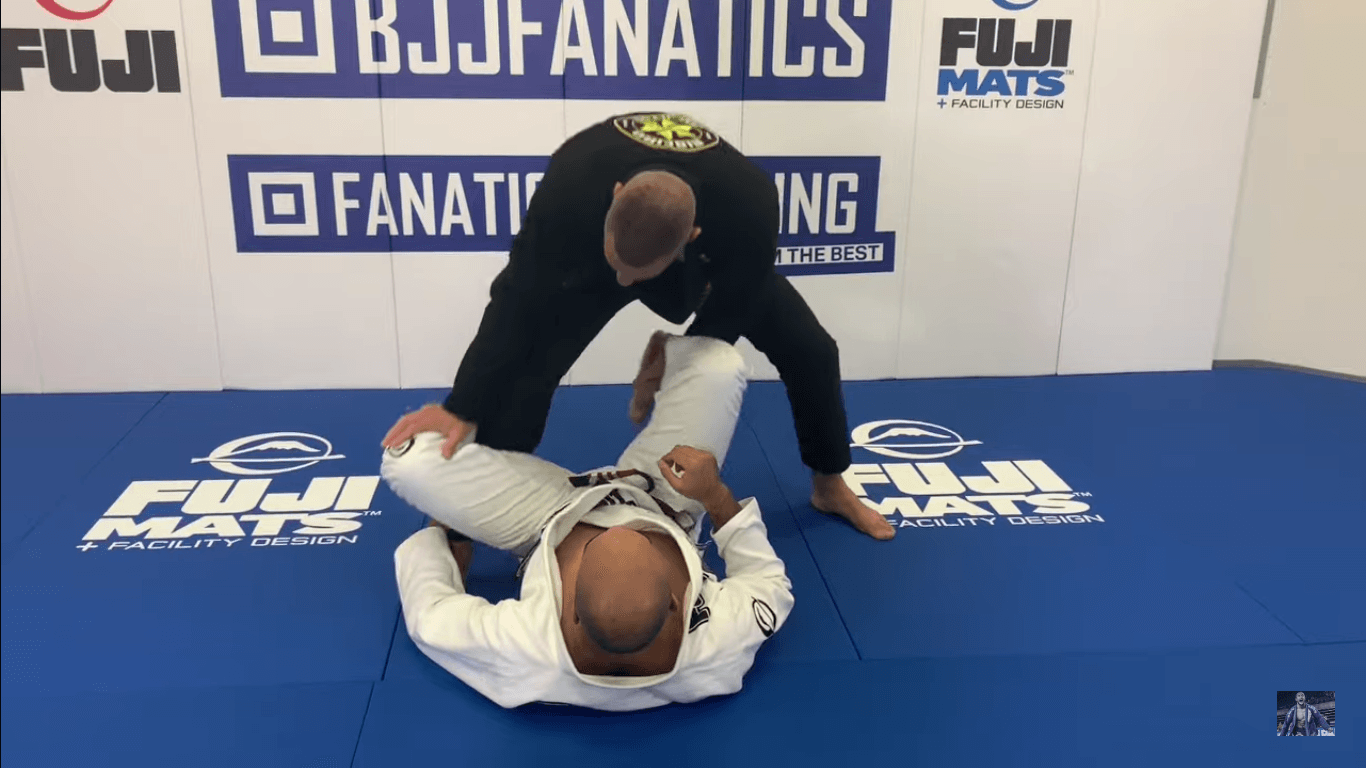
Build a headquarters passing position around leg control and balance. Recognize the guard player's reactions and practice choosing the next pass.
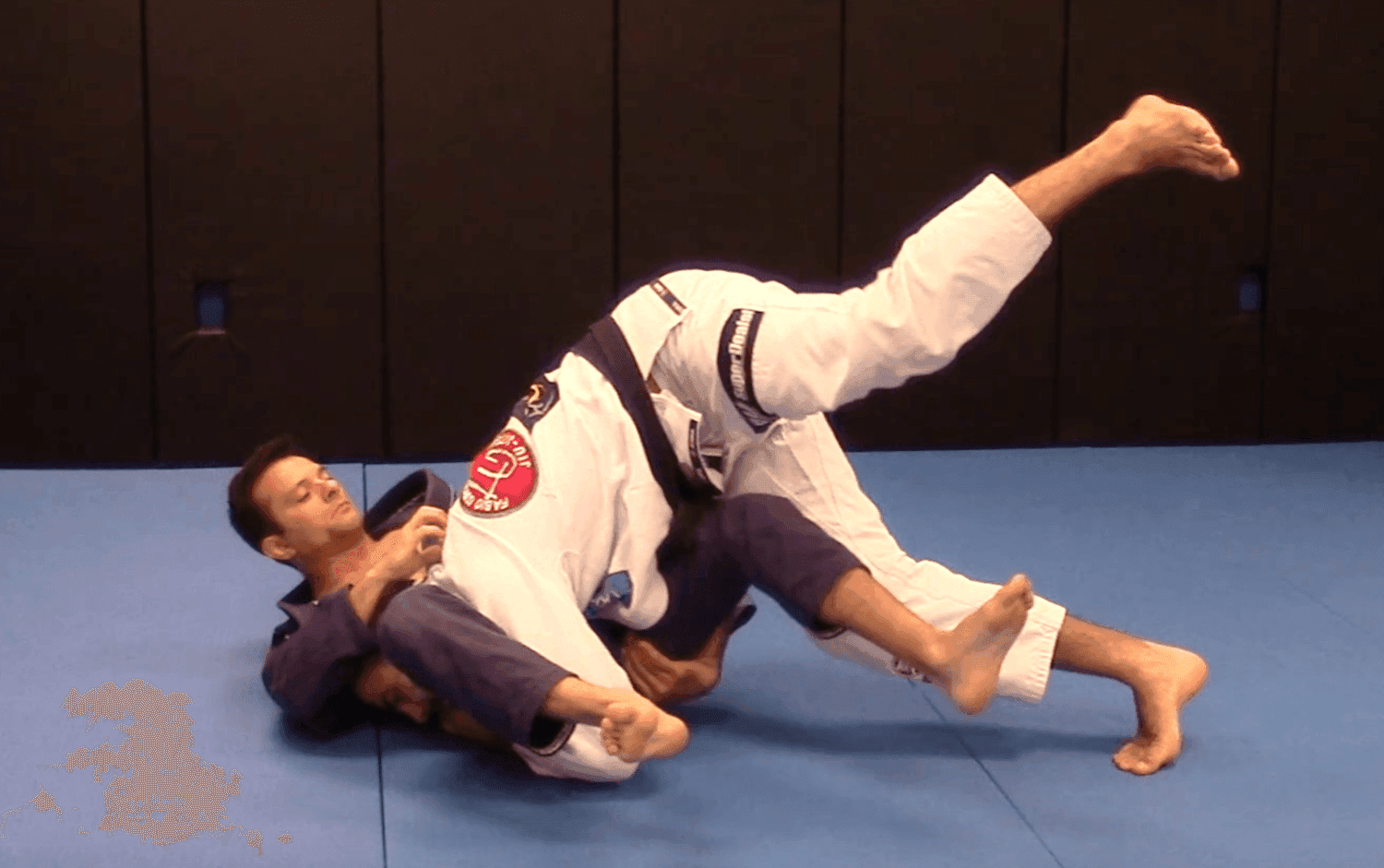
Troubleshoot the BJJ over-under pass through the entry, arm position, leg control, and transition to a pin. Improve the connection before adding pressure.
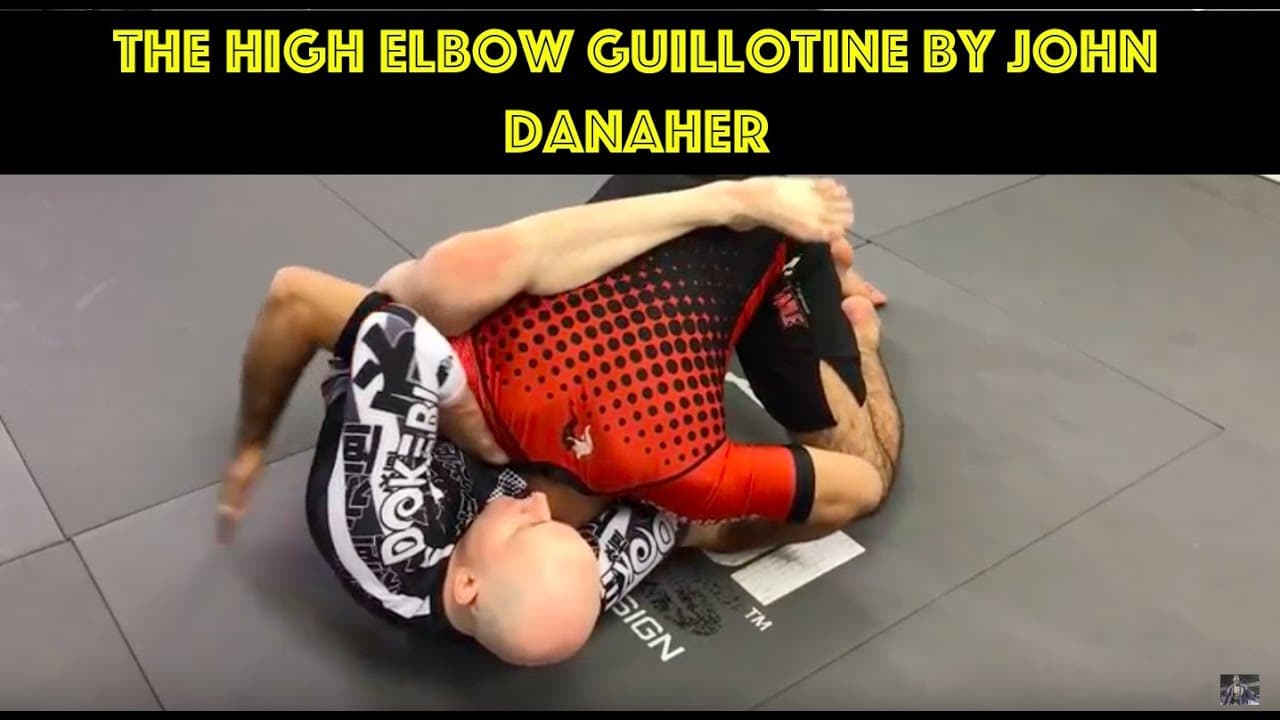
A guillotine grip is only part of the finish. Identify the variation, then study how your hands, elbows, and legs support the position before adding force.
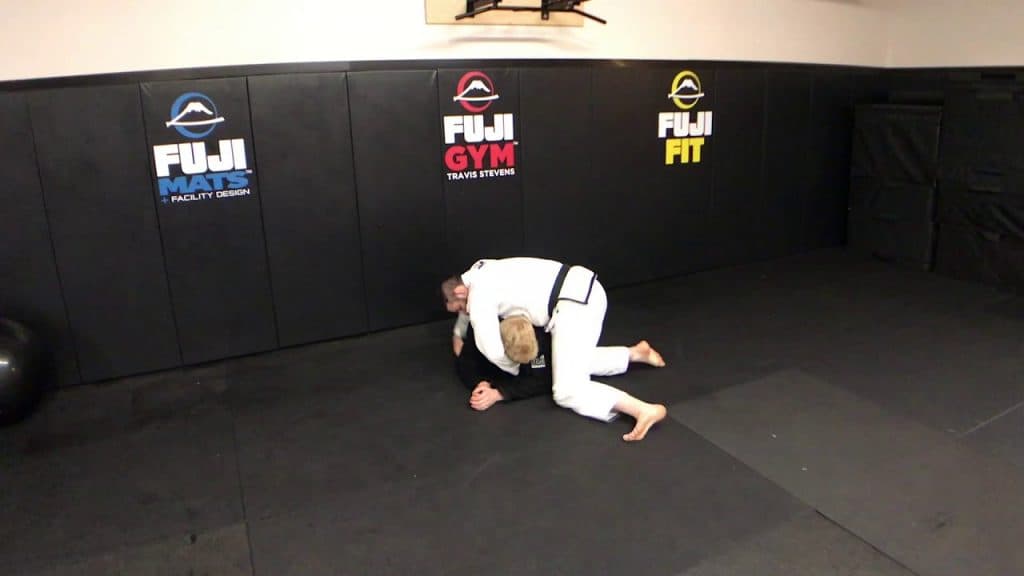
A head under your arm is an opening, not a finished attack. Check front-headlock control before choosing a choke, a go-behind, or a positional reset.
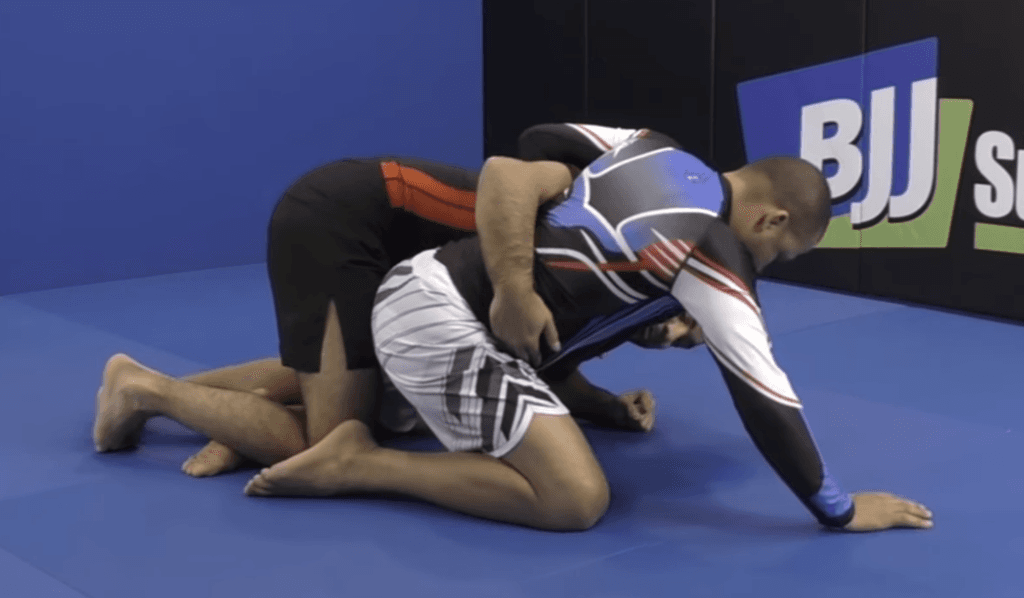
An underhook gets you toward the half guard dogfight. Leg control and the opponent's reaction decide the next exchange; study both before forcing a sweep.
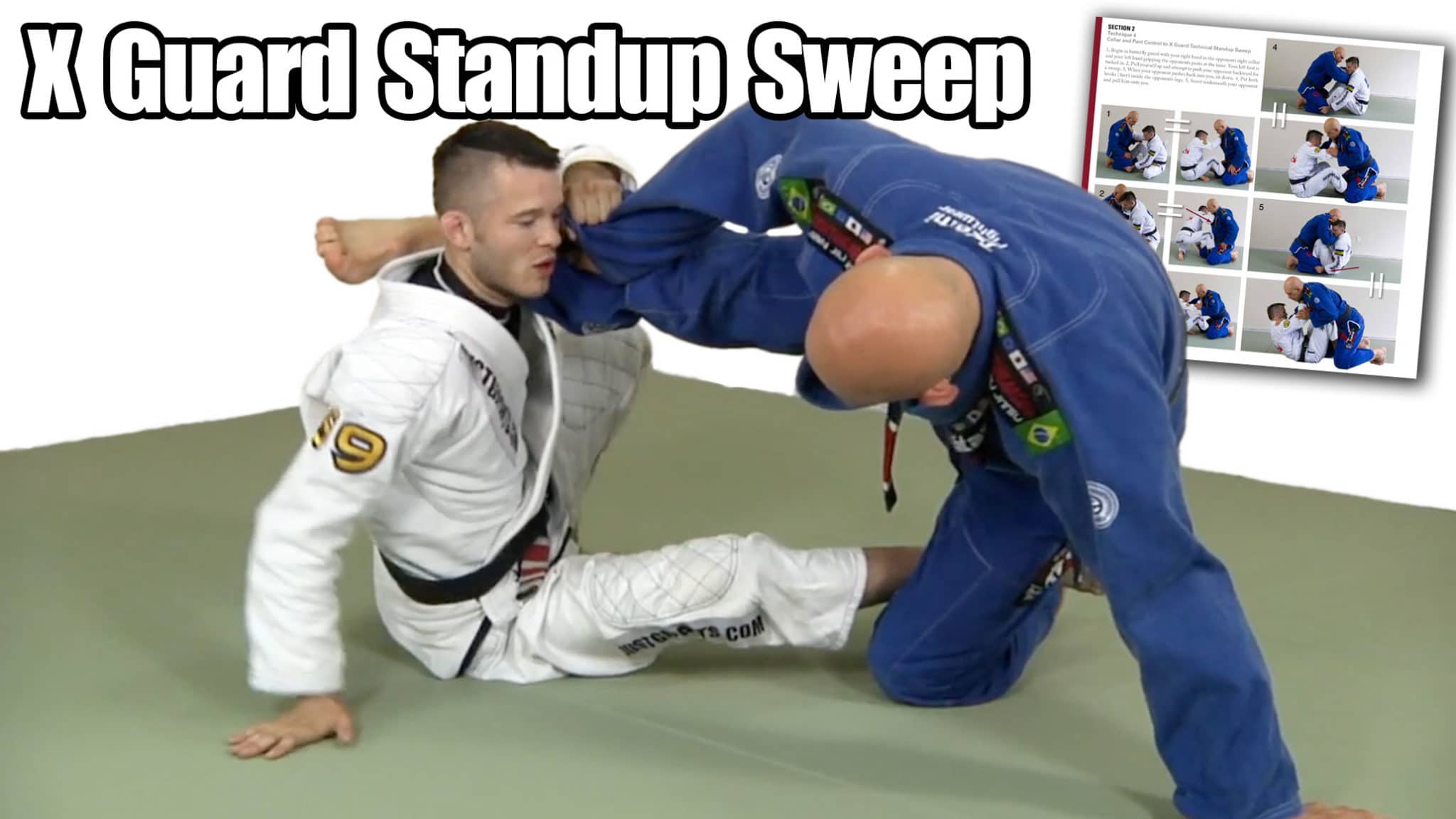
Build an X-guard standup sweep around a clear balance reaction. Study the leg on your shoulder, the opponent's hand post, and the moment to get up.
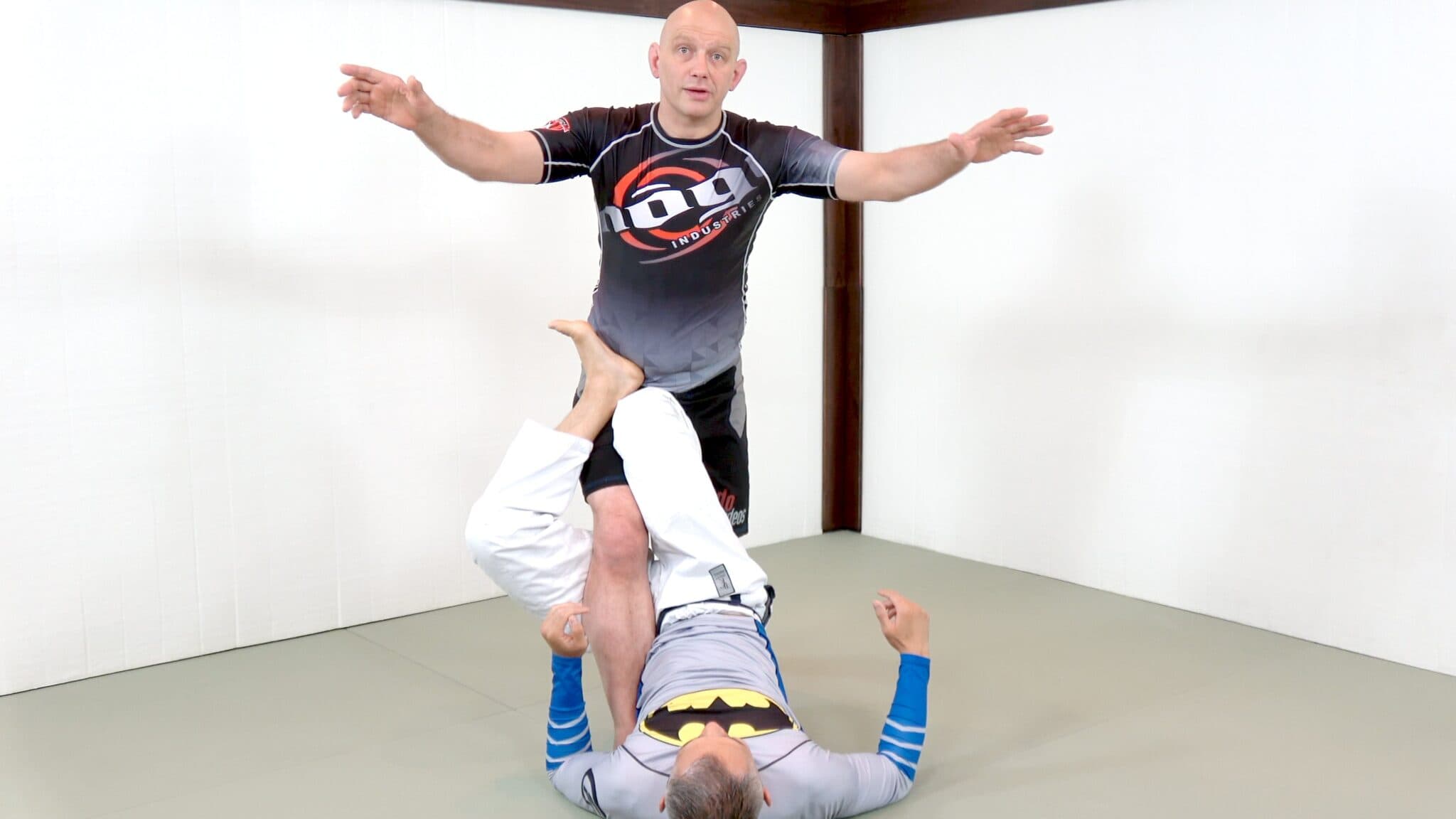
Single-leg X is a sweeping guard as well as a route to leg attacks. Read the far leg, create a balance reaction, and practice arriving on top.
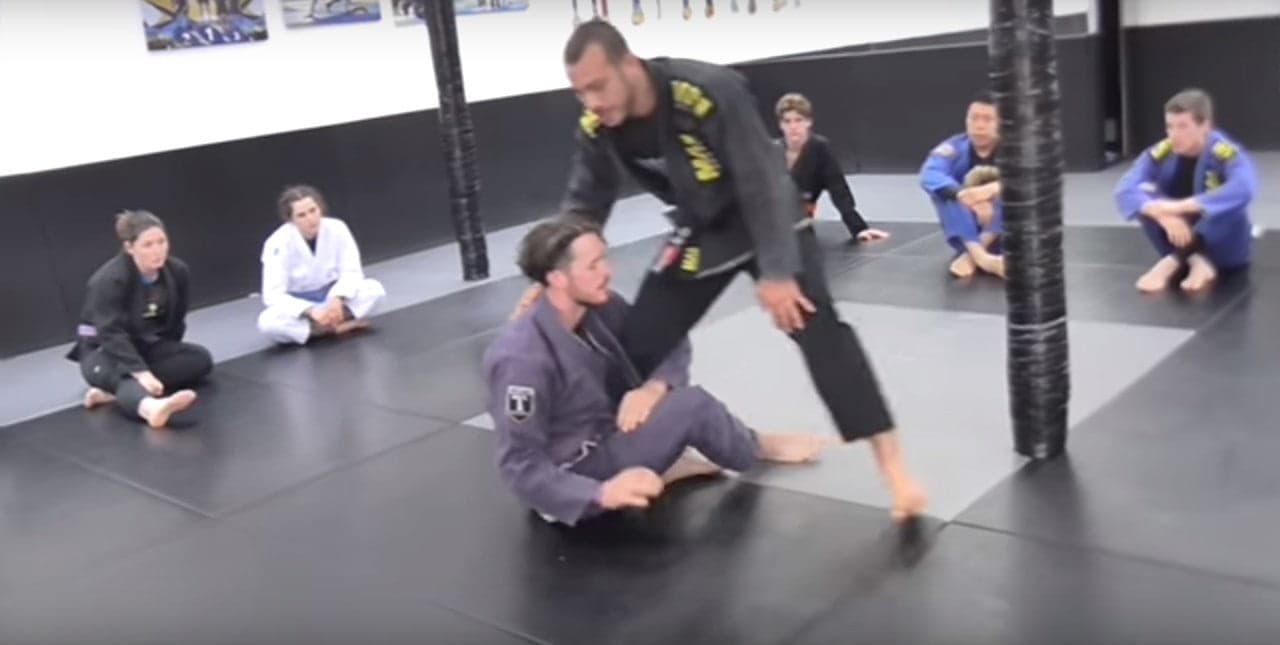
A shin-to-shin entry should bring the opponent with you. Study the seated connection, free knee, and weight shift before moving into single-leg X.
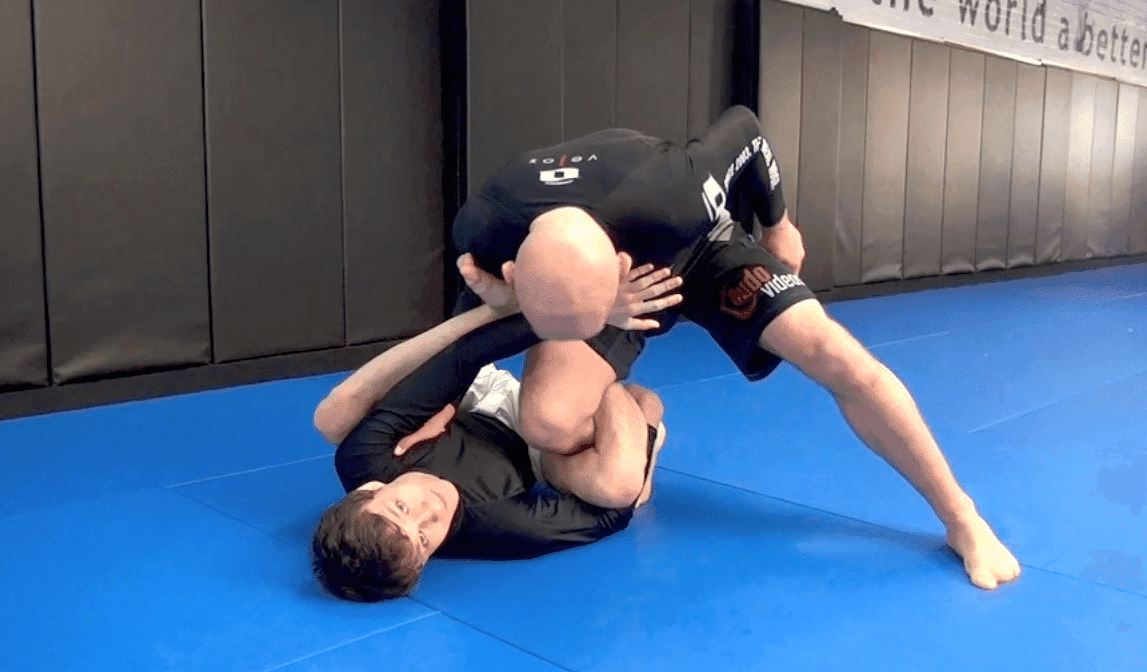
Use reverse de la Riva to study guard recovery against the knee cut. Understand the inside hook and supporting frames before chasing a spinning back take.
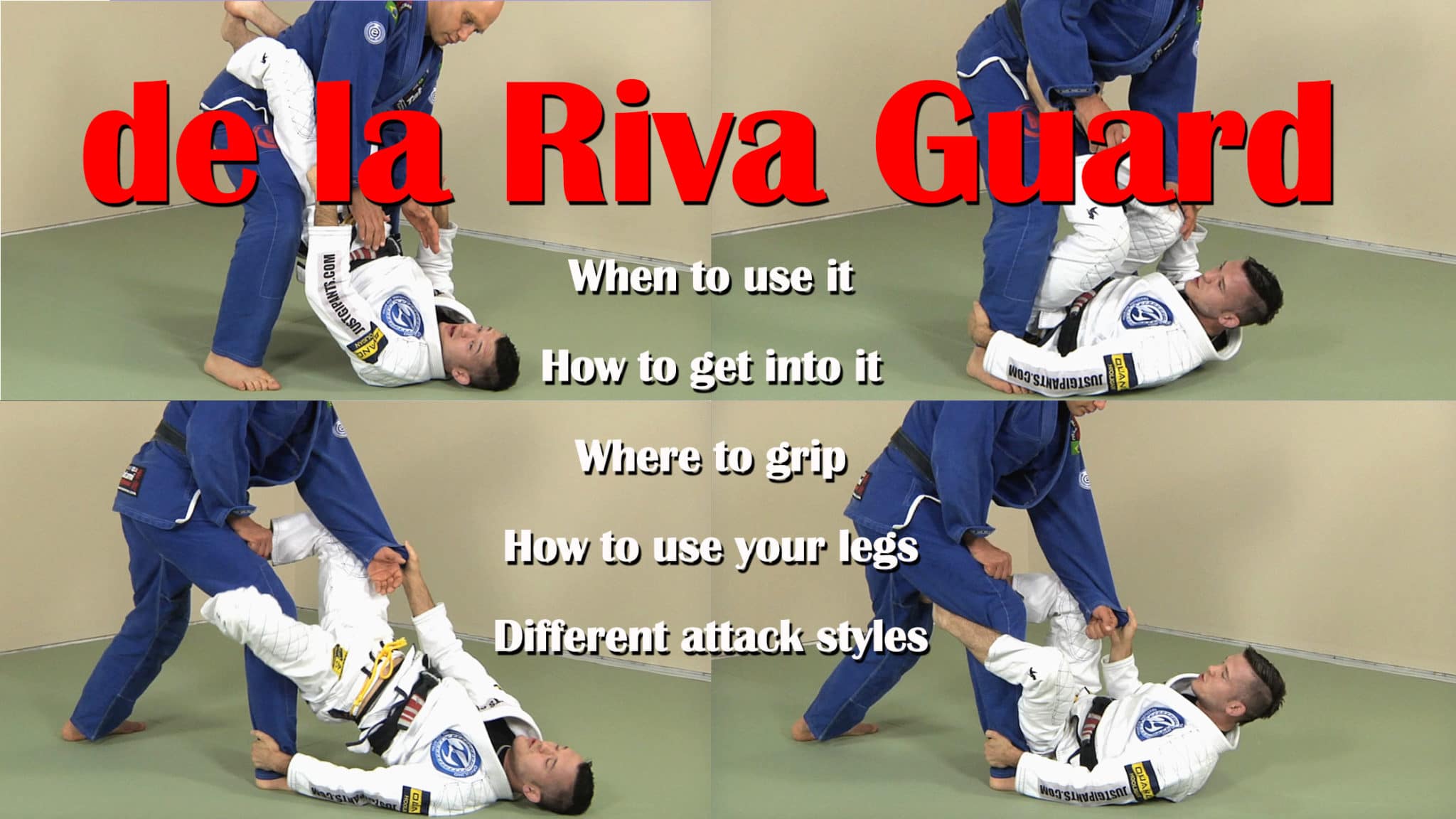
Your de la Riva hook is in, but the passer is comfortable. Study ankle control, the free leg, and the balance reaction that makes an attack possible.
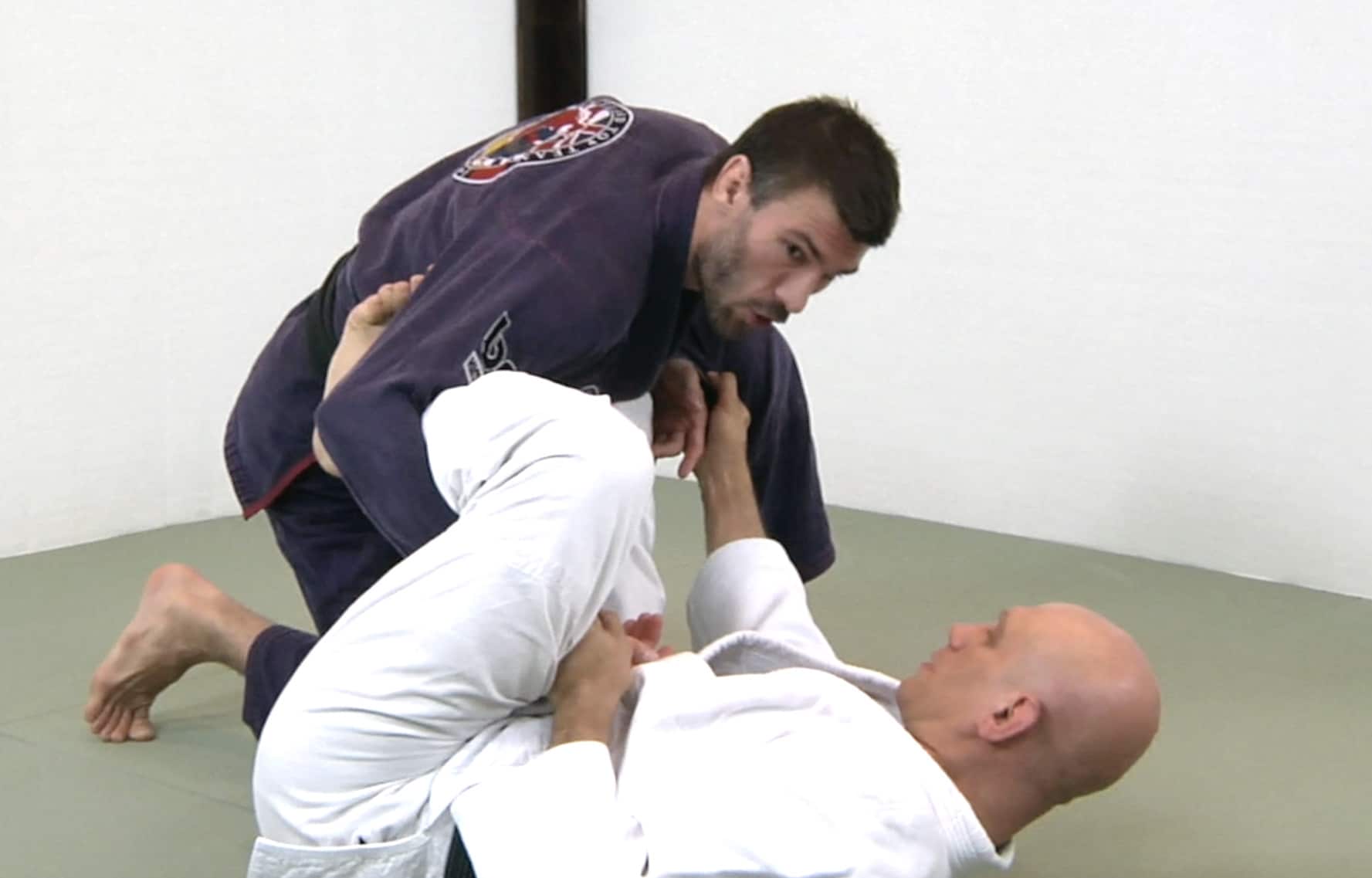
A lasso hook can buy time or trap you in a grip battle. Give the free leg a purpose, keep useful sleeve control, and recognize when to change guards.
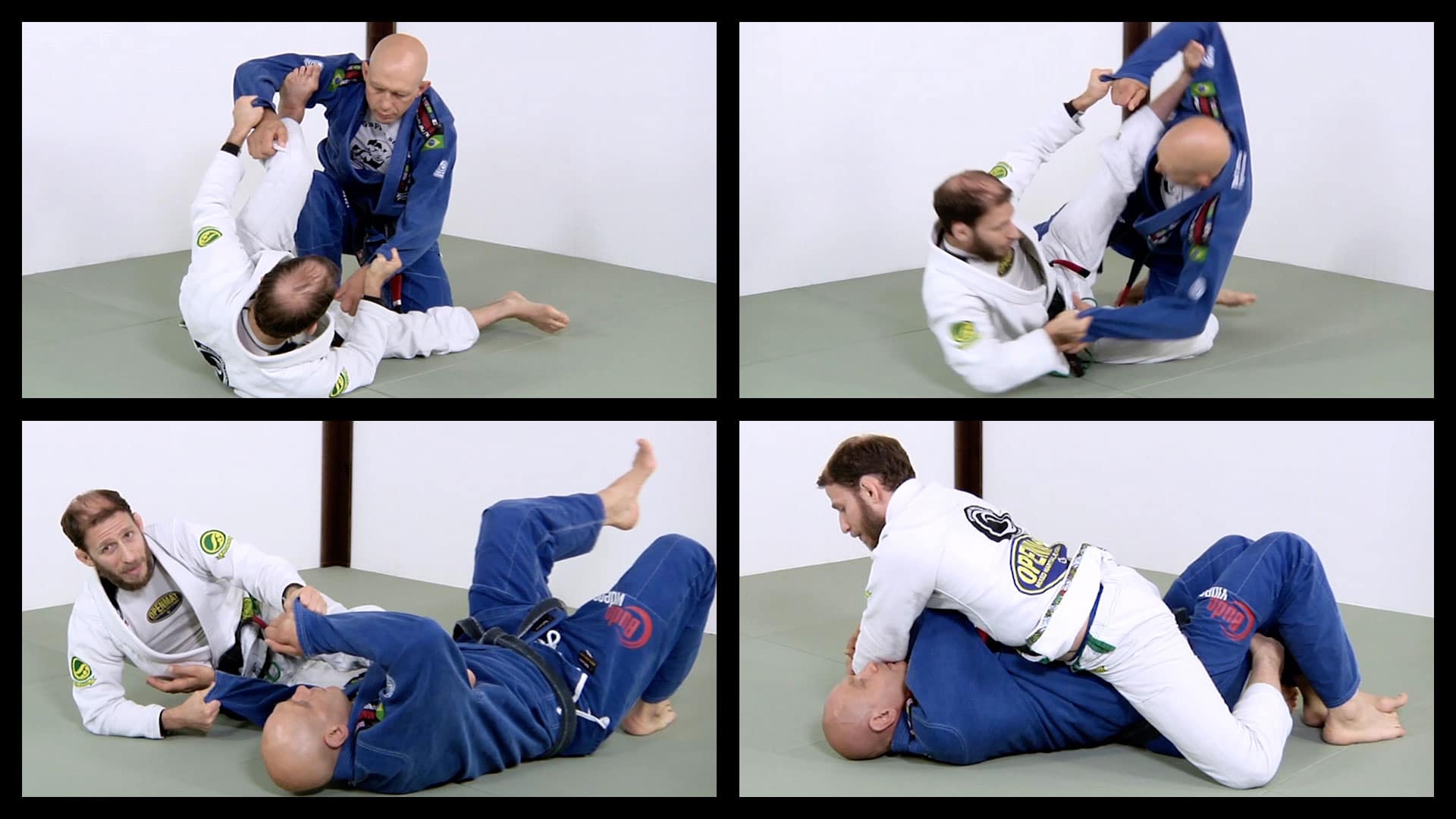
Make spider guard easier to read. Learn how sleeve tension, different foot positions, and the passer's posture shape your next sweep or transition.
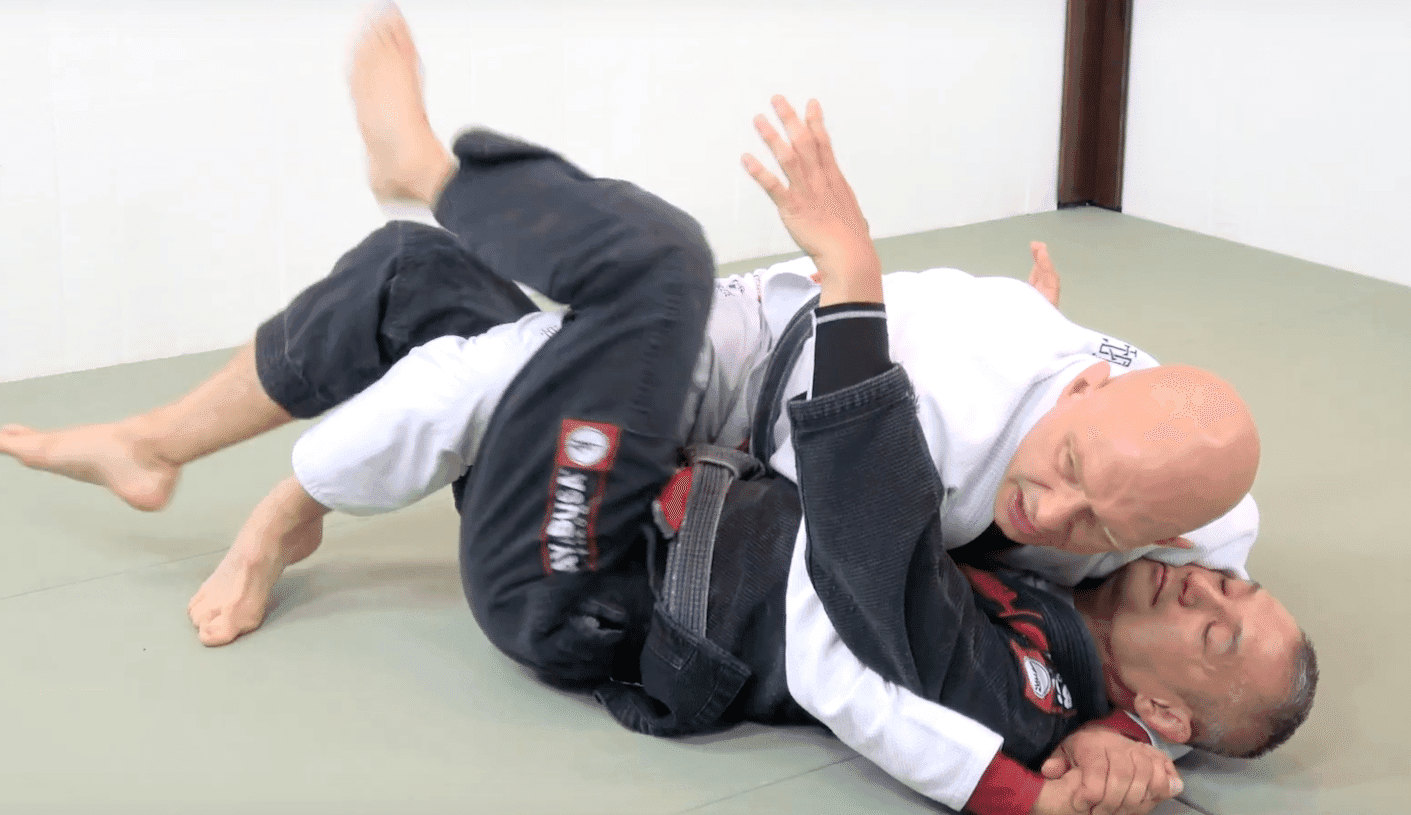
Stuck at the end of a knee cut pass? Separate ankle control from the upper-body position and practice finishing without giving back the guard.
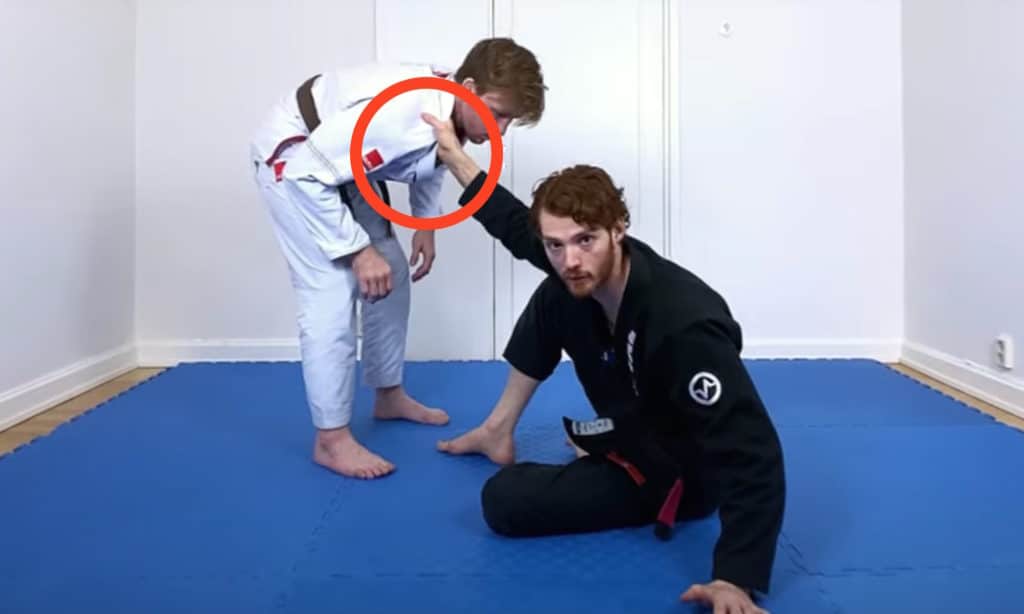
Your collar drag did not finish the sweep. Learn to recognize the single-leg or back-take opening and recover guard when the connection disappears.
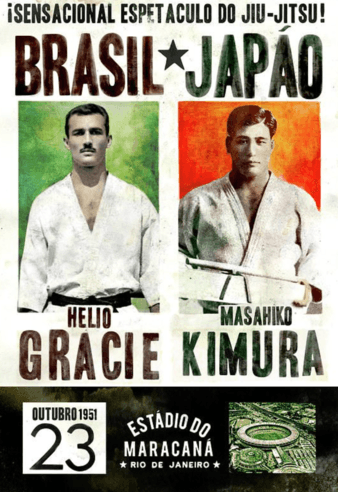
The kimura lock explained — the 1951 Masahiko Kimura vs Helio Gracie story, its double wristlock roots, and why it's a control system, not just a tap.
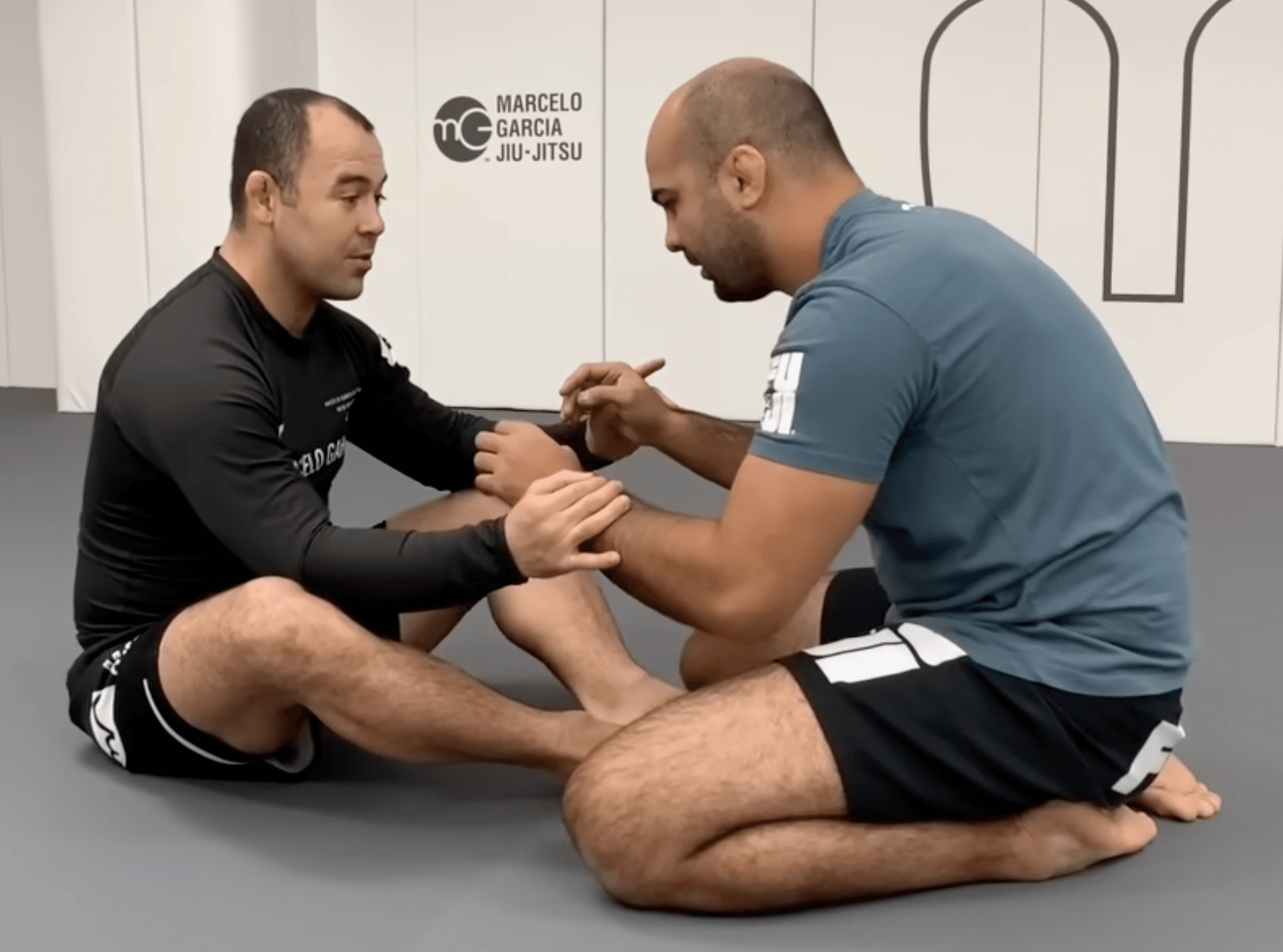
Butterfly guard explained — why this unglamorous seated guard ages better than any other, how hooks and elevation work, and when beginners should learn it.
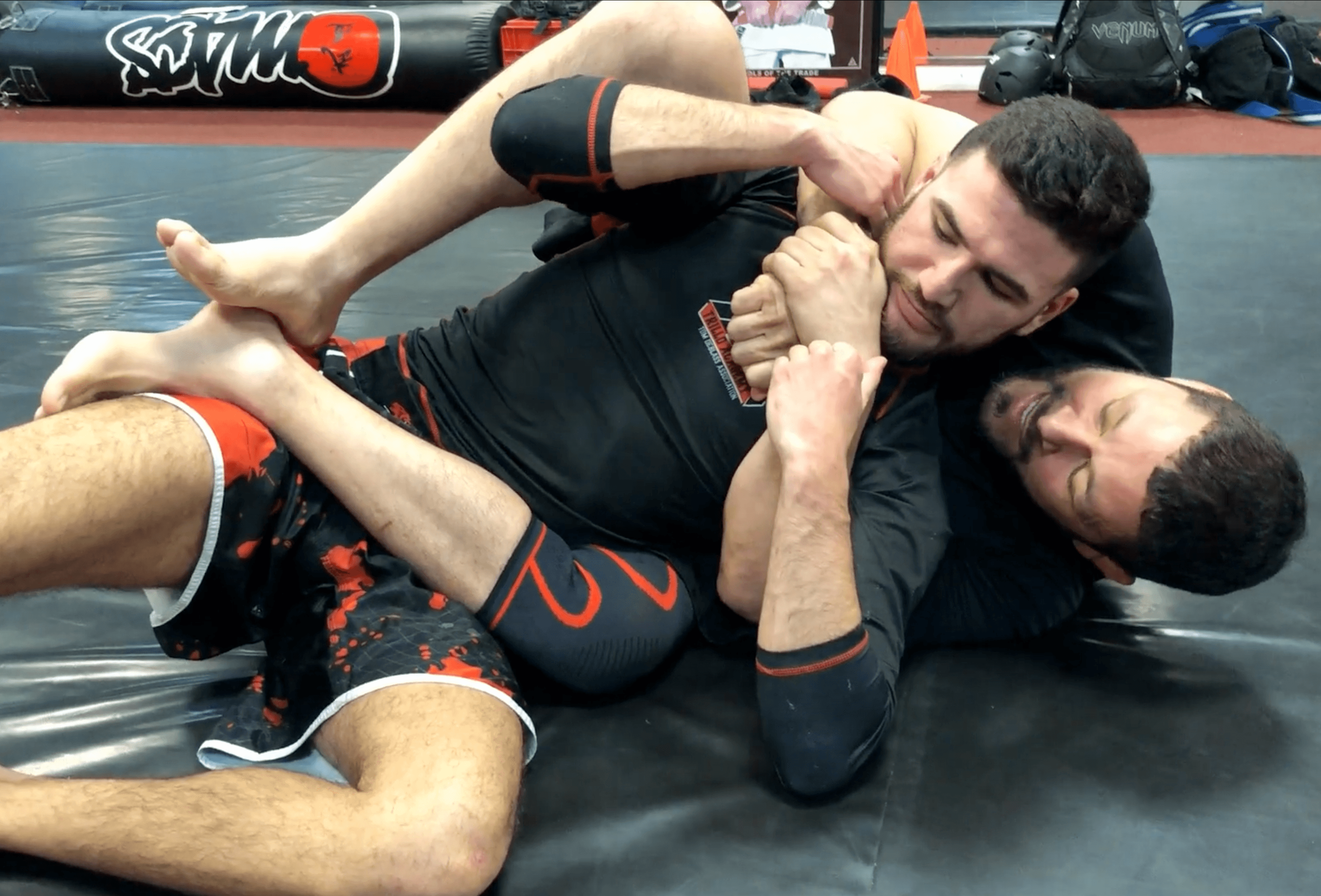
Back control is BJJ's king position — how to take the back, keep it with seatbelt and hooks, and escape it safely by winning the hand fight first.
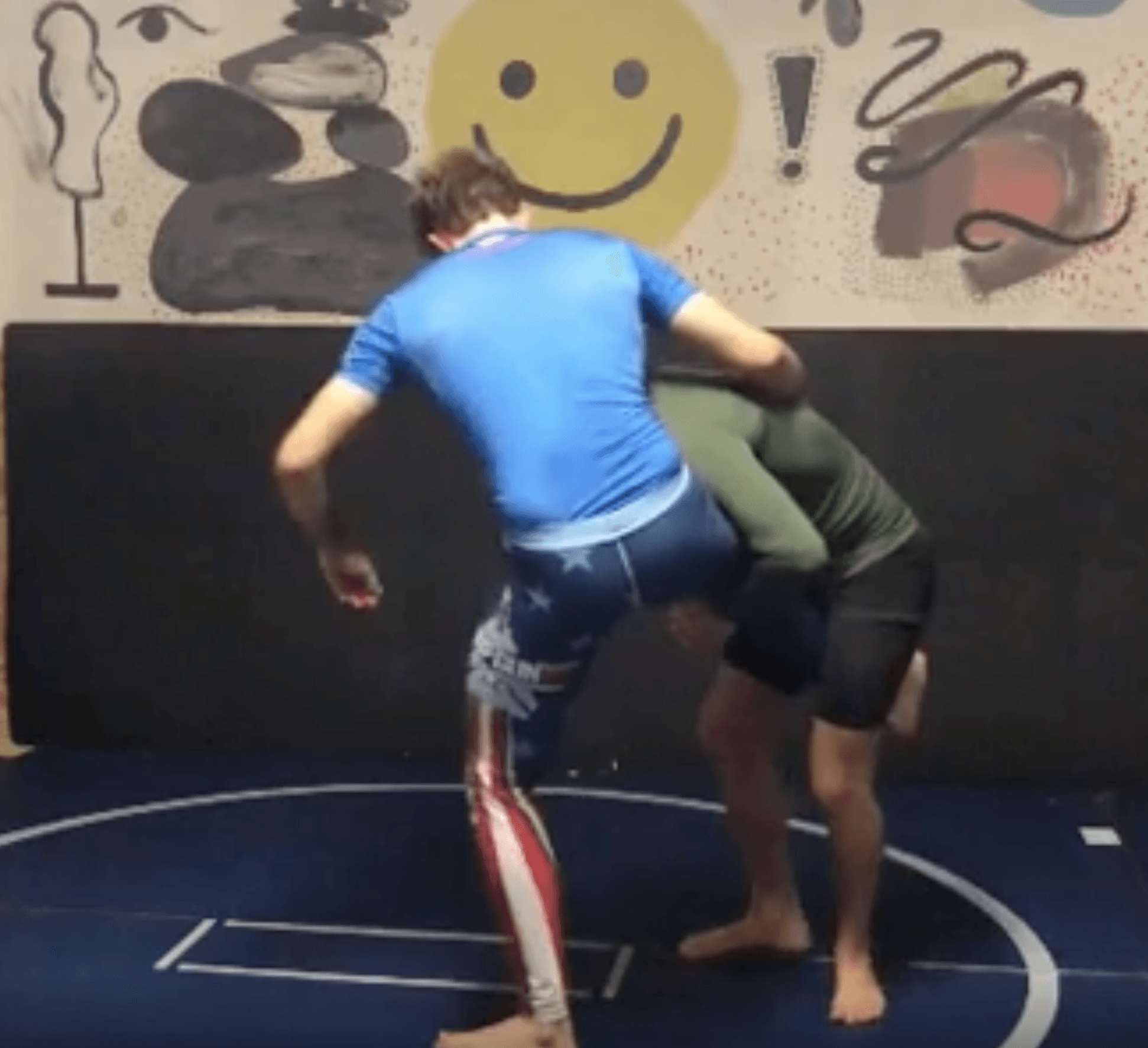
Takedowns for BJJ when you hate standup — why gyms neglect it, wrestling vs judo entries, three high-percentage options, and honest guard-pulling talk.
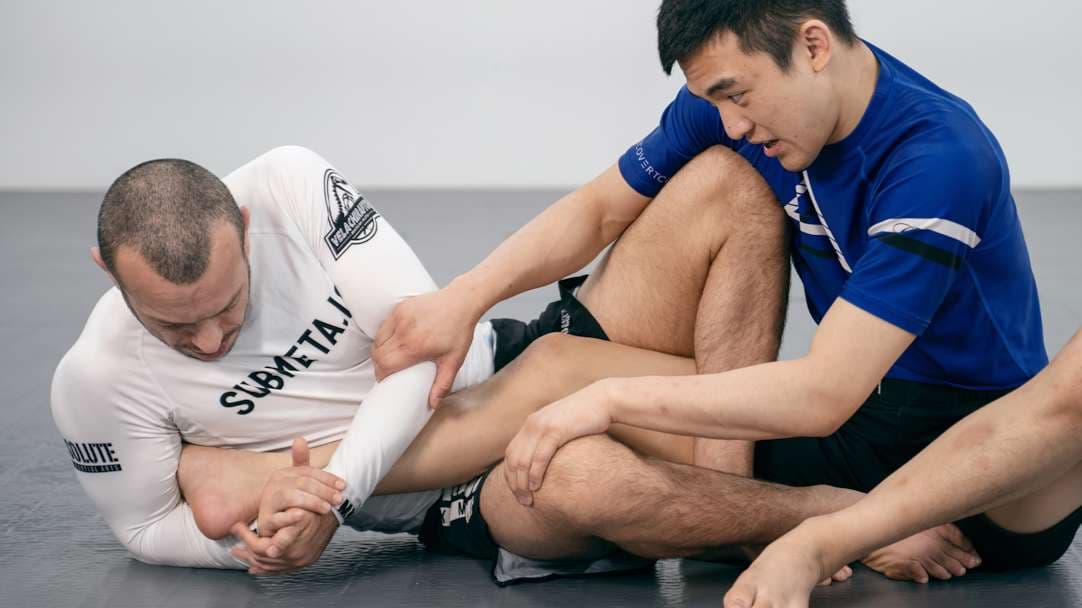
Leg locks in BJJ, honestly — why they were taboo, what changed, where beginners should start, what's legal at your belt, and how to keep partners safe.
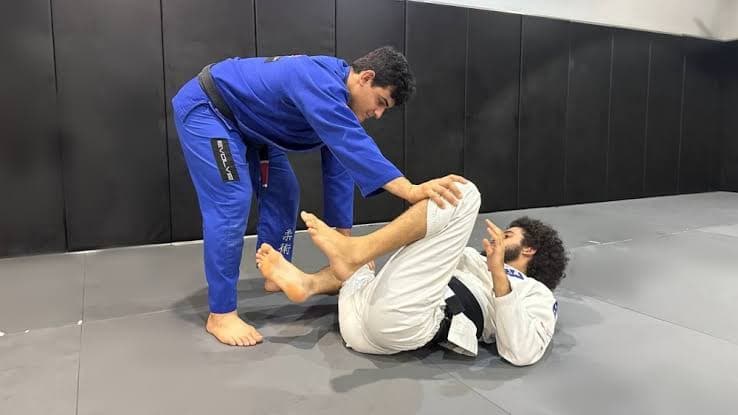
Guard passing is one of the hardest skills in BJJ. Here are the principles that make passing work — pressure, posture, grips, and patience — plus beginner mistakes to fix.
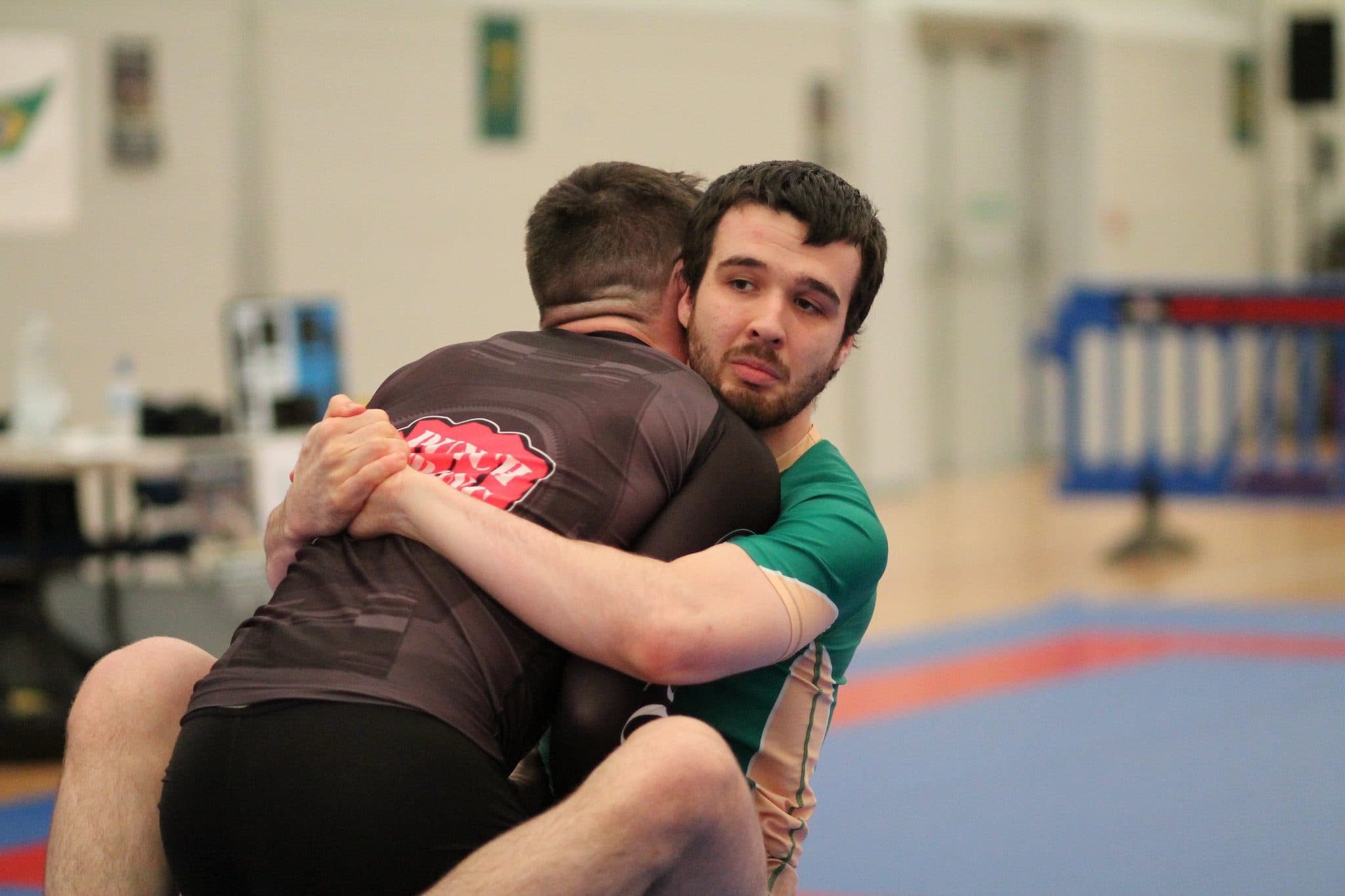
Takedowns are only part of the discussion. Wrestling also changes the choices available when a BJJ athlete gets to a knee, stands, or defends top position.
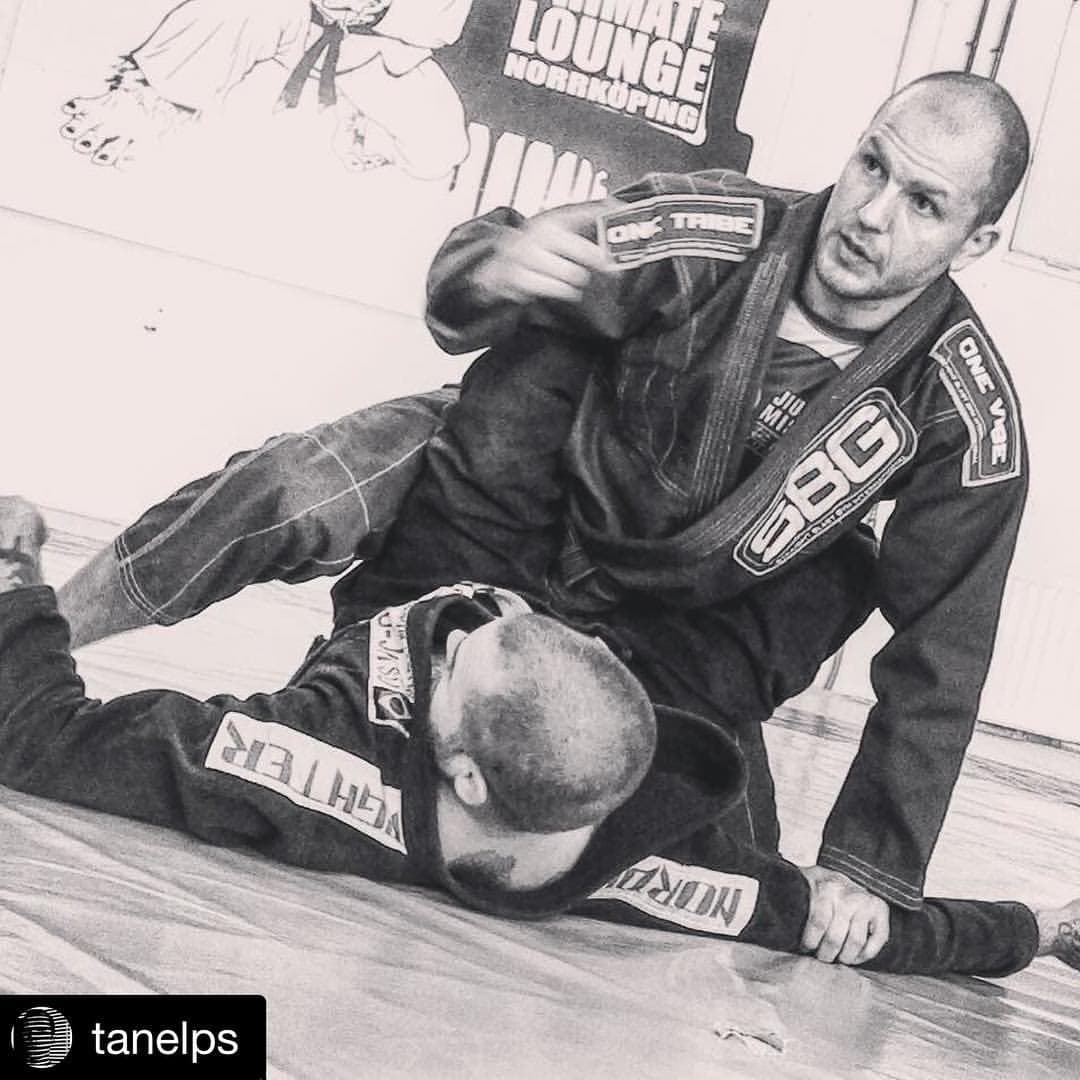
Pressure is about where force goes and what movement it stops. Learn to compare positions without turning practice into a discomfort contest.
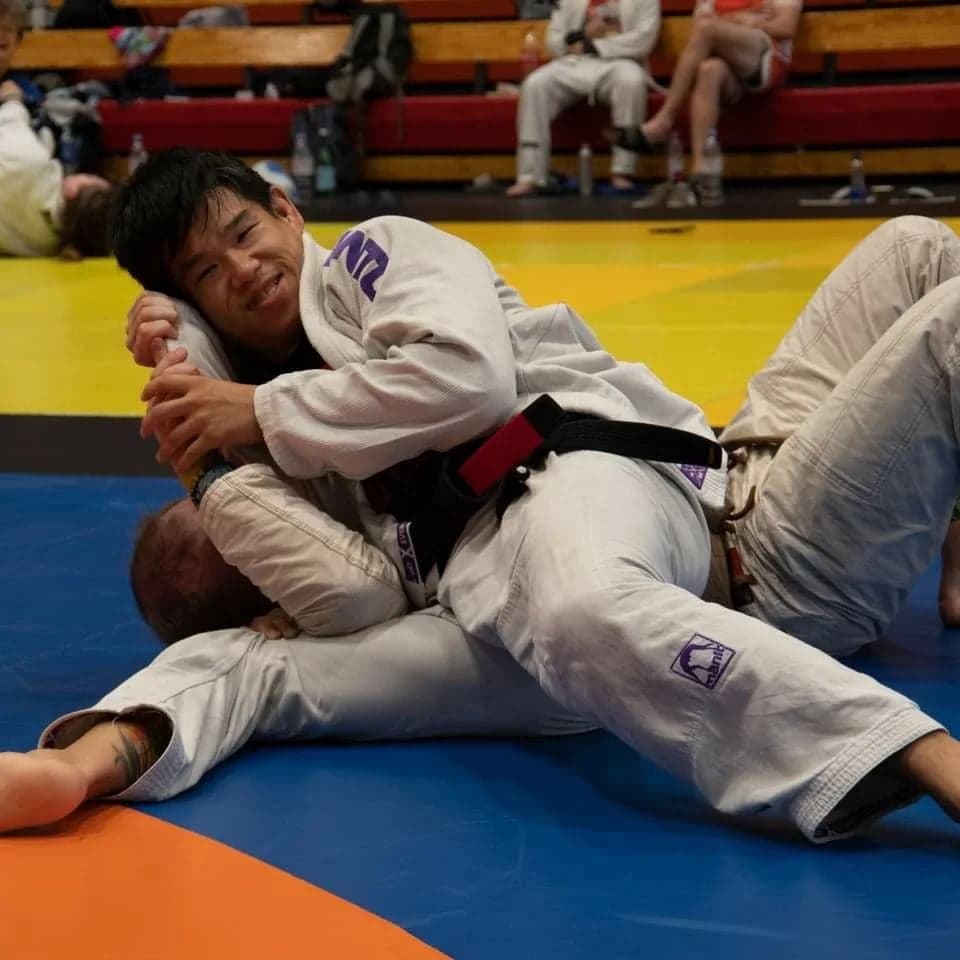
Keep losing position when you attack? Separate the pin, the first transition, and the recovery route in a focused practice block.