
Reverse de la Riva: stop the knee cut before chasing the back
Quick answer: Learn reverse de la Riva first as a response to a specific passing position. Use the inside hook together with the supporting frames your instructor teaches, then recover a usable guard. A back take is an additional option when the opponent leaves the appropriate opening; it does not have to be the first assignment.
The spinning back take gets replayed. The guard recovery that prevented the pass five seconds earlier usually does not. That is an understandable editing choice and an awkward way to choose what to practice on Tuesday.
If knee cuts keep ending your rounds, reverse de la Riva offers a smaller problem to work on than learning every inversion in an instructional. Can you recognize the pass, establish the inside hook, and come out with a guard you can use? Start there. The dramatic continuation will still be available to study afterward.
Find the pass that makes the hook relevant
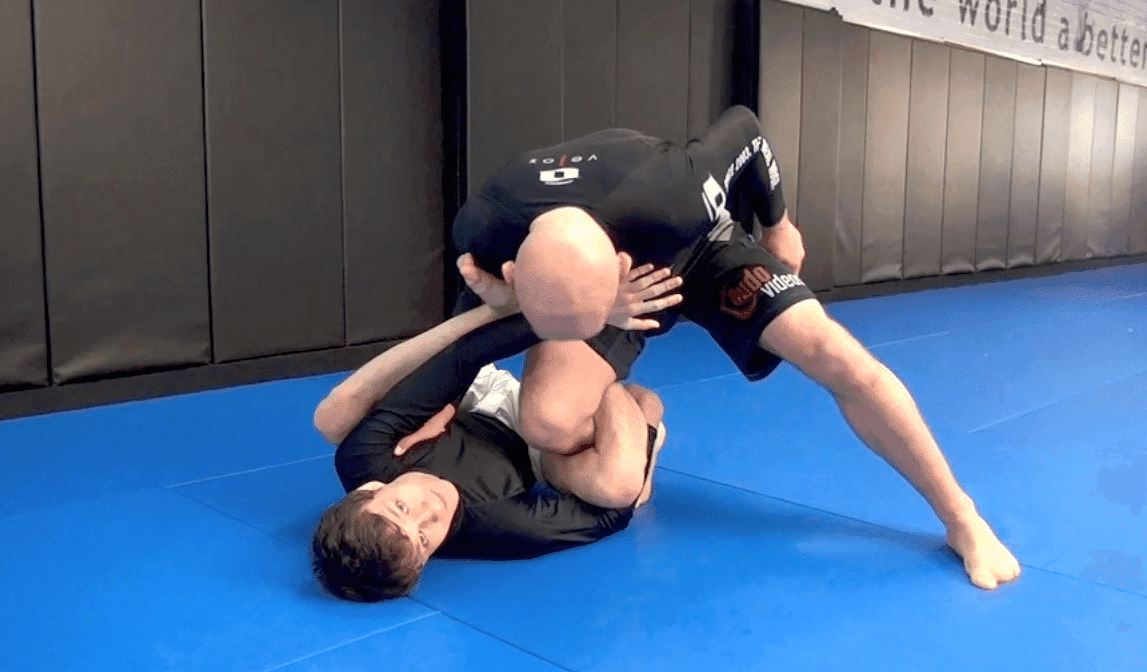
Reverse de la Riva uses an inside-leg hook around the passer's leg, in contrast with the outside hook of conventional de la Riva. In Grapplearts' 2013 tutorial with Ostap Manastyrski, stopping the cross-knee slide is a useful application even without pursuing the spinning back take.
That gives a first session a clear subject. Begin with a partner entering the knee cut at a pace where you can recognize the position. Do not start with them standing upright at the edge of your reach and then struggle to reproduce a photograph taken during a different exchange.
Lachlan Giles's 2019 introductory lesson makes that distinction explicit in its practice setup: the passer begins lowering toward the knee-slice position. The approach creates the problem the guard is meant to address.
Ask the passer to repeat the same entry from both sides. You are learning to recognize a relationship between bodies, not just where your favorite foot belongs. Our open-guard guide provides the broader context if the names are still running together.
The hook does not excuse the rest of your body
A new position can make attention painfully narrow. You spend the exchange staring at your own foot while the passer arranges everything above it. By the time you look up, you are defending a much later stage of the pass.
In Giles's March 2019 knee-slice counter, the inside hook works with support beneath the bottom knee, an upper-body frame, and placement of the other foot. It is an arrangement of connections rather than one isolated leg action.
For your next demonstration, watch the hands first. On the second viewing, watch the free foot. Only then inspect the hook everyone names. Ask where your head and shoulders should be relative to the approaching passer. The answer needs to fit the version being taught.
During practice, have the top player pause before completing the pass and show which connection they removed first. If the hook is still present, that does not necessarily mean you defended the exchange successfully. It may mean you preserved the part you recognized while losing the part that made it useful.
Recovering guard is a complete first assignment
Set a modest finish line: leave the knee-cut exchange facing the opponent with a guard connection your coach recognizes as usable. You do not need to sweep, take the back, and submit somebody to make the repetition worth doing.
The March 2019 Giles lesson includes a recovery route in which the outside foot creates space and the inside hook eventually gives way to a new leg position. The original hook is allowed to end. That is a useful point for anybody who interprets releasing it as losing the entire exchange.
Ask your partner to continue just long enough to test the recovered position. If you escape the knee cut but land with no useful connection, count the first part as progress and examine the arrival separately. Do not quietly call the whole thing finished because the original passing knee moved away.
This also makes positional rounds easier to score informally. Bottom succeeds by recovering the agreed guard. Top succeeds by completing the agreed pass. Those are practice conditions chosen for this exercise, not a substitute for any tournament's scoring rules.
More extension is not always the next correction
Giles cautions against fully extending the legs while using the position to create distance, because that can help the passer clear them. The relevant lesson is specific: useful distance and maximum possible distance are not automatically the same thing.
If a repetition fails, resist the urge to answer it with a bigger push immediately. Stop and compare the beginning of the failed attempt with the coach's starting position. Did your support remain beneath the knee? Did the passer remove the free foot? Were you trying to create space after a different connection had already disappeared?
These are diagnostic questions, not interchangeable technical fixes. One may explain your attempt; another may be irrelevant. Ask someone to watch before choosing an answer.
A partner can help by repeating the same clearing action slowly. You need enough resistance to expose the missing connection, not enough speed to make the sequence impossible to observe. If the position puts uncomfortable pressure on a joint, release and reset. Making the hook survive at any cost is not the assignment.
Save the back take for a recognizable opening
The same March lesson presents an attacking route when space between the passer's legs permits movement underneath. That is a condition worth noticing before becoming preoccupied with the spin itself.
Separate two questions. Can you perform the movement in the demonstrated setup? Can you recognize when that setup exists during a live exchange? A cooperative repetition may answer the first while telling you very little about the second.
For a first comparison, have the partner alternate between offering the appropriate opening and presenting the defensive position your instructor wants you to recover from. Your task is simply to choose between the recovery and the beginning of the attack. Keep the actual inversion under supervision until you understand it.
Do not assume that somebody else's range of motion makes their entry suitable for you. Ask for another route if the movement does not feel appropriate. The guard already has a useful defensive assignment. There is no requirement to turn every successful knee-cut interruption into a trip beneath the passer's hips.
A change of pass deserves a change of question
The top player may stop insisting on the knee cut. That does not make your defensive work imaginary; it means the exchange has moved on.
BJJ Fanatics' 2019 long-step lesson discusses the long step as another passing option from a knee-slice arrangement. You do not need the whole passing curriculum to understand the implication: a partner who can change direction presents a different test from one who must keep driving along the original line.
Build that second test only after the first is intelligible. Ask the top player to choose between the knee cut and one additional pass your coach approves. Have the instructor show your defensive decision point for each. Keep the pace low enough that you can tell which choice appeared.
If every attempt ends in a scramble you cannot describe, narrow the exercise again. There is no prize for allowing unlimited passing options before you can recognize two of them. Open rolling supplies plenty of that experience already. Positional work can be more selective.
Keep a record of recoveries, not imaginary near-submissions
Use notes that identify what actually happened. Nearly taking the back can mean anything from reaching a strong attacking position to briefly seeing the back of somebody's rash guard while being passed.
After a session, choose one of these descriptions and add the detail that matters:
I established the inside hook before the knee reached its intended passing position.
I stopped the first pass but lost the connection during guard recovery.
I recovered the agreed guard and kept it when the partner resumed moving.
I attempted the attacking route without the opening we had practiced.
You are not required to keep a numerical score. A clear account of one exchange can be enough. If you do count attempts, keep the starting conditions comparable and avoid treating a cooperative setup as equivalent to live sparring.
Bring the most confusing attempt to the next class. Recreate it while it is still fresh, preferably with the same partner. A correction to that precise exchange is easier to test than a broad instruction to become more flexible or develop better timing.
Main photo: Grapplearts / Ostap Manastyrski reverse de la Riva tutorial.
The takeaway
Reverse de la Riva can earn its place in your guard game by making a knee-cut exchange recoverable. Begin with the whole defensive arrangement, including the hand support and free leg, then learn where to go when the pass stops advancing.
The back take is another branch. Study it when you can identify the opening and perform the movement comfortably under instruction. Until then, a reliable guard recovery is substantial work on its own, and your practice should make it possible to see whether that work is improving.
Get a second pair of eyes on the passing exchange
Browse BJJ gyms near you and ask about coached positional training. Bring the specific knee-cut problem you want to solve, including what happens just before your inside hook stops helping.
FAQ
Is reverse de la Riva only an attacking guard? No. The lessons discussed here use it to interrupt a knee cut and recover guard. That defensive role can be your first focus before adding sweeps or back takes.
Do I need to invert to benefit from it? You can study the guard-recovery routes without making a spinning attack your immediate goal. Let your instructor select an appropriate progression and avoid forcing a movement that causes discomfort.
Why does the position feel awkward against an upright passer? The knee-cut practice setup places the passer differently from an upright, distant stance. Recreate the approach used in the lesson before deciding that the hook does not fit you. Different stances may require different guard choices.
When should I let go of the reverse de la Riva hook? Release it as the transition you are learning requires. A recovery may replace it with another useful connection. Have your coach identify that point rather than treating the original hook as something that must survive every change of position.
Related Posts
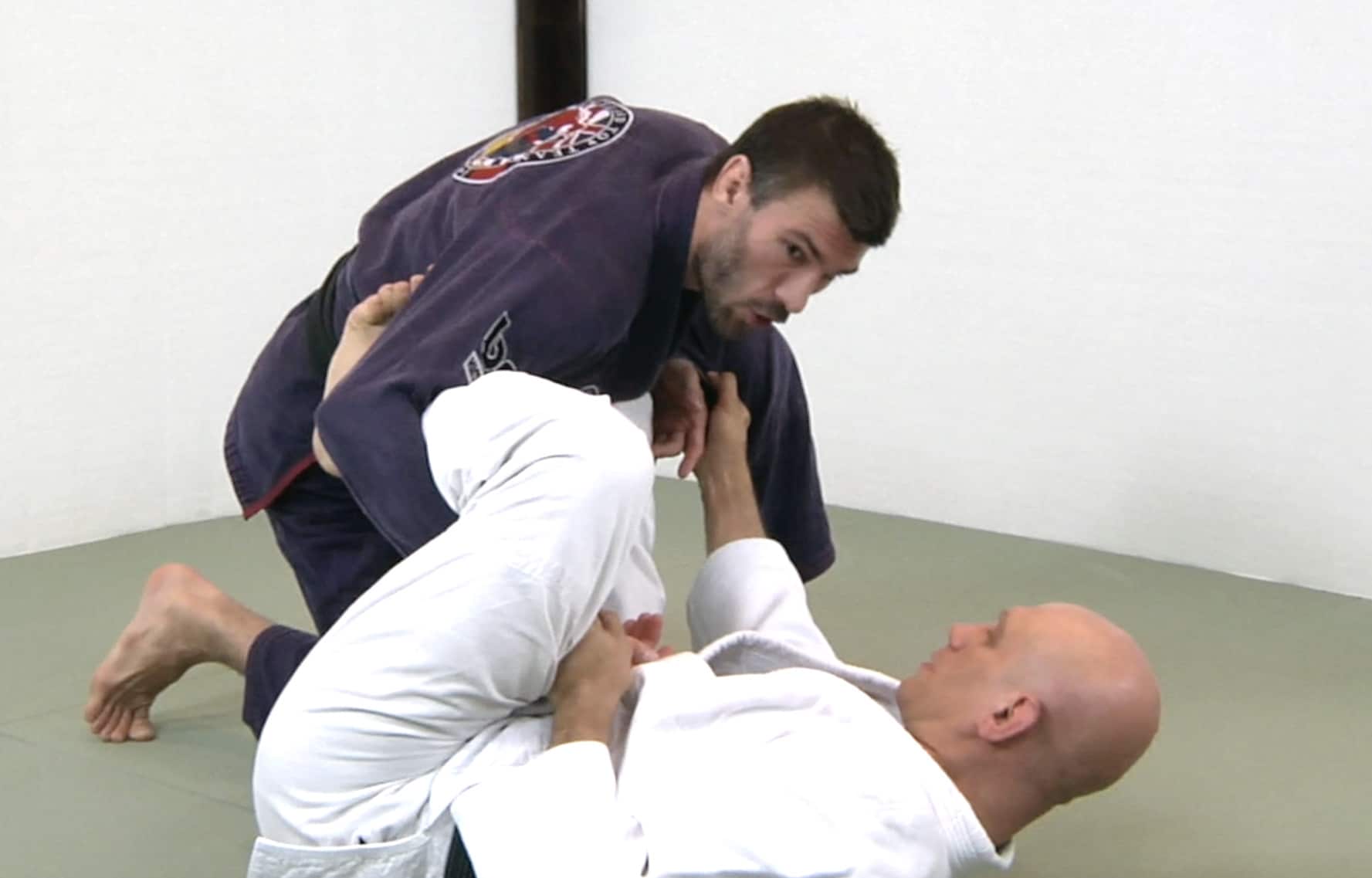
Lasso guard: know when to keep the sleeve and when to leave
A lasso hook can buy time or trap you in a grip battle. Give the free leg a purpose, keep useful sleeve control, and recognize when to change guards.
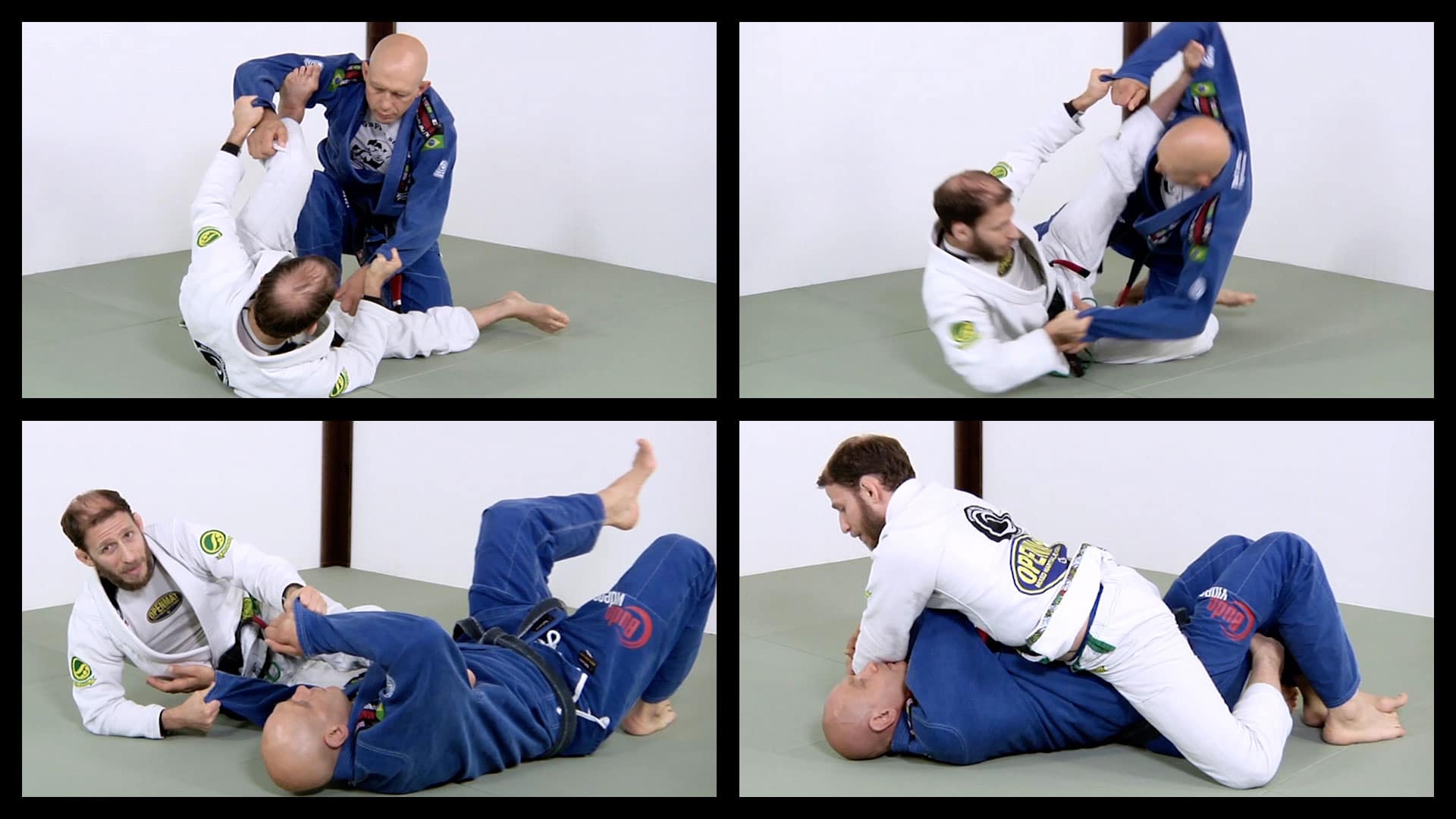
Spider guard: give each foot a job
Make spider guard easier to read. Learn how sleeve tension, different foot positions, and the passer's posture shape your next sweep or transition.
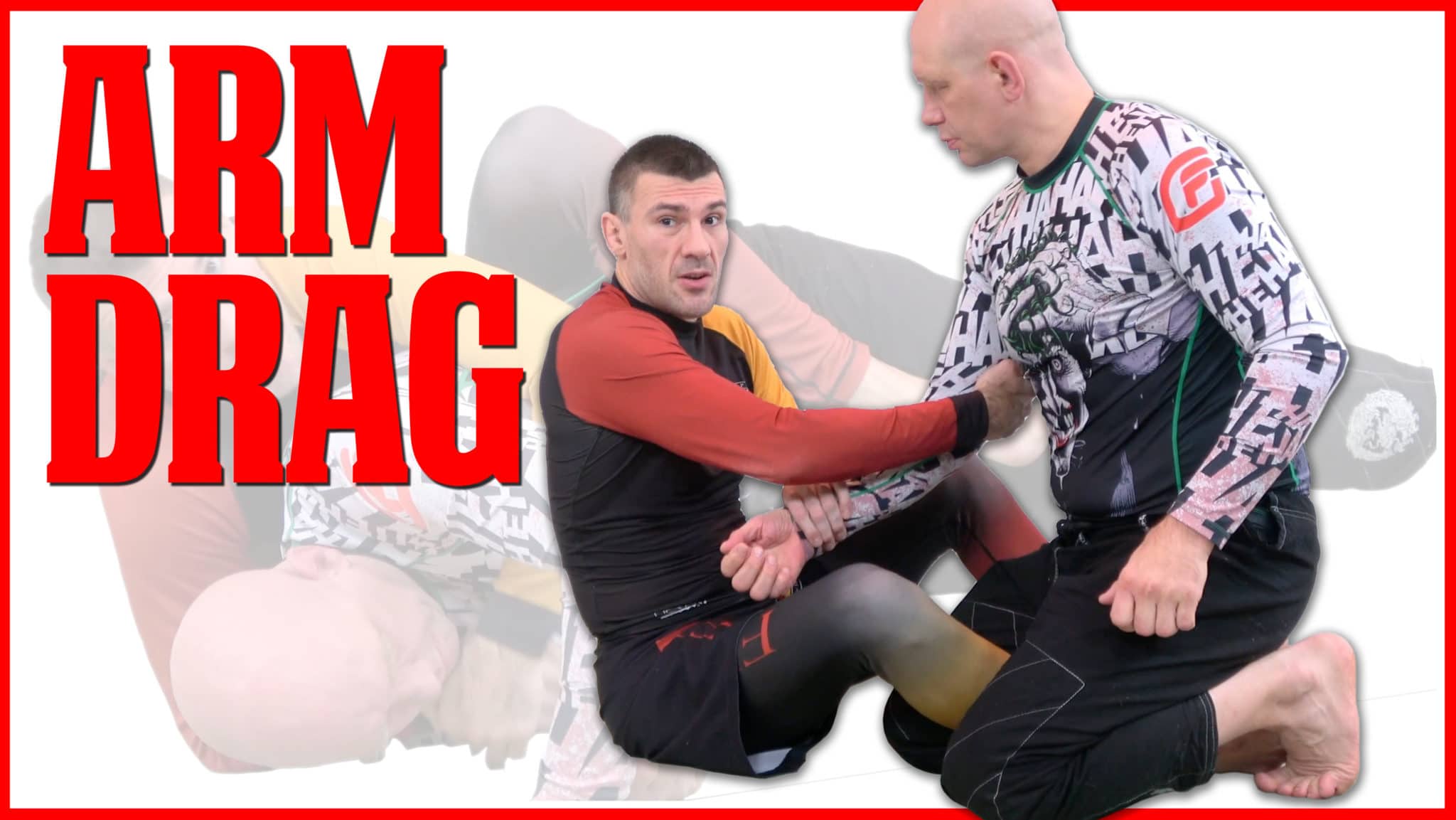
The seated arm drag starts before you pull the arm
The seated arm drag needs more than a wrist grip. Study the arm connection, hip movement, and reactions that open a back take or a route to top position.
Comments (0)
Loading comments...