
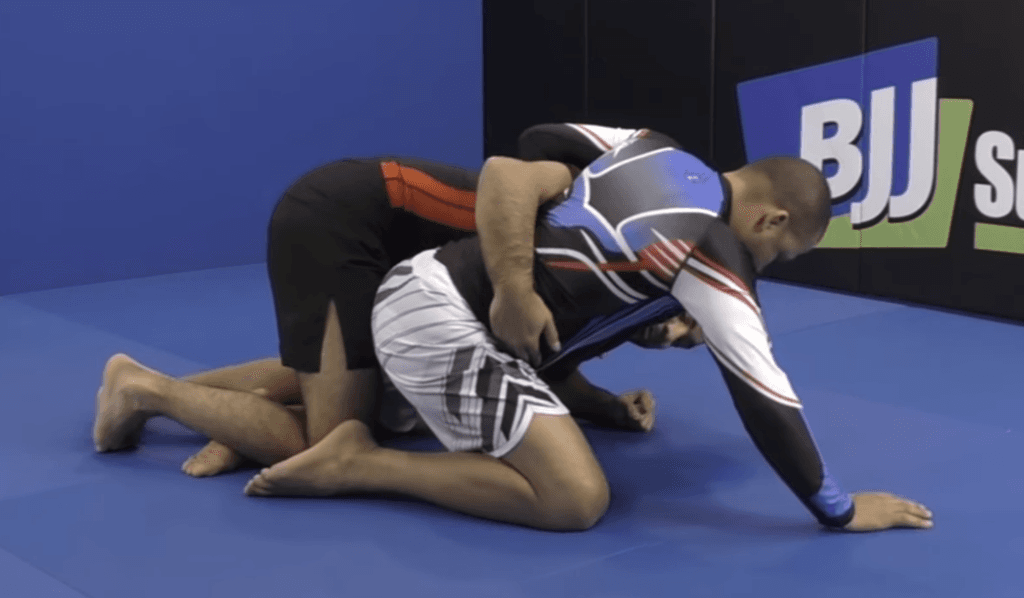
The half-guard dogfight: getting to your knees is only halfway
Quick answer: In the half-guard dogfight, keep track of the opponent's trapped leg as you come to your knees. Their whizzer and base determine which continuation is available. Learn one forward attack and a response to its defense, rather than trying to force every opponent over in the same direction.
You fought for the underhook. You made it to your knees. Then the other person leaned on you and the next thirty seconds became a wrestling match conducted from an inconvenient crouch. Getting up did not produce the sweep you expected.
That exchange contains a useful distinction. Reaching the dogfight and using it are separate skills. The underhook may get you into the neighborhood, but it does not settle the argument over the opponent's leg or tell you which direction they are willing to move.
Arrive with more than an underhook
The dogfight discussed here is the half-guard continuation in which you rise beside the opponent, with an underhook and a leg connection still involved. It is worth distinguishing that from merely coming to both knees while the other person stands clear.
In Lucas Leite's June 2019 teaching example, the leg control changes during the rise. His top foot takes over the opponent's lower leg so he can free the other leg and come up. The connection does not disappear while he changes levels.
Watch that transfer before watching the sweep. If your partner can remove the leg during your rise, your next problem is already different from the demonstrated dogfight. You may be chasing a standing opponent rather than working from the intended position.
Our half-guard introduction covers the broader underhook battle. For this session, focus on the handoff between the legs. Pause just before coming up and have the instructor inspect which connection makes the next movement possible.
The whizzer is part of the exchange
A whizzer is an overhook response around the arm that is underhooking. If your partner uses it, the problem has changed; it does not automatically mean your whole half-guard attack was a mistake.
In BJJ Fanatics' March 2019 dogfight sweep lesson, both the Bernardo Faria and Lucas Leite examples include this upper-body contest. Leite's explanation specifically accounts for the whizzer preventing an immediate route to the back.
Include the whizzer in early cooperative practice so you can recognize it. Have the partner apply it under the coach's direction, with controlled pressure. Ask where your shoulder and head should be in the version being taught. Do not answer every overhook by yanking harder on the underhooking arm.
Also practice the start without it. You need to recognize the difference between a defended route and an available one. If your partner always supplies the same resistance before you move, you may learn the counter while never learning what that resistance was preventing in the first place.
Keep the trapped leg involved while the opponent resists
A useful underhook can become much less useful if the opponent extracts the leg your sweep depended on. Pay attention to that attempted withdrawal before concentrating on the upper-body struggle.
The February 2019 lesson with Lachlan Giles addresses this specific problem. It combines a change of hip orientation, an outside-leg post, and knee positioning to make removing the trapped leg more difficult.
Treat that as a setup to learn carefully, not permission to torque a partner's knee until the position holds. Ask for a slow demonstration and release if either person feels uncomfortable joint pressure. The goal is to understand the connection while both people can move deliberately.
For a first resistance test, the top player tries only to free the leg. Bottom tries to preserve the position the instructor showed. Reset when the leg comes out or when the coach wants an adjustment. That narrow exercise can reveal a lost connection without burying it beneath a complicated sweep attempt.
Once the attachment makes sense, add the sweep back. Now you have a way to tell whether the finish failed because of the opponent's balance or because the leg was gone before you tried it.
A wide base can answer the first attack
Imagine reaching toward the far knee and finding that the opponent has moved it out of reach. Continuing to stretch after it may leave you working against a stance that no longer resembles the one your original attack required.
Faria's example in the March 2019 lesson addresses a widened base with a rolling continuation. The relevant idea for study is the order: the opponent denies one direction, and that response becomes the condition for another attack. The roll is not inserted at random.
Learn the rolling movement separately with an instructor before including it in resistance rounds. You need to understand where the head and shoulder travel and which leg connection remains. A text description of a roll is not enough to judge whether your version is appropriate.
Then let the partner choose between leaving the original knee available and widening the base in the demonstrated way. Initially your job can be recognizing the response rather than finishing both options. If you roll regardless of which stance appears, you have turned a conditional attack into a habit that ignores the condition.
Pressure in one direction can set up movement in another
Leite's March 2019 half-guard discussion connects going underneath with coming back to the dogfight when the opponent sprawls. The teaching examples treat these positions as related responses, not isolated moves that must each succeed independently.
That matters if you interpret returning to an earlier position as starting over. A return may happen against a changed opponent. Their weight, available posts, or leg position may be different from the first time you were there.
When studying the sequence, stop at the return and compare it with the original dogfight. Ask your partner which direction they are now resisting. You do not need to turn the observation into a grand theory of momentum. You need to recognize the particular response your next attack uses.
Keep the initial combination short. One attempt forward and one response to resistance is enough material for a useful session. If you add every option shown in a long instructional, it becomes difficult to tell whether the failure came from bad position or from selecting an attack whose trigger never occurred.
Coming on top is a different task from knocking someone sideways
The finish should include an arrival you can identify. In the March sweep lesson, Leite's rolling example continues through to side control while retaining the leg connection needed for that sequence. The endpoint is more specific than both people briefly losing balance.
For your own version, have the instructor name the intended top position before the round starts. It may differ from the example depending on the sweep you are learning. Agree on that endpoint, then allow a little controlled recovery from the partner after the reversal.
If you repeatedly sweep and immediately return to bottom, isolate the landing. Begin near the end and learn the next connection. Do not discard the successful first part just because the arrival remains unfinished, but do not call the entire sequence reliable either.
This is also where a recording can help, if everyone involved agrees to being filmed. Watch the hands and knees immediately after the reversal. The question is where control changes, not whether the sweep looked impressive enough to post. Keep the clip for the technical discussion you intended.
Give the positional round a defined finish
A dogfight round can become an exhausting stalemate if neither partner knows what they are testing. Set the start and the permitted responses before increasing resistance.
A useful first arrangement is:
Begin in the inspected dogfight position, with the intended leg control already present.
The defending player can use the taught whizzer response and try to withdraw the trapped leg.
The attacking player uses one selected sweep and one continuation against a named defense.
Reset after a stable reversal, a clear escape from the leg connection, or a coach-directed stop.
This is a practice suggestion, not a ruleset or a promise about how quickly the position will improve. Adjust it to the experience of the pair. Add the half-guard entry later if the goal is to connect the whole exchange.
Afterward, describe the earliest repeated problem. Losing the leg during the rise, stopping against the whizzer, and failing to hold the landing should produce different notes. If all three occurred, choose one to bring to the next class. Trying to correct every stage during a single tired repetition can make the exchange harder to understand.
The guide to drilling BJJ offers a broader framework for turning this defined start and finish into useful practice.
Main photo: BJJ Fanatics / Dogfight half-guard lesson.
The takeaway
Getting to your knees from half guard is progress, but the dogfight still requires a usable leg connection and an answer to the opponent's base. Study the transfer that lets you rise, then learn how the whizzer and far knee affect the continuation.
Use a small combination and include the arrival on top. When it fails, keep enough detail to say where. A round spent pushing harder against a widened base is not necessarily a strength problem; it may be a choice problem that needs a different continuation.
Find help with the transition off your hip
Browse BJJ gyms near you and ask about coached half-guard practice. Bring the exact point where the opponent frees the leg or stops your rise so the instructor can work on the exchange you actually face.
FAQ
What is the dogfight position in BJJ? In this half-guard context, it is the continuation where you come up beside the opponent using an underhook while maintaining a leg connection. The opponent may answer with a whizzer. Learn the complete arrangement rather than identifying it only by being on your knees.
Does getting the underhook guarantee a sweep? No. The opponent's base and defensive connections still matter. The lessons here specifically address what happens when the first attack meets resistance or the opponent tries to remove the trapped leg.
Why does the opponent pull their leg out as I get up? You may be losing the leg transfer during the rise. Have your instructor watch that interval before adding more force to the finish. The correct adjustment depends on which connection disappears.
Should I roll underneath every time I meet a whizzer? No. A rolling continuation has its own setup and should be learned under supervision. Choose it in response to the conditions your coach teaches, rather than treating the presence of an overhook as an automatic instruction to roll.
Related Posts
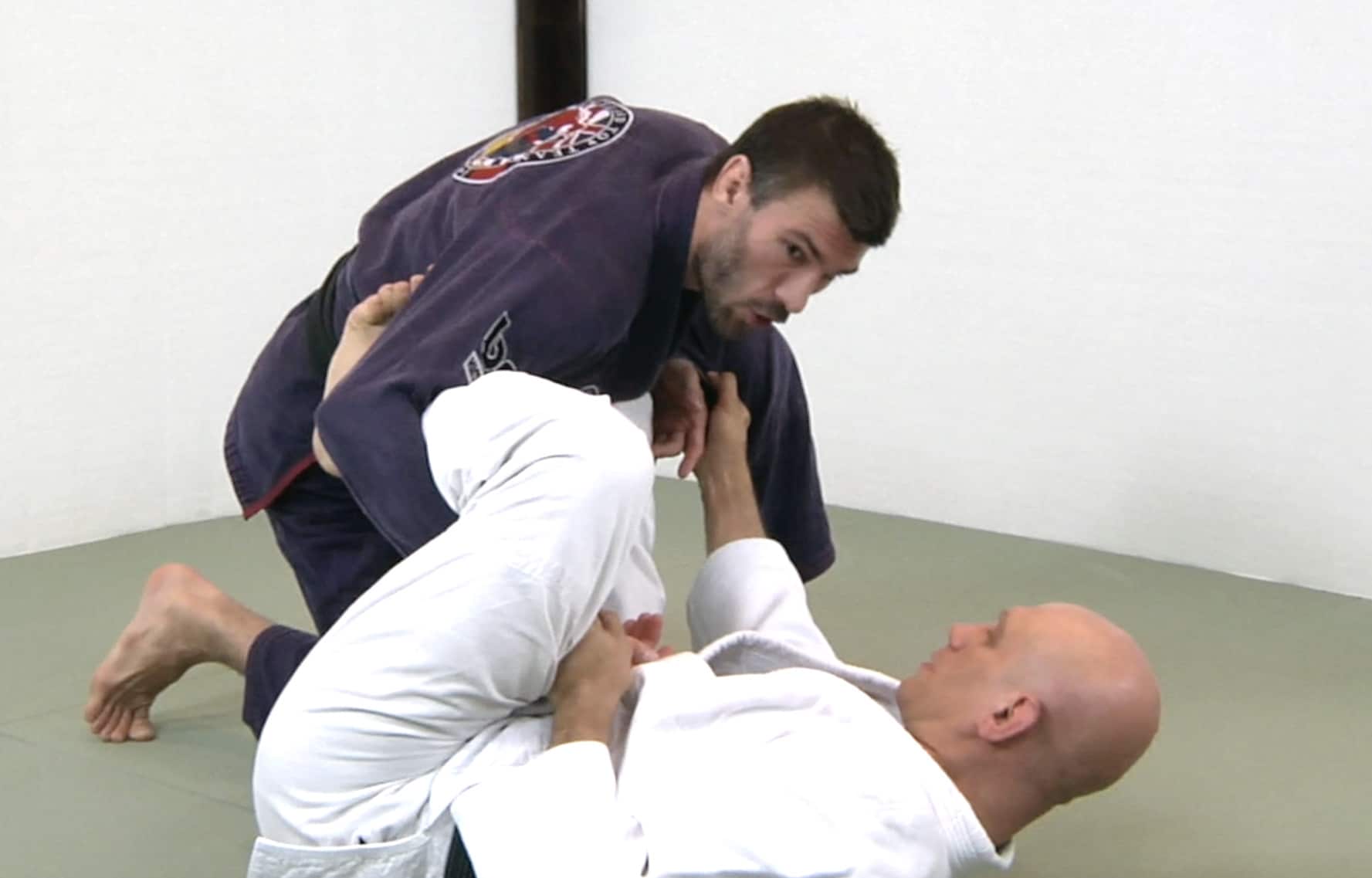
Lasso guard: know when to keep the sleeve and when to leave
A lasso hook can buy time or trap you in a grip battle. Give the free leg a purpose, keep useful sleeve control, and recognize when to change guards.
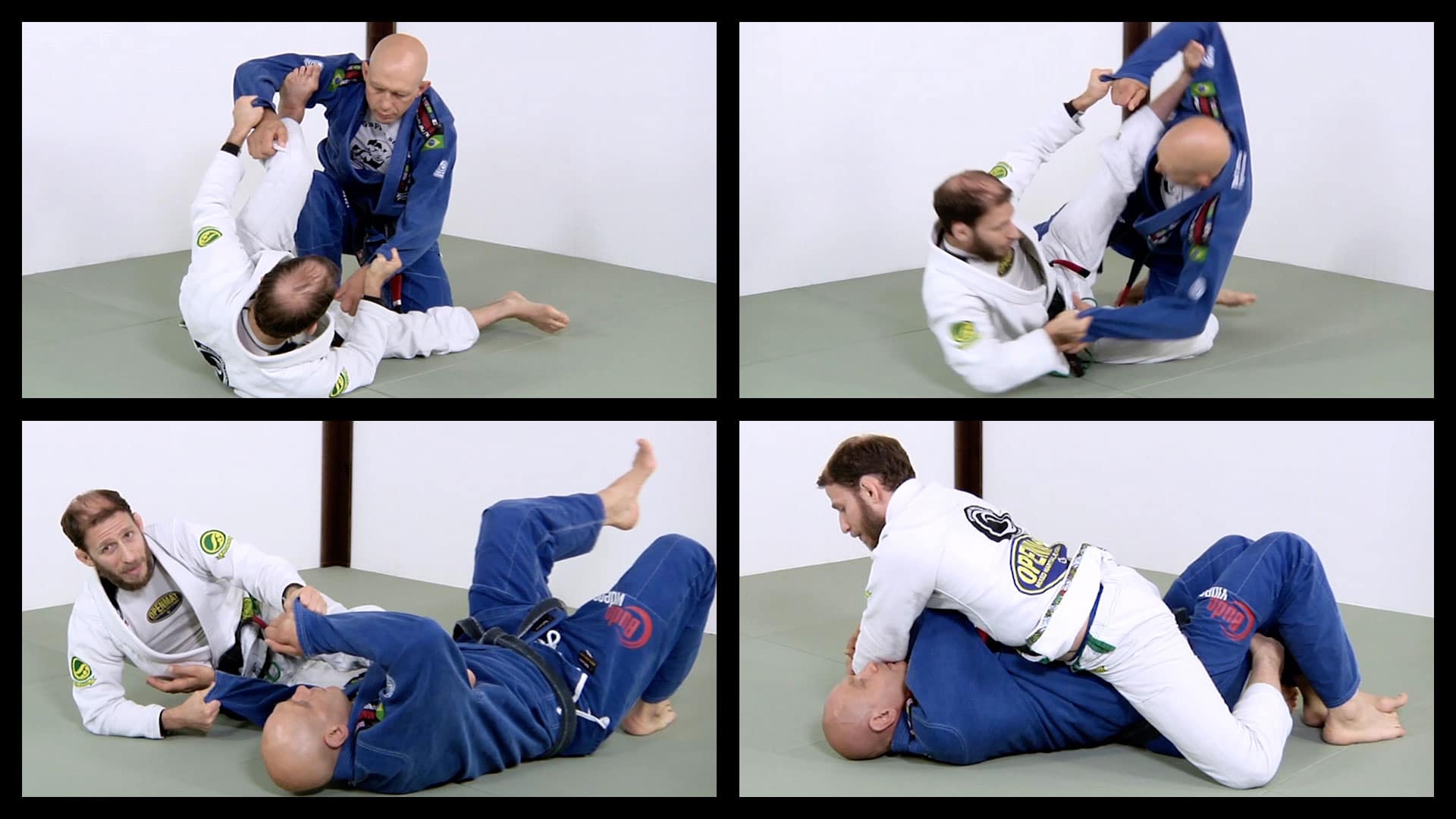
Spider guard: give each foot a job
Make spider guard easier to read. Learn how sleeve tension, different foot positions, and the passer's posture shape your next sweep or transition.
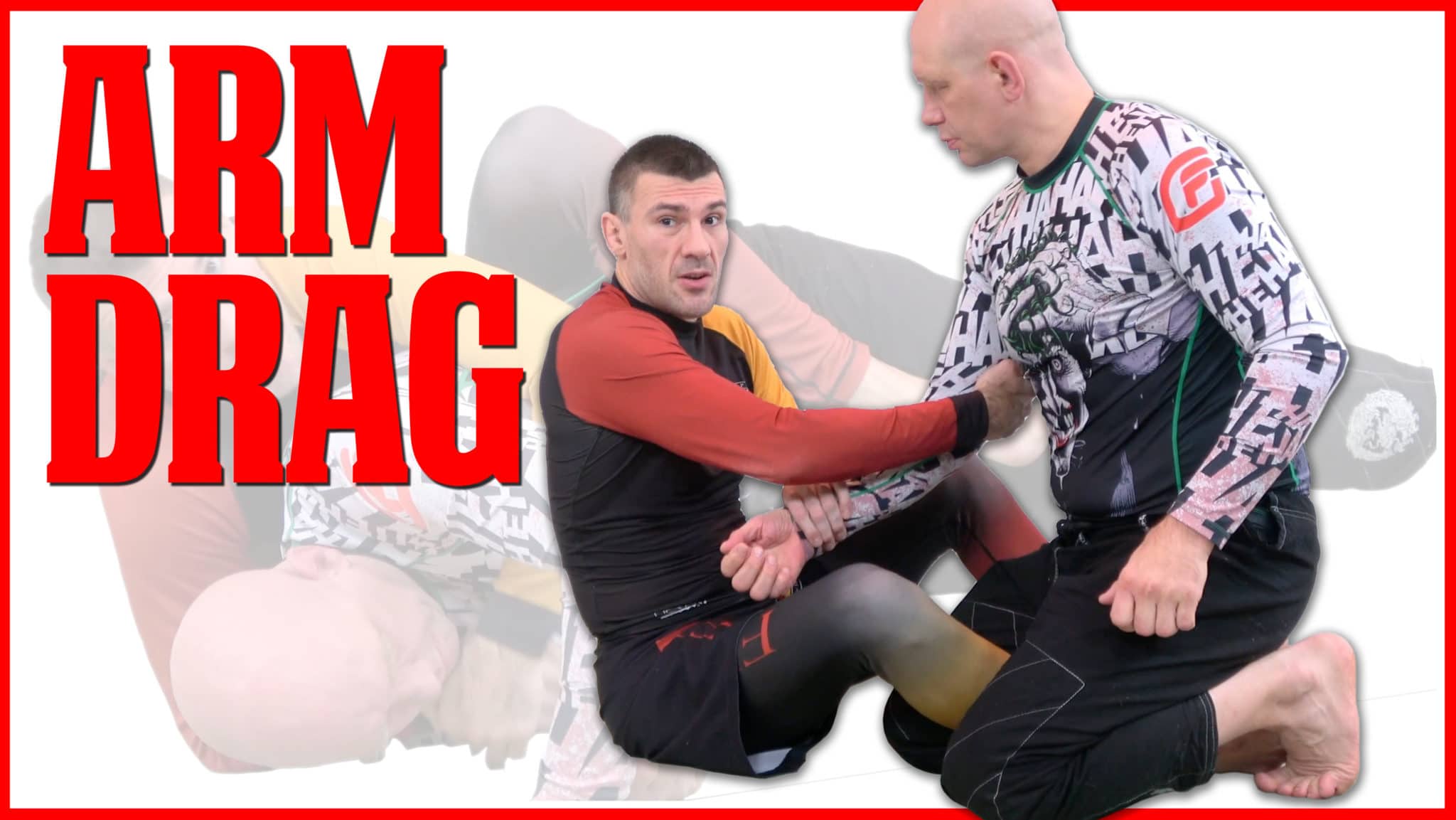
The seated arm drag starts before you pull the arm
The seated arm drag needs more than a wrist grip. Study the arm connection, hip movement, and reactions that open a back take or a route to top position.
Comments (0)
Loading comments...