
Lasso guard: know when to keep the sleeve and when to leave
Quick answer: Treat lasso guard as control of one side of the passer, with the rest of your guard still needing a plan. Preserve the sleeve when it supports a sweep, submission entry, or defensive transition. If the passer has neutralized that connection, change the position before the grip becomes the only thing you are defending.
A round can disappear into one sleeve. You loop the leg around an arm, the passer stops moving, and both people wait for the other to become annoyed enough to do something. At the buzzer, your fingers remember the round better than your notebook does.
That is a possible use of lasso guard, but it is a poor study plan. The interesting question is what the connection lets you do next. A useful lasso should give you a position to work from, not a five-minute obligation to preserve the first grip you found.
Separate the sleeve grip from the whole guard
In Stephan Kesting's January 2022 lasso-to-omoplata lesson, the illustrated lasso wraps around the opponent's arm into the armpit while the same-side hand controls that sleeve. The explanation treats it as control of one side of the body.
One side is a revealing limit. It does not tell you where the other foot belongs, whether the opponent can change their angle, or what your unoccupied hand should do. Those decisions still exist after you have made the lasso.
During a demonstration, follow the free leg as carefully as the looped one. Then ask what changes if the passer moves their other knee. You are trying to understand the complete starting position, including the parts nobody calls by name.
The familiar hook is easy to recognize in a photograph. The distance between your hips and the passer may be harder to remember afterward. Take a note about that distance, using the instructor's explanation, instead of writing only that the class covered lasso guard. Our open-guard map can help with the names; your practice notes need the actual relationships.
Choose an attack before the grip becomes a waiting room
Give the position an assignment. Perhaps you are learning an entry to the omoplata. Perhaps you want a sweep when the opponent drives into you. Those assignments require different observations, even if the first sleeve grip looks identical.
Write the assignment as a condition rather than a wish. An omoplata every round is a wish. Recognizing when the opponent's arm and posture match the entry you were taught is something you can examine. You can get better at recognizing that moment before you get good at finishing the submission.
This also gives the top player a more useful role. Instead of standing still until you remember the sequence, they can offer the particular posture your lesson addresses and then begin denying it. Start with the response your instructor expects. Surprise belongs later, once both people know what the exercise is testing.
If neither person can describe the next exchange, pause. Adding more resistance to an undefined position usually produces a harder grip battle. It does not automatically produce a clearer one.
Two omoplata entries are two different problems
The 2022 Grapplearts lesson shows both a spinning entry and an elbow-pull route from the lasso to the omoplata. They share a destination, but the movements that get there differ. You do not have to learn both in one class.
Choose one route with your instructor and establish its starting conditions. For a spinning entry, get a demonstration of where the opponent's weight belongs and where your own body is meant to travel. For an elbow-pull entry, concentrate on the grip change and the arm position the movement requires. A text description is not enough to judge whether your version matches either demonstration.
Keep the first repetitions separate from finishing the shoulder lock. Arriving in a recognizable omoplata position is already a task. Once the instructor is satisfied with that arrival, work on controlling the position and applying the finish carefully with a cooperative partner.
Do not treat discomfort during an unfamiliar rotation as proof that you need to push farther. Stop and ask for a different entry or an adjustment. There are other ways to study lasso guard; earning a particular spinning movement is not a condition of belonging in the gi class.
A defensive lasso has a different stopping point
Jon Thomas's December 2022 knee-cut counter lesson includes a shallow lasso used to interrupt a knee-cut attempt. The article also distinguishes the defensive value of that connection from the gi-dependent attacks that might follow it.
That is a useful distinction during a difficult round. If your immediate problem is a knee coming through your guard, success may begin with stopping that progress and recovering a position you can use. Demanding a submission at the same instant can make it harder to notice that you have already changed the exchange.
Ask the instructor where the defensive action ends and the new guard begins. Reproduce that moment deliberately. You want to recognize it while the passer is still moving, not only after somebody says the escape worked.
A defensive connection should also have an exit. Decide which familiar guard you are trying to recover when the attack stops. Leaving that choice until the top player resumes passing makes the exercise needlessly confusing, especially if the lasso itself is new to you.
Watch the passer remove control, not just remove the foot
The passer does not have to make the hook disappear immediately to improve their position. A change in angle or tension may matter before the visible loop comes undone. This is why merely checking whether the foot is still threaded gives an incomplete picture.
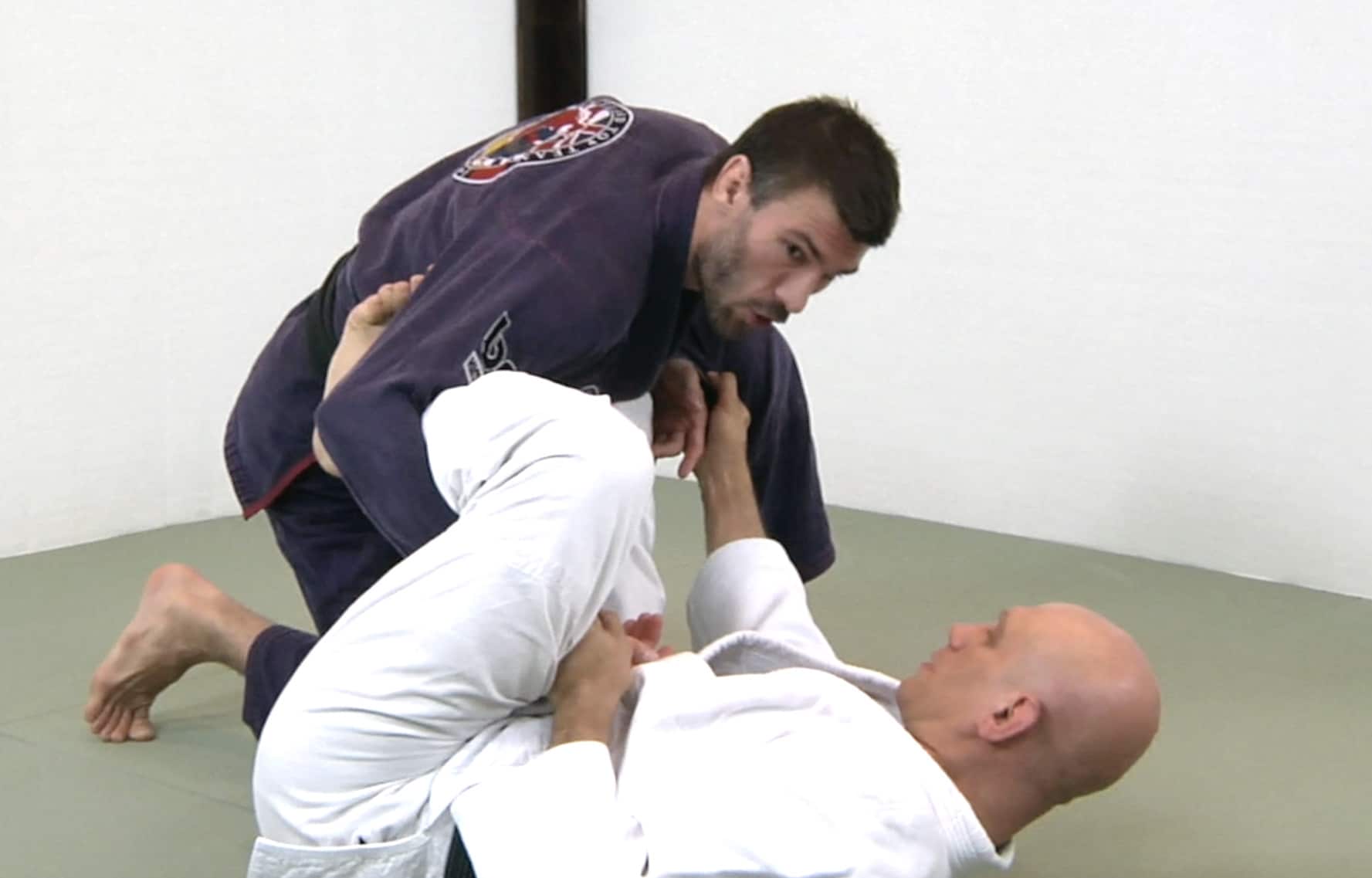
Rob Biernacki's 2016 lasso-spider passing lesson puts neutralizing the guard's control before the actual pass. Use that order as a viewing exercise. Watch the guard player during the preparation, before the more obvious movement around the legs.
Then ask a training partner to show the clearing method they normally attempt against your lasso. Let them work slowly. Stop when you first lose the ability to attempt the attack you selected, even if the sleeve is still in your hand.
That stopping point is worth discussing. You may need a new angle, another connection, or a different guard. The right answer depends on what the passer has actually done. There is little value in declaring that every failed lasso needs a deeper hook before anyone has watched the failure.
Give yourself permission to change grips
Keeping a grip and keeping a guard are not the same assignment. A sleeve can be useful for the first part of an exchange and less useful once the opponent has changed the position. Let your instructor show you the hand transfer that belongs to the transition you are learning.
Use a few specific questions to make that instruction easier to remember:
Which connection stays in place while the hand moves?
What can the passer do during the transfer?
Where should the free foot be before the sleeve is released?
What tells you to abandon the planned transition and recover guard?
The answers should refer to the position in front of you. If they remain abstract, ask for the movement again at a slower pace and stop it just before the grip changes.
Painful fingers are a separate issue. Release a painful grip, and get persistent pain assessed by an appropriate professional. No analysis of sleeve control requires winning that particular tug. You can reset the position and continue learning without turning your hand into the price of admission.
Test the exit with an opponent who knows it is coming
For a short practice round, let the top player know your intended transition. This is deliberately less mysterious than normal sparring. You want to find out whether the connection actually supports the movement, rather than whether surprise occasionally gets you through it.
Begin with the agreed lasso and let the passer use one familiar clearing response. Your job is to attempt the chosen attack or leave for the chosen guard. Their job is to make the transition difficult without rushing through the entire passing game. Reset when the exchange has answered that narrow question.
After a few attempts, allow a second response. If the exercise becomes chaotic, reduce the choices again. This is a suggested practice format, not a claim that a particular number of rounds produces a particular result.
Keep one unsuccessful repetition for review. Explain where you thought the sleeve would help and where that expectation failed. A coach can work with that description. Saying that lasso never works for you gives them a much larger problem to untangle, and usually leaves out the useful details.
Main photo: Grapplearts / Rob Biernacki lasso-spider lesson.
The takeaway
Lasso guard deserves more than a contest over who releases a sleeve first. The hook gives you control to build around, while the opponent tries to make that control irrelevant. Study the free leg and the passer's adjustment along with the arm you have wrapped.
Pick one offensive route and one exit into a guard you already understand. Keep them close enough to your current ability that you can recognize why an attempt failed. If you finish the round still holding the original sleeve but unable to explain what it accomplished, bring that exact position to the next class.
Find a class that can help with the details
Use the BJJ gym directory to locate gi training near you. Ask about classes where you can work through grip changes and guard transitions with an instructor watching the exchange.
FAQ
Is lasso guard the same as spider guard? Lasso is commonly taught as part of the spider-guard family, but the leg wrapping around the arm creates a different connection from a foot placed on the biceps. Learn the particular configuration your instructor is demonstrating.
Should I keep the sleeve until I sweep? Keep it while it serves the attack or transition. Some continuations require a change of grip. Ask which connection protects the transition rather than making an unconditional rule about never releasing the sleeve.
Do I have to invert to use lasso guard? No single spinning entry is a requirement for studying the position. The source lesson includes an elbow-pull omoplata route as well as a spinning one. Have your instructor choose movements appropriate for you.
Why can someone pass while my lasso is still attached? The visible hook may remain after its useful control has been reduced. Recreate the exchange slowly and identify the first adjustment that stopped your intended attack. The correction depends on that adjustment, not simply on whether your foot stayed around the arm.
Related Posts
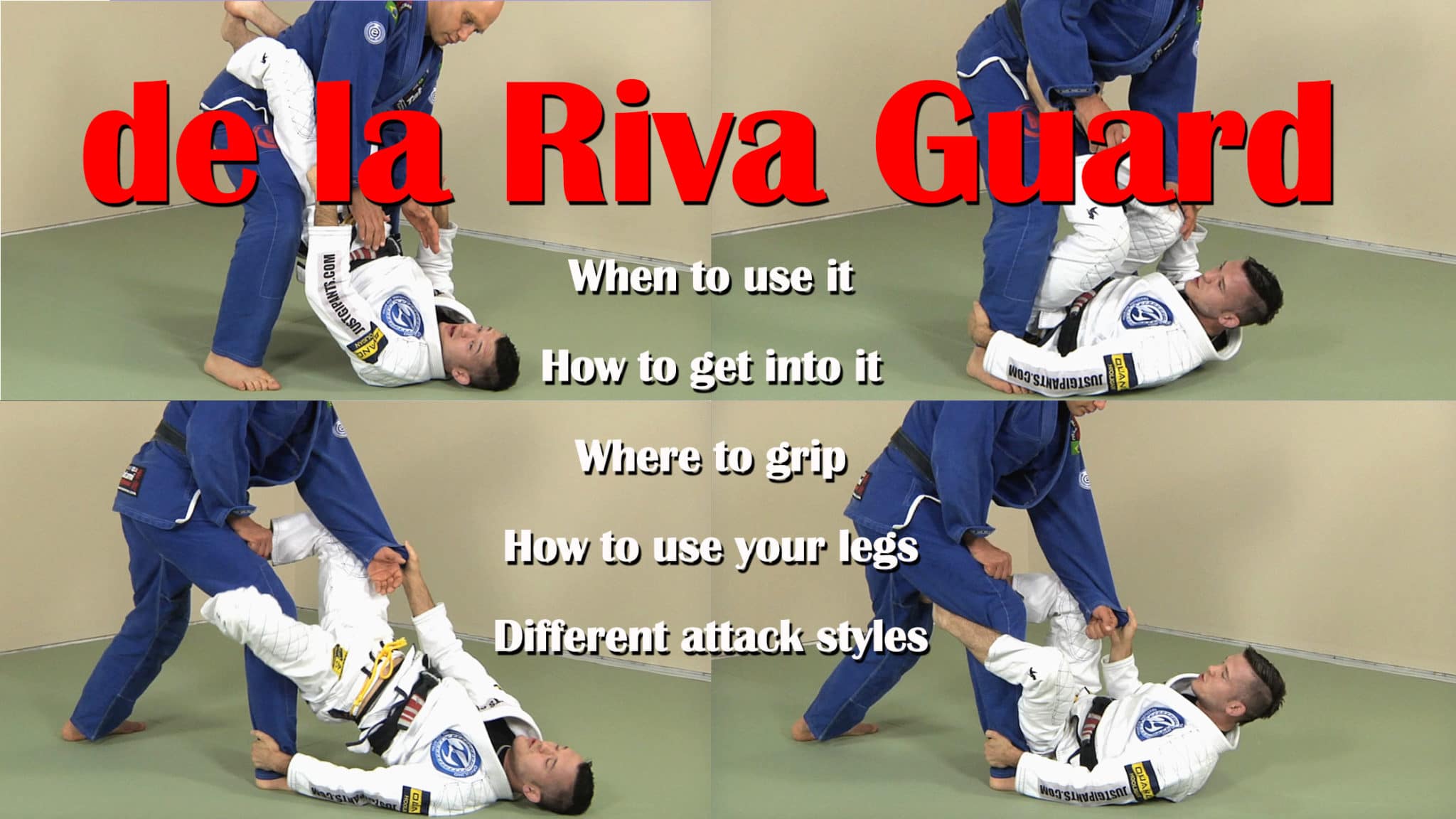
De la Riva guard: make the standing passer take a step
Your de la Riva hook is in, but the passer is comfortable. Study ankle control, the free leg, and the balance reaction that makes an attack possible.
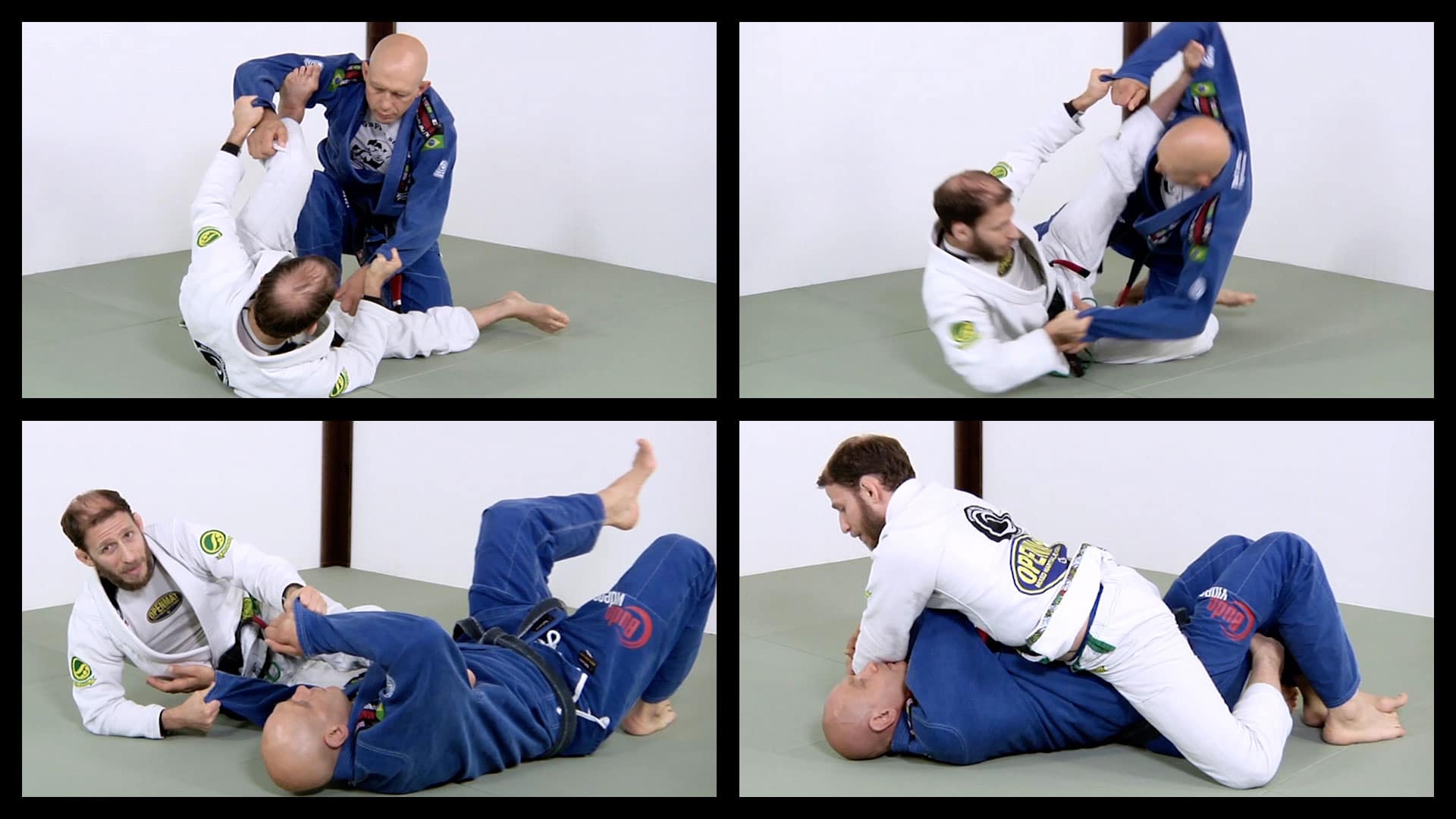
Spider guard: give each foot a job
Make spider guard easier to read. Learn how sleeve tension, different foot positions, and the passer's posture shape your next sweep or transition.
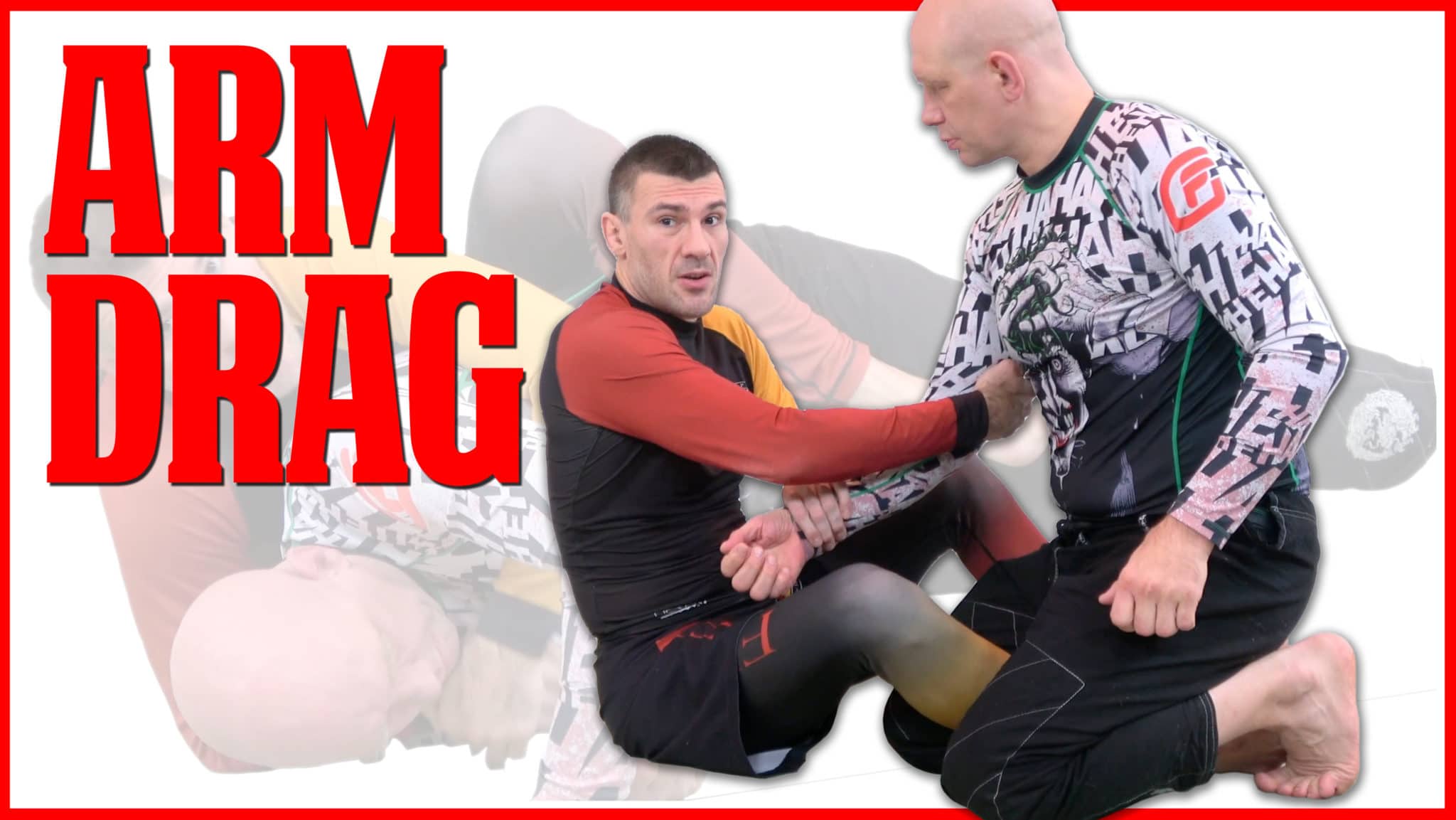
The seated arm drag starts before you pull the arm
The seated arm drag needs more than a wrist grip. Study the arm connection, hip movement, and reactions that open a back take or a route to top position.
Comments (0)
Loading comments...