
Spider guard: give each foot a job
Quick answer: Spider guard uses an arm connection and at least one foot on an arm to manage the opponent's posture and distance. Your other foot can help control a hip, block a leg, or support another guard connection. Study what each foot is doing before trying to memorize a long collection of sweeps.
Two sleeve grips and two feet on the biceps make a recognizable picture. They do not tell you what happens next. Hold that picture rigidly while the passer moves and you may discover that your arms are working harder than your guard is.
Spider guard becomes less confusing when you stop trying to preserve a photograph. One foot may be keeping an arm away while the other prepares to move. Your hips change angle. The passer adjusts their stance. Those changes are the material of the position, not interruptions to it.
One foot on an arm can still be spider guard
Stephan Kesting's 2013 introduction to spider guard describes at least one foot controlling an arm, with the other leg available for several jobs. Both feet do not have to remain on both biceps for the position to count.
That matters to a student who treats removing a foot as losing the guard. A foot moving to the hip or toward a leg may be part of an attack or transition. The question is what control remains while it moves.
Start by identifying the connection you intend to keep. If you are using the left foot to manage the opponent's right arm, track that relationship while the other leg changes position. Do not try to monitor every possible attack at once. You need to know whether the connection you rely on is still doing its job.
Our open-guard overview places spider among the wider family of guards. For practical study, it is more useful to recognize the control you have than to argue about the exact name of a mixed spider-and-lasso position.
An uneven position can be deliberate
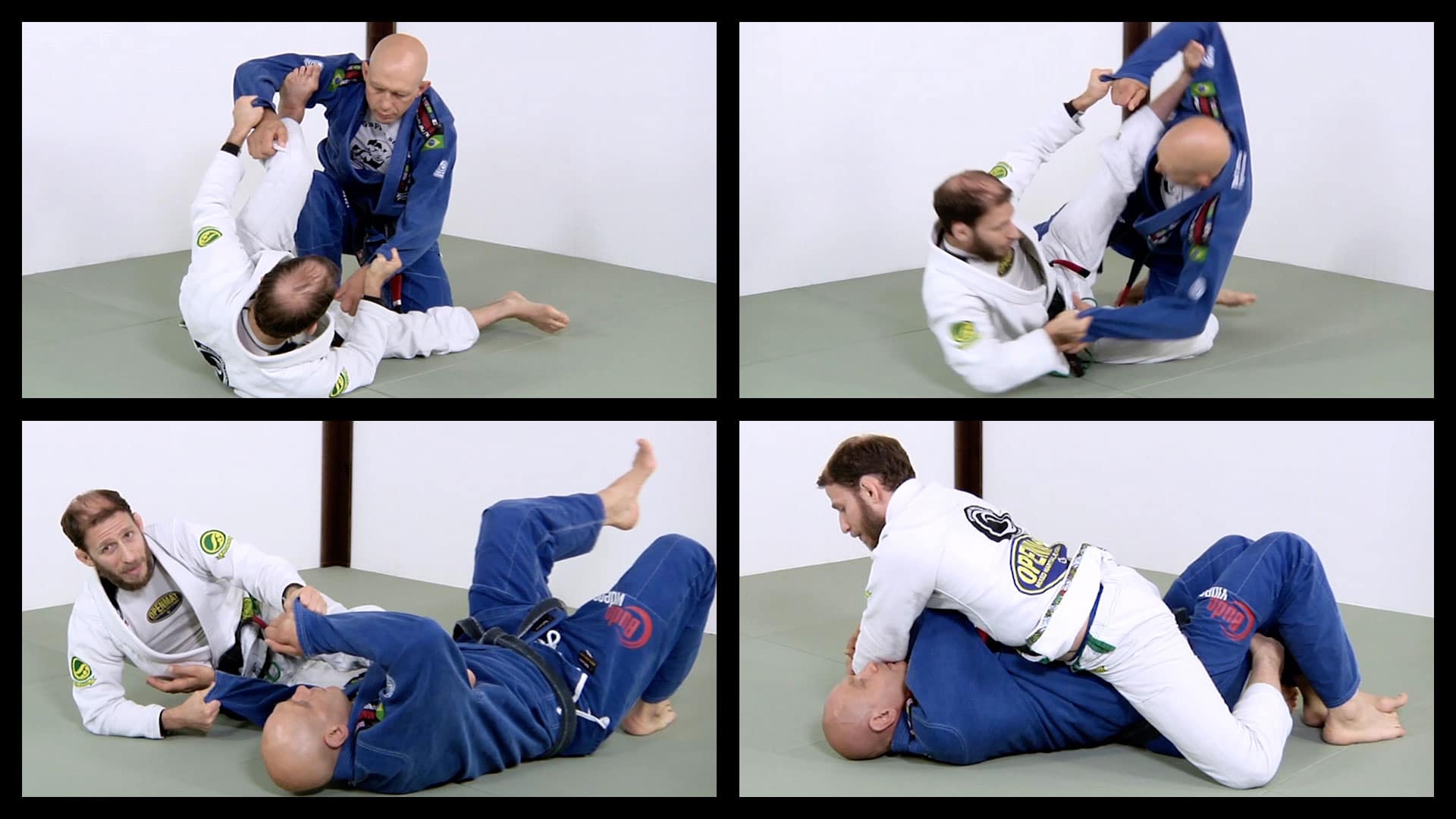
The legs do not always mirror each other. In Elliott Bayev's kite-sweep demonstration, published by Grapplearts in July 2021, one leg begins higher and bent while the other sits lower and nearer to straight. That arrangement contributes to the tension used in the attack.
Do not turn the example into a command to hold that shape against every passer. Look at why it suits the demonstrated starting position, then compare it with the posture you meet in your own round. A kneeling opponent who leans forward presents a different problem from a standing opponent moving away.
A useful question during instruction is which part of the position should remain stable while the rest changes. Perhaps it is the sleeve connection on one side. Perhaps the coach wants a certain distance before the free leg moves. Understanding that condition makes the shape easier to remember.
If your legs look correct but the passer can move freely, invite a correction before extending harder. You may have the outward appearance of the guard without the connection that makes the position useful.
The pant grip can decide which attack is available
The opponent is allowed to hold you too. A plan requiring your leg to move will run into trouble if their pant grip keeps that leg exactly where it is.
Bayev's kite-sweep sequence addresses the lower-leg grip before moving that leg into its blocking role. This is a useful order to notice: the attack needs a free leg, so clearing its movement comes before demanding the finish. The lesson does not begin with a magic sweep that ignores the passer's hands.
In practice, distinguish two failures. In the first, you never free the leg and still try to swing it into position. In the second, the leg is free but the opponent changes their stance before you use it. One problem concerns grip management; the other concerns the timing of the next movement.
Ask a partner to start with the pant grip they normally use against you. Work from that honest position. If every practice repetition begins after the grip has conveniently vanished, the first live round will contain a problem your practice has quietly removed.
Pick a sweep that matches the posture in front of you
The same sleeve grips can sit beneath very different bases. A standing opponent, a kneeling opponent, and somebody beginning to squat into your guard give you different opportunities to disturb balance.
BJJ Fanatics' October 2016 spider-guard teaching roundup separates a standing-opponent sweep from a kneeling-opponent scissor-sweep example. The distinction is more useful than the number of attacks on the page. Before studying the finish, note the posture that made the example possible.
Choose one of those starts for a session. Learn the first sign that your intended attack is becoming available, then the most ordinary response that shuts it down. You can add a second attack once you have a reason for it, such as the opponent moving their weight to deny the first.
Avoid solving every change of posture with a larger version of the same motion. If the passer has changed the problem, it may be time to change the answer. That is different from abandoning a technique merely because the first attempt met resistance.
The free leg should have a destination
Removing a foot from an arm creates a moment you need to understand. You have changed a connection before the new one is fully established. Know where the leg is going and what keeps the passer occupied during that change.
The 2013 spider-guard introduction discusses the spare leg contacting a hip, hooking behind a knee, or controlling the other arm. These possibilities should not become a frantic cycle through foot positions. Each needs a reason that fits the opponent's movement.
Use a simple explanation during drilling: this foot keeps the arm occupied while that foot changes the distance. If you cannot explain what one foot contributes, ask the instructor to show the difference with and without it. A small comparison can be clearer than another full demonstration at speed.
You may find that the next destination is another guard rather than a sweep. That is acceptable. Getting to a position you understand, while preserving a useful connection, is a more realistic assignment than demanding an immediate reversal from every sleeve grip.
Study the passer's first successful adjustment
Spend a round on the other side of spider guard. Notice what you want to remove before attempting a pass. Is one arm tied up? Does a foot keep your posture where the bottom player wants it? Can you create slack in the sleeve connection?
In the 2016 Grapplearts lasso-spider passing lesson, reducing or neutralizing the guard's control precedes the passing action. That is the passer's problem, and it gives the guard player something specific to watch for.
When you return to bottom, ask your partner to begin their usual clearing sequence slowly. Stop at the first adjustment that makes your chosen attack less available. You might need to change a grip, move your hips, or choose a different guard. Have the instructor select the correction rather than turning the exchange into a contest of who can hold cloth longest.
Do not wait until the pass is complete to decide that something went wrong. The earlier adjustment is often a better place to investigate because you still have several choices. Once those choices disappear, the training question has become an escape problem.
Build a short spider-guard session around choices
For a focused practice block, agree on the starting grips and the opponent's posture. Give each person a task that keeps them engaged with the position.
The bottom player tries to create a clear balance reaction before committing to the chosen sweep.
The top player tries to remove one designated foot or sleeve connection without racing into an unrelated exchange.
When a connection changes, both players identify what is available next before resetting.
In a later round, allow the exchange to continue into the resulting guard or passing position.
Use the format as a starting suggestion and adjust it with your coach. Keep the movements controlled and release a grip if it becomes painful. Winning a sleeve tug is not the objective of the exercise.
Record one specific observation afterward. For instance, the sweep was available against a kneeling start, but disappeared when the passer stood before you freed the leg. That note tells you what to study next. It does not mean the guard failed or that you need five more sweeps by tomorrow.
Main photo: Grapplearts / Elliott Bayev spider-guard lesson.
The takeaway
Spider guard is easier to organize when you can explain what the hands and feet are controlling. The familiar double-biceps position is one arrangement. A foot on the hip or a leg moving into a block may be the next part of the same exchange.
For the next session, choose a specific opponent posture and a single attack that fits it. Pay attention to the connection you need to free before attacking and the connection you must preserve while moving. If the passer's first adjustment takes that option away, study the adjustment instead of simply extending both legs harder.
Find gi training for the position you are studying
Browse BJJ gyms near you and confirm which classes teach gi guard work. A coach can help you connect the sleeve grips and foot positions to the actual posture of a resisting partner.
FAQ
Does spider guard require both feet on the biceps? No. The position can use one foot controlling an arm while the other leg performs another job. The remaining connections need to support the transition or attack you are attempting.
Should both legs be straight? There is no single leg shape for every spider-guard exchange. The kite-sweep example discussed here begins with different leg heights and degrees of bend. Learn why a shape fits the attack instead of holding it rigidly against every response.
Why does the opponent's pant grip stop my sweep? The grip may prevent a leg from reaching the place your attack requires. Recreate the exchange with your instructor and identify whether freeing the leg, adjusting the timing, or choosing another attack is the appropriate response.
Should I learn spider guard before lasso guard? Your coach can introduce them together or separately depending on the curriculum. Start with a small set of connections you can recognize and use. Knowing which arm you control is more useful initially than having an opinion about the ideal order of guard names.
Related Posts
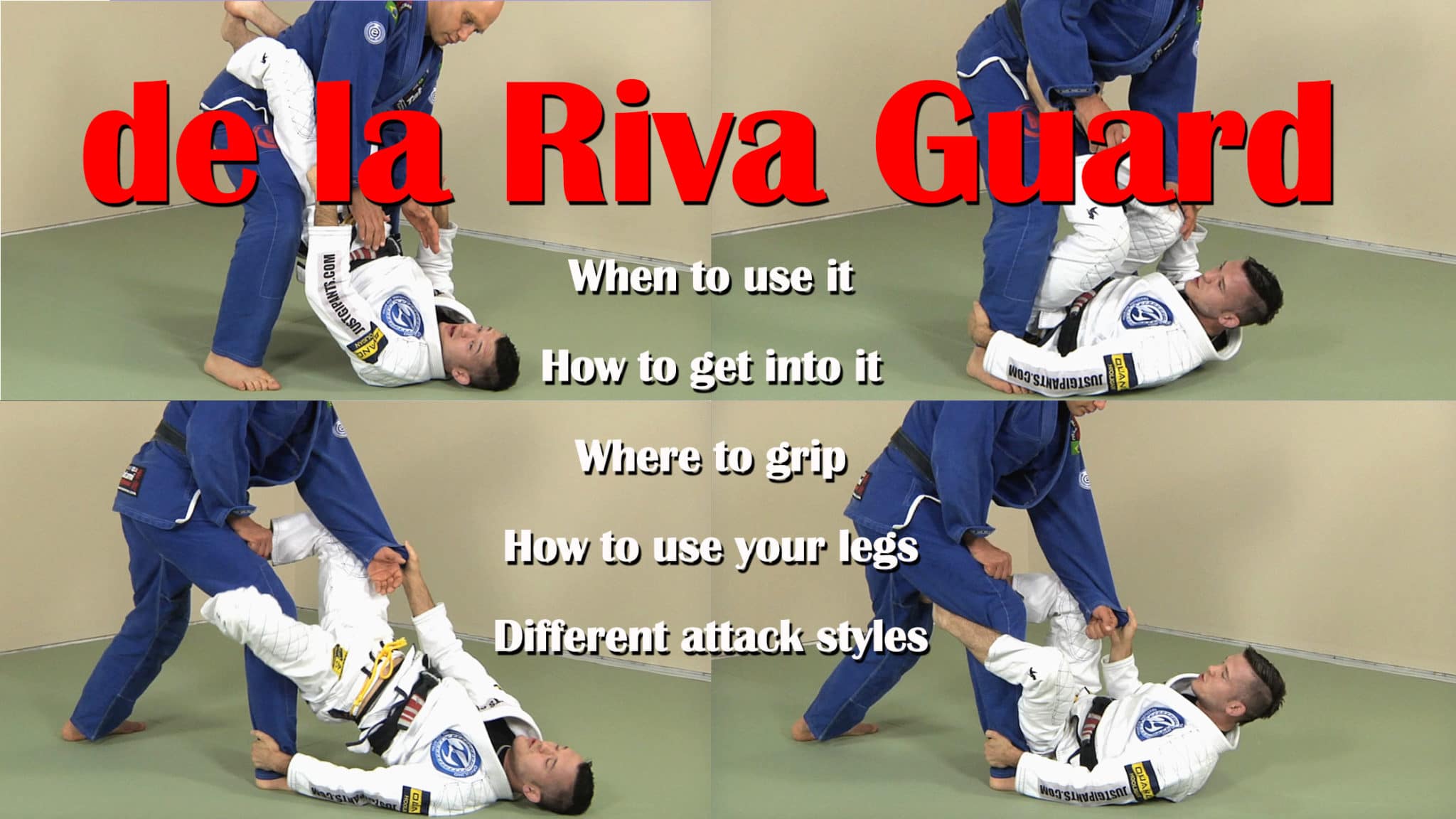
De la Riva guard: make the standing passer take a step
Your de la Riva hook is in, but the passer is comfortable. Study ankle control, the free leg, and the balance reaction that makes an attack possible.
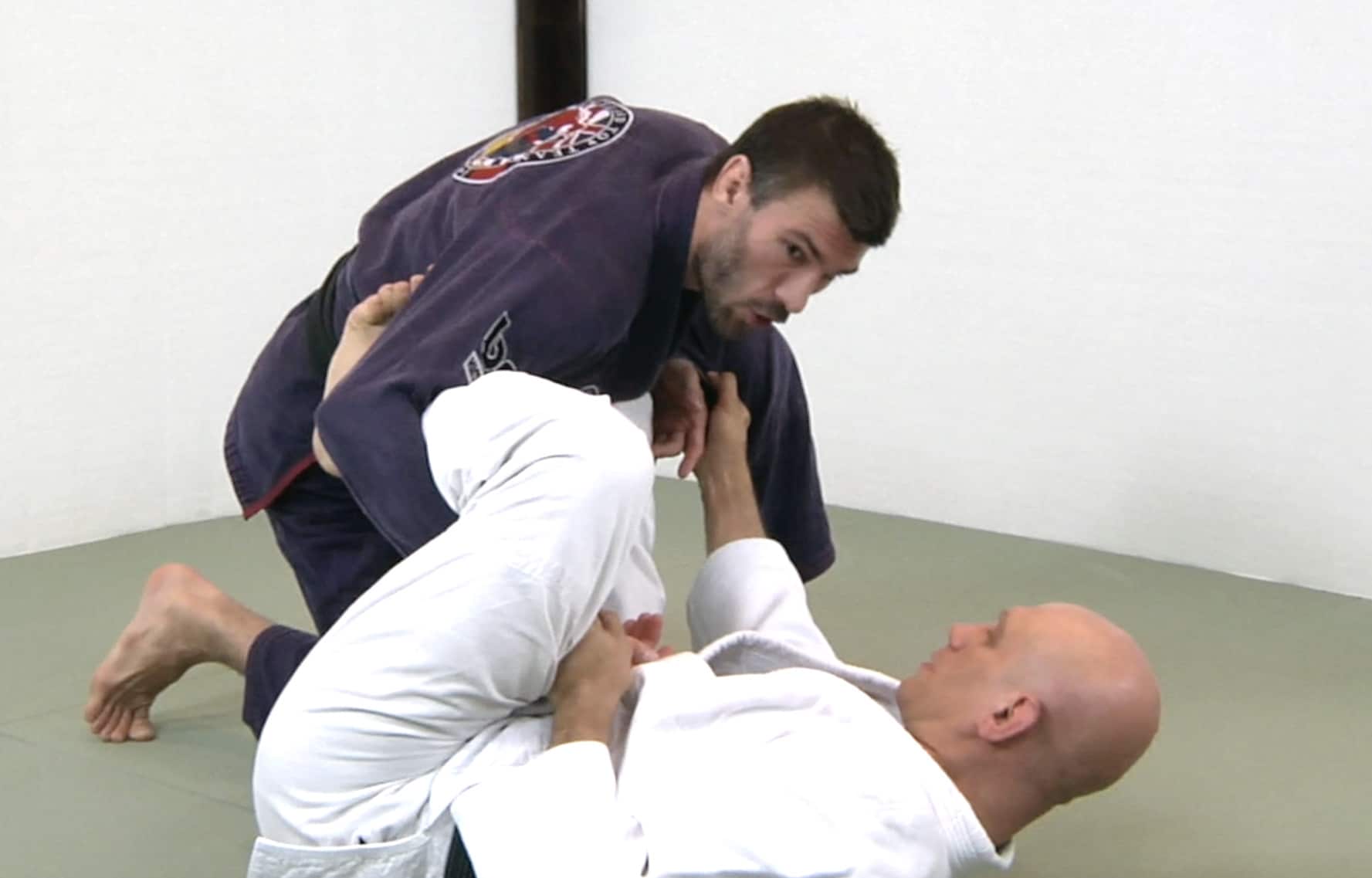
Lasso guard: know when to keep the sleeve and when to leave
A lasso hook can buy time or trap you in a grip battle. Give the free leg a purpose, keep useful sleeve control, and recognize when to change guards.
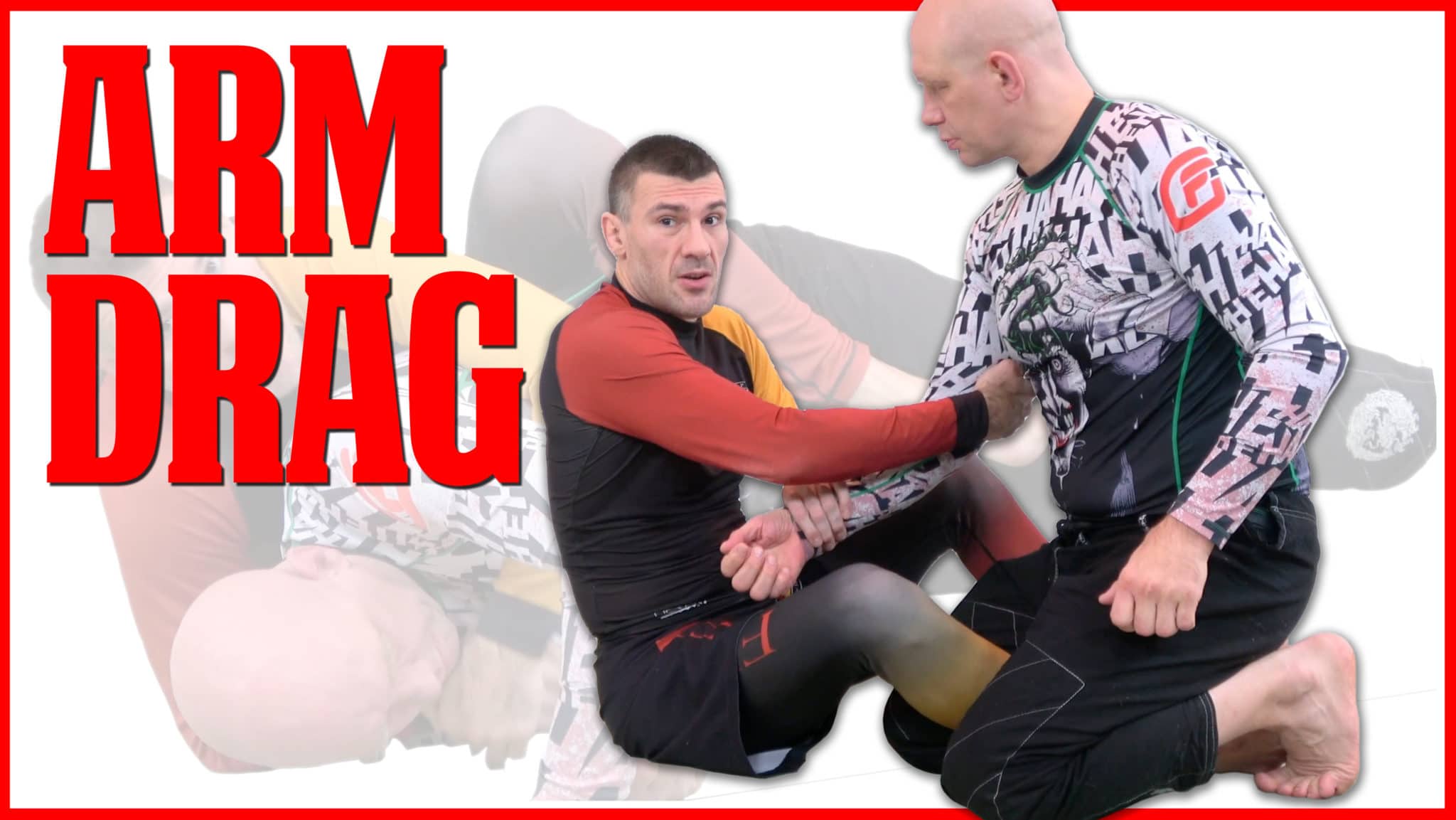
The seated arm drag starts before you pull the arm
The seated arm drag needs more than a wrist grip. Study the arm connection, hip movement, and reactions that open a back take or a route to top position.
Comments (0)
Loading comments...