
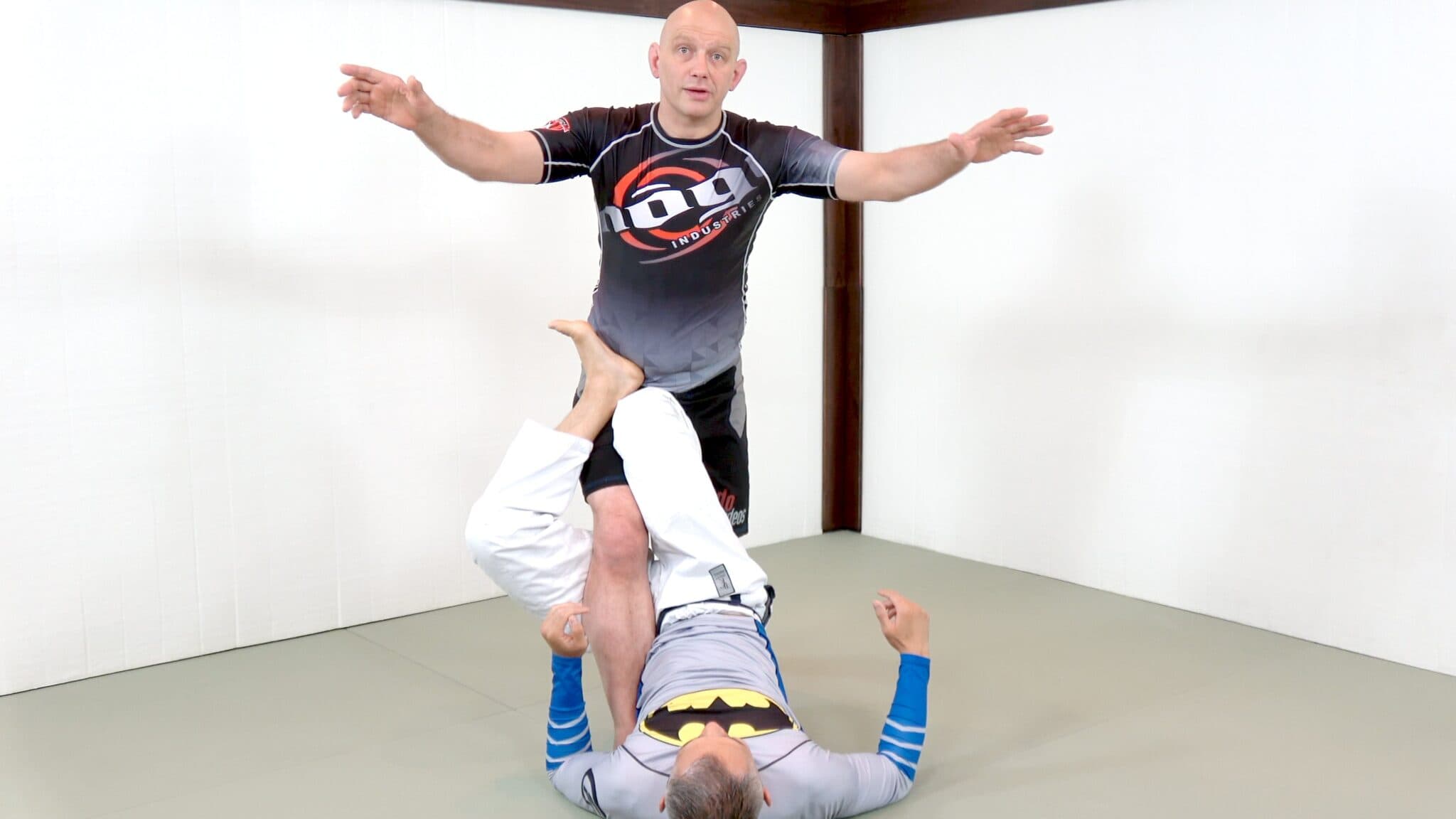
Single-leg X: control the position before grabbing a foot
Quick answer: Build single-leg X around control and balance before concentrating on a submission grip. The opponent's free leg helps determine which sweep is available, and their attempt to remove your foot may call for a transition. Practice the reversal through to a stable top position instead of ending the repetition when the opponent touches the mat.
Grabbing the foot is an attractive shortcut. It gives your hands something definite to do while the rest of single-leg X still feels complicated. Unfortunately, a submission grip can occupy all your attention before you have worked out whether the guard underneath it is functioning.
Give the position a different first test. With submissions temporarily removed from the exercise, can you make the standing opponent adjust their balance and then come on top? If that exchange is unclear, it deserves its own practice time. The ankle will still be there when the guard makes more sense.
Make the leg connection a position you can inspect
The name single-leg X is sometimes shortened to SLX. It refers to a recognizable leg configuration, but merely arranging your feet for a photograph does not establish useful control.
The October 2018 lesson featuring Charles Harriot describes the bottom player's hips underneath the passer, knees connecting around the controlled leg, and an outside foot placed high against the hip. It also emphasizes keeping the hips active rather than resting flat beneath the opponent.
Have the instructor build the position with you before adding an entry. Check which leg is being controlled and where your feet are supposed to remain as the opponent moves. Ask what the hands are doing when a submission is not the goal.
Then change roles. The person on top should be able to tell the difference between a loose arrangement they can step out of and a position they have to address. Their feedback does not replace instruction, but it can expose a repetition in which both people have politely acted as if the control existed.
Pressure from bottom should produce a visible response
Stephan Kesting's October 2018 SLX lesson focuses on pressure and off-balancing from underneath. It includes Ritchie Yip's explanation of a connected leg position and a drill intended to make the bottom player raise the hips and disturb the top player's balance.
Use the response as your first observation. Does the opponent have to adjust a foot or use a hand to keep balance? Or can they stand comfortably while using both hands to clear your legs? You want an honest answer before assigning yourself a more complicated attack.
A balance reaction is not the same as a completed sweep. Keep those stages separate in practice. First establish that your movement causes the opponent to respond. Next study what their response makes available. You can learn something from the first stage even when the second stage still needs work.
Do not turn this into an uncontrolled lift. Agree on the pace and leave enough clear mat for the partner to move safely. A practice setup that frightens the top player into jumping away is a poor test of the guard you intended to study.
The free leg tells you which problem you have
Lachlan Giles's January 2019 lesson on linking SLX attacks organizes sweep options around the opponent's secondary leg. The examples distinguish control of both legs, a far leg kept back, and an opponent kneeling on that secondary leg.
That is a more useful first distinction than collecting sweep names. Look at what you can reach and what is supporting the opponent. If their free leg has moved, the setup has changed even though your entanglement around the other leg looks familiar.
Try describing the position before each cooperative repetition. Say whether the free foot is available, withdrawn, or replaced by a kneeling base. Then perform the version your coach has chosen for that condition. This small pause makes it harder to execute a remembered sequence against the wrong starting position.
Later, remove the announcement and let the partner choose. If your selection becomes unreliable, return to recognition practice. Do not add resistance and speed at the same time and then conclude that the entire guard has stopped working. Find out which change made the decision difficult.
A foot peel changes the guard before the pass is complete
The opponent's hands matter. In Lucas Lepri's January 2019 passing lesson, the top player removes the foot from the hip and lowers into the next part of the passing exchange. The useful observation is how early that change occurs.
If you only start responding once the passer is beside your torso, your review begins too late. Watch the first contact with the foot and what happens to your remaining connections. You may have a chance to replace the foot, change the angle, or move to a different guard. Which response fits needs to be demonstrated against the actual clearing method.
For a controlled round, give the passer permission to work only that initial clearing action. Bottom tries to preserve or replace useful control. Reset before the exchange turns into an unrelated escape. Once the first response becomes understandable, allow the passer to continue.
Be careful about your own terminology here. Saying the foot came off is an observation. Saying the guard was already lost is an interpretation. The interval between those two events may contain the transition you need to learn.
A sweep needs an arrival you can keep
The Harriot lesson includes the basic hip-driven reversal and identifies coming on top as one continuation after the opponent goes down. For a sweeping session, make that continuation part of the repetition rather than an optional celebration afterward.
Have the partner keep moving at a controlled pace after landing. Can you arrange a top position without losing track of your own feet? Does the connection that helped you reverse them still help, or does it now need to change? These are questions about the end of the sweep, not evidence that the beginning was worthless.
Practice the arrival separately if necessary. Begin just after the reversal and have the coach show the next movement. Then reconnect it to the full sequence. A transition that feels rushed in a complete sweep may become easier to understand when it gets its own starting position.
Avoid turning the partner's landing into a race. Keep the descent controlled and make space around you. If the chosen finish is not appropriate for the pair's experience or the available mat area, have the coach use another version. You can study the connection without insisting on a hard landing.
Let neighboring guards solve neighboring problems
You do not have to preserve the exact SLX shape through every response. Kesting's SLX curriculum includes transitions to X-guard and separate material on problems such as foot peeling and a kneeling opponent. That organization reflects distinct situations worth studying, rather than one hold that should survive unchanged.
For a first addition, ask for one transition that addresses the response you meet most often. Keep the original sweep in the practice round so that changing guards becomes a choice prompted by the opponent, not a compulsory extra movement performed every time.
Use the open-guard overview to keep the names straight, but record the trigger in your own notes. The phrase SLX to X-guard is incomplete as a training reminder. Add what the passer did and which connection you preserved while changing the legs.
If you cannot recognize the trigger, work backward from the new guard with the instructor. Recreate the moment immediately before the transition. You are trying to understand a specific exchange between two positions, not memorize a tour through every guard containing the letter X.
Keep the submission rules outside the guessing game
An SLX session does not automatically need every leg attack either partner has seen online. Agree on the purpose of the round and the submissions your class permits before starting. If you are preparing for an event, check its actual rules with your coach.
For a first control-focused session, a simple agreement might be:
Begin in the inspected SLX position so the round tests control rather than the entry.
Allow the passer to keep balance and use the clearing response you studied.
Let the bottom player sweep or make the agreed guard transition.
End the exchange at a stable top position or a completed pass, with no submissions in this particular exercise.
That is a practice proposal, not a tournament ruleset. You can expand it once both people understand the position and the intended attacks.
Keep a note of the earliest point that repeatedly fails. Losing the foot during control, choosing the wrong response to the far leg, and falling away after a successful reversal are different problems. A single label such as bad at leg locks obscures all of them, especially in a round where no leg lock was part of the task.
Main photo: Grapplearts / Single Leg X Guard lesson.
The takeaway
Single-leg X has enough depth to study as a guard before making the submission grip the center of every exchange. Establish the connection, look for a real balance reaction, and read what the opponent does with the free leg. Include the arrival on top when the aim is a sweep.
When the passer removes a foot or changes their base, examine the transition that follows. You may need to rebuild the position or leave for another guard. Holding the original shape longer is only useful if that shape still gives you something to do.
Find instruction for the whole exchange
Use the BJJ gym directory to find a class where you can work on guard control and sweeping. Bring the specific response that disrupts your SLX, including what happens after the first foot comes free.
FAQ
Is single-leg X only a leg-lock position? No. The lessons discussed here teach balance control, sweeps, and coming on top as well as connections to leg attacks. You can make sweeping the focus of a practice round without including submissions.
Why can the passer remove my foot so easily? They may be comfortable enough to work on clearing it, or another connection may already have weakened. Have the instructor examine the complete position. Simply pressing the foot harder may miss the earlier problem.
What should I watch before choosing an SLX sweep? Pay attention to the opponent's free leg and base. The Giles lesson distinguishes several reactions there. Learn one complete response at a time, then practice recognizing which setup the partner presents.
Should I stop drilling when the opponent falls? For a sweeping session, continue until you reach the agreed top position. The reversal and the arrival are related but separate tasks. If the arrival repeatedly fails, practice that stage before adding it back to the full sweep.
Related Posts
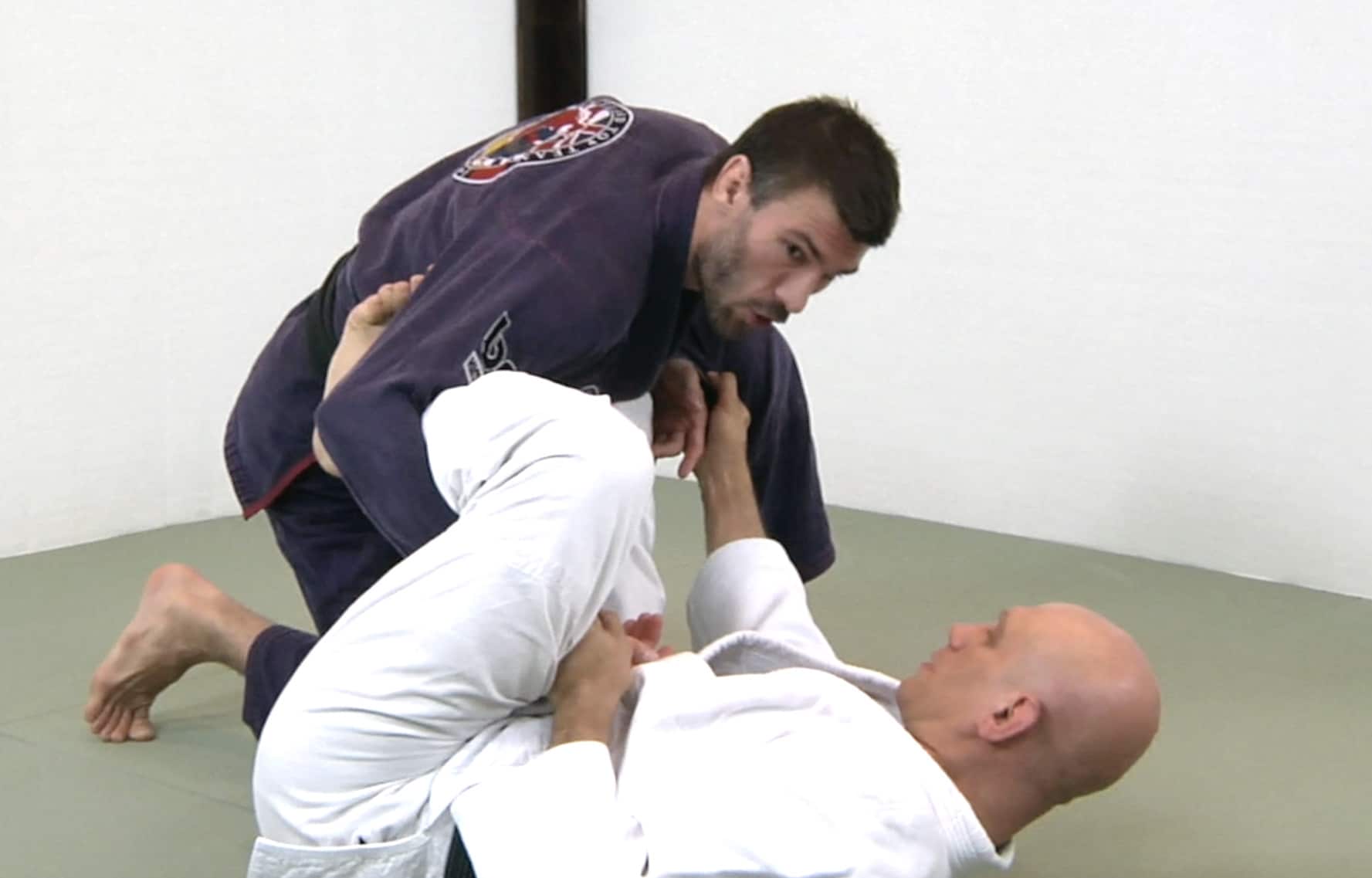
Lasso guard: know when to keep the sleeve and when to leave
A lasso hook can buy time or trap you in a grip battle. Give the free leg a purpose, keep useful sleeve control, and recognize when to change guards.
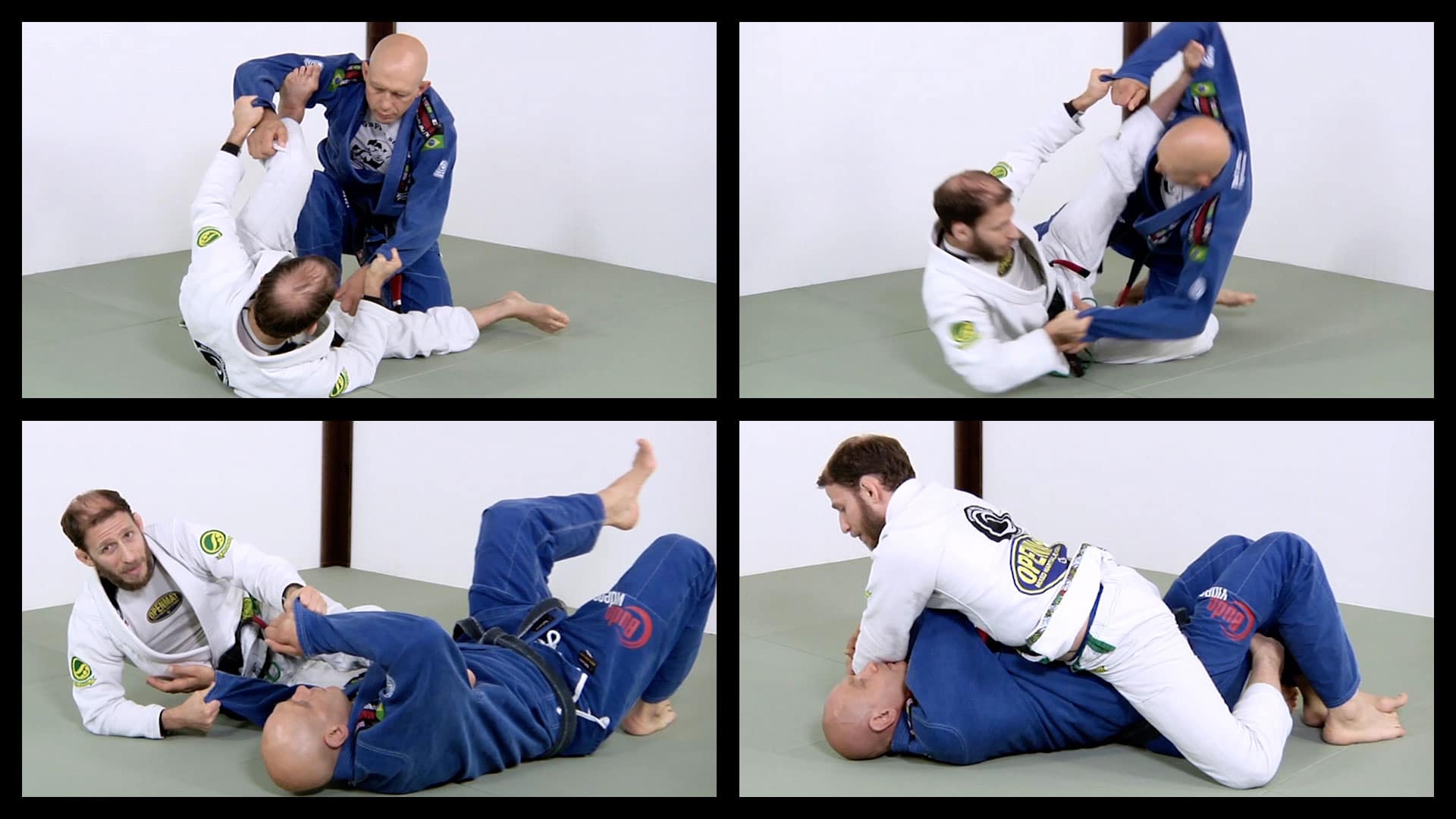
Spider guard: give each foot a job
Make spider guard easier to read. Learn how sleeve tension, different foot positions, and the passer's posture shape your next sweep or transition.
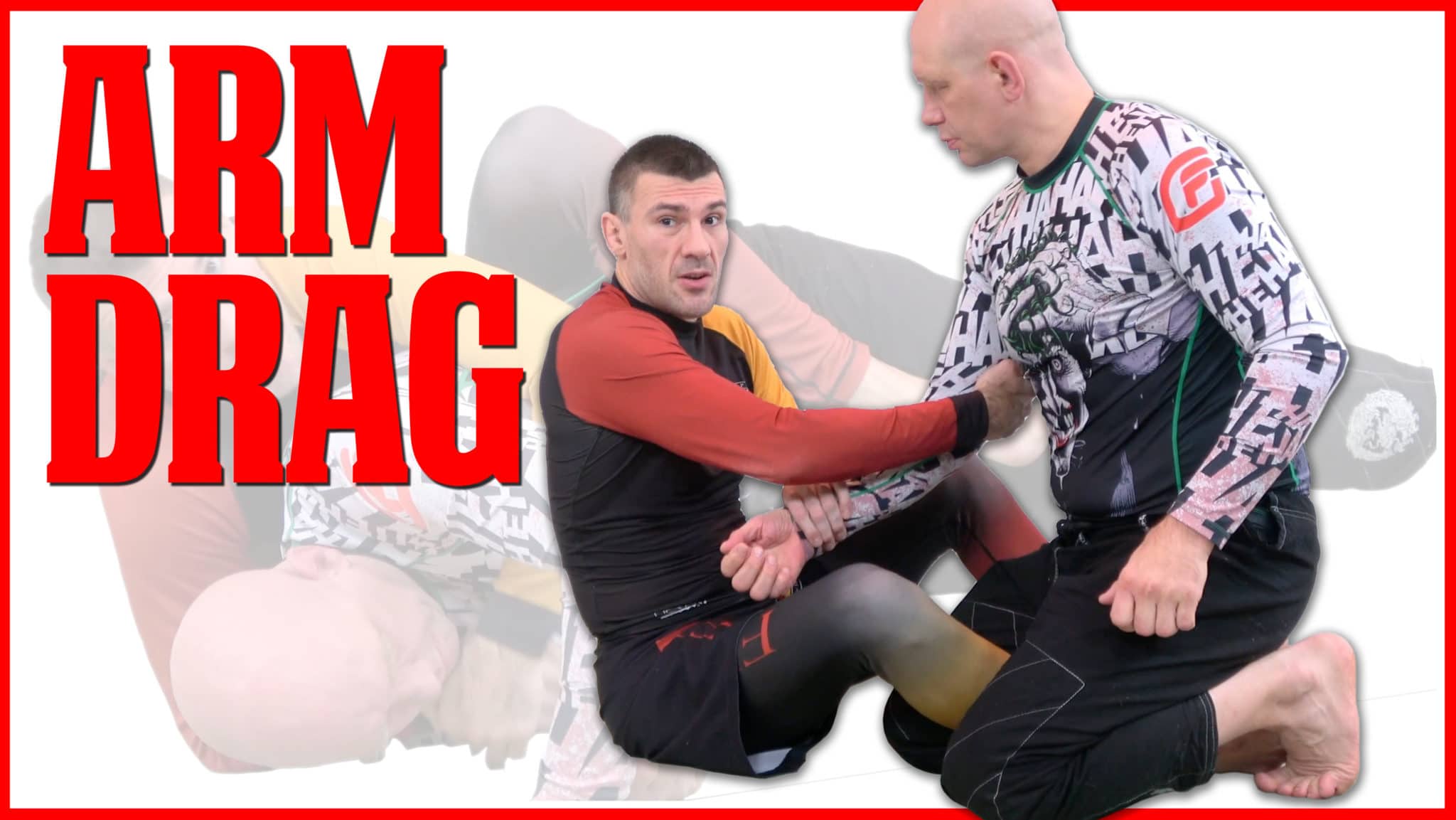
The seated arm drag starts before you pull the arm
The seated arm drag needs more than a wrist grip. Study the arm connection, hip movement, and reactions that open a back take or a route to top position.
Comments (0)
Loading comments...