
Shin-to-shin guard: attach before you fall back
Quick answer: Establish the shin and arm connection before moving from seated guard underneath a standing opponent. Learn the entry with a clear destination, such as single-leg X, and keep track of the leg that is not doing the hooking. If you fall back without taking the opponent into the exchange, rebuild the entry instead of rushing toward the finish.
Sitting down is easy. Taking a standing opponent somewhere they did not intend to go is the part worth studying. Shin-to-shin can connect those two actions, but the connection has to exist before you ask it to carry a transition.
Picture a failed attempt: you reach toward a leg, recline, and arrive on your back while the passer remains exactly where they started. It may feel like a failed single-leg X sweep. The failure could be earlier than that. You may never have entered single-leg X at all.
Decide what counts as the start of your guard
Shin-to-shin is a useful name, but touching shins is not a complete description of the control you want. The arm connection and the distance between your chest and the opponent's leg also deserve attention.
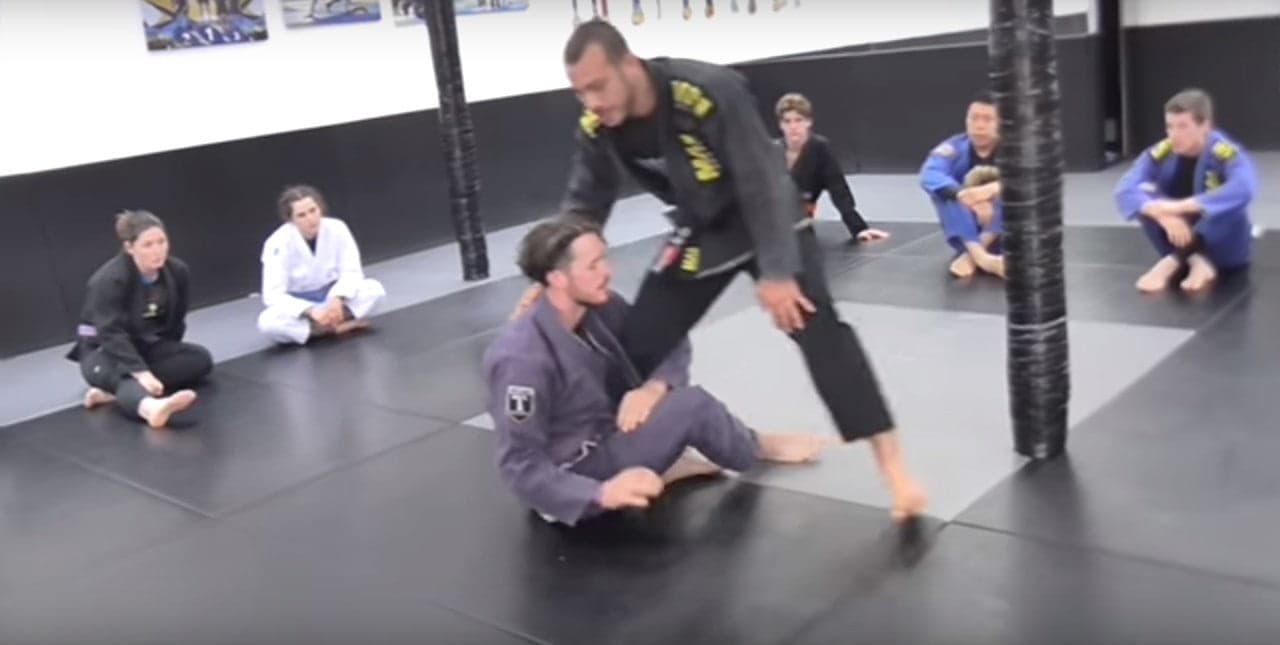
In the July 2019 BJJ Fanatics lesson featuring Alec Baulding, the seated entry brings a hooking foot and same-side arm into the leg connection. Baulding closes the space rather than leaving his body at the end of an extended reach.
Ask your partner to hold the starting position while you identify what is touching what. Then let them move their lead leg a small amount. Can you stay connected without immediately abandoning your seated posture? Have the instructor correct that first exchange before adding the transition underneath.
Do this on both sides, even if one feels less familiar. The purpose is to locate an entry you can repeat. You are not required to become equally good on both sides in one afternoon, but you do need to know which version you actually practiced when you describe the problem later.
The direction of the passer's weight matters
A planted leg and a leg being unweighted give you different problems. If your entry requires moving the attached leg, notice whether the opponent is letting that happen or whether you have created a reason for it to move.
In Andrew Wiltse's June 2021 teaching example, the shin-to-shin connection leads toward single-leg X after weight shifts toward the opponent's other leg. The description emphasizes the cooperation between the arm behind the knee and the hooking shin.
For practice, separate making the opponent adjust from completing the entry. Ask the passer to give an honest balance response, then stop. Have them explain which foot became lighter. Their answer is more useful than you deciding the setup worked because your hands ended up in the right place.
If nothing changed, return to the beginning. Do not ask the partner to lift the foot as a favor without also identifying that favor. Cooperative practice is useful, but it needs to be labeled accurately if you want to understand what is missing in a live round.
Account for the knee you are not watching
The attached leg draws attention. The free leg can quietly create the gap that ruins the next stage.
Baulding's lesson calls attention to keeping the free knee close during the transition. It also addresses the non-hugging elbow rather than treating that arm as something to leave wherever it lands. These details belong to the entry, even though the position's name says nothing about either one.
When you review a demonstration, spend one viewing on that unoccupied side. Where does the knee go before the bottom player moves underneath? When does the hand change its job? Ask your coach to pause the movement at that instant and compare your version.
Do not repair a missing frame by accelerating through the space it was supposed to protect. A slow repetition should make the relationship easier to see. If the opponent can simply settle their weight through a gap, show the gap to the instructor while the bodies are still in position. Starting over immediately may erase the most useful part of the attempt.
Similar entries can travel along different lines
Not every instructor demonstrates an identical falling direction from shin-to-shin. The July 2019 roundup contrasts Baulding's entry with a gi example from Lachlan Giles, including different upper-body connections. That is a reason to examine the whole setup, not declare one isolated direction universally correct.
If you are learning one version, reproduce that version first. Keep its hand connection and opponent posture. Taking the leg motion from one demonstration while borrowing the grips from another creates an experiment, and you should recognize it as one.
Once you can repeat the taught entry, ask about the difference. A useful question is what the collar grip changes in the gi example. Another is what the standing partner is doing that makes one direction available. Those questions are more precise than asking which instructor has the real technique.
Keep the source of a correction in your notes. Write which entry the coach adjusted, especially if you train gi on one day and no-gi on another. Otherwise two valid instructions can look contradictory when they were addressing different starting positions all along.
Meet the opponent who lowers their base
Your partner does not have to stay tall and wait to be lifted. A change in their level may alter the transition you were planning.
In Giles's February 2019 shin-to-shin lesson, the teaching sequence includes a lowered defensive base and a continuation that comes back up toward a takedown. That response is one example of the exchange changing direction instead of insisting on the original entry.
Treat the coming-up action as its own lesson. You need to understand the grip that remains, where your feet arrive, and what happens after you leave the seated position. It is not enough to sit up urgently and hope the standing part sorts itself out.
For a first comparison, let the passer alternate between the original posture and the lower one under your instructor's direction. Identify the change before trying to finish either attack. If the recognition is late, reduce the speed. You are trying to read a real reaction, not win a guessing game about which repetition the partner was assigned.
Check the destination before adding a submission
For an entry round, make arriving in single-leg X the endpoint. Have the coach inspect the control, then let the partner apply a small amount of movement to see whether you actually reached a usable position.
That avoids a common practice shortcut: the bottom player immediately grabs a foot, everyone becomes concerned about the submission, and nobody checks whether the guard entry was sound. There will be time to work on an allowed leg attack separately. It should not hide an incomplete arrival.
Use a clear agreement with your partner. This round is for the entry and guard position. The next round can include the sweep your coach selected. If submissions enter the exercise, make sure both people know which ones are part of the class and how to stop safely.
If you are still sorting out the names of these positions, the open-guard overview can help. The practical distinction for this session is between attaching from seated guard and establishing the guard underneath. They are connected tasks, but a failure at one needs a different correction from a failure at the other.
Make the passer's job specific enough to be useful
A partner can offer honest resistance without attempting every possible counter. Give them one task at a time so that a failed repetition still tells you something.
During entry practice, they try to withdraw the lead leg before you establish the agreed connection.
During the weight-shift exercise, they keep balance while allowing a controlled, readable exchange.
During transition practice, they test whether your arrival is connected before trying to pass.
In the final round, they can use the lowered-base response you studied together.
These are suggested constraints, not a required curriculum. Your instructor can change them to fit the class. The purpose is to make it possible to identify whether the entry, the balance adjustment, or the arrival needs attention.
Keep the note short enough to remember at the next session. Something like losing the arm connection before reclining is useful. Writing only that shin-to-shin felt bad leaves you to rediscover the entire exchange. If the attempt caused pain, stop practicing that version and ask for help rather than treating the discomfort as another technical obstacle to push through.
Our guide to drilling BJJ explains how to give that practice a useful connection to ordinary rounds.
Main photo: BJJ Fanatics / Lachlan Giles shin-to-shin lesson.
The takeaway
Shin-to-shin becomes easier to study when you separate attachment from the movement underneath. Confirm that the opponent is part of the exchange before you leave the seated position, and give the free knee and elbow as much attention as the hook that names the guard.
Choose a specific destination, then test the arrival before adding more attacks. If the passer lowers their base or otherwise changes the setup, learn the continuation that fits that response. Falling back harder is not a reliable explanation for why the first version should suddenly work.
Find a room where you can work on the entry
Browse BJJ gyms near you and ask about positional practice for seated guard. Bring the exact stage that is failing, whether that is making the connection or arriving underneath with control.
FAQ
Is shin-to-shin only for no-gi? No. The teaching examples discussed here include gi and no-gi entries. Cloth grips can change the upper-body connection, so learn a version designed for the clothing and starting position you are using.
Why does the passer stay standing when I fall back? You may not have established the connection or balance change needed for that entry. Recreate the moment before reclining with your instructor. Do not assume the fix is simply a stronger pull.
Should I fall straight back or to the side? That depends on the demonstrated setup and its connections. The cited lessons include different versions. Reproduce one complete entry before combining details from several demonstrations.
Should I learn a leg lock with the entry? You can begin by reaching a stable guard and learning a controlled sweep. Add submissions according to your coach's curriculum and your training rules. The entry should remain understandable even when no submission is allowed in the exercise.
Related Posts
Lasso guard: know when to keep the sleeve and when to leave
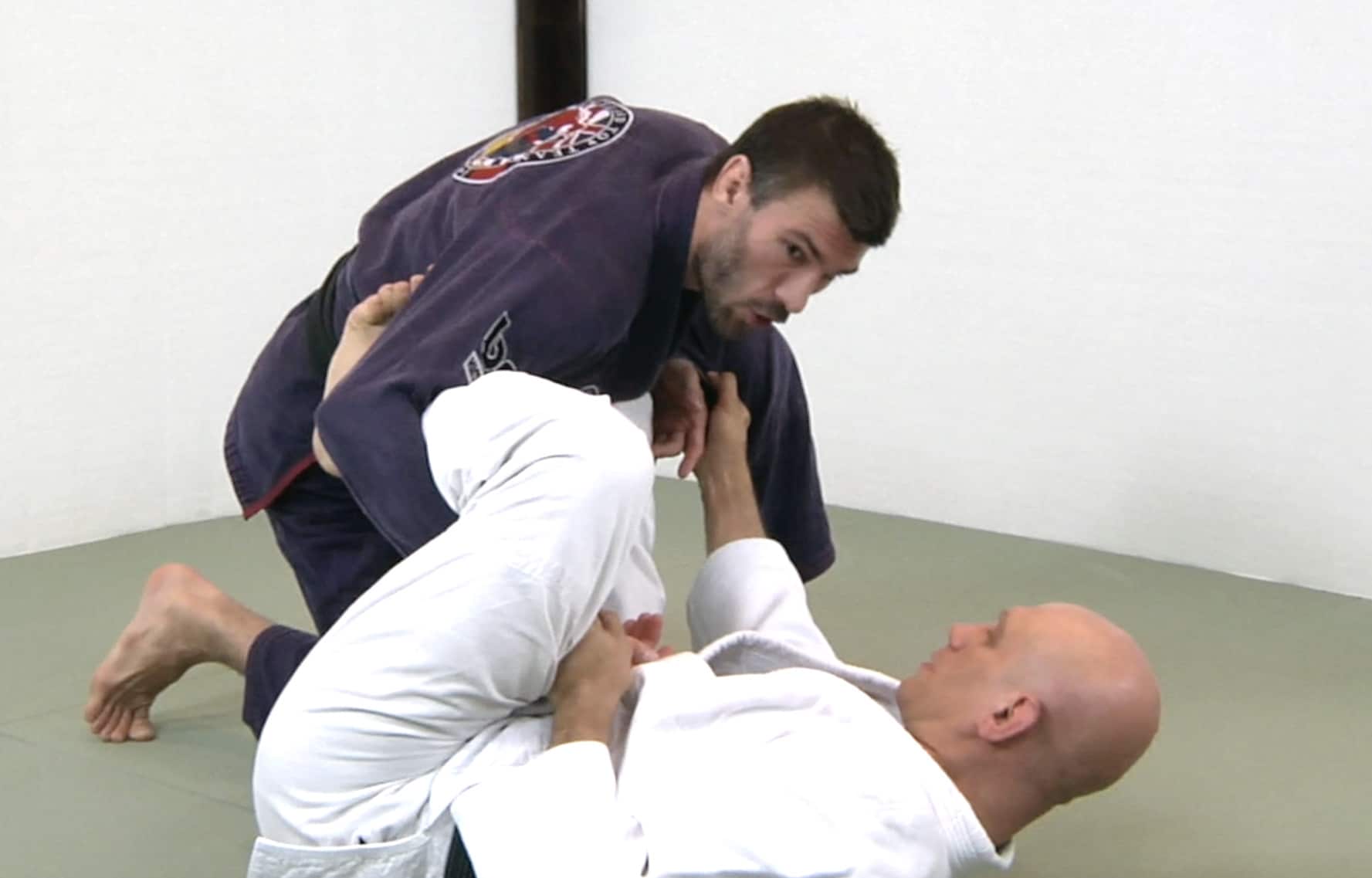
A lasso hook can buy time or trap you in a grip battle. Give the free leg a purpose, keep useful sleeve control, and recognize when to change guards.
Spider guard: give each foot a job
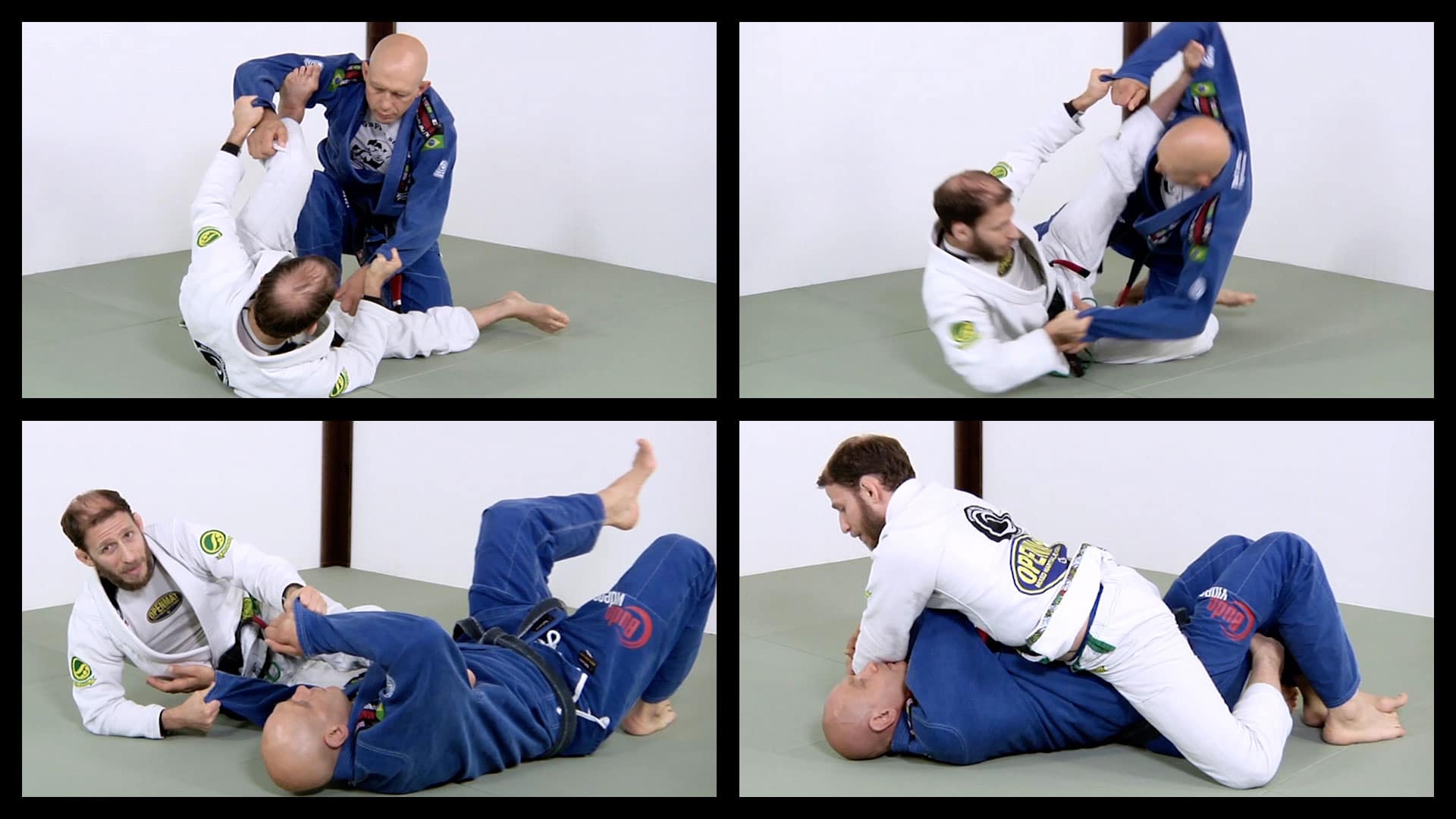
Make spider guard easier to read. Learn how sleeve tension, different foot positions, and the passer's posture shape your next sweep or transition.
The seated arm drag starts before you pull the arm
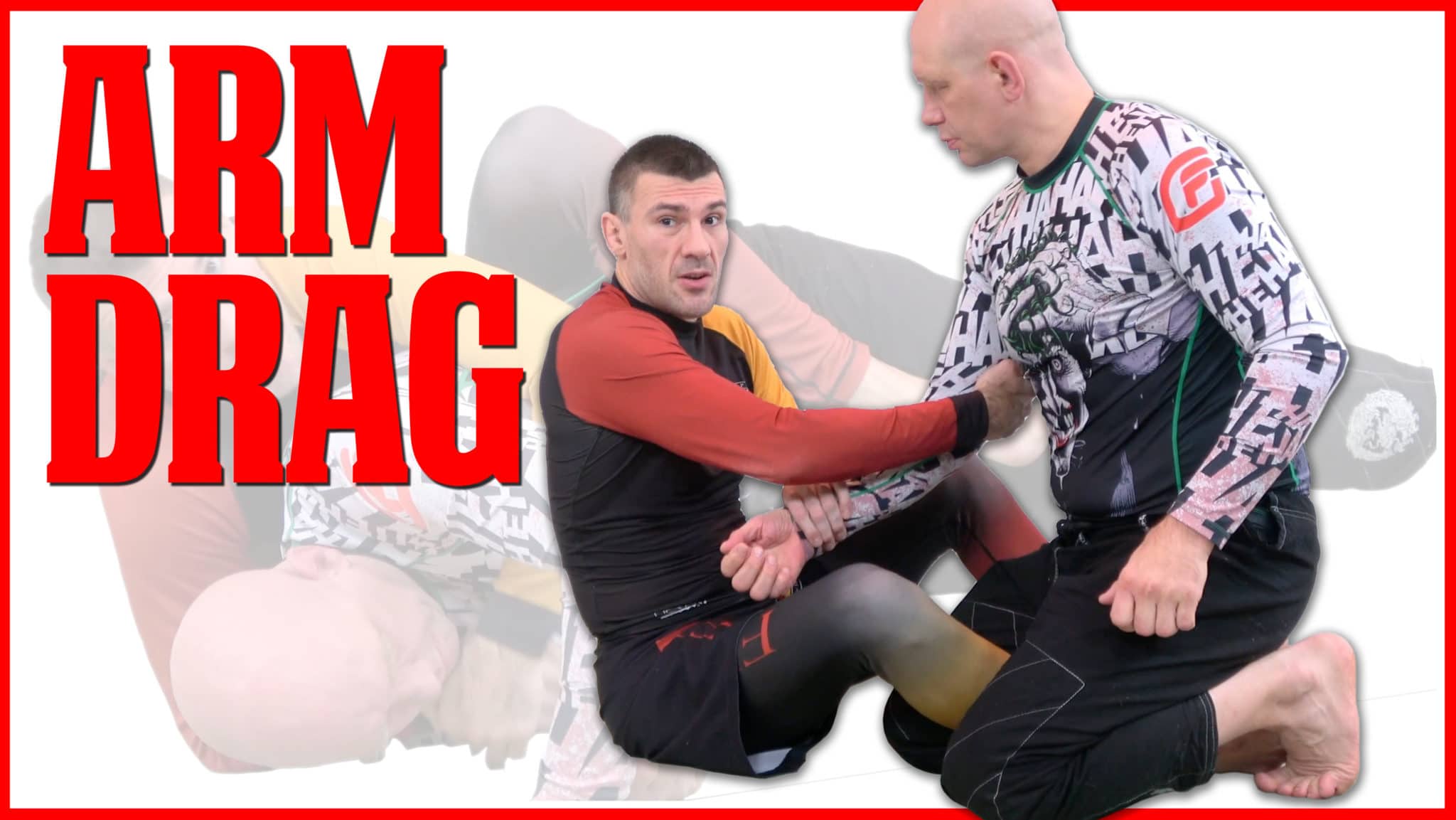
The seated arm drag needs more than a wrist grip. Study the arm connection, hip movement, and reactions that open a back take or a route to top position.
Comments (0)
Loading comments...