
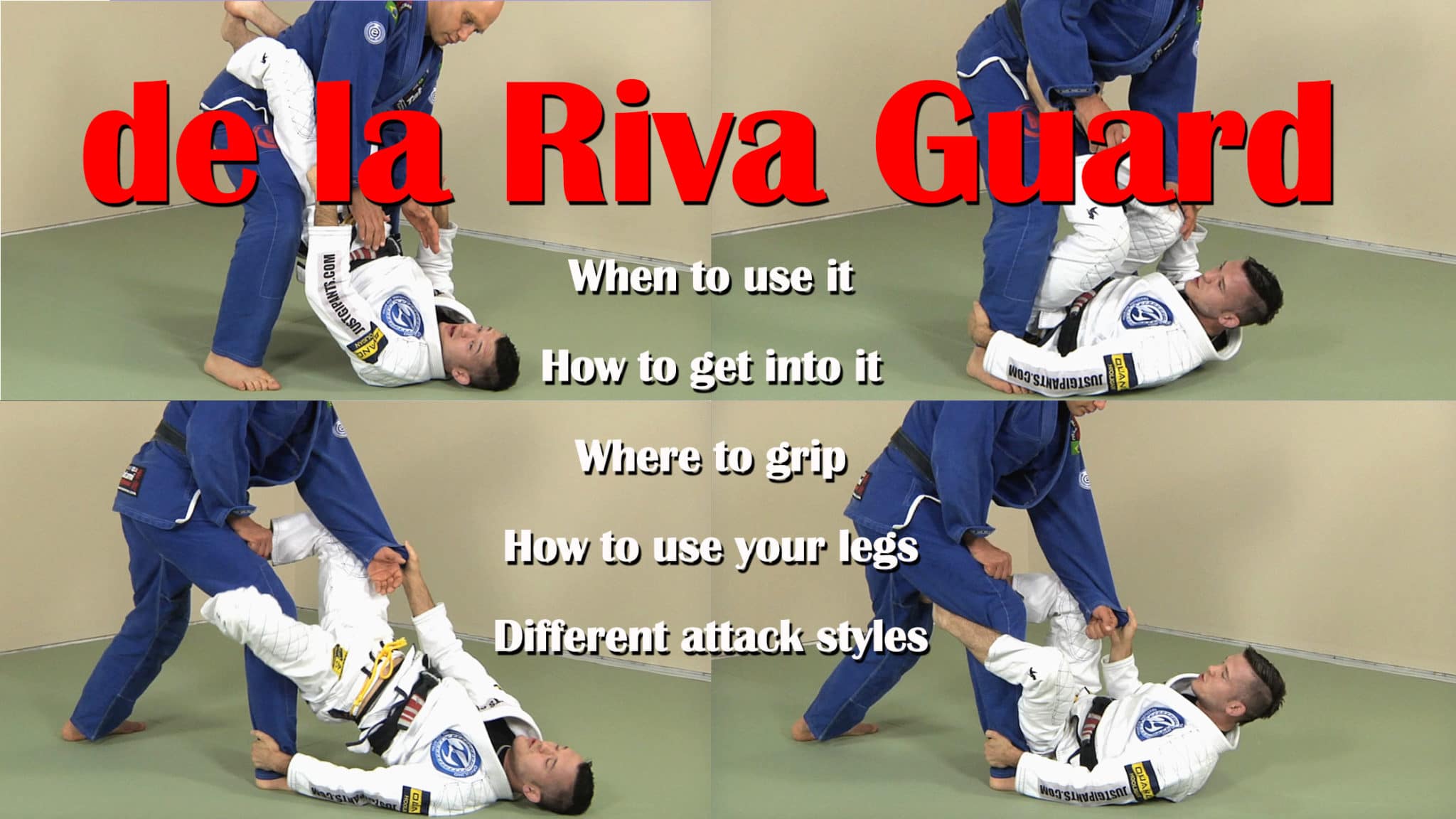
De la Riva guard: make the standing passer take a step
Quick answer: Against a standing passer, de la Riva guard needs more than a leg wrapped around their lead leg. Combine that hook with useful hand control and an active free leg, then look for a change in the passer's balance. Start with one sweep and a continuation that addresses the response you actually get.
The passer has both feet planted, a straight back, and plenty of time to peel your grips. You have a de la Riva hook. Technically, the guard has a name. Practically, your opponent looks like somebody waiting for an elevator.
This is where learning the position becomes more interesting than learning the shape. A hook can establish contact without making the other person deal with a serious problem. Your next task is to find the difference, using a standing partner who is allowed to resist your first idea.
Start with the lead leg, then account for everything else
Stephan Kesting's January 2016 introduction describes the familiar outside hook around the opponent's lead leg, usually paired with control of that ankle. It discusses standing opponents and the one-knee-up position often called combat base.
The unoccupied hand and foot help determine what attack is available. That makes them part of the starting position, not accessories you can arrange once the interesting technique begins.
Before drilling, have the coach check your complete setup. Which leg leads? Where is the far foot? Which hand controls the sleeve, if you are wearing a gi? A small change in the partner's stance can turn a remembered sequence into a different problem.
Use the same stance for your first few attempts so you can compare them. Once you understand the movement, let the partner change it. Otherwise you may spend a whole session correcting four different positions while believing you are failing at one.
The open-guard overview is useful for identifying the family. Here, the job is narrower: make a particular standing base react.
Notice whether the ankle connection survives movement
A cooperative partner will often leave their lead foot conveniently close. Test whether your connection still exists when they make the first small movement of a real passing exchange.
Kesting's 2017 discussion of standing opponents describes heel control as a common feature of both de la Riva and reverse de la Riva. It also notes that some competitors prefer the pant cuff. That is a choice to understand in context, not a contest over which grip is always correct.
Ask your instructor to demonstrate the intended attachment against a slow withdrawal of the lead leg. Do not turn it into a tug of war. You are checking whether your hips and hook need to follow, and what the rest of your guard does while they move.
If the ankle escapes immediately, record that as an entry or retention problem. Do not mark it down as a failed sweep. You never reached the position from which the sweep was supposed to begin, and the distinction changes what you should practice next.
An off-balance is an observable event
Choose something you can see: the passer takes a step, posts a hand, or changes posture to avoid falling. You do not have to guess how intimidated they felt by your guard.
In the 2020 ball-and-chain lesson, Brandon Mullins's sequence first disrupts the far leg and then connects a sit-up with a sleeve feed between the opponent's legs. The setup is part of the attack. The grip transfer is not performed beneath an opponent whose stance remains conveniently untouched.
For your first practice task, ask for the setup without the finish. Let the passer recover balance, reset, and try again. Have them tell you whether the movement actually required a response or whether they supplied one because they knew the demonstration.
Be specific about a miss. Perhaps the passer stepped, but in a direction you did not anticipate. Perhaps the far leg never moved. Those are different repetitions. A simple yes-or-no record of whether the person fell over would hide the distinction you are trying to learn.
Keep a sweep and its continuation in the same conversation
A good response can stop the first attack while changing something else. Your task is to notice the new position before you return to the original starting picture by habit.
Grapplearts' November 2020 ball-and-chain continuation studies a route to the back when the sweep does not complete as planned. Another lesson uses that same general attack family to set up a triangle entry. These are examples of a connection leading somewhere else, not promises that every stopped sweep gives you either option.
Choose one continuation with your instructor. Ask the partner to make the response that creates it. When the continuation starts making sense, mix that response with allowing the initial sweep. The choice should come from what the opponent does, rather than from deciding in advance that repetition five must end in a back take.
Do not add a third branch simply because the second one is difficult. You may need to recognize the transition earlier, not collect another technique. A narrow sequence is easier to inspect honestly.
Learn what changes when the knee starts cutting across
The outside hook does not oblige the passer to stay in the stance you prefer. If they begin directing a knee across your leg, your guard study now includes a passing threat.
The 2017 standing-guard discussion pairs de la Riva with reverse de la Riva partly because the inside hook can address a knee-cut attempt. The exact transition deserves hands-on instruction. Do not force a planted foot to remain where it was while the rest of the exchange rotates around it.
Have the passer begin the movement slowly and ask the coach to identify your decision point. You are looking for the moment when maintaining the original attack becomes less useful than changing the guard. Start the repetition before that moment, then repeat from it.
This is different from surrendering the position at the first sign of pressure. You are learning a response to a named pass. If the knee cut is not the problem you actually face, use the pass that is. There is no reason to spend every guard session rehearsing an opponent nobody in your room resembles.
Keep the first no-gi experiment separate
If the sequence you learned feeds a sleeve, removing the gi changes that sequence. You cannot solve the missing cloth by squeezing an imaginary cuff harder.
For a first no-gi session, have the instructor select an entry and attack designed for that setting. Explain which gi connection you were using and ask what replaces its job. Do not ask only what replaces its name. The answer may involve a different continuation rather than a direct substitution.
This is also a good time to restrict the scope of the round. Agree on a guard-retention or coming-on-top task, using submissions appropriate to your class. A beginner trying to learn an outside hook does not need a surprise leg-lock lesson hidden inside every repetition.
Keep separate notes for the two settings until you know what transfers. A sleeve feed written next to a no-gi entry can make a notebook look impressively comprehensive while leaving you with a sequence you cannot actually perform. The missing connection is not a minor detail.
Run a session that exposes the first failure
Use a short block built around the standing passer. The point is to find where the sequence first becomes unreliable, with enough consistency between repetitions to compare them.
Start with the prescribed hook and hand connections. The passer tests whether they can withdraw the lead leg.
Add the balance attack. The passer responds honestly but does not launch an unrelated submission.
Allow the first sweep and one coach-selected continuation.
Finish with a round in which the passer can use the pass you studied against this guard.
Change roles. Feeling the difference between a decorative hook and an attachment that requires you to adjust can help you ask better questions when you return to bottom.
At the end, write where the earliest failure occurred. If it was losing the ankle, the next session starts there. If you obtained the sweep but could not remain on top, your next problem occurs after the reversal. Neither result requires declaring yourself bad at de la Riva or restarting with an entirely different guard next week.
Main photo: Grapplearts / Brandon Mullins de la Riva lesson.
The takeaway
A de la Riva hook is the beginning of an exchange with a standing passer. The rest of the guard needs to make that person adjust. Watch their feet and posture, and keep enough detail in your practice notes to distinguish a lost entry from a stopped sweep.
For an initial game, use one reliable start and one continuation your coach can explain against a specific response. When the passer changes the stance or starts a pass, study that change. Repeating the same pull against a different base makes the round harder without necessarily making the answer clearer.
Bring the exact position to class
Find BJJ gyms and training near you, then ask an instructor to check the standing exchange you are working on. A few observed attempts give them more to correct than a general request for more de la Riva sweeps.
FAQ
Is de la Riva only for standing opponents? It is commonly used against a standing opponent, but the instructional introduction also discusses a one-knee-up base. The stance changes which attacks and transitions fit. Practice the version being demonstrated rather than treating every posture as interchangeable.
Why does my opponent simply step out of the hook? The hook may lack the supporting connection or movement needed to follow that step. Have your instructor watch the first withdrawal. Troubleshoot the entry before judging a sweep you never had time to attempt.
Should I grab the heel or the pants? Both appear in gi guard instruction. Learn the purpose and limitations of the grip in the sequence your coach teaches. A general preference cannot replace seeing how the opponent is clearing your particular connection.
Do I need a berimbolo to use de la Riva? You can study other attacking routes, including the ball-and-chain family discussed here. Choose a small sequence your instructor can help you develop. Learning the outside hook does not commit you to every attack associated with it.
Related Posts
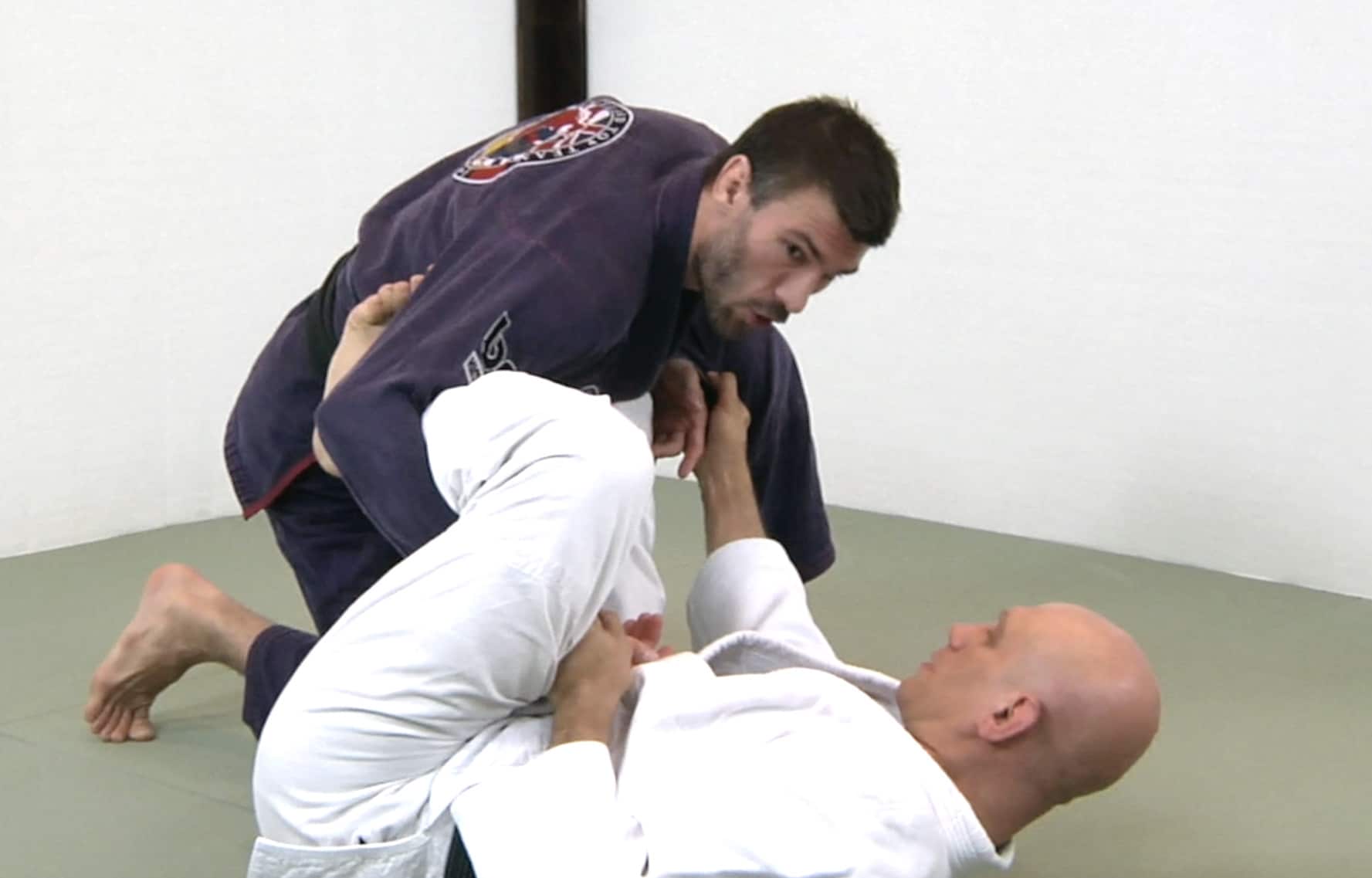
Lasso guard: know when to keep the sleeve and when to leave
A lasso hook can buy time or trap you in a grip battle. Give the free leg a purpose, keep useful sleeve control, and recognize when to change guards.
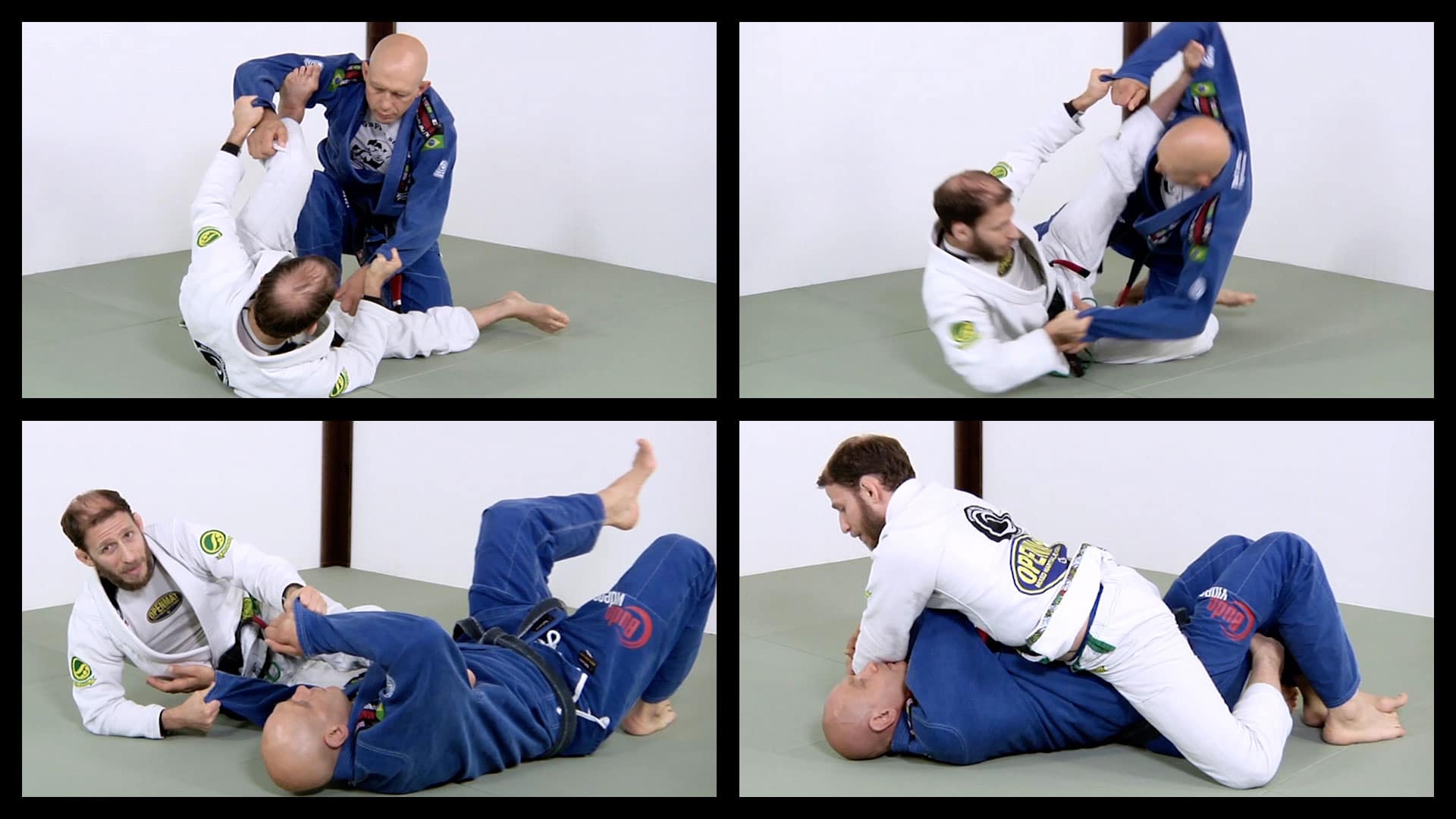
Spider guard: give each foot a job
Make spider guard easier to read. Learn how sleeve tension, different foot positions, and the passer's posture shape your next sweep or transition.
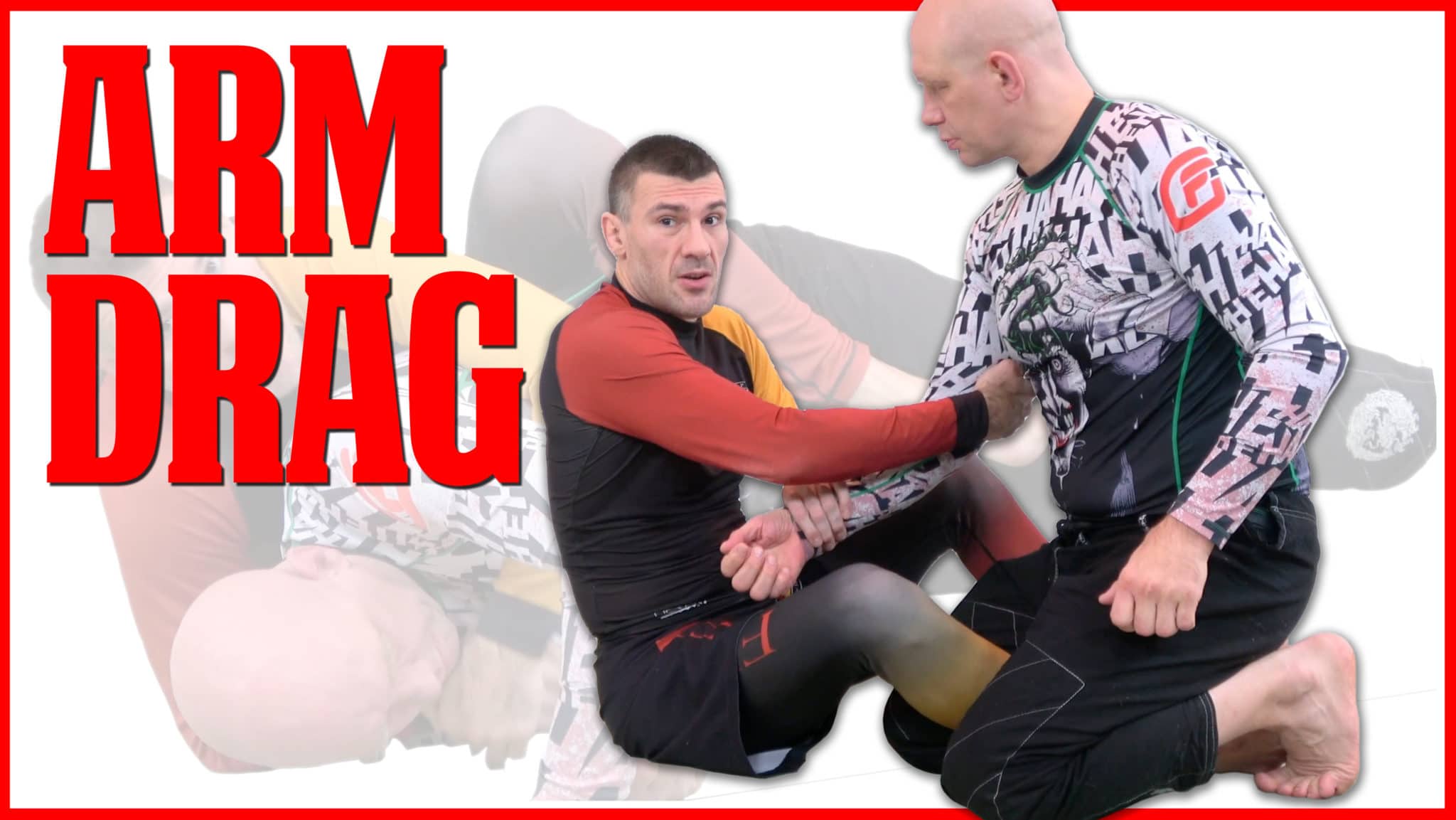
The seated arm drag starts before you pull the arm
The seated arm drag needs more than a wrist grip. Study the arm connection, hip movement, and reactions that open a back take or a route to top position.
Comments (0)
Loading comments...