
The collar drag: what to do when they stay standing
Quick answer: A collar drag does not have to put someone flat on the mat to be useful. If it brings you beside their lead leg, you may have a route to a single leg or the back. Practice recognizing that position, and recover your guard if the connection disappears instead of hanging on to the collar.
Consider a round that stops one movement too early. You get a cross-collar grip from seated guard, move off the centerline, and pull. Your partner takes a step. They are still standing, so you sit back down and start again.
That might have been a failed entry. It might also have been the opening you wanted. The difference is where you ended up relative to their leg and shoulders, not how dramatically they fell. A useful collar-drag session should spend time on the untidy second movement, when the cooperative demonstration is already over.
Decide what you want the first pull to achieve
Give the drag a modest first assignment: make the passer address a change in balance while you move toward the outside of a leg. An immediate reversal is welcome. It should not be the only result you can recognize.
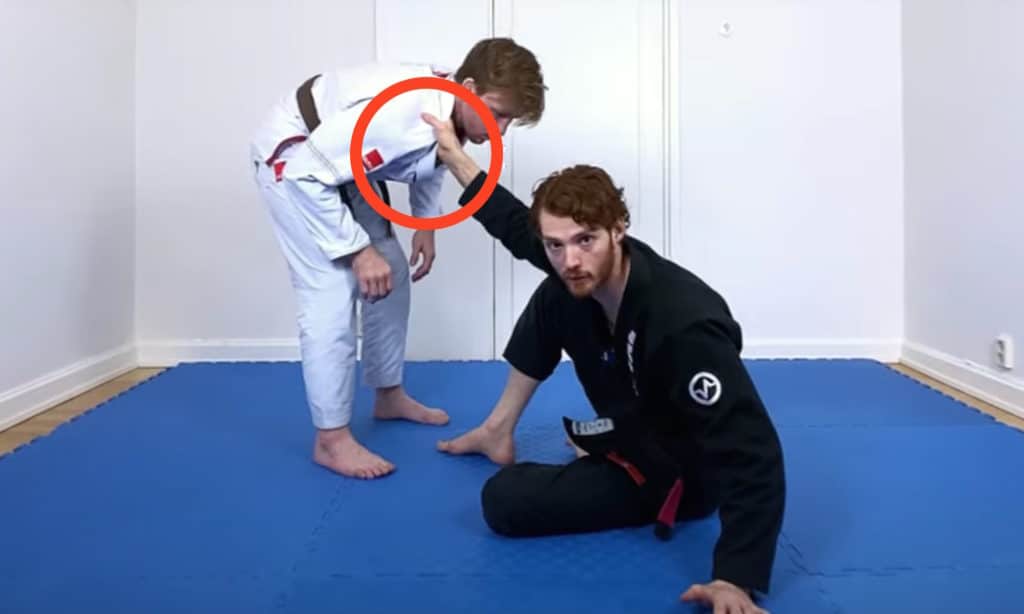
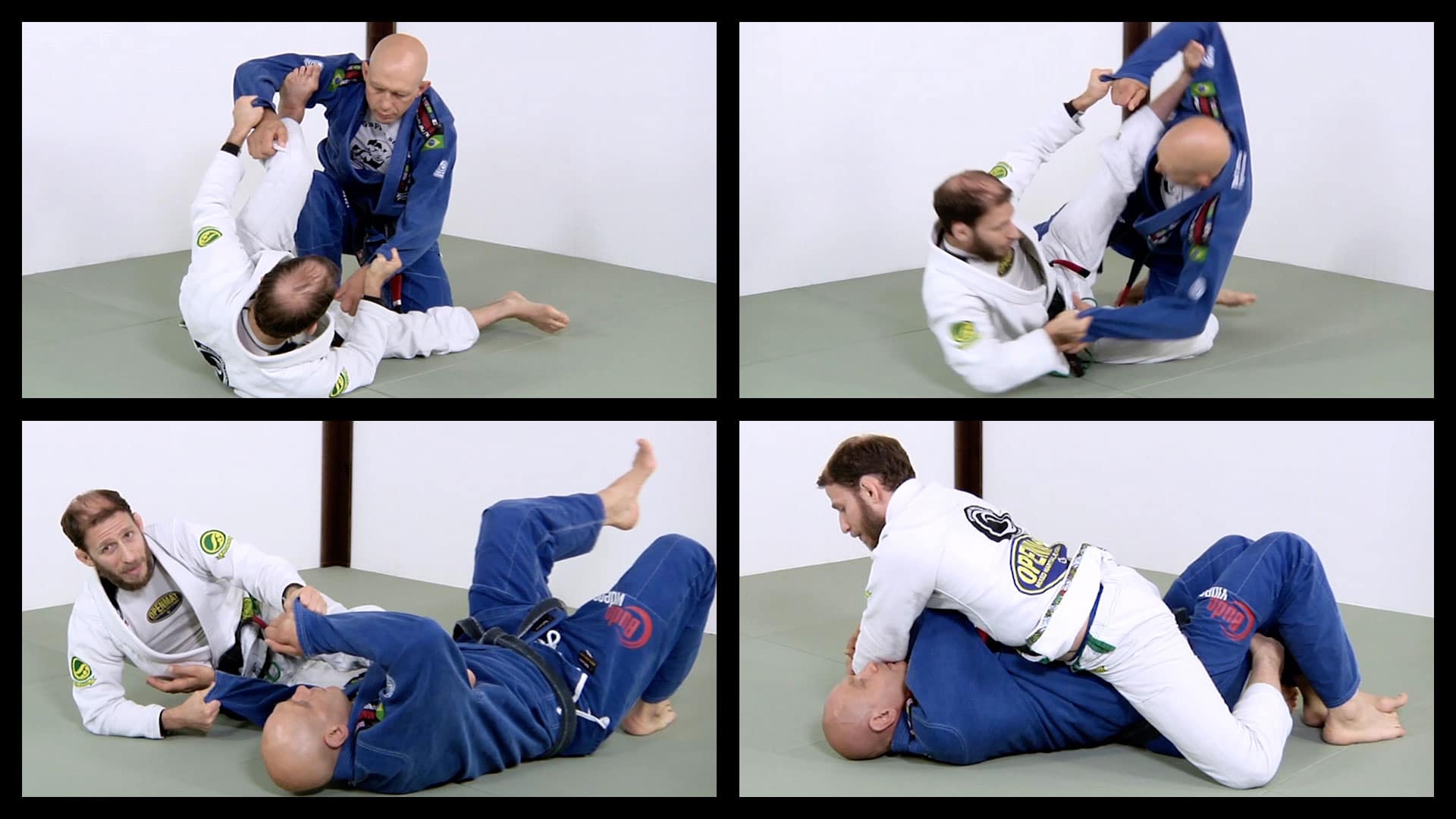
In his collar-drag lesson with Jon Thomas, published in June 2020, Stephan Kesting shows the cross-collar grip leading into an outside angle and then a leg capture. Thomas continues to a single-leg finish when the opponent remains upright. That continuation is the useful part to study if your own attempt ends with somebody hopping beside you.
For a practice round, ask your partner to react honestly to the initial pull without racing immediately into a submission. Stop and inspect the position. Can you reach the leg without stretching away from your base? Are you facing your partner, or have you turned your back while still holding a piece of jacket? Those are different situations. Do not give both of them the same label in your training notes.
A collar grip is a connection, not a guarantee
The sleeve, collar, and your own feet are doing different jobs. Owning the collar alone does not mean you own the exchange. Treat a grip that has stopped helping as something you can replace.
Kesting's discussion of kuzushi separates several ways of disrupting balance, including using bodyweight through a grip and blocking movement in one direction. That distinction gives you a better troubleshooting question than whether your hands were strong enough: what made the other person change their base?
Try a slow reconstruction with your coach. Start from the grip you actually get in sparring, including the annoying pant grip your partner established first. Ask the coach to identify what must change before the drag becomes available. A beautiful entry from a grip you never reach has limited value on Tuesday night.
Resist the temptation to solve every failed attempt by pulling harder. If the opponent has already moved around your legs, your immediate task has changed. Find a frame and face them. The collar can wait.
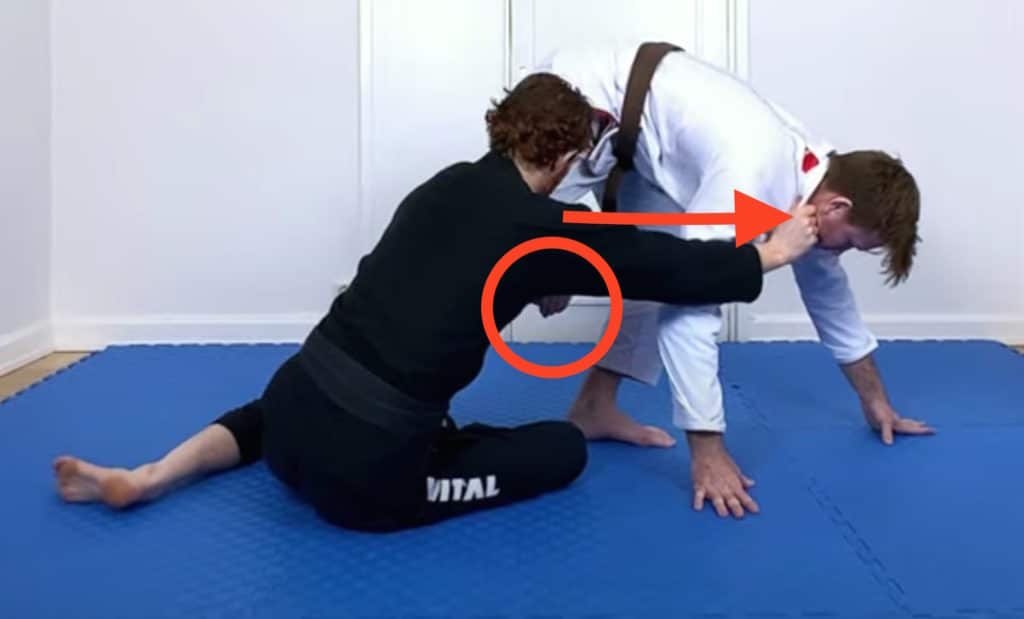
Photo: Grapplearts; Jon Thomas collar-drag lesson.
The single leg belongs in the same practice session
Do not separate the drag and the follow-up into unrelated projects. In Grapplearts' 2017 lapel-drag lesson, Rob Biernacki connects the seated attack to a single leg. The same page also distinguishes versions performed from the feet and from butterfly guard. Those are useful connections, not a reason to assume that every grip and finish works identically in each version.
Ask your instructor to choose one standing finish that suits the position your drag produces. Learn where your head belongs and what your hands are responsible for. Then rehearse the transition as one exchange: seated entry, opponent stays up, you organize the leg capture.
Keep the practice controlled. A partner balancing on one leg should not have to guess whether you are about to accelerate. Use clear mat space and agree on the finish before increasing resistance. If you do not yet have the standing skills to complete the sequence, pause there and get them taught. Collecting the leg is not permission to improvise a throw.
The back is an opportunity you still have to earn
Moving beside an opponent can expose a route behind them. It does not place you in finished back control. This is where an optimistic collar-drag attempt can become an extended chase.
In a Grapplearts interview about training and competition, Brandon Mullins describes arm drags and gi collar drags as ways he looks to get behind larger opponents. His preference offers a direction to investigate. It does not establish a rule that a smaller grappler should always chase the back from every angle.
Try making the next practice task very narrow. Once the drag creates an outside position, let your partner turn to face you while you try to maintain a useful connection. Do not add the choke yet. Watch what happens when they square their shoulders, step away, or lower their hips. Ask your coach which of those reactions should send you back toward a leg and which should end the attempt.
A partial back exposure can be a worthwhile result even when it becomes another guard exchange. You can record it without pretending you finished the position.
Give the failed attempt an exit
Before adding speed, decide what a clean reset looks like. Otherwise the person practicing the drag can spend an entire round attached to a collar while their partner passes around them.
Use these checkpoints in a supervised practice session:
If you arrive beside the leg with useful posture, continue the branch your coach has taught.
If the opponent turns back toward you, identify the guard connection available before pulling again.
If you lose the angle and the collar is dragging you out of position, release it and recover a defensible position.
If either partner loses controlled footing, stop the repetition instead of inventing a finish near another pair.
These are practice decisions, not a scoring system or a promise that the same branch will work against everyone. Their purpose is to prevent a confusing middle position from becoming an excuse to keep tugging.
The reset also matters to your partner. They should know when an exercise has ended. Holding on after both people expected to stop teaches neither the entry nor the defense particularly well.
Train the reaction before making the round completely open
Here is a proposed progression for your next few sessions. Treat the timings as convenient choices, not as a scientifically established dose.
Begin with a short block in which the passer gives one agreed response: they take a stabilizing step and remain standing. Work only on recognizing and organizing the continuation. Next, let them choose between that response and turning back toward you. Now the person dragging must look before continuing.
Only then open the exchange to ordinary passing. At that stage, success might mean a clean entry, a sensible transition, or a timely reset. Decide which you are measuring before the round begins. Otherwise you will remember only the repetition that ended with a sweep and miss the five that left you stretched out under a pant grip.
Our guide to studying BJJ instructionals covers how to turn a demonstrated detail into a practice problem. Here the problem is specific: recognizing what the first drag actually gave you. It is small enough to take into a round without needing to remember an entire video library.
Keep a record of the position, not a verdict on the move
Write down what happened after the initial movement. A note such as “opponent stepped back; I stayed seated and lost the leg” gives your instructor something to inspect. “Collar drags do not work for me” closes the investigation before it starts.
You can use a few filmed repetitions if the gym and your partner agree. Keep the camera angle wide enough to show both people's feet. A close shot of your gripping hand may miss the step that explains the whole exchange. Watch the failed attempt at normal speed first, then pause where the opponent changes direction.
Do not turn the note into a win-loss record against training partners. The exercise is about your decision after contact. If the same person consistently denies the collar grip, that is useful information too, but it is an earlier problem. Bring that grip-fighting problem to the coach separately instead of folding every unsuccessful round into a verdict on the drag.
Main photo: Grapplearts; Jon Thomas collar-drag lesson.
The takeaway
A collar drag deserves more than one movement of practice. The first pull can produce a fall, a standing leg to attack, a turn toward you, or nothing worth pursuing. You need to distinguish those outcomes while you are still connected, then choose a continuation you have actually learned.
For the next session, keep the experiment narrow: ask your partner to remain standing after the entry, and have your coach check what you do next. If the answer is that your angle never existed, work on the entry. If the leg was available and you sat back down, work on the transition. Those require different corrections.
Find a room to work on the exchange
Use the Let's Roll gym directory to find gi classes near you. Confirm the class level with the academy, then bring this specific collar-drag problem to an instructor who can watch you and your partner move.
FAQ
Does a collar drag have to knock someone down immediately? No. The lessons linked above include follow-ups when the opponent stays standing. The useful question is whether your movement created an outside angle and a connection you can continue from, rather than whether the first pull caused a fall.
Is a collar drag the same in gi and no-gi? The collar-grip version discussed here requires a jacket. Arm drags and other connections can serve related purposes without it, but their grips and entries need their own instruction. Do not assume that pulling a wrist recreates every detail.
Should I always follow a collar drag with a single leg? No. That is one branch to learn, not an order to chase a leg from a poor position. Have your coach show which reactions make the continuation sensible and when you should recover guard instead.
How should I practice the follow-up safely? Begin with an agreed response, clear space, and a controlled finish taught by your coach. Add resistance after both partners understand the exchange. Stop if footing or spacing becomes unpredictable, especially while one person is balancing on a single leg.
Related Posts
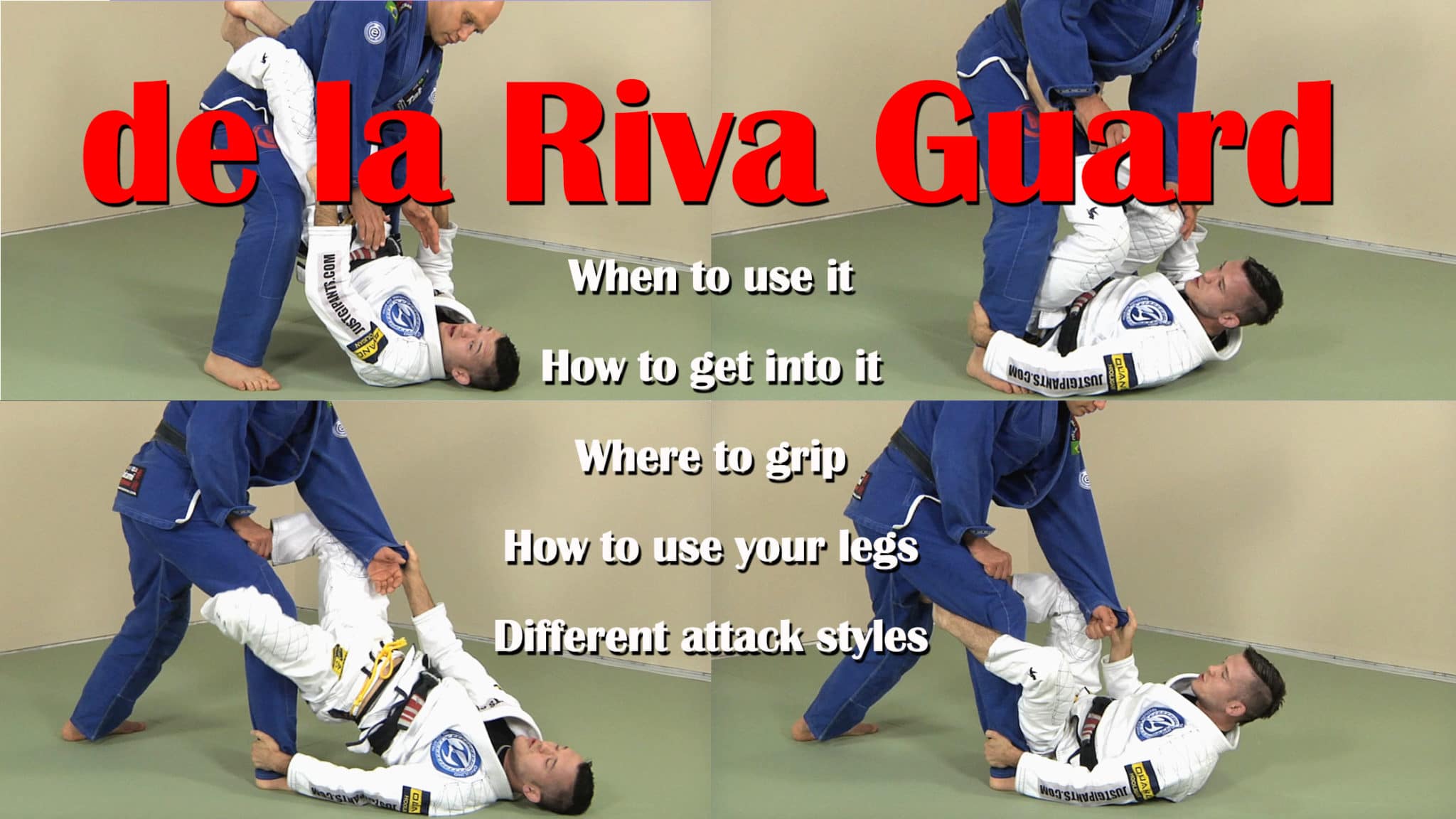
De la Riva guard: make the standing passer take a step
Your de la Riva hook is in, but the passer is comfortable. Study ankle control, the free leg, and the balance reaction that makes an attack possible.
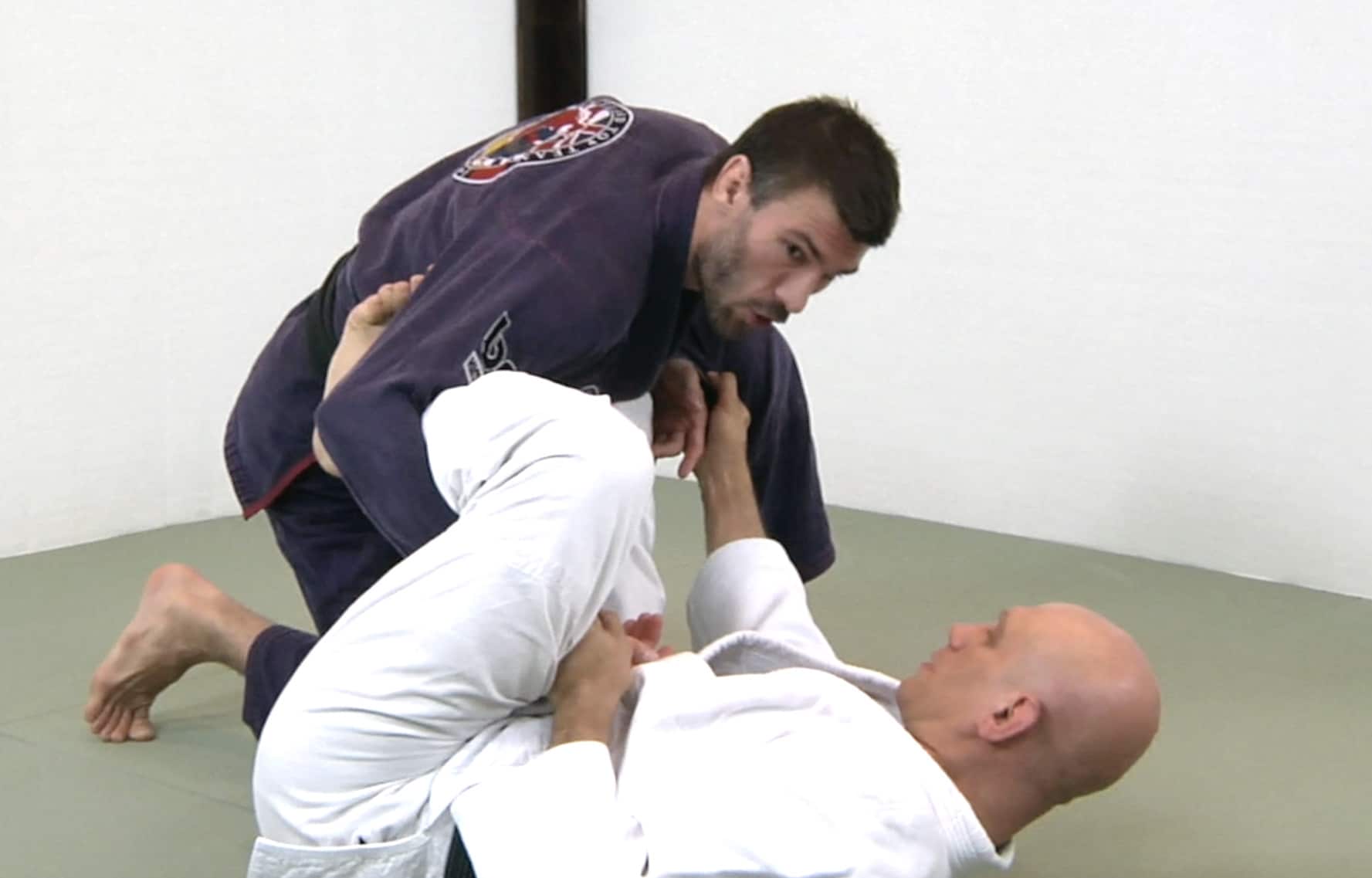
Lasso guard: know when to keep the sleeve and when to leave
A lasso hook can buy time or trap you in a grip battle. Give the free leg a purpose, keep useful sleeve control, and recognize when to change guards.
Spider guard: give each foot a job
Make spider guard easier to read. Learn how sleeve tension, different foot positions, and the passer's posture shape your next sweep or transition.
Comments (0)
Loading comments...