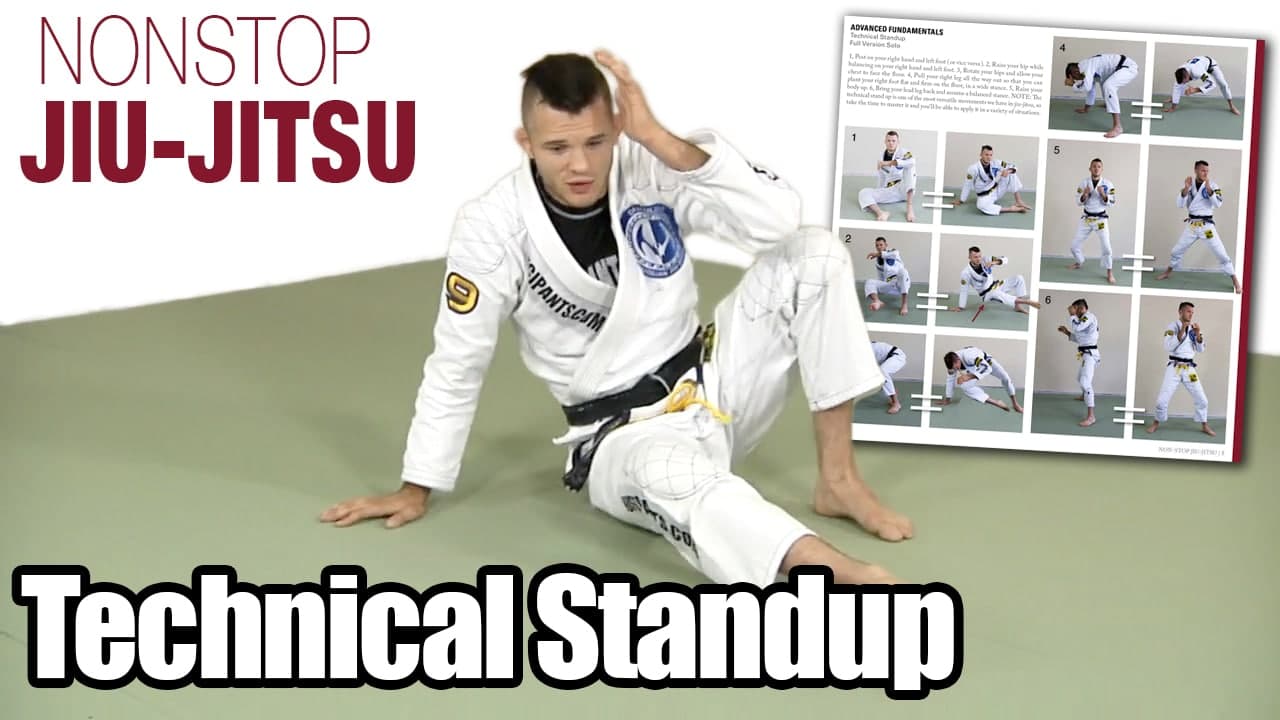
Technique
A technical stand-up starts before you lift your hips
The movement is familiar. Using it in a round means recognizing space, keeping a usable base, and knowing when to stay seated.
Nina Okada8 min read

Training, technique, and the culture of Brazilian Jiu-Jitsu
43 articles
The movement is familiar. Using it in a round means recognizing space, keeping a usable base, and knowing when to stay seated.
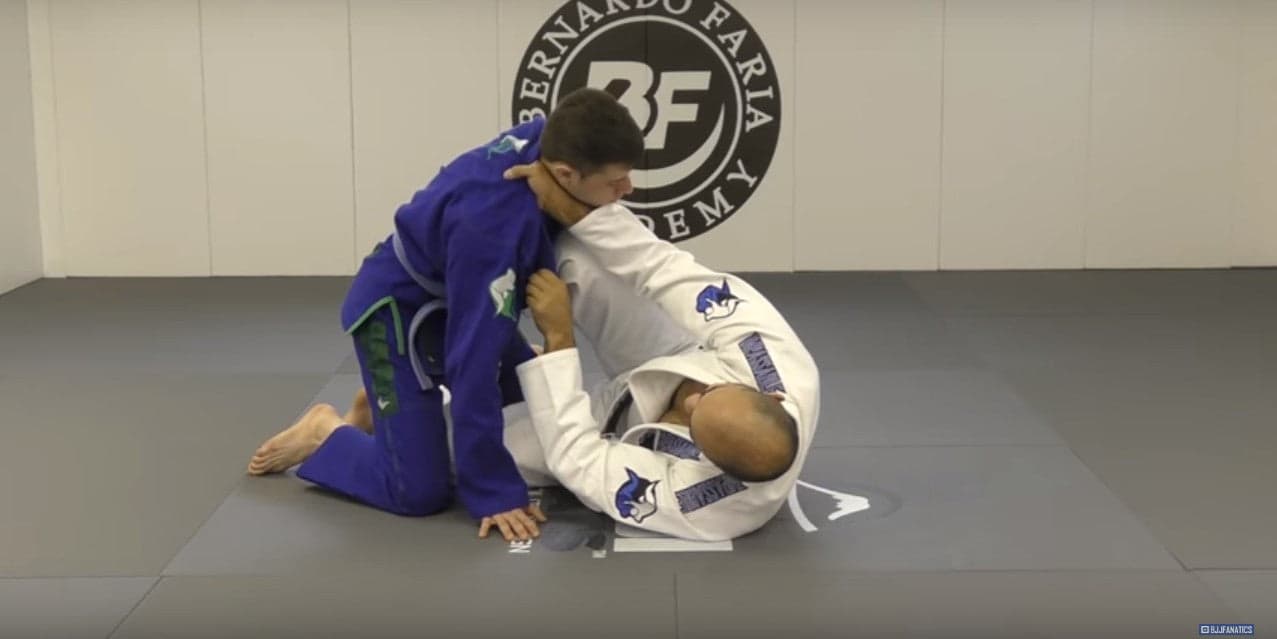
A knee shield should control distance and create your next exchange. Learn what changes with shield height, hand position, and the passer's angle.
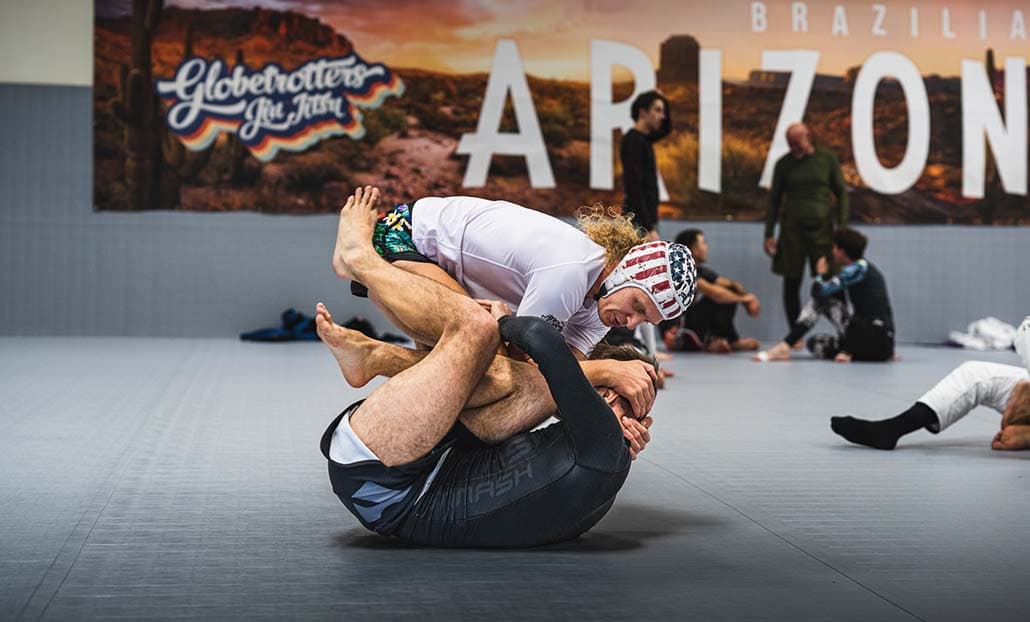
An underhook can help you turn, rise, or connect to an opponent. Learn to judge what it changes instead of treating the grip as a finished position.
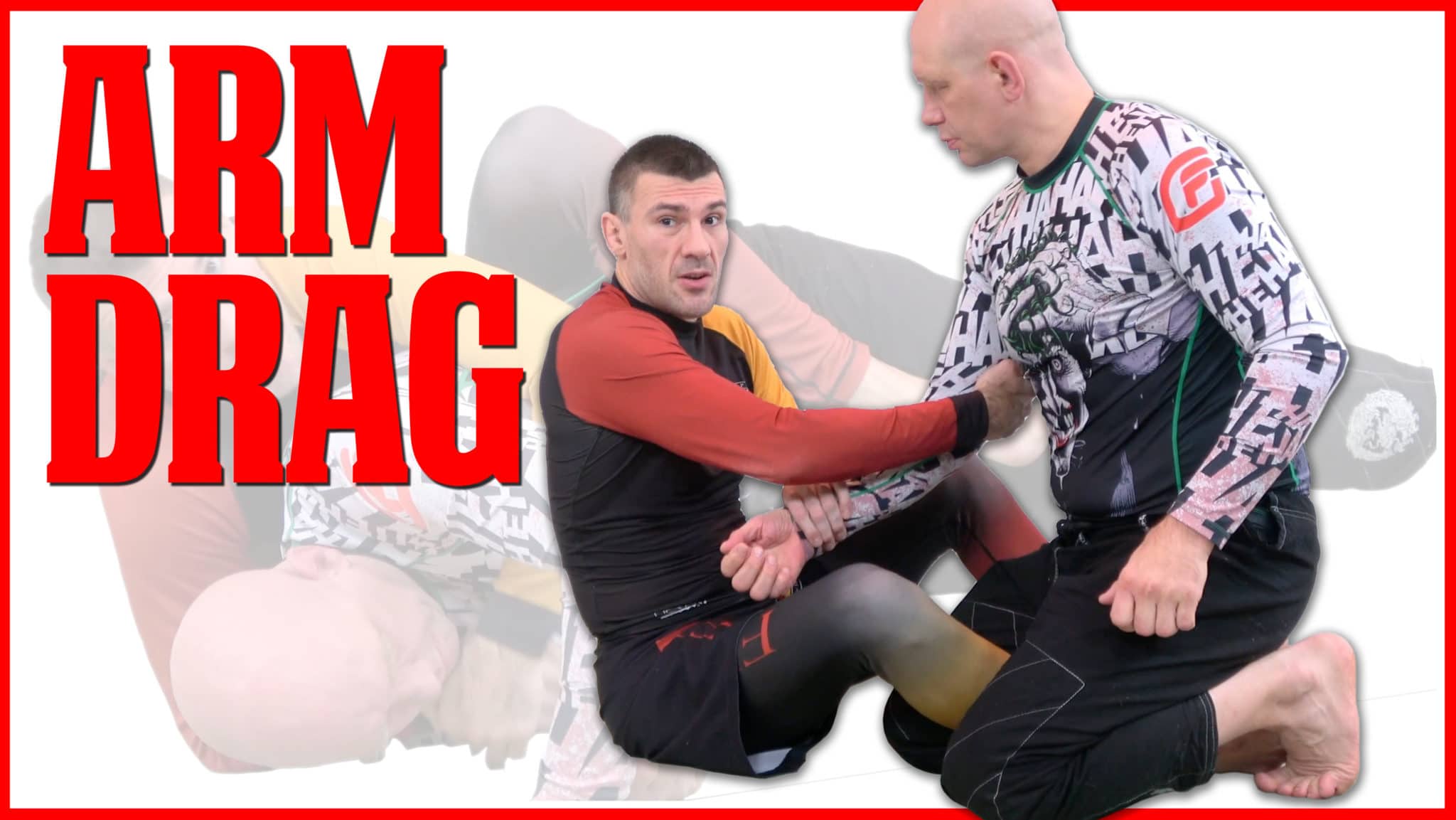
The seated arm drag needs more than a wrist grip. Study the arm connection, hip movement, and reactions that open a back take or a route to top position.
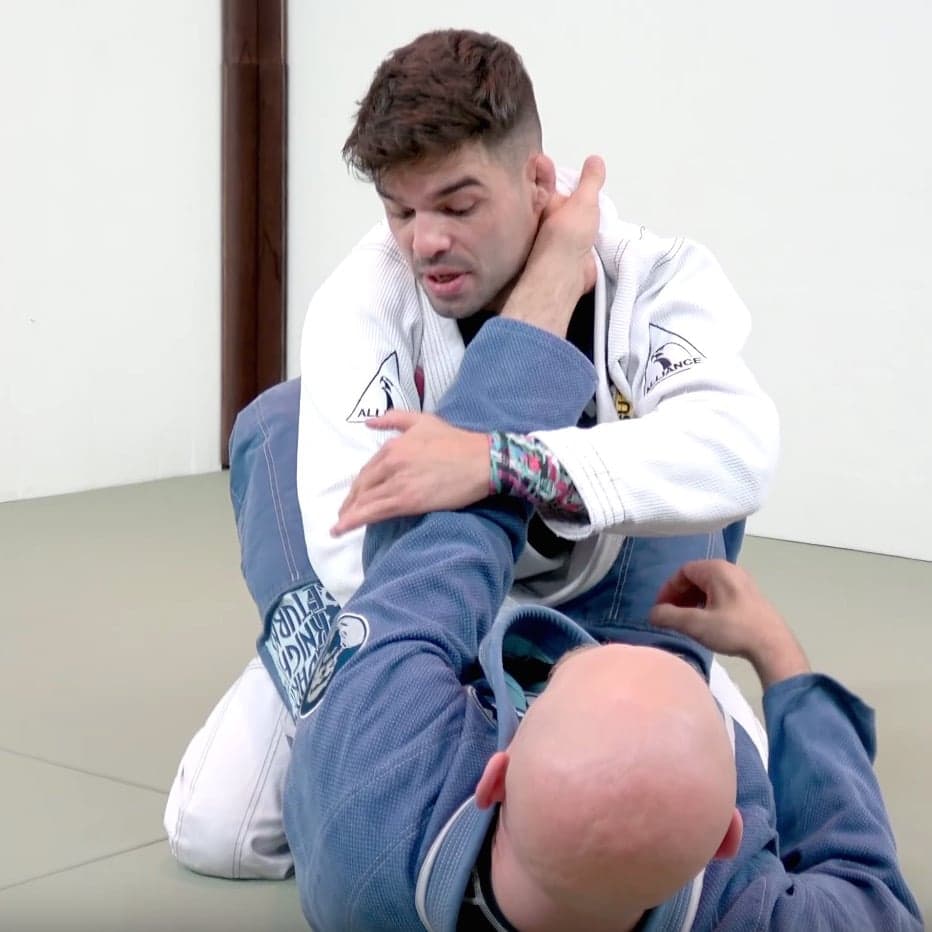
Work on opening closed guard from standing: address controlling grips, understand your first step, and connect the guard break to a passing position.
What it takes to get a BJJ black belt — the honest 10-year average, why it's slower than every other martial art, and who actually makes it there.
BJJ brown belt explained — why the belt between purple and black is about refinement not accumulation, its "dangerous belt" reputation, and honest timelines.
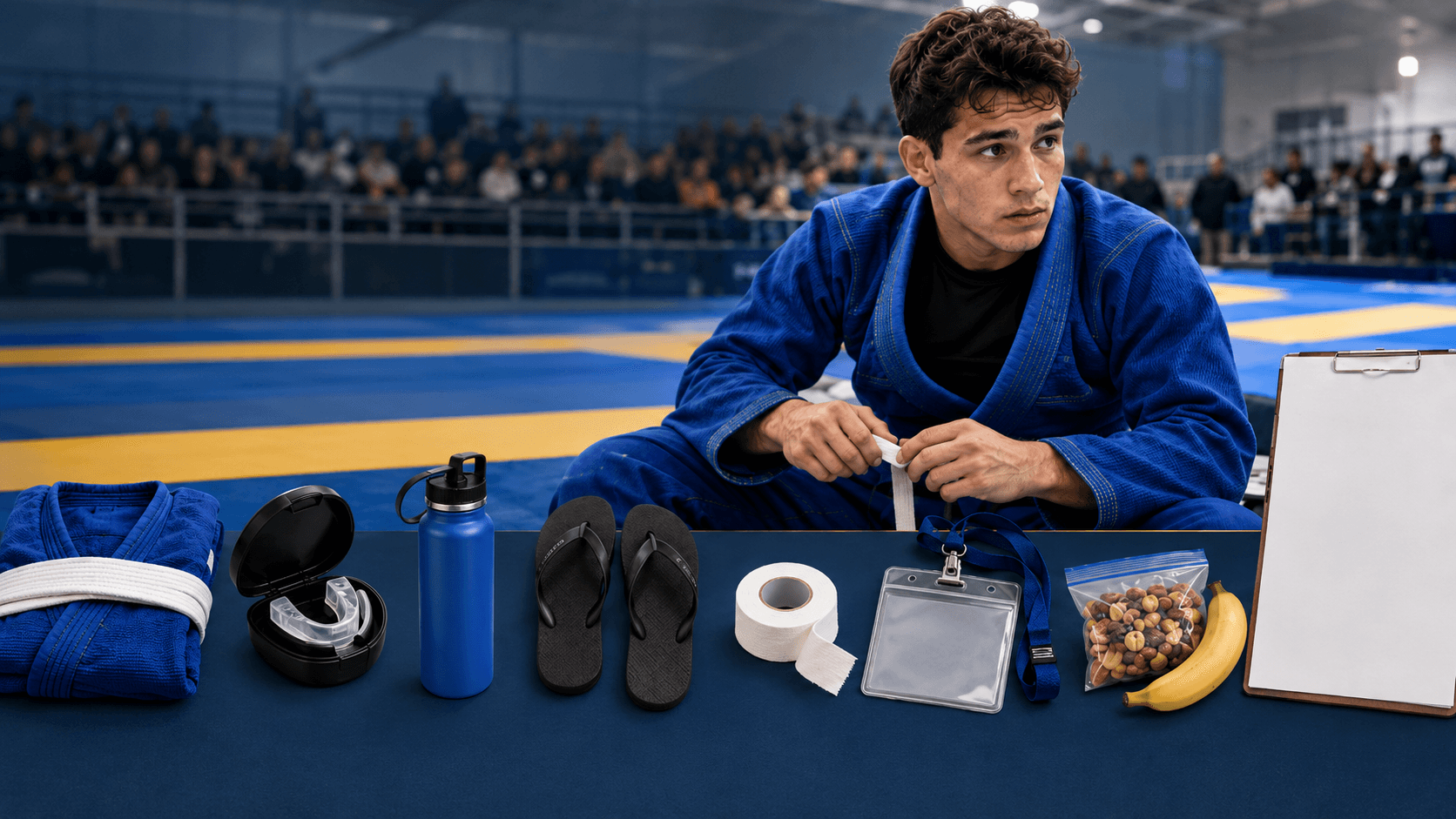
First BJJ competition checklist — registration and weigh-in honesty, exactly what to pack, warm-up timing, corner etiquette, and what a first loss means.
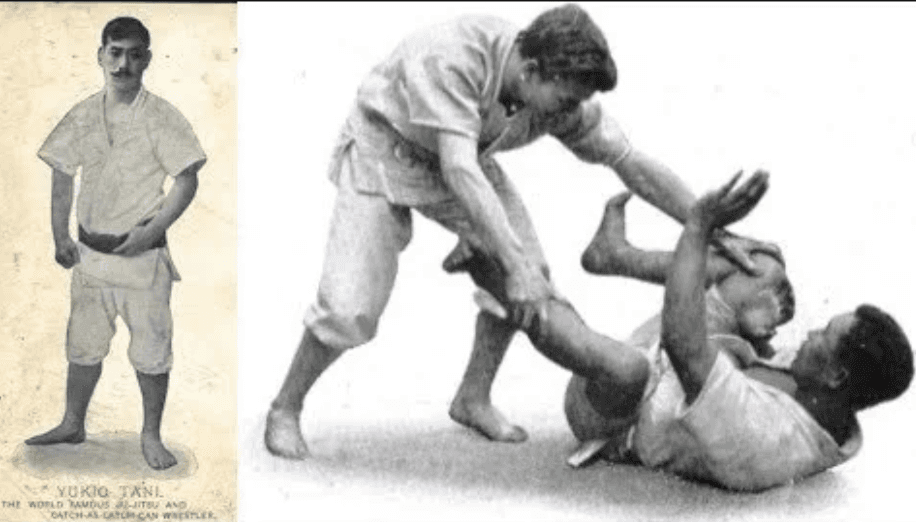
Open guard in BJJ is an umbrella term, not one position. A clear map of spider, de la Riva, butterfly, x-guard, and lasso — and how to pick your first one.
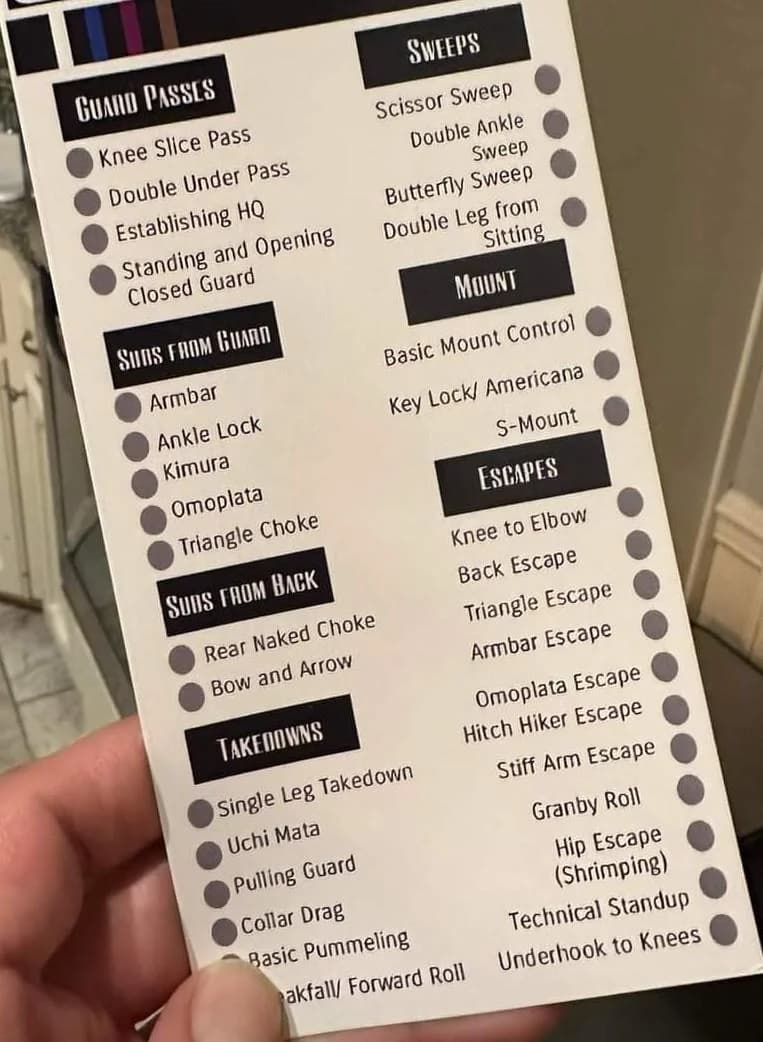
A plain-English BJJ glossary for beginners — positions, movements, submissions, gi terms, and gym culture words like oss, roll, and flow, defined honestly.
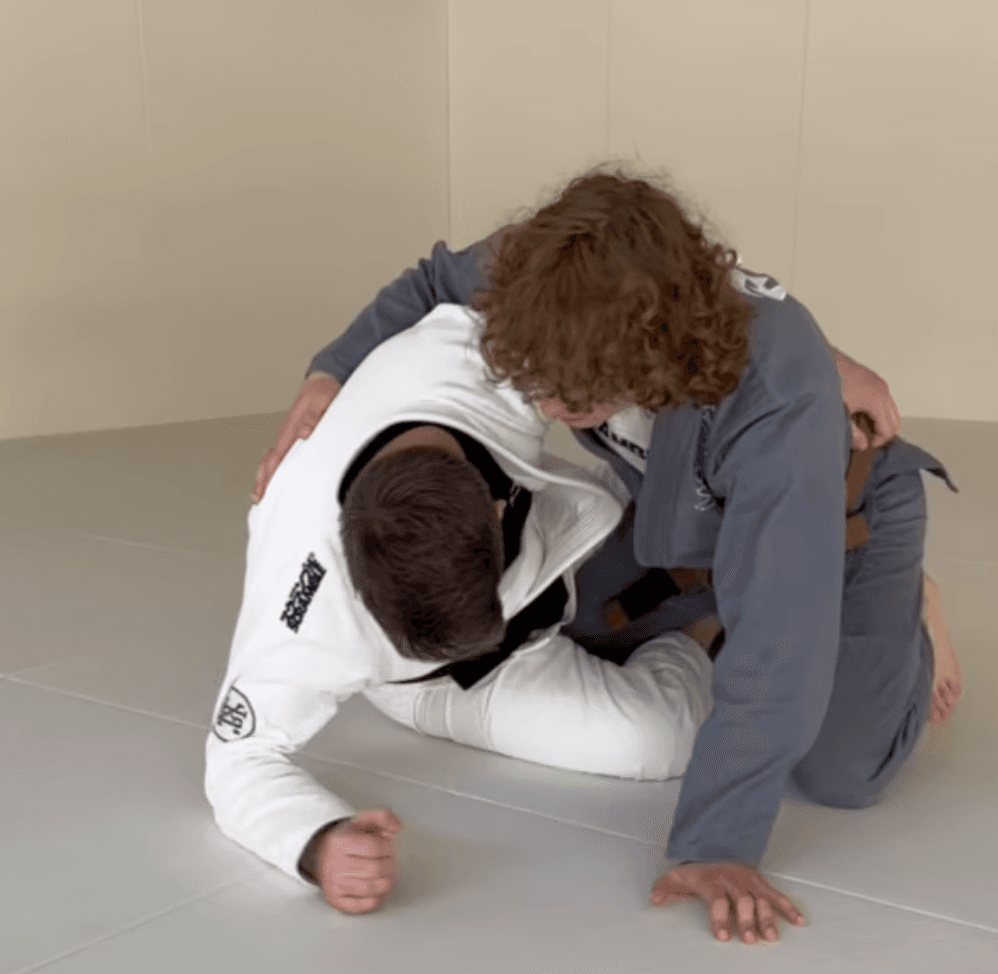
Half guard for beginners — how BJJ's old survival position became real offense, the underhook battle, the knee shield, and what to focus on first.
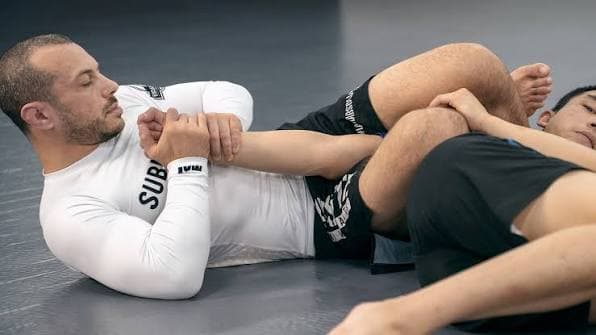
The armbar explained — its judo lineage, how it works from mount, guard, and back, why control beats extension, and when to tap to protect your arm.
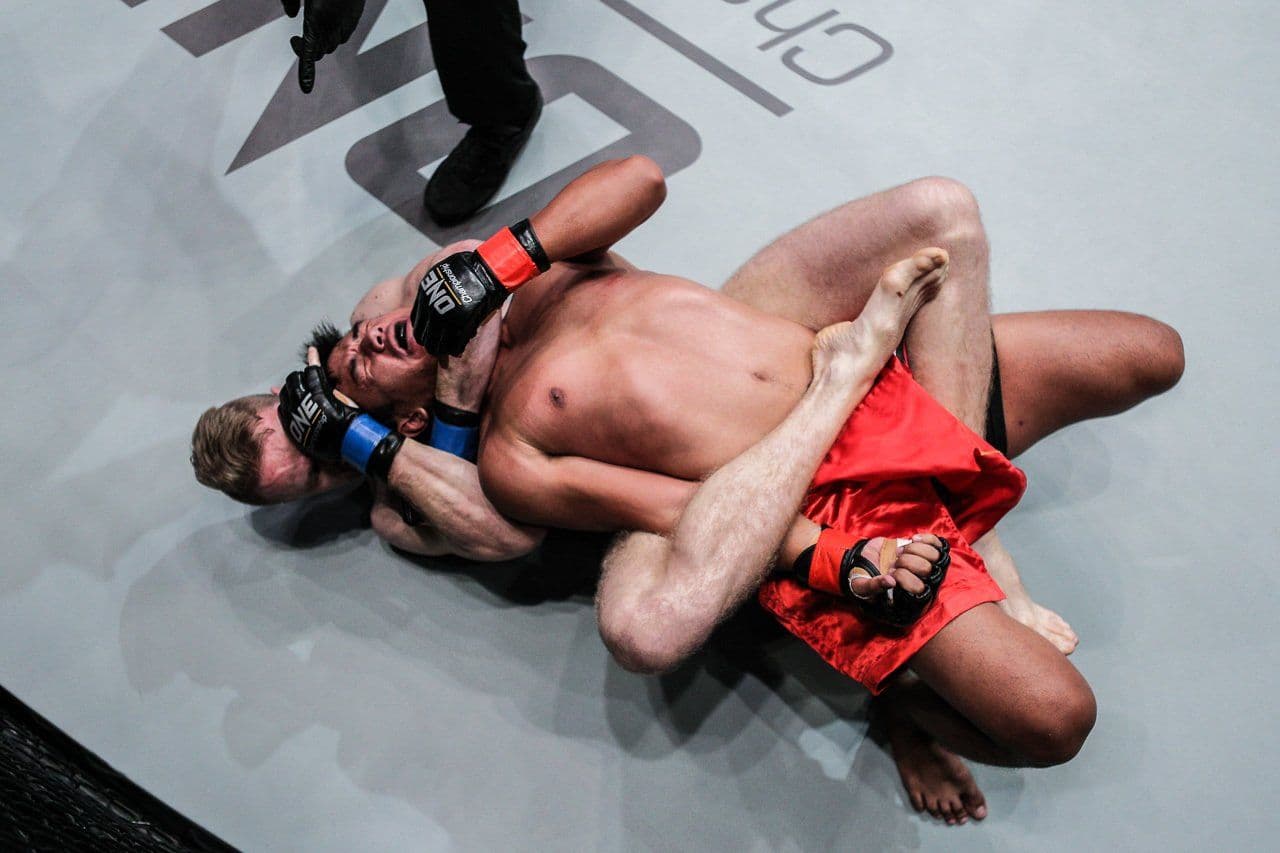
Why the rear naked choke is grappling's highest-percentage submission — back control, the seatbelt and hooks, and blood chokes explained honestly.
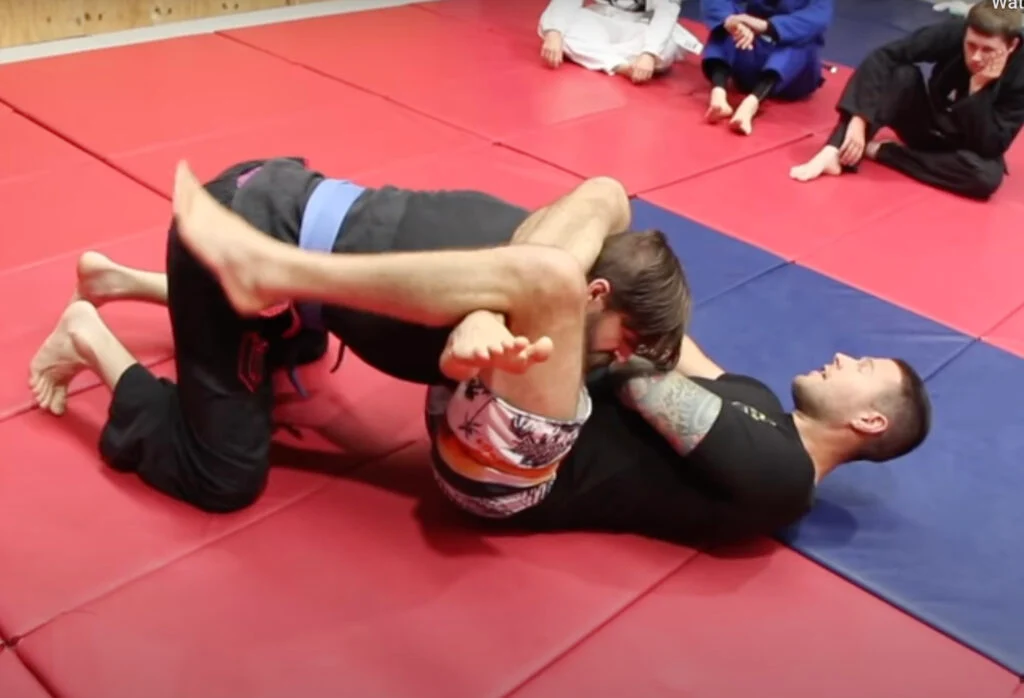
The triangle choke explained — its judo roots, how the mechanics actually work, the mistakes every beginner makes, and how it changes from gi to no-gi.
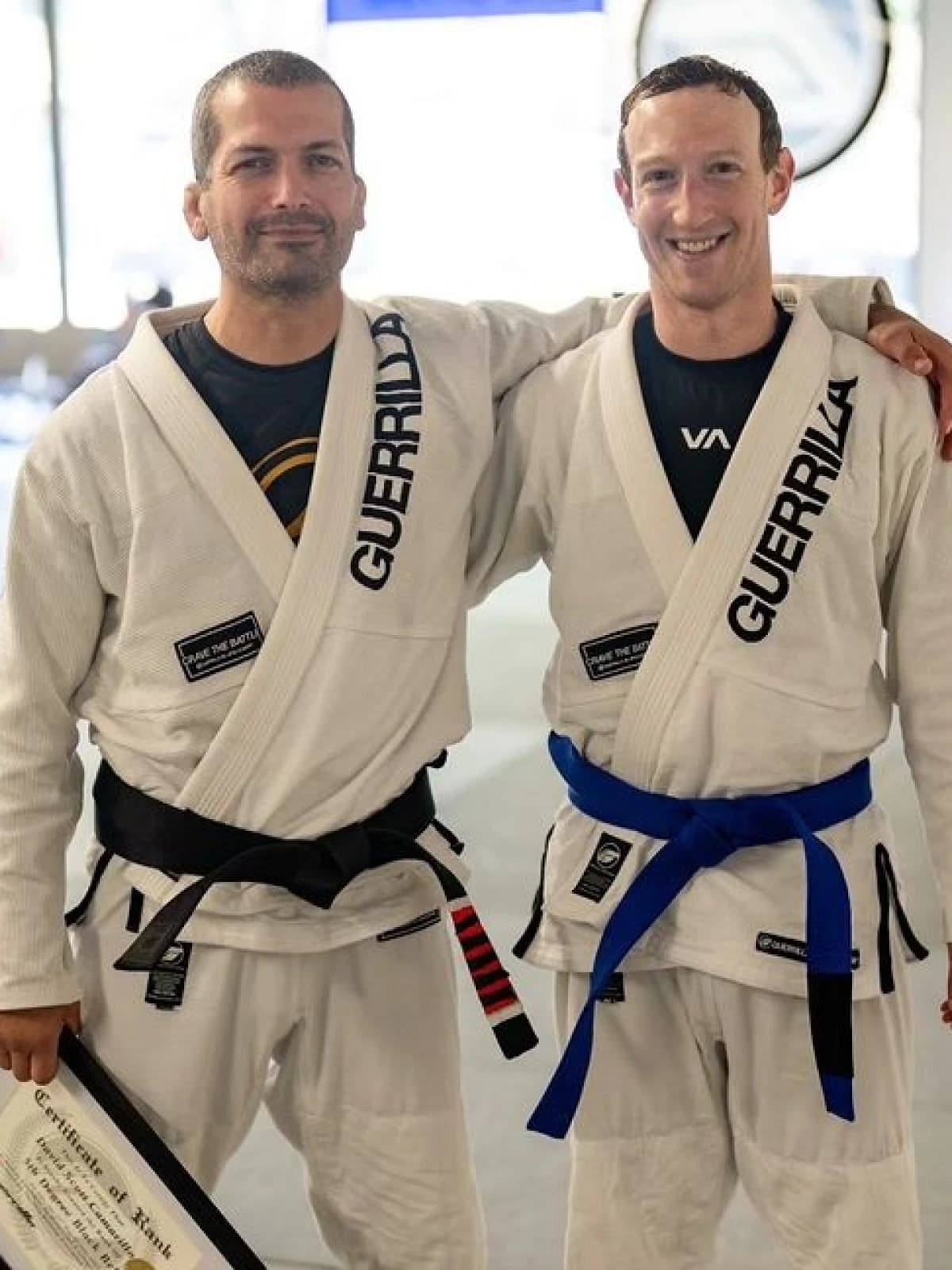
What a BJJ blue belt really means, how long it takes (usually 1.5–2.5 years), what coaches look for, and why so many people quit after earning one.
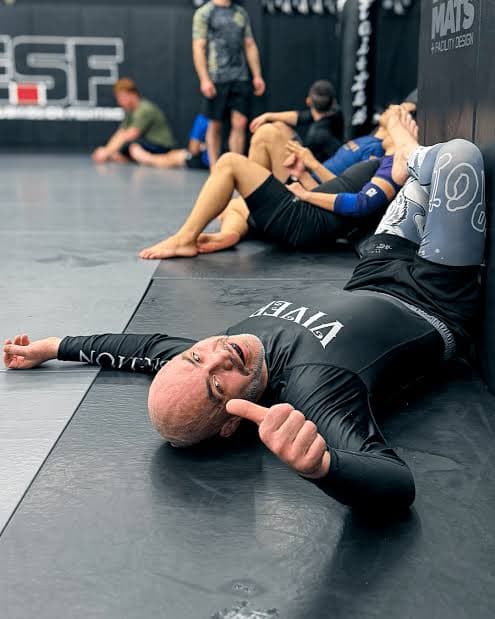
New to no-gi jiu-jitsu? A beginner's guide to no-gi BJJ: how it differs from gi, what to wear, the grips and style, and how to start training submission grappling.
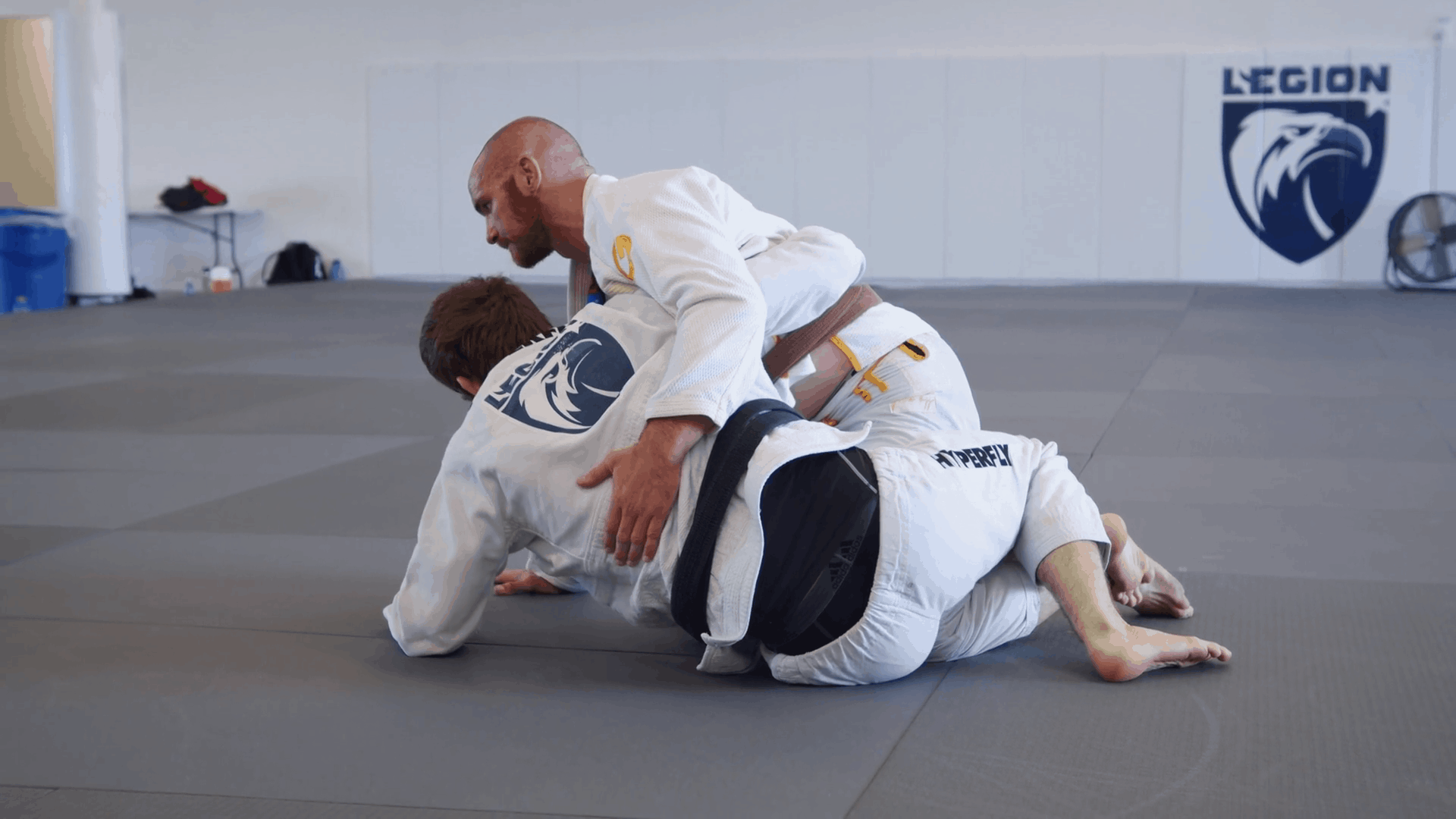
Is Brazilian jiu-jitsu hard to learn? An honest look at how difficult BJJ really is — physically and mentally — why it humbles everyone, and why almost anyone can still do it.
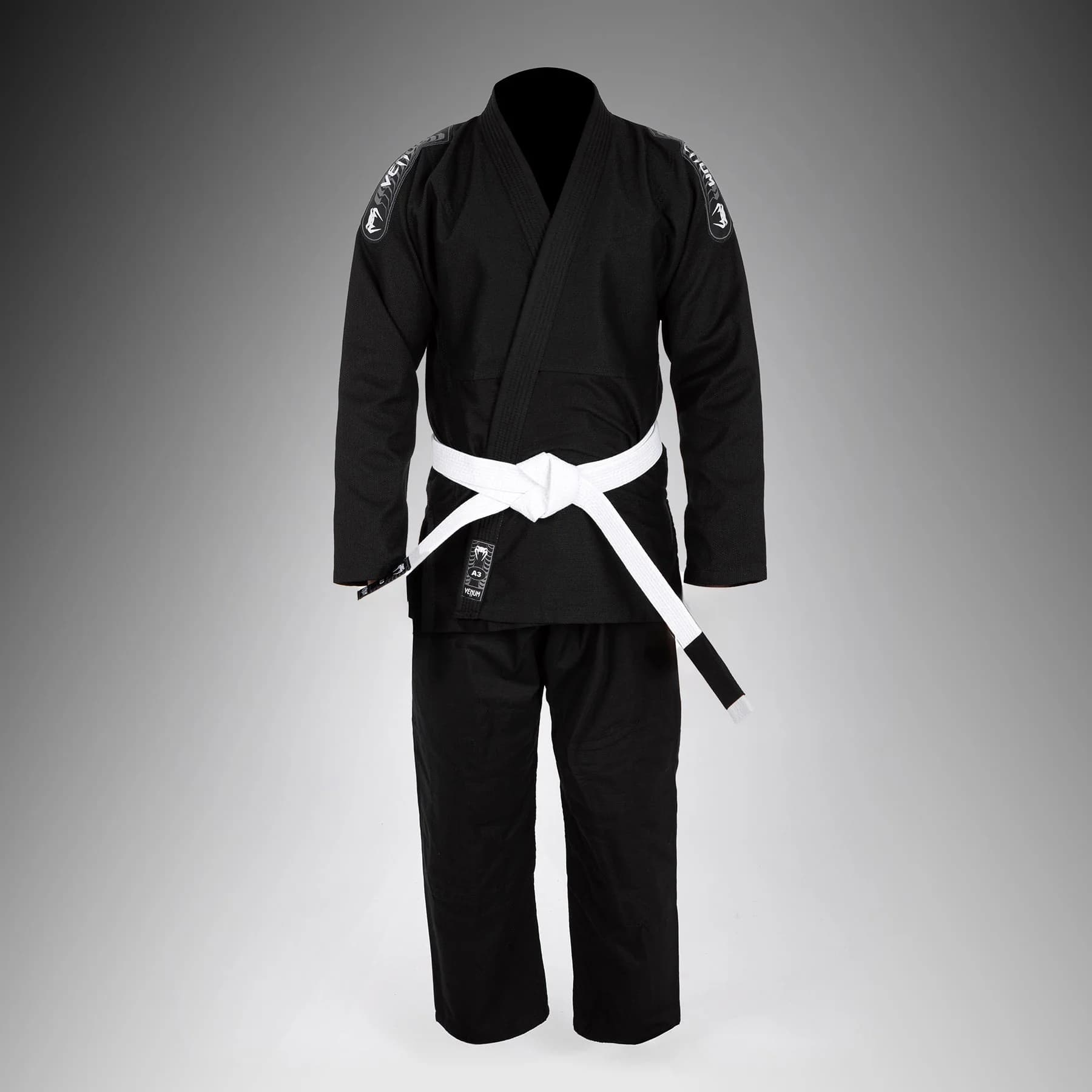
Not sure what to wear to jiu-jitsu? Here's exactly what to wear to a BJJ class — for your first trial, gi classes, and no-gi — plus what to bring and what to avoid.
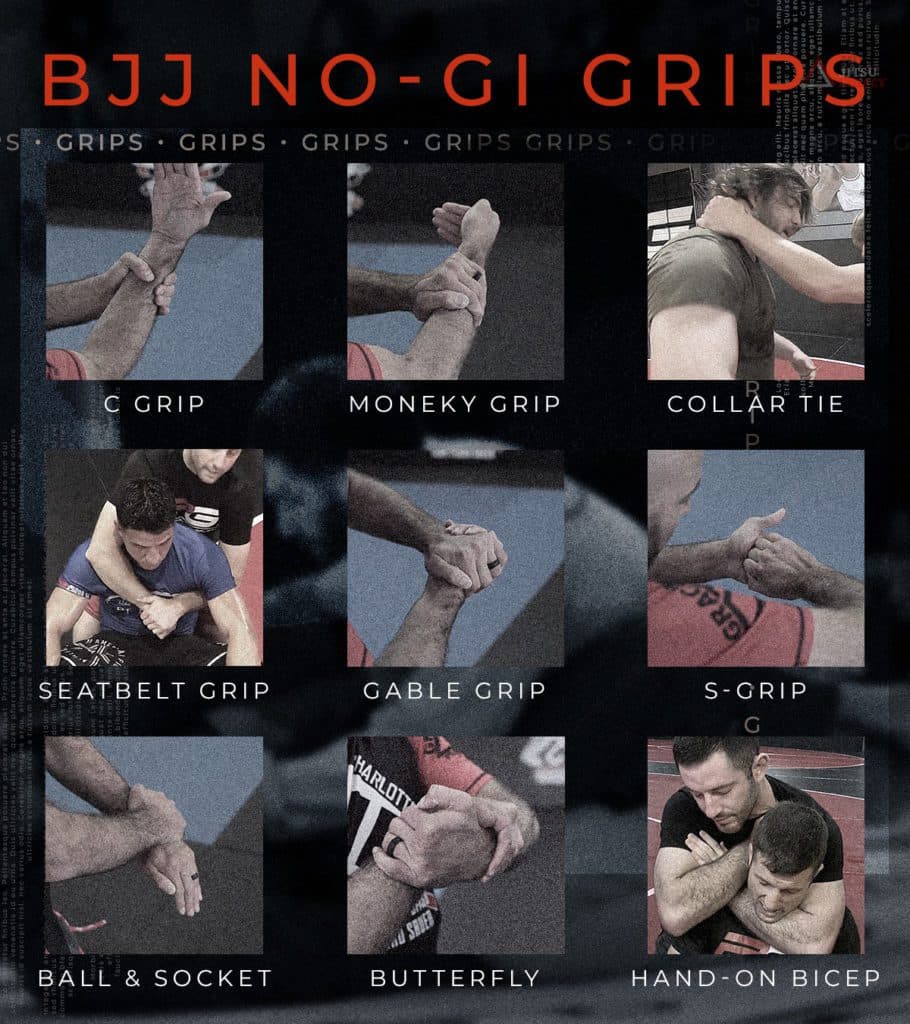
Grip fighting decides most BJJ exchanges. Here's a beginner's guide to the essential gi and no-gi grips, how to break grips, and why winning the grips wins the position.
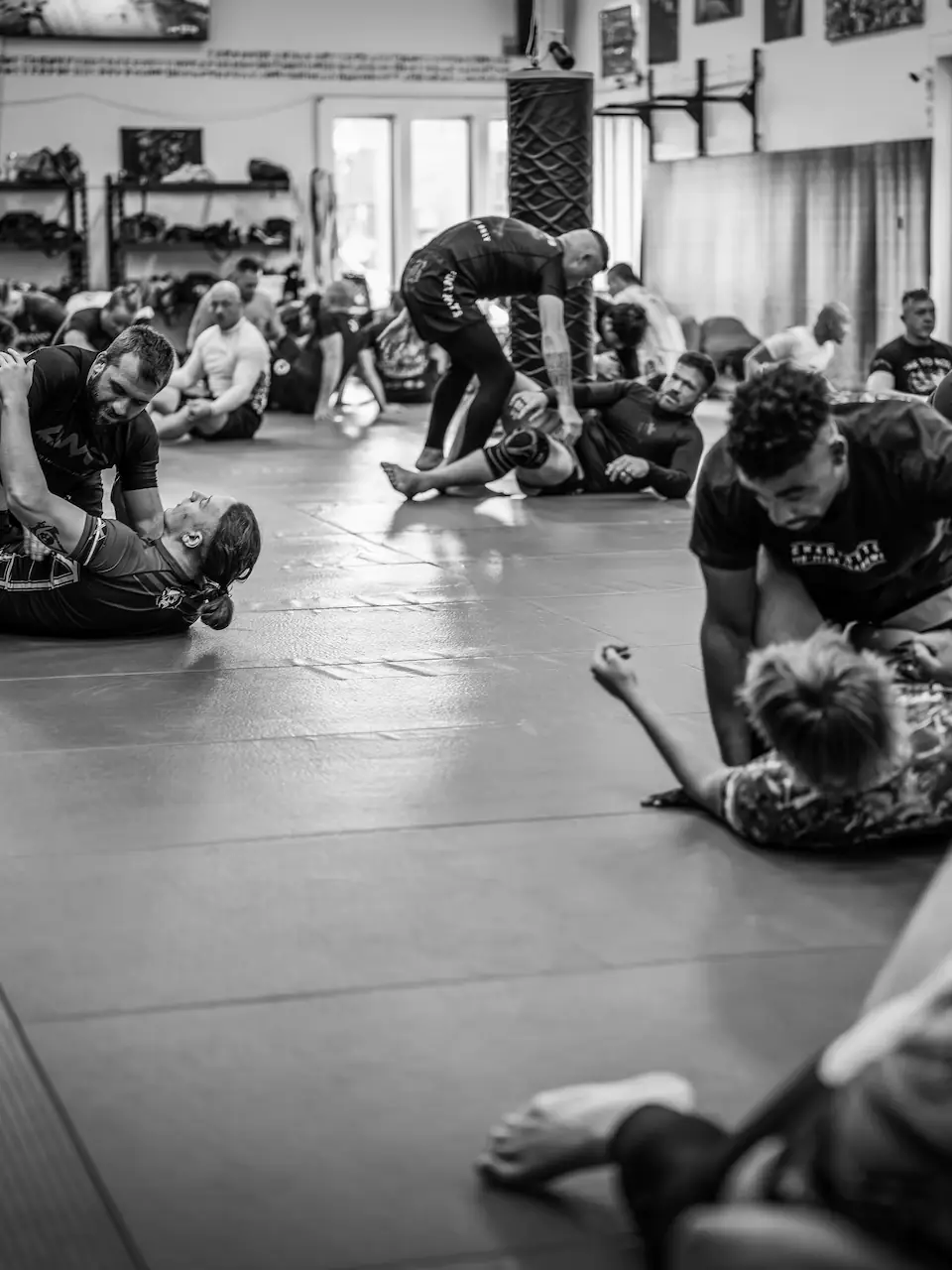
'Rolling' is live sparring in Brazilian jiu-jitsu. Here's what rolling means, how it works, rolling etiquette, how hard to go, and how to survive your first rolls.
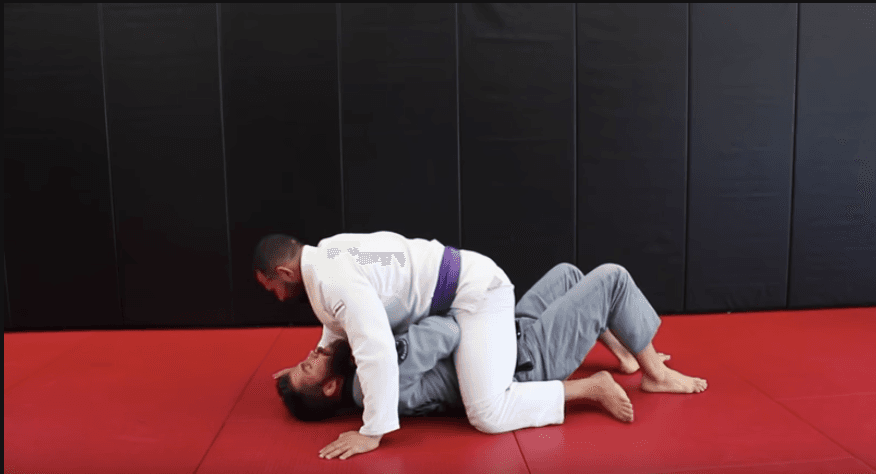
The highest-percentage beginner escapes from mount and side control in BJJ — the bridge-and-roll, elbow-escape, and framing — plus the principles that make them work.
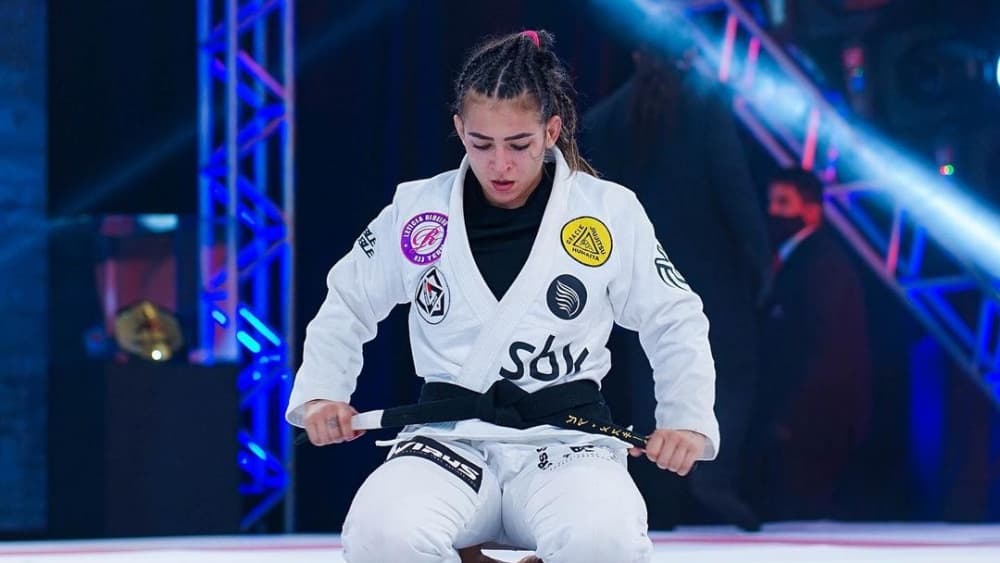
A welcoming beginner's guide to BJJ for women: why it's great for women, what to expect, how to handle a male-dominated gym, what to wear, and finding the right gym.
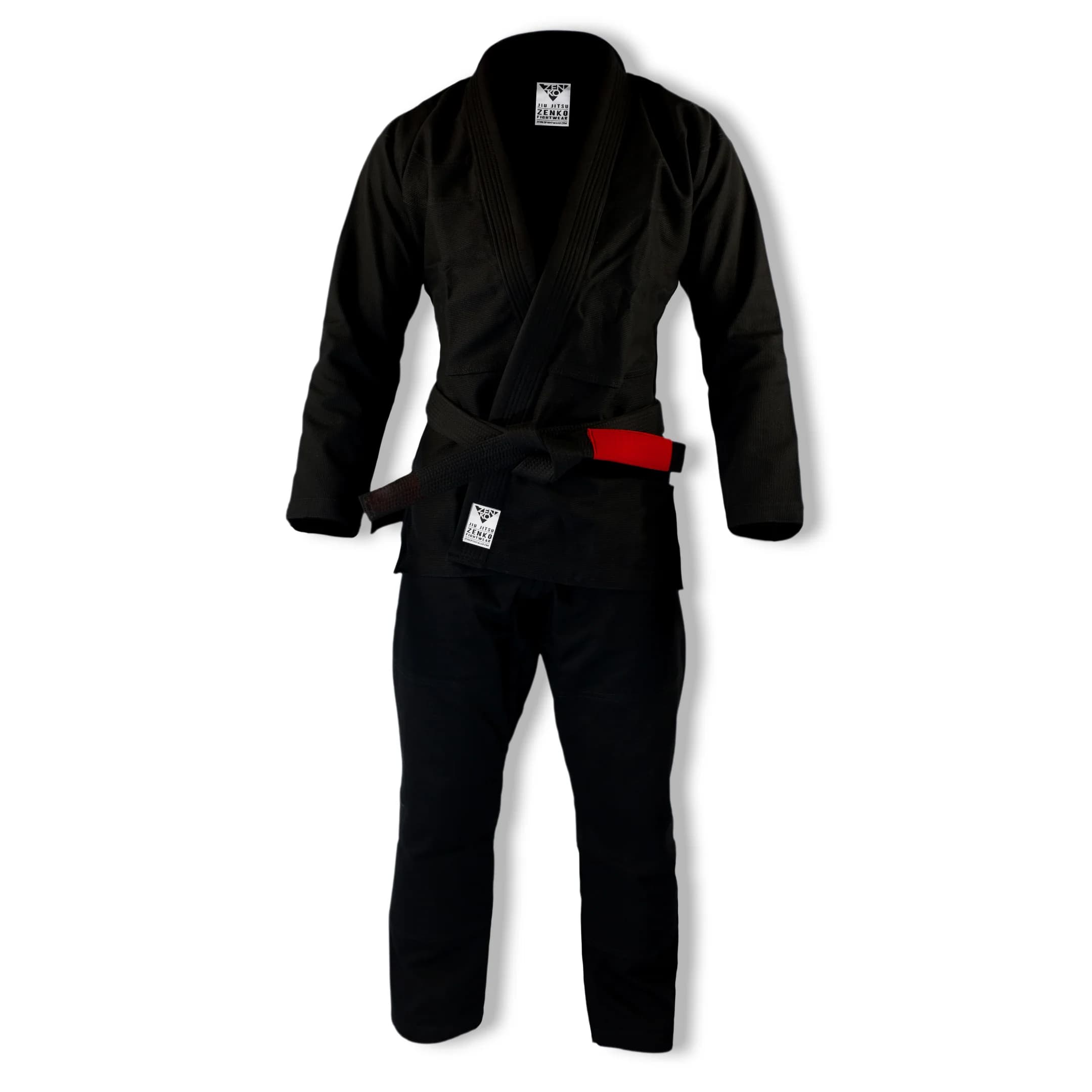
How to choose your first BJJ gi: how gi sizing (A1, A2, A3) works, gi weaves explained, what to spend, IBJJF-legal colors, and the mistakes beginners make.
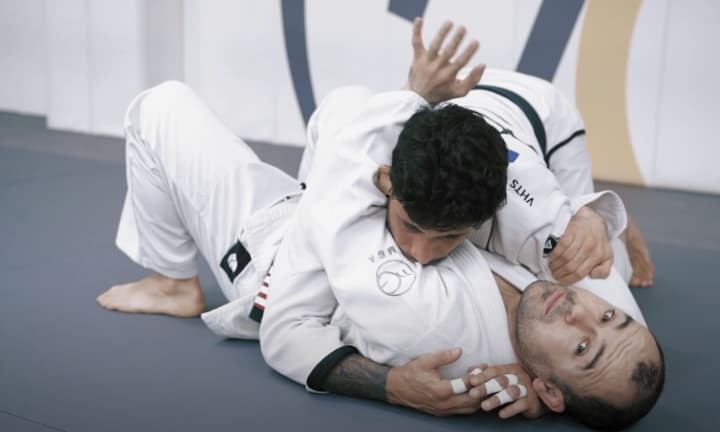
A beginner's map of the main BJJ positions — guard, mount, side control, back control, half guard and turtle — what each one is, who's winning, and why position matters.