
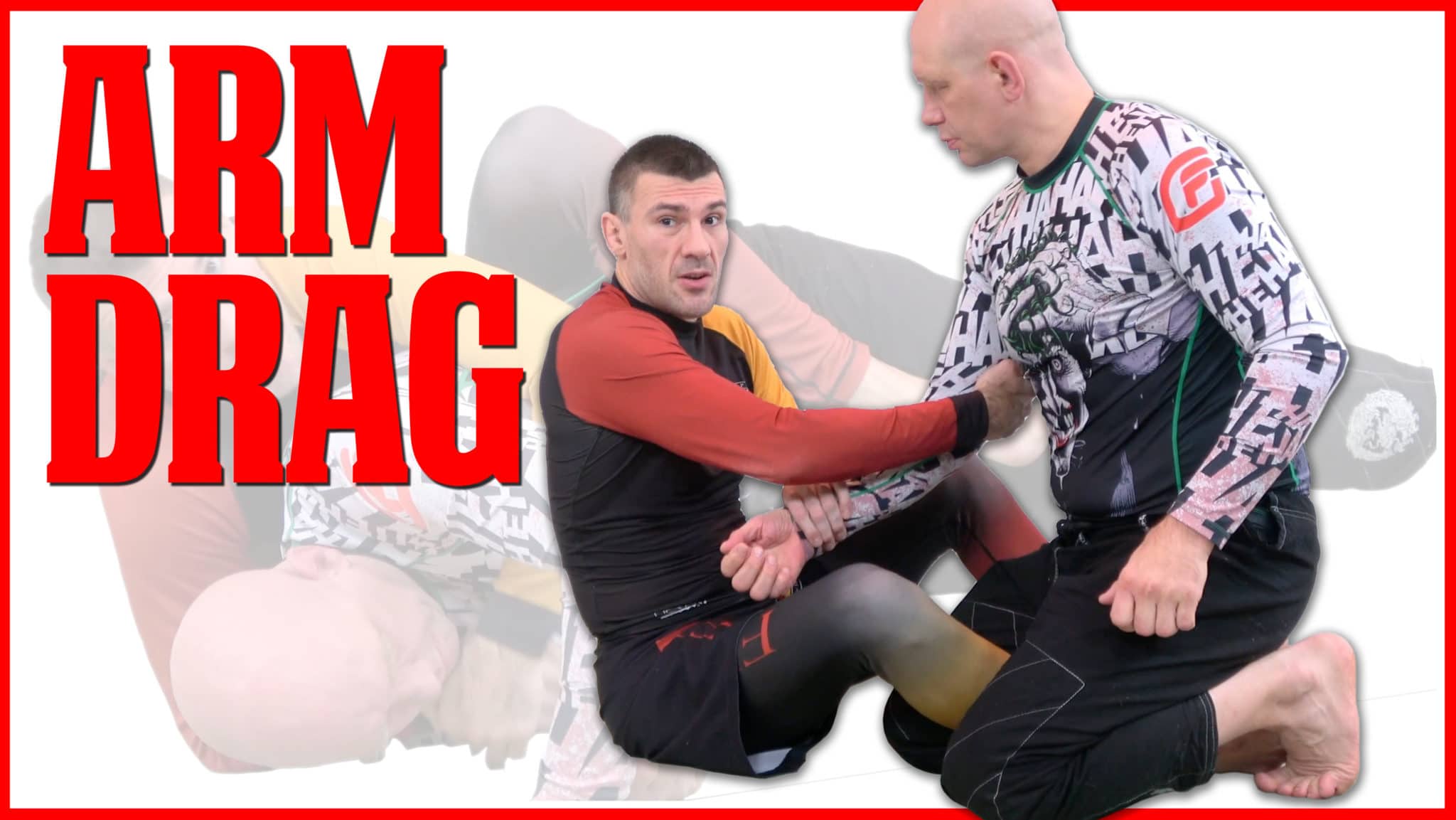
The seated arm drag starts before you pull the arm
Quick answer: A seated arm drag needs a useful connection to the arm and room for your own hips to move. Pulling the wrist while remaining directly in front of the opponent often leaves you in the same contest. Learn the entry and one continuation, then practice recognizing when the opponent turns or concedes bottom position.
Pulling harder is an expensive way to remain seated in front of somebody. You can win the initial wrist grip, spend half a round hauling on it, and still never get your chest beyond the opponent's shoulder.
The missing piece may be your own movement. In a useful arm-drag repetition, watch where the attacking player's hips go as closely as you watch the arm. Then watch what keeps the two people connected afterward. The back take at the end is the visible reward; the earlier positioning explains why it was available.
A wrist grip gives you a beginning
Grapplearts' 2021 arm-drag lesson shows a seated sequence that starts with a hand or wrist connection and brings the other hand to the upper arm. The movement continues with a change in the attacker's own position. It is more than a wrist being pulled across a static body.
Use a slow demonstration to identify which part of the arm you are controlling. If the wrist rotates and disappears while the elbow remains in place, you have a different problem from a drag that moves the elbow but leaves your hips behind.
Have your partner explain what makes them feel attached to the exchange. This does not replace an instructor's correction, but it can reveal whether you are relying on a grip that looks secure and feels easy to remove. Keep the pressure reasonable. Pulling individual fingers or jerking at a reluctant partner's elbow is not a substitute for improving the connection.
Once the instructor has chosen a grip, practice acquiring it from a small hand-fighting exchange. Starting with the complete connection is useful for learning the movement. It should not become the only start you ever train.
Your hips have to leave the original conversation
If you remain squarely in front of the opponent, they can keep facing the same problem. The drag becomes more interesting when your own position changes enough that they must turn to address you.
In his 2016 discussion of Marcelo Garcia's tactics, Kesting describes the seated drag with a leg moving outside and the hips shifting to the side as the upper-arm connection draws the opponent past. You do not need to copy every part of a champion's game to study that relationship.
Try observing a repetition from above or from a safe angle off the mat. Trace where the seated player's belt knot begins and ends. If the arm traveled but the belt knot barely moved, ask whether the entry you are practicing required more movement from the attacker.
Do not solve this by throwing yourself sideways before you have a connection. That can turn an entry into an unsupported fall. Ask the instructor to slow the sequence down enough that you can identify when the grip supports the movement and when you are simply reaching after a person who has already withdrawn.
Start with one opponent posture
A kneeling opponent and a standing opponent do not present the same distance. Trying to learn both at once can make a simple explanation confusing: a leg that was within reach in the demonstration is suddenly much farther away.
Begin with the posture your instructor is teaching. Note whether both knees are down, one knee is up, or the opponent is on their feet. Keep that condition consistent until you understand the entry, then ask what must change for another posture.
The published Arm Drag and 2 on 1 Formula curriculum separates seated attacks against those different starts. That is a useful way to organize your questions. It does not mean that browsing the chapter list gives you the mechanics of every variation.
Give your training partner permission to remain in the agreed posture while offering a little resistance. If they immediately stand, back away, and switch to a different passing exchange, you may both be rolling productively, but you have stopped investigating the starting position. Return to that broader freedom after the narrow lesson makes sense.
Getting beside the shoulder is not the end of the connection
Once you have an angle, the opponent can still turn. You need to know what you are trying to control next, rather than reaching for hooks while your upper-body connection disappears.
The 2021 Grapplearts lesson continues beyond the initial drag and examines ways to stay attached near the hip. Watch that stage on its own. The entry gives the attacker access; the following control has to preserve something useful while the opponent responds.
Ask your coach to choose a checkpoint before the finished back position. Then stop there repeatedly. Can the opponent square up immediately? Which part of your connection prevents that? If you remove one hand, what changes?
This is a good place to trade roles. The person defending may recognize a large gap that the attacker cannot see from their own angle. They may also feel that a grip is merely squeezing clothing rather than controlling their movement. Bring that observation to the instructor. It is more useful than telling the attacker to be heavier or more aggressive without identifying what has been lost.
Top position can be an acceptable answer
If the opponent turns into guard rather than allowing the back take, do not freeze because the exchange ended differently from the demonstration. You still have a new position to organize.
Grapplearts' arm-drag material includes that response: the defender chooses bottom, and the attacker comes up and begins passing. Treat it as a branch to learn. Avoid assigning yourself automatic tournament points from a casual description; scoring depends on the event and the actual exchange.
For practice, decide what you want to do when that branch appears. You might establish a familiar passing start and reset. You might continue a short positional round from there. Either choice is more informative than sitting back down because the original plan was to get the back.
The reverse mistake is insisting on a back chase after the opponent has already turned into a sound guard. You may spend the next exchange reaching around a position you no longer have. Ask the coach what would justify continuing the chase and what signals that you should settle into the top position available instead.
Use a small choice to make the entry less cooperative
After learning the movement, ask your partner to choose between two agreed responses. For example, they might try to turn back toward you or concede bottom and establish guard. Your task is to recognize the response before committing to the next movement.
Keep the practice rules brief:
Start from the same seated posture and the same stage of the grip fight.
Give the defender a limited, clearly understood choice of responses.
Let the attacker continue to the agreed positional checkpoint.
Reset when either person reaches the task's endpoint or the exchange leaves the intended problem.
This is a proposed exercise, not a guarantee of a particular learning speed. Your instructor may prefer a different constraint. The useful feature is that you have to notice something about your partner, rather than complete a memorized sequence regardless of what they do.
Our drilling guide discusses the larger question of connecting practice to live rounds. For the seated drag, the decision can stay small. You do not need to add every possible scramble before the entry becomes worth practicing.
The same idea can appear while you defend
An arm drag is often taught as an attack from a settled seated guard. It can also be part of a response to somebody beginning to control your legs.
In Grapplearts' toreando-defense article, the arm drag is presented as an alternative connection when a lapel grip is unavailable, including a no-gi context. The timing matters: a response to an early passing grip is a different assignment from escaping a completed pin.
If this defensive use interests you, ask the coach where the window begins and ends. Do not use the existence of an arm-drag counter as a reason to reach across an opponent who has already passed your legs and controlled your upper body.
Keep a separate note for the defensive entry. It may use a familiar movement, but it begins with a different problem and a different amount of time. You can connect the two later without pretending they are identical. First learn what a useful arm connection feels like from the seated start, then investigate how you acquire it during the passing exchange.
Main photo: Grapplearts / The BJJ Arm Drag.
The takeaway
A seated arm drag is easier to understand when you follow the whole connection: acquiring the arm, moving your hips, and deciding what the opponent's response gives you. A back take is one possible outcome. Coming to a usable top position may be another.
Choose one starting posture for the next lesson and one checkpoint beyond the pull. If you repeatedly move the arm without moving yourself, ask the instructor to inspect that relationship. If the entry works but the opponent turns back immediately, spend the next block on the connection after the entry instead of collecting another way to begin.
Find a class where you can study the exchange
Look for gi or no-gi BJJ classes near you and confirm the level with the academy. Bring a specific seated arm-drag question so an instructor can check the grips and movement together.
FAQ
Can I use an arm drag without the gi? Yes. The arm-drag material linked here includes no-gi connections and a defensive application without a lapel grip. Learn the specific hand placement rather than assuming a sleeve grip and a wrist connection behave identically.
Do I have to take the back after an arm drag? No. The opponent's reaction can lead to other positions, including you coming on top when they choose guard. Learn a small number of continuations and recognize the response before deciding which one to use.
Why does my partner's arm move but their body stays put? Your connection, timing, or hip movement may need attention. That cannot be diagnosed from the result alone. Recreate the attempt for your instructor, including the grip fight that happened before you pulled.
Should a beginner practice the standing and seated versions together? It may be clearer to start with one posture and add another after understanding the first. Follow your instructor's progression. Different starts change the distance and the available connections, even when the techniques share the arm-drag name.
Related Posts
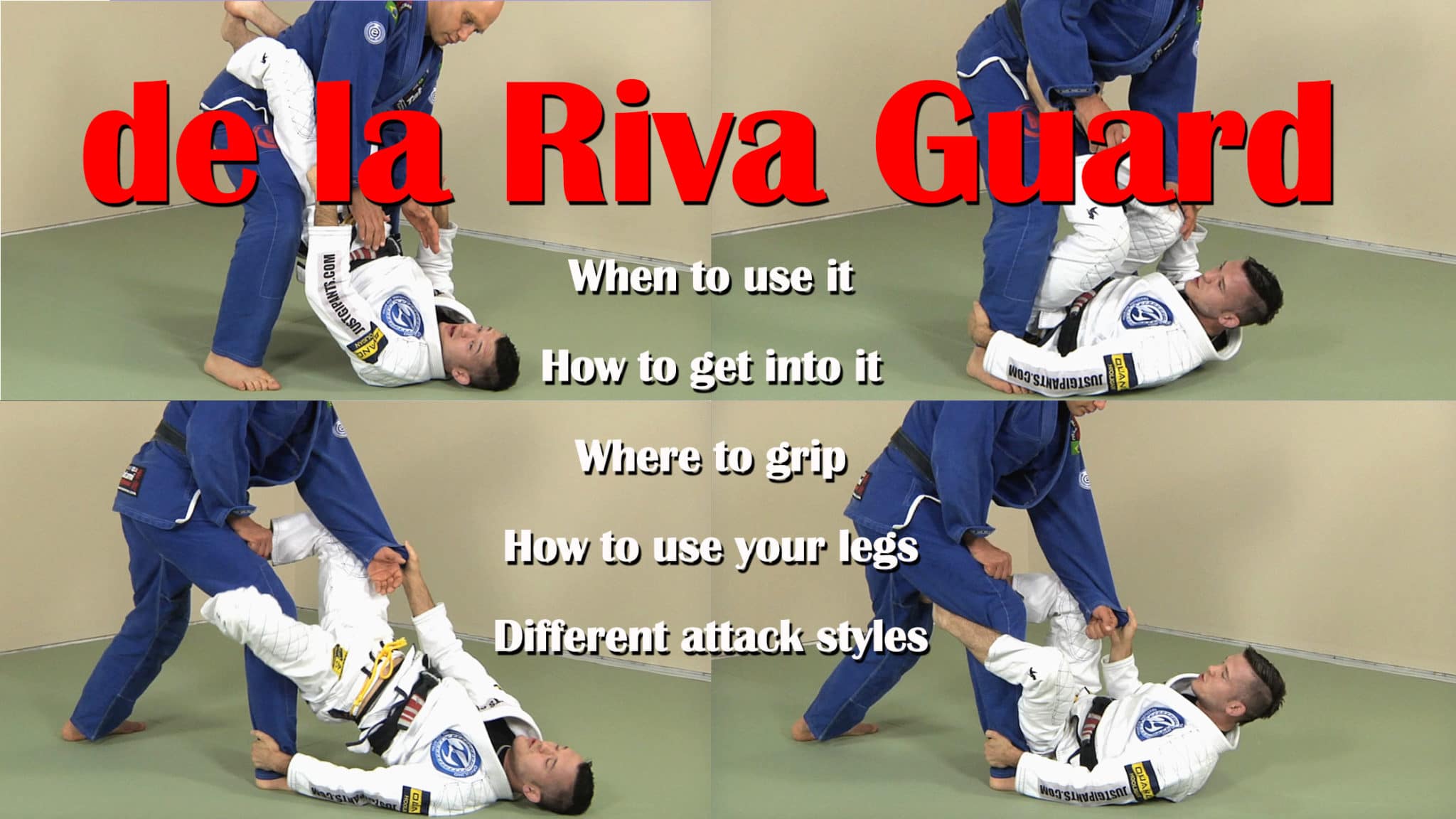
De la Riva guard: make the standing passer take a step
Your de la Riva hook is in, but the passer is comfortable. Study ankle control, the free leg, and the balance reaction that makes an attack possible.
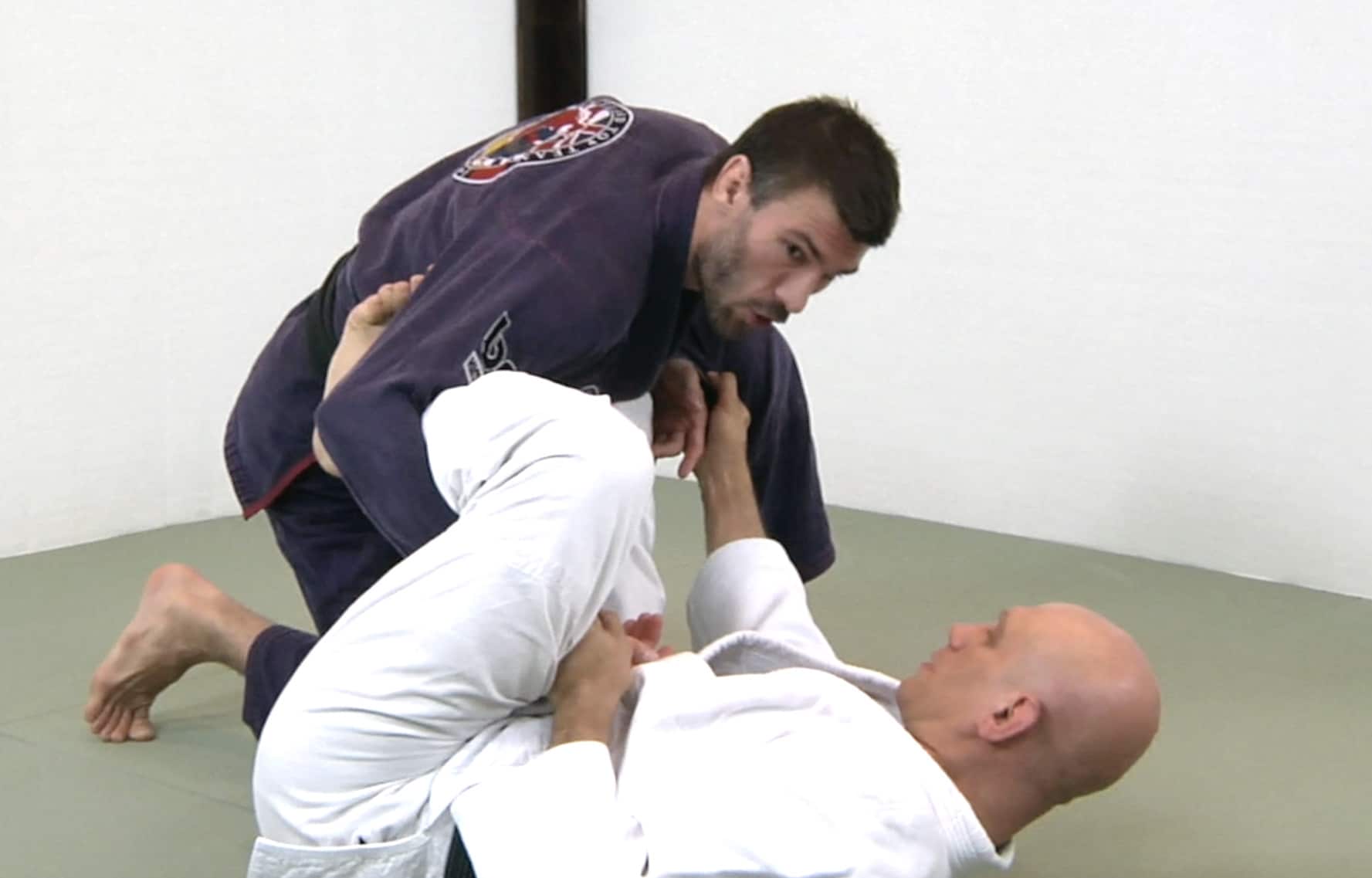
Lasso guard: know when to keep the sleeve and when to leave
A lasso hook can buy time or trap you in a grip battle. Give the free leg a purpose, keep useful sleeve control, and recognize when to change guards.
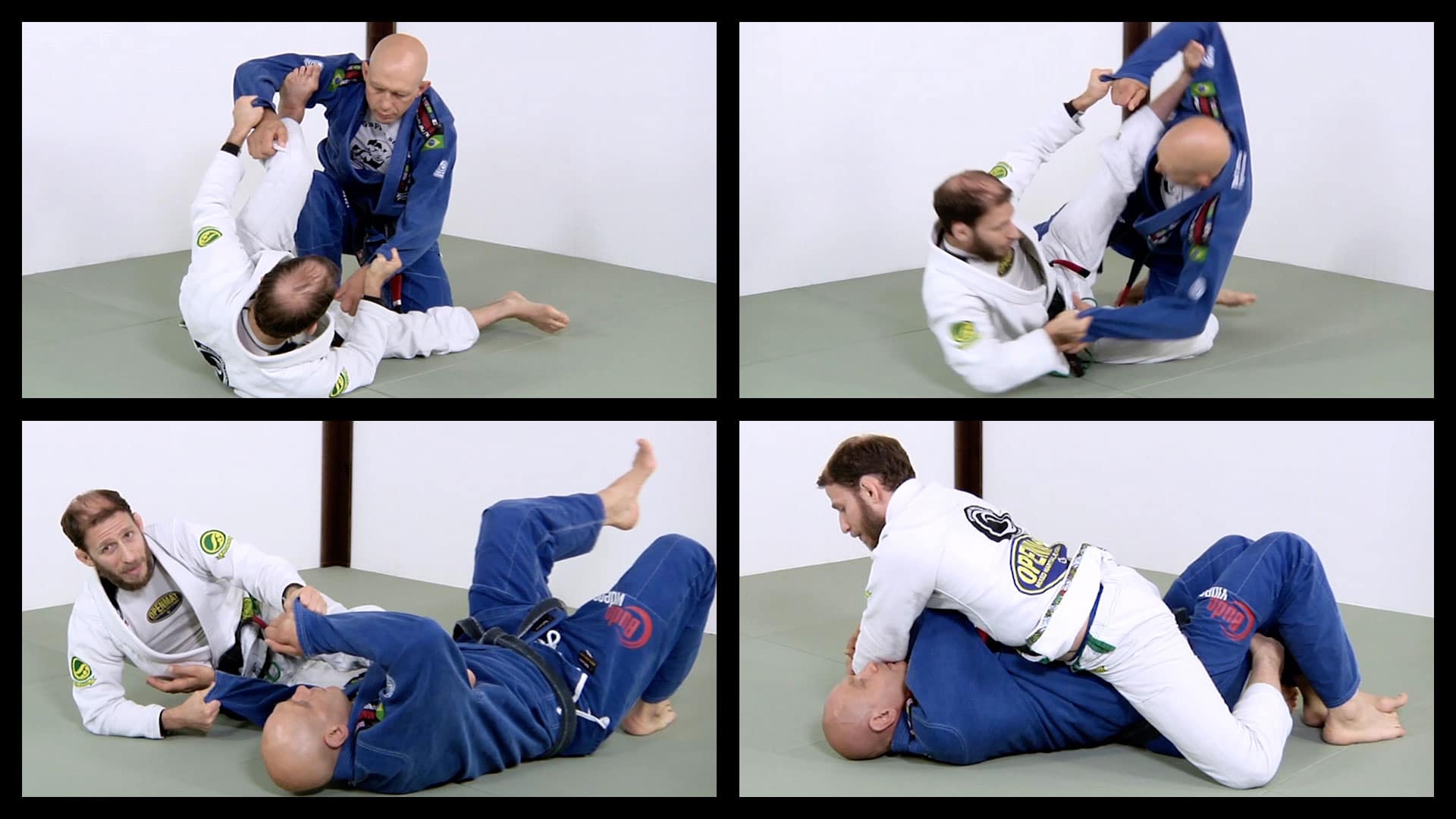
Spider guard: give each foot a job
Make spider guard easier to read. Learn how sleeve tension, different foot positions, and the passer's posture shape your next sweep or transition.
Comments (0)
Loading comments...