
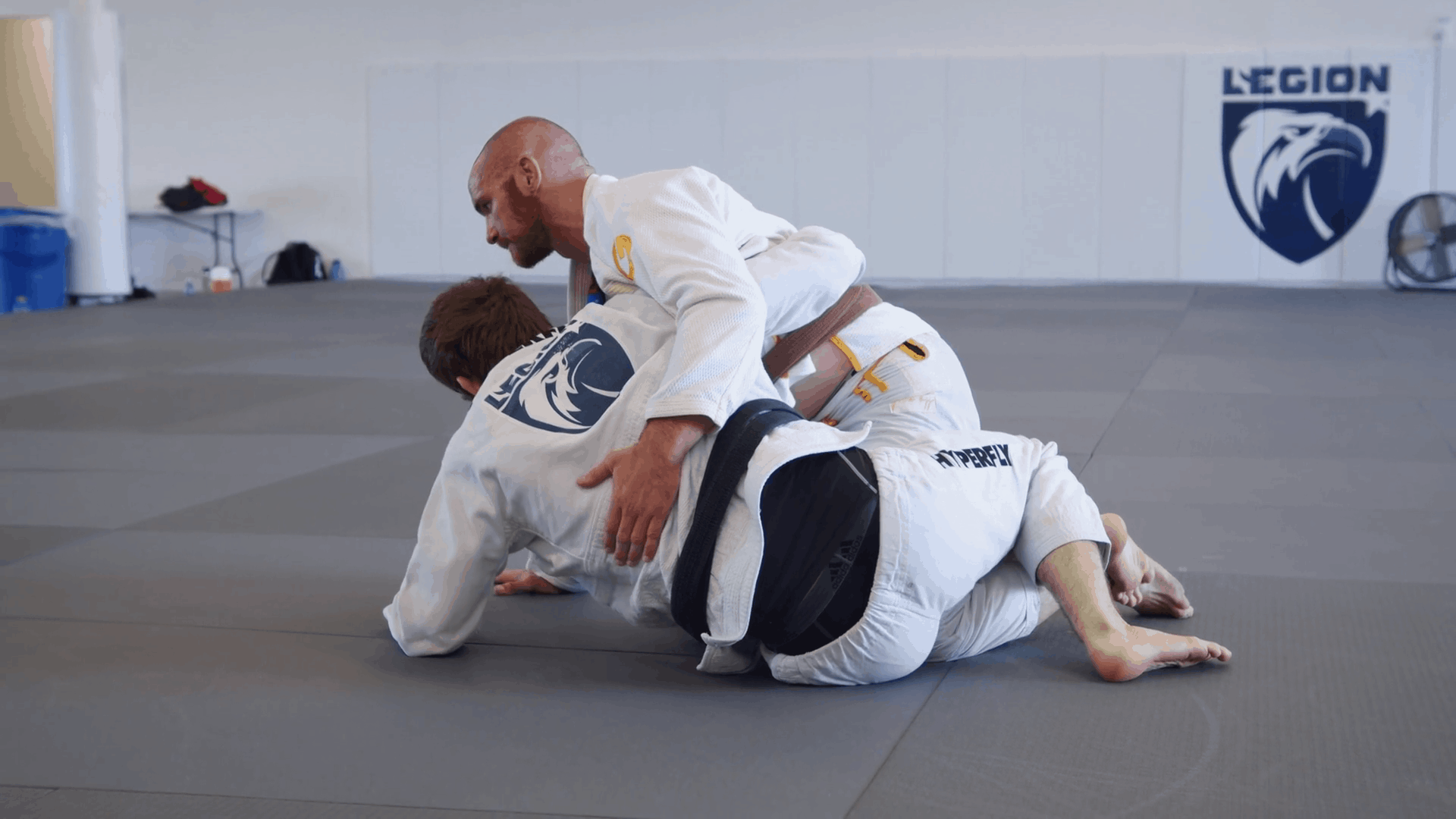
How Hard Is BJJ? An Honest Look at Starting Jiu-Jitsu
Quick answer: BJJ is genuinely hard — physically demanding and deeply humbling, especially in the first few months when you'll be tired, confused, and tapped constantly. But it's hard in a learnable way: it's built on technique over athleticism, you progress in small steps, and almost anyone who keeps showing up gets good. The difficulty is the point, and it's why the reward is so big.
"How hard is jiu-jitsu?" is one of the most common questions from people thinking about starting. The honest answer is that it's challenging — but in a way that's accessible to almost anyone willing to be a beginner. Here's a realistic look at what makes BJJ hard, and why that's actually its appeal.
The physical difficulty
BJJ is a full-contact grappling sport, so it asks a lot of your body, especially at first:
You'll get tired shockingly fast. Beginners burn enormous energy fighting everything at full strength. Your "mat cardio" feels terrible for the first month or two, then improves dramatically as you learn to relax.
You'll be sore in new places — grip, neck, hips, and the soles of your feet.
It's humbling against resistance. Unlike many workouts, your "opponent" is actively resisting, which is exhausting in a way the gym isn't.
The reassuring part: BJJ is designed around leverage and technique, not raw athleticism. You don't need to be fit, strong, or young to start — and your fitness improves quickly once you do.
The mental difficulty
For most people, the hardest part of BJJ isn't physical — it's mental:
You'll be bad at it for a while, and you'll get tapped constantly by people smaller than you. Checking your ego is the real challenge.
It's like learning a language. Early on, rolling feels like chaos. The "aha" moments come gradually, not all at once.
The blue-belt plateau is real. After the fast early progress, improvement slows and gets harder to see — which is where many people quit.
This humbling quality is exactly why people fall in love with it. BJJ is a physical chess match that humbles everyone equally, which makes the progress feel genuinely earned.
Why it's still doable for anyone
Despite the difficulty, BJJ is one of the most beginner-accessible martial arts:
You learn in small steps. Good gyms teach fundamentals in a logical order, and you can roll safely from early on thanks to the tap-out system.
Consistency beats talent. The single biggest predictor of progress isn't athleticism — it's just showing up two or three times a week.
Everyone started where you are. Every black belt was once a gassed-out, clueless white belt. You're not behind; you're on the normal path.
And no — you're not too old to start, and you don't need to be athletic. People of every age, size, and fitness level train successfully.
How long until it gets easier?
The brutal "drowning" feeling usually eases within the first few weeks to a couple of months, as you learn to breathe, relax, and survive. Real competence takes longer — but you'll feel meaningfully more capable within a few months of consistent training, and genuinely tough to handle within a year.
The takeaway
BJJ is hard — physically taxing and deeply humbling, especially early on. But it's hard in a learnable, rewarding way: built on technique over strength, learned in small steps, and accessible to anyone who keeps showing up and leaves their ego at the door. The difficulty isn't a reason to avoid it; it's the reason it's so worth doing.
Comparing it to other martial arts
People often ask how BJJ's difficulty compares to striking arts like boxing or Muay Thai. The honest answer is that they're hard in different ways. Striking demands timing, distance, and the willingness to be hit; BJJ demands patience, problem-solving, and comfort with being controlled in close quarters. What makes BJJ uniquely humbling is the live, full-resistance sparring you do almost every class — you can't fake your way through a roll the way you sometimes can shadow-drilling. That constant feedback is brutal early on but is exactly why BJJ practitioners improve so reliably: every session tests what actually works.
The hardest part is walking in
Find a beginner-friendly BJJ gym near you on Let's Roll → — look for a real fundamentals class and a welcoming room where being new is normal.
FAQ
Is BJJ hard to learn for beginners? Yes, especially the first few months — you'll be tired, confused, and tapped often. But it's built on technique over athleticism and learned in small steps, so almost anyone who trains consistently gets good.
Do I need to be fit or strong to start BJJ? No. BJJ rewards leverage and technique over strength, and your fitness improves quickly once you start. Beginners of every fitness level train successfully.
Why is BJJ so humbling? Because you spar against fully resisting partners, so a smaller, more skilled person can control you regardless of your size or strength. Checking your ego is the real challenge — and the real appeal.
How long until BJJ gets easier? The overwhelmed feeling usually eases within a few weeks to a couple of months. You'll feel meaningfully more capable within a few months and genuinely tough to handle within a year of consistent training.
Related Posts

Mikey Musumeci gives up the belt to make room for MMA
Musumeci is vacating his UFC BJJ title to focus on MMA training. What he is leaving, what continues, and why the transition matters.
IBJJF membership: finish the paperwork before the deadline
IBJJF membership and tournament entry are separate steps. Plan documents, professor approval, renewals, and junior accounts before registration closes.
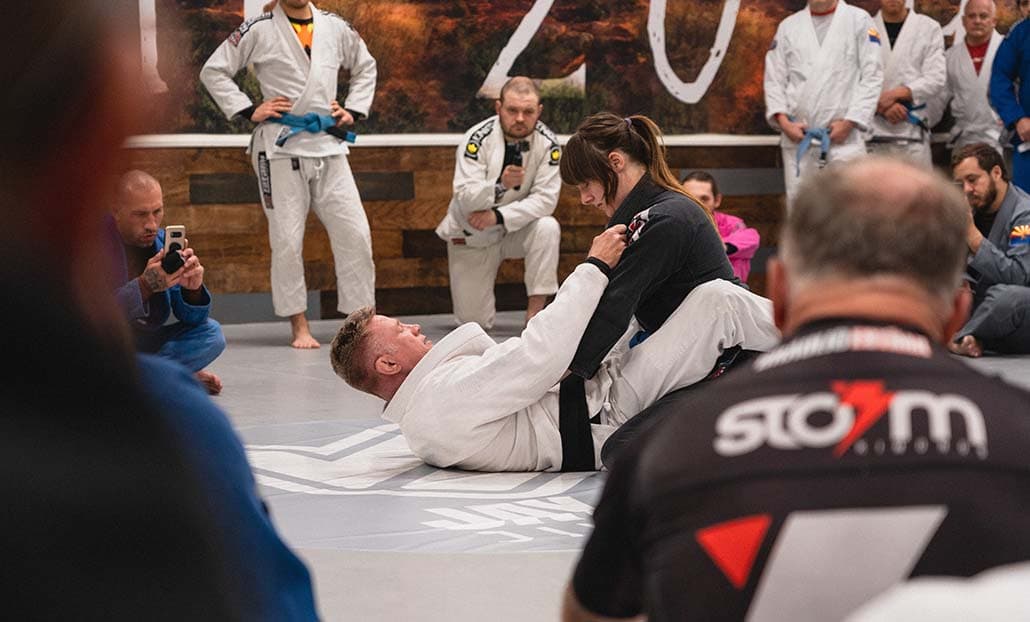
Choosing a BJJ seminar worth your time and travel
Choose a BJJ seminar by the subject, teaching format, access, and total cost. Know what to ask the host before buying a ticket.
Comments (0)
Loading comments...