
What to Wear to BJJ Class (Gi, No-Gi, and Your First Day)
Quick answer: For your first BJJ class, wear clean athletic shorts (no zippers or pockets) and a fitted t-shirt or rashguard — many gyms lend a gi for trials. For gi classes, wear a gi with a rashguard underneath; for no-gi, wear a rashguard with grappling shorts or spats. Always bring flip-flops/slides, water, and trimmed nails.
Walking into your first jiu-jitsu class is nerve-wracking enough without worrying you're dressed wrong. The good news: it's simple. Here's exactly what to wear for every situation, from a trial class to gi and no-gi training.
Your first / trial class
For a first or trial class, you usually don't need to own a gi yet:
If the gym lends or rents gis: they'll set you up — just wear shorts and a t-shirt underneath.
If it's no-gi or you have nothing: athletic shorts (ideally without zippers, buttons, or pockets, which scratch and catch fingers) and a fitted t-shirt or rashguard. Avoid loose cotton that rips and bunches.
Two non-negotiables regardless: clean clothes and trimmed finger- and toenails. You'll be in close contact with strangers, and long nails cause most beginner cuts.
What to wear for gi classes
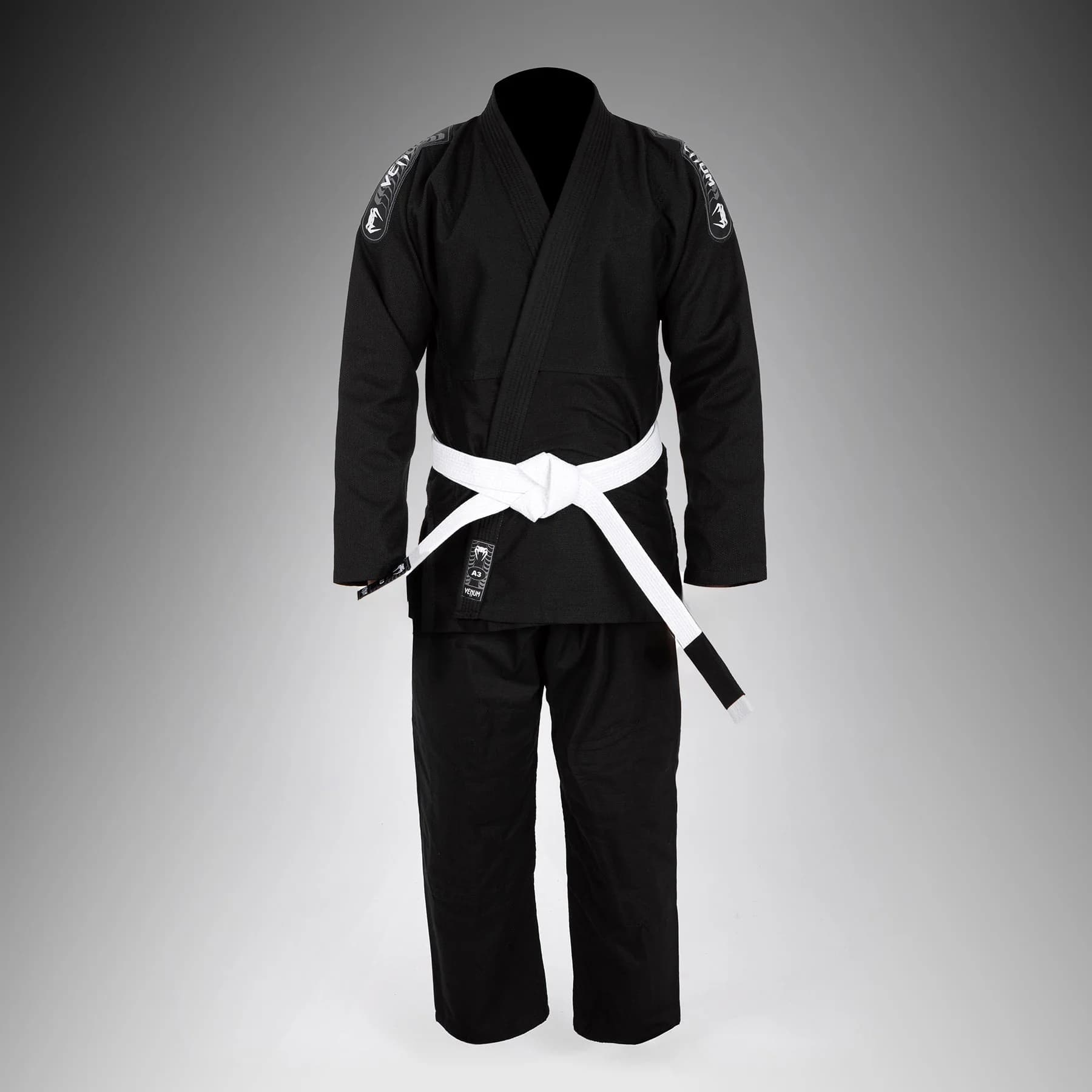
In a gi class you wear the traditional uniform: the jacket, pants, and belt. Underneath the jacket, wear a rashguard or a fitted athletic shirt (many gyms require a rashguard under the gi, and it's required for women at most gyms). The rashguard protects your skin, manages sweat, and adds a hygiene layer. Don't have a gi yet? See our guide to choosing a BJJ gi.
What to wear for no-gi classes
No-gi training ditches the uniform for tighter, grippier athletic wear:
A rashguard (short or long sleeve) — fitted so it can't be grabbed or bunched.
Grappling shorts (without pockets or zippers) and/or spats (grappling leggings).
Many people wear spats under shorts for skin protection and warmth.
The key is fitted, snug clothing. Loose gym clothes get tangled, grabbed, and torn, and they're a safety and hygiene issue.
What to bring (and avoid)
Bring:
Slides or flip-flops — you wear these any time you step off the mat (especially to the bathroom). Never walk barefoot off the mat.
Water and a small towel.
A spare rashguard if you sweat heavily.
Avoid:
Jewelry — rings, necklaces, earrings, and watches all come off before training.
Pockets, zippers, and buttons — they catch fingers and scratch.
Anything you don't mind getting sweaty — and never re-wear unwashed gear.
A note on hygiene
Whatever you wear, wash it after every session. BJJ is close-contact, so clean gear (and clean skin) protects you and your partners from skin infections. For the full routine on the uniform, see how to wash a BJJ gi.
The takeaway
For your first class, clean athletic shorts and a fitted shirt or rashguard will do — many gyms lend a gi for trials. Once you're training regularly, wear a gi with a rashguard for gi classes, and a rashguard with shorts or spats for no-gi. Keep it fitted, keep it clean, trim your nails, and bring slides and water. Dress right and you can stop thinking about it and focus on learning.
A quick word on buying your first gi
Once you've taken a class or two and know you'll stick with it, you'll want your own gi (for gi schools). Don't overthink it: a basic, durable, IBJJF-legal white, blue, or black gi from a reputable brand is perfect for beginners. Check your gym's rules first — some academies require a specific color or carry their own branded gi. Buy one or two so you always have a clean one ready, since you'll wash after every session.
Common beginner mistakes
A few things trip up newcomers: wearing baggy basketball shorts with pockets (fingers catch and tear them), forgetting slides and walking to the bathroom barefoot (a hygiene problem), showing up in a dirty gi or rashguard, and leaving jewelry on. Avoid those and you'll fit right in from day one.
Ready to walk in?
Find a BJJ gym near you on Let's Roll → — many offer free trials and lend gis, so you can show up in shorts and a t-shirt and try it out.
FAQ
What should I wear to my first BJJ class? Clean athletic shorts (no zippers or pockets) and a fitted t-shirt or rashguard. Many gyms lend a gi for trials. Bring slides and water, and trim your nails.
Do I need a gi for my first class? Usually not — most gyms lend or rent gis for trials, or run no-gi classes where you wear a rashguard and shorts. Take a class or two before buying your own.
What do you wear for no-gi BJJ? A fitted rashguard (short or long sleeve) with grappling shorts and/or spats. Snug, grippy clothing without pockets or zippers.
Can I wear regular gym clothes to BJJ? Loose cotton t-shirts and pocketed shorts aren't ideal — they tear, bunch, and catch fingers. A rashguard and pocketless shorts are safer and more hygienic.
Related Posts

Mikey Musumeci gives up the belt to make room for MMA
Musumeci is vacating his UFC BJJ title to focus on MMA training. What he is leaving, what continues, and why the transition matters.
IBJJF membership: finish the paperwork before the deadline
IBJJF membership and tournament entry are separate steps. Plan documents, professor approval, renewals, and junior accounts before registration closes.
Choosing a BJJ seminar worth your time and travel
Choose a BJJ seminar by the subject, teaching format, access, and total cost. Know what to ask the host before buying a ticket.
Comments (0)
Loading comments...