
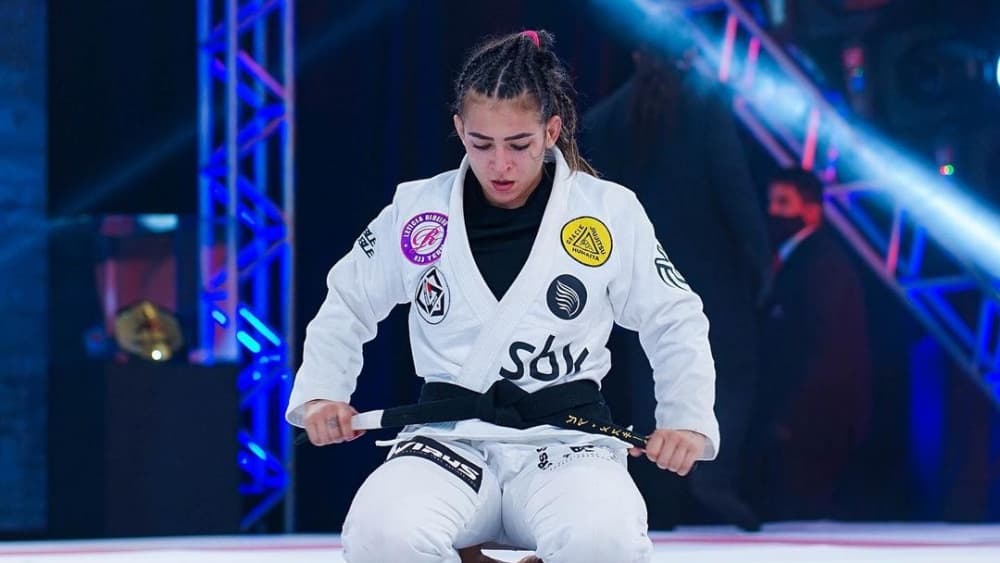
BJJ for Women: A Beginner's Guide to Starting
Quick answer: BJJ is one of the best martial arts for women — it's built so a smaller person can control a larger one, it's practical self-defense, and it builds serious confidence and fitness. You don't need to be athletic to start. Look for a welcoming gym with other women training and a real fundamentals class, wear a rashguard under your gi, and give it a few weeks before judging.
Brazilian jiu-jitsu is booming among women, and for good reason: it's the rare martial art specifically designed around leverage over strength, which makes it genuinely effective for a smaller person against a larger one. If you've been curious but a little intimidated, here's an honest, encouraging guide to starting.
Why BJJ is great for women
The core premise of BJJ — that technique and leverage beat size and strength — is exactly why it's so valuable for women:
Real self-defense. BJJ teaches you to control and neutralize a bigger, stronger person from the positions where real assaults often happen, without needing to strike.
Confidence that carries off the mat. Handling pressure calmly on the mat translates into real-world composure.
Fitness and stress relief. It's an incredible full-body workout that doesn't feel like a workout, plus a genuine mental reset.
Community. The women's BJJ community is famously supportive, and many gyms now have thriving groups of women training together.
What to expect when you start
You'll be close to your training partners — BJJ is a contact sport — and the first few weeks feel awkward for everyone, regardless of gender. You'll get tapped, feel uncoordinated, and gas out fast. That's universal and temporary. What matters is showing up consistently; the awkwardness fades within a few weeks, and the white belt phase is something every single person on the mat went through.
Training in a male-dominated gym
Many gyms still skew male, which can feel intimidating at first. A few things help:
A good gym makes it a non-issue. Respectful, control-focused training is the norm at quality academies, and coaches set that tone.
You can communicate your comfort level. It's completely fine to tell a partner to go lighter, or to prefer certain training partners while you're new.
Look for other women on the mat. A gym with several women training — or a dedicated women's class — is a great sign.
Trust your gut. If a gym's culture feels off on your first visit, try another. You're interviewing them as much as they're welcoming you.
What to wear
For gi classes, wear a rashguard or fitted athletic top under your gi (many gyms require a rashguard under the jacket for women) plus shorts or leggings if you like. For no-gi, a rashguard and leggings or shorts. Bring slides for off the mat, water, and keep your nails trimmed. Our BJJ gear for beginners guide covers the rest.
Finding the right gym
The gym matters more than anything. Look for a welcoming vibe, a real fundamentals/beginners' class, visible women and mixed ages on the mat, and a culture of controlled rolling where upper belts flow with beginners instead of smashing them. Take a free trial at a couple of places and compare — see our guide on how to find a BJJ gym near you.
The takeaway
BJJ is one of the most empowering, practical things a woman can learn — built around leverage, effective for self-defense, and backed by a supportive community. You don't need to be athletic or fearless to start; you just need to walk in, give it a few weeks, and pick a welcoming gym. The hardest part is the first class.
Common worries, answered
A few concerns come up again and again, and all of them are normal. "I'm not flexible or fit enough" — you don't need to be; that's what training builds. "I'll be the only woman" — increasingly untrue, and a good gym makes it a non-issue; look for one with a women's class. "I'll get hurt" — injury risk is low when you tap early and train at quality gyms with controlled rolling. The biggest hurdle is almost always the first class, not the sport itself. Walk in once, and most of the anxiety disappears.
Find a welcoming gym near you
Search BJJ gyms near you on Let's Roll → — look for gyms with women's classes and beginner programs, and read the community's notes before you visit.
FAQ
Do I need to be fit or athletic to start BJJ? No. BJJ is built on technique and leverage, not athleticism, and your fitness improves quickly once you start. Beginners of every fitness level train successfully.
What should women wear for BJJ? A rashguard or fitted top under the gi (often required), plus shorts or leggings. For no-gi, a rashguard with leggings or shorts. Bring slides and keep nails trimmed.
Is it weird training with men? It feels new at first, but at a good gym respectful, control-focused training is the norm. You can always ask partners to go lighter, and gyms with other women are a great sign.
Is BJJ good self-defense for women? Yes — it's designed for a smaller person to control a larger one from the ground and clinch, which is exactly where real self-defense situations often go.
Related Posts

Mikey Musumeci gives up the belt to make room for MMA
Musumeci is vacating his UFC BJJ title to focus on MMA training. What he is leaving, what continues, and why the transition matters.
IBJJF membership: finish the paperwork before the deadline
IBJJF membership and tournament entry are separate steps. Plan documents, professor approval, renewals, and junior accounts before registration closes.
Choosing a BJJ seminar worth your time and travel
Choose a BJJ seminar by the subject, teaching format, access, and total cost. Know what to ask the host before buying a ticket.
Comments (0)
Loading comments...