
How to Escape Mount and Side Control (Beginner Escapes That Work)
Quick answer: The two escapes every beginner needs are the bridge-and-roll (upa) and the elbow escape (shrimp) from mount, and framing and shrimping back to guard from side control. The principles behind them — frames, hip movement, and not panicking — matter more than memorizing steps. Survive first; escapes are how you stop losing before you start winning.
In BJJ, you'll spend a lot of early time stuck under bigger people. Learning to escape mount and side control is the single most valuable beginner skill, because it turns "getting smashed" into "calmly working back to a fair fight." Here are the escapes that actually work, and why.
First: the principles that make escapes work
Before the moves, three ideas underpin every escape:
Frames. Frames are using your forearms and shins like rigid posts to create space between you and your opponent. You can't muscle a bigger person off you, but you can wedge space with structure.
Hip movement (shrimping). Almost every escape uses a hip escape — pushing off your feet to angle your hips away and create room. It's the most important movement in BJJ.
Stay calm and breathe. Panic burns your energy and tightens you up. The calm person escapes; the frantic one gases out and gets submitted.
Escaping the mount
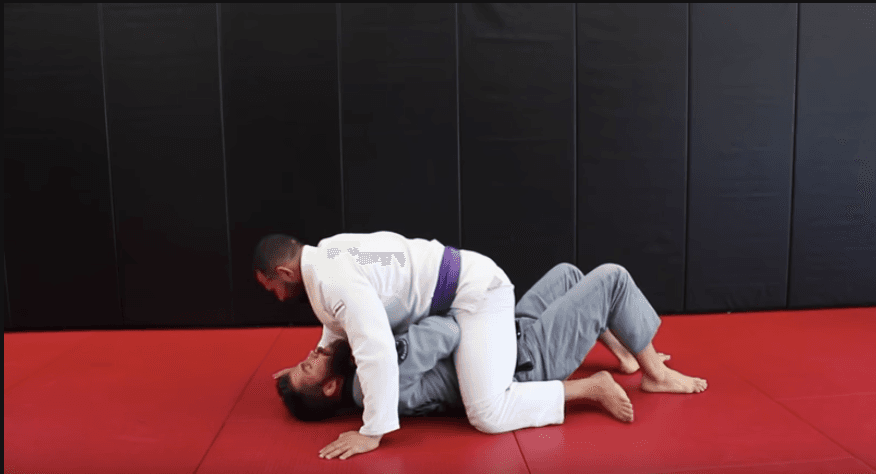
1. The bridge-and-roll (upa). When your opponent is mounted and posts or commits their weight forward, trap one of their arms and the same-side foot, then bridge explosively over that shoulder and roll them. Done right, you end up in their guard, having completely reversed the position. It works best when they're heavy and high on your chest.
2. The elbow escape (shrimp out). When you can't bridge them over, use the elbow escape: frame on their hips, shrimp your hips out to one side, and slide a knee through to recover half guard or guard. Most beginners alternate between the bridge and the elbow escape depending on how their opponent reacts — if they post to stop the bridge, you shrimp; if they flatten to stop the shrimp, you bridge.
Escaping side control
Side control is heavy and frustrating, but escapable with frames and hips:
1. Frame and shrimp to guard. Establish frames — typically a forearm into their neck/shoulder and a hand on their hip — to create space, then shrimp your hips away and slide your knee in to recover guard. This is the bread-and-butter side control escape.
2. Get to your knees (granby/turn-in). When framing to guard isn't there, you can sometimes turn in toward your opponent and come up to your knees, then work to stand or take their back. Be careful not to give up your back doing this.
The key in both is to fight to recover guard or get up before they advance to mount. Side control is bad; mount is worse, so don't let them climb the positional ladder.
How to drill escapes
Escapes only become reflexes through repetition under pressure. Ask a training partner to hold you in mount and side control and try to escape repeatedly — a drill often called "positional sparring." Start with them at 50% resistance and increase as you improve. This focused practice beats hoping the escape shows up during a full roll.
The takeaway
Master the bridge-and-roll and elbow escape from mount, and framing-and-shrimping from side control, and you'll stop spending entire rolls getting crushed. Remember the principles — frames, hips, and calm breathing — matter more than the exact steps. In BJJ, learning not to lose comes before learning to win, and escapes are how you do it.
Don't trade a bad position for a worse one
A common beginner mistake while escaping is giving up your back. When you turn away from your opponent to escape side control or mount — turning belly-down or rolling away — you often hand them your back, which is the worst position in BJJ. The rule of thumb: escape by turning toward your opponent and recovering guard, not by turning away and exposing your back. If you only remember one safety principle while escaping, make it this one: never turn your back to create space.
Drill these at a great gym
Find a BJJ gym near you on Let's Roll → — look for a fundamentals class that teaches escapes and positional sparring, not just submissions.
FAQ
What's the most important BJJ escape for beginners? The elbow escape (shrimp) from mount, because the hip-escape movement underpins nearly every other escape in the sport.
Why can't I escape bigger people? Usually because you're trying to muscle them instead of using frames and hip movement. Create space with structure, then move your hips — strength alone won't work against a heavier opponent.
Should I learn escapes or submissions first? Escapes first. A beginner who can survive and escape bad positions improves faster and trains more safely than one who only hunts submissions.
What is "shrimping" in BJJ? Shrimping (the hip escape) is pushing off your feet to angle your hips away from your opponent, creating the space needed to escape or recover guard. It's the foundational BJJ movement.
Related Posts

Mikey Musumeci gives up the belt to make room for MMA
Musumeci is vacating his UFC BJJ title to focus on MMA training. What he is leaving, what continues, and why the transition matters.
IBJJF membership: finish the paperwork before the deadline
IBJJF membership and tournament entry are separate steps. Plan documents, professor approval, renewals, and junior accounts before registration closes.
Choosing a BJJ seminar worth your time and travel
Choose a BJJ seminar by the subject, teaching format, access, and total cost. Know what to ask the host before buying a ticket.
Comments (0)
Loading comments...