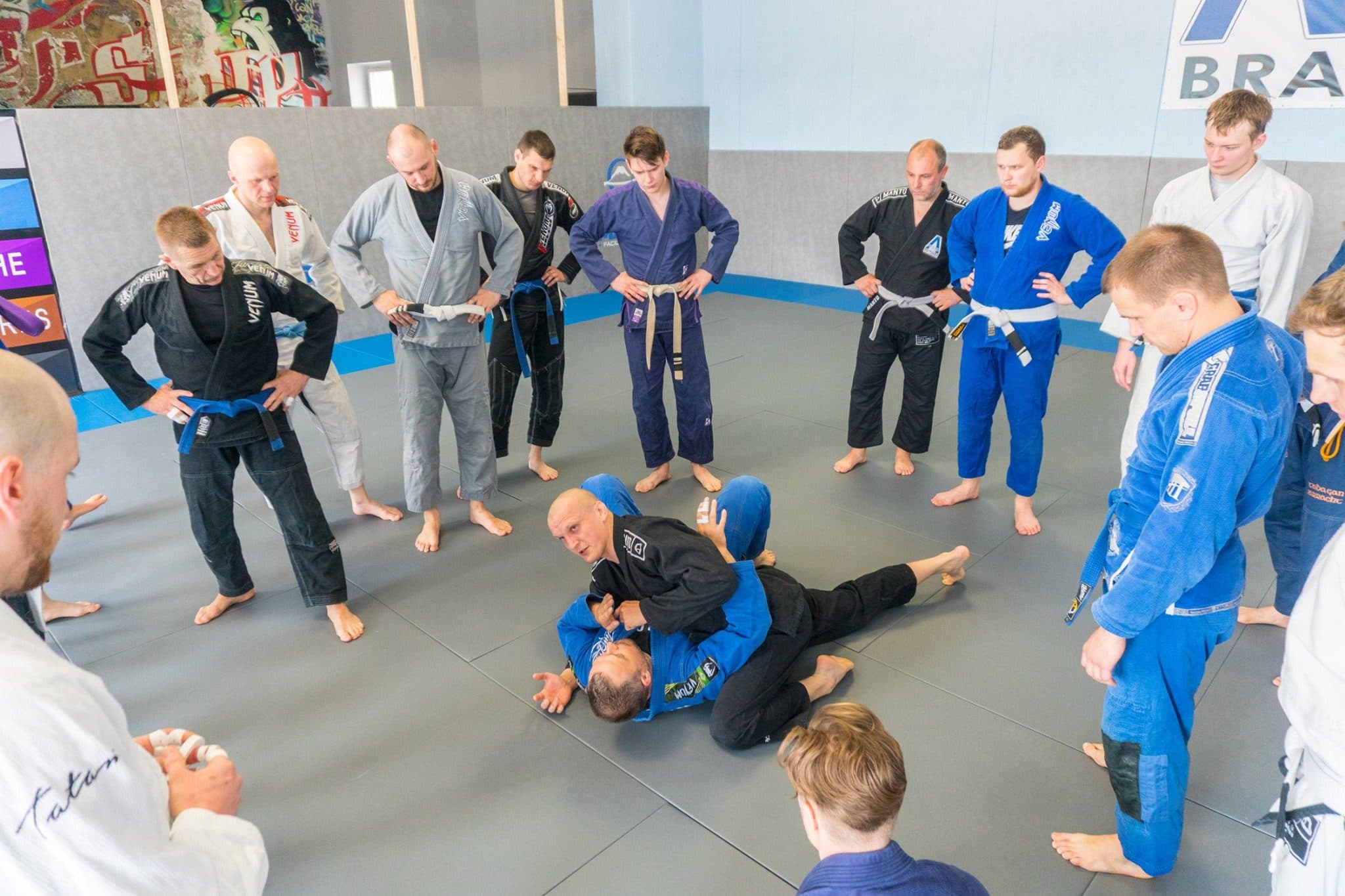
Training
Training BJJ in another language starts before the first grip
Train BJJ abroad with clearer communication: arrange the visit, agree on stop signals, understand each task, and ask useful questions.
Owen Bellamy8 min read

Training, technique, and the culture of Brazilian Jiu-Jitsu
354 articles
Train BJJ abroad with clearer communication: arrange the visit, agree on stop signals, understand each task, and ask useful questions.
BJJ is often called physical chess. The comparison helps with planning—and gets less reliable once both people start moving at once.
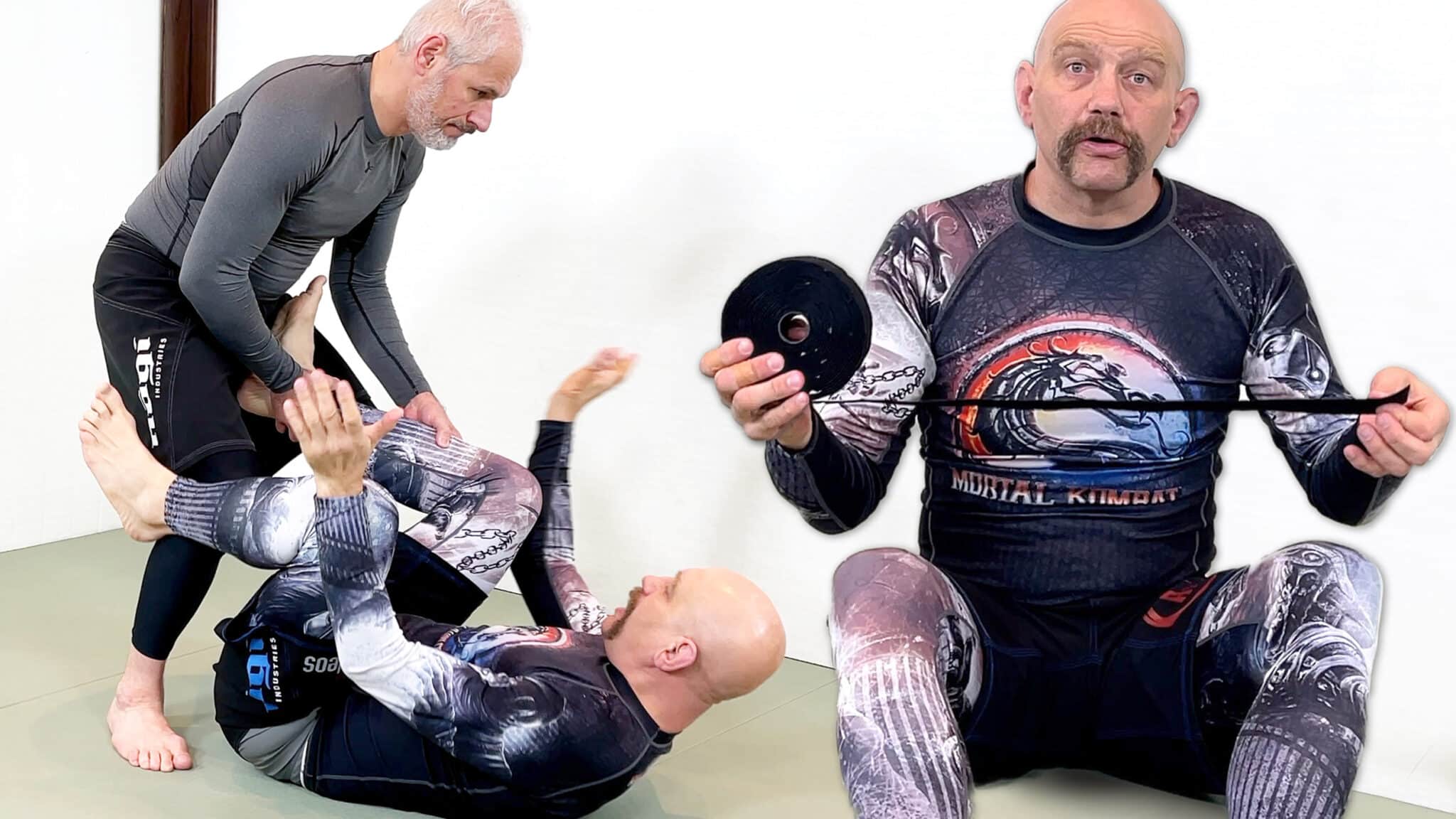
Understand the space elbow-knee connection protects in BJJ, how to practice it, and when a passing problem requires a different response.
Bridge BJJ drilling and live rounds with clear starting positions, realistic partner responses, and practice focused on the missing decision.
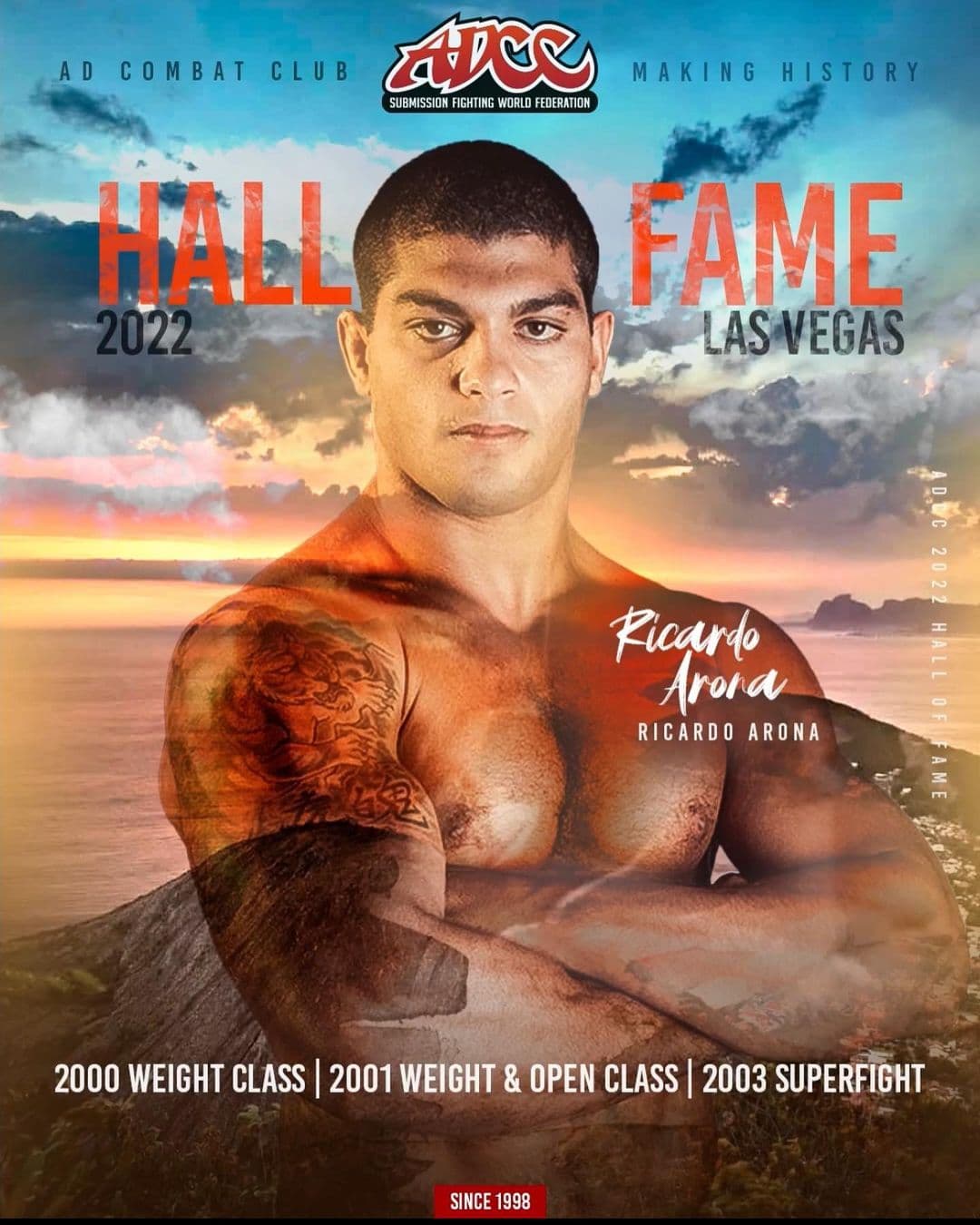
Ricardo Arona’s ADCC titles make more sense when you separate the division, absolute, and superfight results.

A practical plan for rail travel to BJJ: class confirmation, return trains, a manageable bag, and wet gear on the way home.
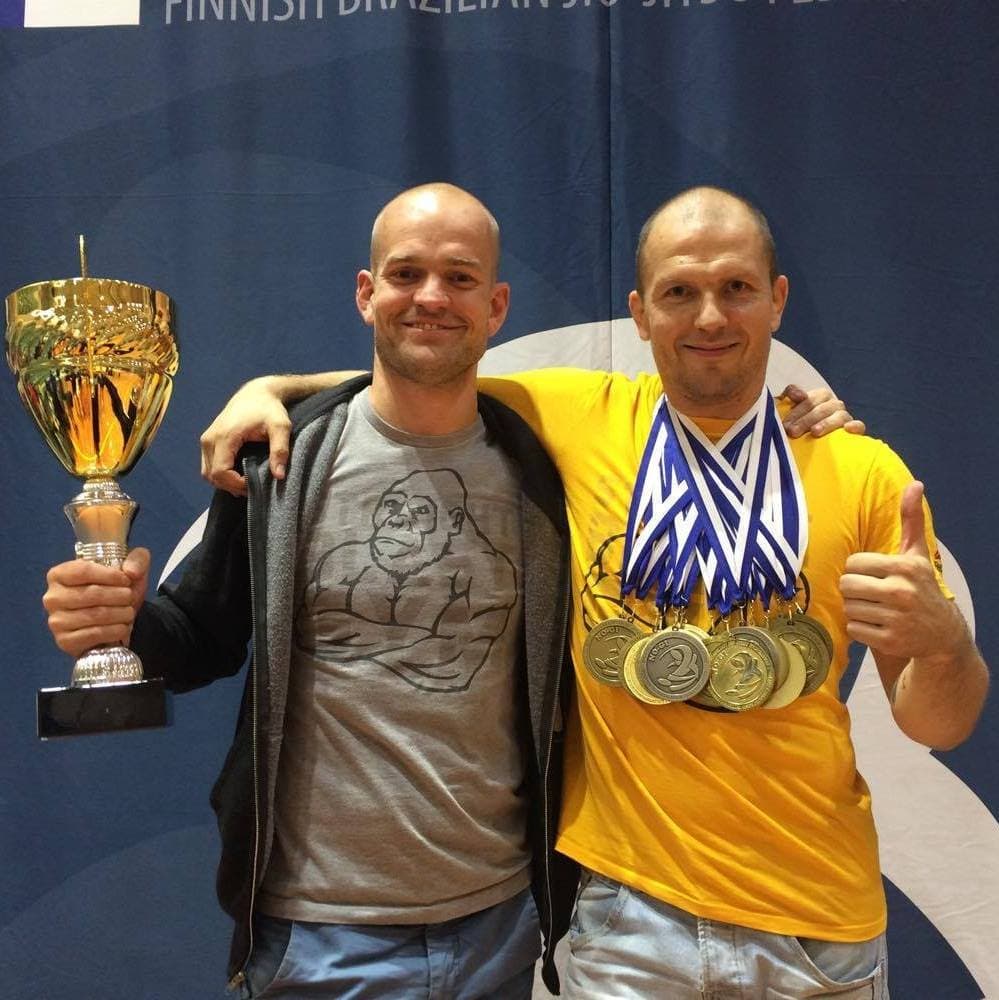
How to read BJJ team standings without confusing medal totals, event trophies, academy names, and season rankings.
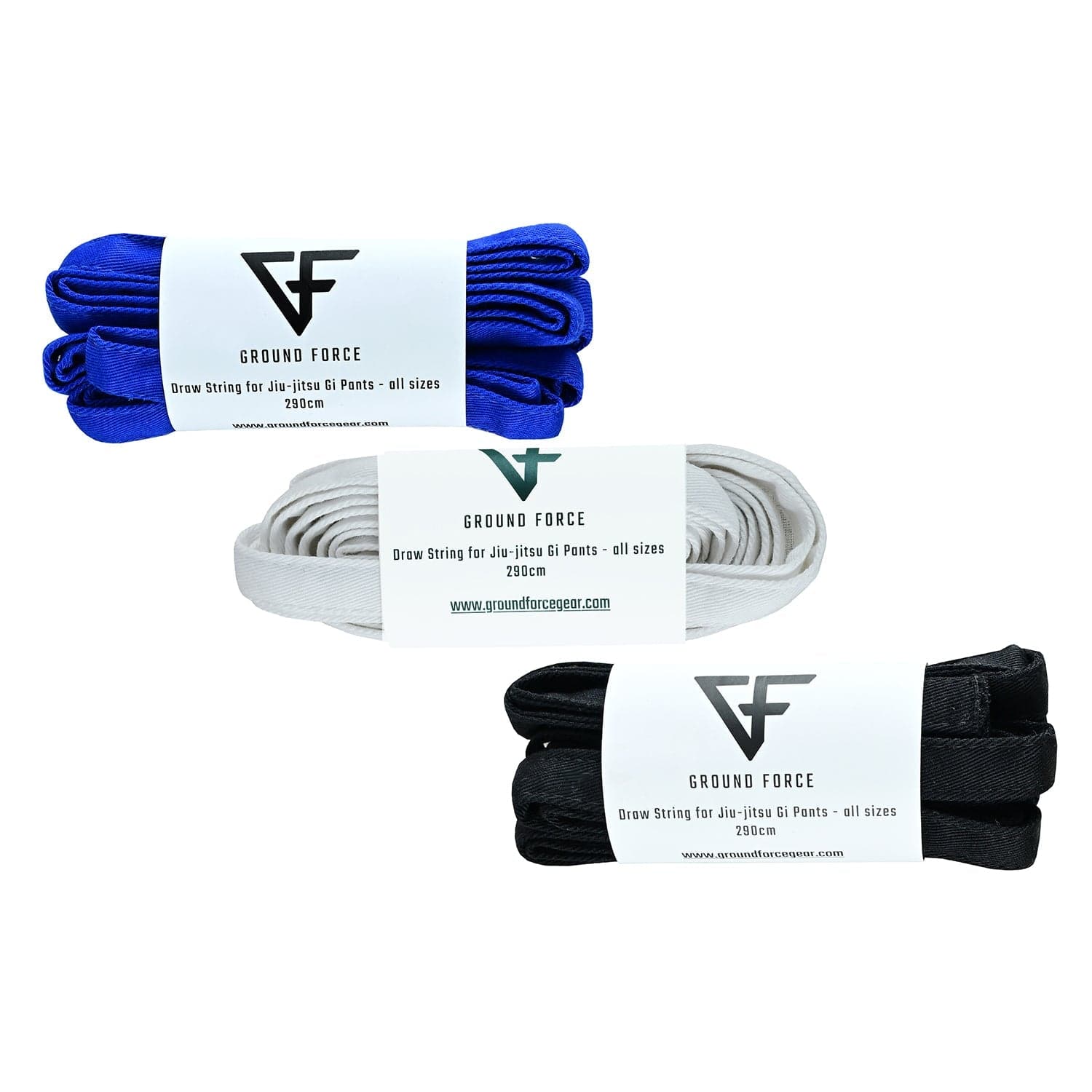
Fix slipping gi pants, awkward knots, and missing drawstrings by checking fit, routing, and compatible replacements first.
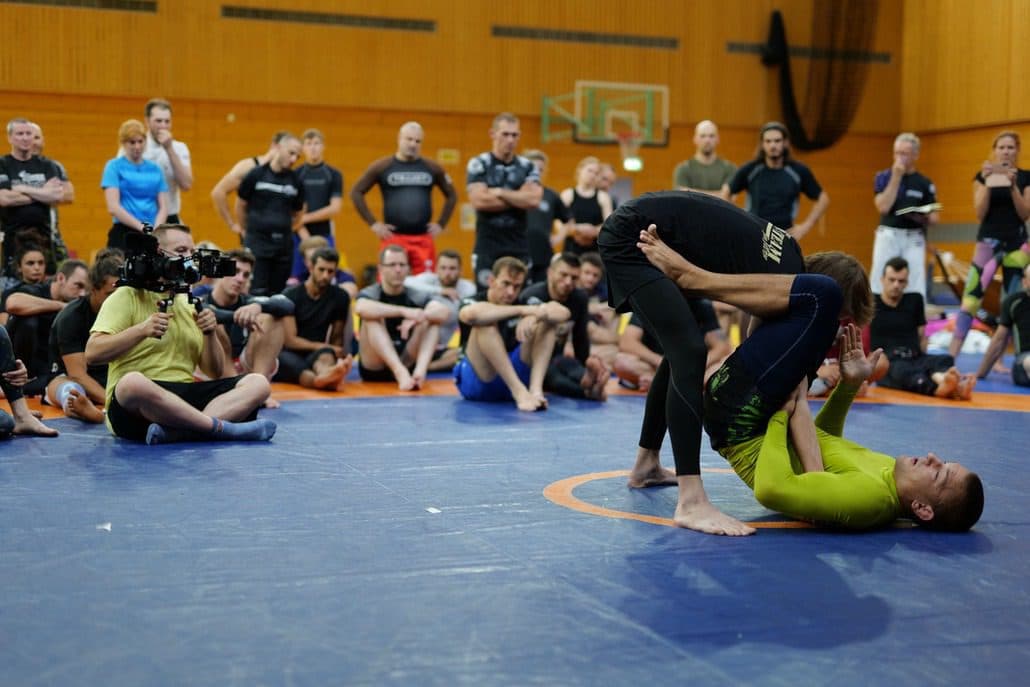
How to help a BJJ demonstration work: useful resistance, clear reactions, safety signals, and room to learn the move yourself.
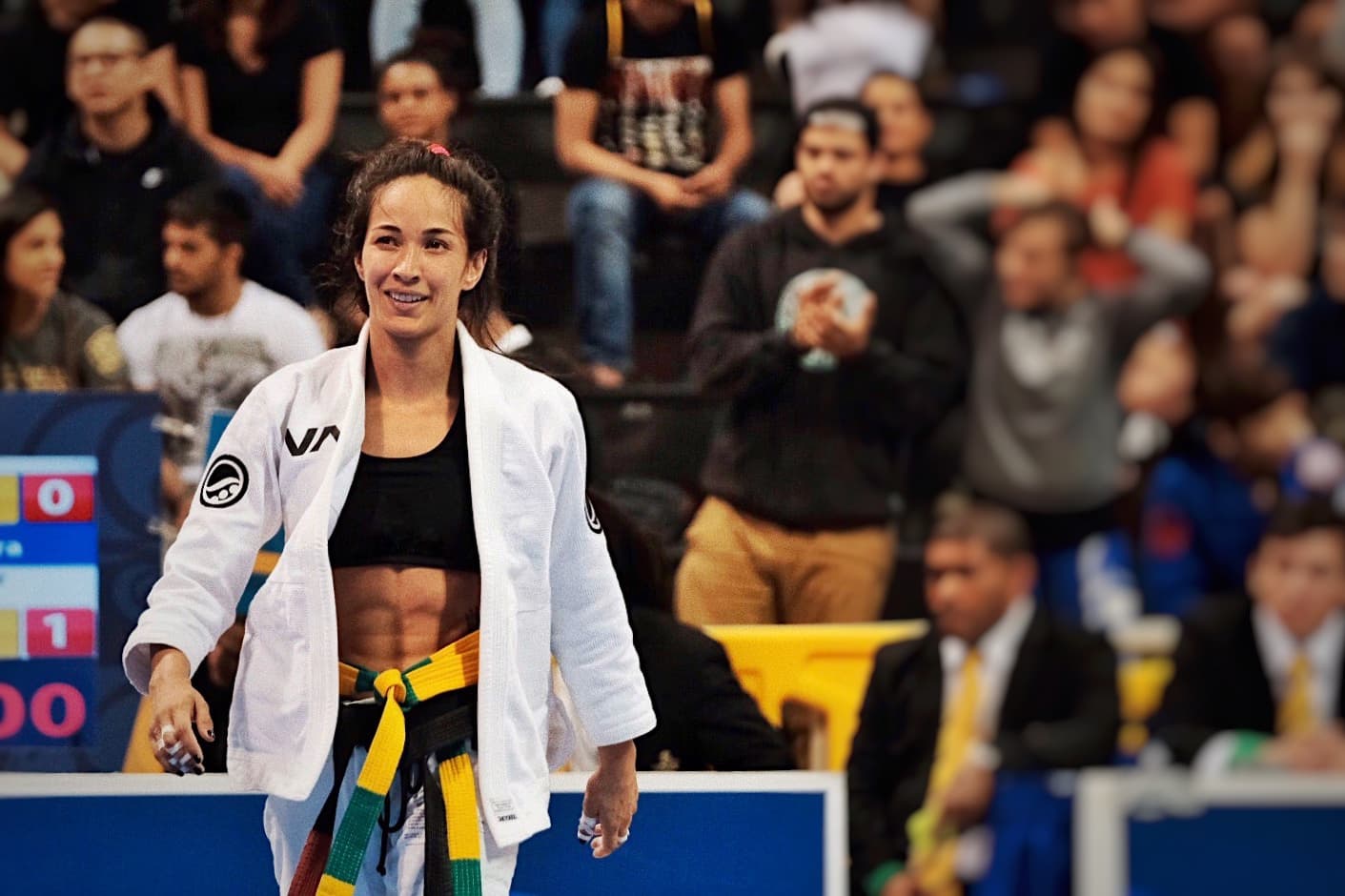
Three world titles, a silver in between, and a famous Polaris armbar: a fuller introduction to Gezary Matuda.

Plan BJJ on vacation around clean, dry gear: hotel laundry questions, laundromat timing, care labels, and the final class before checkout.
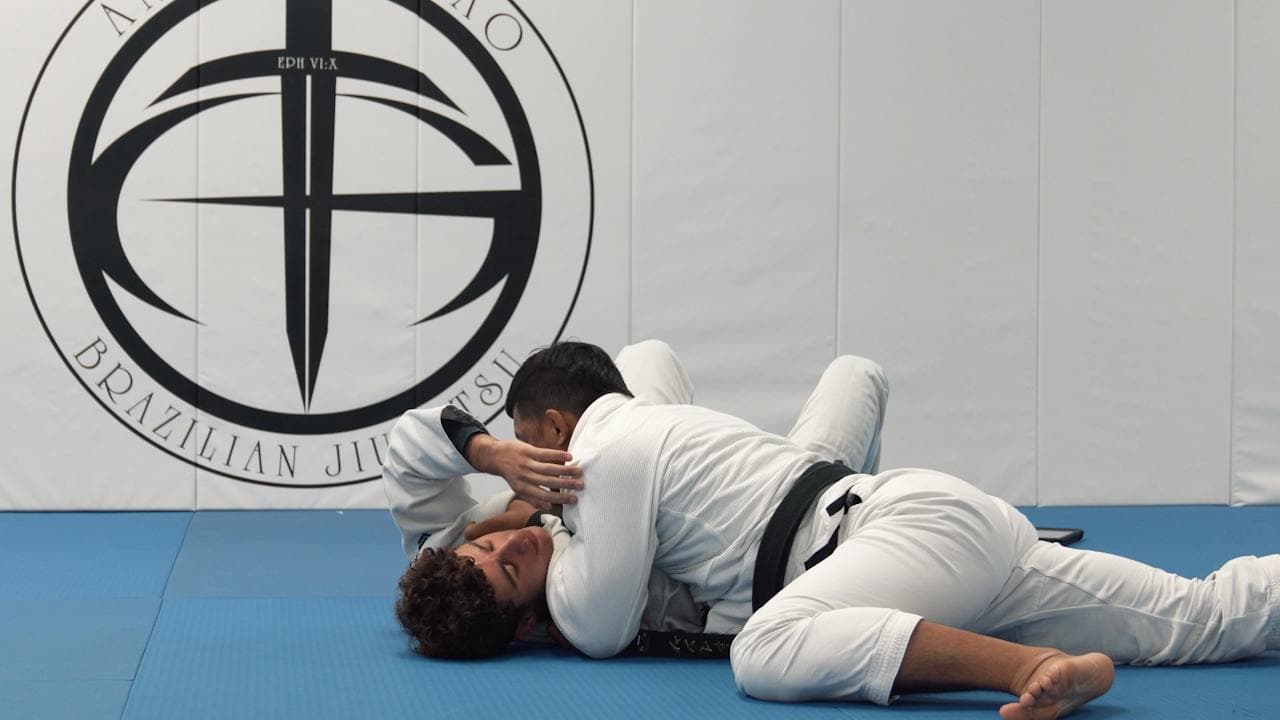
Keep control through a side-control switch by studying the starting hold, the space in between, and the position you arrive in.
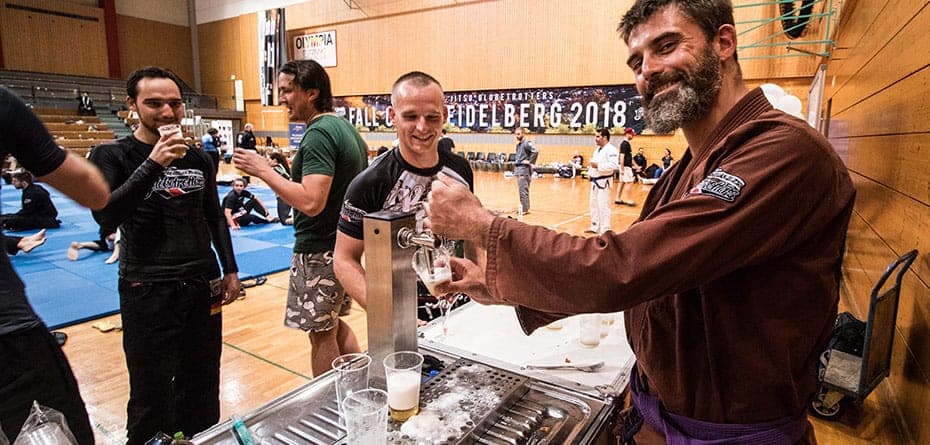
Thoughtful ways to thank a BJJ coach without expensive expectations, awkward collections, or a gift that asks for something back.
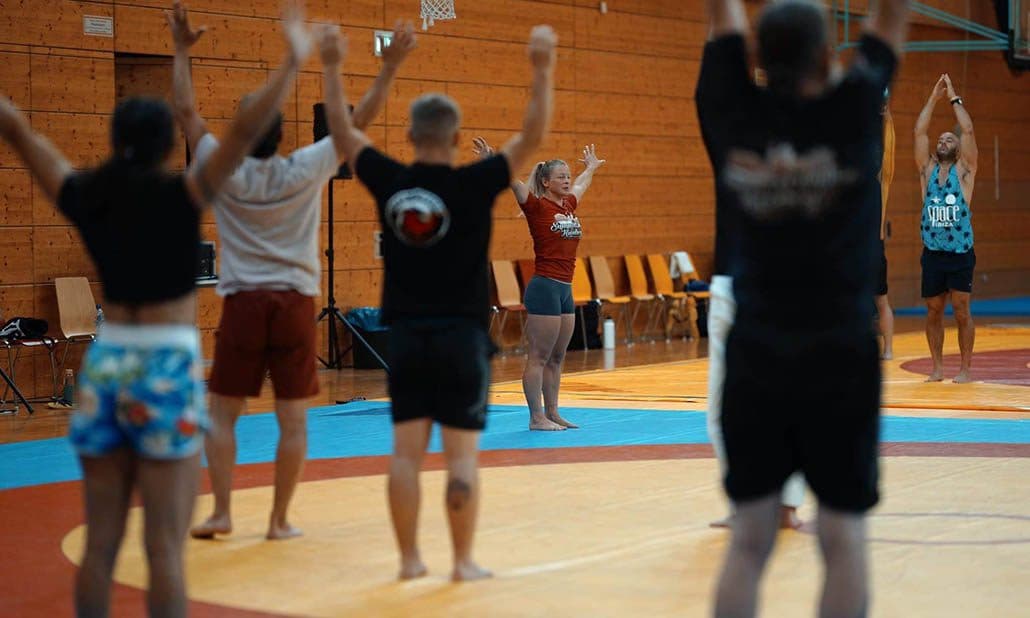
How experienced BJJ students can get useful work from fundamentals without taking over the lesson or overloading a newer partner.
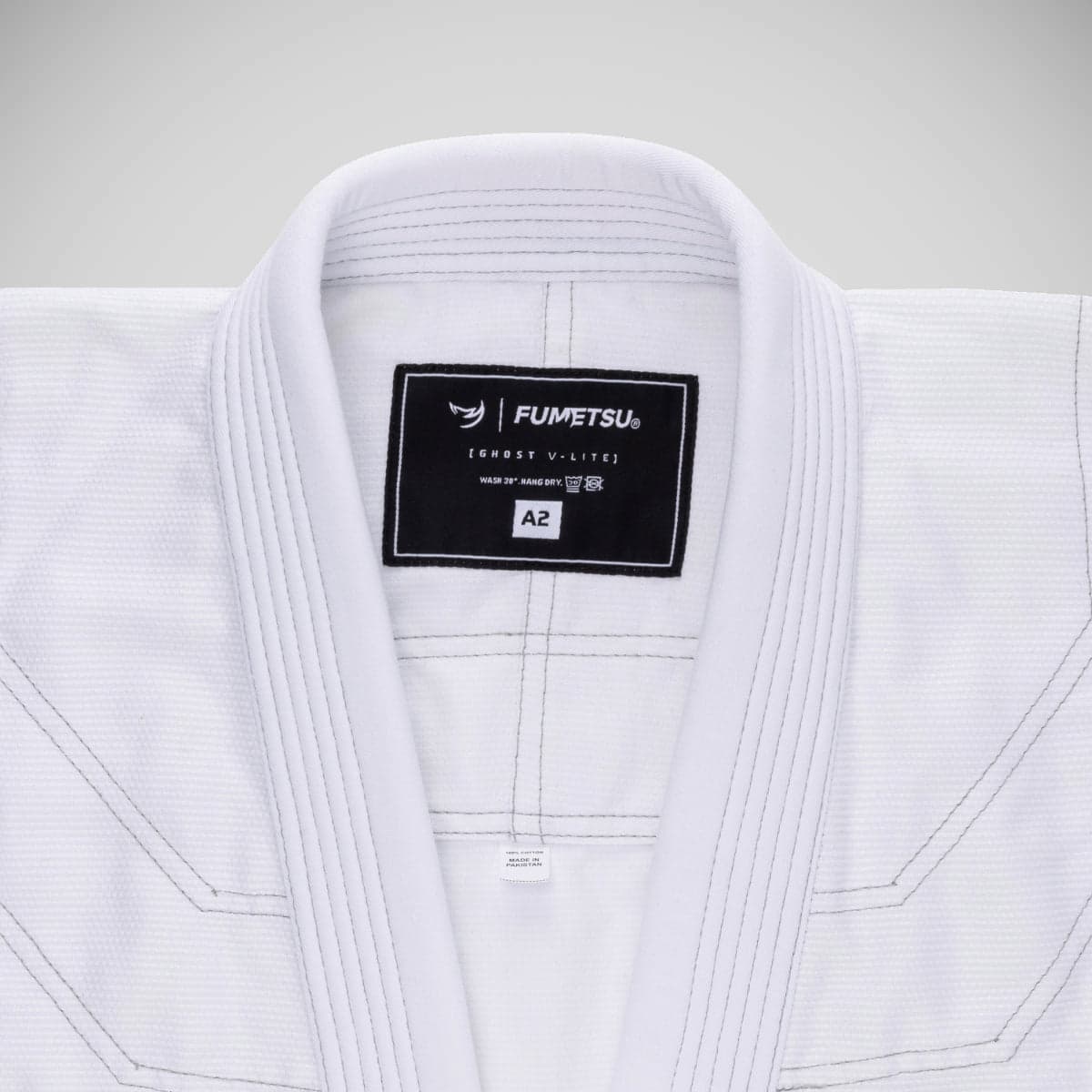
Look beyond collar stiffness when choosing a BJJ gi: fit, care, wear, competition rules, and the limits of product photos.
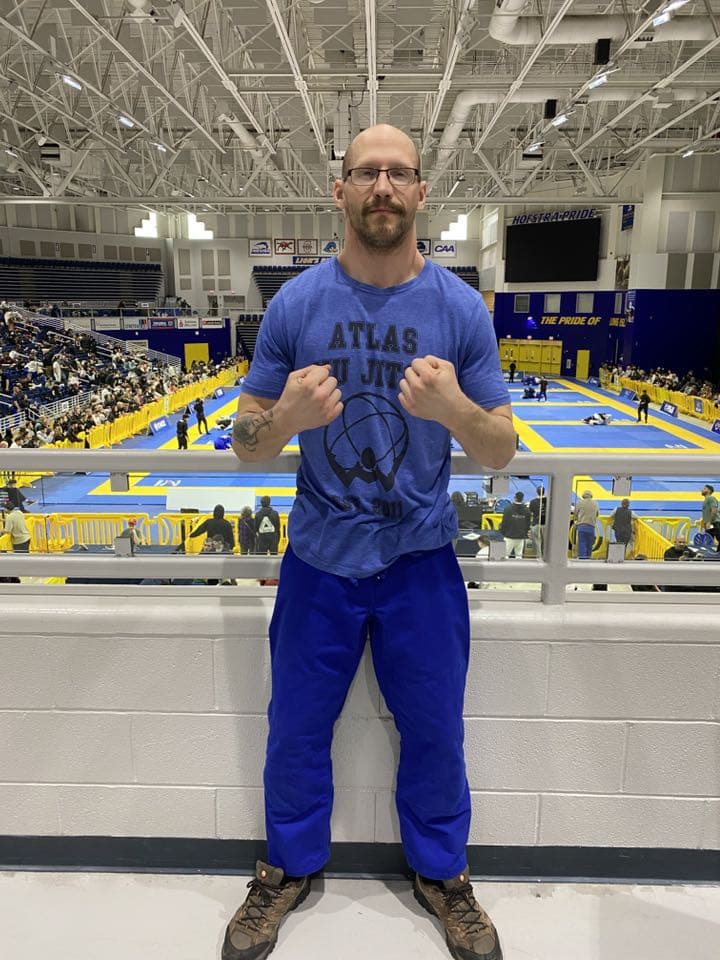
A simple routine for the time between BJJ matches: bracket updates, equipment, clear coaching, and staying ready for the next call.
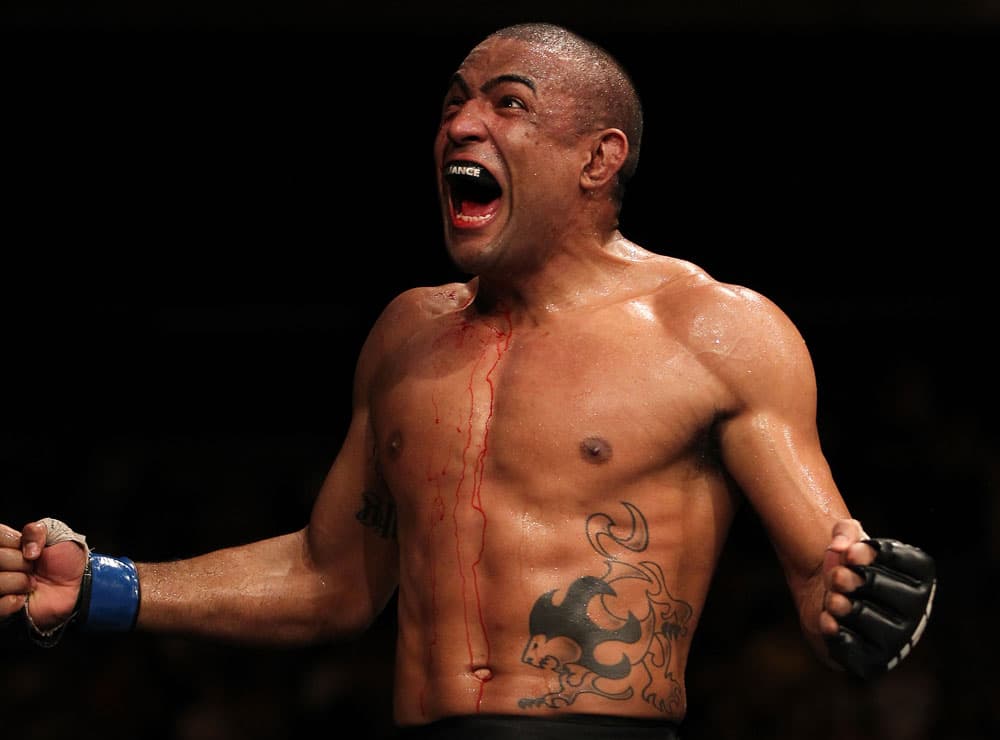
Before the UFC, Sérgio Moraes won two named IBJJF world titles. His contemporary interviews show the work behind the next phase.

Fit BJJ into a shared holiday without making nontraining friends organize their days around your class schedule.
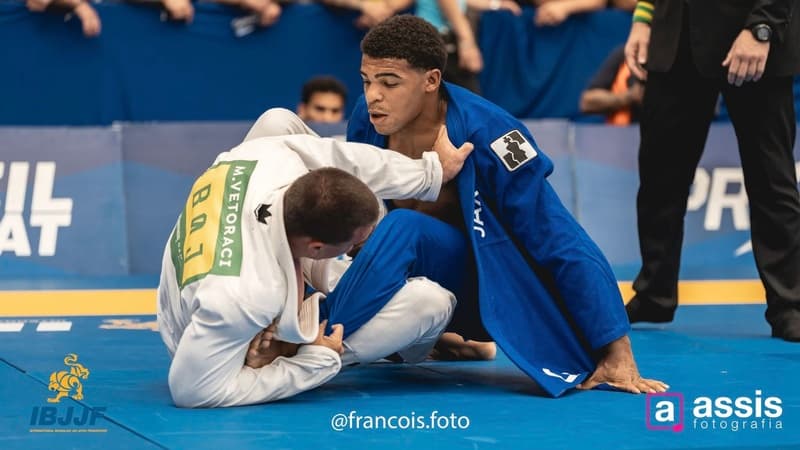
Make the toreando more than a race around the feet: learn its distance, grips, angle, and controlled finish against guard recovery.

Start a low-pressure reading group with BJJ teammates: accessible choices, useful questions, and a conversation outside the belt hierarchy.
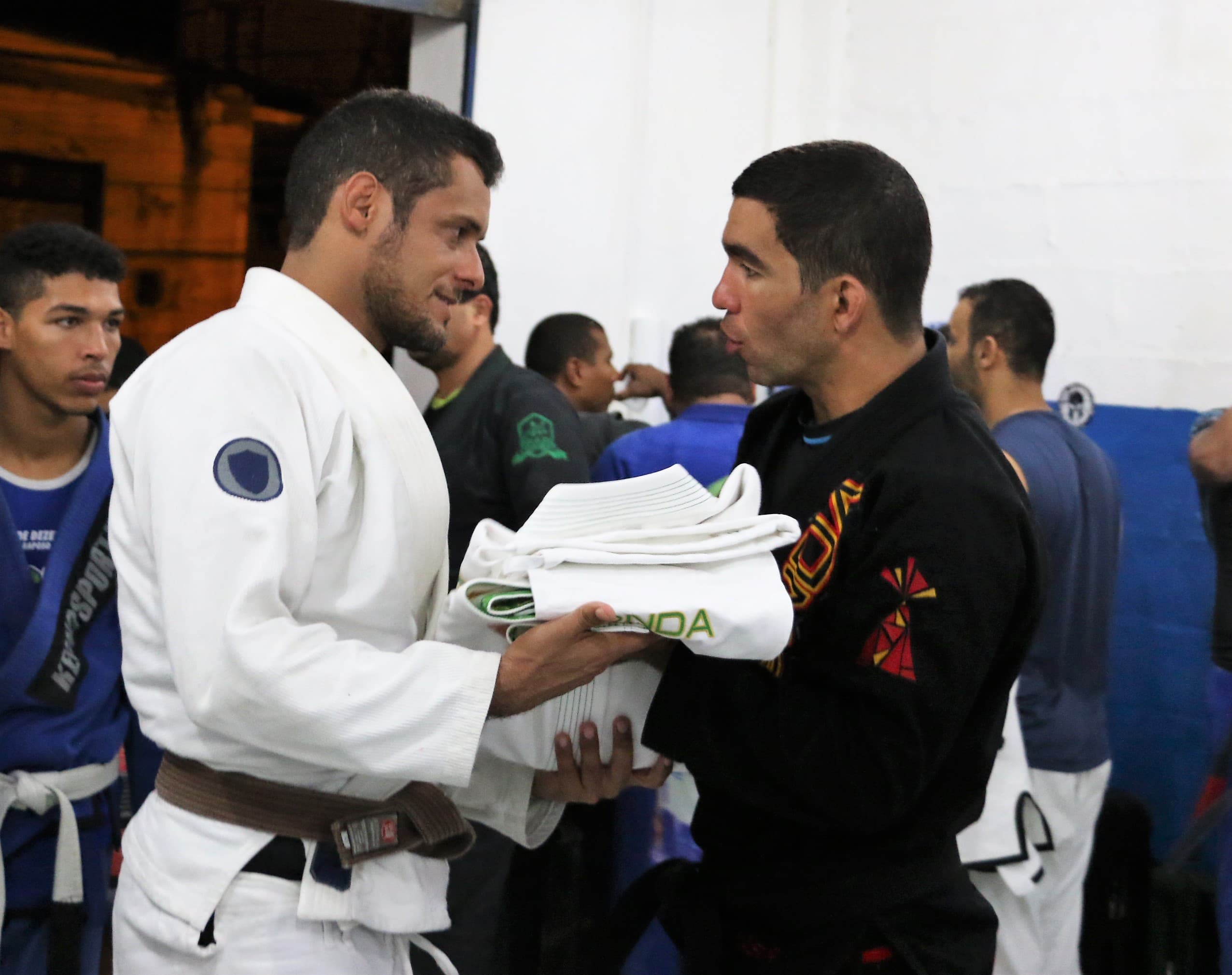
Organize a BJJ gear swap with clear labels, clean equipment, optional participation, and a plan for every item left afterward.
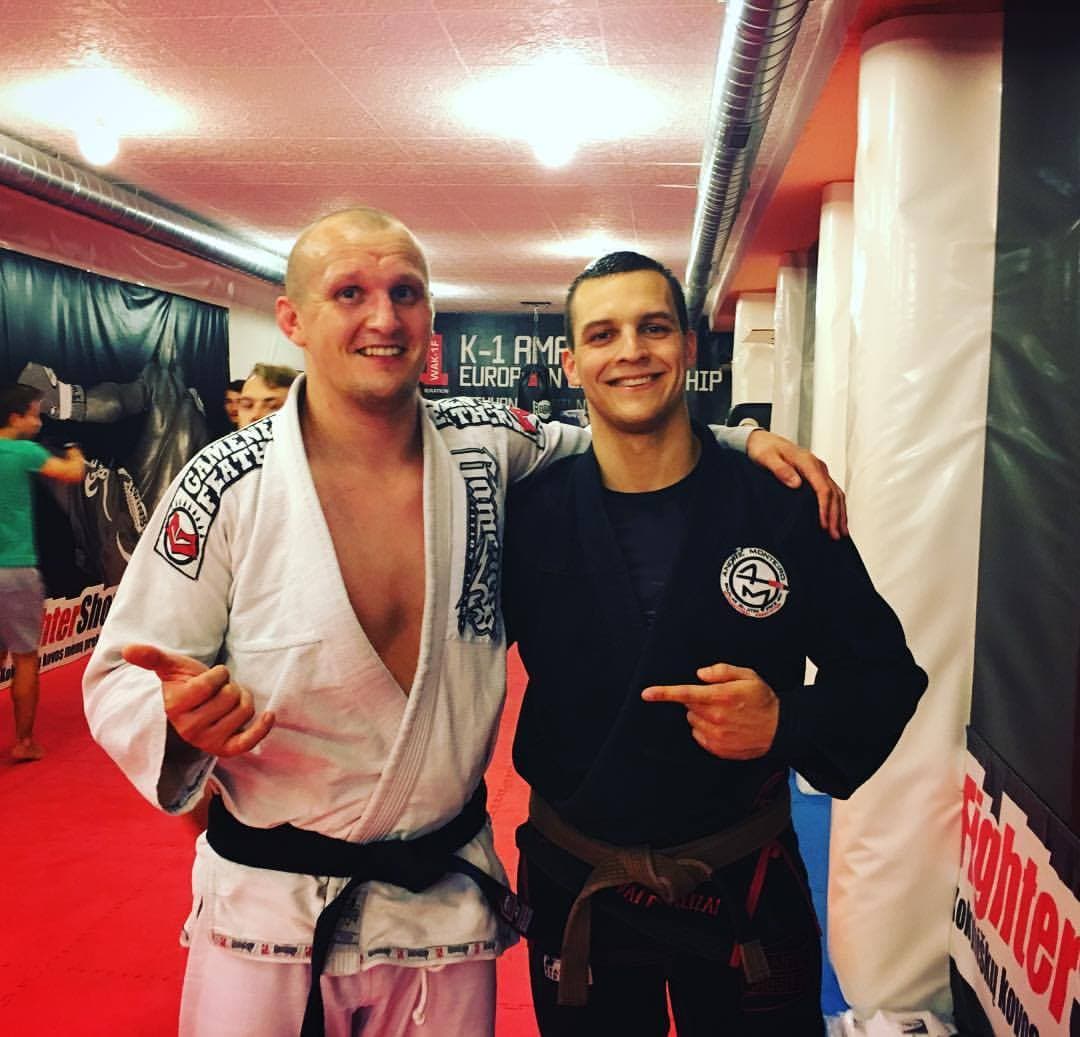
A practical post-match routine for BJJ: acknowledge your opponent, handle disappointment, and keep concerns separate from confrontation.
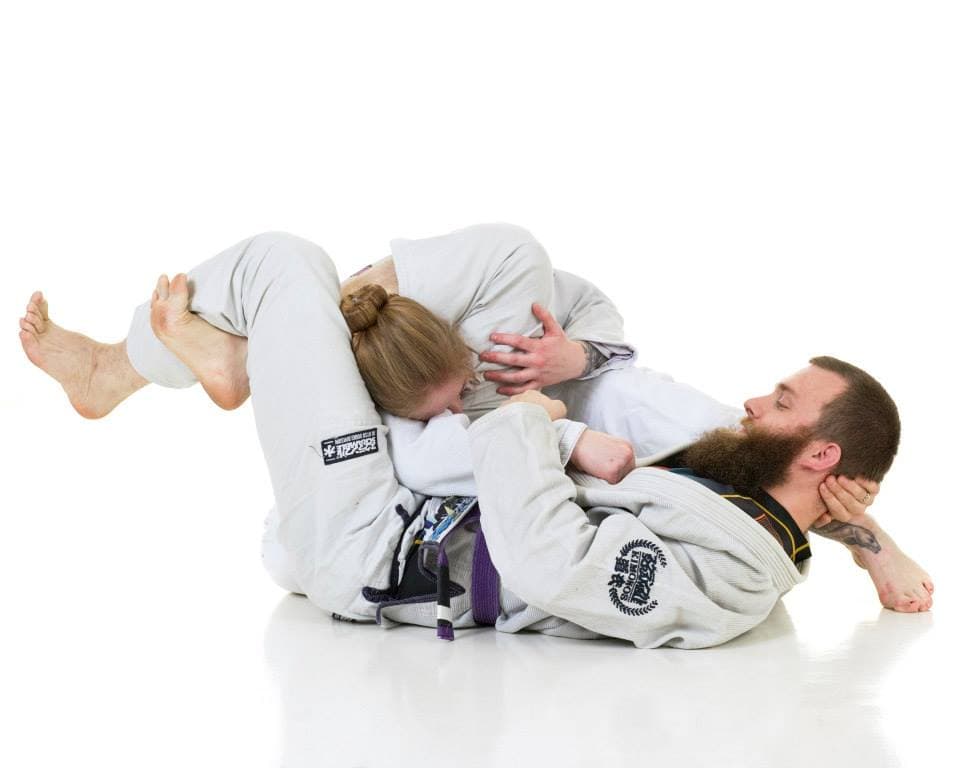
Learn BJJ left-handed without getting lost in a right-sided demonstration: mirror the setup, name the connections, and work with your partner.
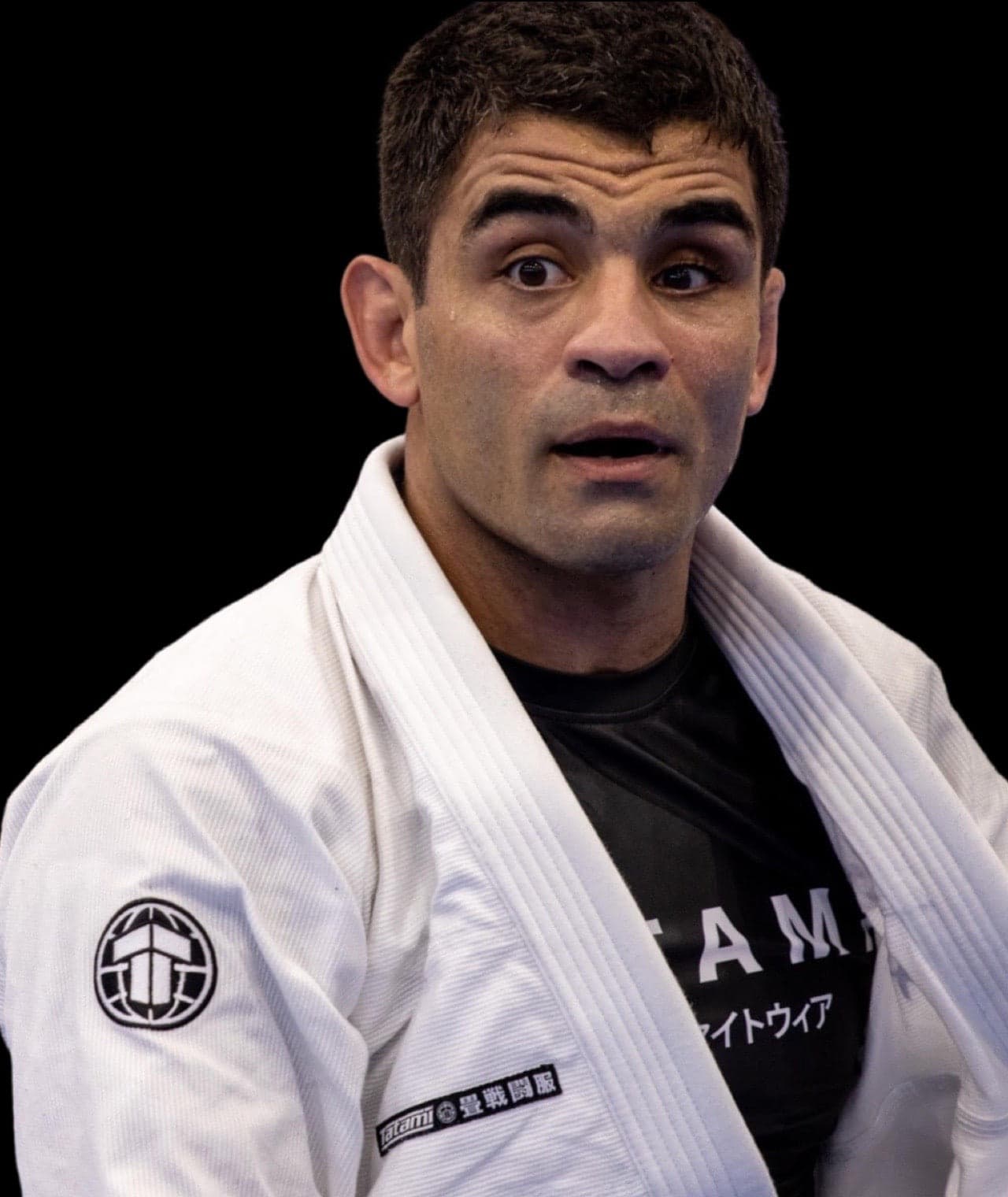
Vitor Shaolin Ribeiro won three straight adult black belt Worlds titles across two divisions. The original results reveal a more detailed story.