

Training on vacation: solve the hotel laundry problem first
Quick answer: Before training during a hotel stay, confirm how you will wash and fully dry your gear before the next session. Ask the property what its laundry service actually accepts and how long it takes; do not assume an in-room rinse will solve the problem. Plan the number of classes around the clean uniforms you can realistically have ready.
The difficult part of taking a gi on vacation may arrive after the class. You are back in a hotel room with a wet uniform, a small bathroom, and another session booked for the next morning.
That problem is easier to solve before choosing the second class. Laundry is part of the training plan, alongside transport and visitor arrangements. Give it a proper place in the itinerary rather than treating a bathroom hook as a complete system.
Count clean sessions before counting available classes
Start with the number of suitable uniforms you can bring and the time between planned sessions. Two classes on consecutive days require a different laundry plan from one class near the end of a trip.
Do not count a uniform as available merely because you expect it to be dry. It also needs to have been cleaned appropriately after use. Nor should a washed but still damp gi be treated as ready simply because the next class is convenient.
Write the sessions in order and place a washing-and-drying window between uses of the same kit. If that window does not exist, change the plan. Bring another appropriate uniform, use a confirmed service, or attend fewer sessions.
This is a planning recommendation, not a claim that every material dries in a fixed number of hours. The fabric, care instructions, available equipment, and room conditions all affect what is realistic. Allow uncertainty instead of assigning an optimistic drying time.
Ask the hotel a specific question
The phrase laundry available leaves several things unsettled. A property may offer self-service machines, collection for an outside service, or only particular items on a price list. Ask which arrangement applies before relying on it.
Describe the gear accurately. A gi is heavier and bulkier than a T-shirt, and the care label may rule out a process the service normally uses. Send or show the label if necessary, and ask whether the service can follow it.
Confirm the collection deadline and expected return time for the day you need it. A next-day service may return items after your morning class has ended. Weekend or holiday arrangements may also differ; the property’s answer for your actual dates is more useful than a general description on a booking page.
Keep the confirmation with your travel notes. If the service cannot accommodate the gear, you still have time to find another option or change the training schedule without an improvised late-night search.
Treat the care label as part of the booking
Check the instructions on the gi, rashguard, shorts, and any other gear separately. Similar-looking items can have different care requirements. Do not hand over a mixed bundle with a general instruction to wash everything the same way unless the labels support that choice.
If shrinkage would make a gi unsuitable, avoid asking a hotel service to experiment with heat. A faster turnaround is not useful if the uniform comes back too small. Make your requirements clear before the service accepts the item.
The gi washing guide can help you build a normal routine, but a travel service adds another person to the process. You need agreement about what will be done, rather than an assumption that the staff will recognize specialist sportswear.
If instructions are unclear or missing, ask the manufacturer before the trip. That gives you a firmer basis for the laundry plan than trying to resolve the question at reception after training.
Find a laundromat before you urgently need one
A nearby self-service laundry can be an option, but check its actual hours, payment method, and available machines. A location appearing on a map is not confirmation that it will be open when class finishes.
Work out how the trip fits with the rest of your day. You may need to stay with the laundry or return within a specific window. Avoid assuming it is acceptable to leave gear unattended while going to dinner or another activity.
Bring what the service requires, subject to travel restrictions and the equipment’s instructions. Do not buy or carry a large supply of products simply because you have not checked whether the facility provides them. A small amount of accurate information can save luggage space.
For a short stay, compare the whole effort with attending one fewer class. That is not giving up on training. It is recognizing that a holiday can contain jiu-jitsu without being organized entirely around the washing cycle.
An in-room rinse is not a substitute for a workable plan
Do not assume that rinsing used gear in the sink makes it ready for another close-contact session. Follow a cleaning method appropriate to the garment, and ask the manufacturer if hand-washing is part of its instructions.
Also respect the property’s rules and facilities. A sink, bathtub, or heated fixture is not automatically intended for washing or drying a heavy uniform. Avoid arrangements that could damage a fitting, mark furniture, or leave water where it should not be.
If the property permits you to dry properly washed items in the room, use a suitable arrangement and keep the space ventilated as allowed. Do not drape clothing over lamps, electrical equipment, smoke detectors, or heaters. The goal is to manage your kit without creating a problem for the room or its next guest.
If appropriate cleaning and drying are unavailable, the answer may simply be to skip the next session. A clean spare is useful; an improvised explanation for reusing dirty gear is not.
Keep used kit separate on the way back
Bring a suitable bag for the journey from the academy to the hotel or laundry. Keep used training clothes away from the clean outfit you intend to wear afterward, and unpack them when you can deal with them appropriately.
A sealed or separate bag is temporary transport. It should not become the place where the uniform spends the remainder of the trip. Put the laundry step on the schedule before you leave for class, so that returning tired does not mean starting the decision from scratch.
Keep the routine manageable:
Set aside clean clothes before leaving for training.
Bring a separate container for used gear.
Confirm where the gear goes immediately after class.
Check that the next planned session has a clean, dry uniform available.
This is particularly useful when sharing a room. Your partner or friend should not discover that the only chair, shower rail, and open suitcase have all become part of an unannounced drying arrangement.
Plan the final class around departure day
The last session creates a different problem: you may be able to wash the gear but not dry it before checkout. Think through that timing before booking a class on the morning of a flight or a long train journey.
Ask the property about any relevant facilities, but do not assume access continues after checkout. If using an outside laundry, confirm that collection will be complete before you need to leave. A promised return later that day is not useful once you are on the way to the airport.
Packing damp items for travel is sometimes a logistical problem you must manage, but it should not be the intended outcome of a plan that could be changed. Keep them separate if necessary and attend to them promptly at the destination. Follow the garment’s cleaning and care instructions.
Often the simplest adjustment is to make the final training session earlier in the stay. You can still visit the academy you wanted without giving the journey home a wet-gi deadline.
Let the training schedule stay flexible
A trip with several possible classes does not require attending all of them. Once you know the laundry options, choose the sessions you most want and leave room for ordinary travel plans around them.
Confirm the gym’s visitor policy and booking terms before changing reservations. The travel-training guide covers that broader preparation. Laundry is one practical constraint within it, rather than a reason to make assumptions about the academy.
If a service falls through, tell the gym promptly if you will miss a reserved session. Do not ask a host to lend equipment at the last moment without first checking whether that is an option. A loaner, when offered, comes with its own return and care arrangements.
After the trip, note what worked. The useful lesson might be as small as bringing a second rashguard or choosing a hotel with confirmed self-service machines next time. You do not need a perfect travel system to make the next visit easier.
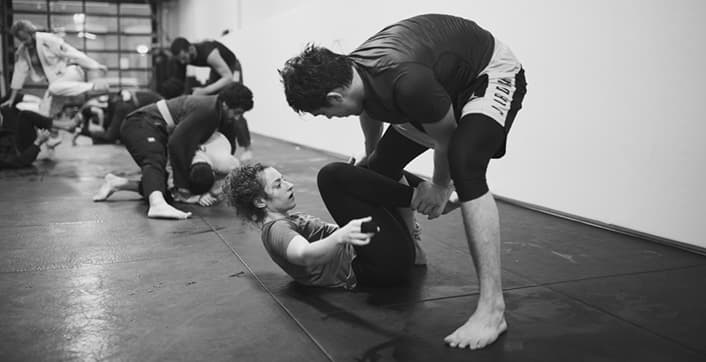
Main photo: BJJ Globetrotters; illustrative archive photograph.
The takeaway
Count the clean uniforms you can actually have ready, then fit classes around a confirmed washing-and-drying plan. Ask the hotel or laundry about the specific items, care instructions, and return time before relying on the service.
Leave enough room at the end of the stay to deal with the last session’s kit. Fewer well-planned classes can make a better trip than a full timetable built around gear that is never quite ready.
Choose the sessions worth planning around
Browse open mats on Let’s Roll, confirm visitor arrangements directly, and build the laundry plan around the training you most want to attend.
FAQ
Can a hotel laundry wash a BJJ gi? Ask the property. It depends on the service, the item, and whether it can follow the gi’s care instructions. Confirm the return time as well as acceptance.
How many gis should I pack for a trip? Count the sessions and the realistic cleaning-and-drying windows between them. Bring enough suitable gear for that plan, or reduce the number of sessions if laundry is unavailable.
Can I rinse a gi and train in it again? Do not treat a quick rinse as a substitute for appropriate cleaning. Follow the garment’s care instructions and use clean, dry kit for the next session.
Should I train immediately before checking out? Only if you have a workable plan for the used gear afterward. An earlier final session may give you time to wash, dry, and pack without rushing departure.

Maya Corbett
Maya Corbett answers the questions you have before walking into an unfamiliar academy — what to book, what to bring, who to ask. Every detail in her guides traces back to something the gym published itself.
Related Posts

Competing in gi and no-gi on the same day takes two plans
Prepare for gi and no-gi competition on the same day with separate rule checks, complete outfits, schedule coordination, and a realistic second-bracket plan.
Jiu-jitsu in Montreal: build the visit around a real class
Plan BJJ training in Montreal around confirmed classes, language arrangements, winter travel, visitor policies, and equipment that is ready to use.
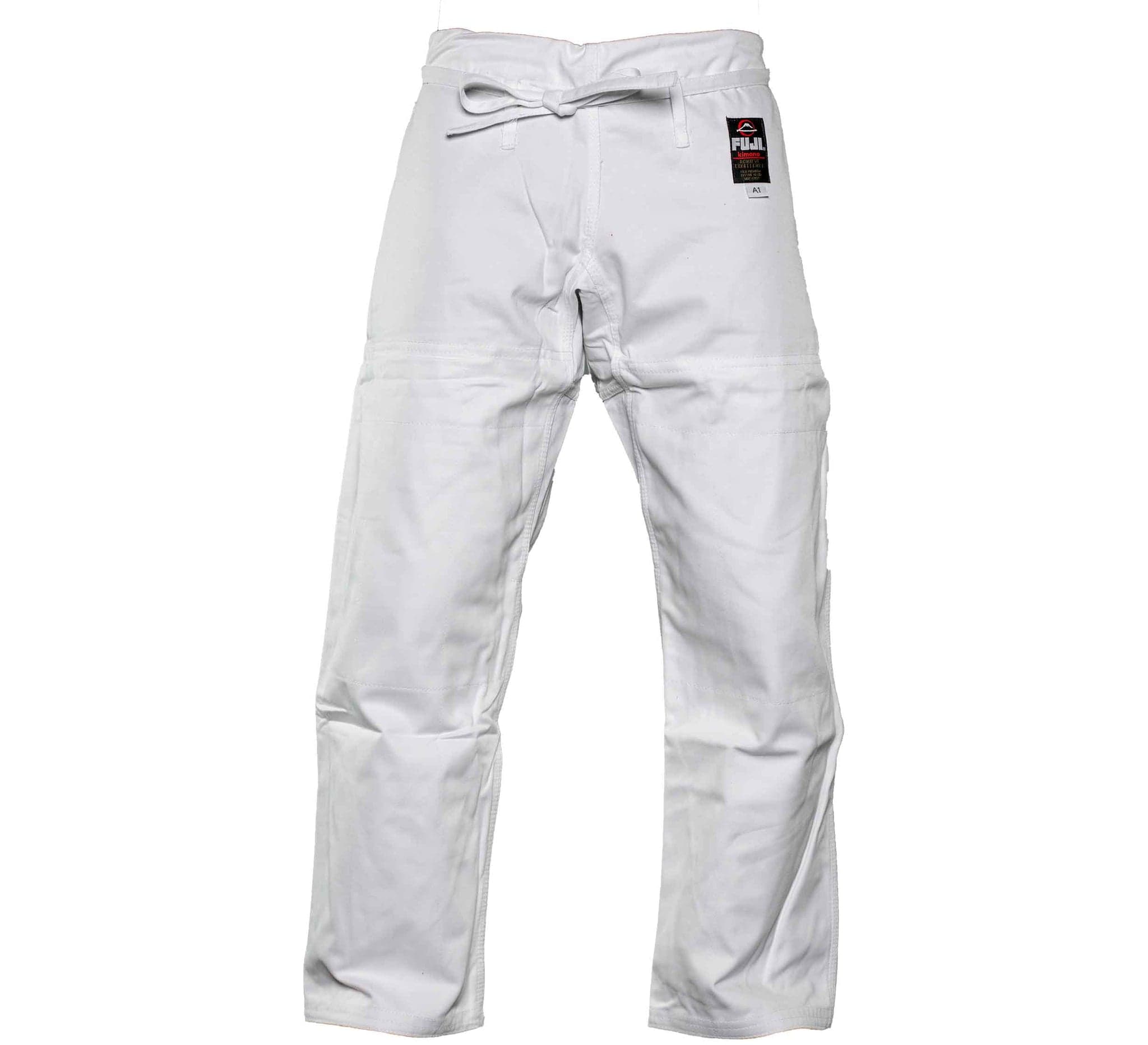
BJJ gi pants that fit standing up can still fail on the mat
Check BJJ gi pants at the waist, rise, knees, and cuffs so a good-looking size label becomes a uniform you can actually move in.
Comments (0)
Loading comments...